Well I made it to Constantine after a one hour flight from Ghardaia where I had some very ill behaved toddler kicking my seat and screaming in my ear for the entire flight. NOT HAPPY. Especially when the flight departed at 11:30 p.m. I was tired and did not need the headache. And not to sound snobby, but there is a reason I usually fly business class ….
Anyway. Once my driver arrived at the airport to pick me up (the flight was early so the driver did not arrive for about 15 minutes after I exited the terminal) we made it to the hotel only to find that the desk clerk had decided to nap in the back room and it took about ten minutes for him to finally wake up and check me into my room. As a result, it was well after 2:00 before I made it to bed. Ugh. Fortunately, that is the last of the late night flights on this trip.
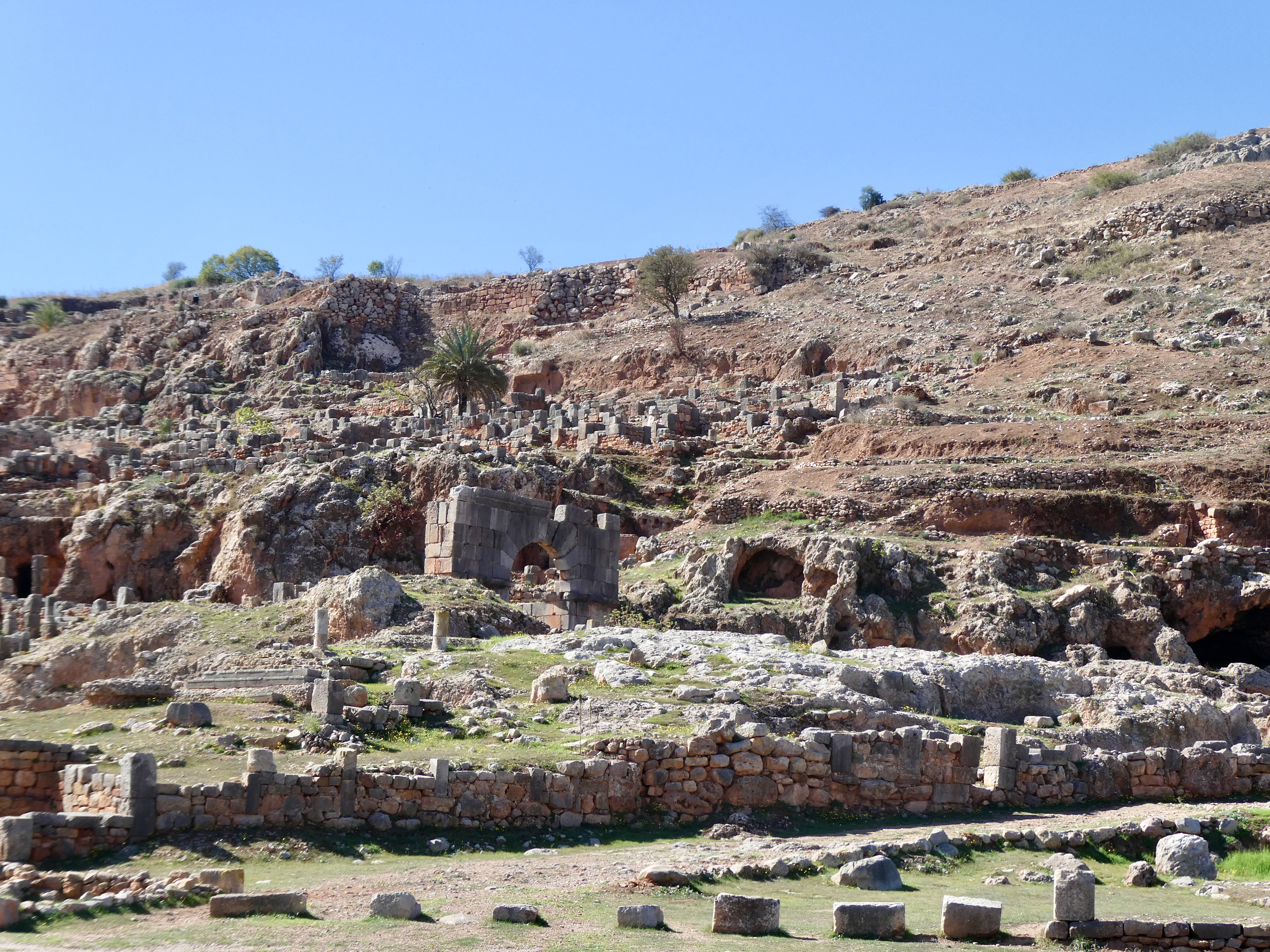
So after a mediocre sleep, I met my guide, Nahla, and we headed 30 km outside Constantine to the hillside Roman castellum or fortress, Castellum Tidditanorum aka Tiddis. Now the hillside settlement has been occupied at least dating back to the Neolithic Berbers who were in this area between 10,000 BC and 2,000 BC. And while the Berbers may have been the original settlers, the Romans are credited with developing the fortress to protect the nearby larger settlement of Cirta (now known as Constantine).
Now the majority of the site has not been excavated and what has been uncovered has not been well preserved by the Algerian government. In fact, only recently have the Algerians taken steps to protect the site, but the ruins even today remain largely under the radar.
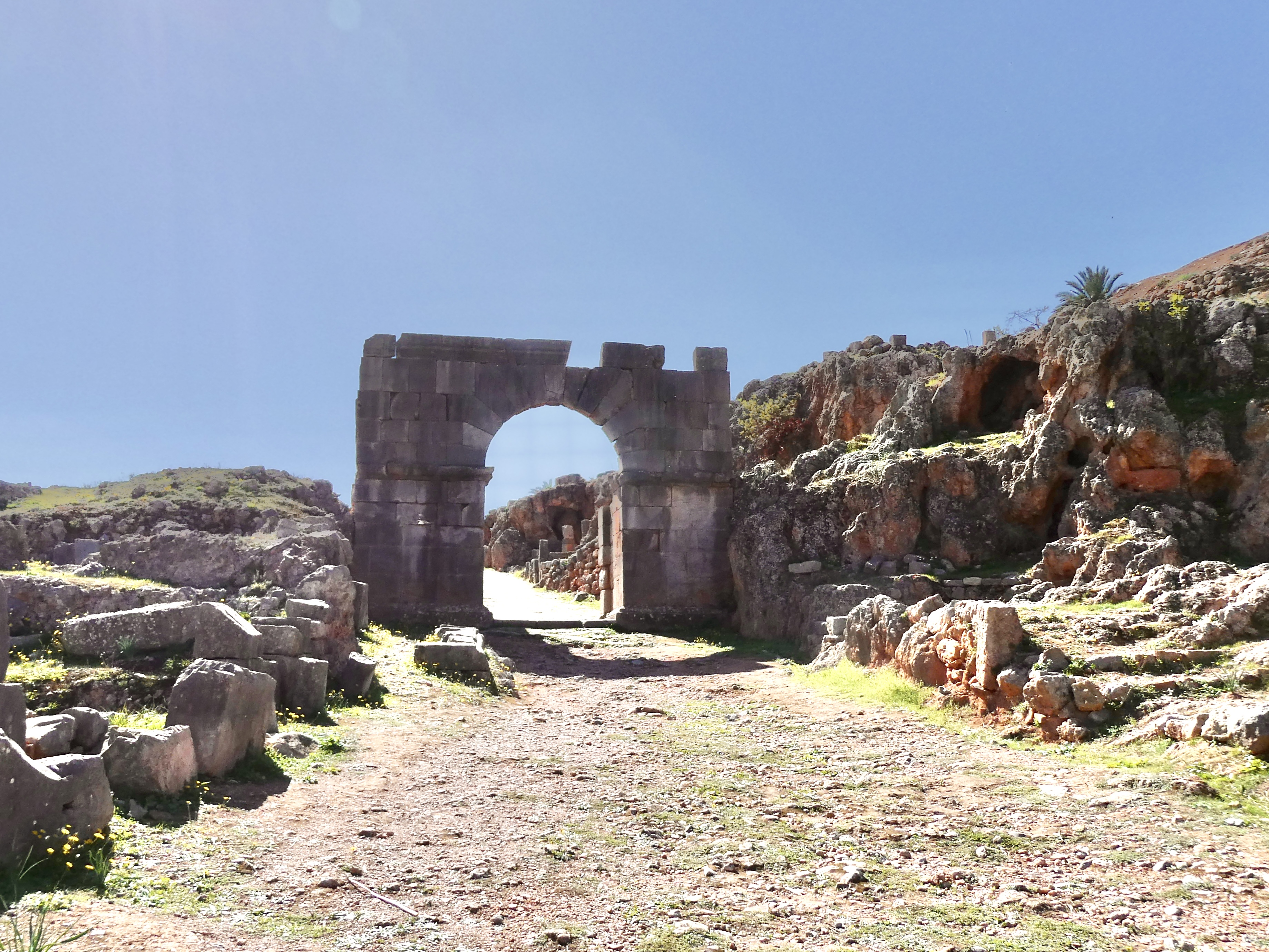
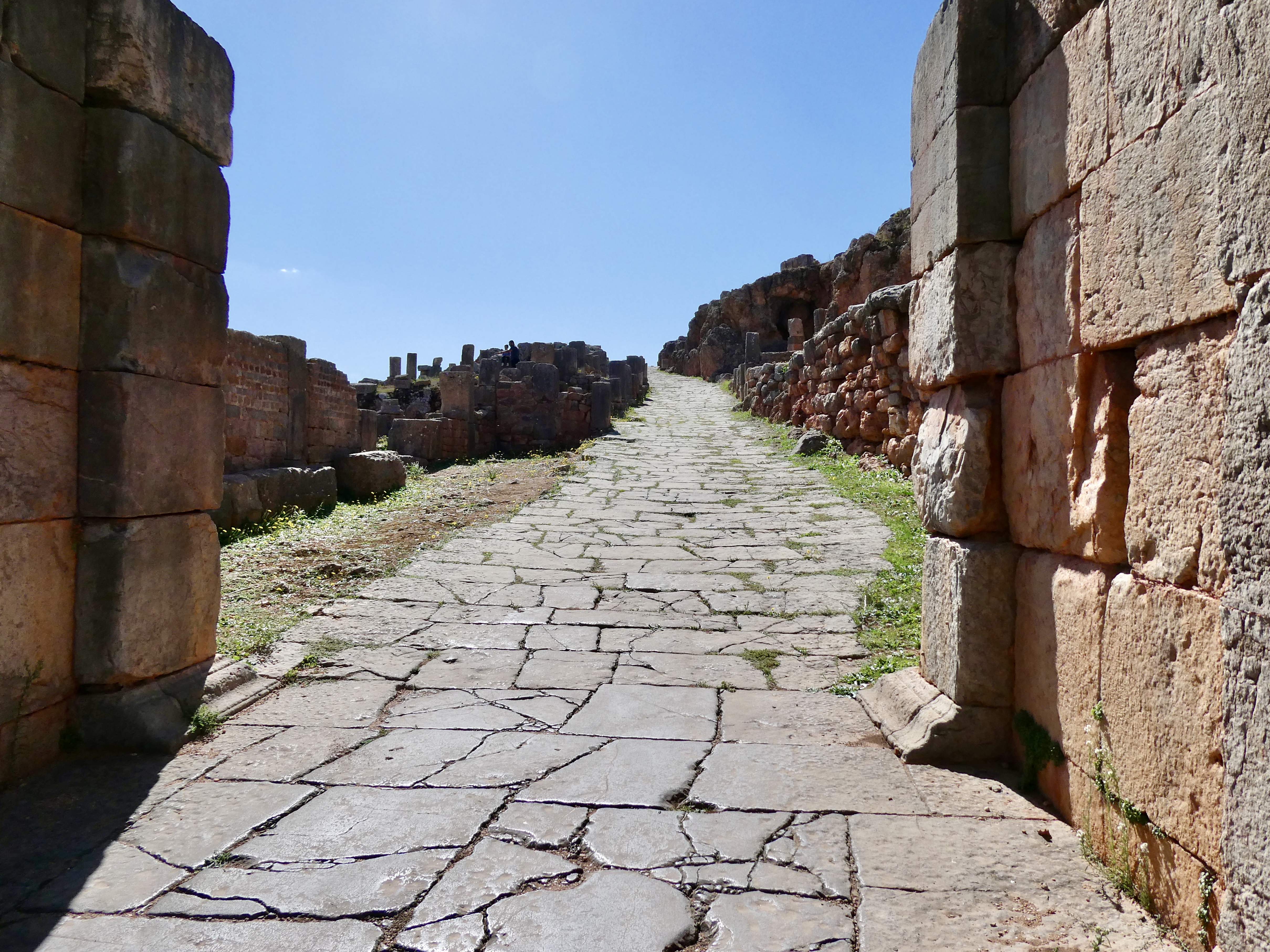
Anyway, once we reached the site, Nahla and I hiked past old pre-Roman tombs before reaching the 3rd century Roman arch that was the gateway to the city. Once we passed through the arch, we picked up the main Roman road leading through the fortress. Now much of the fortress remains are nothing more than ancient rocks that bare no likeness to whatever buildings were constructed from the stones. However, there were more than enough visible ruins to make the trip incredibly interesting.

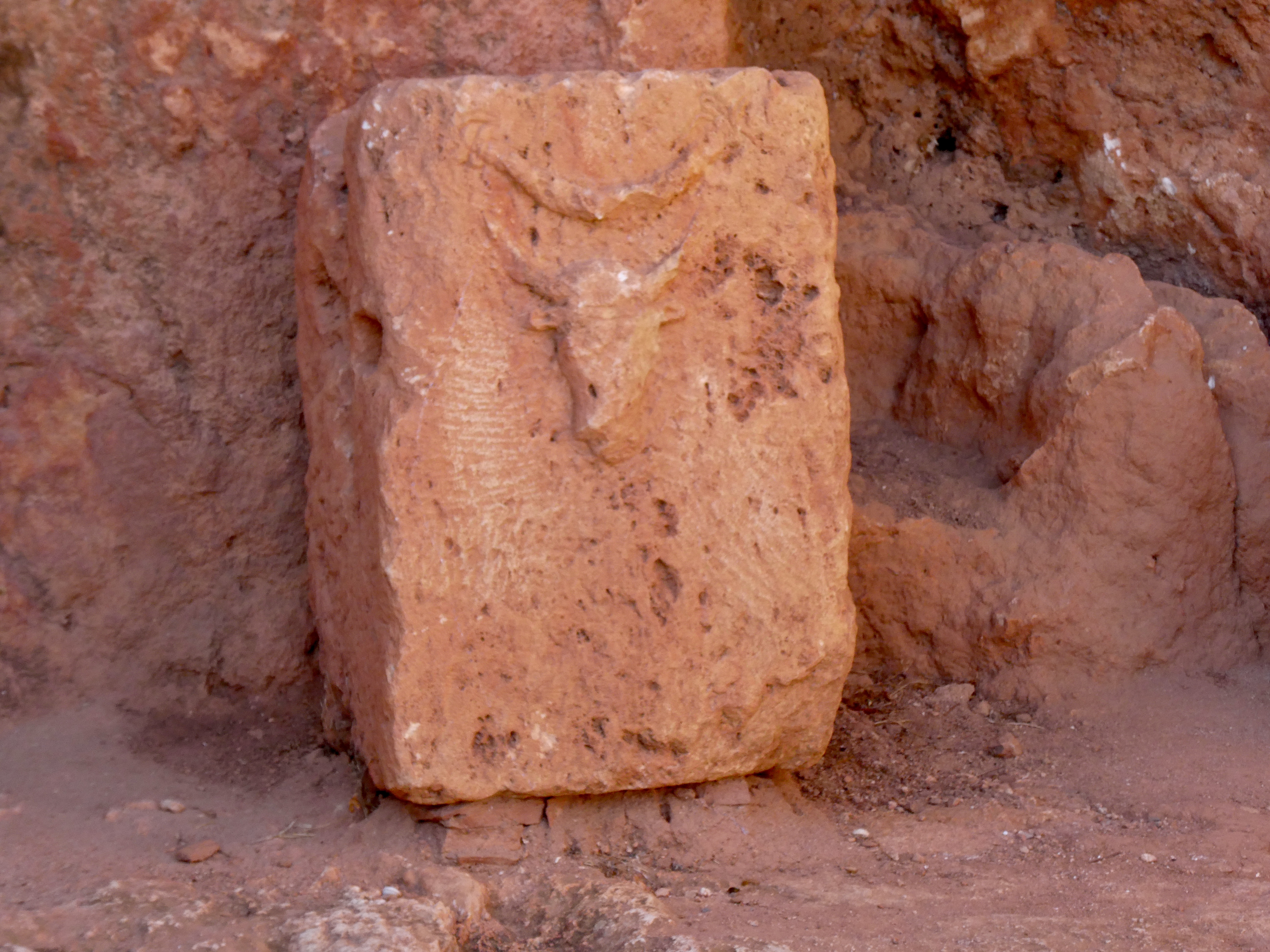
So after we passed through the arch and walked along the Roman road, we stopped at the first of a number of temples. The first temple was the Temple of Mithra, an ancient Persian deity associated with justice, sunlight and contracts. Apparently Roman soldiers had a strong attachment to Mithra hence the importance of the temple at the fortress. And bulls were often sacrificed as a form of worship to Mithra. As a result, there were a number of bull carvings on stones in the temple.
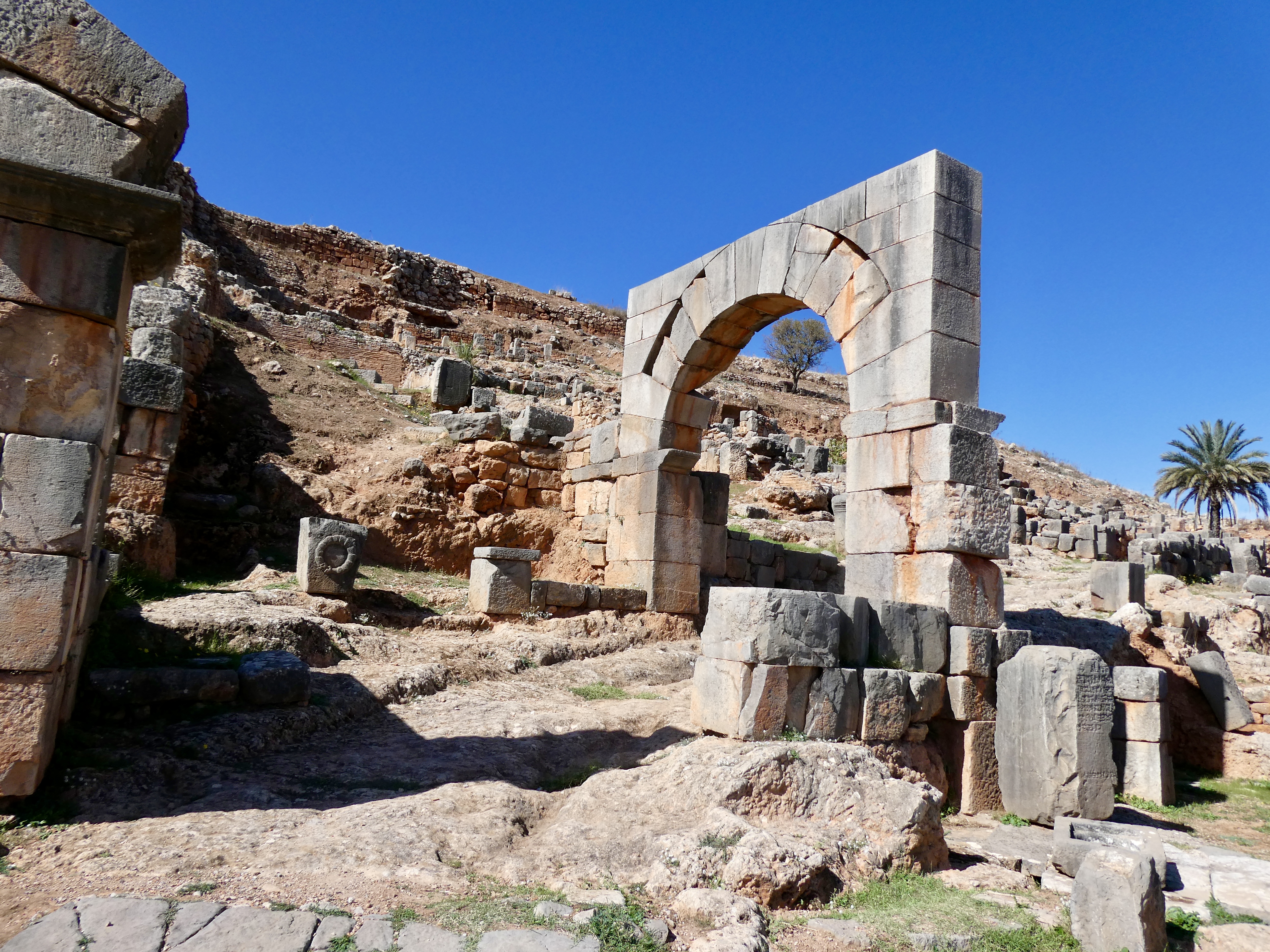

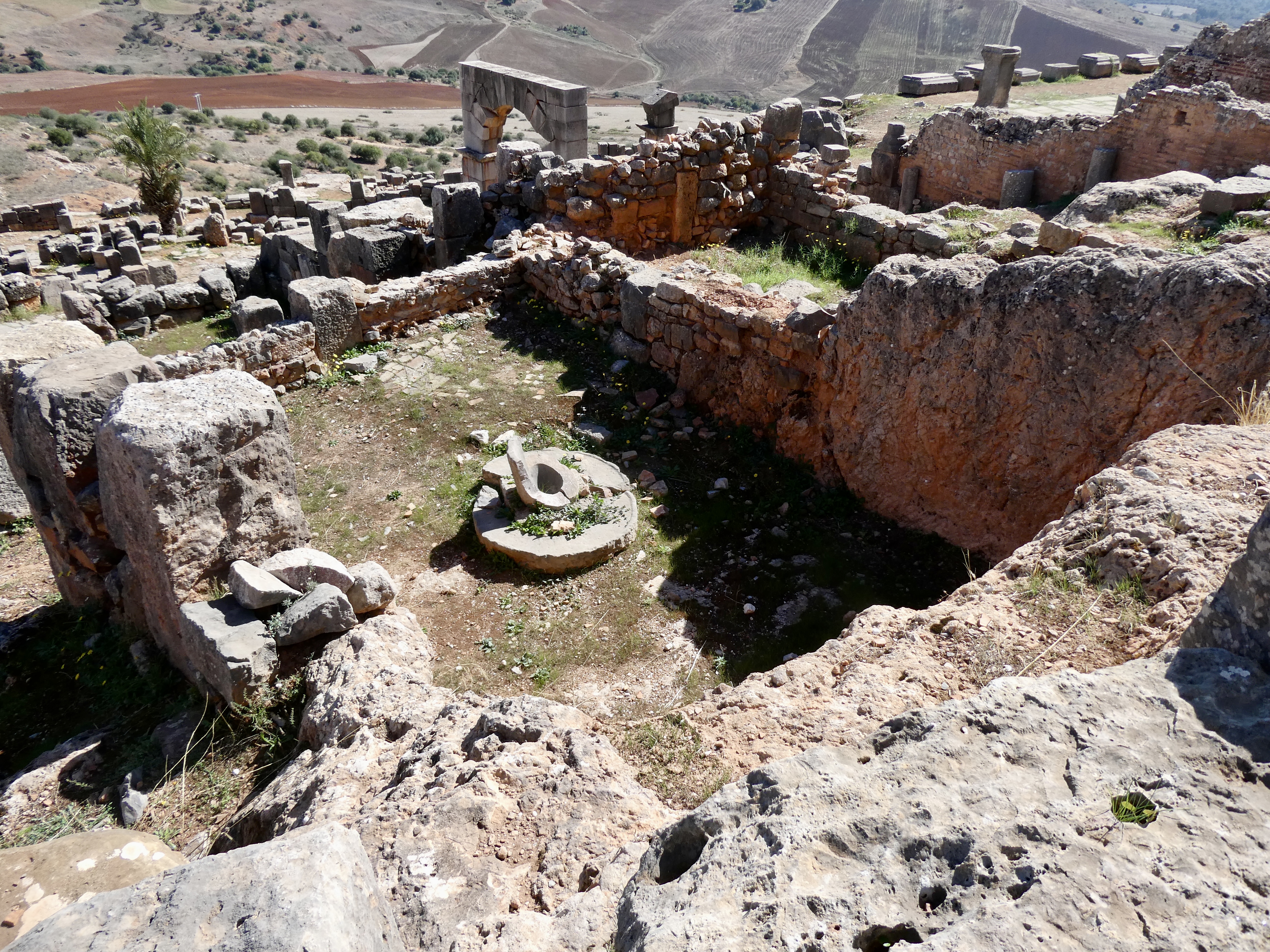
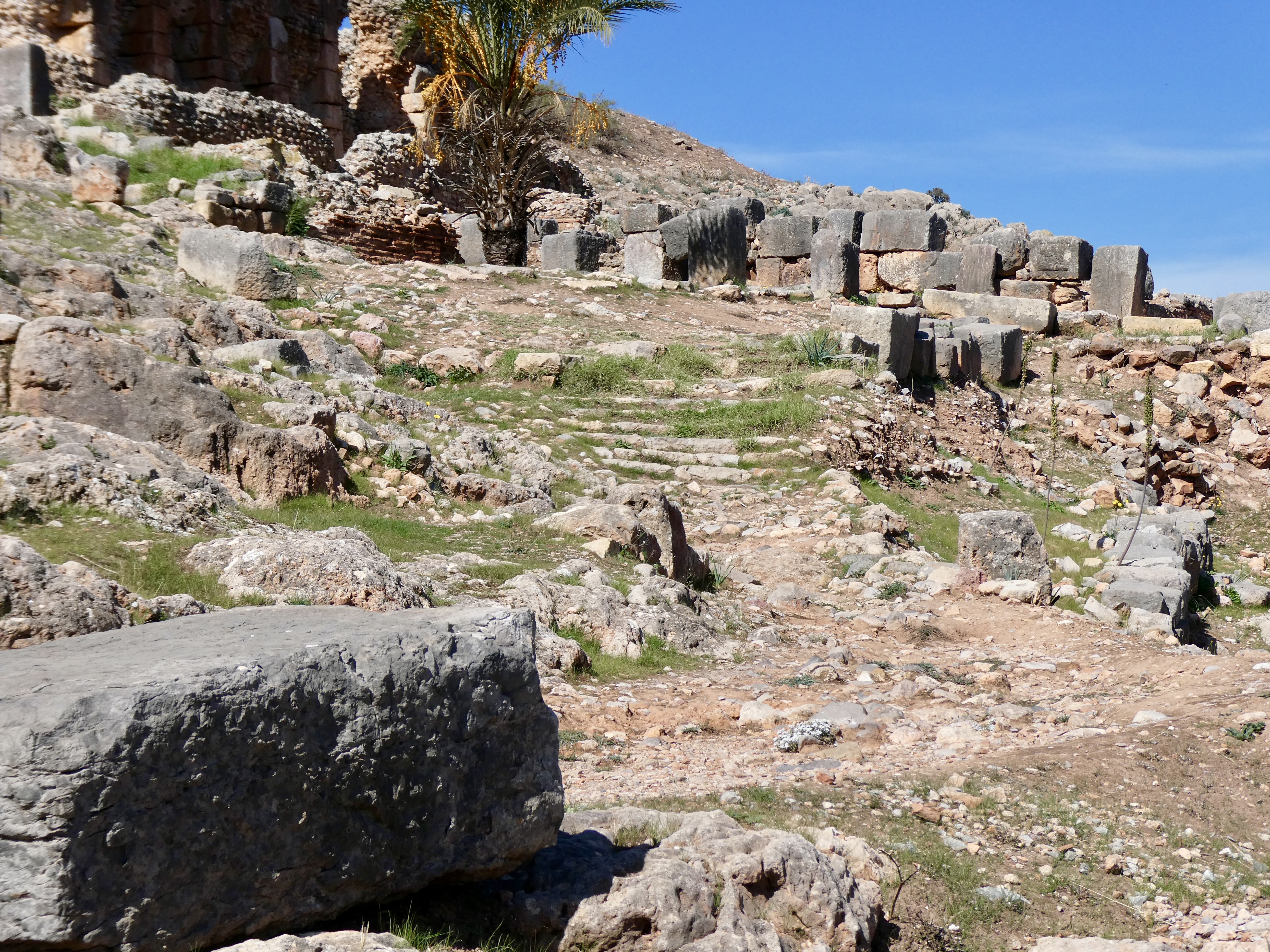
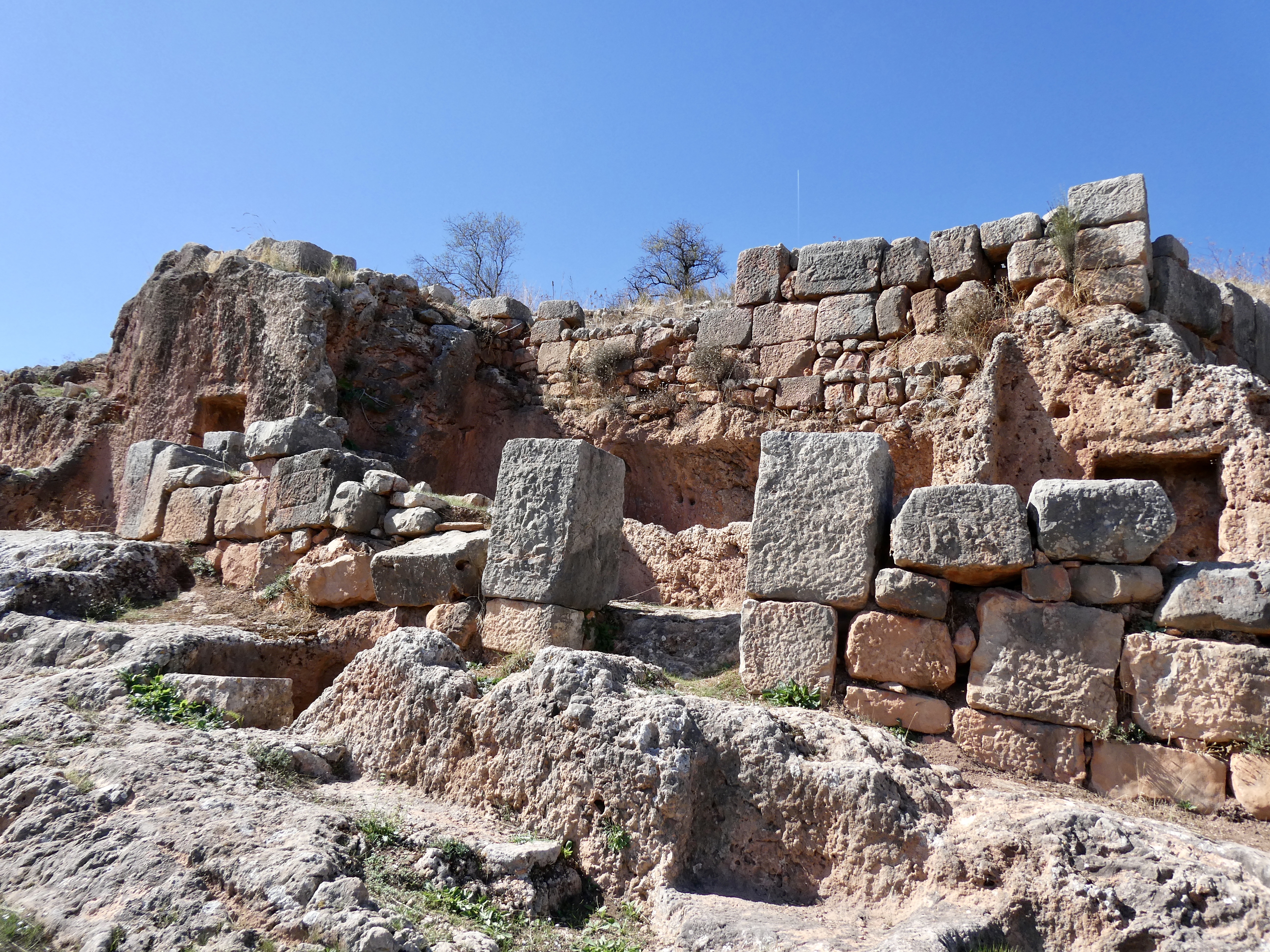
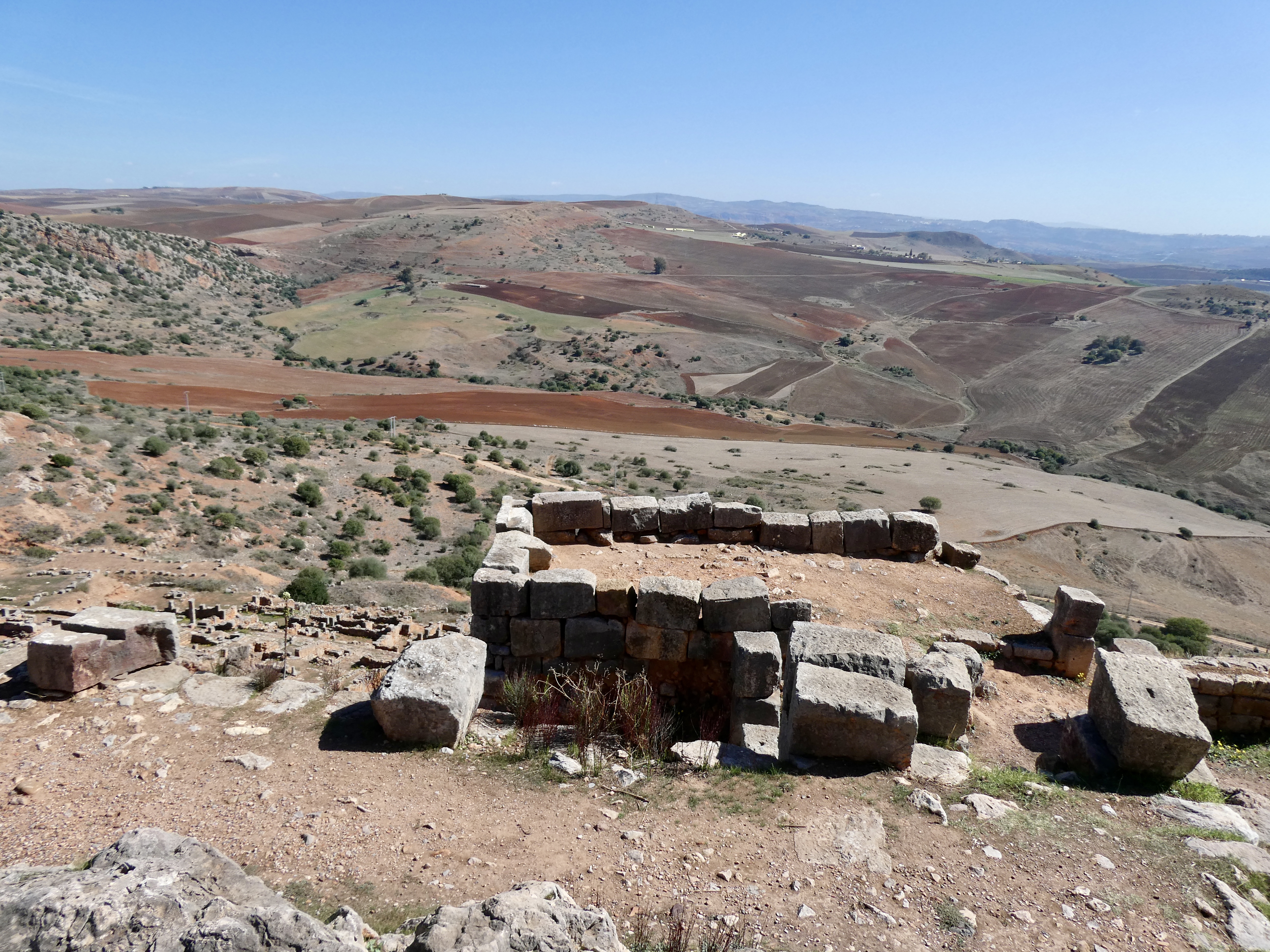
We moved on from the temple and crossed under a second arch that led upwards to the residential areas of the town. Now the interesting thing about Tiddis was there were no natural sources of water. As a result, the locals had to collect and store rainwater so there were a number of collection channels and cisterns built into the houses. In fact, the site of Tiddis was eventually abandoned because the lack of water made the site virtually uninhabitable.
And as we walked up the hillside, we could make out the walls of ruined homes, staircases that led from one level of the town to another and pathways between the homes that appeared to be alleys or narrow roads. We also saw numerous carvings in stones, the remains of pillars and stone entryways into homes. In addition, there were the remains of a watchtower on the edge of the residential area.
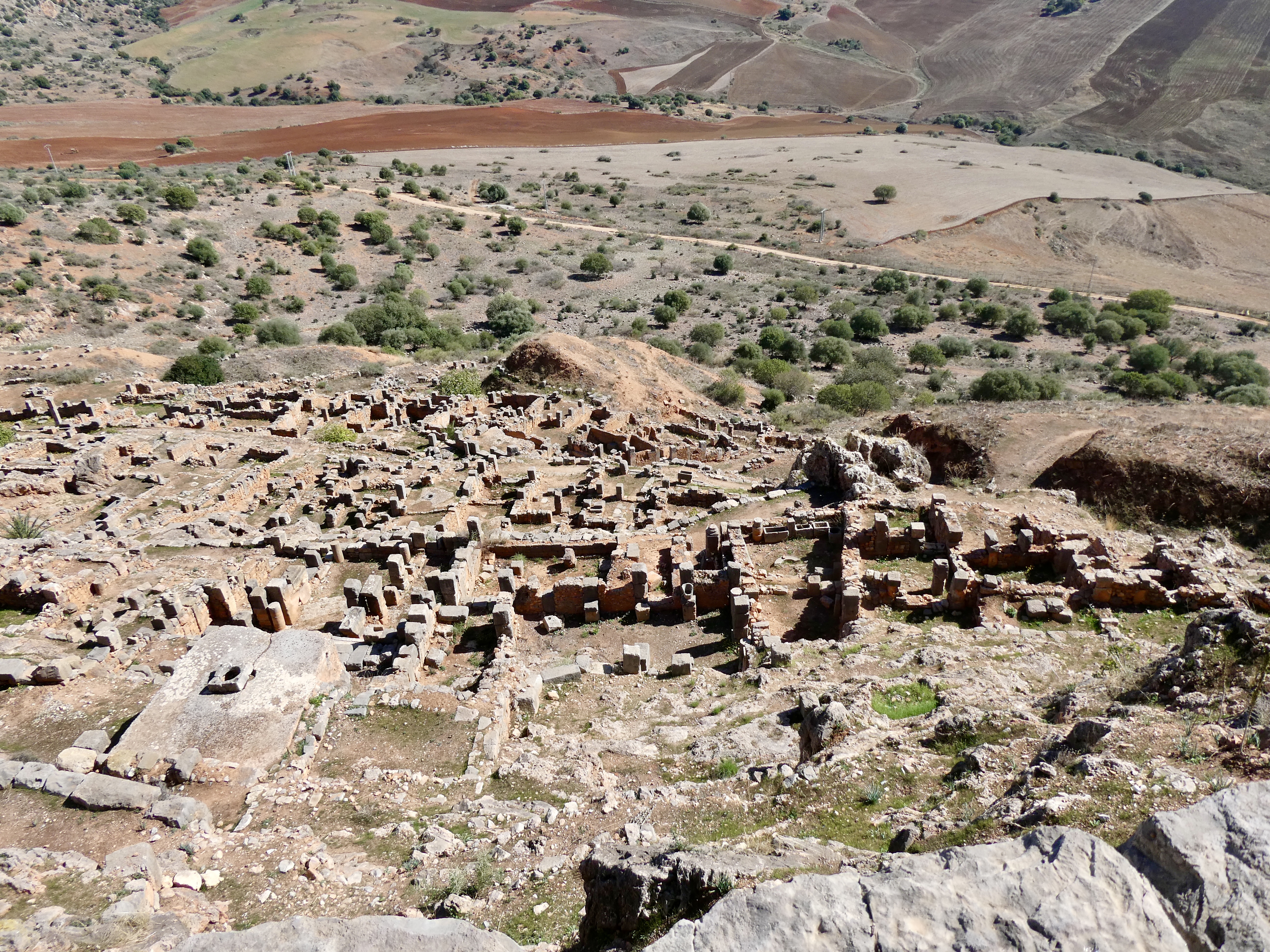
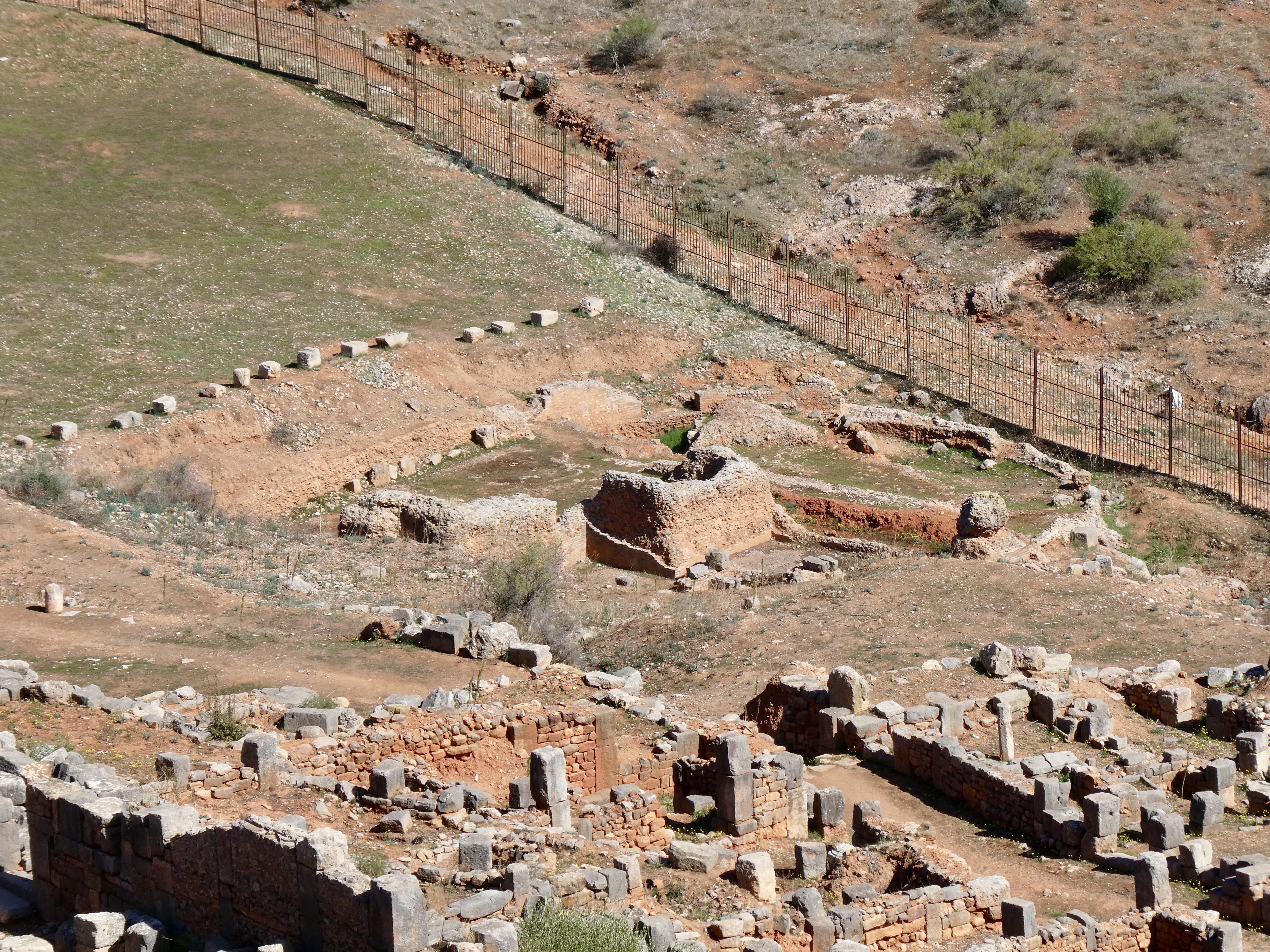
Now as we climbed higher, our vantage point to the Christian area of the town improved. And I refer to the area below as the Christian area because when the Romans adopted Christian beliefs, they began to construct homes away from the pagan temples and incorporated chapels into the new areas of the town far below the upper level.
And in looking at the town below, we could also make out a Roman bath area in the far corner of the new section of the town, which included the standard cold, warm and hot areas.
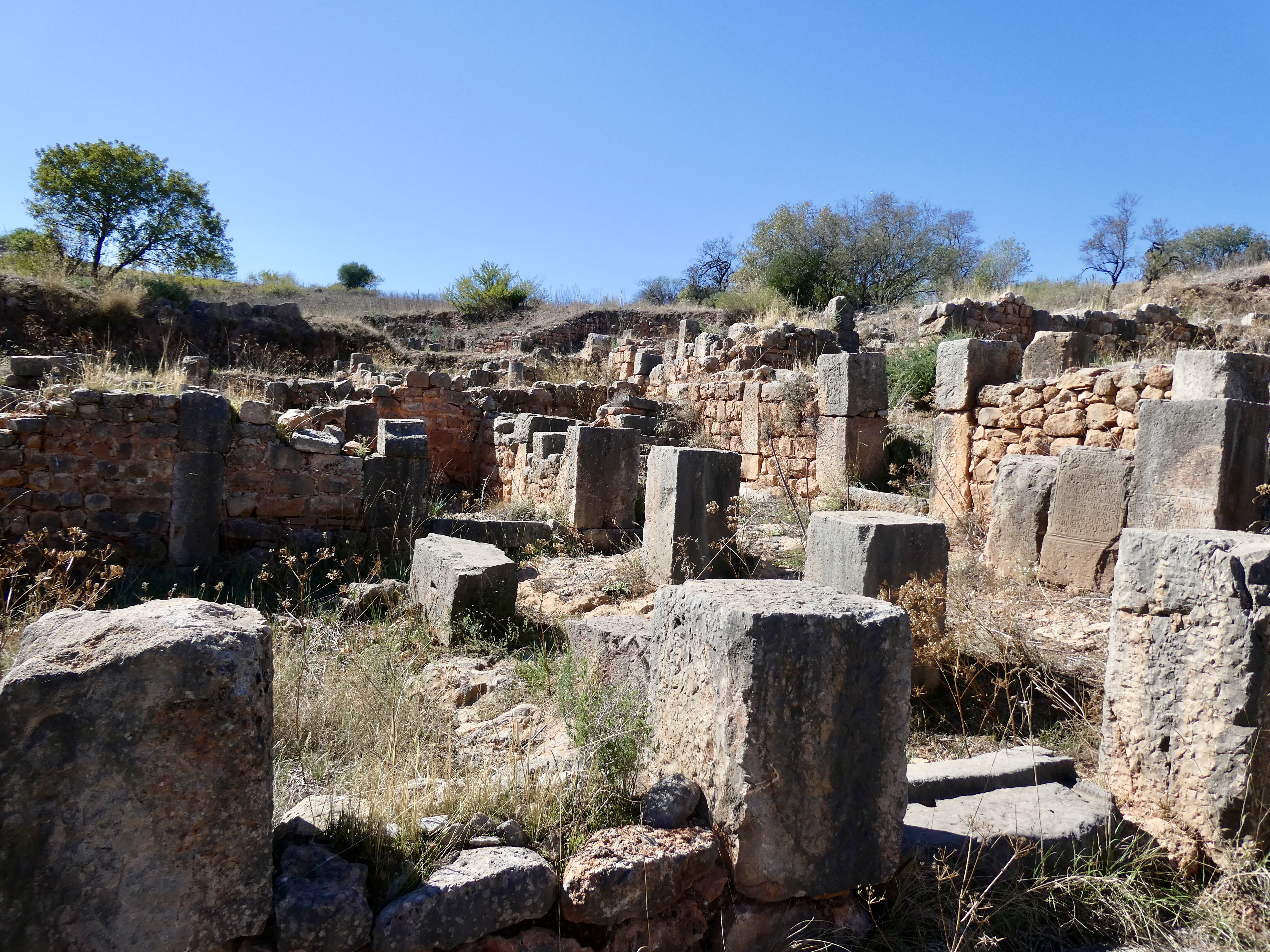
Now at this point, Nahla and I decided to climb to the far end of the site where we were able to view the last area of the town that had been excavated. We wandered around this area taking in the large areas around us that have yet to be excavated. In fact, there remains more than 80% of the town under dirt and rubble leaving me to wonder what the heck is under the ground.
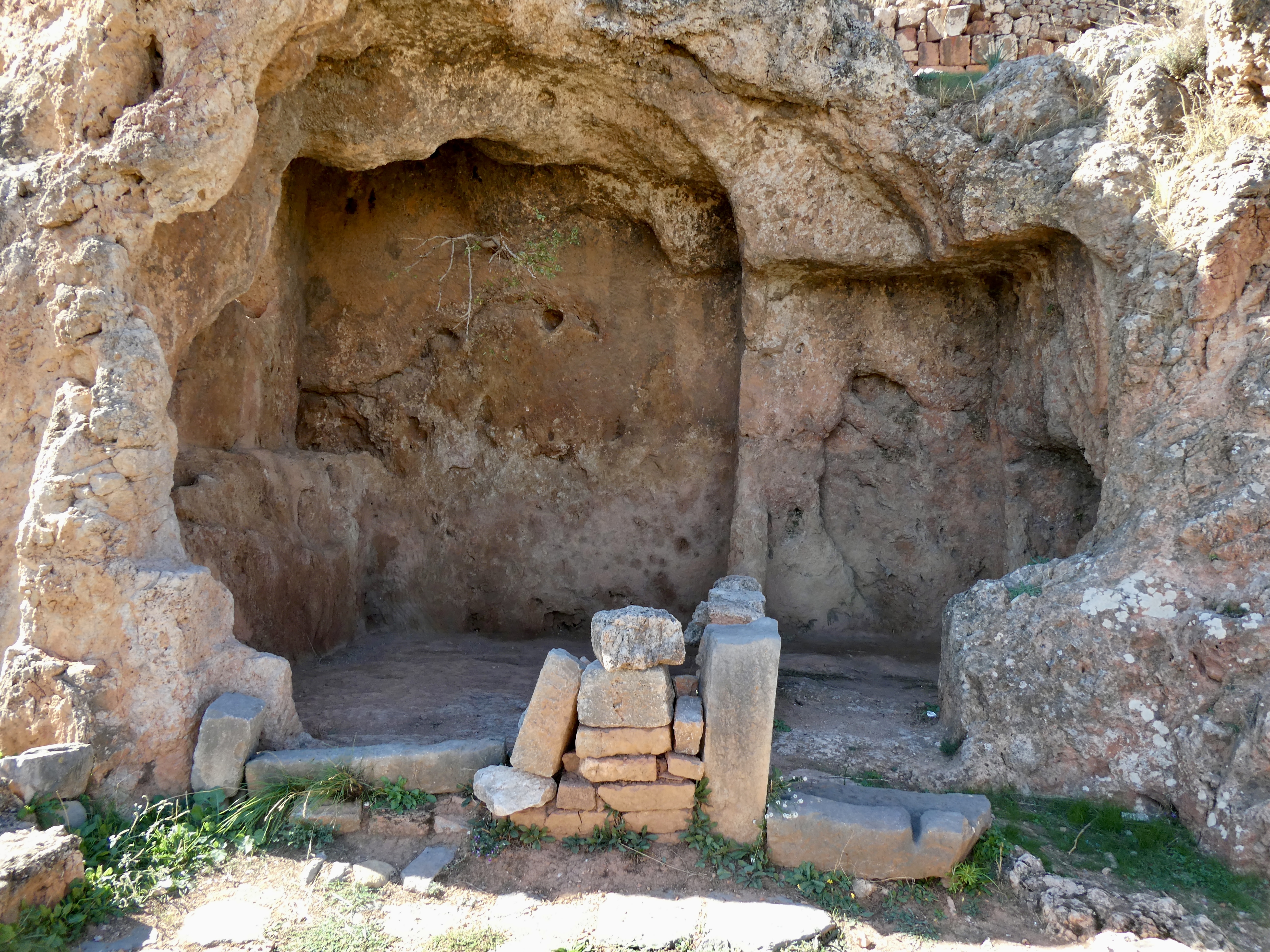
Anyway, as we began our walk back, we stopped in at the Temple of Vesta, the virgin goddess of the hearth, home and family. Apparently the only people who were permitted to enter this temple were the vestal virgins, who were responsible for ensuring that the fire that burned in the temple did not die out as the fire was a symbol of prosperity and safety for the town (much like the Temple of Vesta in Rome).
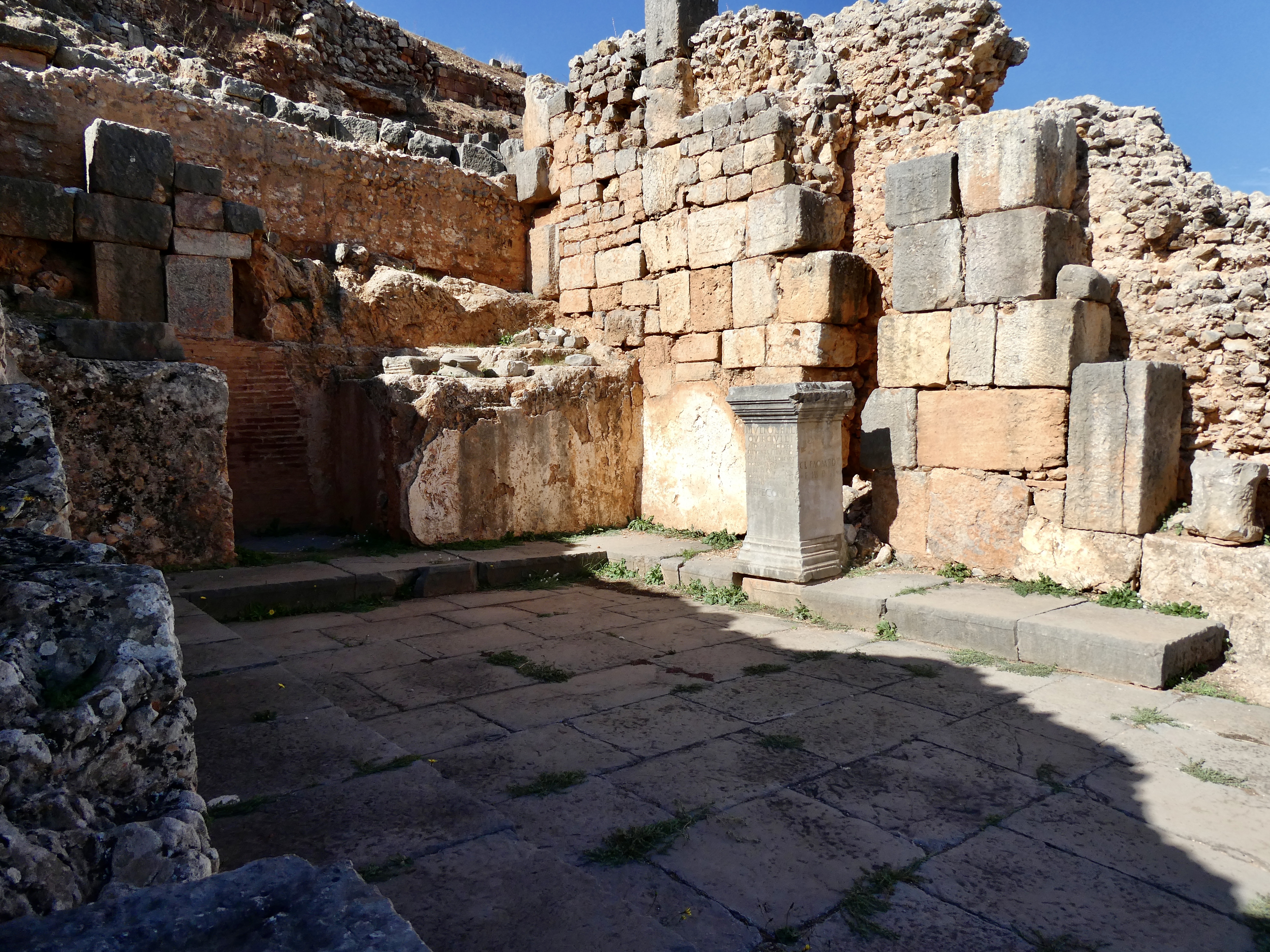
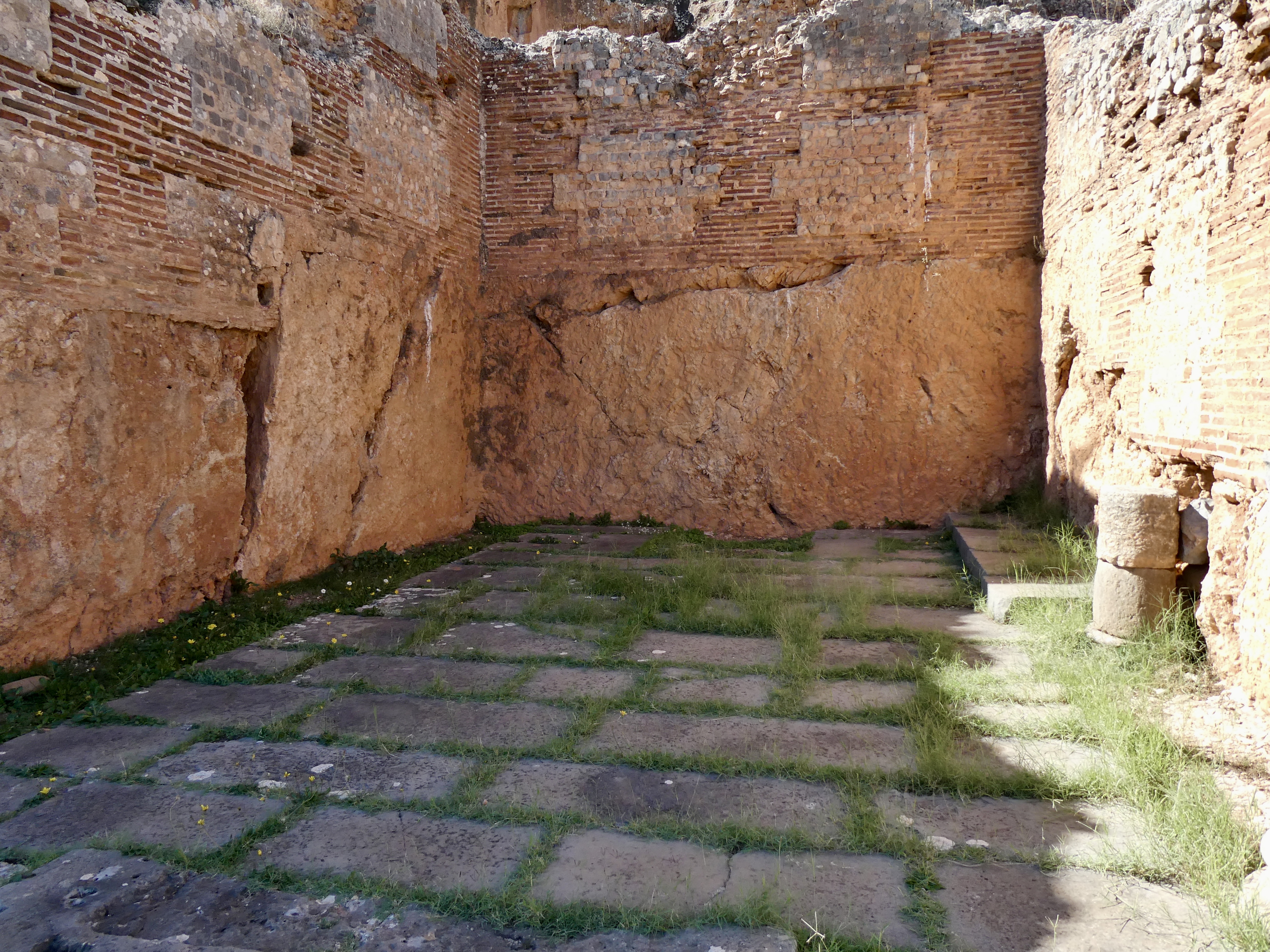
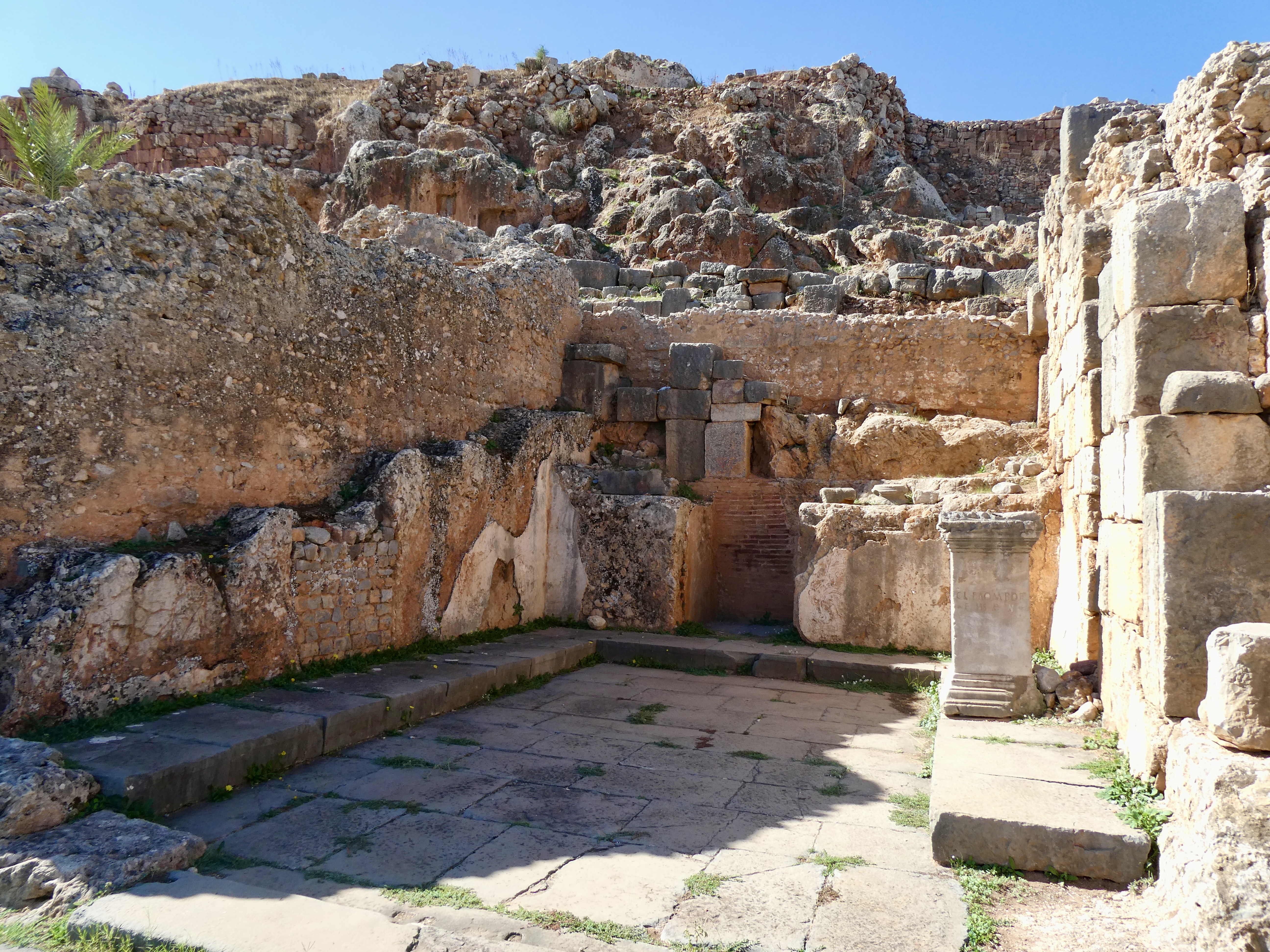
As we continued our climb down towards the Roman Road, we made a final stop at the Capitolium Temple, which is dedicated to the gods Jupiter, Juno, and Minerva. This temple served as the political and religious heart of the town (modeled after the original temple in Ancient Rome, the Temple of Jupiter Optimus Maximus Capitolinus). Apparently the Temple of Jupiter always takes the middle seat while the other two temples are on either the left or right side of the Temple of Jupiter.
And of course, out of the three temples, the Temple of Jupiter was most impressive with Latin inscriptions in the stone and faint carvings in the rocks.
So with that, our 90 minute walk around Tiddis (in the blazing sun) was done. Tomorrow, I am off to the magnificent Roman ruins of Timgad, which are some of the best around.
