
This morning we were up early and on the road by 7:30 a.m. heading to the Parc de Djoudj, a national bird sanctuary located in the Senegal River delta about 60 km north of Saint-Louis. The 16,000 hectare park was created in 1971 and certified as a UNESCO World Heritage Site in 1981. The park is the third largest bird sanctuary in the world home to more than 350 species of migratory birds with estimates of upwards of 3,000,000 birds in the park during mating season.
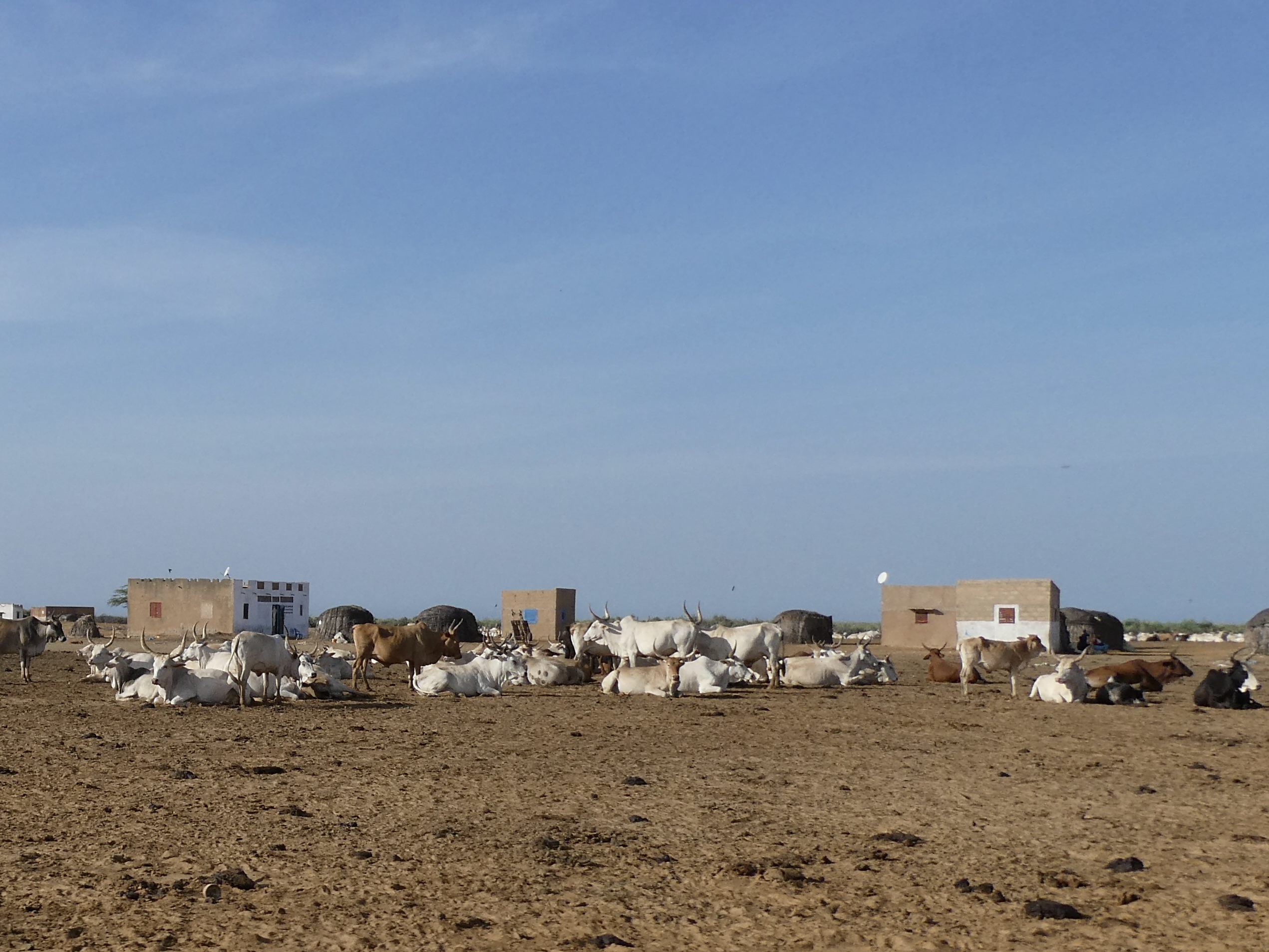

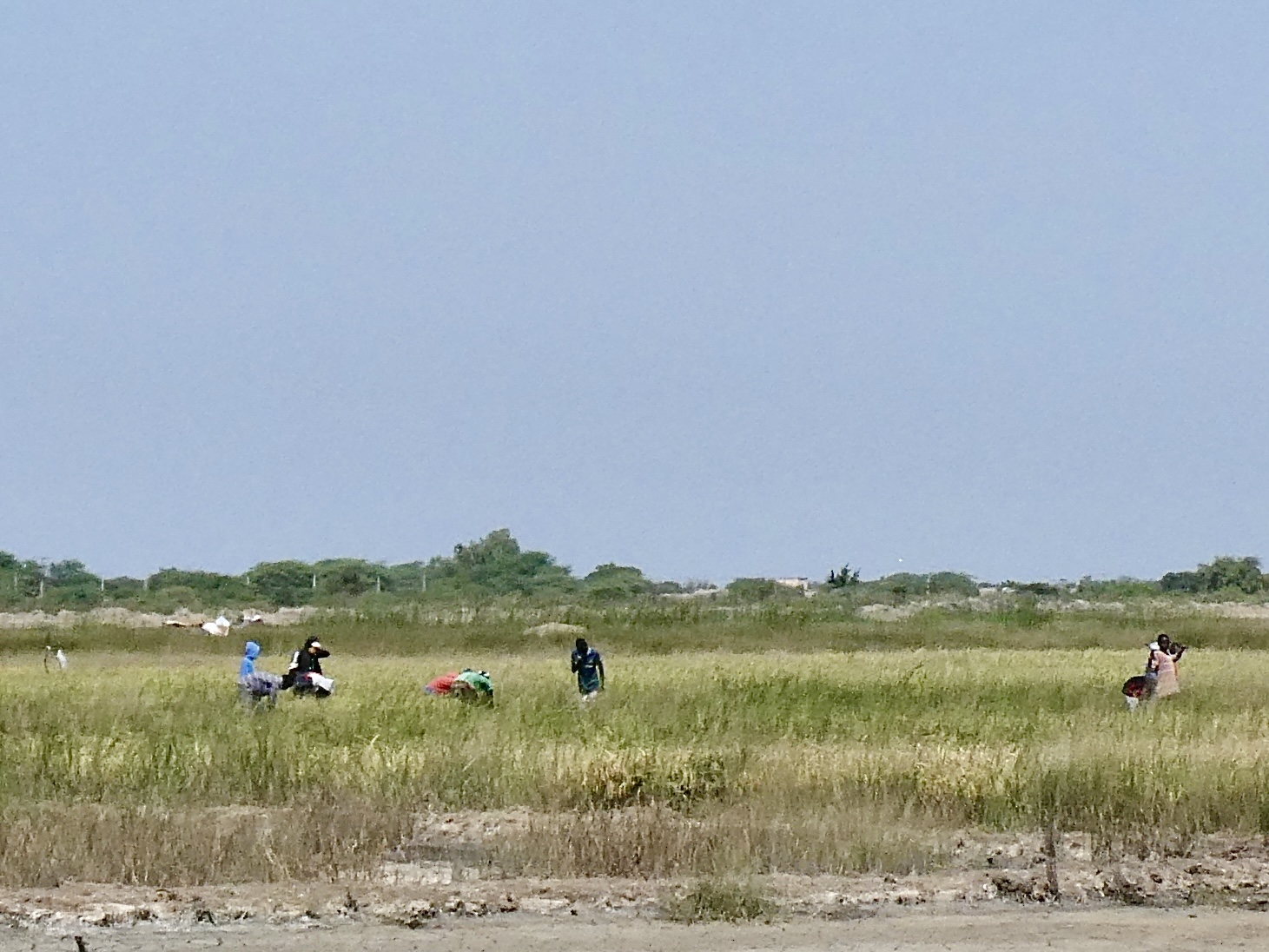
Now travelling to this sanctuary is no easy feat. The first half hour or so was on the regular highway past fishing boats on the Senegal River, but we soon exited the highway and proceeded for about 60 minutes on a very, very bumpy dirt road. Along the way, we passed numerous nomad villages with herders tending their cows. The area on either side of the road could best be described as a wetlands with pockets of lagoons and rice paddies.
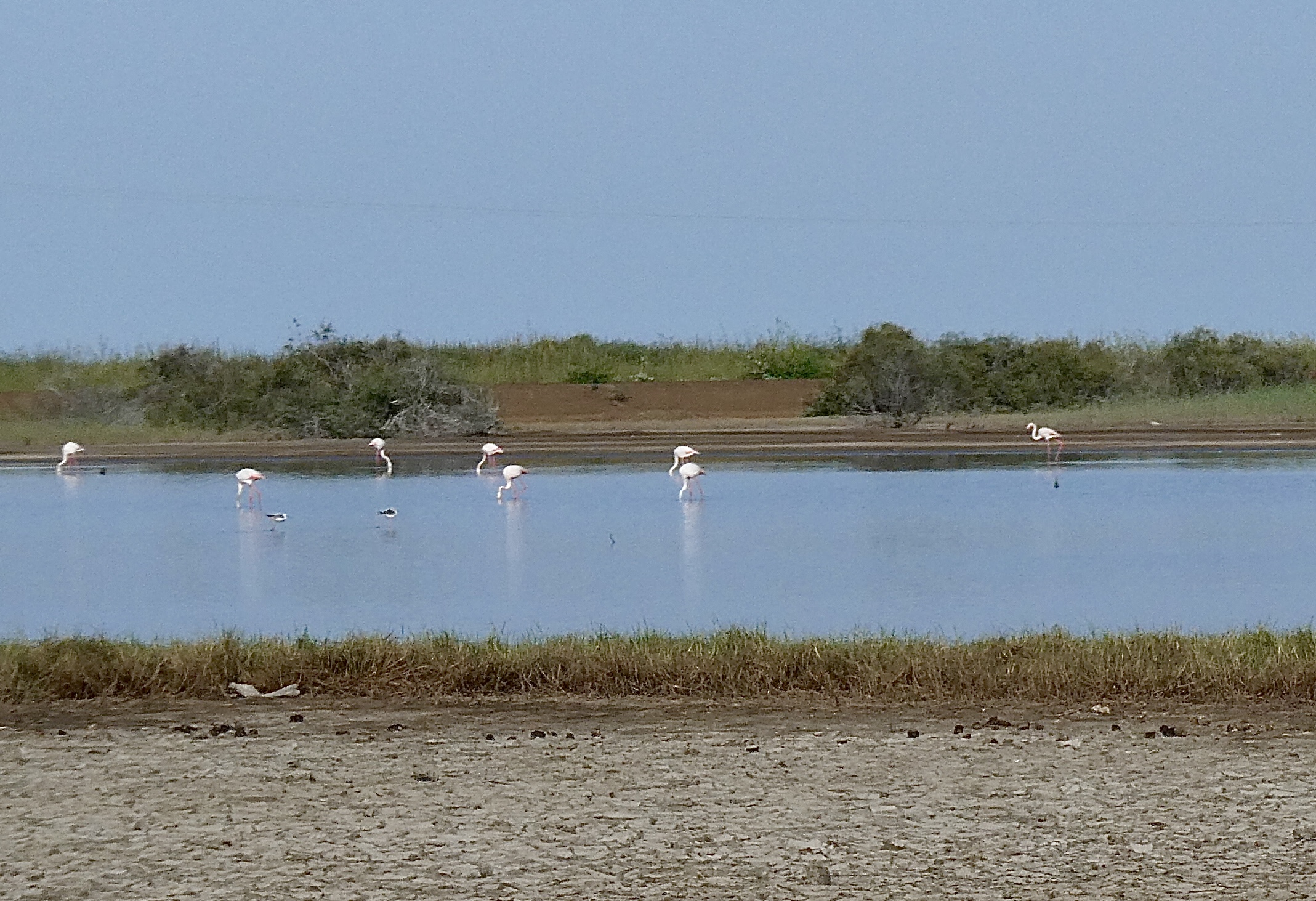
We eventually reached the entrance to the park and immediately spotted pelicans on one side of the delta and flamingos on the other side of the delta. Once we picked up our guide at the park entrance (we have to use a local guide) we spent another 20 minutes riding through the park to the dock where we would catch the boat for the 7 km round trip ride on the delta.
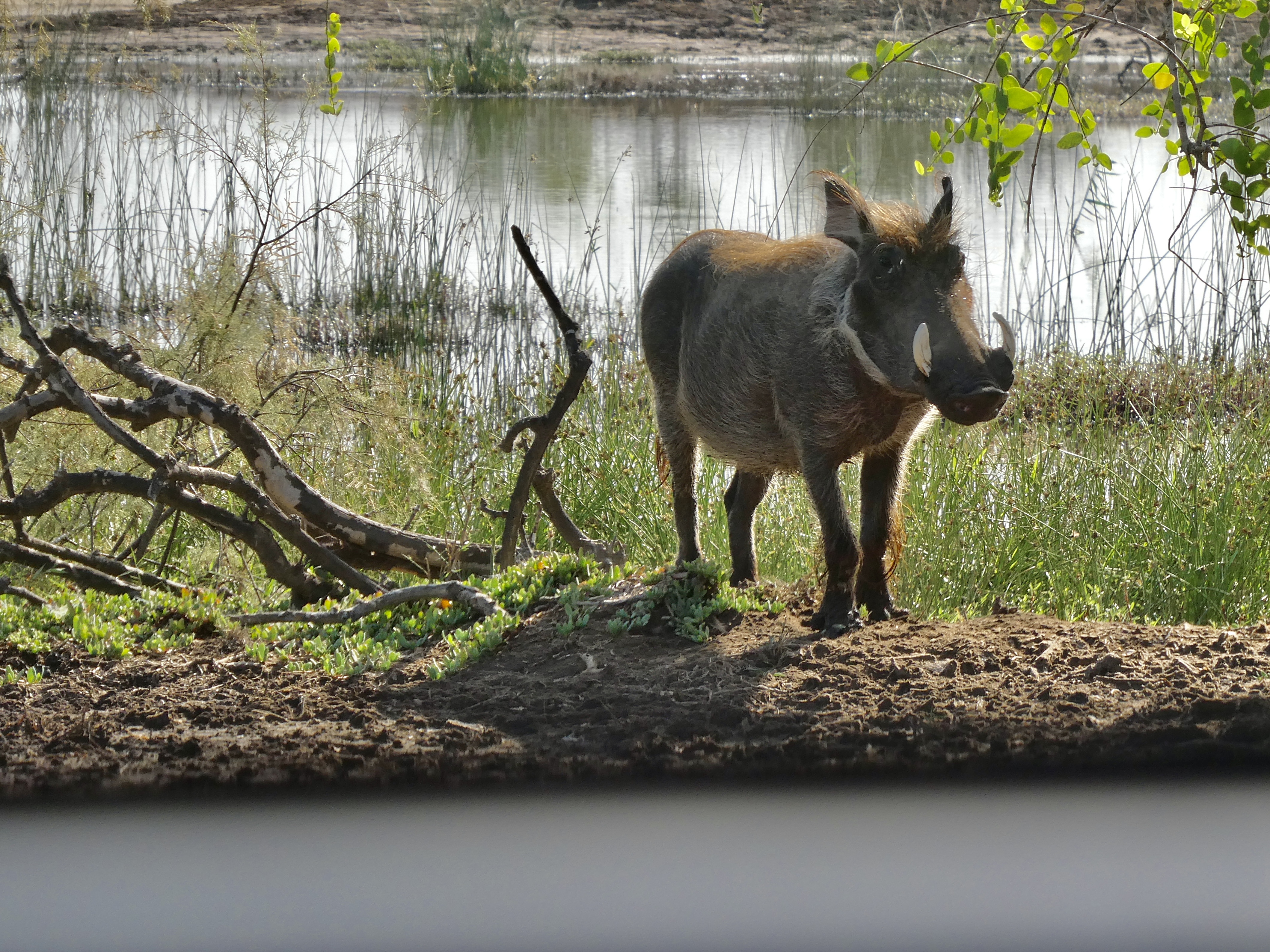
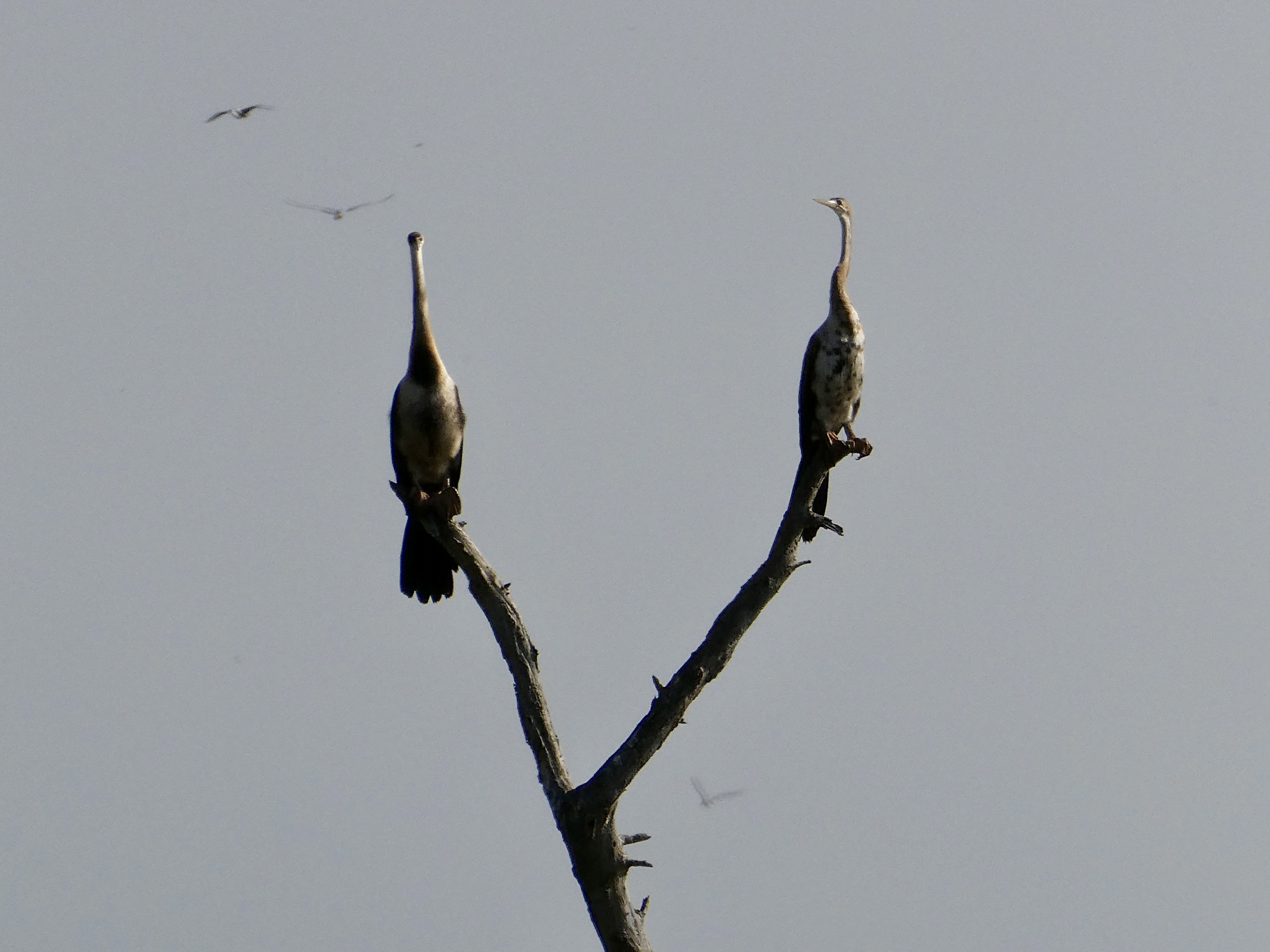
Along the drive to the dock we spotted a very pregnant warthog wandering through the bush as well as two African darters hanging out in the trees. There were numerous little egrets wandering through the marsh lands as well as a handful of little egrets hanging out in the trees as we passed by.
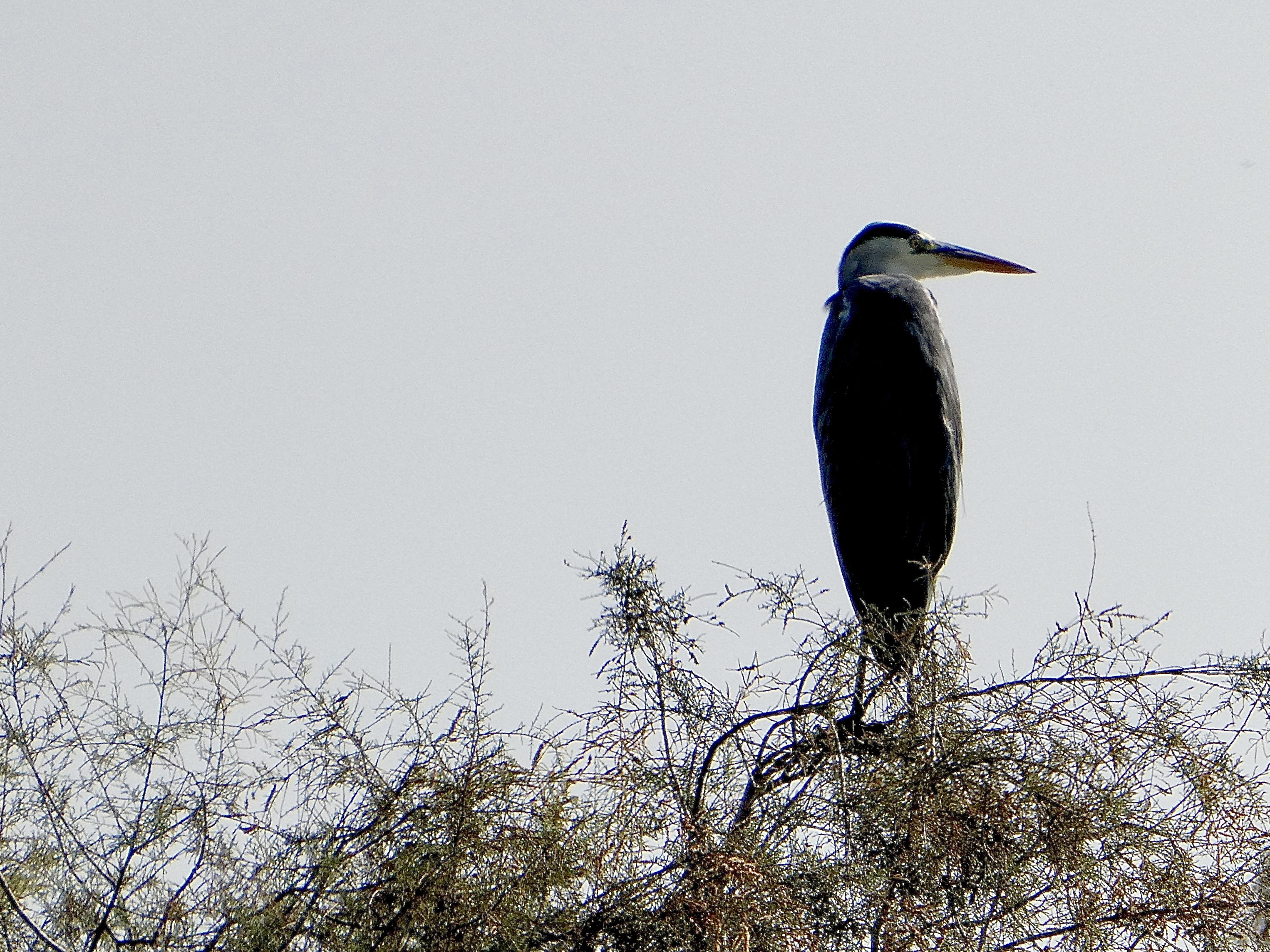

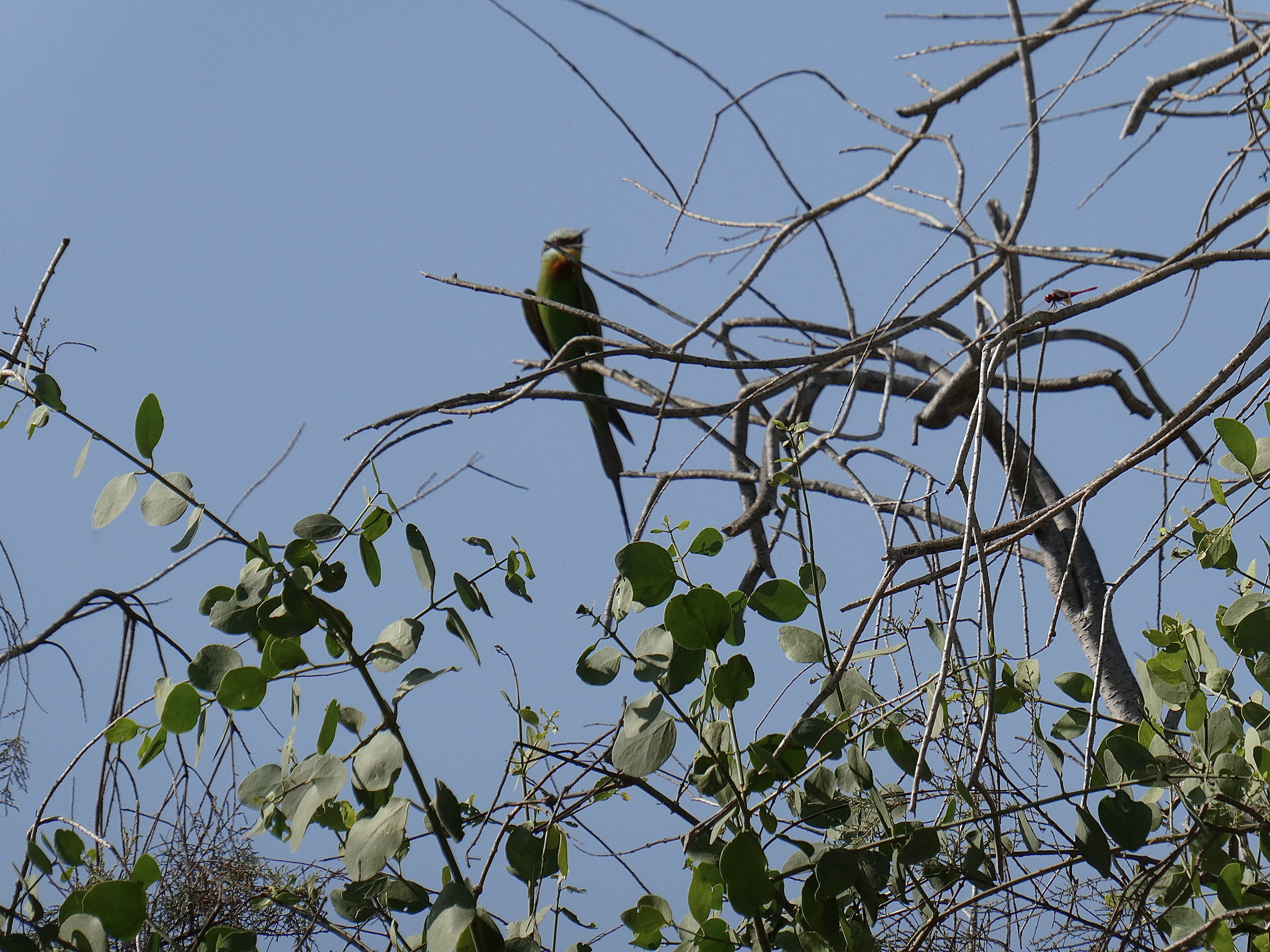
We also spotted a grey heron checking out the view from high atop a tree (or looking for breakfast not sure which), as well as a spurwing lapwing, a number of hawks and various species of bee eaters. Unfortunately, we did not have time to stop to take good pictures so I apologize for the poor quality of some of the pictures.
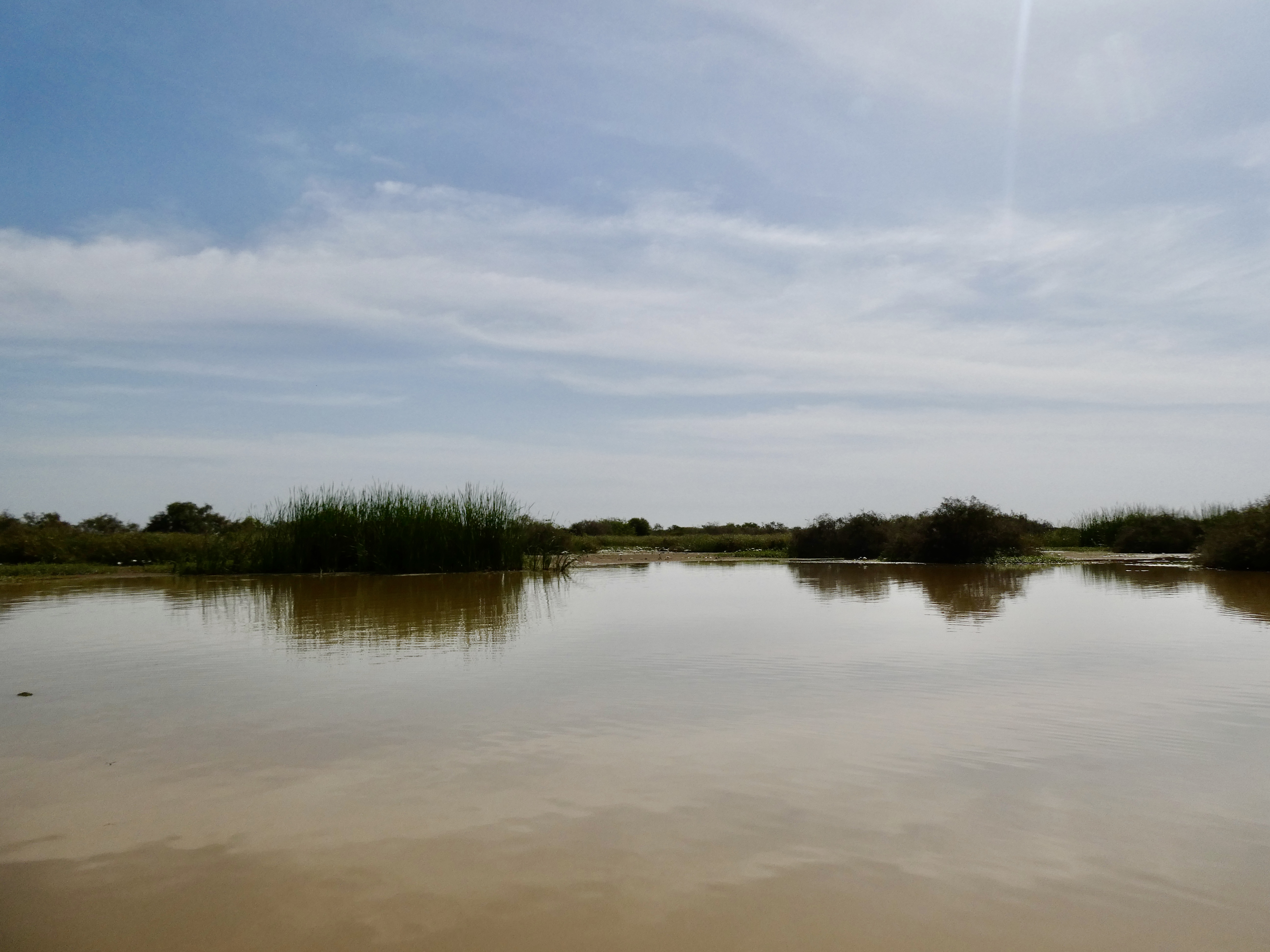
Anyway, once we reached the dock, I was joined by a couple from France and their son (who had zero interest in the park and ended up playing with his shoelaces for most of the trip) and a couple who sat at the back of the boat and did not say a word. Great group….

So as we pushed off from the dock, we spotted a large group of male pelicans nearby and while we were here to check out the various bird species, the real attraction was the literally thousands of pelicans that migrate to the area at the beginning of November to mate and lay eggs. Our trip on the river would take us to their mating grounds, and I was pretty excited to see what I had been told was an “absolutely amazing” scene.
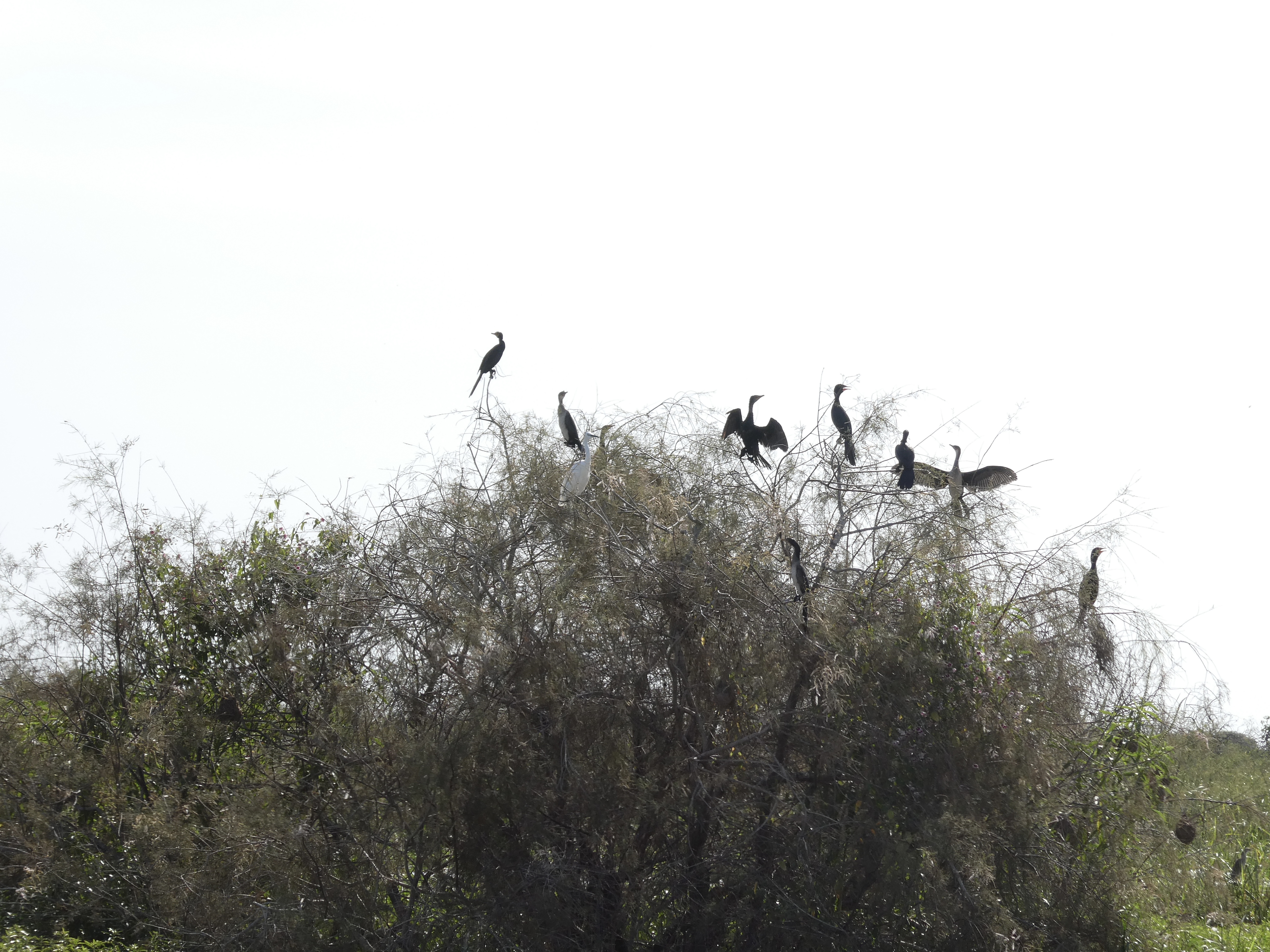
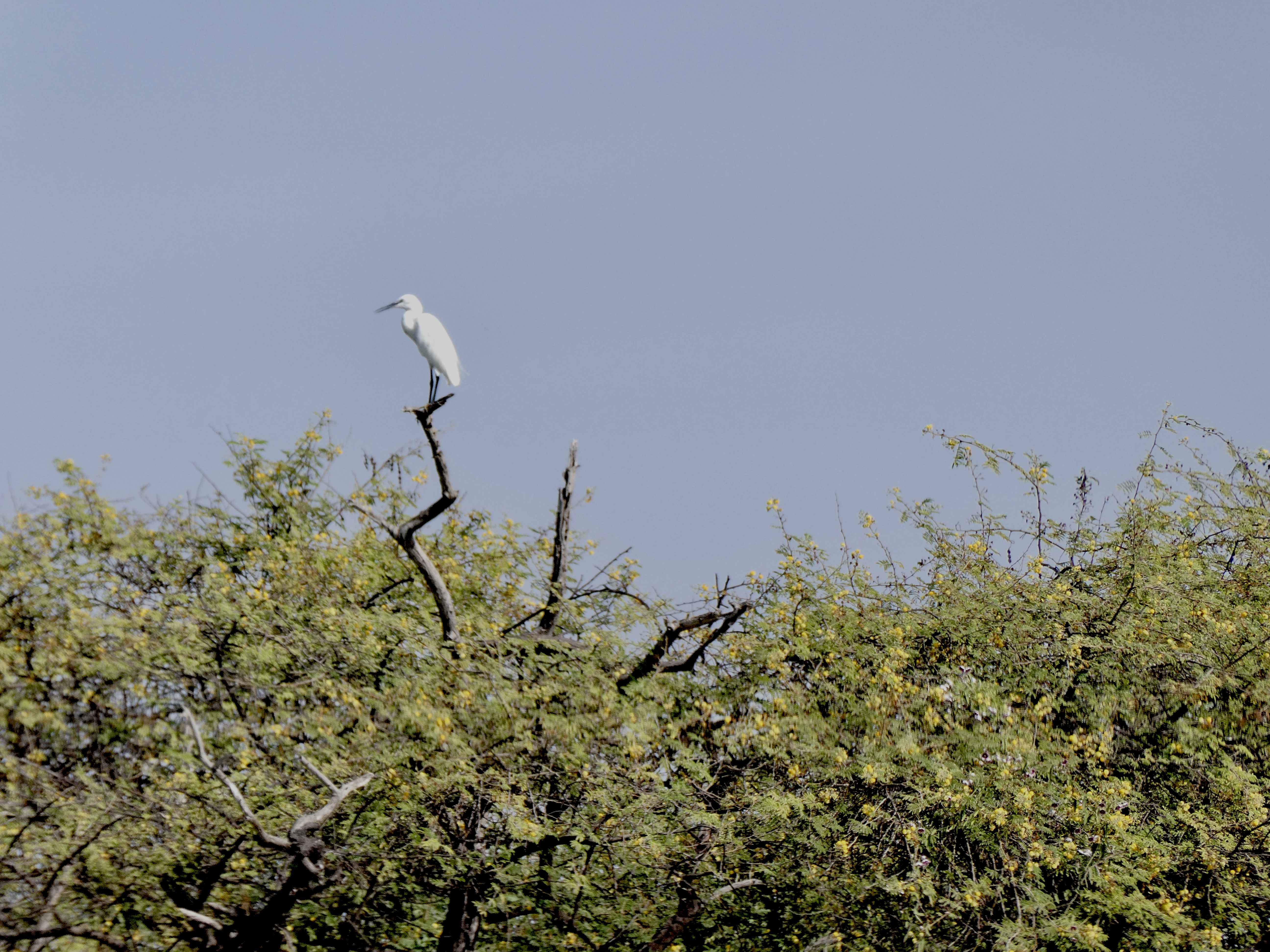
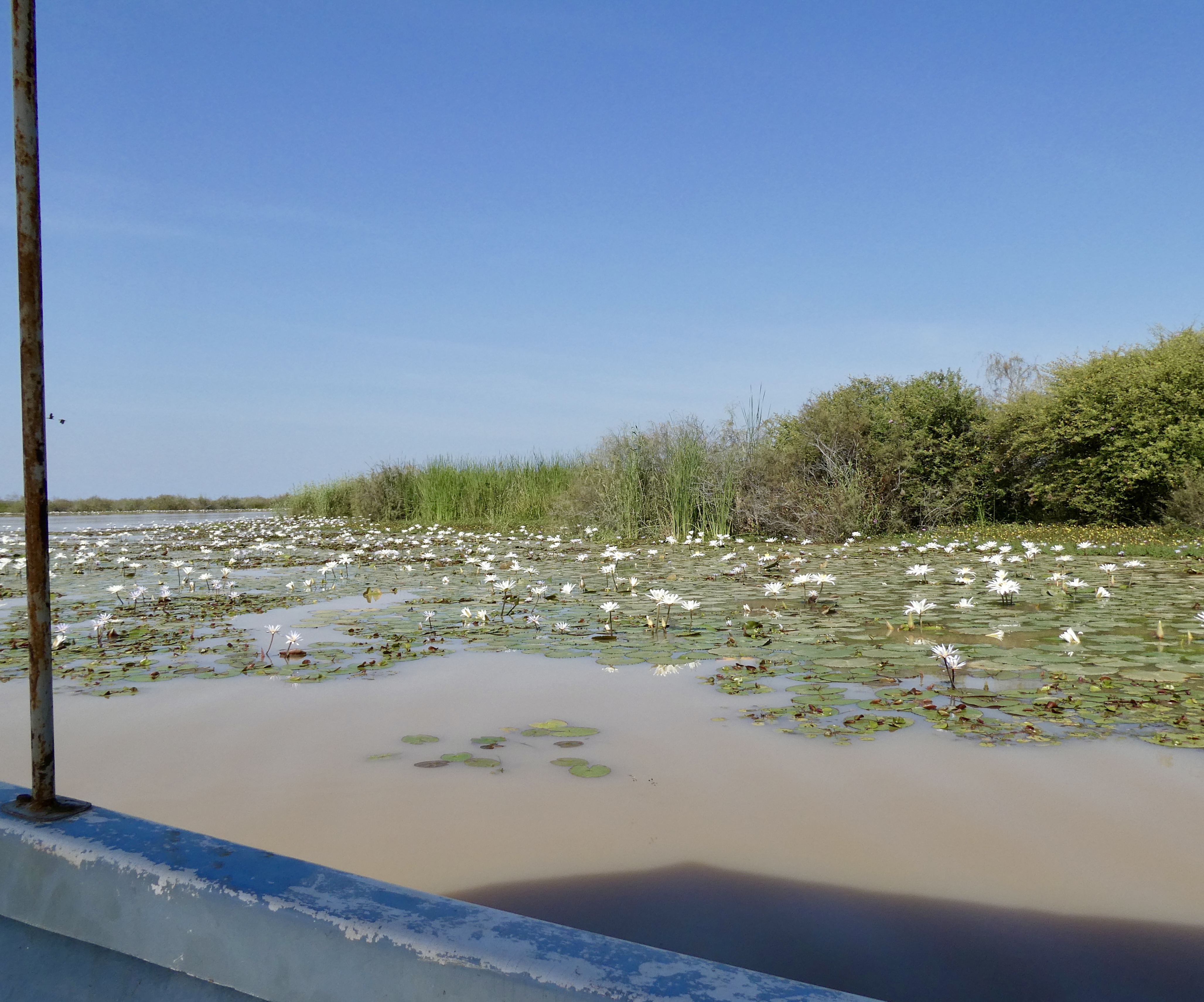
Now as we puttered along in the boat, we spotted more warthogs on the edge of the river along with lots and lots of cormorants drying their wings in the morning sun. There were numerous little egrets walking through the lily pads along the water line and we even spotted a night heron hiding amongst the trees.
We eventually reached the pelican breeding grounds, and I can safely say I have never seen anything like it. As we rounded a bend in the river an island came into view with every inch of the island filled with pelicans.
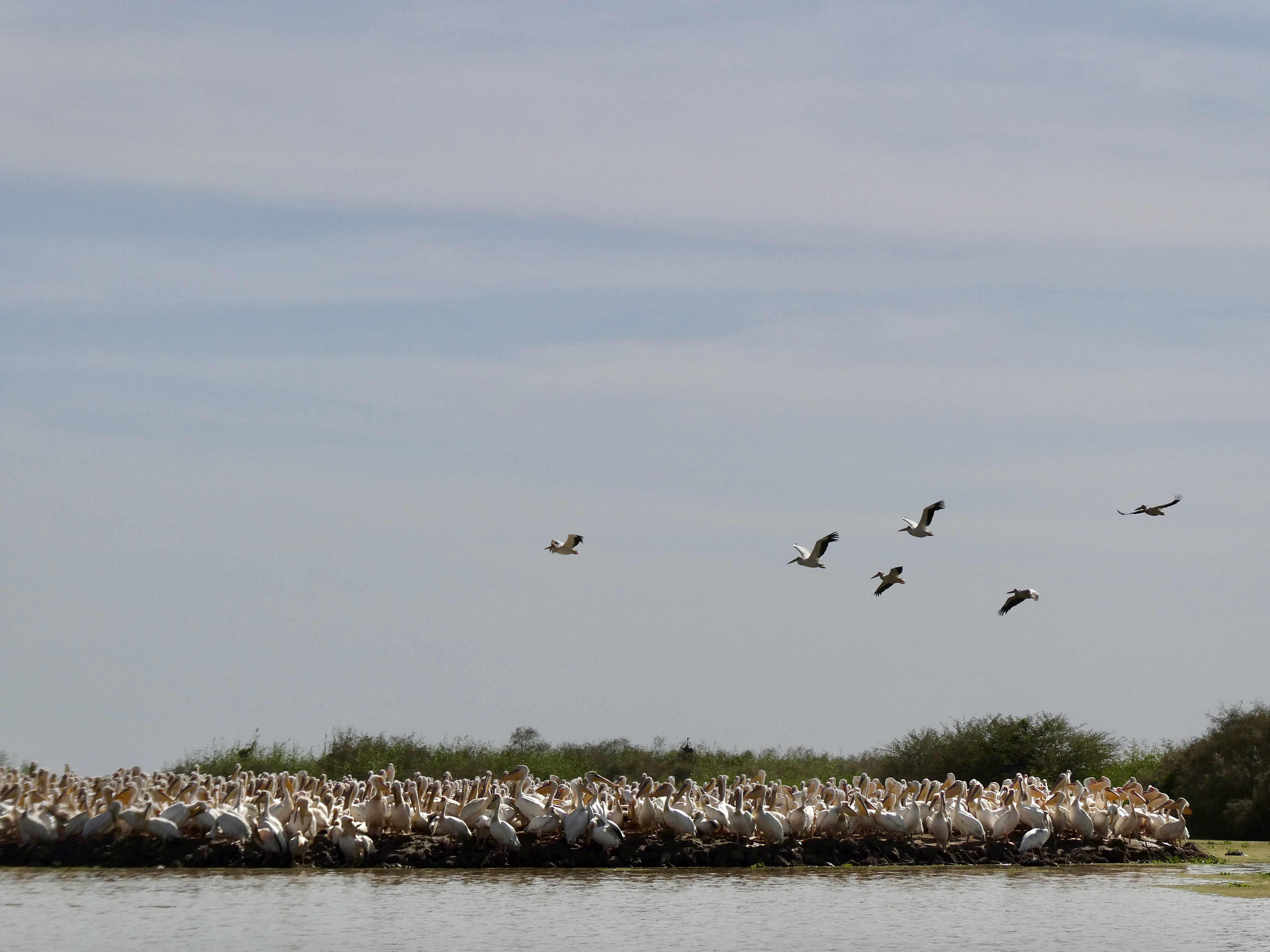

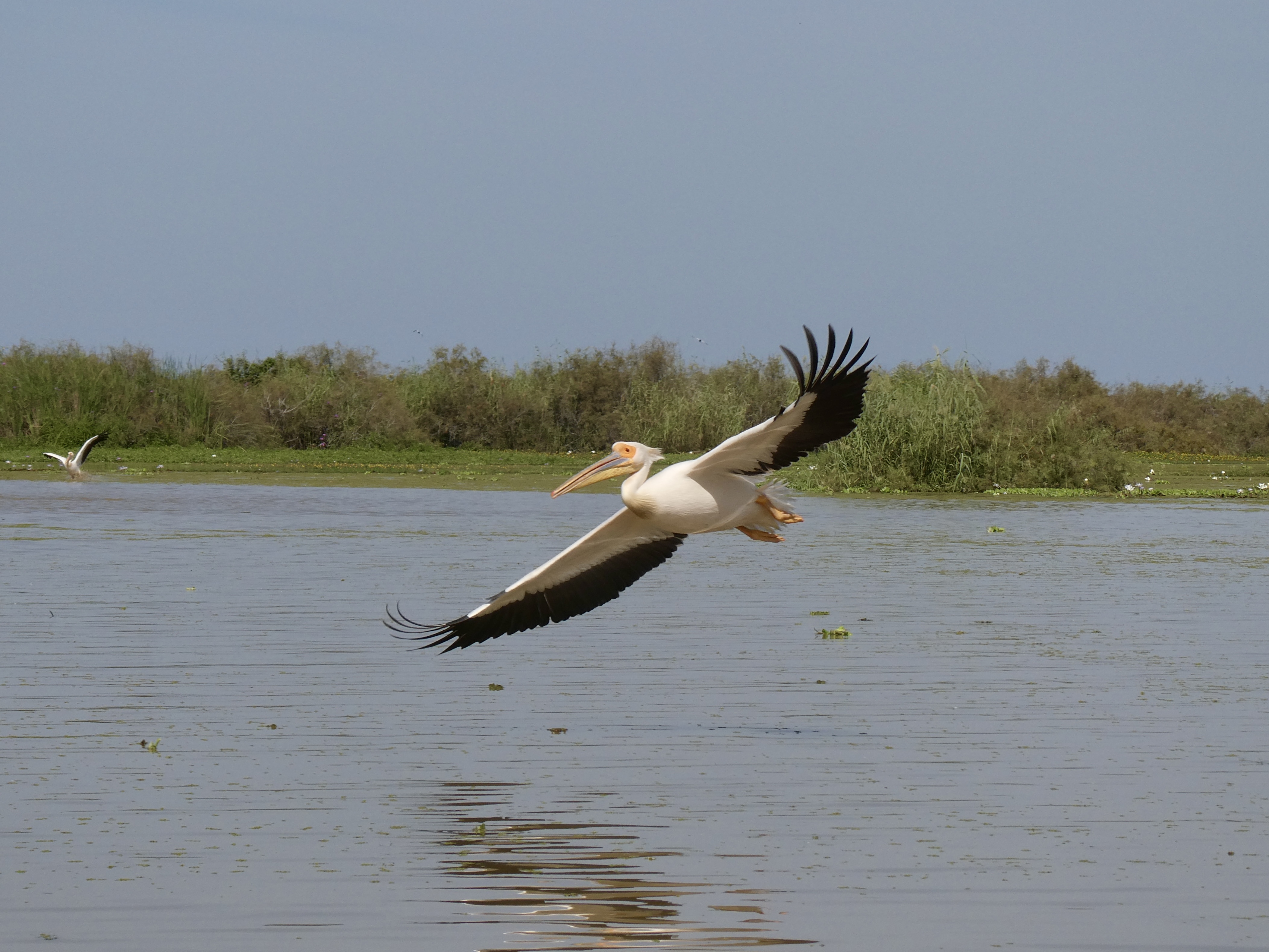

There were pelicans flying overhead. Pelicans floating in the water around the island. Pelicans fishing for breakfast. And pelicans even vying for a spot on the island by periodically flying very low over pelicans who were already ensconced on the island. This would be enough to scare off a few of the pelicans forcing the spooked pelicans to fly off and freeing up some spots on the island.
Now what confused me is if these pelicans were trying to find a mate, how do they keep track of the pelican they are hooking up with? It was rather confusing because pelicans actually are monogamous for the breeding season so again, how do they know which one is their other half in the jumble of all the other pelicans?
Sadly, my Senegalese guide had no answers for me so I was left to ponder the question while watching the amazing scene in front of me. I could have sat there for hours watching the action, but after about ten minutes they turned the boat around and headed back to the shore.
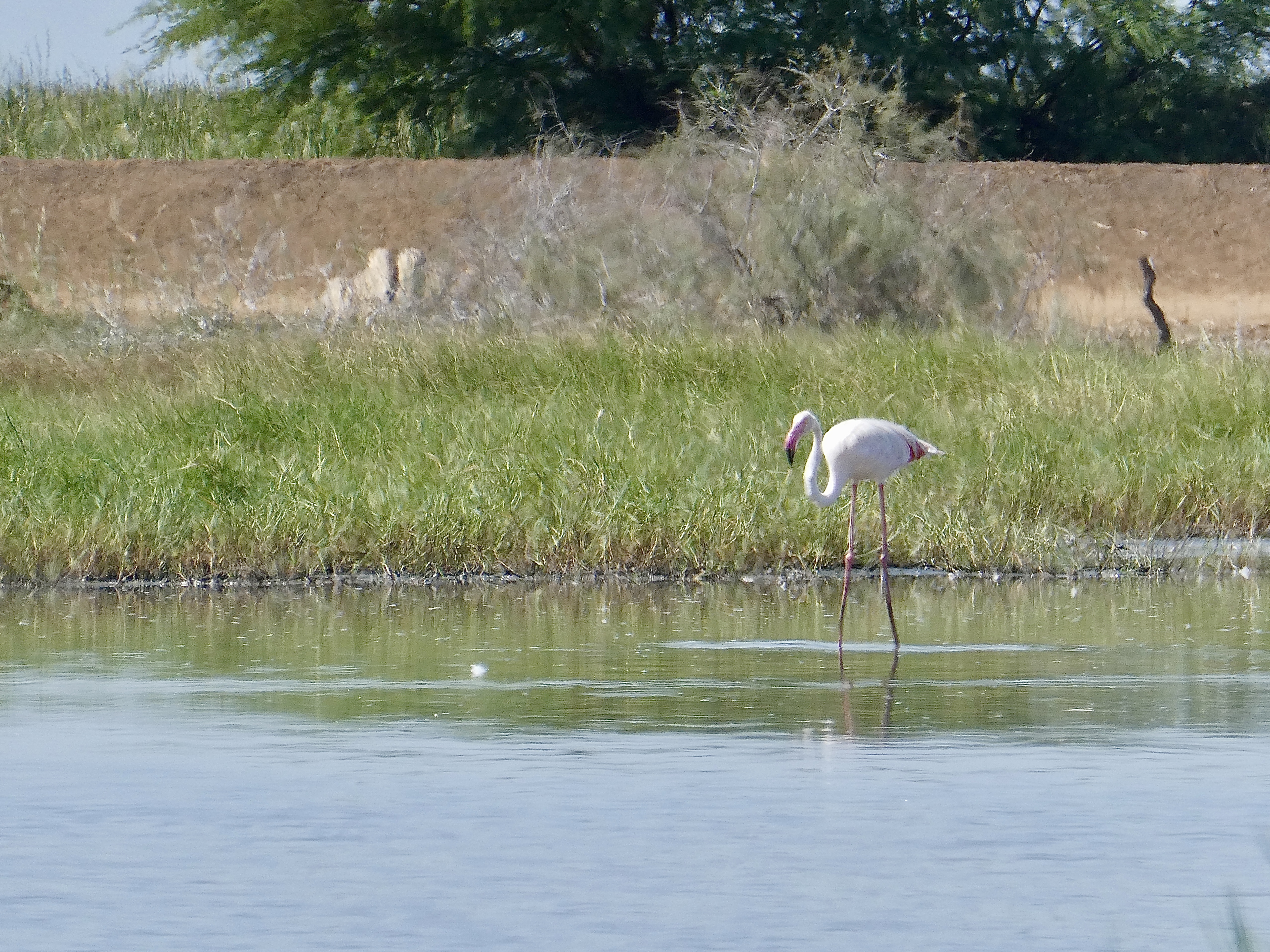

Once on shore, we began the loooooong drive back on that same dusty, bumpy road. On the ride back, we spotted more little egrets, an Egyptian goose (couldn’t get a picture), another hawk, lot of flamingos and kids playing a soccer game on a dirt field.
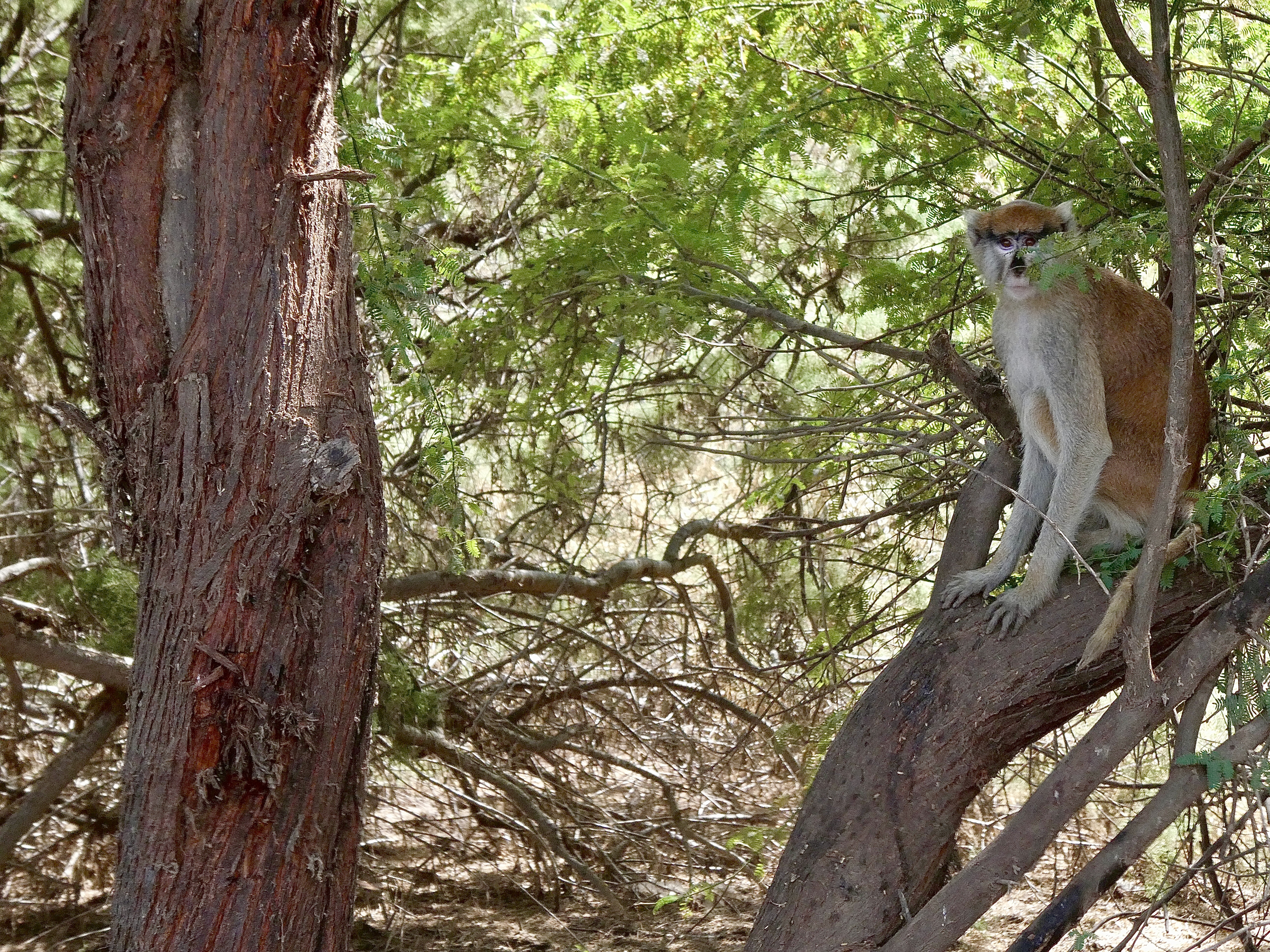
However, the best part was spotting a number of red vervet monkeys running through the underbrush and hanging out in the trees as we bounced down the red dirt road. And as we slowed down all of the monkeys but one high tailed it out of there. And this one monkey acted like he was just begging to have his picture taken. He literally posed for me for a good fifteen seconds before scrambling off.
We eventually made it back to Saint-Louis around 1:30 and after a bit of a rest and some lunch, Malang met me at 5:00 for a carriage ride around old Saint-Louis and the fishing village of Guet N’Dar. And when I say Guet N’Dar was something else … I really mean it was something else.

But first, we took a bit of a tour of old town Saint-Louis passing by the old mosque that dates to 1846 and as a sign of respect to the French Roman Catholic neighbors (or as a French requirement for allowing the mosque to exist… take your pick), the mosque actually has church bells in the minaret. Apparently, the French did not like the call to prayer so insisted that church bells ring instead. Obviously with the French gone and 95% of the people being Muslim in this country, the bells are purely symbolic today.
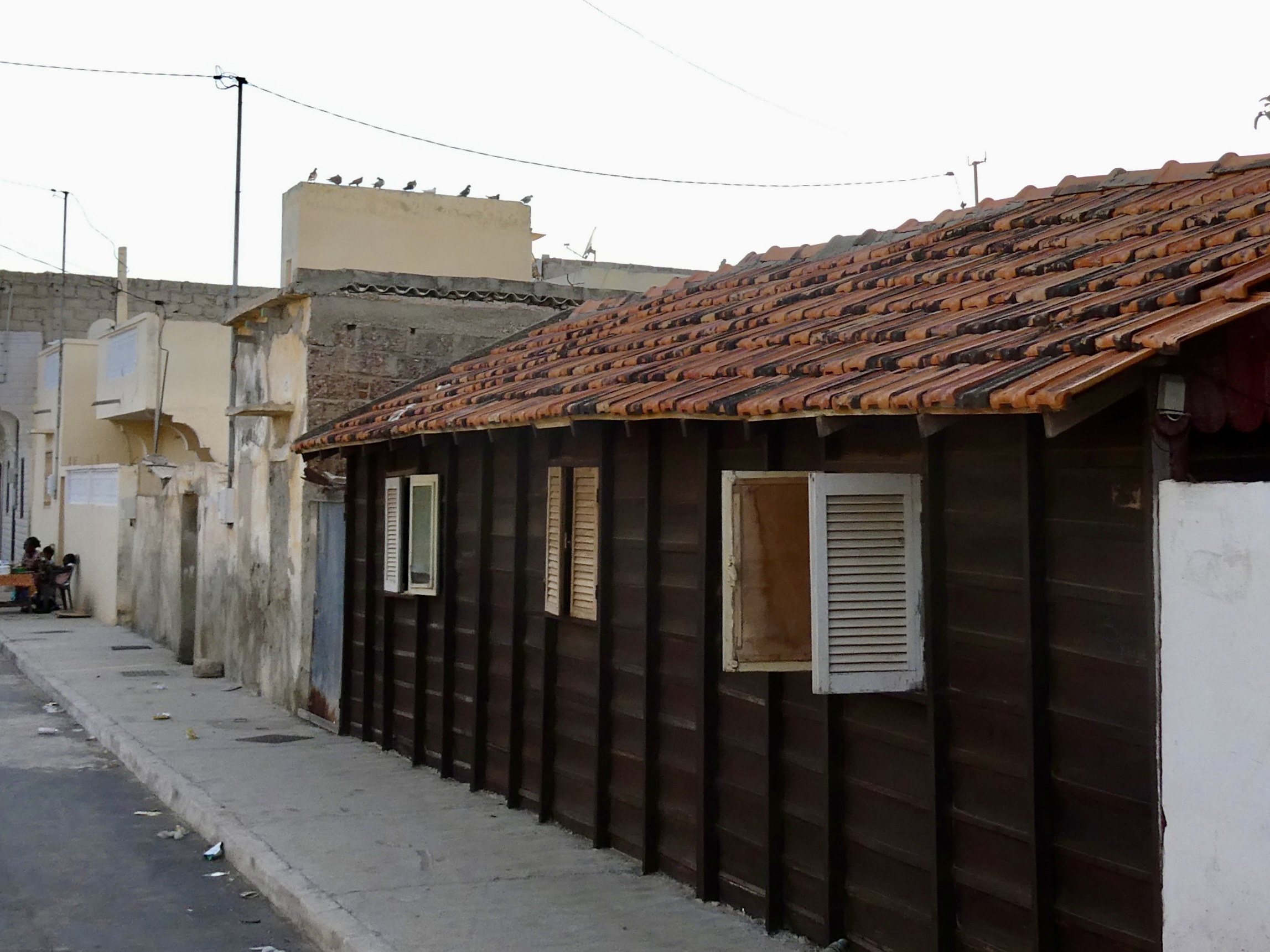
We continued through old Saint-Louis passing old Portuguese and French homes and even passed a home that was at one time slaves holding area. Ugh. More of that slave history.
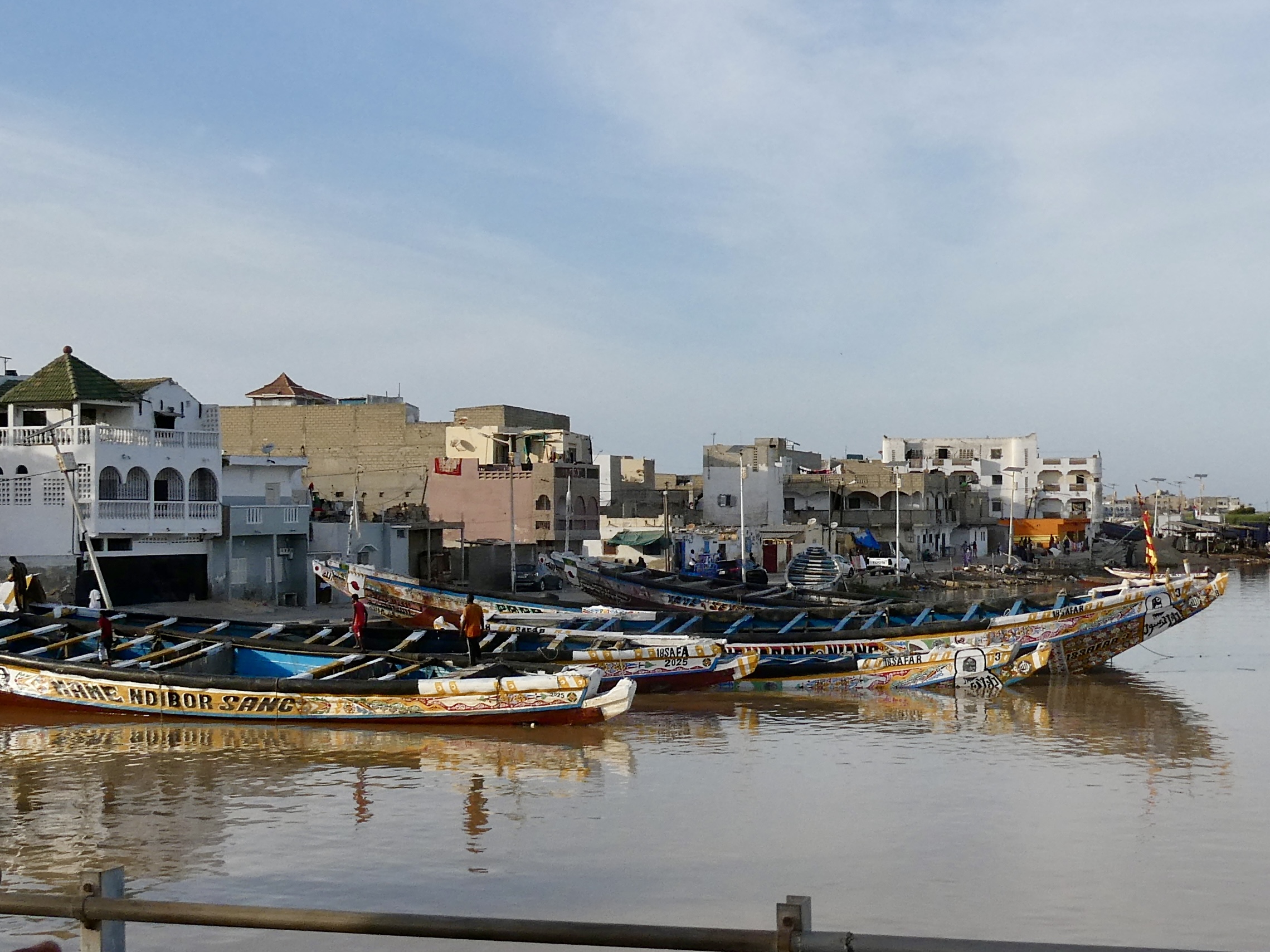
Now Saint-Louis and its old buildings was quite lovely, but the real eye opener came when we crossed from the old town of Saint-Louis across the Malick-Gaye bridge to the fishing village of Guet N’Dar. The fishing village sits between the Atlantic and the Senegal River on the southern part of a natural sandbar called the Langue de Barbarie.
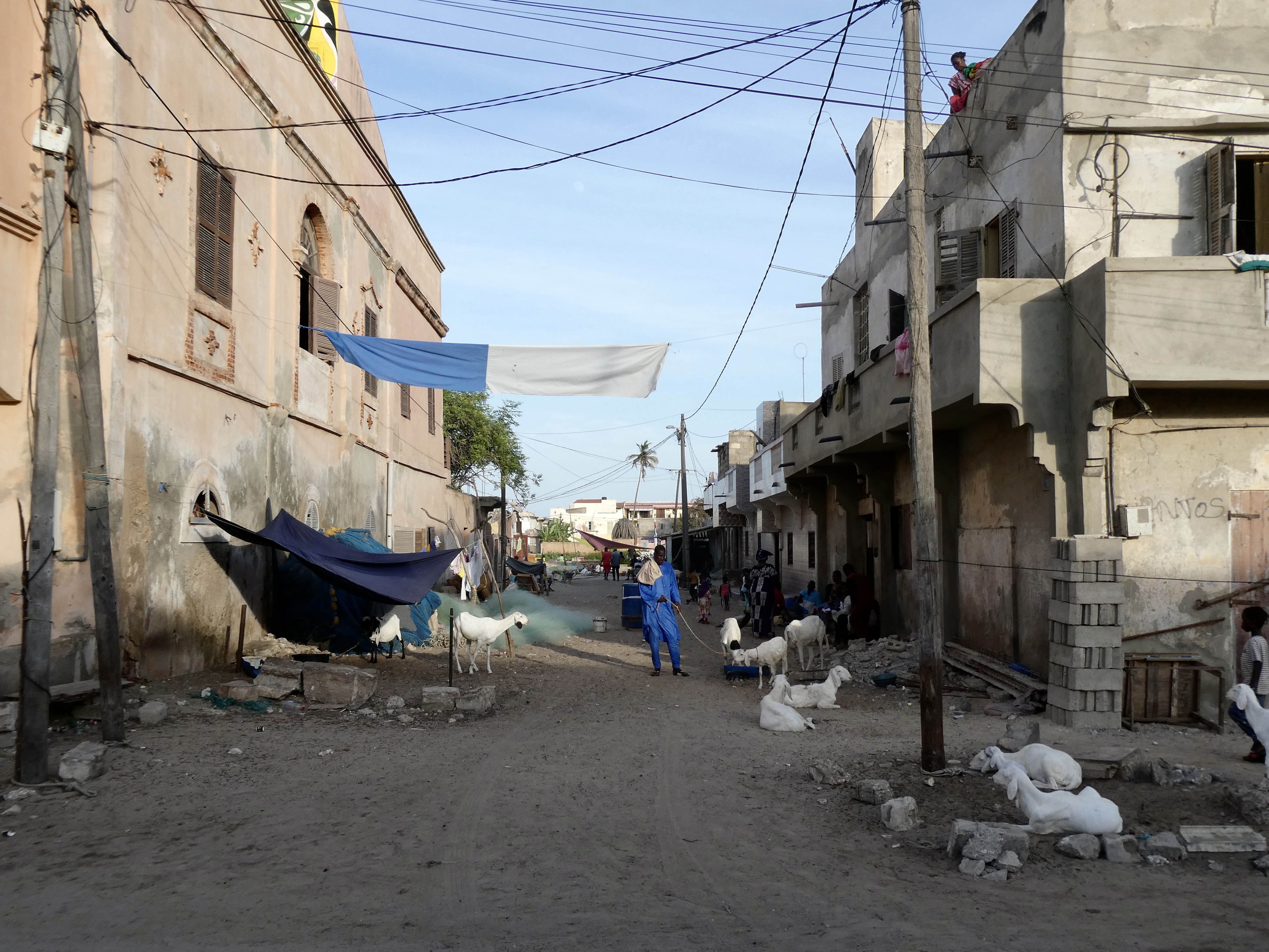
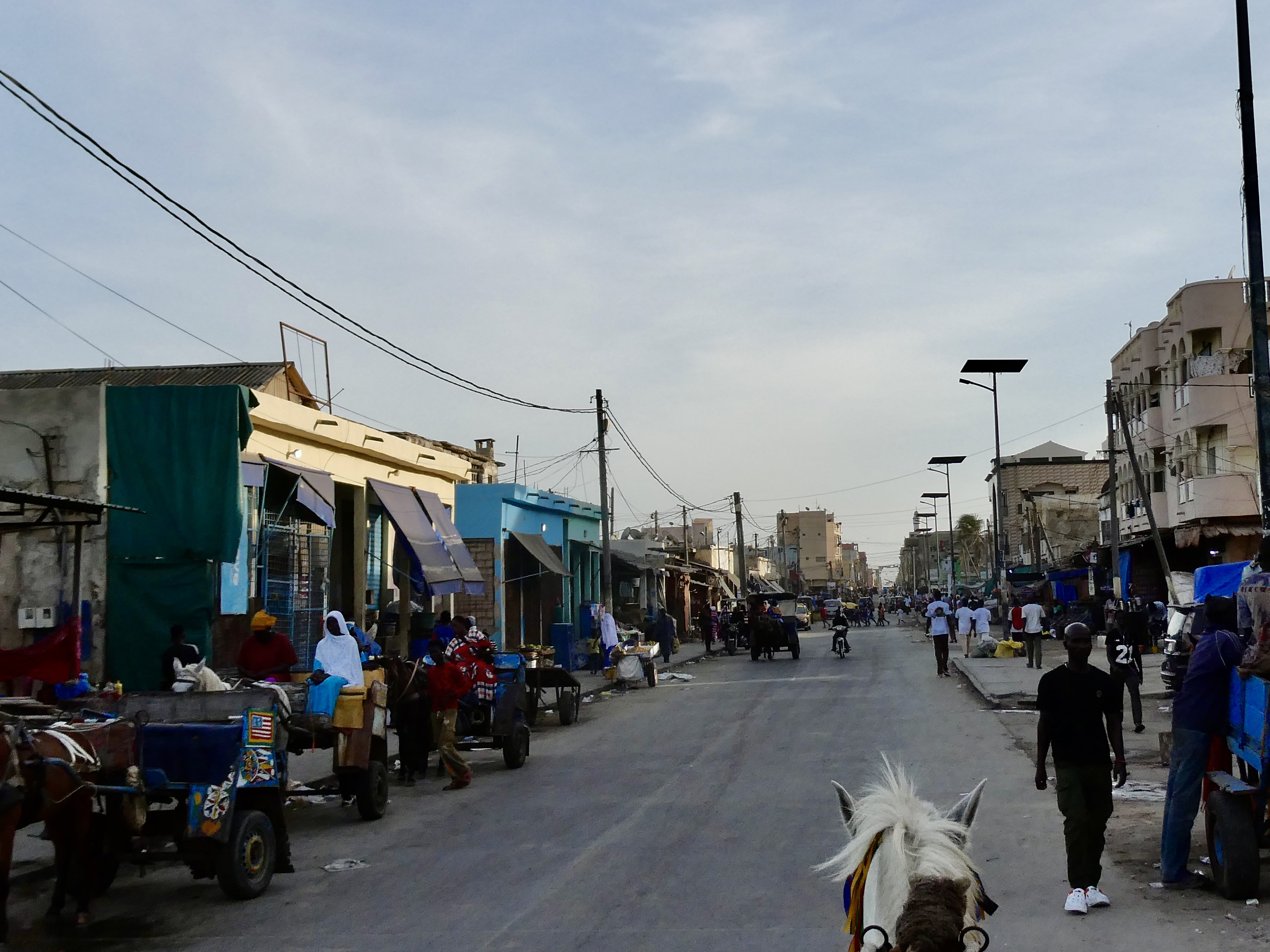
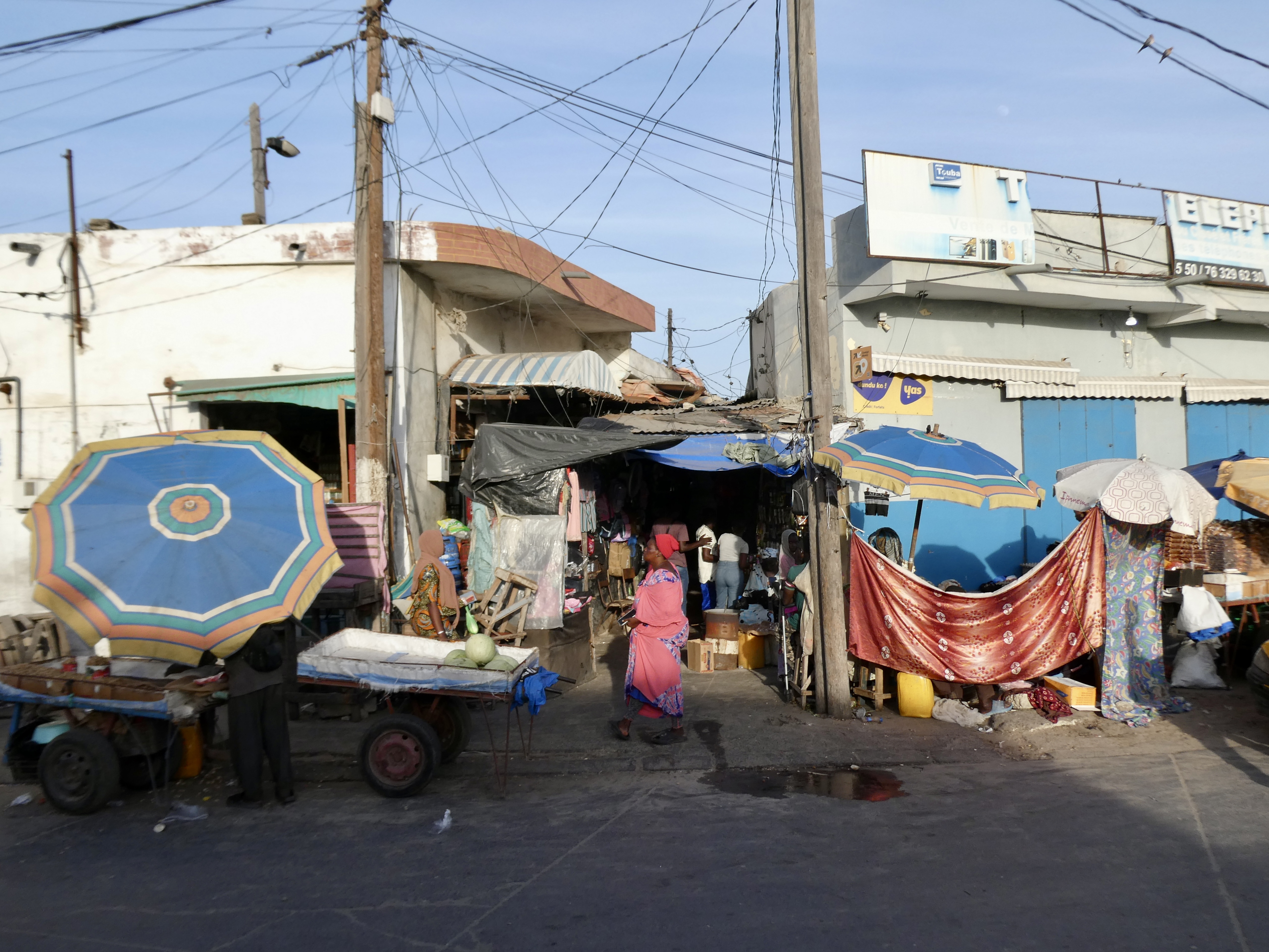
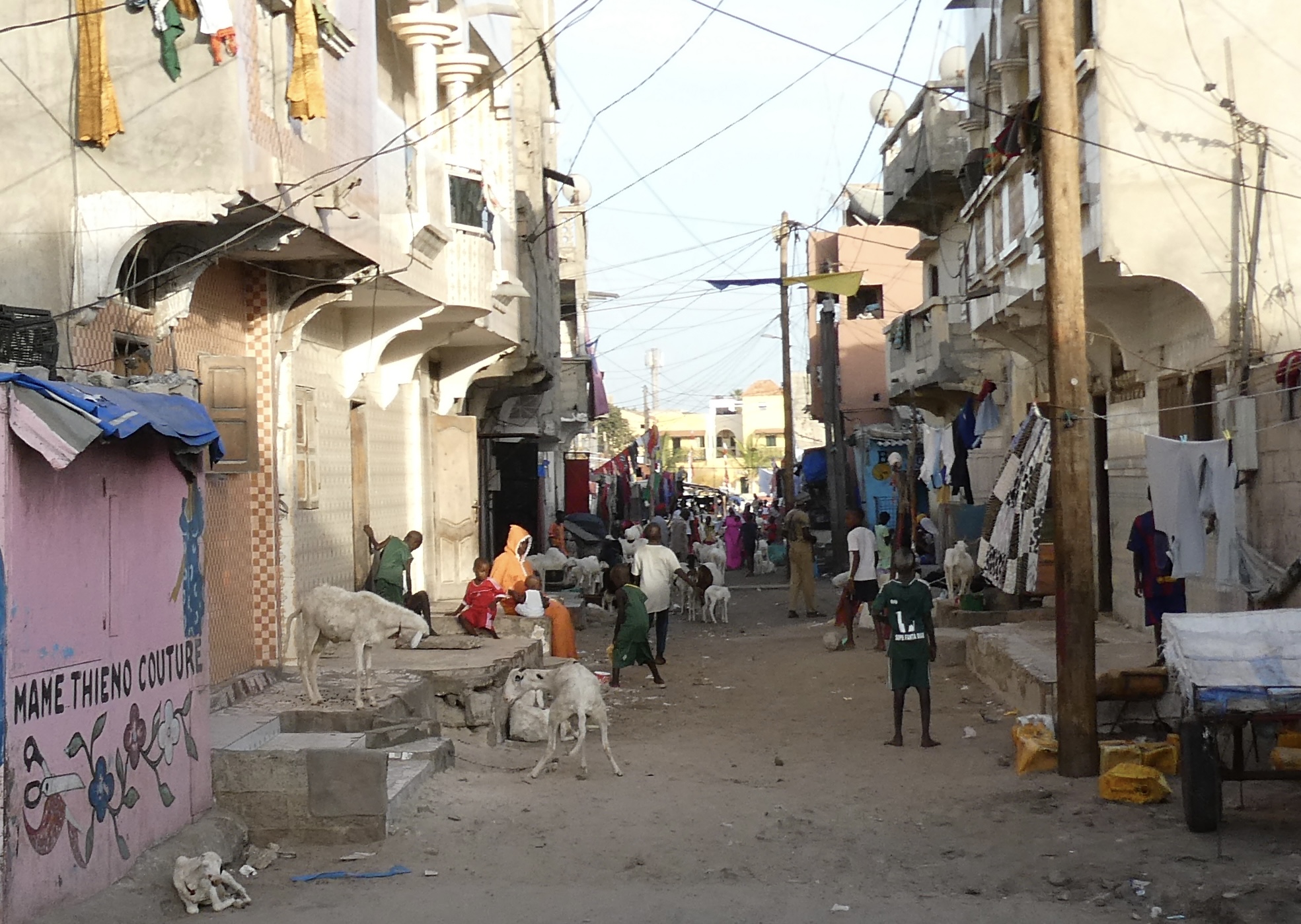
And I am certain there is nothing I can write that can do the scene I encountered justice. The fishing village was absolute pandemonium. There was a constant yelling and horns honking, the smell of dead fish filled the air and the streets and alleys were jam packed with goats, pedestrians, cars, buses, horse-drawn carts and more goats.
My head was like a swivel. Down one alley there was nothing but goats. Down another alley a woman was drawing water from a tap surrounded by an army of children. And did I mention the goats? They were literally everywhere.
I soon learned that this village is one of the most densely populated in the world. Men have at least three wives and each wife has no less than 6 kids. There were children EVERYWHERE.
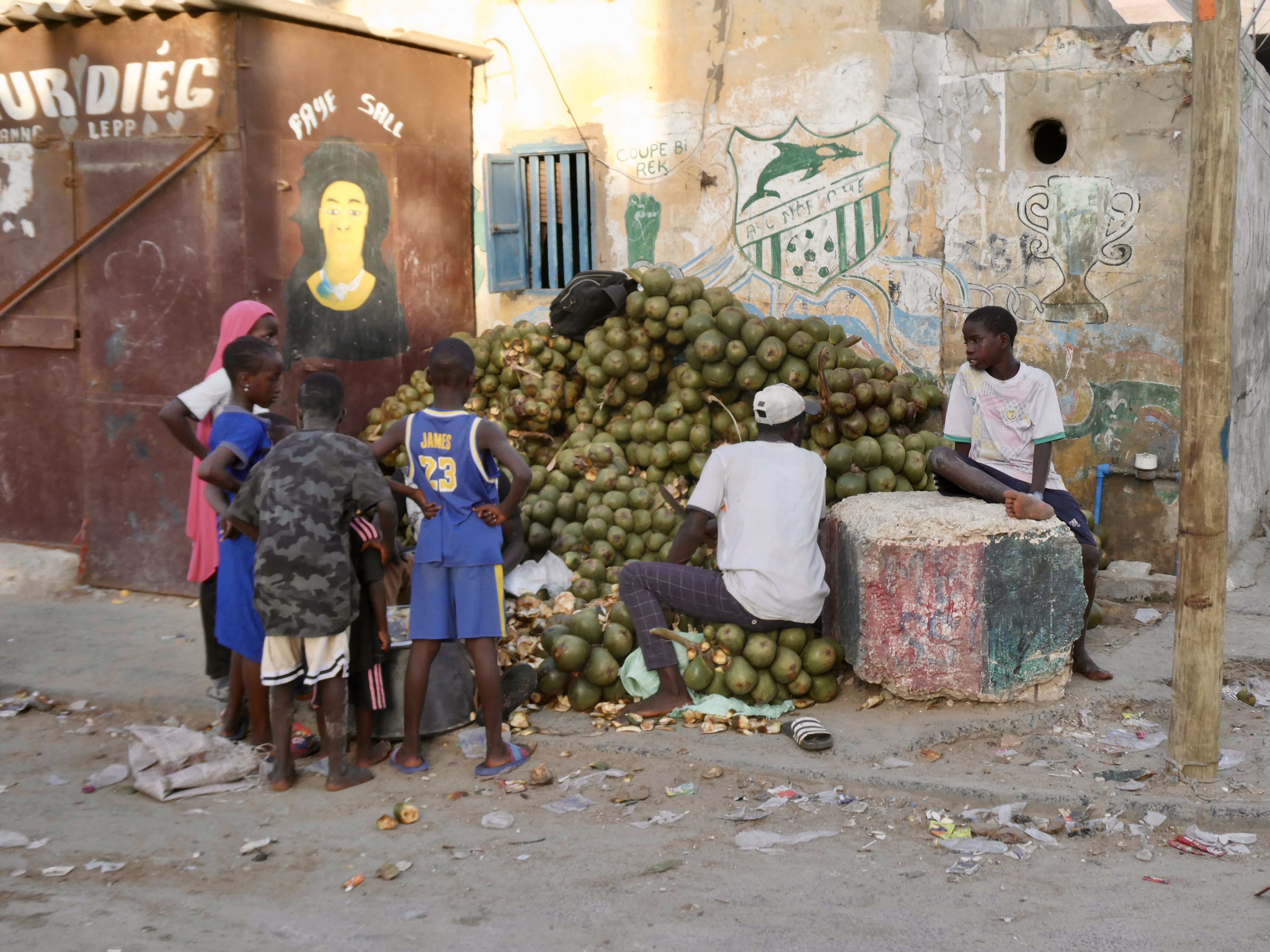
And the mainstay of life in this village is, obviously, fishing with men leaving for days at a time to fish the waters off the coast of Gambia. Apparently, the waters off this village have been depleted of fish because of a contract the Senegalese government entered into with the Chinese. And although the contract is now expired, but it will take years for the fish to return.

Now once the men return with their catch there is an area at the far end of the village where women dry fish in the sun or smoke the fish over fire (drying and smoking are used because there is no refrigeration). In this same area, women also set up an auction of sorts to sell their husbands catch. We actually witnessed a group of women bargaining with others for the sale of their husbands fish.

Now about those kids. Apparently children here only attend primary school. Boys then learn how to man the boats and fish while the girls learn how to cook and then are married at a very early age (i.e. 14 or 15). Education is looked down on as something for the rich people. Sad.

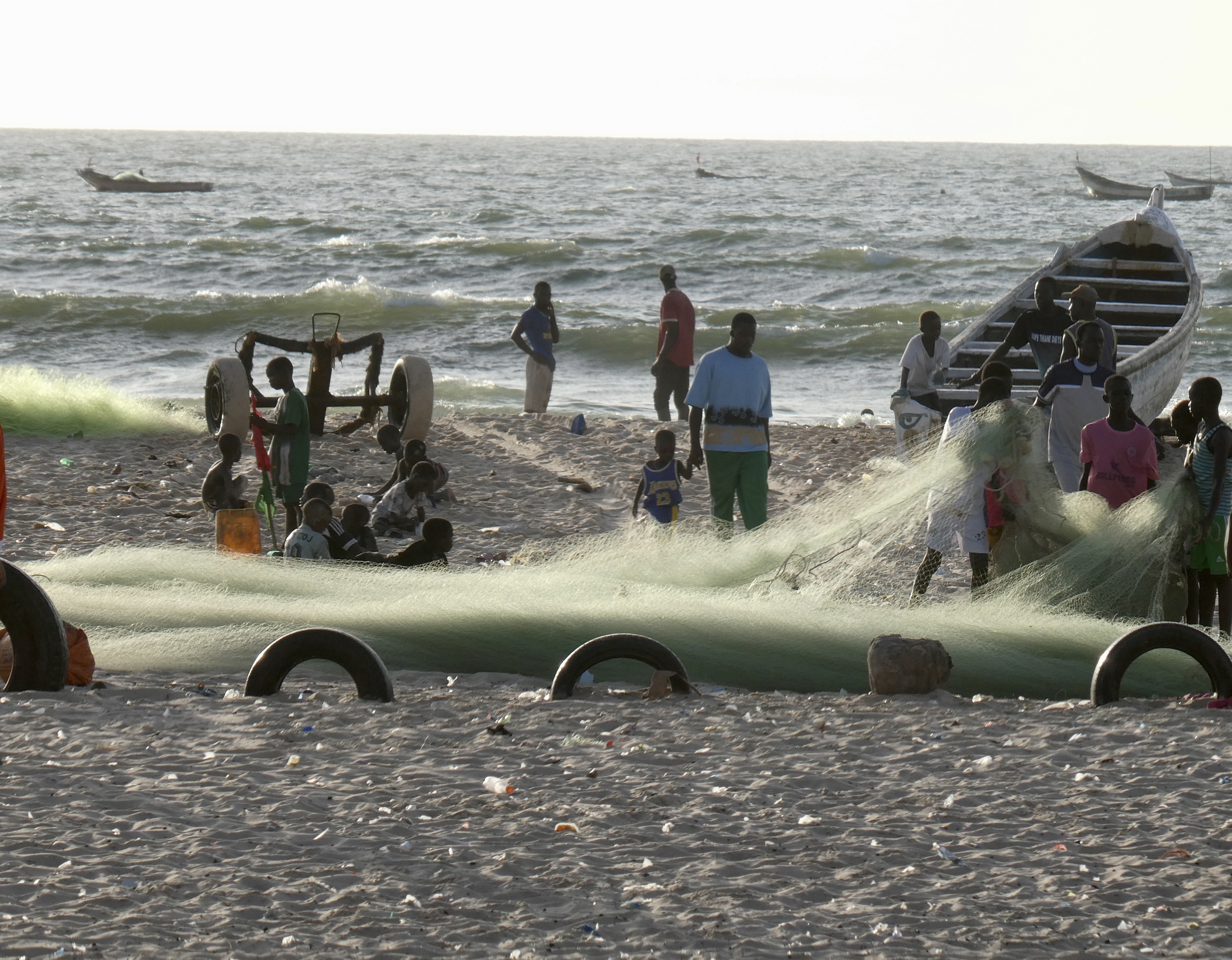
Anyway, we ended up passing down Main Street and by the market before stopping by the side of the road to take a walk to the Atlantic Ocean where a spirited soccer game was going on at the beach and fishermen were tending to their nets. All around me were brightly coloured boats which the fishermen would be manning in the pre-dawn hours to earn their living.

And of course as we walked back, we passed by more goats. There were a lot of goats roaming freely and a lot tethered to chains on the sidewalk outside tiny ramshackle (and I use that word politely) homes that looked like they were held together by rusty nails and small pieces of tin. Everywhere I looked, kids were hanging out of windows, fighting with one another on the sidewalk, playing in the dirt or just sitting and staring at us as we walked by.
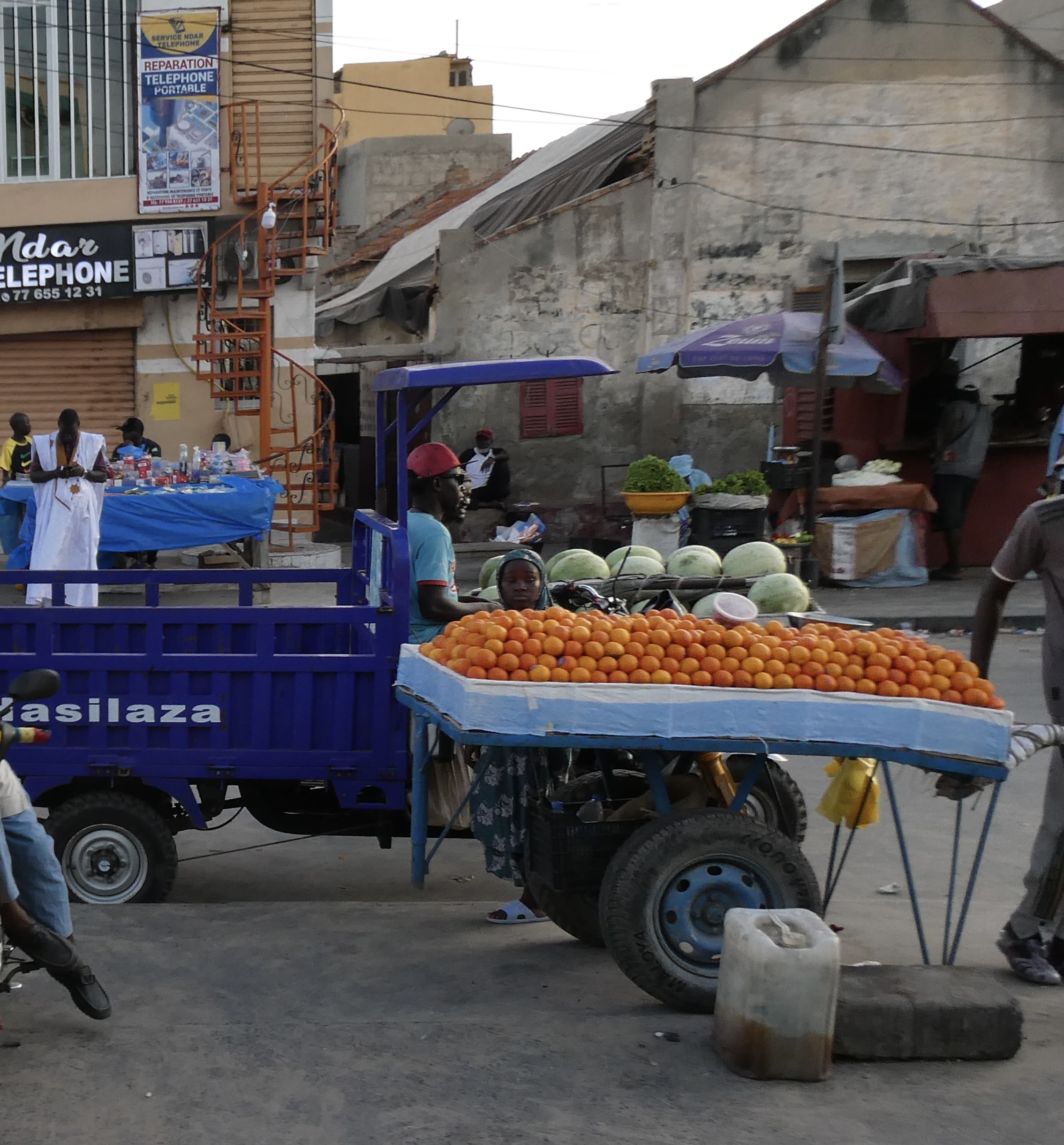
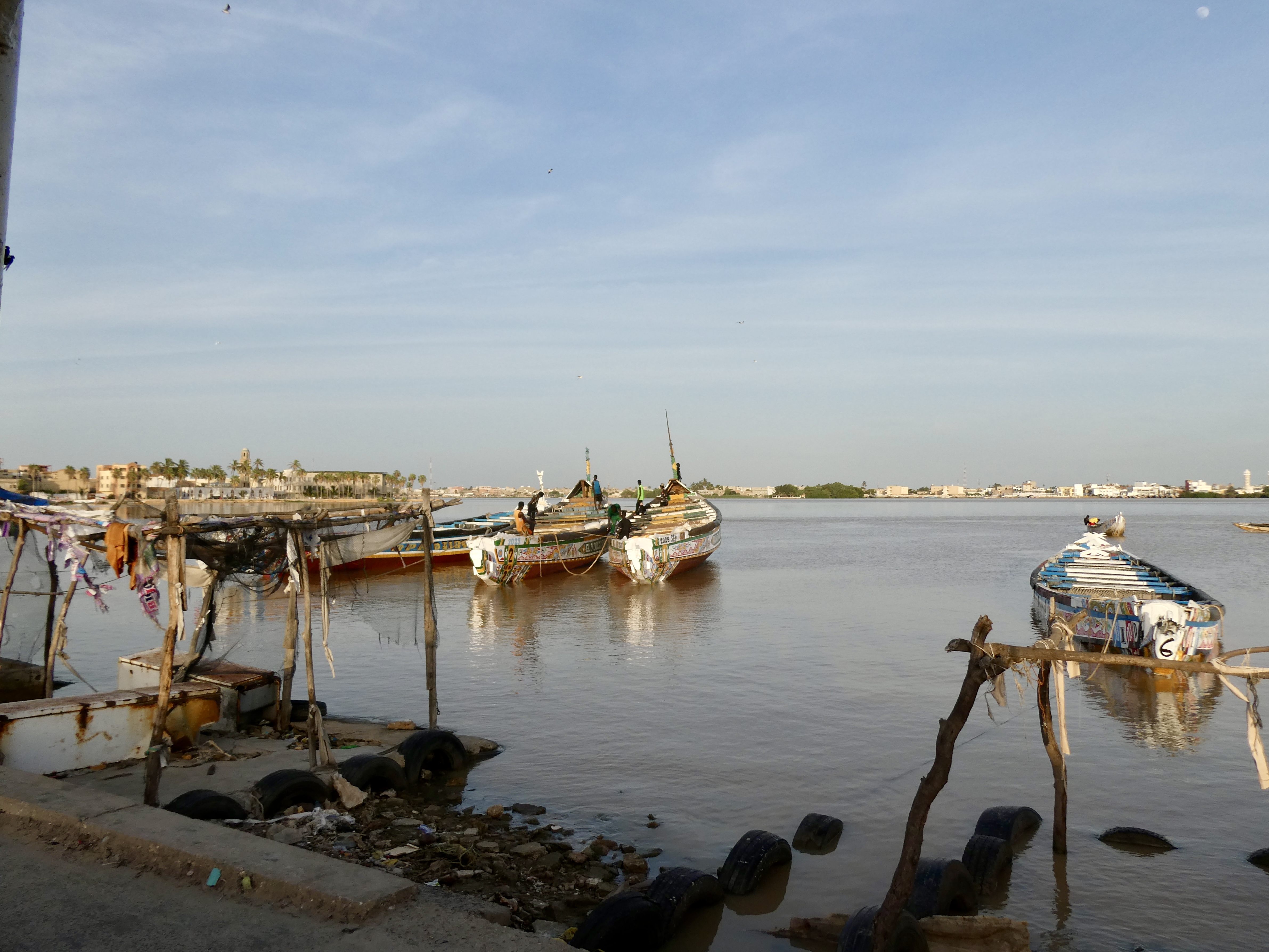
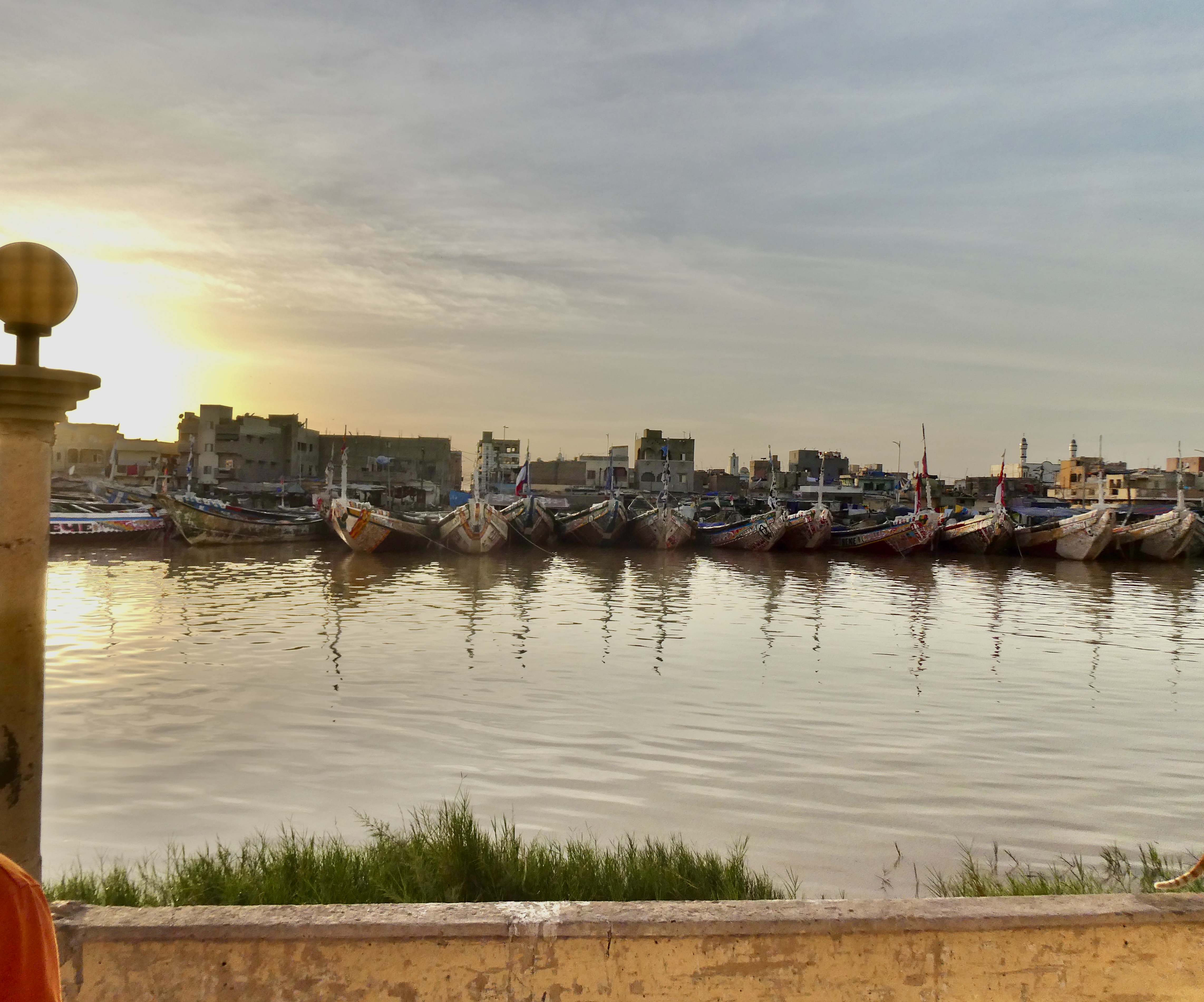
The entire scene was chaotic at best and incredibly distressing at worst. It was not a scene most tourists would encounter that is for sure. Now don’t get me wrong. There were some decent areas we passed with vendors selling fruit and boats bobbing in the water, but overall perhaps the best way to describe the fishing village is a real life slap in the face.
So after a loop around the village, we crossed a second bridge back to Saint-Louis, which seemed remarkably chill after the frenzied atmosphere of the Guet N’Dar.

We ended up passing by an old 19th century school (no an administrative building) before looping back around Saint-Louis. By 7:30, we were pulling up to my hotel just as the call to prayer was ringing out.
Tomorrow we leave Saint-Louis and head south with one more day in Senegal before we cross into The Gambia.
