This morning I was off to the countryside to visit the town of Tagaytay, the volcanic island of Taal and Taal Heritage Town. Now I had asked the tour company to have Andrei assigned to me for the tour, but instead I got stuck with Jace, a novice tour guide who was learning under the supervision of JP (also on the tour). And I have to say that Jace was perhaps the most obnoxious tour guide I have ever had. He was the guy at the party who has to let everyone know that he is smarter than you, except in this case, Jace was not smarter (he just memorized a lot of shit) and never knew when to shut up. He would state the obvious while thinking he was imparting some form of wisdom (i.e. “we are stopping at a fruit stand” … no shit Sherlock, I can see that). It got to the point where I just had to ignore him and not acknowledge what drivel he was talking about. Even J.P. and our driver seemed fed up with him and barely said two words to him the entire day. No idea what the tour company was thinking sending him on this tour.
Anyway, the sites I visited actually turned out to be pretty interesting (while ignoring Jace’s nonstop diarrhea of the mouth). We left the hotel at 7:00 (oh and one other thing … I was told to be ready by 7:00, but then received a text at 6:40 from Jace telling me he was downstairs and asking if I would be down soon. Uh, I’ll be down at 7:00 like I was told ….). Our first stop was to Tagaytay. Now the purpose of heading up into the mountains to Tagaytay was to drive to a lookout point to see Taal Volcano Island. That turned out to be a massive waste of time (more about that later).

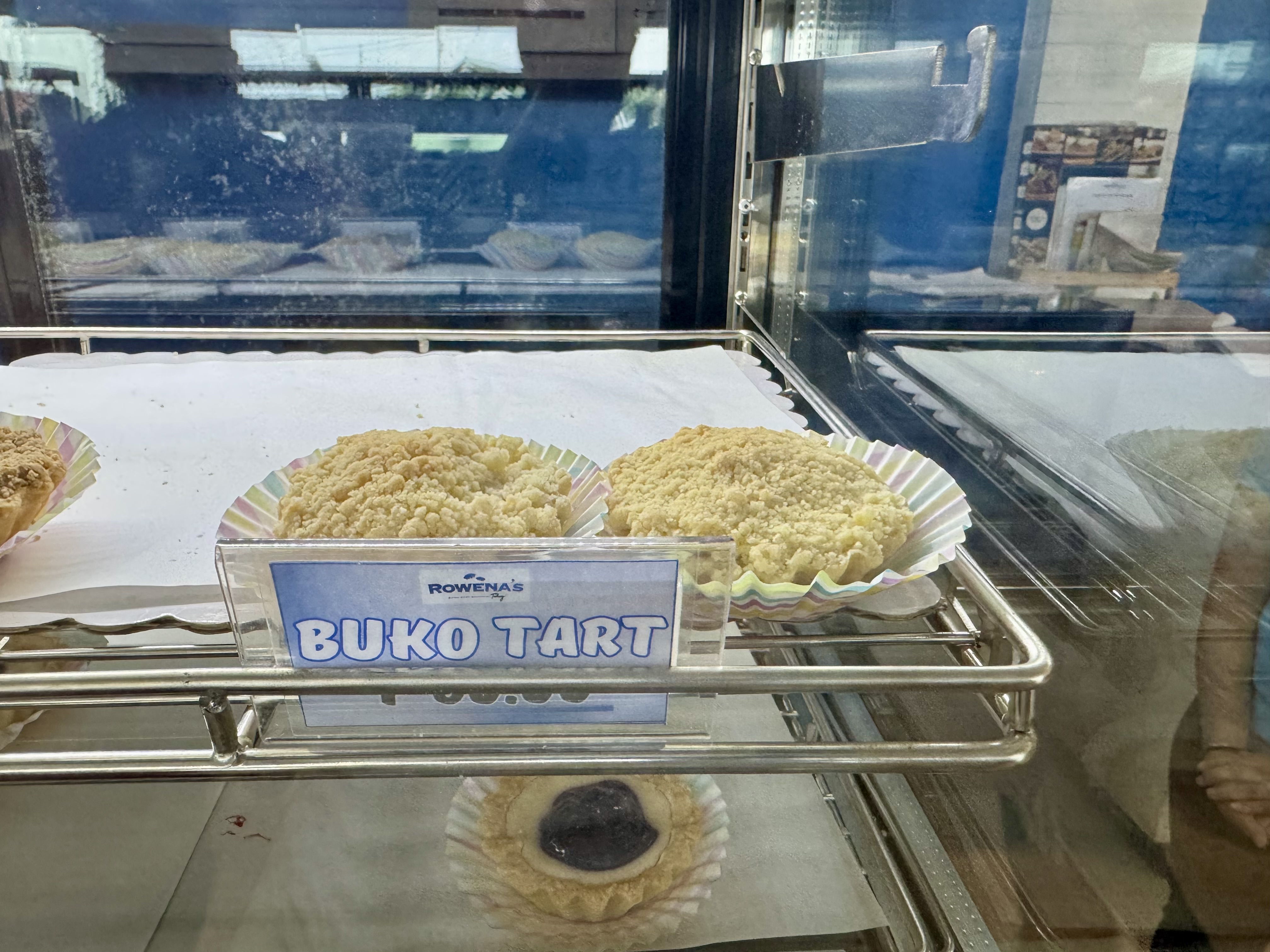
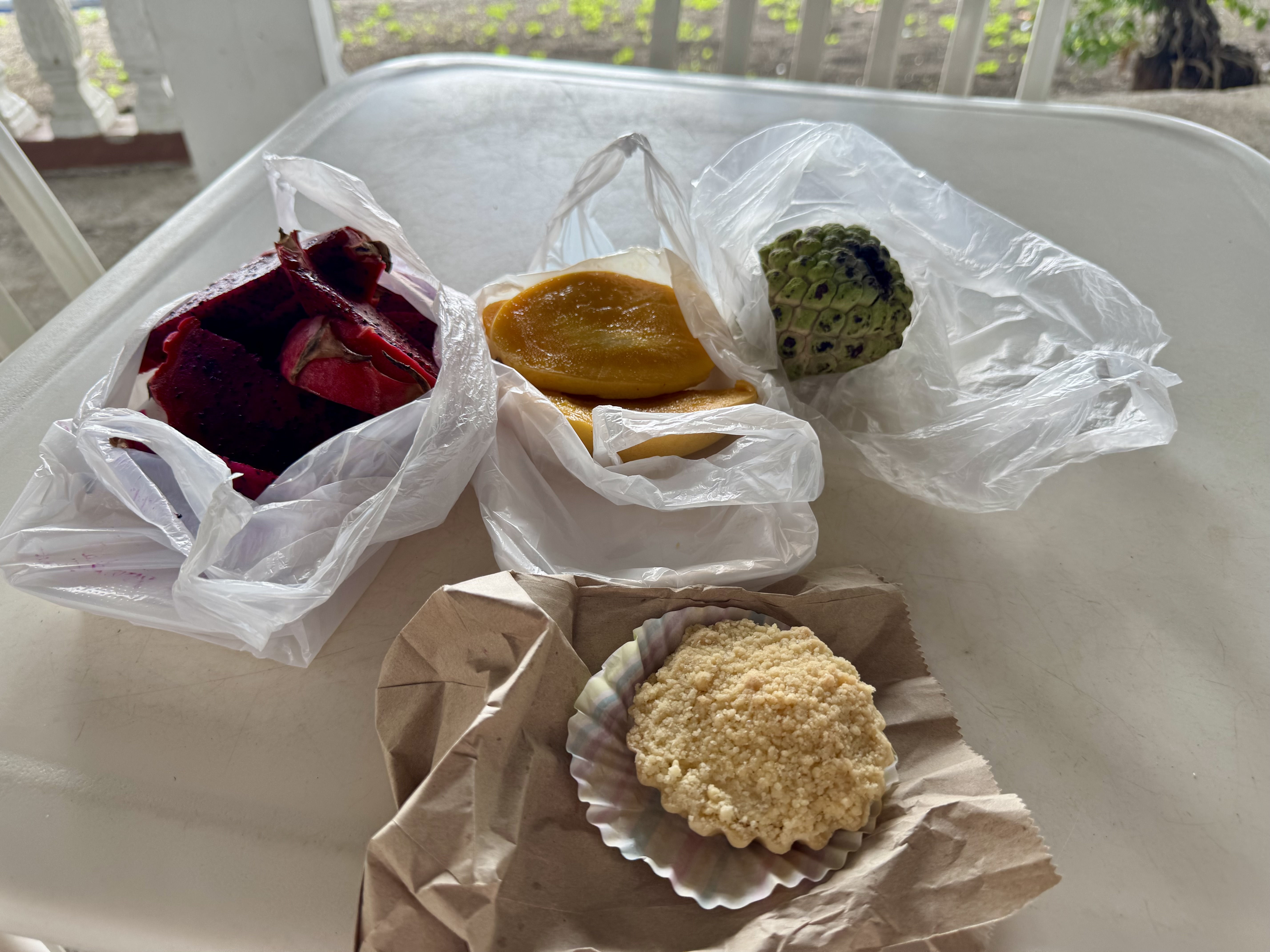
So once we reached Tagaytay, we stopped in at a bakery to buy some of their famous Buko Tarts (toasted coconut tarts). Tagaytay is famous for their bakeries and in particular the Buko Tarts, and I can tell you first hand, the reputation is completely warranted.
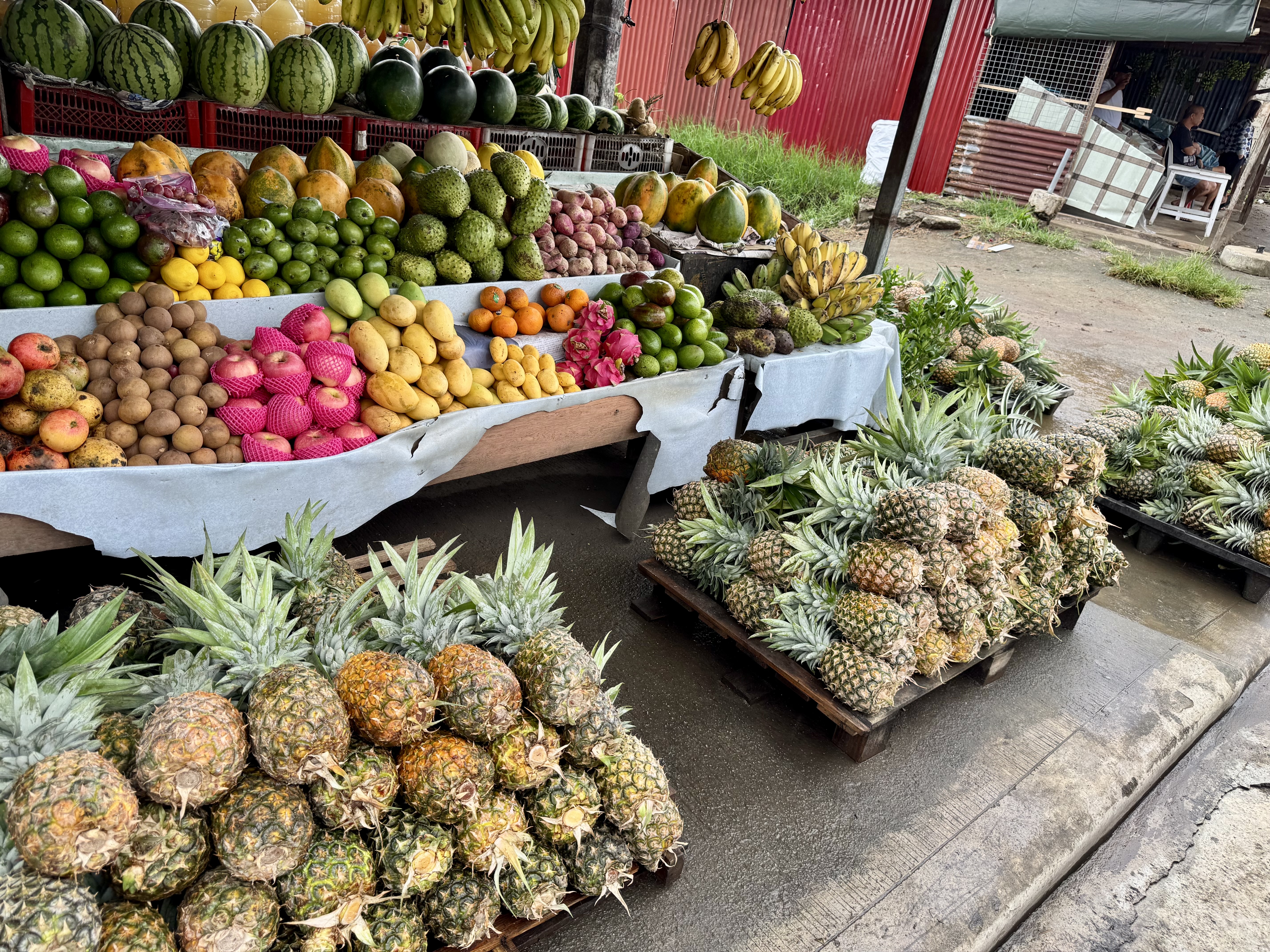
From here, we drove a few blocks to fruit market row and stopped to purchase some fruit while at the same time enjoying some samples, including fabulous pineapple and those tiny, tiny bananas that are only found in Asia (damn I love those little nuggets of golden goodness). After the tastings, I ended up purchasing mangos, a dragonfruit and a custard apple (which I had tried in Taiwan).

The proprietor’s mother peeled and chopped up the fruit for me and handed me a little package of goodness for 300 Philippine pesos (about $8.00).
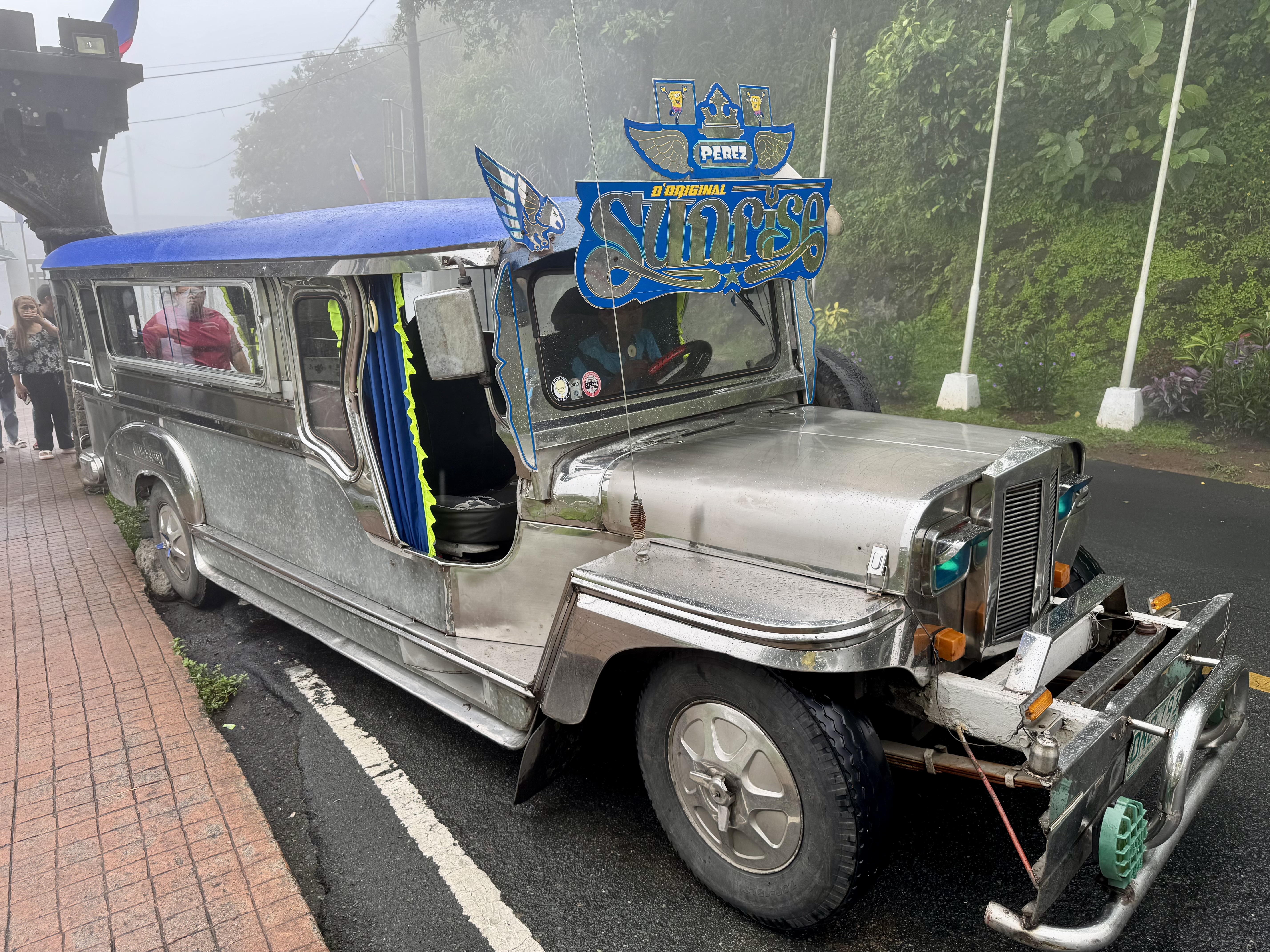
From here, we headed higher into the mountains to what was supposed to be a viewpoint for the Taal Volcano Island and surrounding lake. However, the higher we drove into the mountains, the foggier it got. By the time we reached the parking lot where we were to take a Jeepney to the top, you could barely see anything. I asked why we were going through this exercise in futility and Mr. Smarty Pants replied, its listed in the contract and so we have to tick off each spot you are supposed to visit. You are required to go. I told him that I paid for the trip and if I say we don’t go, we don’t go.
Now because we were taking a jeepney to the top, I opted in, but knew as we chugged along to the top that I was going to be staring into nothing but fog and sure enough, when we reached the top, I saw nothing. White fog and not an island or bit of lake in sight. Gesh. And rather than taking the jeepney down, I said we should walk down (it was less than one km). Jace was not happy about this, but I didn’t care. I needed to walk after the 2 hour car ride and Jace certainly could have used some exercise (I won’t say anything more than that).
Once we were back at the car park, we headed back down the mountain to Taal Lake where I was going to take a boat ride across the lake to view Taal Volcano Island up close. Now I had been warned that Taal Lake is usually quite rough, but I lucked out. Today the lake was really smooth.
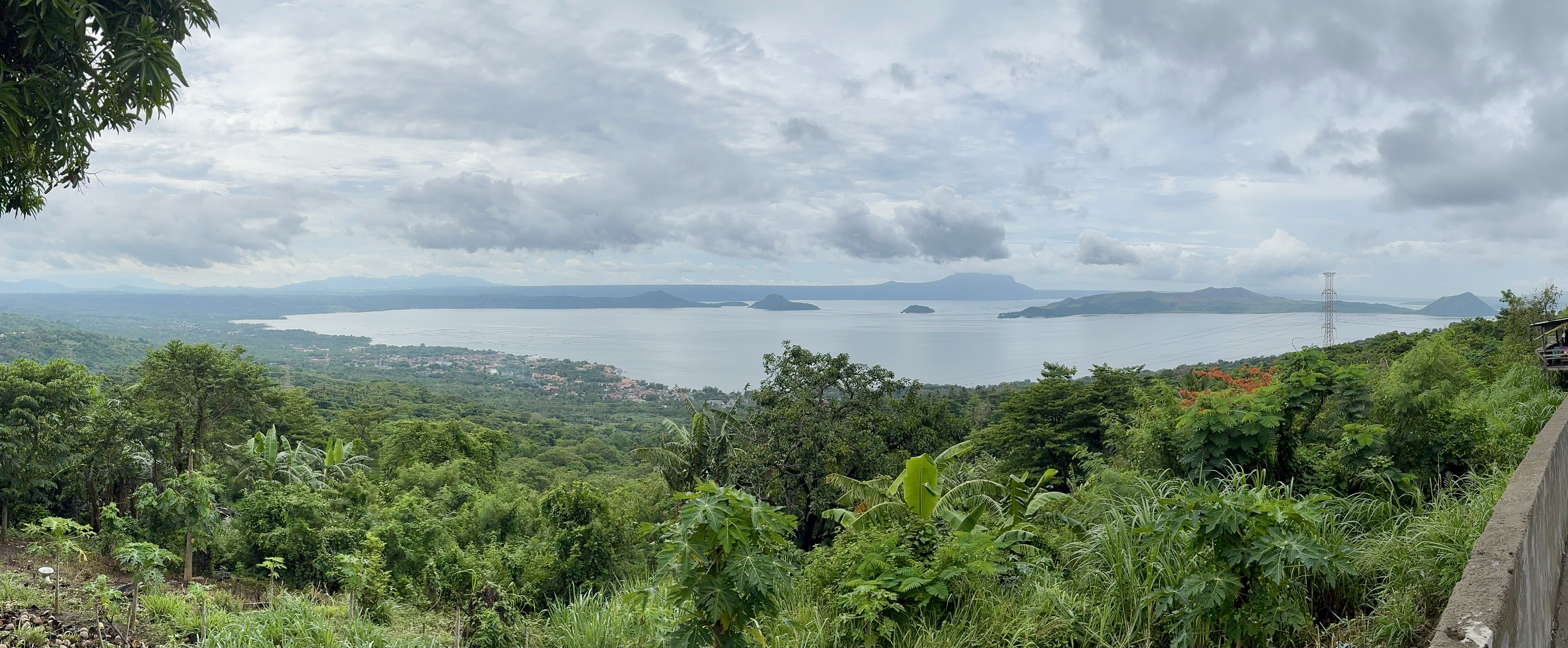
However, before we reached the lake, I commented as we drove down the mountain that the views of the lake and the island were pretty good and I would like to pull over since I did not get my views at the top of the mountain. Jace immediately responded that it wasn’t in the itinerary, and I reminded Jace that this was my tour, I paid for it and if I wanted to pull over we should pull over. J.P., of course, agreed and told the driver to pull over about ¾ of the way down the mountain (after we were out of the fog) so that I could take some pictures of the lake and Taal Volcano Island.
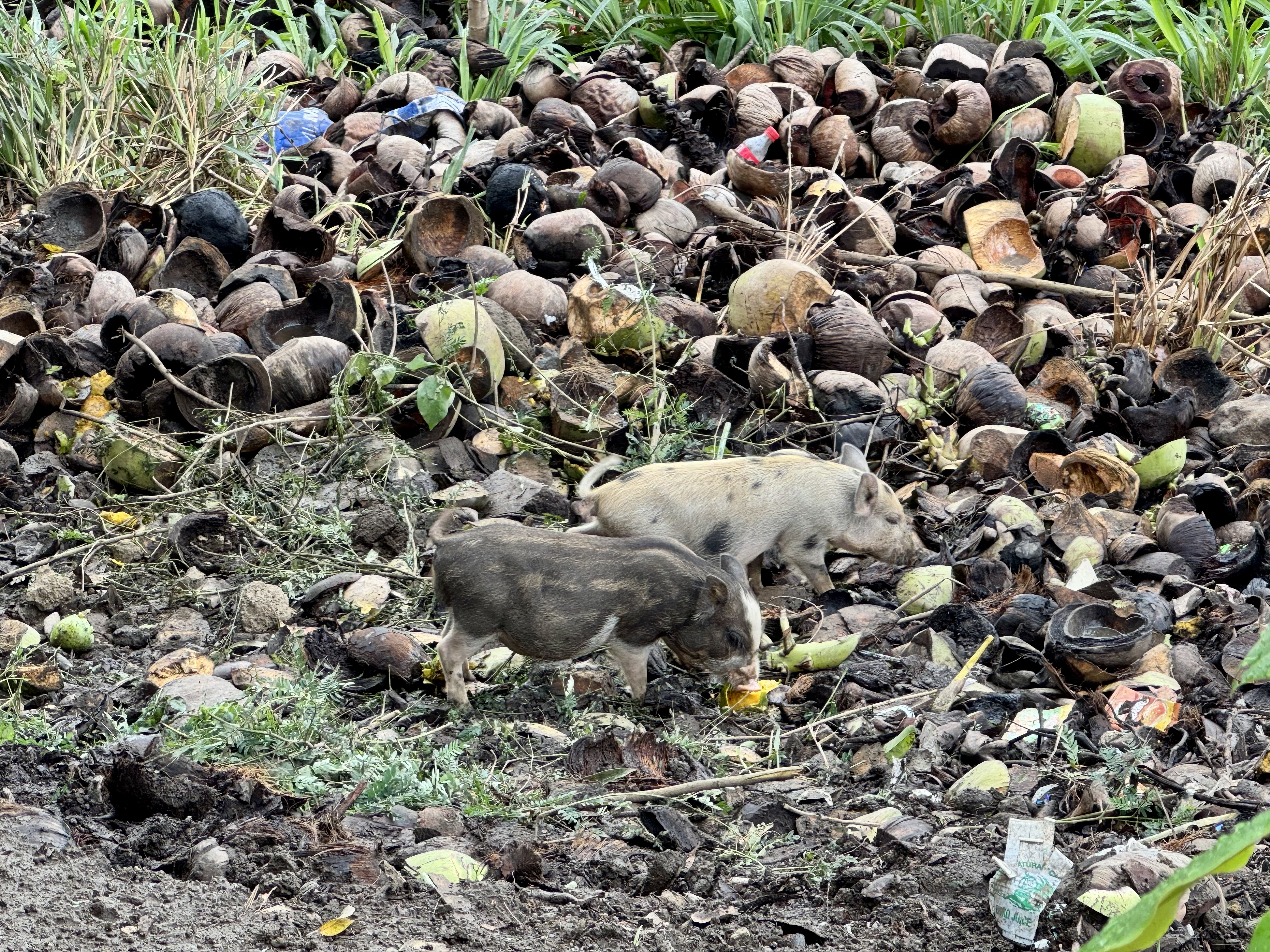
And while I was taking some pictures, two small wild boar made their appearance looking for food and began munching on the coconut shells and papaya skins that were literally everywhere. Made for some good pictures.
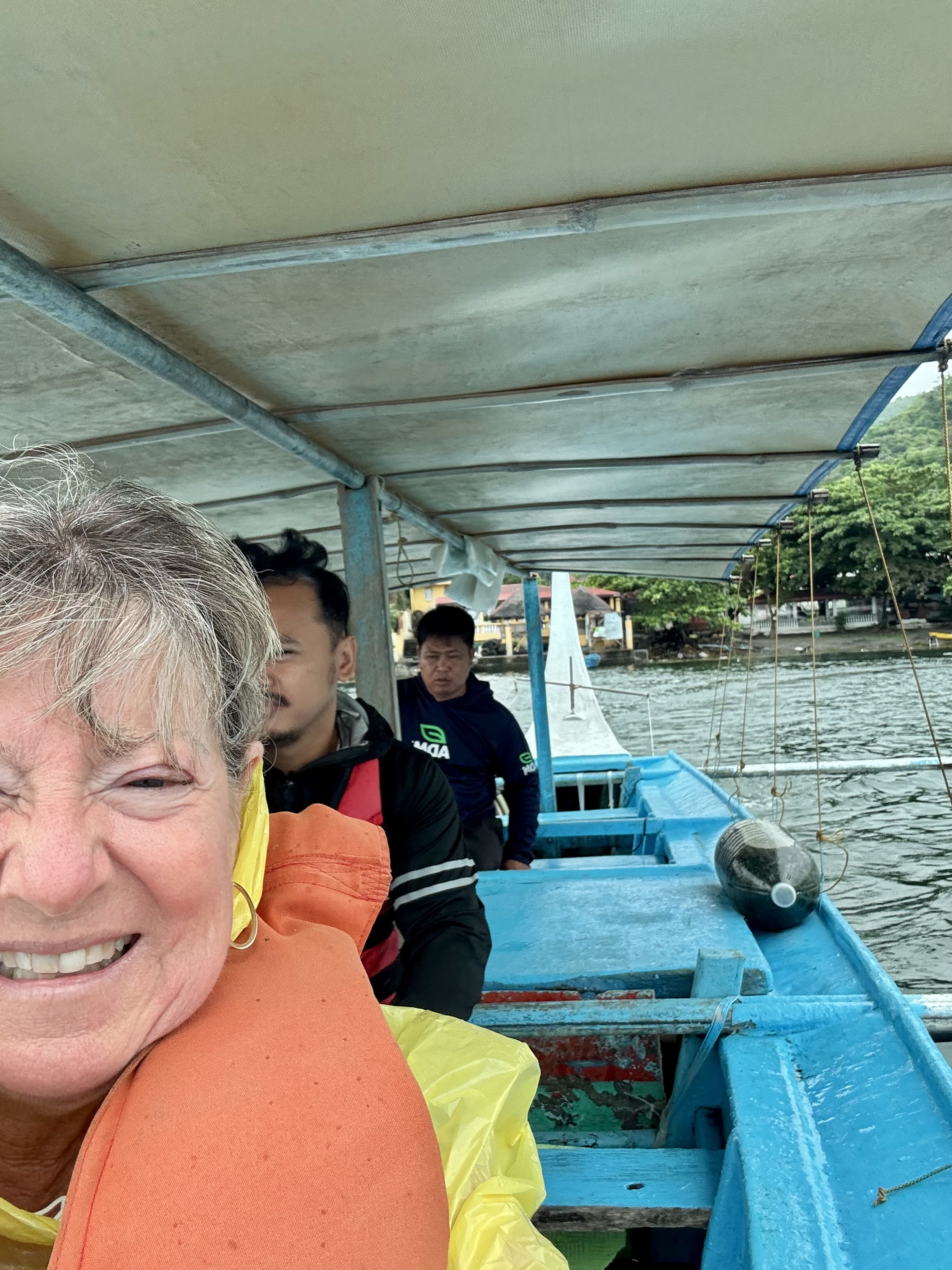
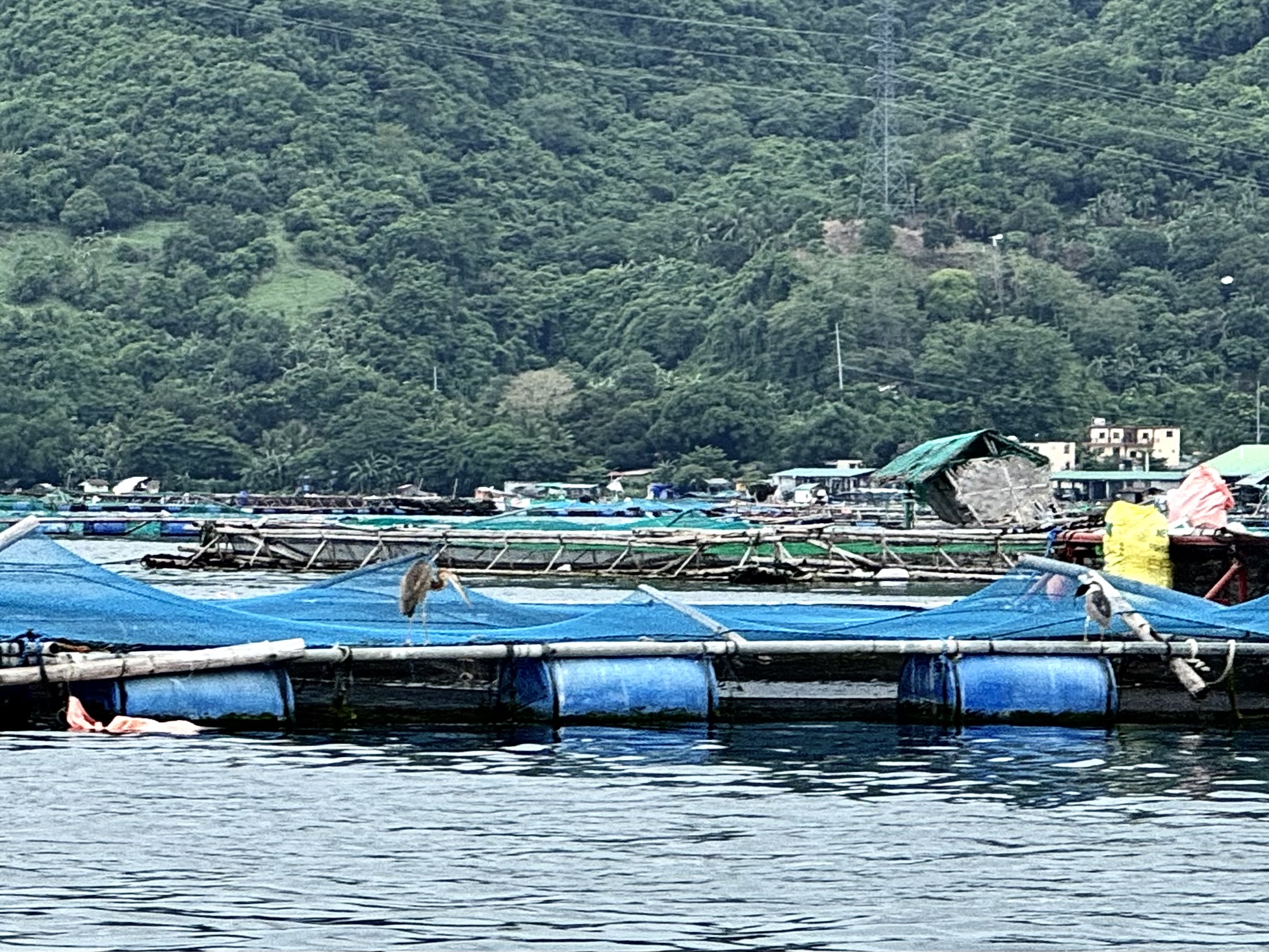
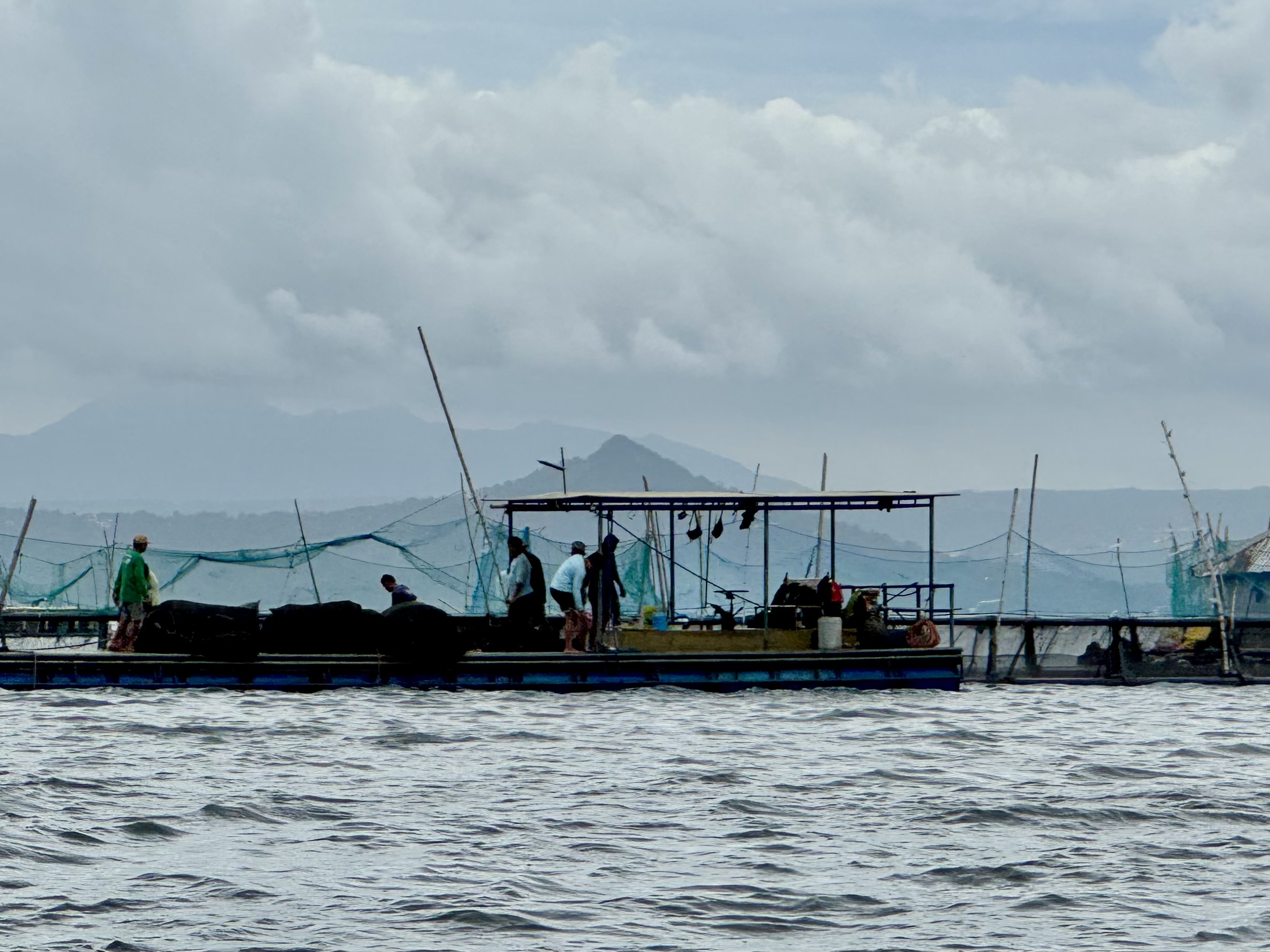
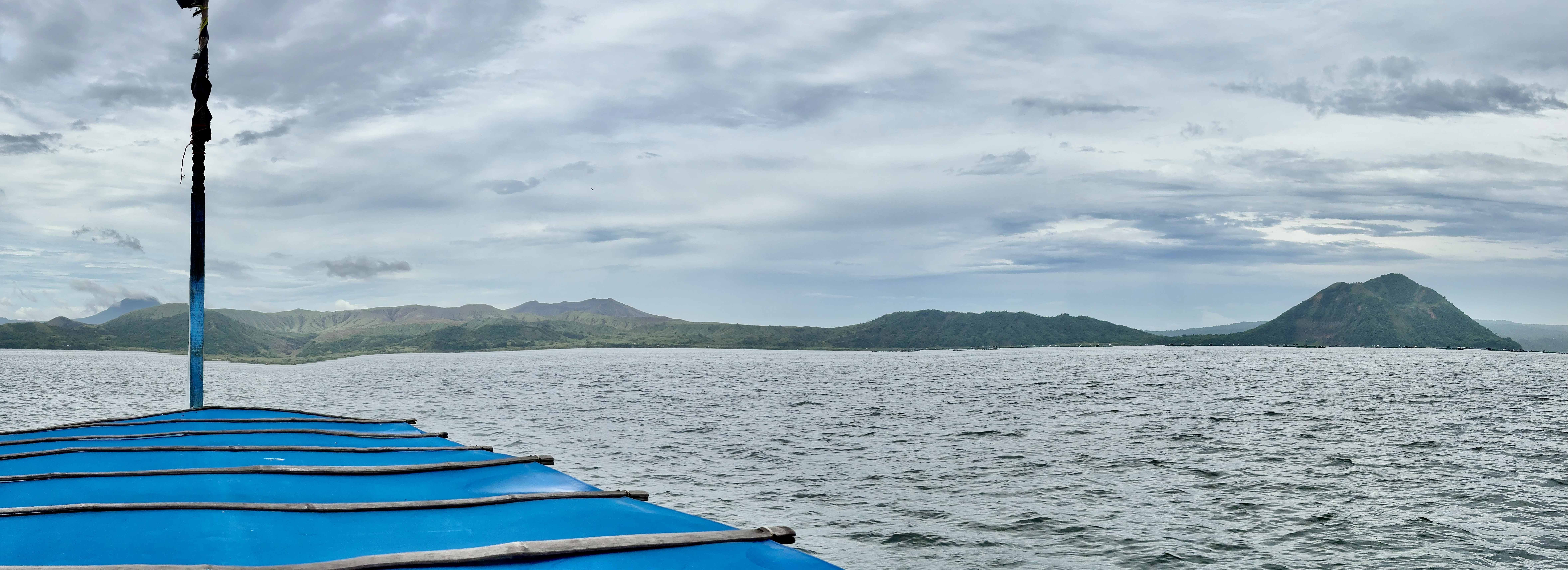
So once I had my pictures, we continued on the drive reaching the lakeshore around 9:30. I was fitted with a life jacket and then J.P. joined me in the boat (Jace did not say why he would not come in the boat) and we were soon puttering across the lake past fish traps, lots and lots of birds flying around looking for a free handout and fishermen checking the traps.
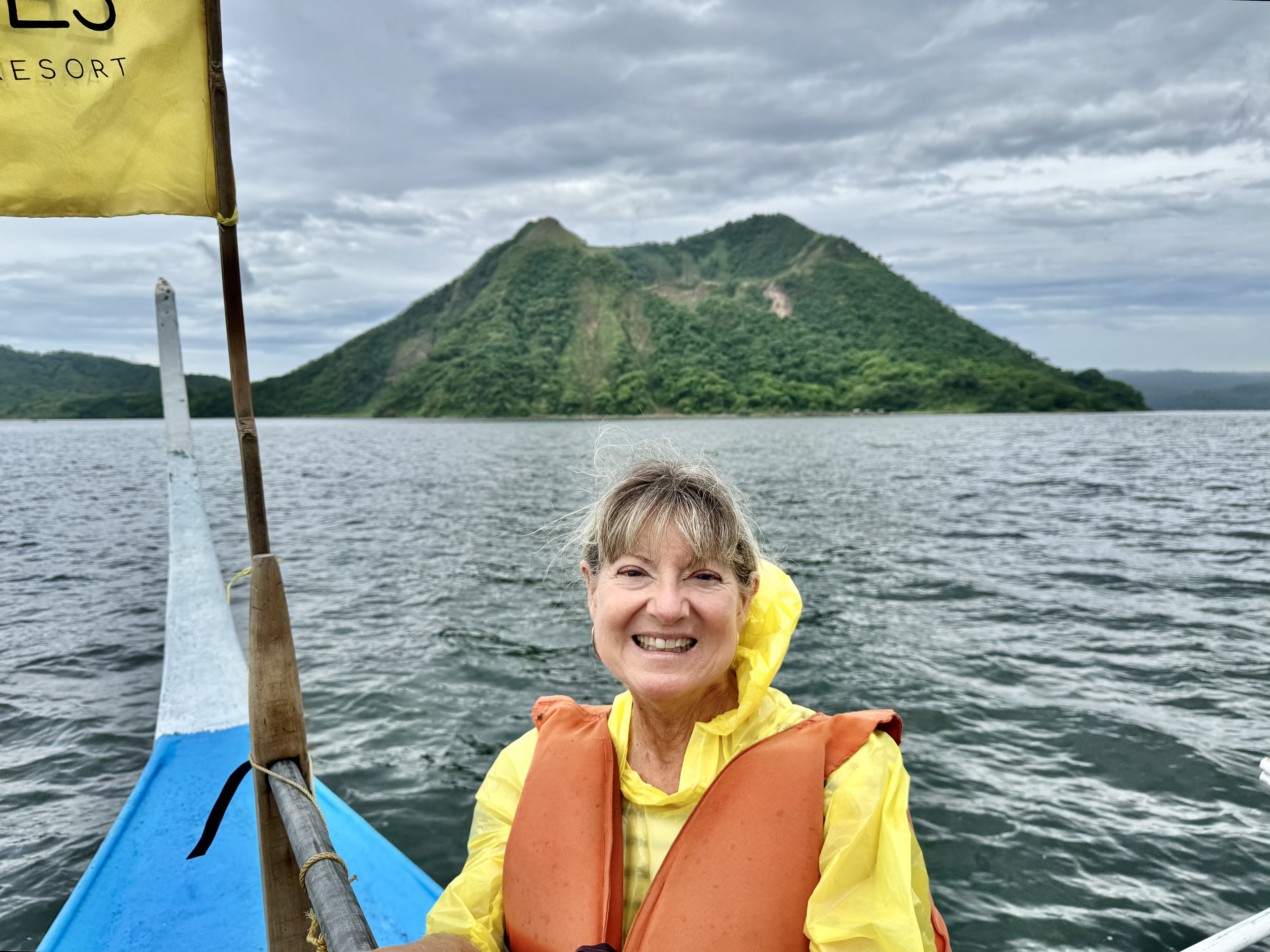
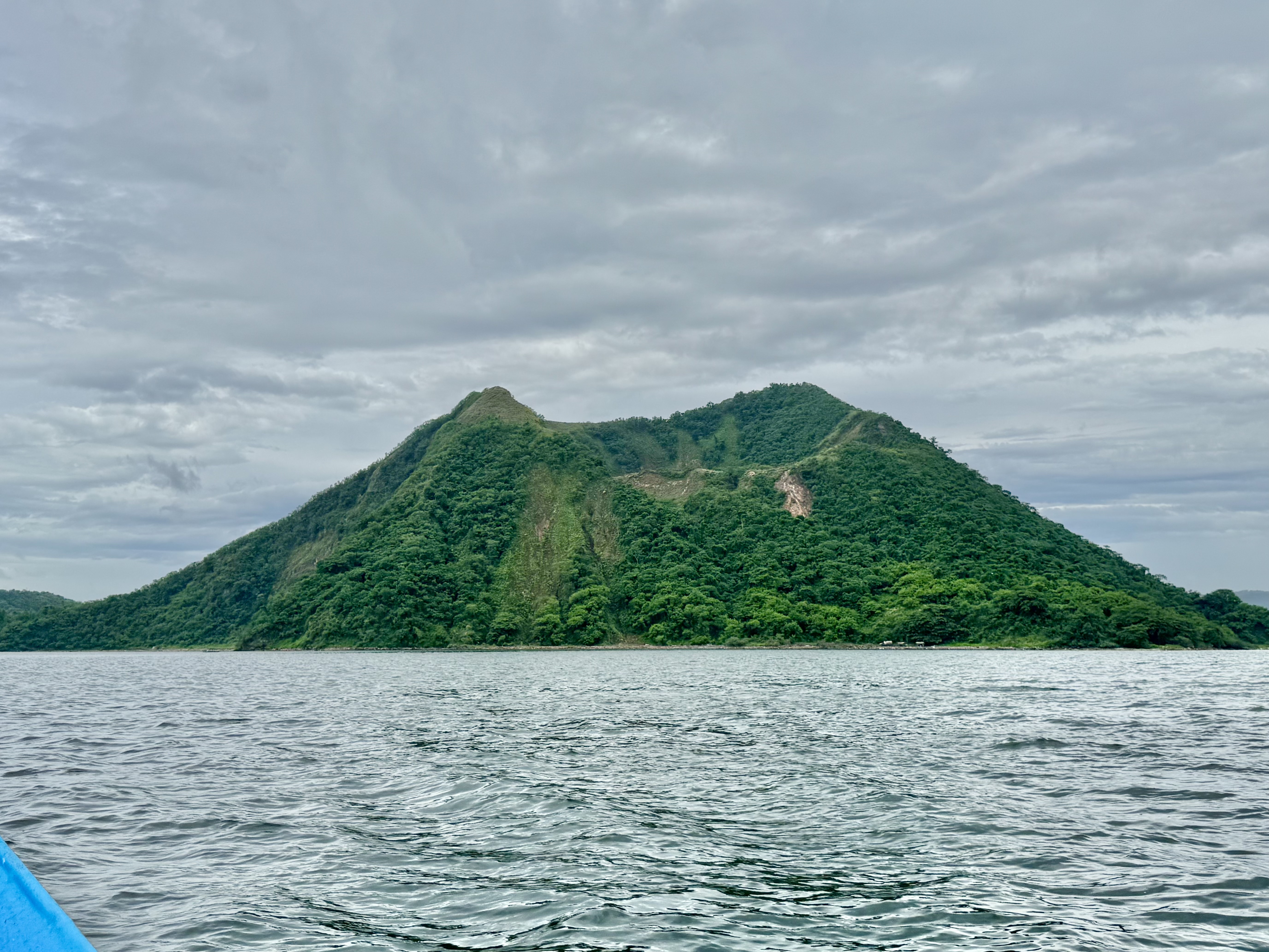
Now Taal Volcano Island is 23 sq km surrounded by Taal Lake and includes 47 identified cones and craters, including the Philippines second most active volcano, Taal. The island is 5 km long and has a 2 km wide and 80 meter deep main crater forming Main Crater Lake at the center of the Taal Volcano. The most recent eruption, in February 2020 left the area decimated and folks are still cleaning up the area and rebuilding bridges that were wiped out by the flood of water filled with trees and mud that engulfed the area.
And the most visually stunning part of Taal Volcano island is Binintian Malaki volcanic cone. The cone is dormant, not extinct, so at some point, this huge cone could roar back to life.
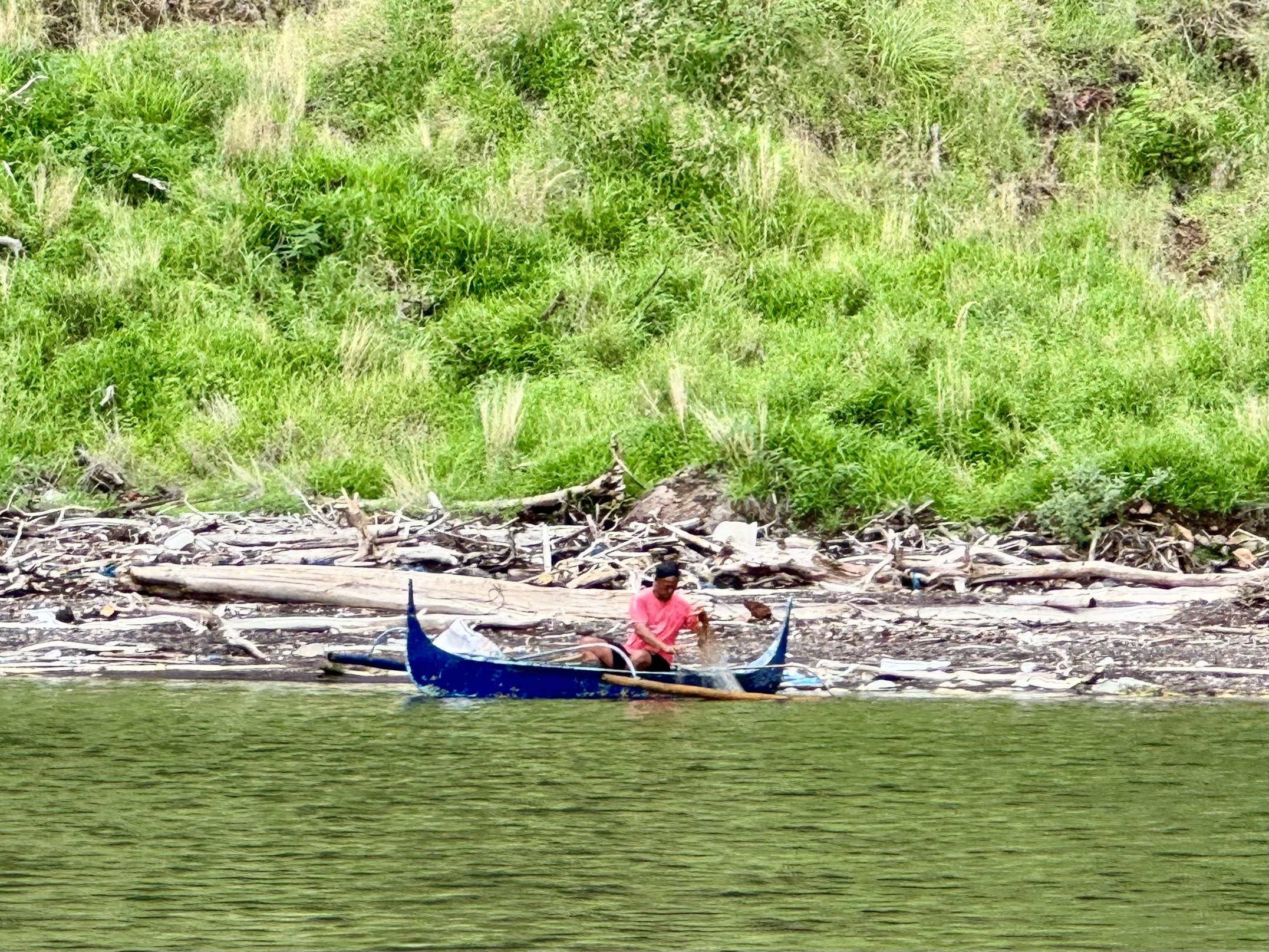
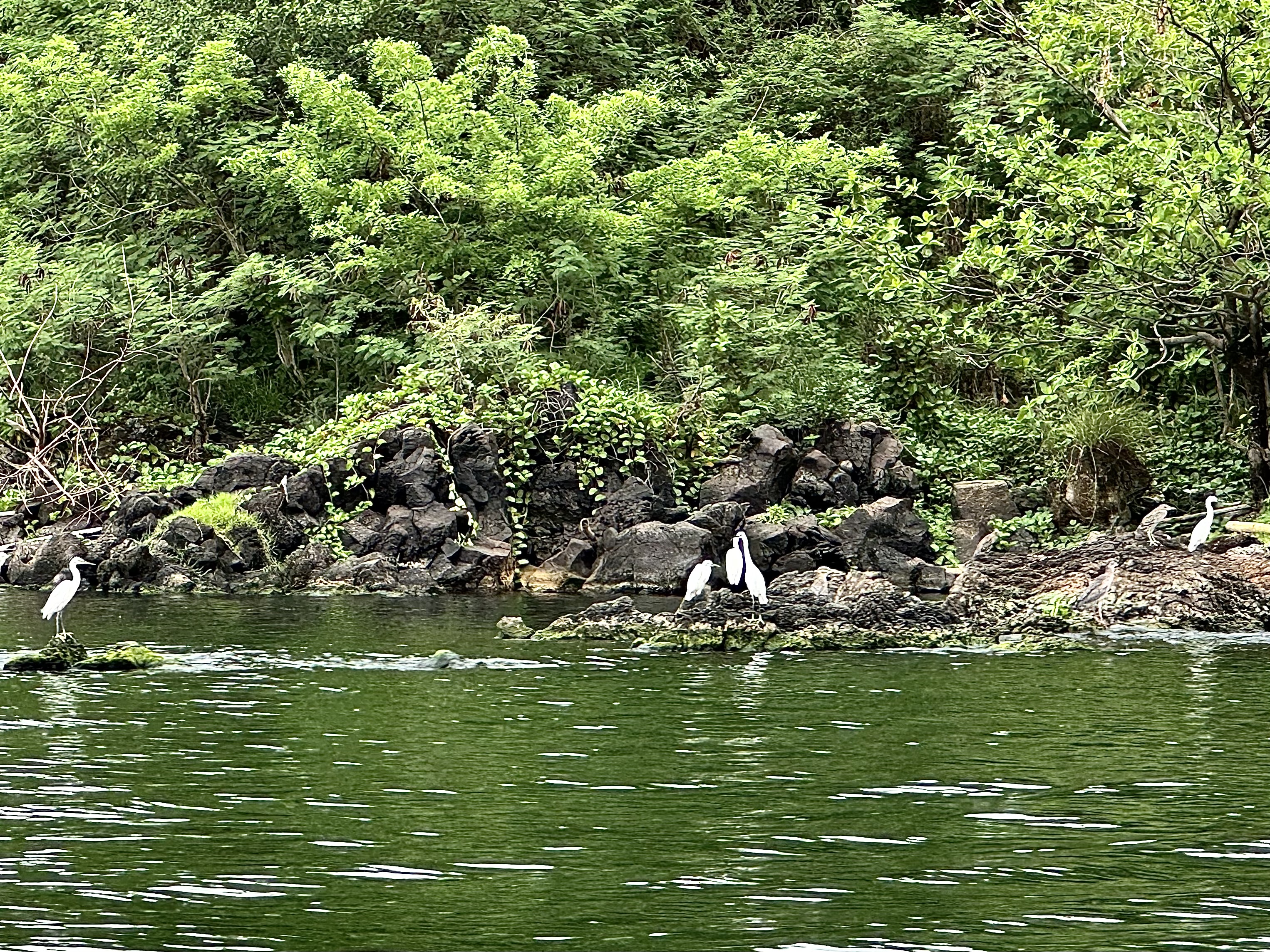
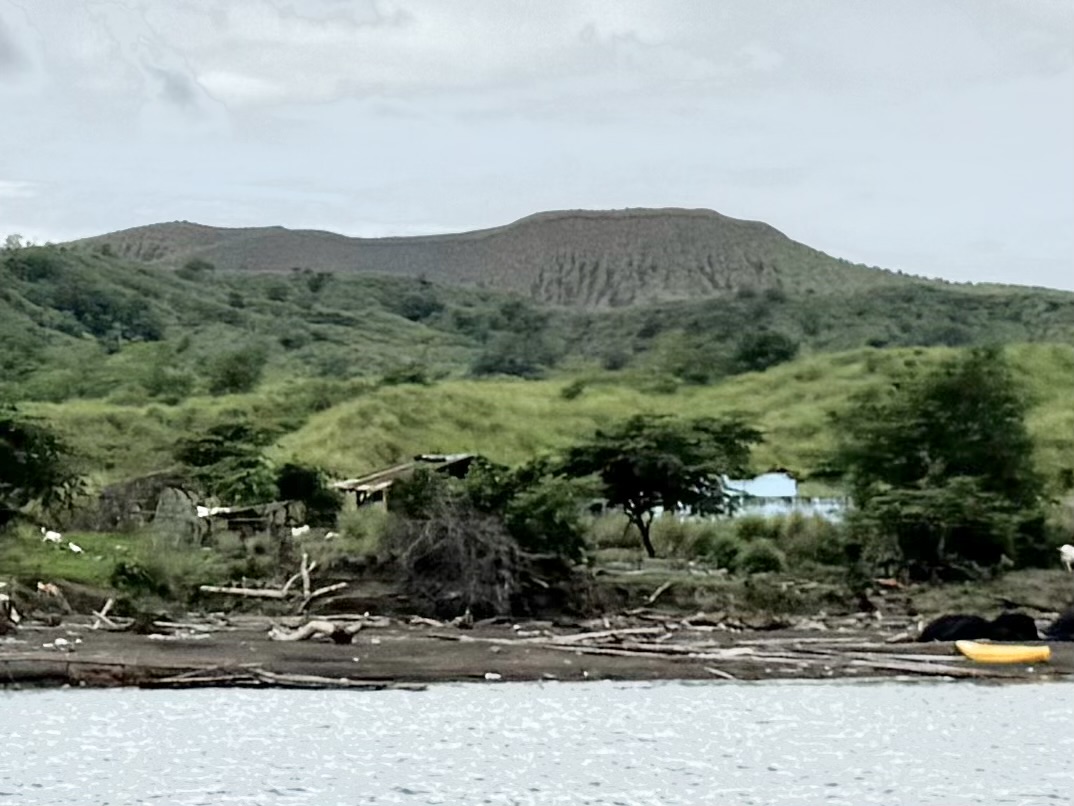
Anyway, once we were close to the island, I saw fisherman pulling in nets near the shoreline, lots of birds just hanging out and villagers who were removed from the island, but have insisted on returning and living illegally on the island.
Now I could have simply spent the rest of the day floating around the lake. The lake was incredibly calm and besides the putter of motors from our boat and the boat of fishermen, there was nothing but the the lapping of the water agains the boat and the sounds of the birds. It was clearly the best part of the whole trip today.
Sadly, we went back to shore and once on shore, I sat and ate my buko tart and fruit while listening to 80s music. And this is a pattern. All of the stations that the tour guides/drivers play is 80s music and walking past restaurants that’s all you hear. I thought I was in a time warp at first, but J.P. said it had something to do with not having to pay a royalty for 80s music. Not sure how that is possible, but I was not a music lawyer so maybe … but doubtful.
Anyway, after I finished my food we set out for Taal Heritage Town, a town that has preserved many of the buildings from the Spanish colonial era and is the site of two of the more famous churches in the Philippines. The drive took us through heavily damaged areas and roads still in need of repair from the 2020 volcanic eruption before we eventually reached Taal Heritage Town around 11:30.
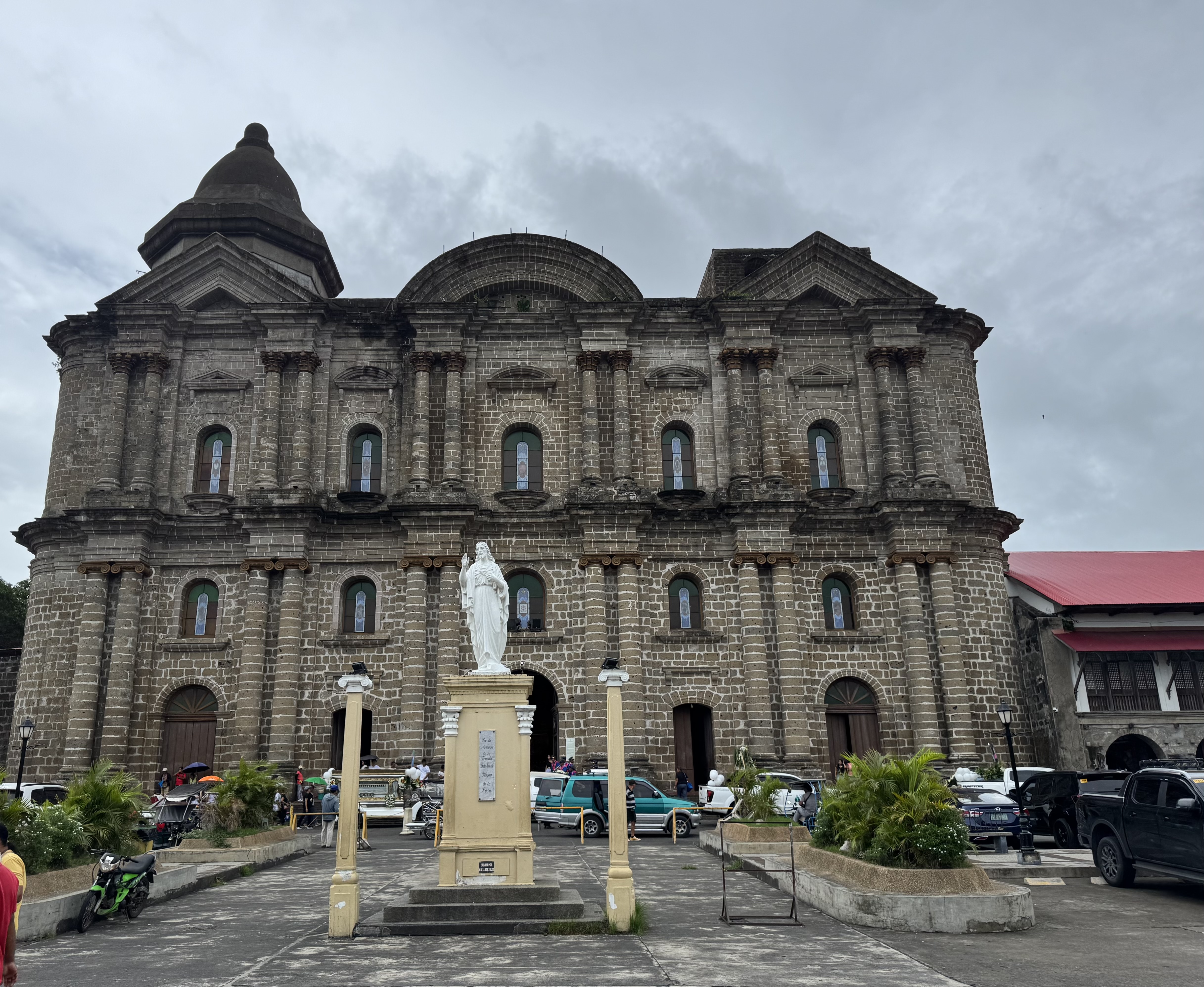
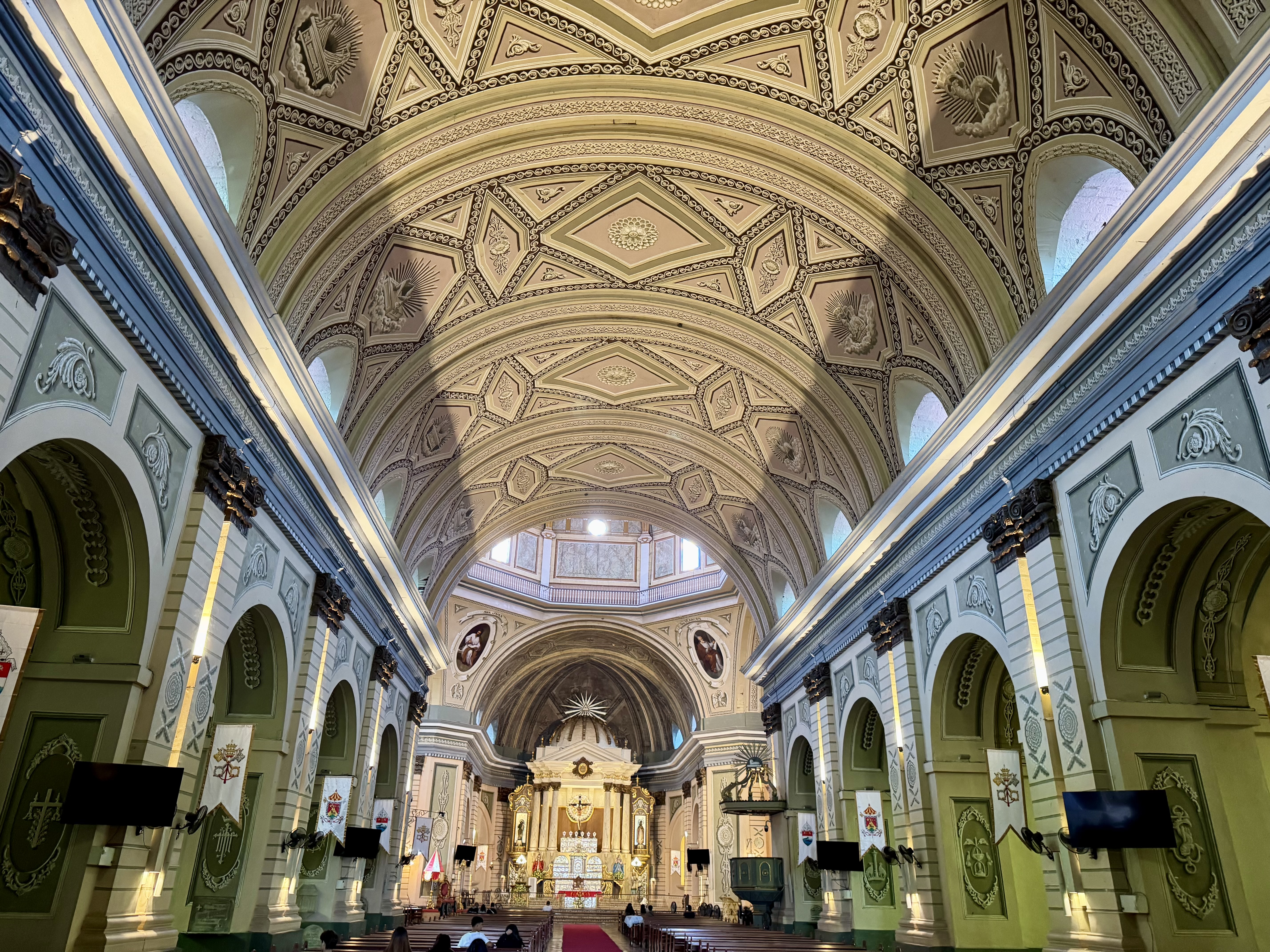
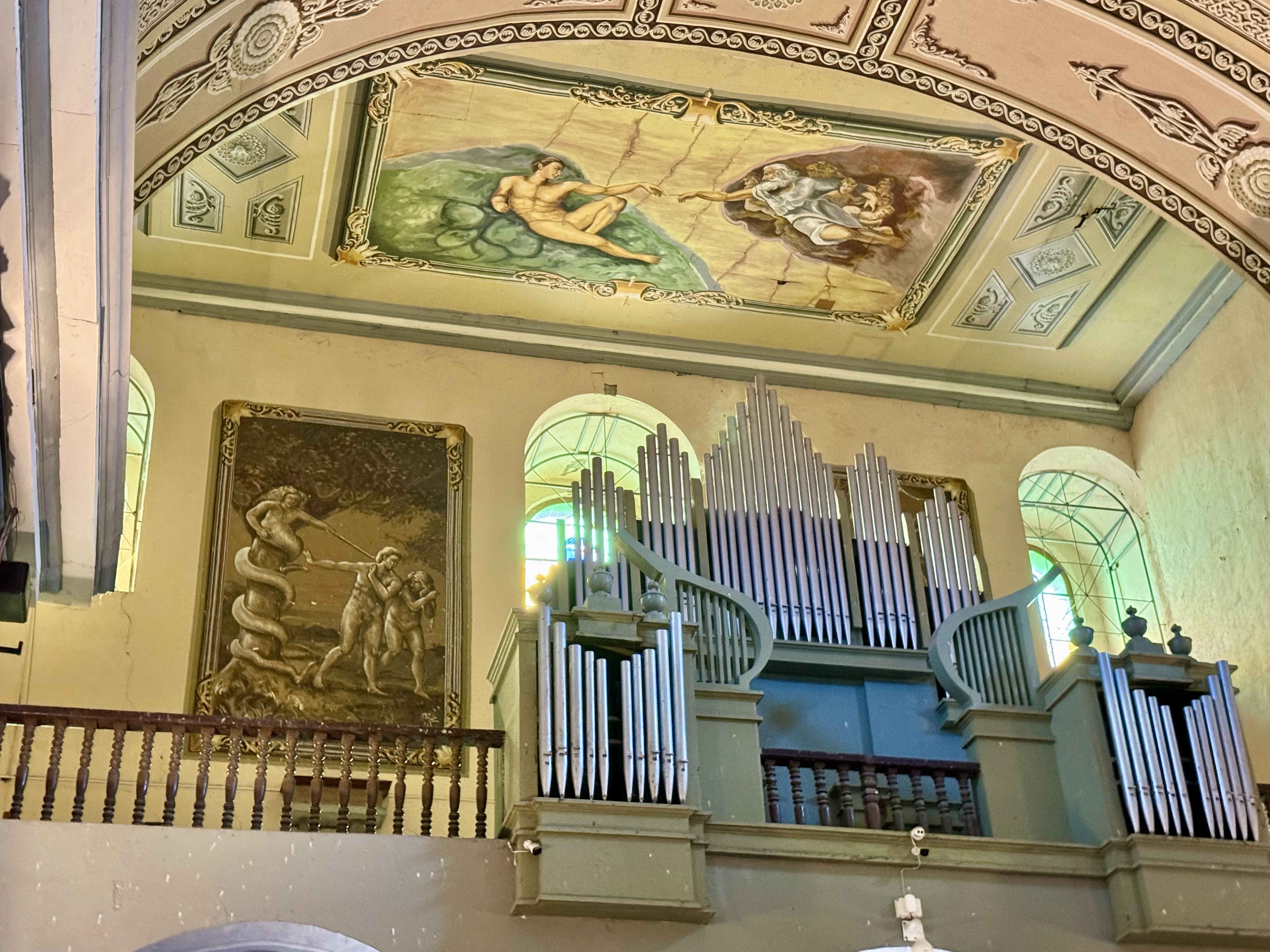
Now our first stop was to The Basilica de San Martin de Tours, which is not only the largest church in the Philippines, but the largest church in Asia. The present church dates to 1856 although construction was not completed until 1878. And the church was nice enough and included some lovely frescoes, but quite frankly I did not think it warranted the hype that it receives. I’d give it a solid B.
And as we were leaving the church, we heard the sound of music and J.P. Immediately said “funeral”. Apparently when someone dies the family hires a band to play music during the processional to the church. So we suddenly found ourselves in the middle of a funeral. I caught a glimpse of the placard on the hearst with the face of an elderly woman so hopefully she had a long and enjoyable life.
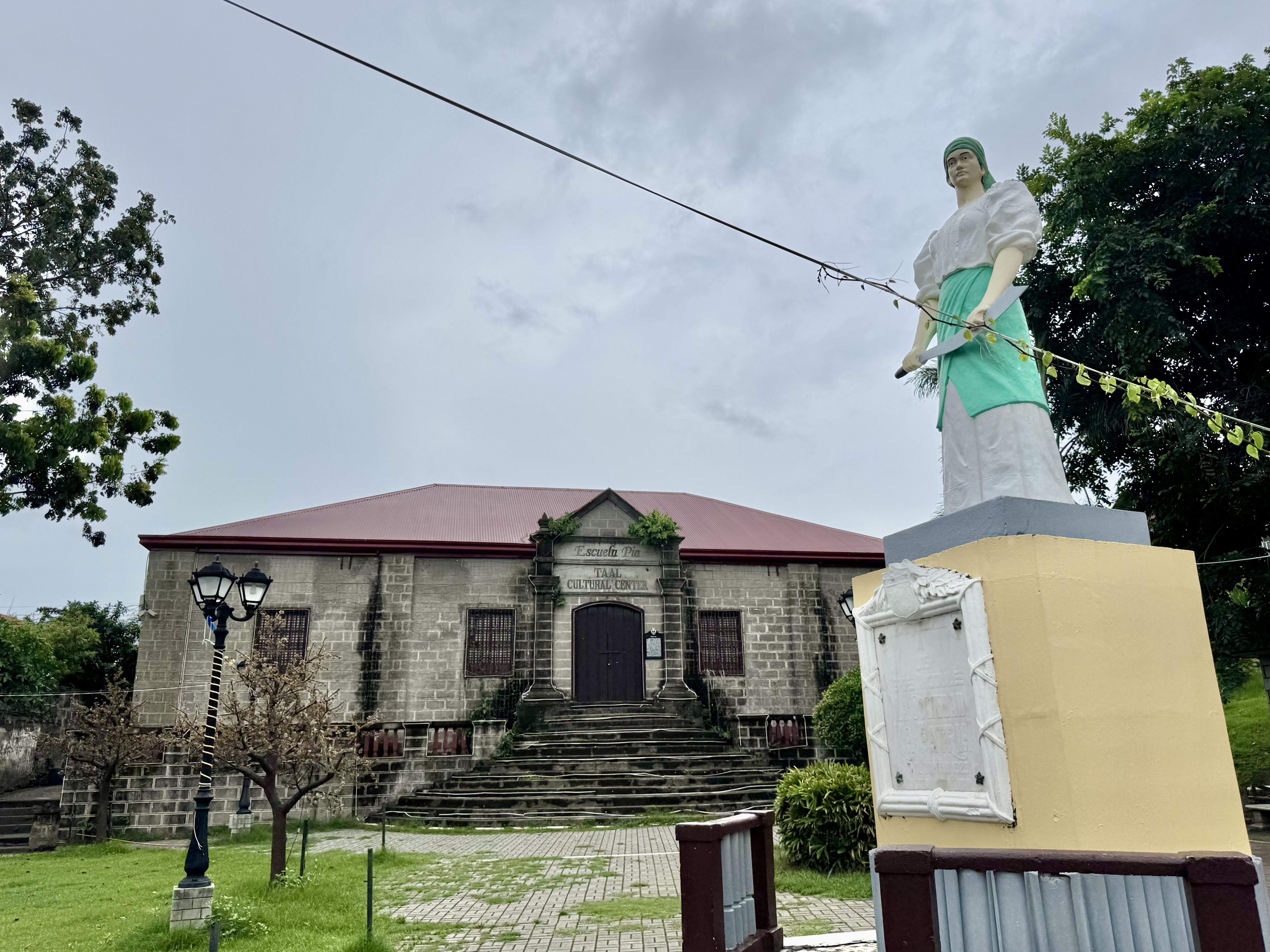
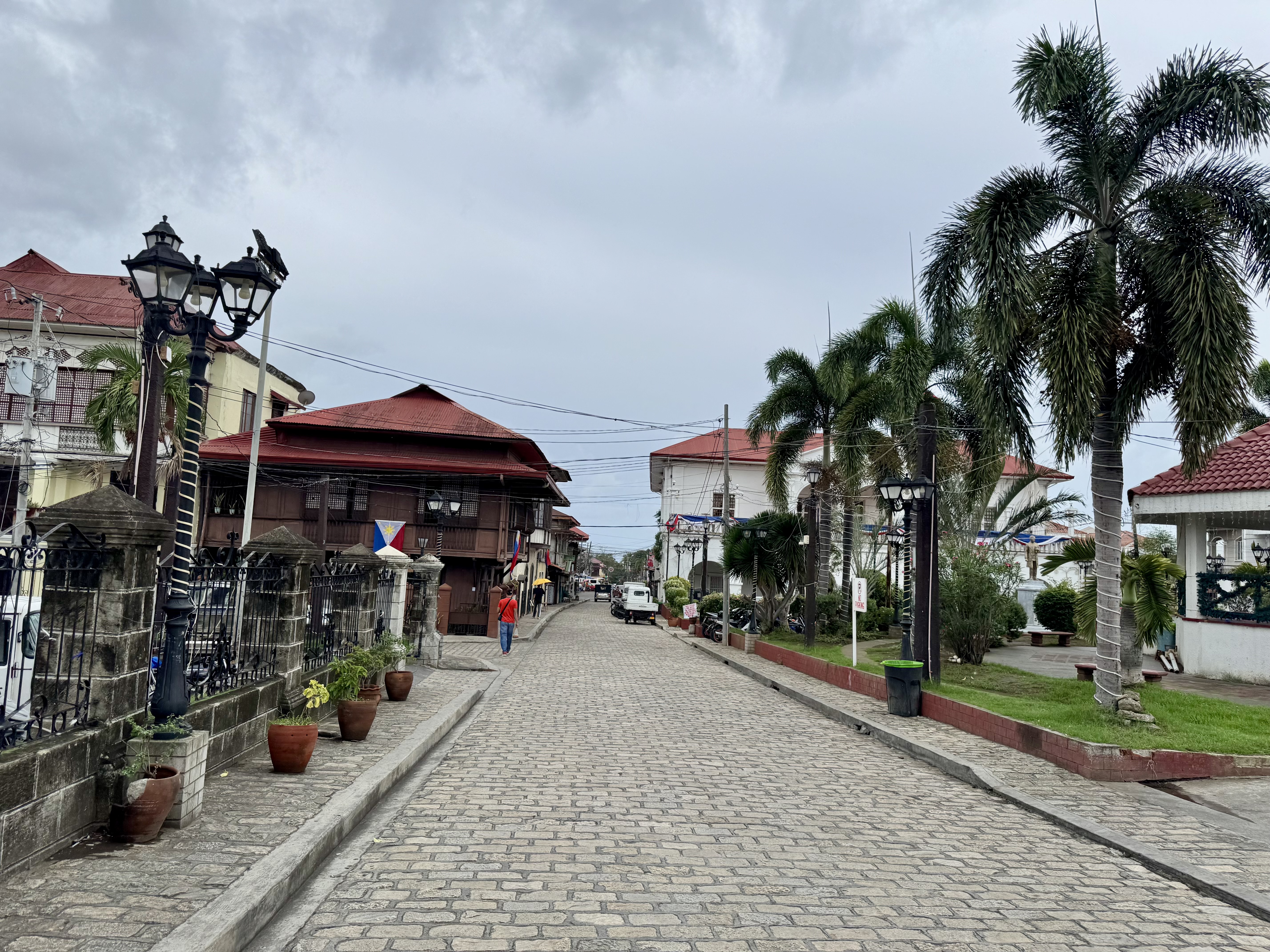
After we moved out of the way for the funeral, we walked down a staircase past Escuela Pia, the old schoolhouse building in Taal before walking down a street filled with Spanish style mixed use buildings made of concrete on the bottom and wood on top dating to the 19th century.
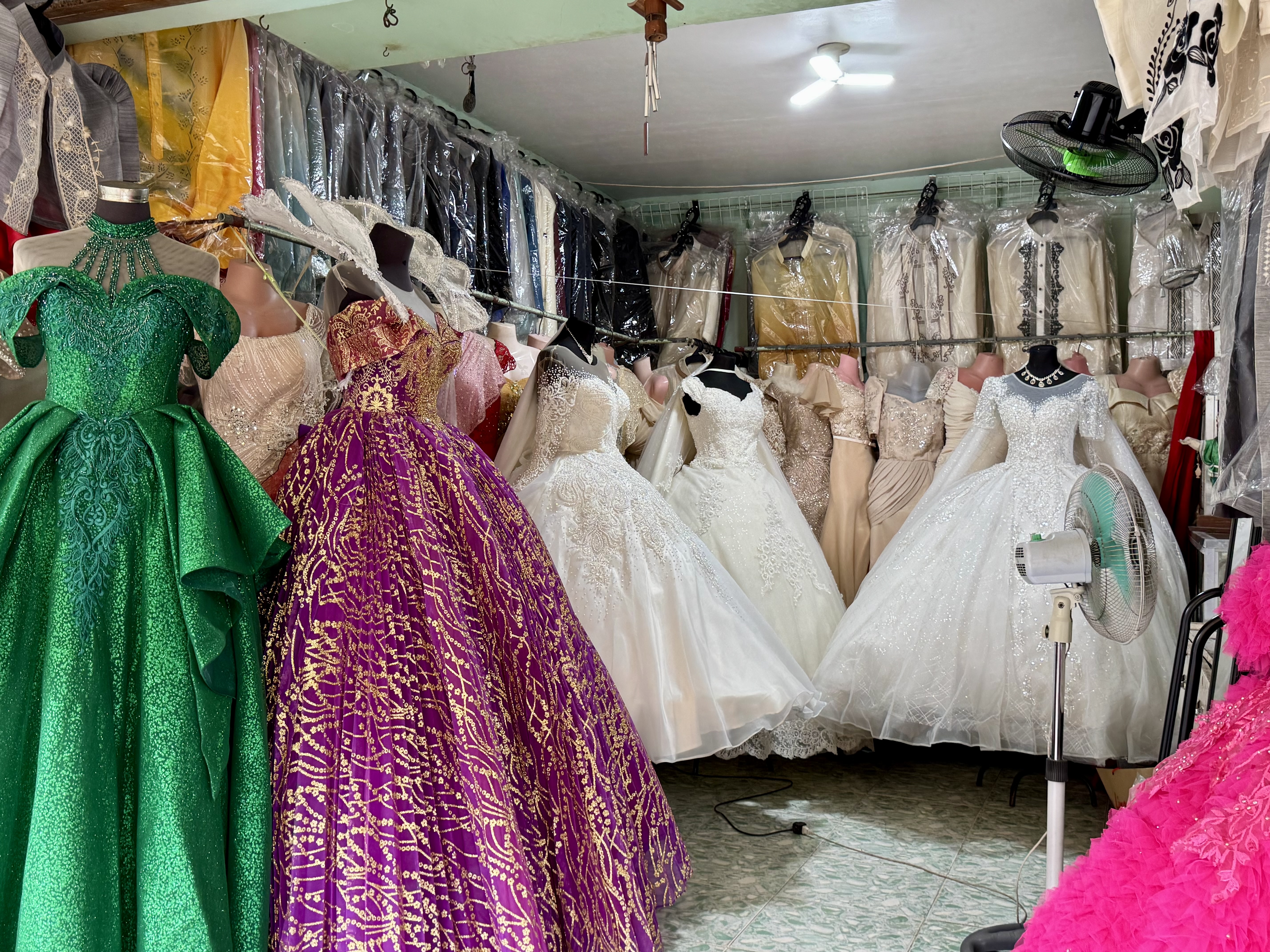
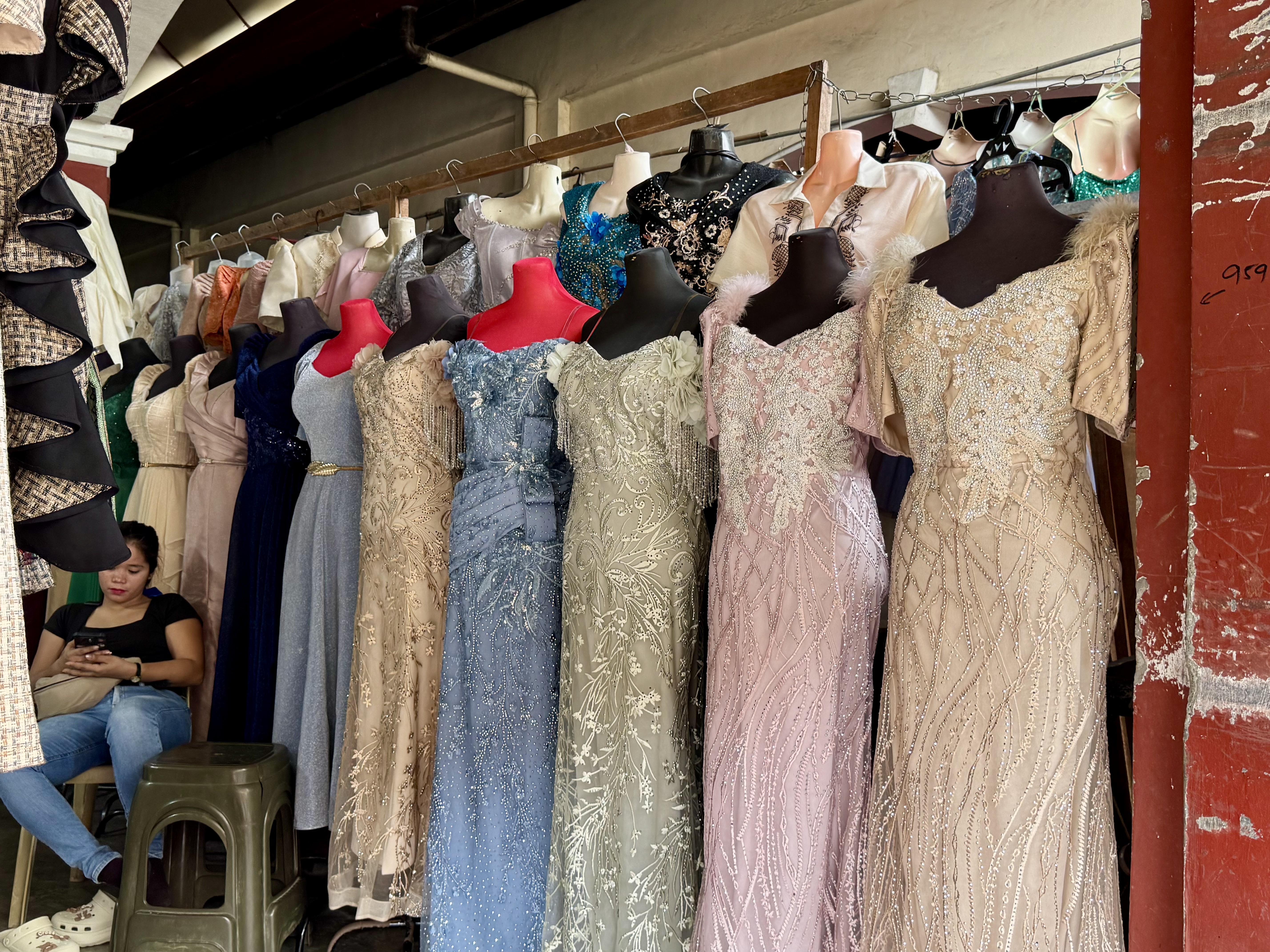
We then turned down an alley and walked about a block to the Taal Public Market dating to 1929. Now this market is filled to the rafters with dress shops. Apparently, Taal is THE place to come for wedding dresses, prom dresses and every other kind fancy dress occasion with a number of top notch seamstresses and women who specialize in embroidery living in Taal. Now I had hoped to see something more than fancy dresses and traditional Filipino clothing (which was also being sold alongside the dresses), but that was about it until we crossed into the food section.
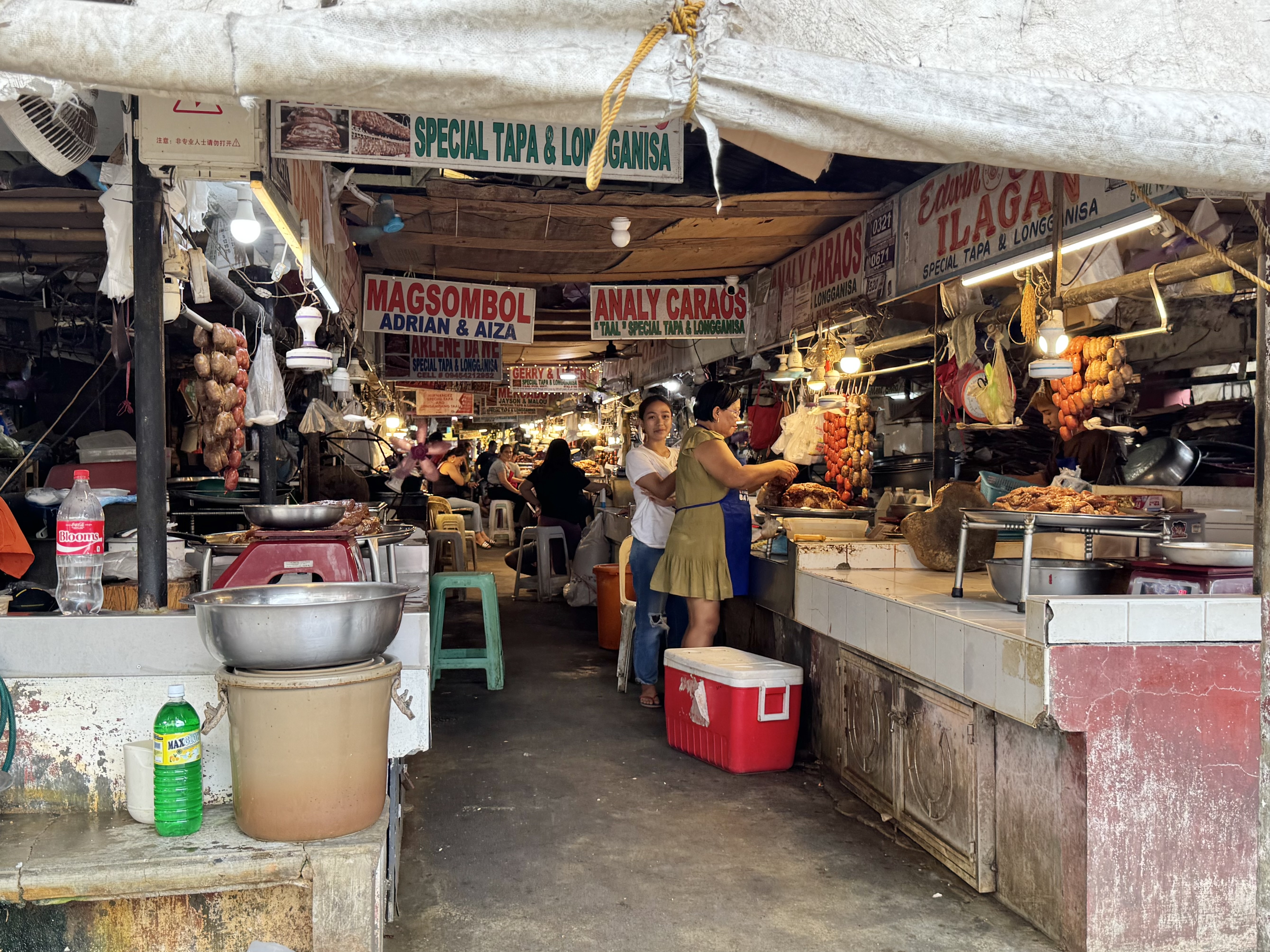
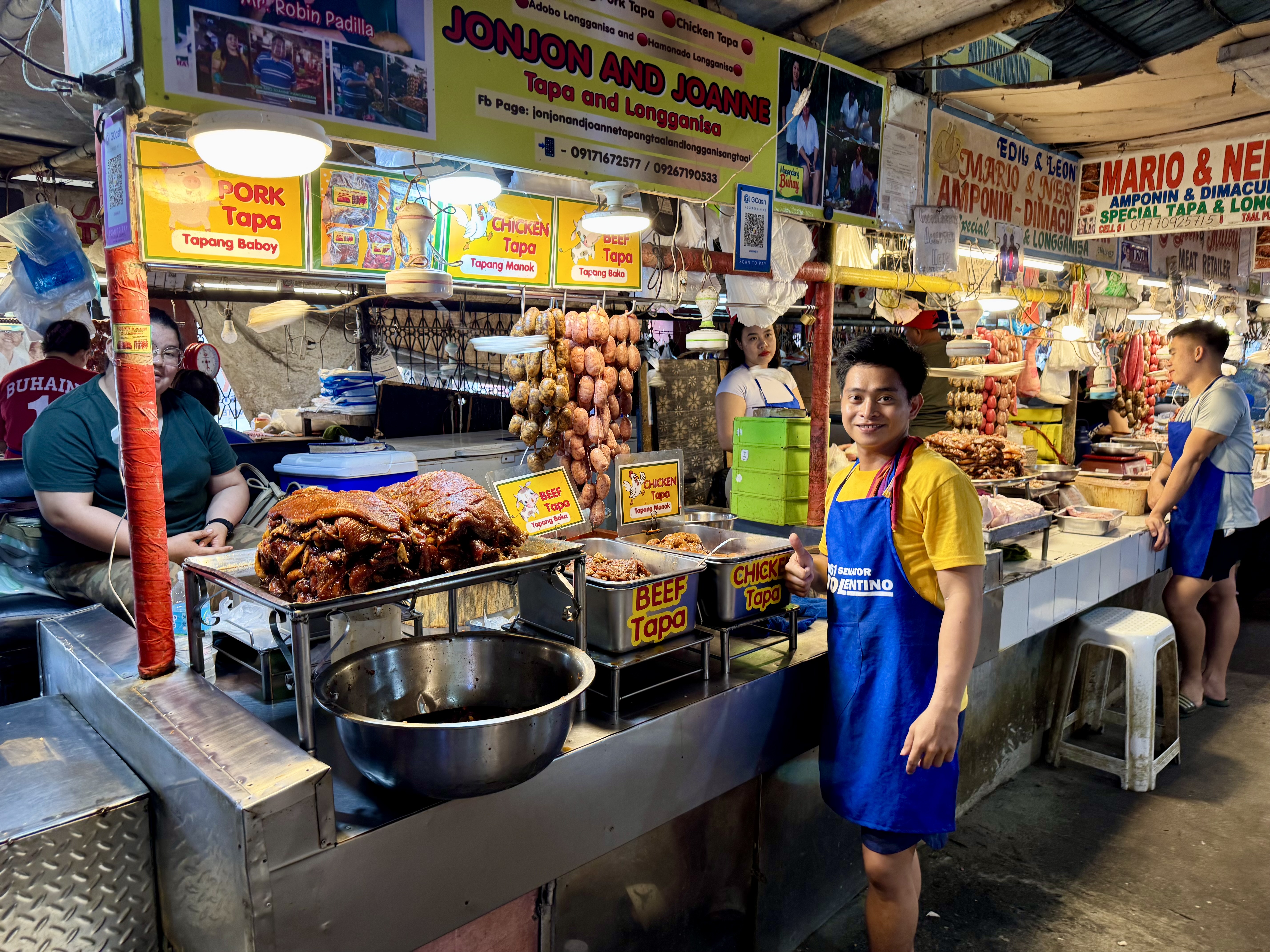
And the food section looked pretty interesting and I would have loved to spend more time there, but Jace was hustling me through the market. (I really loathe this guy.). He did stop long enough to buy some empanadas, including one he handed to me, but I found it to be a little weird tasting. The filling was excellent, but the dough was really, really sweet so I found the combination just weird.
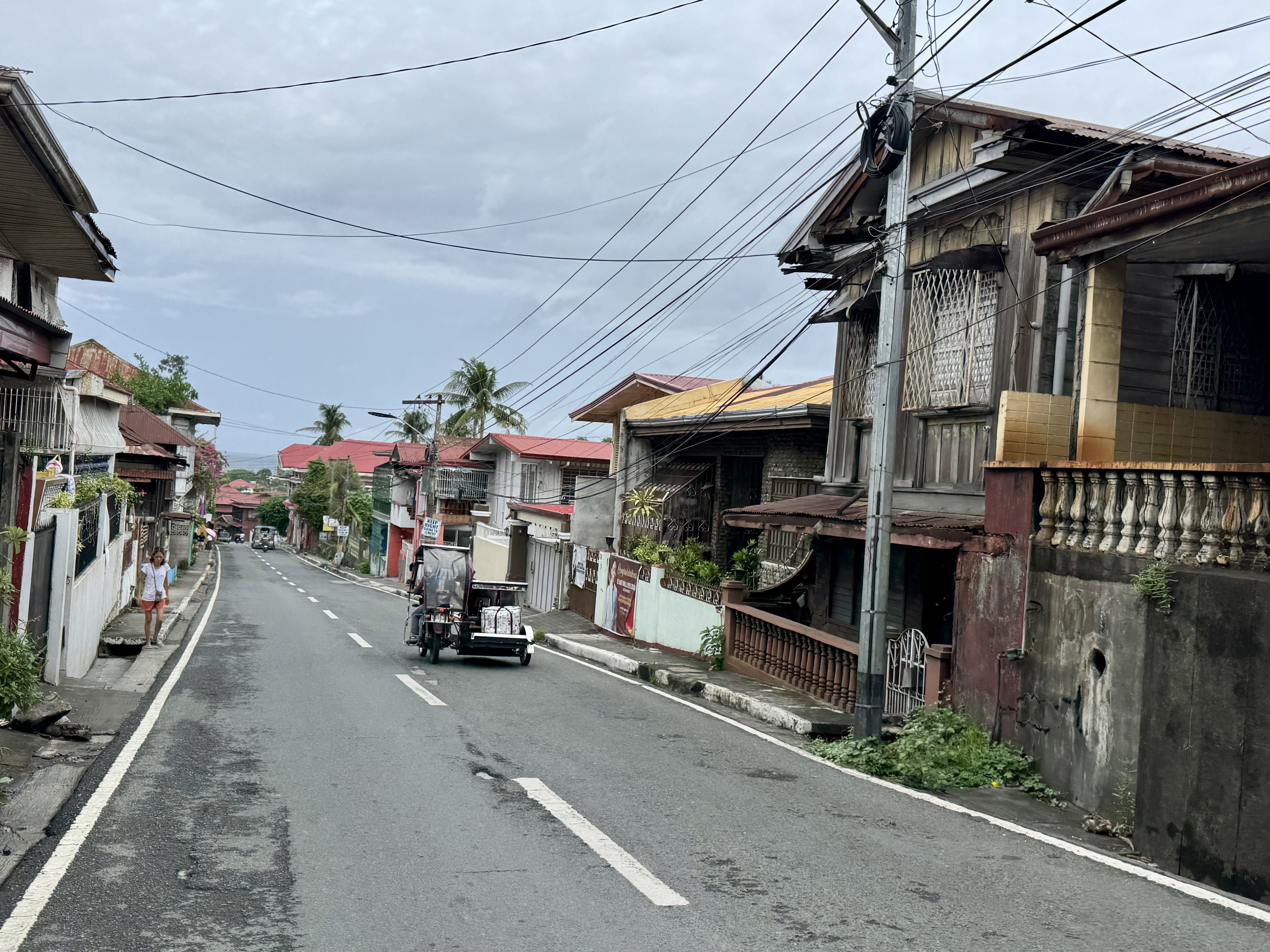
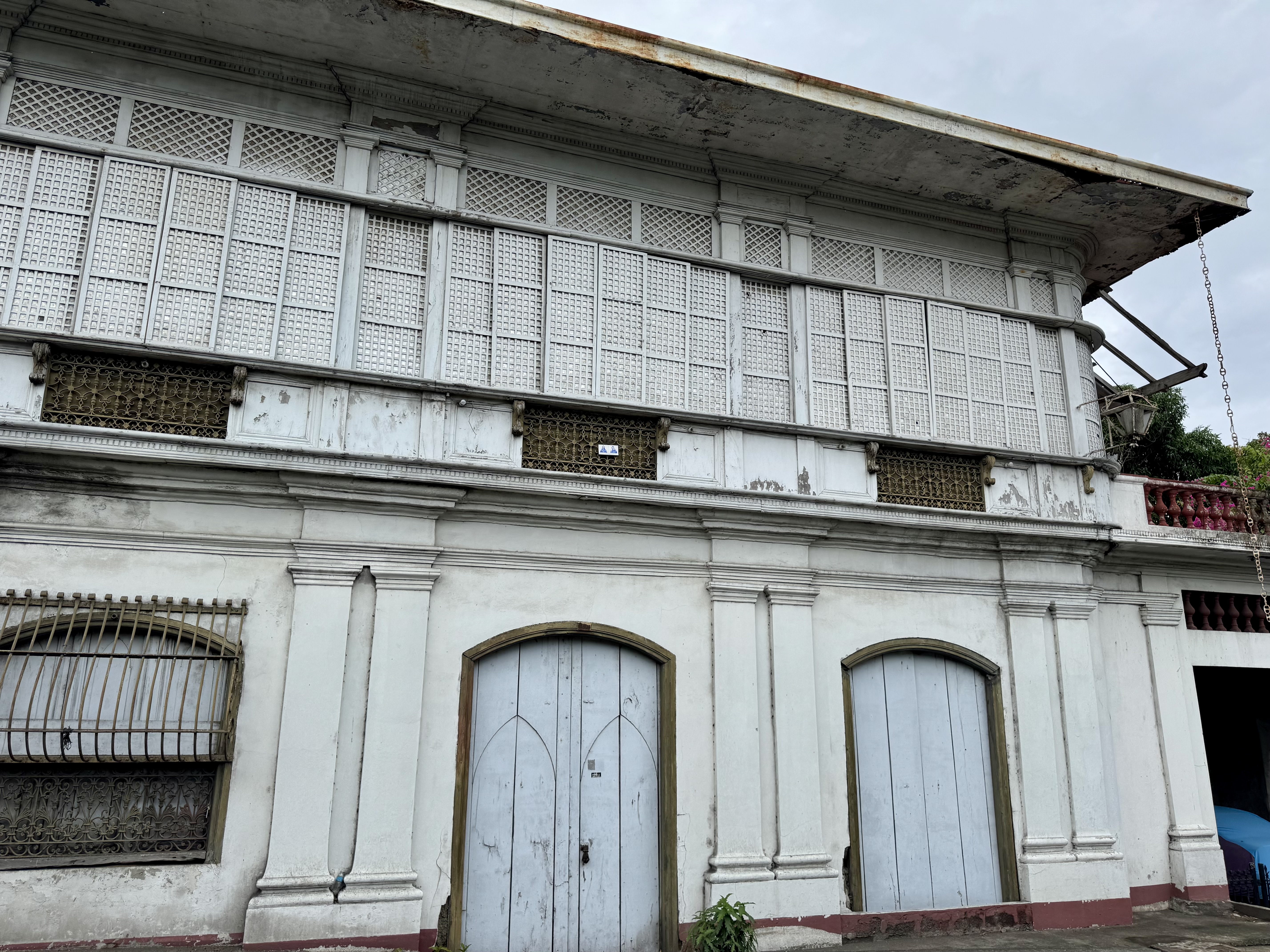
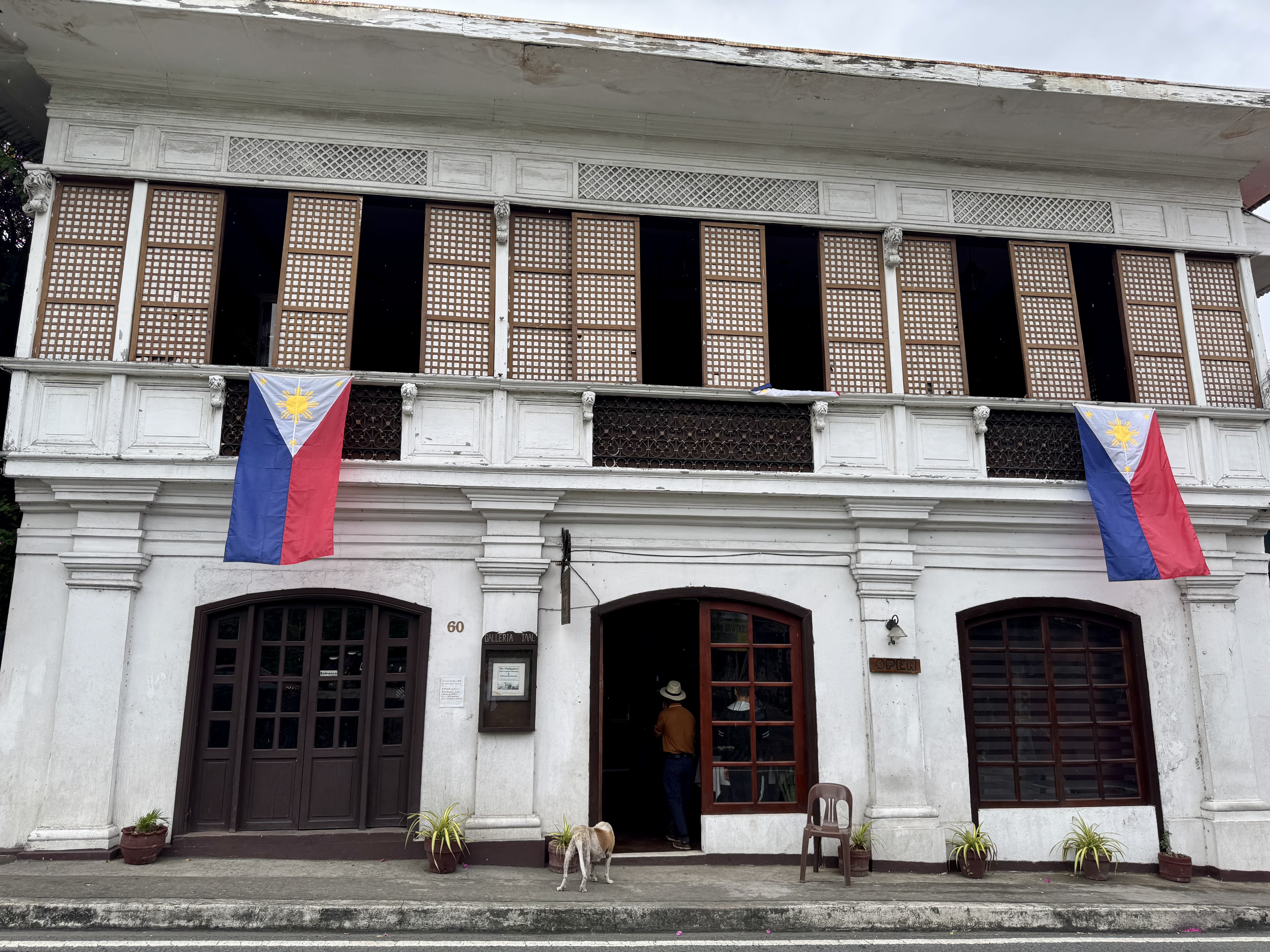
Anyway, after walking through the market, we walked down the street past old Spanish heritage homes to the Ilagan Barrion Ancestral home dating to 1870. And while the home was lovely, I suddenly found myself on a tour of a camera museum. Seriously, the current descendant of the original owners is a camera nut and he has turned the home into a camera museum. So I had to spend about a half an hour listening to all things camera. I finally told the guy that I was a not a camera person and that he needed to speed things up or he was going to lose me. (I was in a cranky mood after finding myself in this spot without even agreeing to see a camera museum. It had certainly not been part of the original itinerary.)
The guy finally wrapped things up and our driver came and picked us up and took us to our next stop, the Archdiocesan Shrine of Our Lady of Caysasay – which was originally built in the 1600s, but was later rebuilt after being destroyed in an earthquake in the early 1900s.
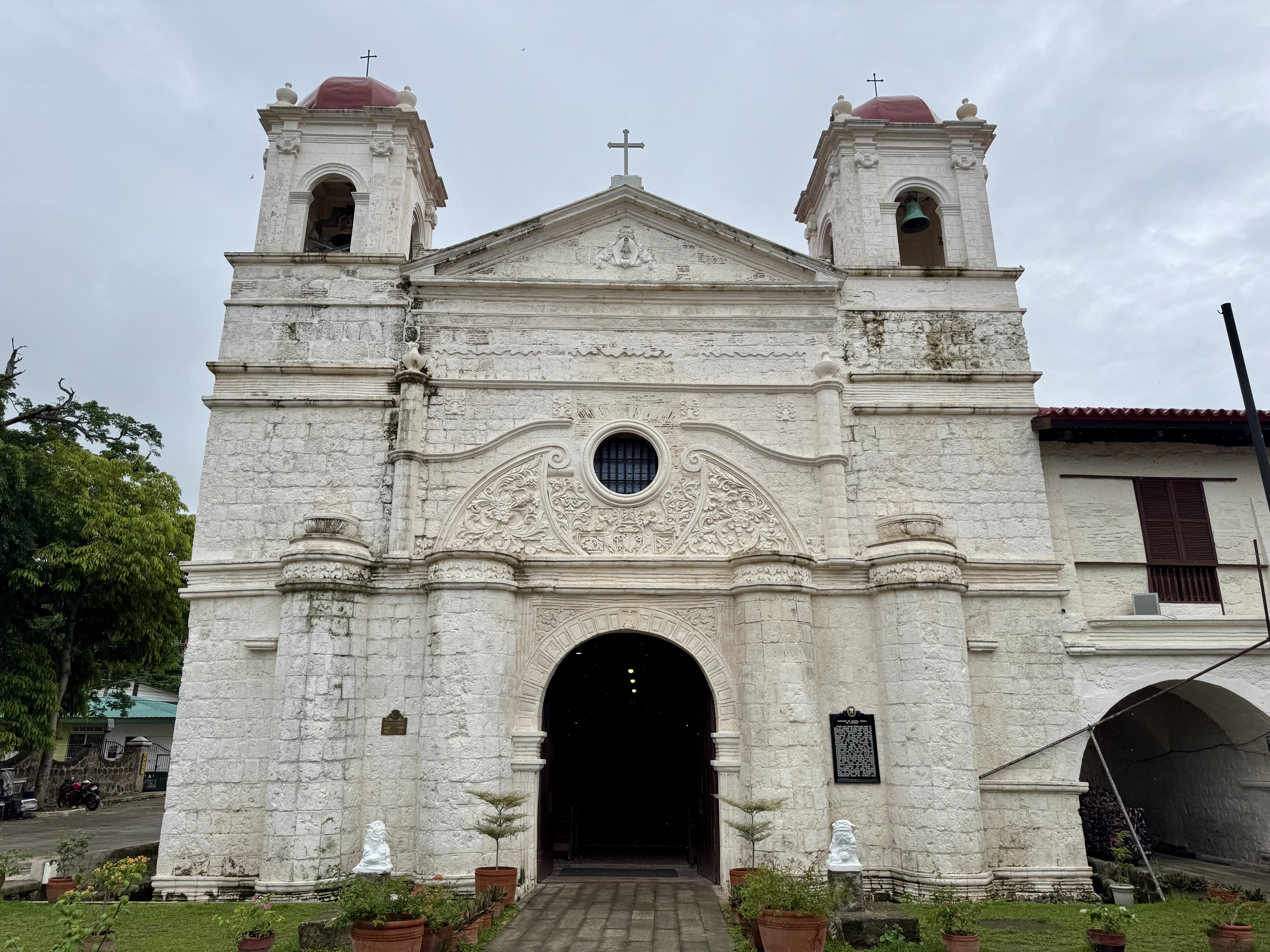
Now the church actually has an interesting “history”. The church was built to accommodate a small wooden image of the Virgin Mary that was allegedly discovered by a fisherman in 1603 in the Pansipit River near Caysasay. The fisherman brought the wooden image home with him. A local widow was assigned to watch over the wooden image, but she soon reported that at night the box in which the image was placed would be empty, but in the morning the wooden image was back in the box.
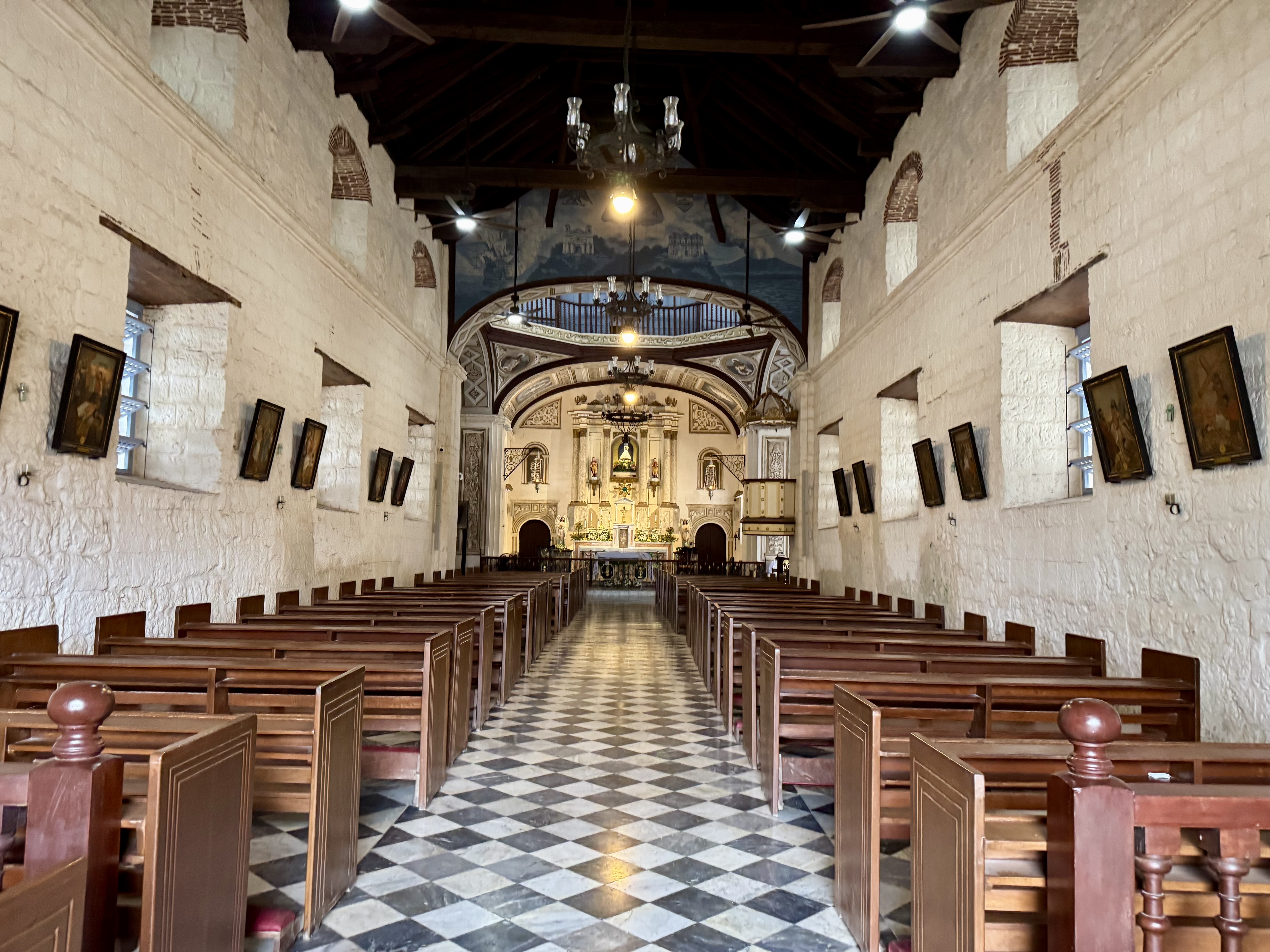
Eventually some townspeople allegedly stayed up and watched the box open and the image float back to the river where it was found. By morning the image had returned. At some point, the image left the box and did not return, but years later two women allegedly found the image on top of a bush near the river. With this discovery, the locals decided to build a church on the site to house the image, which remains in the church to this day.

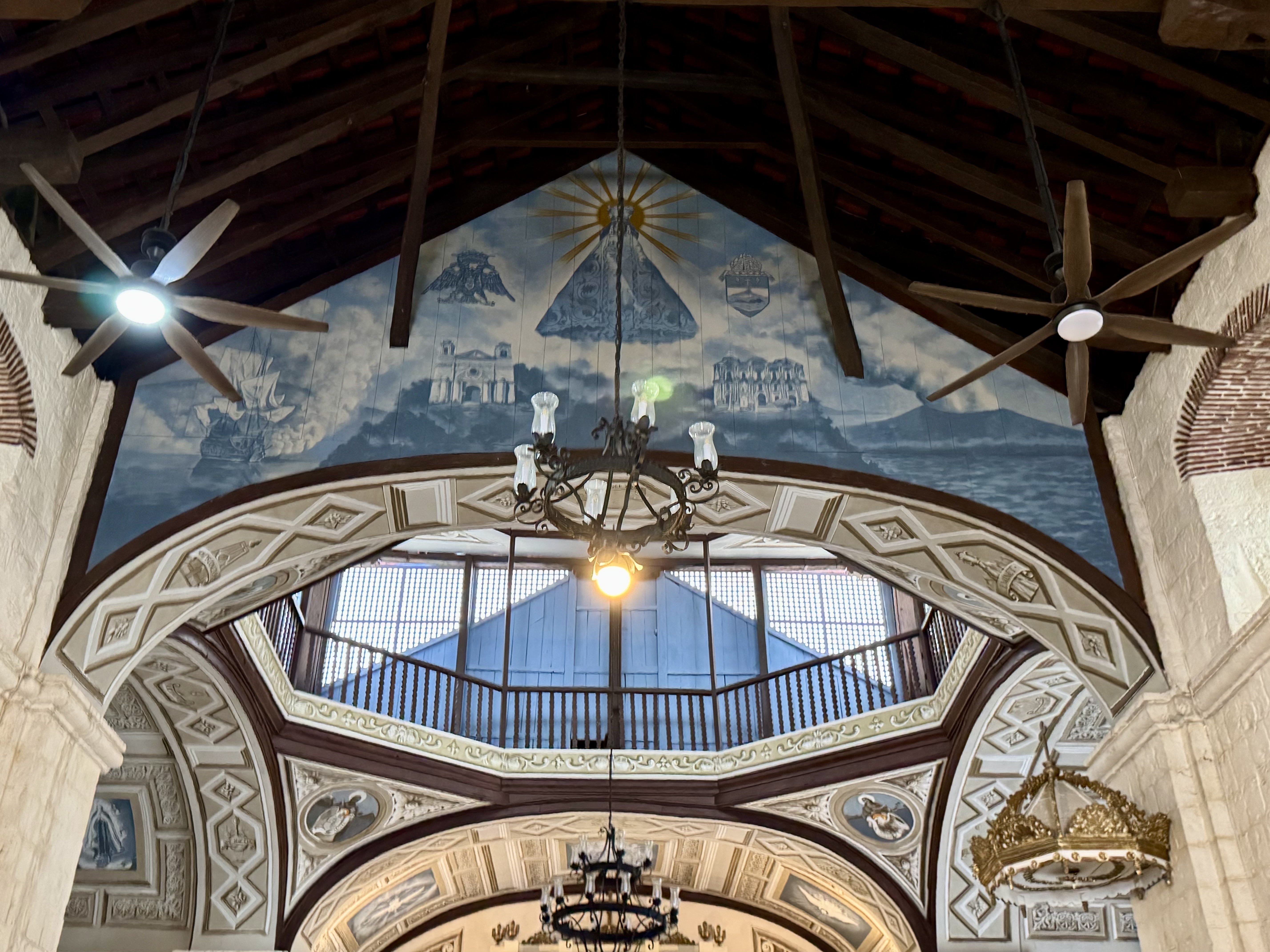
We wandered around the church and took in the image of the Virgin Mary at the front of the church as well as a fabulous ceiling fresco before taking our leave.
Our last stop of the day was to the house of Dona Marcello Agoncillo, who sewed the first Philippine flag in May 1898 with the help of her daughter and the niece of Dr. Jose Rizal. The original flag included (as it still does today) a golden-yellow sun with eight primary rays, to represent the original eight provinces that rebelled against the Spanish during the 1896 Philippine Revolution. In addition, the three five-pointed, golden-yellow stars, each represented one of the Philippine’s three main island groups. After sewing the flag in five days, the flag was turned over to the revolutionaries and hung a month later by the revolutionaries in their fight for independence (which did not come until 1946).
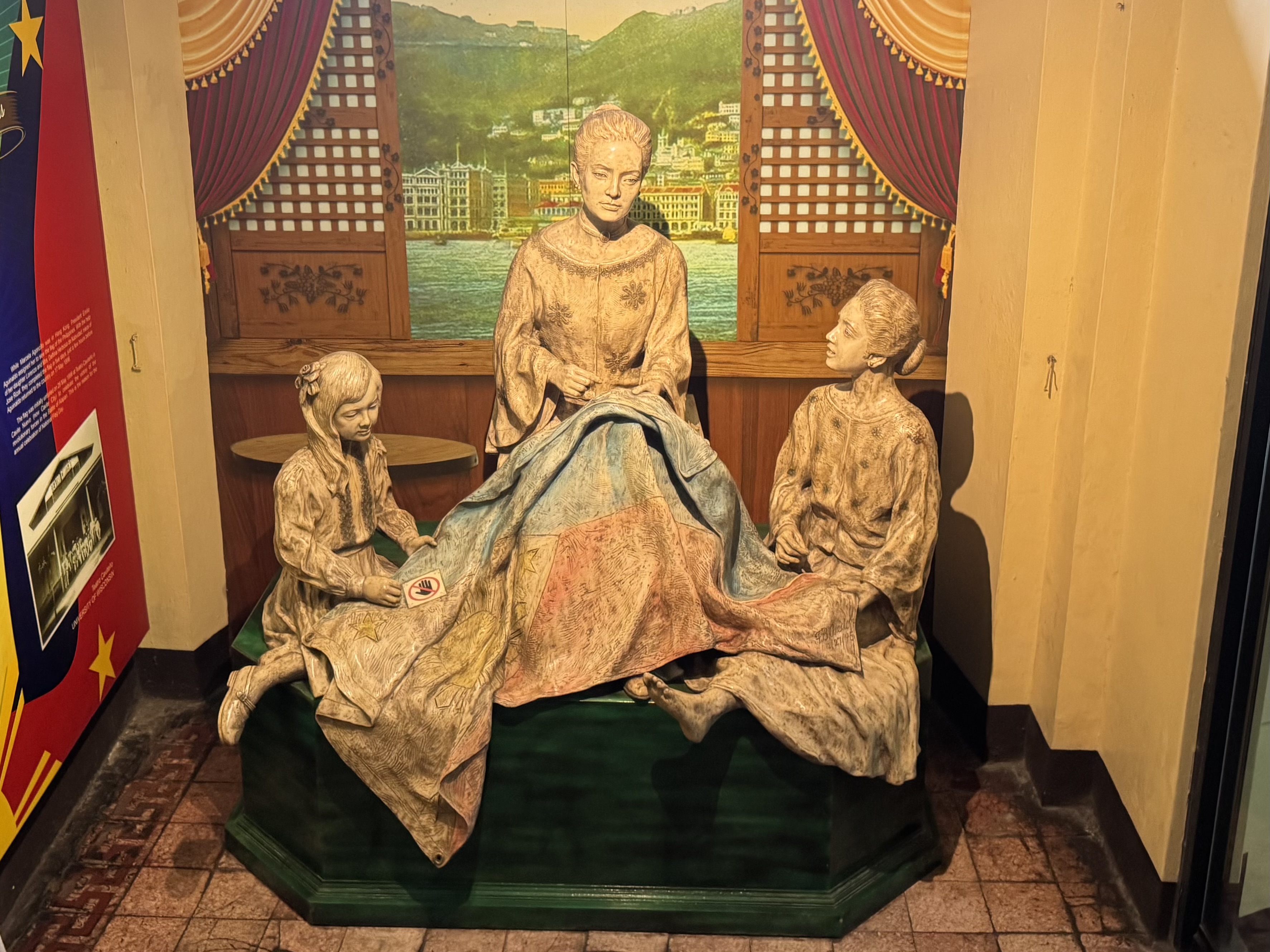
Upon entering the house, we first watched brief video about Dona Marcello Agoncillo and her husband and the impetus for the flag before wandering around the three story residence, which included two bedrooms, a large living area, dining room, kitchen, office, veranda and servants quarters.
And with that, my tour of the area was complete. Two hours later we were back in Manila. Tomorrow, I have a 3 hour dim sum tour in the morning and then tomorrow night, I fly to Fiji via Sydney, Australia. I do not arrive in Fiji until late on Friday afternoon and then one week later … home.