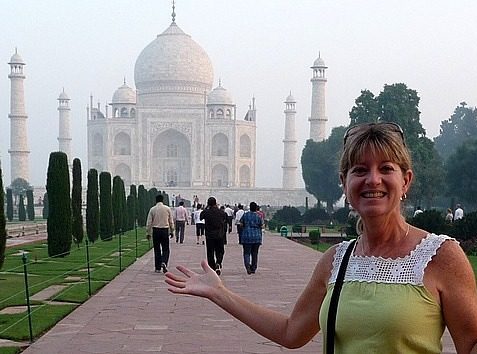

So today I went on a four hour walking tour of old Cordoba. I met my guide Rafa (quite the character) along with a fairly large group of folks (I think there were 15 of us) at 10:00 a.m. outside what is known at the Mesquita aka the Mosque-Cathedral of Cordoba. And the really cool part is that as I approached the meeting point, the bell tower of the Mesquita began to chime and as I looked up, I could see the bell swinging back and forth. Pretty awesome.

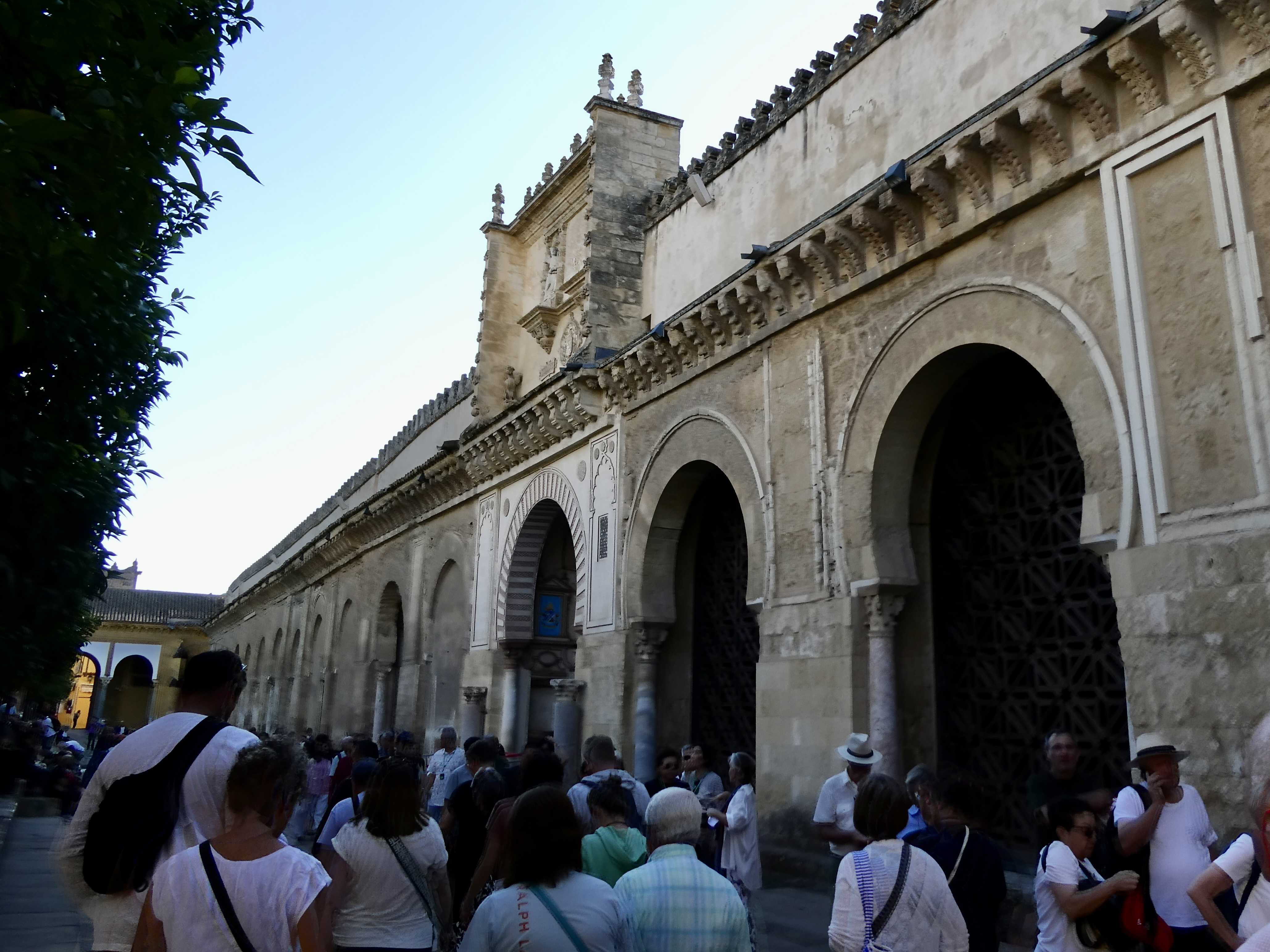
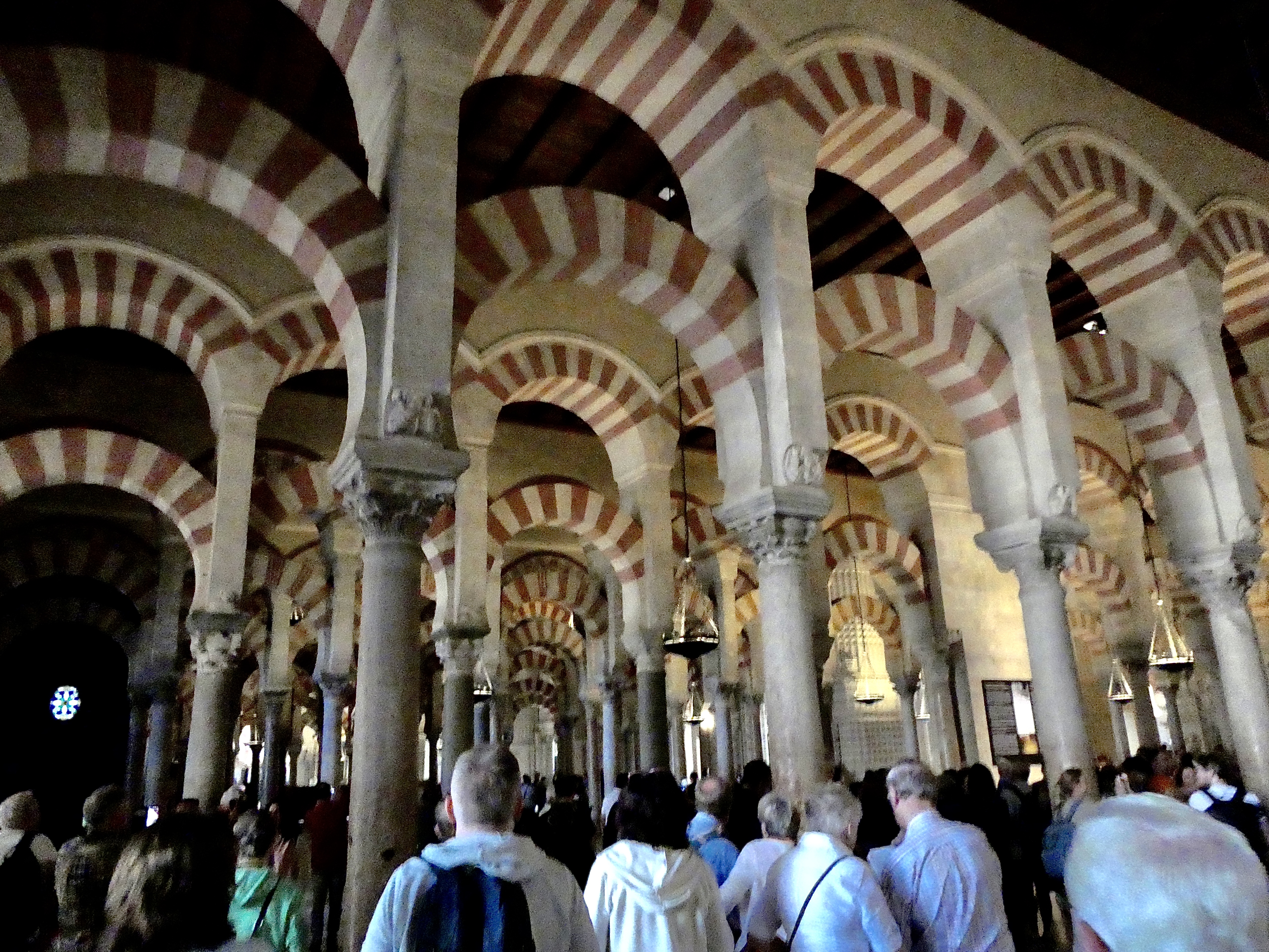
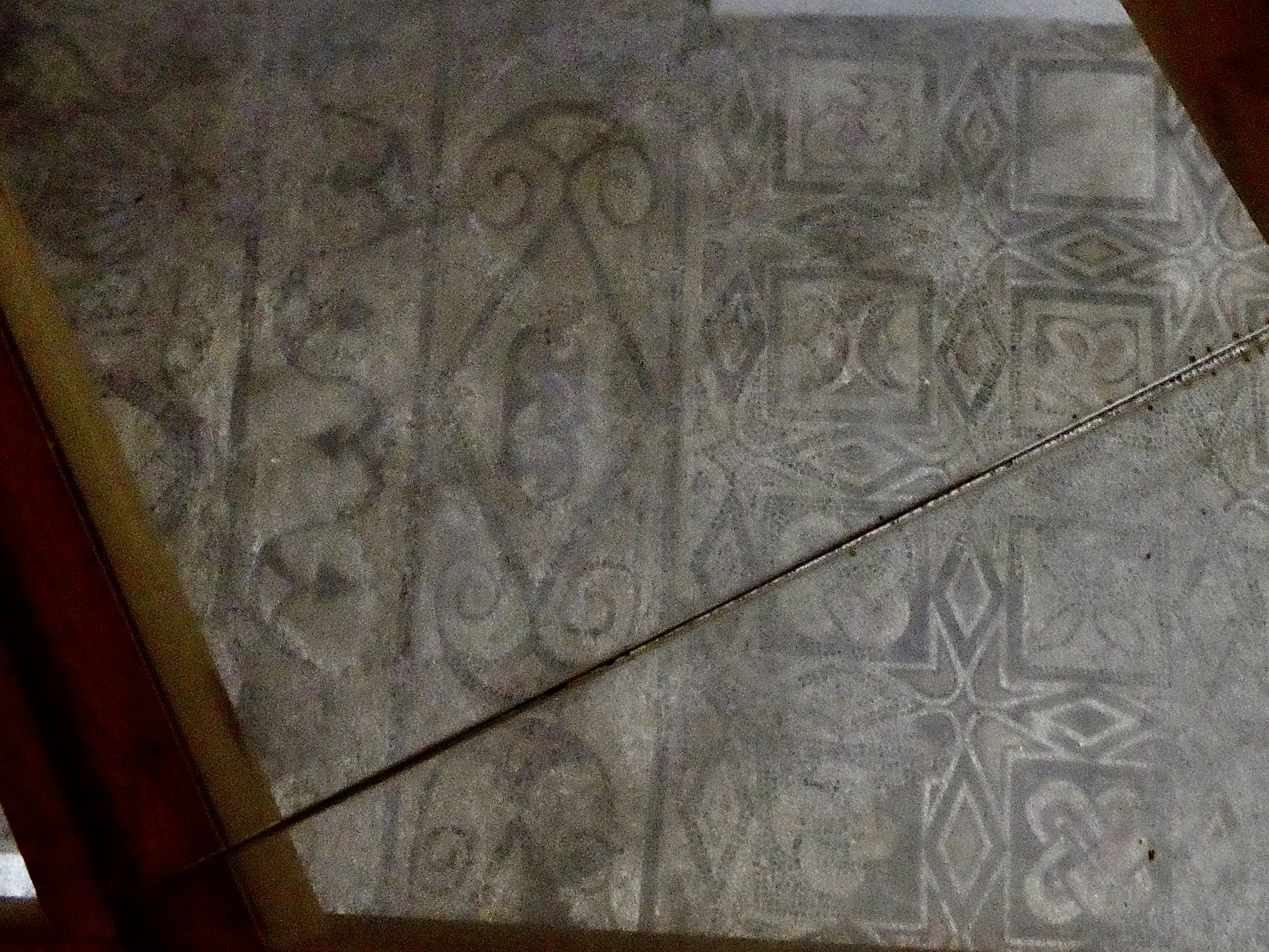
Anyway, just after 10:00 a.m. Rafa took us through a side door into the Courtyard of the Orange, the huge courtyard that fronts the Mesquita. (And the name is derived from the huge number of orange trees that fill the courtyard.) We then lined up to enter the Mesquita and once inside it was, quite frankly, breathtaking. The old columns of the mosque made it appear that we were entering a forest of trees while the two tiered arches made it appear that the design was copied from a Roman aqueduct. In fact, there was an area near the entrance that had been excavated where Roman mosaics had been found and today there is a glass panel that allows you to view the mosaics that remain in place.
Now as we wandered around, Rafa provided us with some history. The Mesquita was constructed in 785 on the orders of Abd al-Rahman I, founder of Islamic Cordoba. The Mosque was later expanded numerous times under a succession of rulers through the late 10th century (rulers gotta put their own stamp on things….) Among the most notable changes was the addition of a minaret in 958 and the addition of an exquisite mihrab in 971.
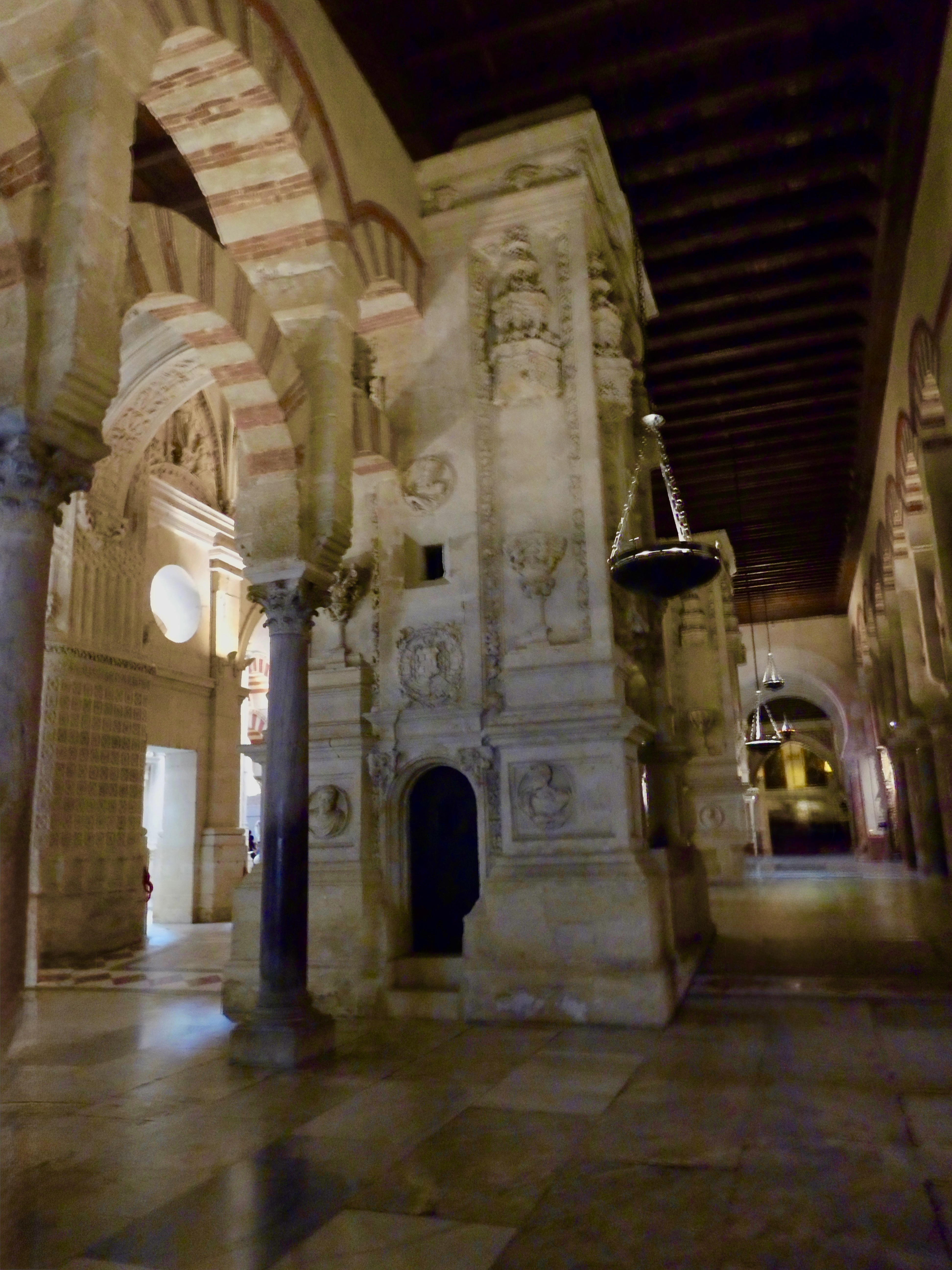
In 1236, the Christians captured Cordoba and the mosque was converted into a cathedral. The structure of the church did not change until the 16th century when a new Renaissance cathedral nave and transept (domed ceiling) were added to the building. In addition the minaret, which was now a bell tower was apparently remodeled as well.
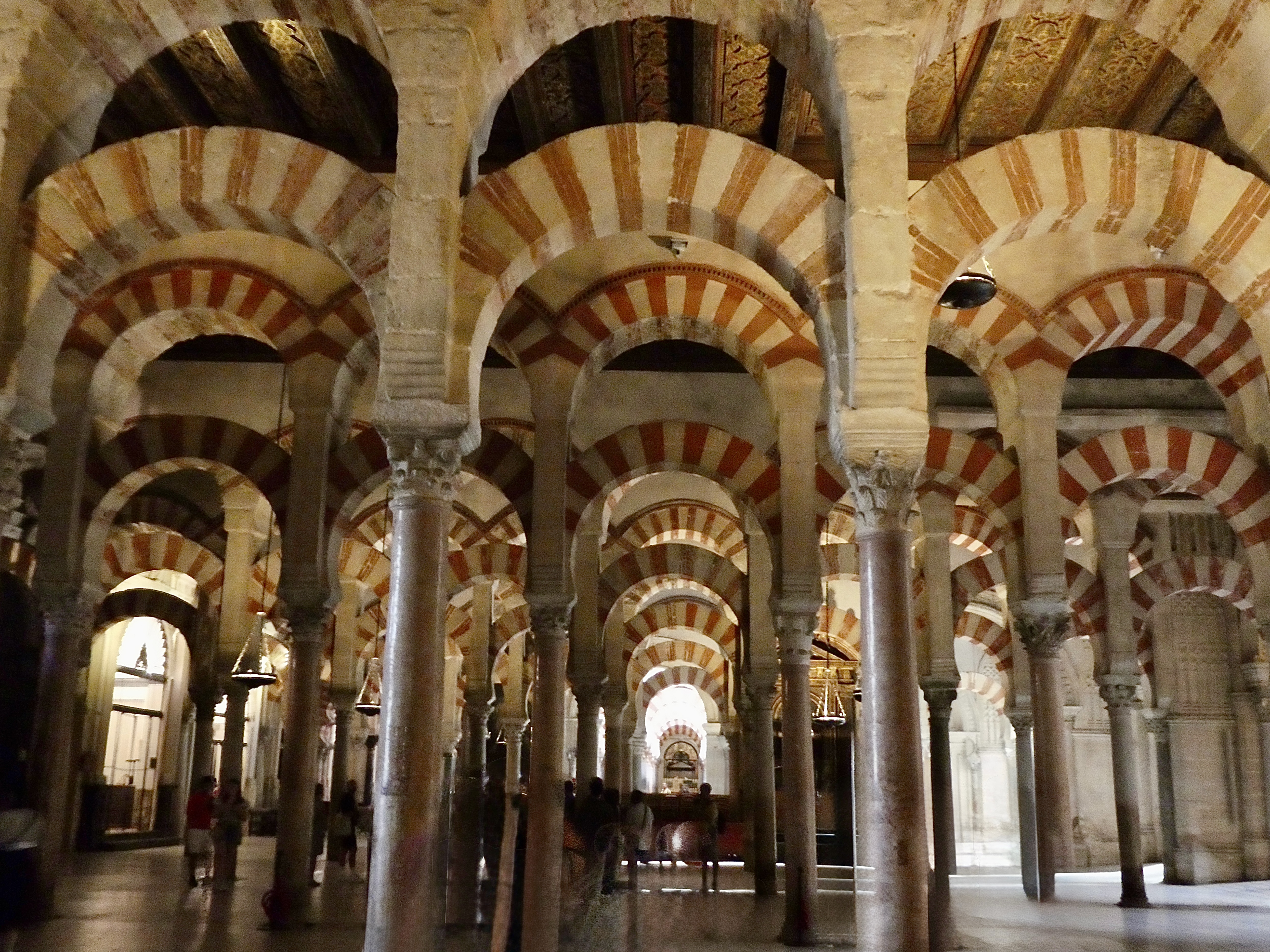 Now with all the changes, the architecture in the Mesquita is a combination of Islamic, Gothic, Moorish, Baroque and Renaissance. The contrasts were stark. And the interesting aspect of the original section of the Mesquita is that when the mosque was first built the worker bees repurposed old Roman columns, stones and decorative caps to construct the mosque.

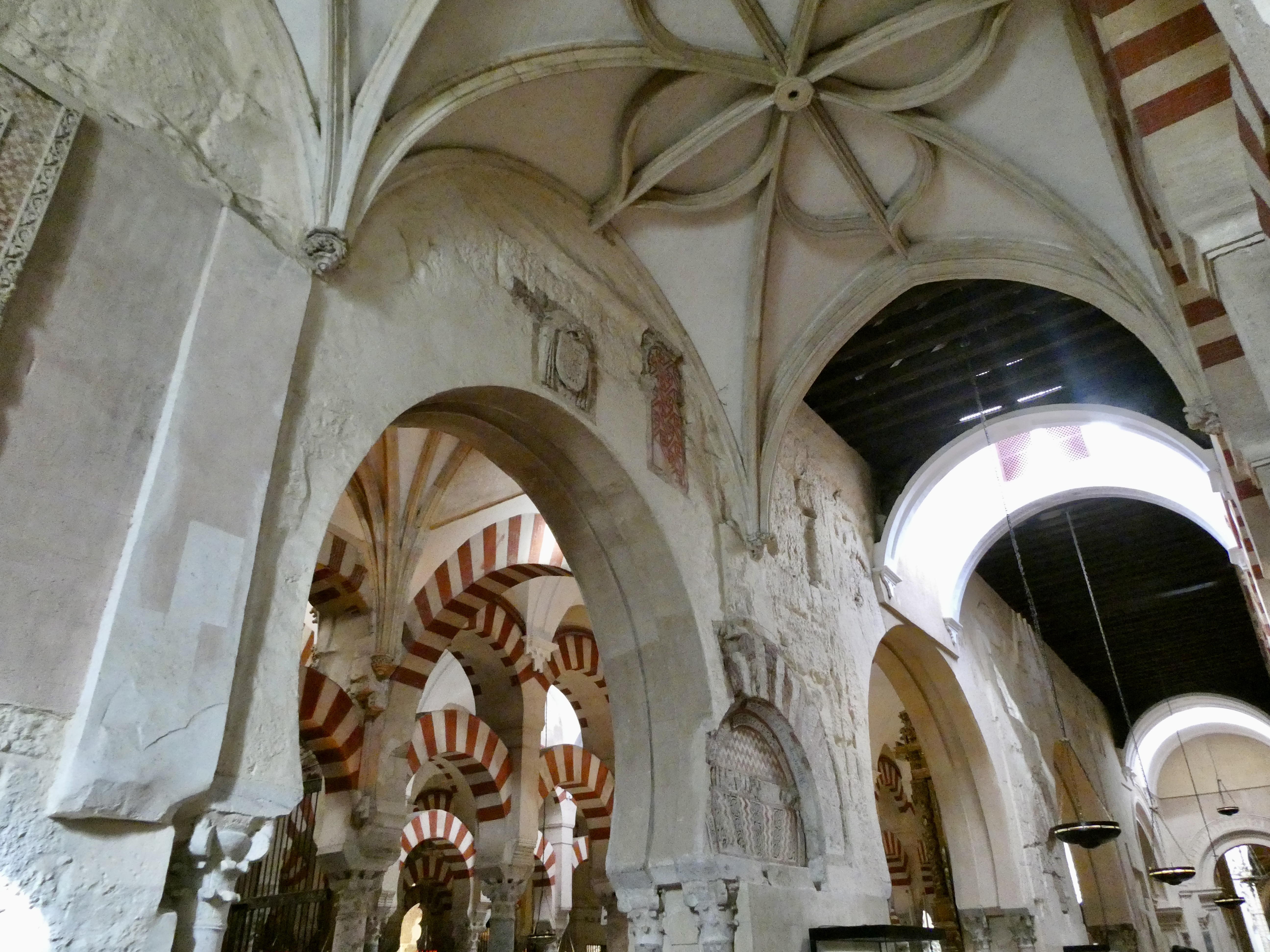
So as we began walking through the Mesquita, we entered the oldest part of the the building, the Hypostle prayer hall with its two tiered arches and red striping all of which was clearly Muslim, but as we continued, the Christian changes became evident. There are now 36 chapels in the Mesquita and Christian symbols like stained glass windows, partial walls with Christian themes and crosses started to appear.
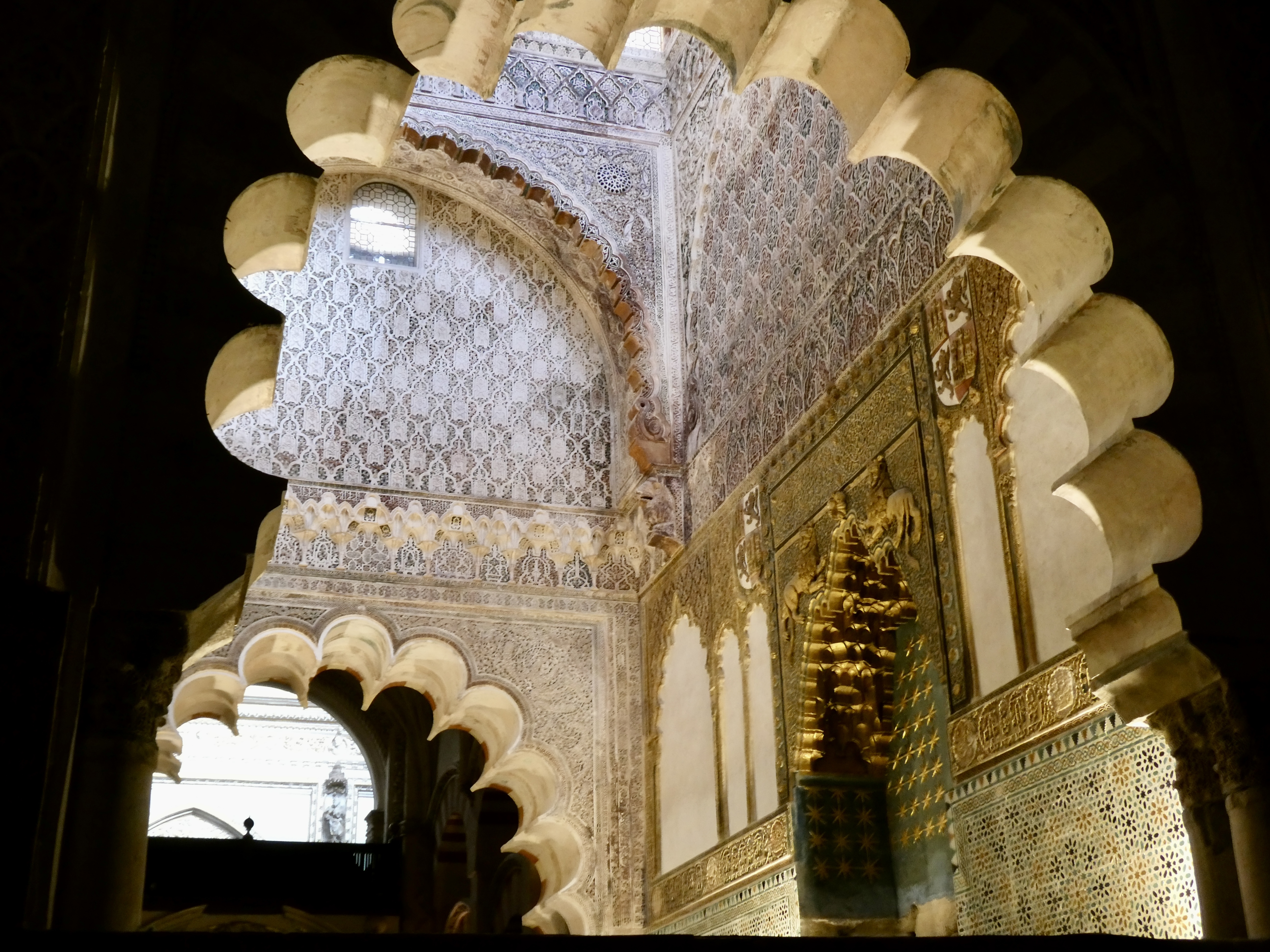
And perhaps the strangest part of the Mesquita was the Royal Chapel, which had been commissioned by Enrique II in 1371. At the time, the best architects and builders were Muslim so old Enrique II ended up with a Royal Chapel that looks like a mosque. Seriously. Unfortunately, the area was closed so we had to peak over a wall to take a look.
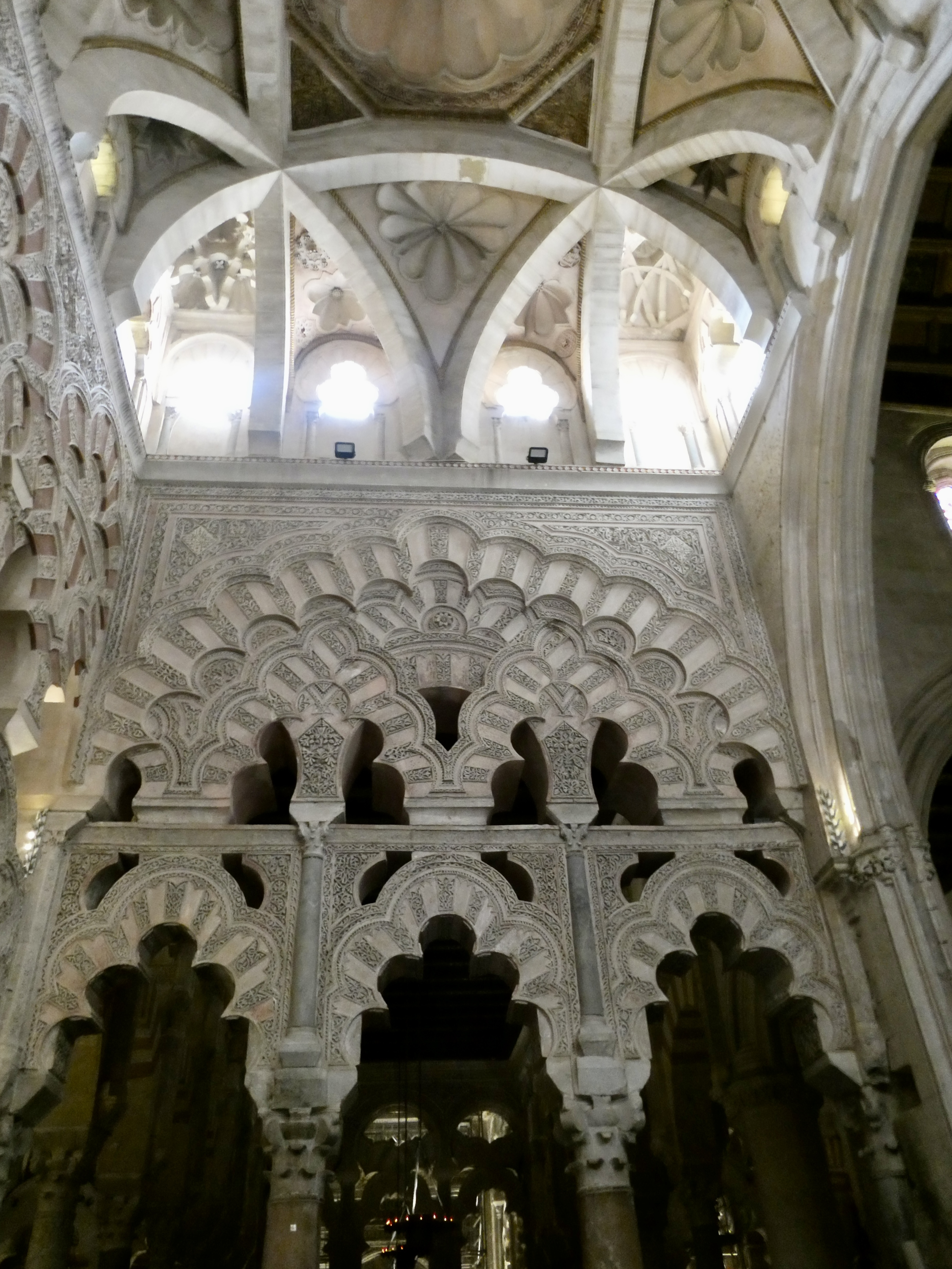
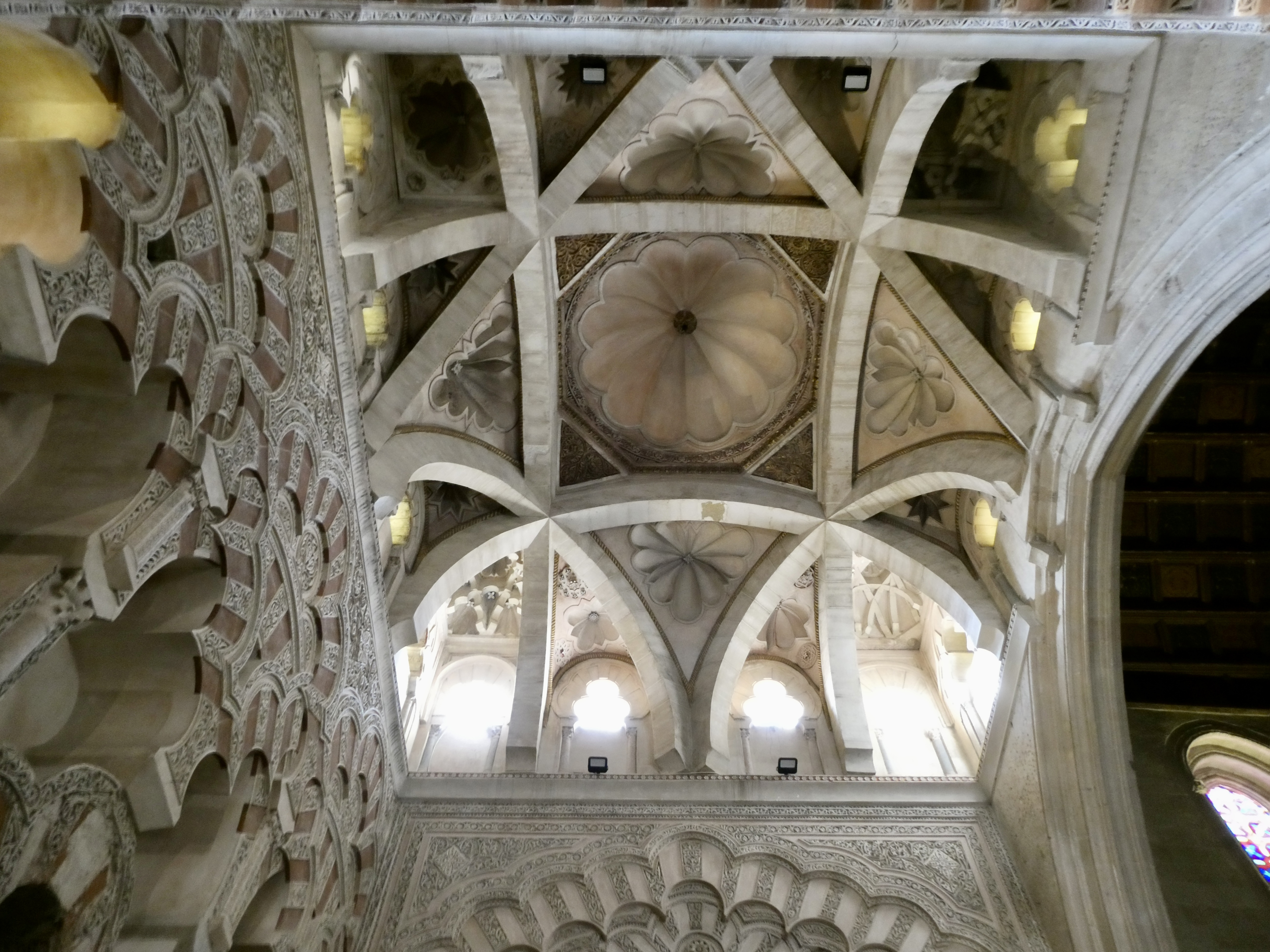

We also passed as number of the chapels as we continued through the building and saw an incredible ceiling in a Renaissance nave. From here we walked towards the end of the building to take a look at the Mihrab. Unfortunately, the spectacular Mihrab is under renovation so the scaffolding really detracted from the beauty of the old Muslim nave. Now ironically, the Mihrab does not face Mecca. It is about 51 degrees off and it is believed the reason for the error is that there was a pre-existing street that precluded the construction of the Mihrab in the direction of Mecca. (In fact, at one time visitors were able to see the street, but it has now been covered up.)

From here, we moved into another chapel where we saw the Processional Custody of Corpus Christi by Enrique de Arfe, which was an identical copy of the statute the artist made for Queen Isabella that now sits in the Toledo Cathedral and which I saw just a couple days ago.
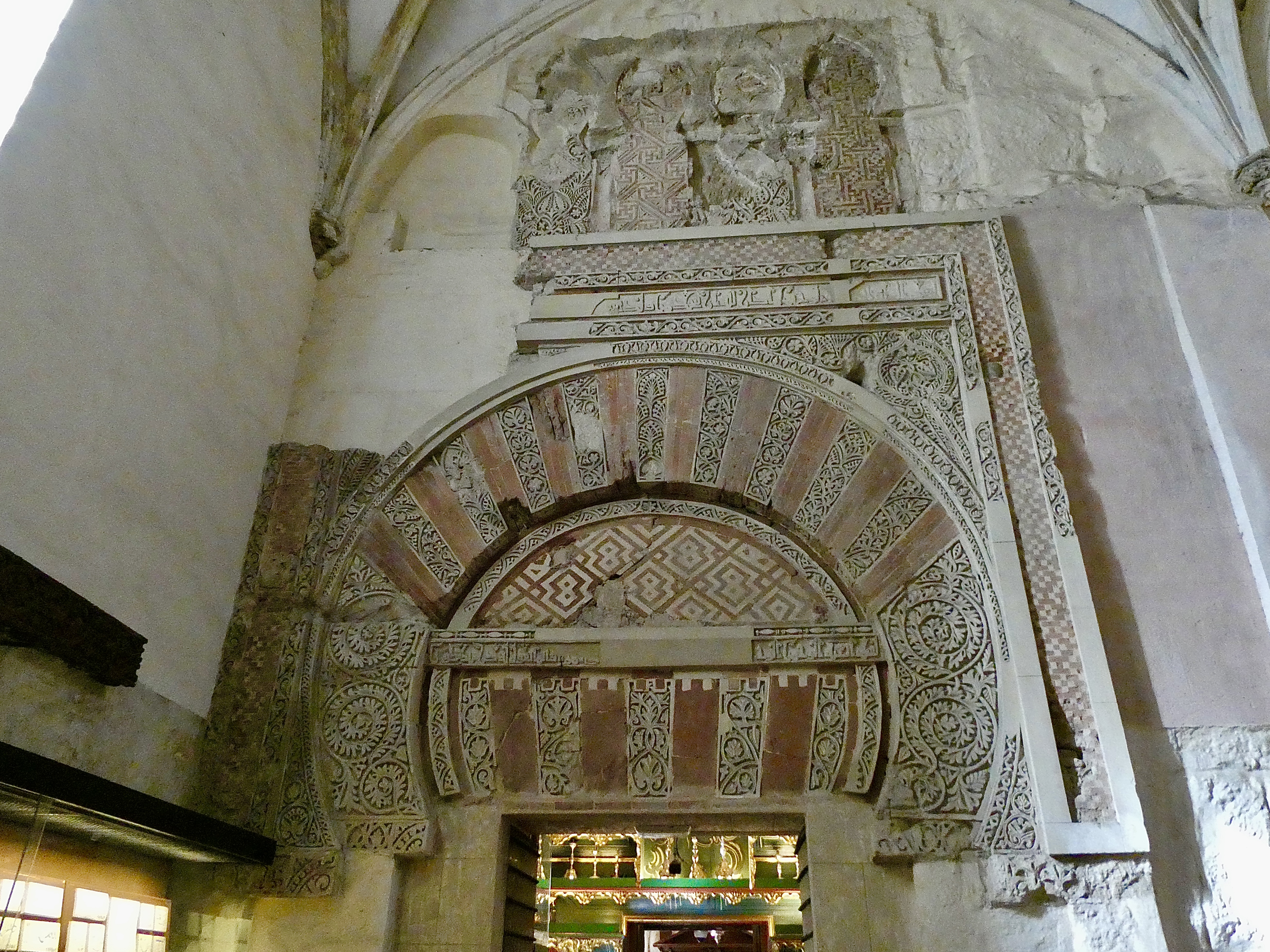
We then walked through some small galleries exiting out an entrance that turned out to be the remains of the Puerta del Chocolate (or del Punto), a former eastern gate of the mosque from a 10th century expansion.
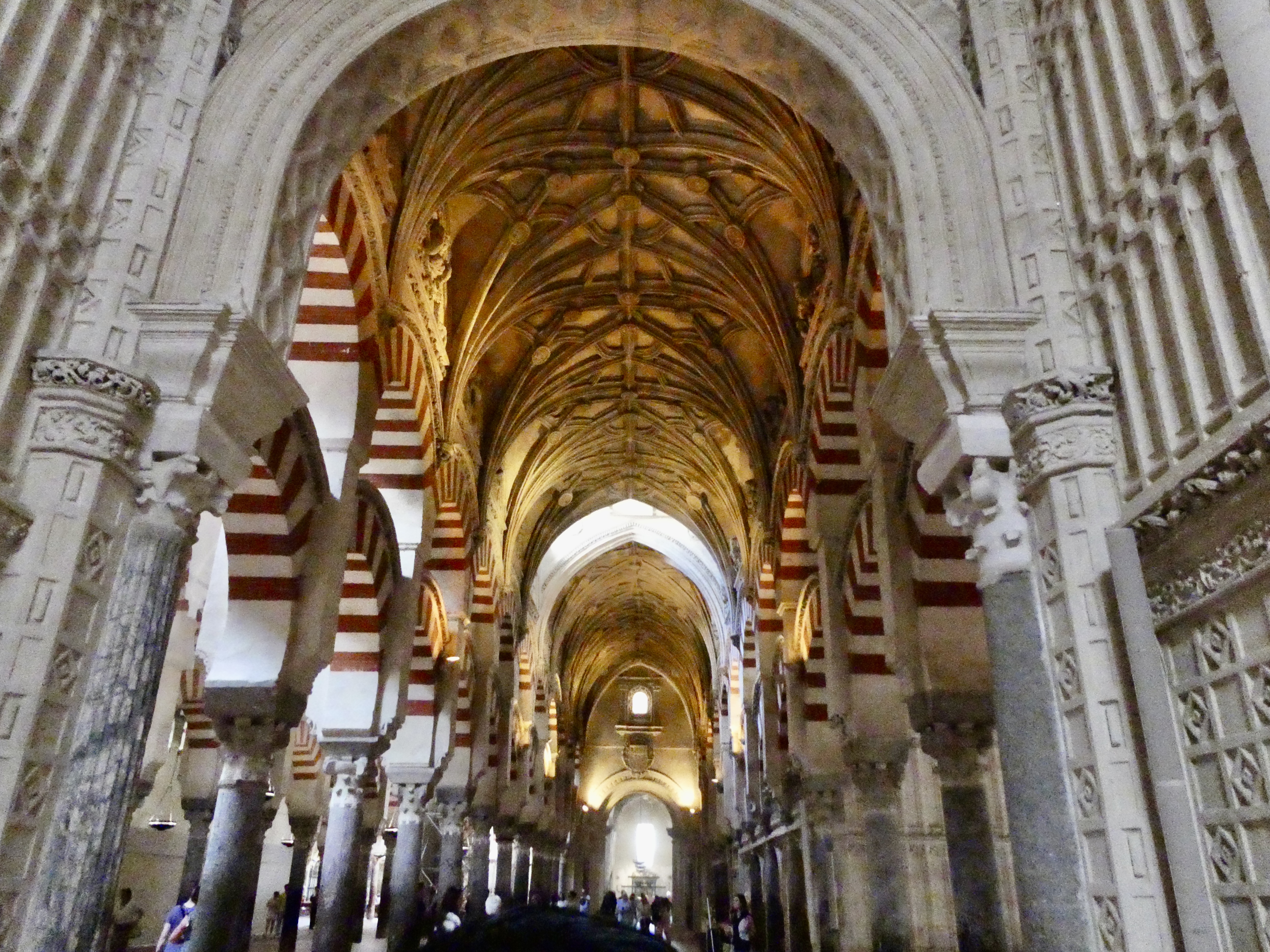
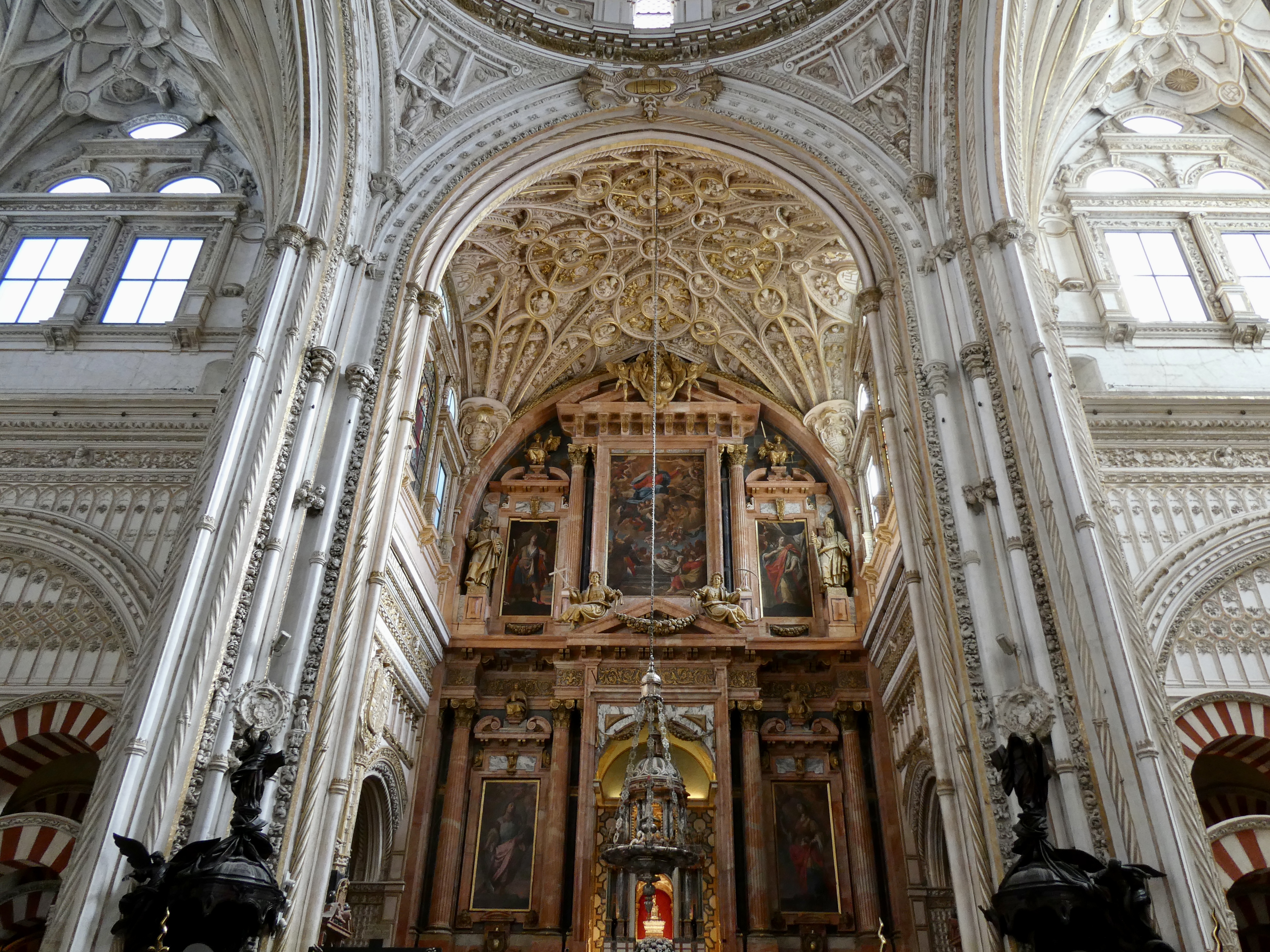
At this point, we turned to the north and started walking towards the last part of the Mesquita that houses the most recent additions. First up was the amazing transept, the ceiling and wall at the far end of the building that fills the north end of the building with light. The design was a combination of Gothic and Renaissance designs and was spectacular.
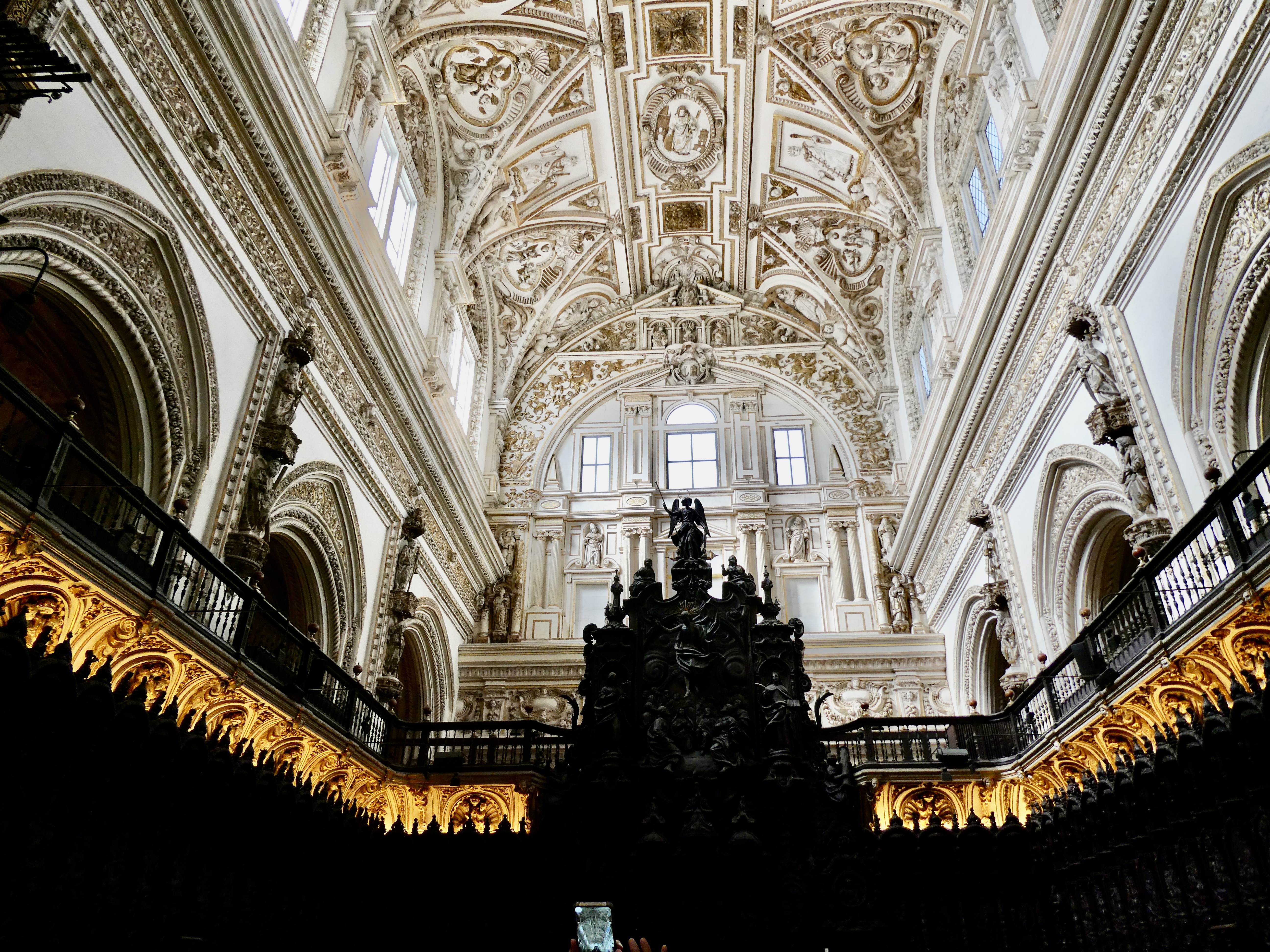
And to the left was the fabulous Choir featuring a black statute in the far end of the area with Jesus ascending to heaven and archangel Raphael sitting atop the statute. The marble covering the ceilings and walls were filled with stunning carvings and designs.
The final stop was the Main Alter across from the Choir featuring Renaissance paintings and still more marble designs. All in all, the Mesquita was simply spectacular.
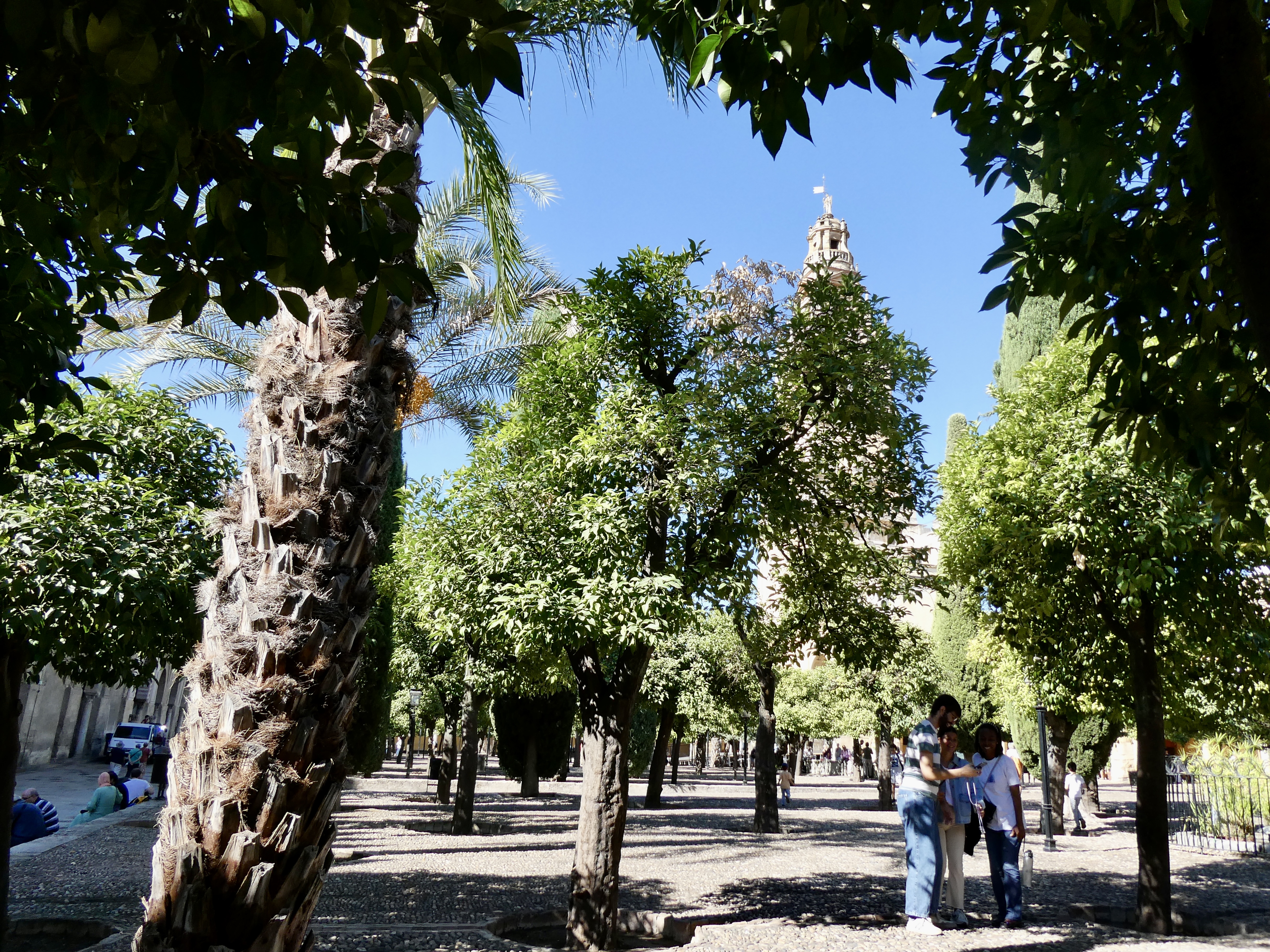
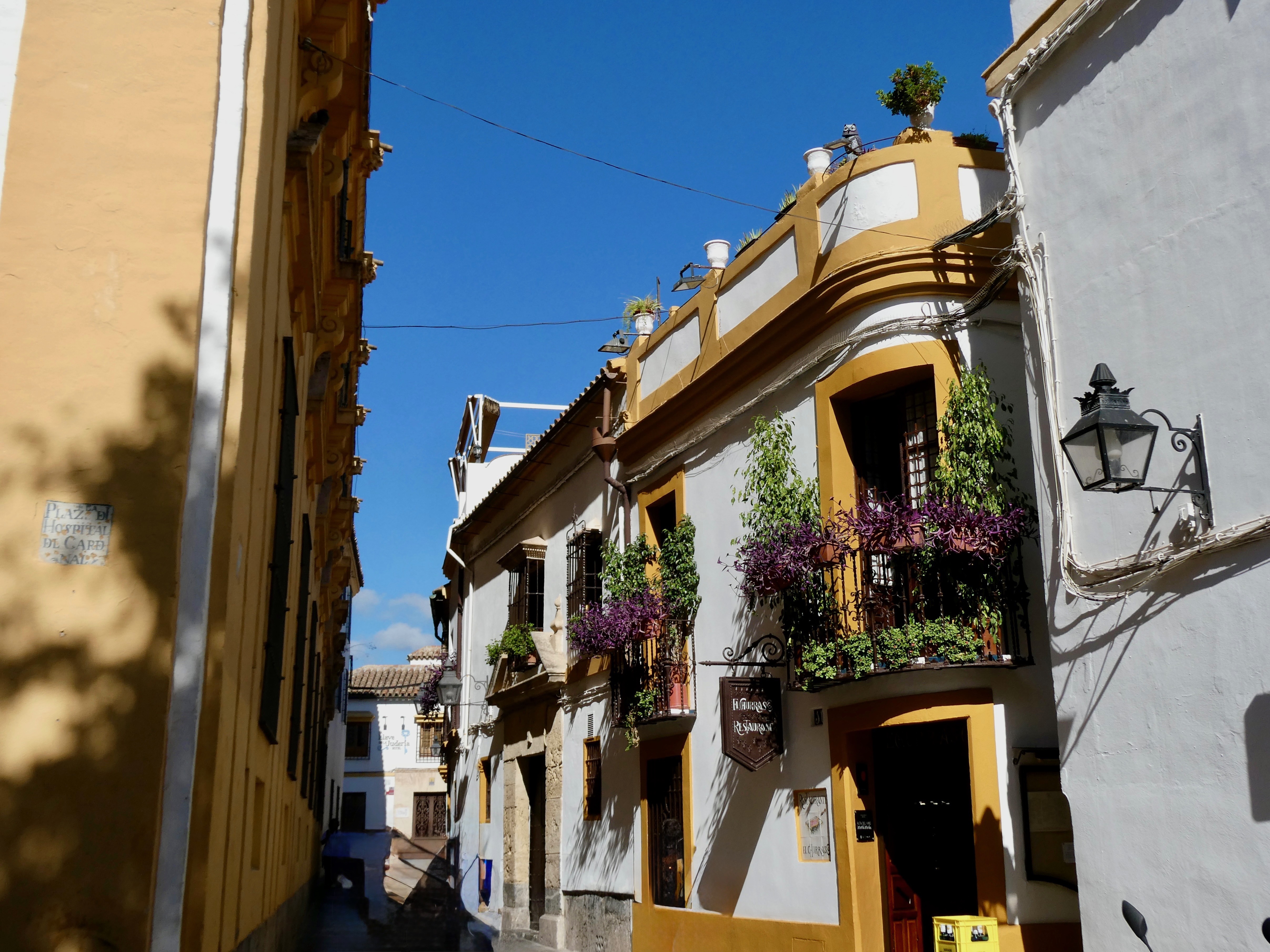
So from here, we left the Mesquita and walked through Courtyard of the Orange and into the narrow streets of the old Quarter. Unfortunately, there were a million tourists (OK … a bit of an exaggeration, but it sure seemed like it) who we had to fight past as we walked to our next stop, the Jewish Quarter or La Juderia. Now this area is so named because the area was populated by Jews from the 10th century to the 15th century. And why only populated until the 15th century? Because in 1492 there was a decree that the Jewish faithful either had to leave the country or convert to Catholicism. This resulted in the area being abandoned by the Jewish population.
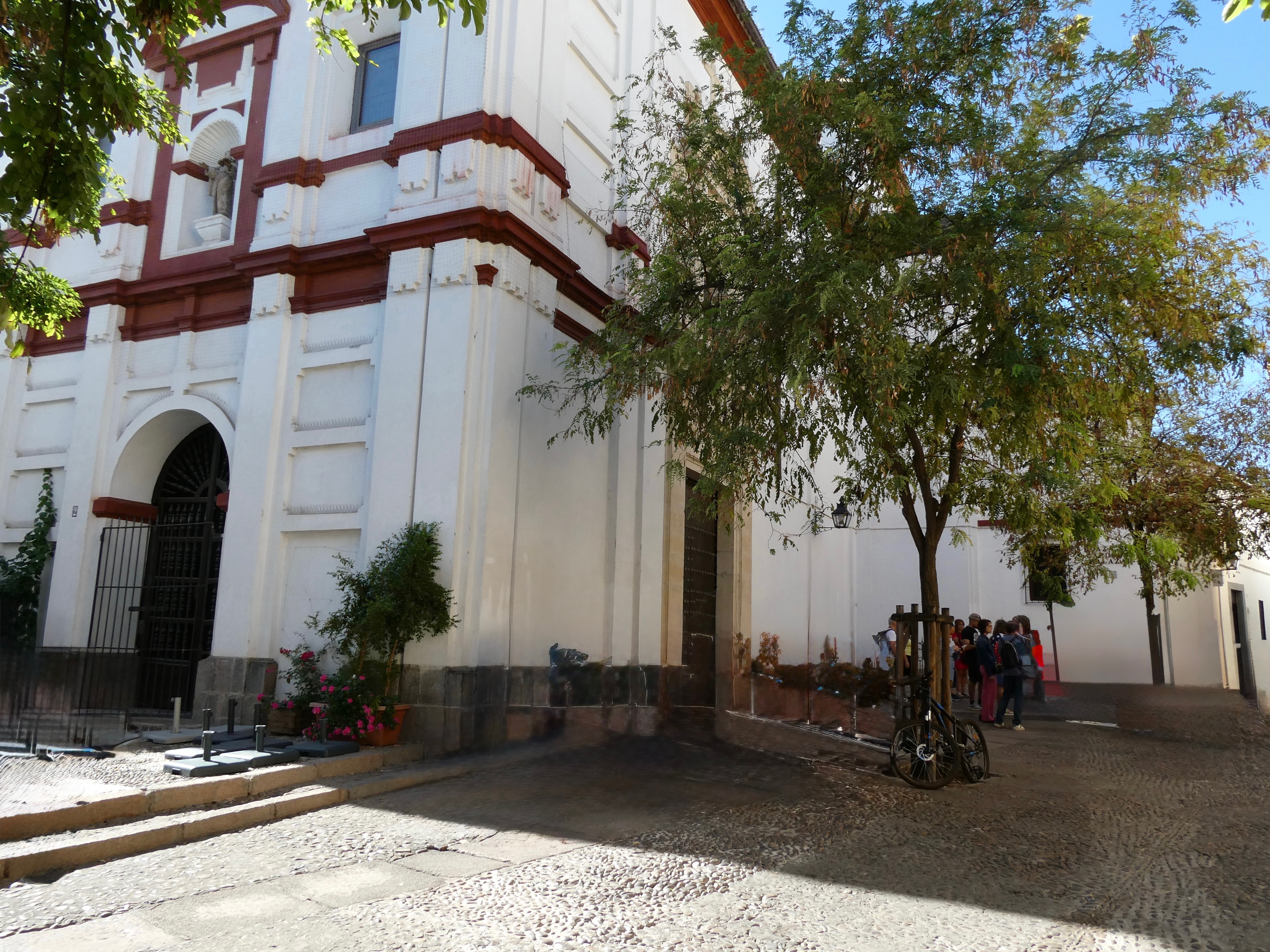
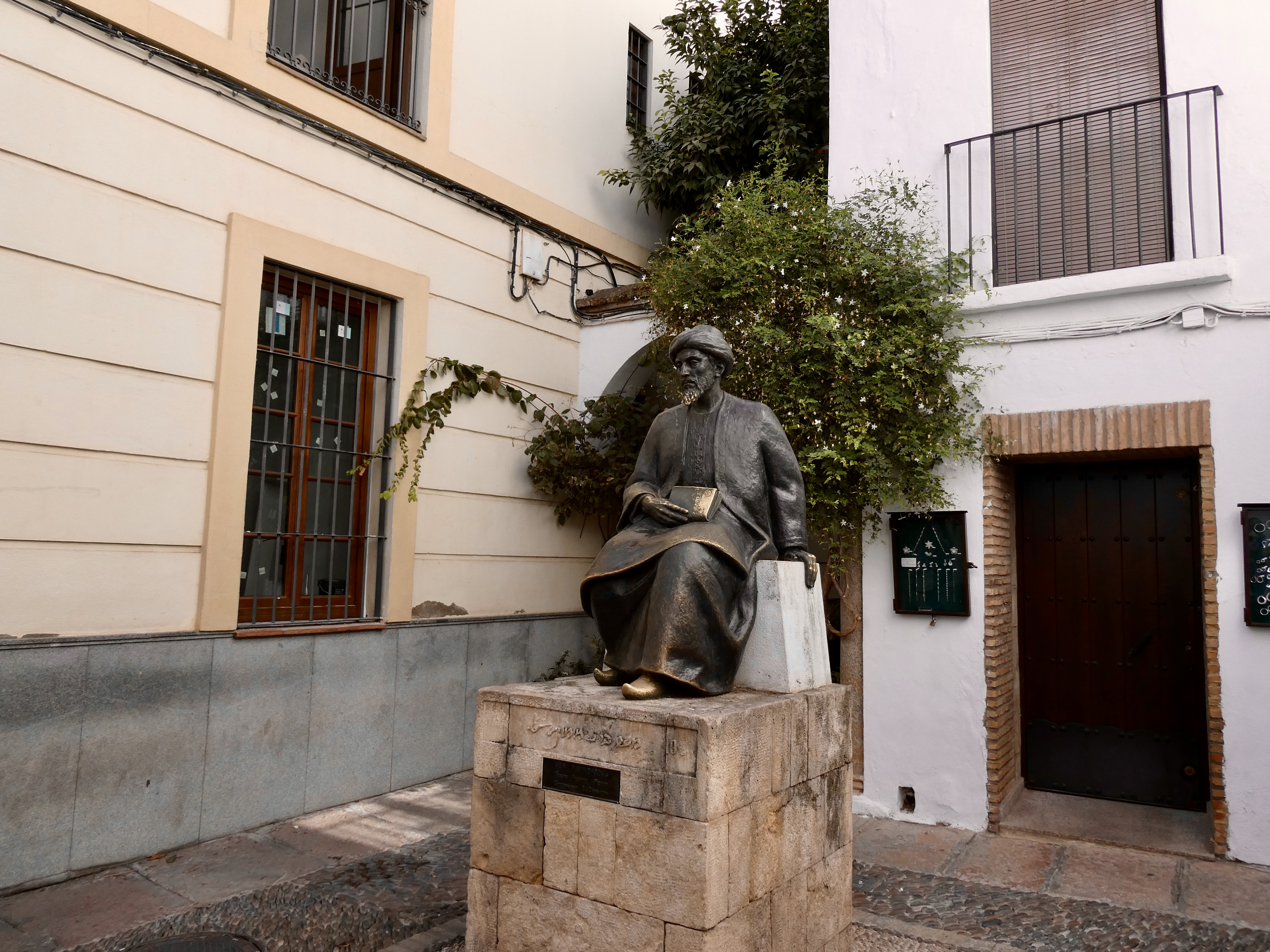
Now our walk took us down a lovely street where we took a left and stopped at Maimónides Square, the main square in the Jewish quarter which was named after the prominent philosopher, lawyer and scholar who wrote and contributed significantly to Jewish literature. A bust of his head was located in one corner of the square.

From here, we went around the corner to the Chapel of St. Bartholomew, which was built in 1399 in the middle of the Jewish quarter resulting in the expulsion of the Jewish population. We did not go inside, but Rafa recommended that we come back to visit.
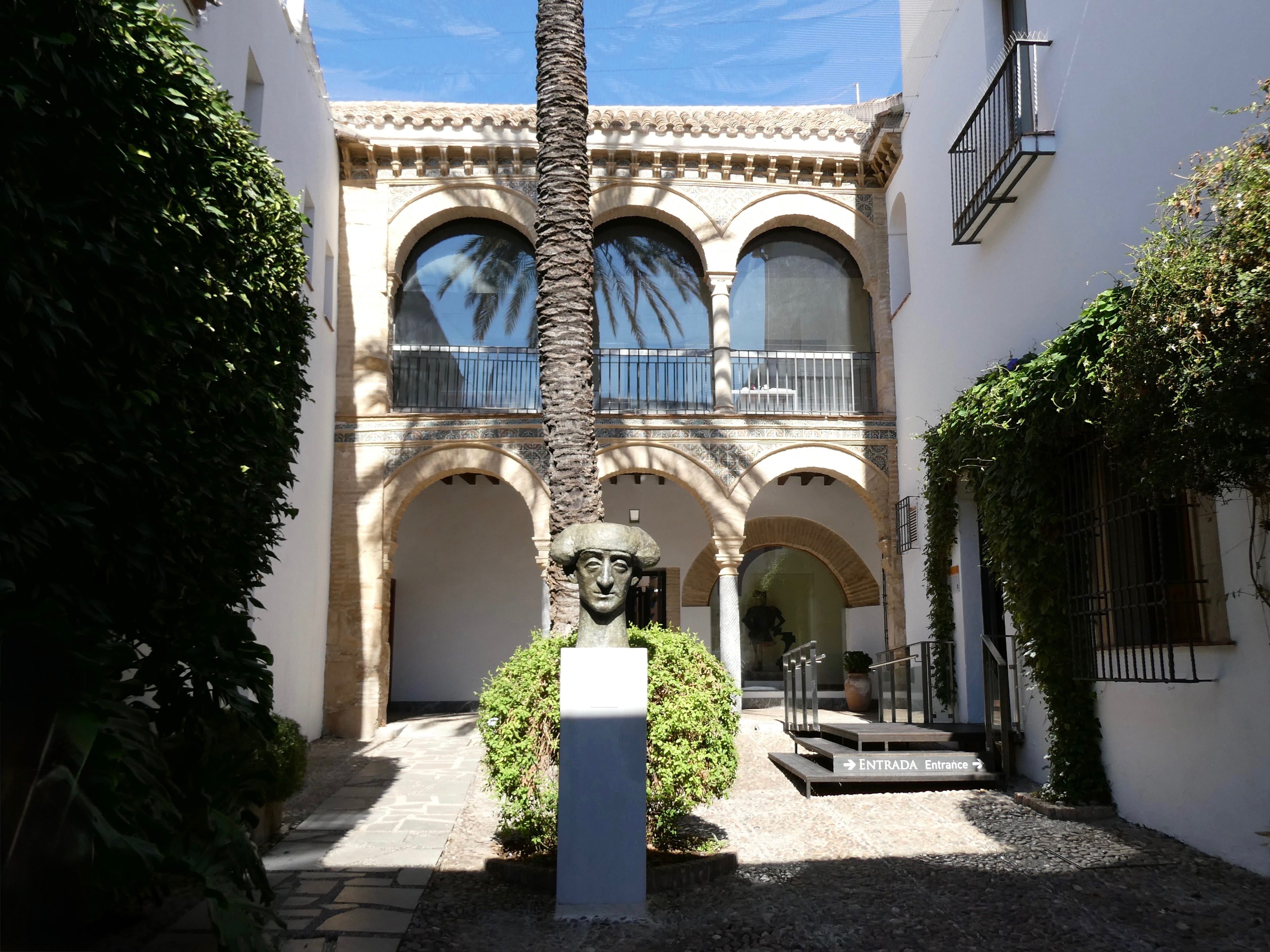
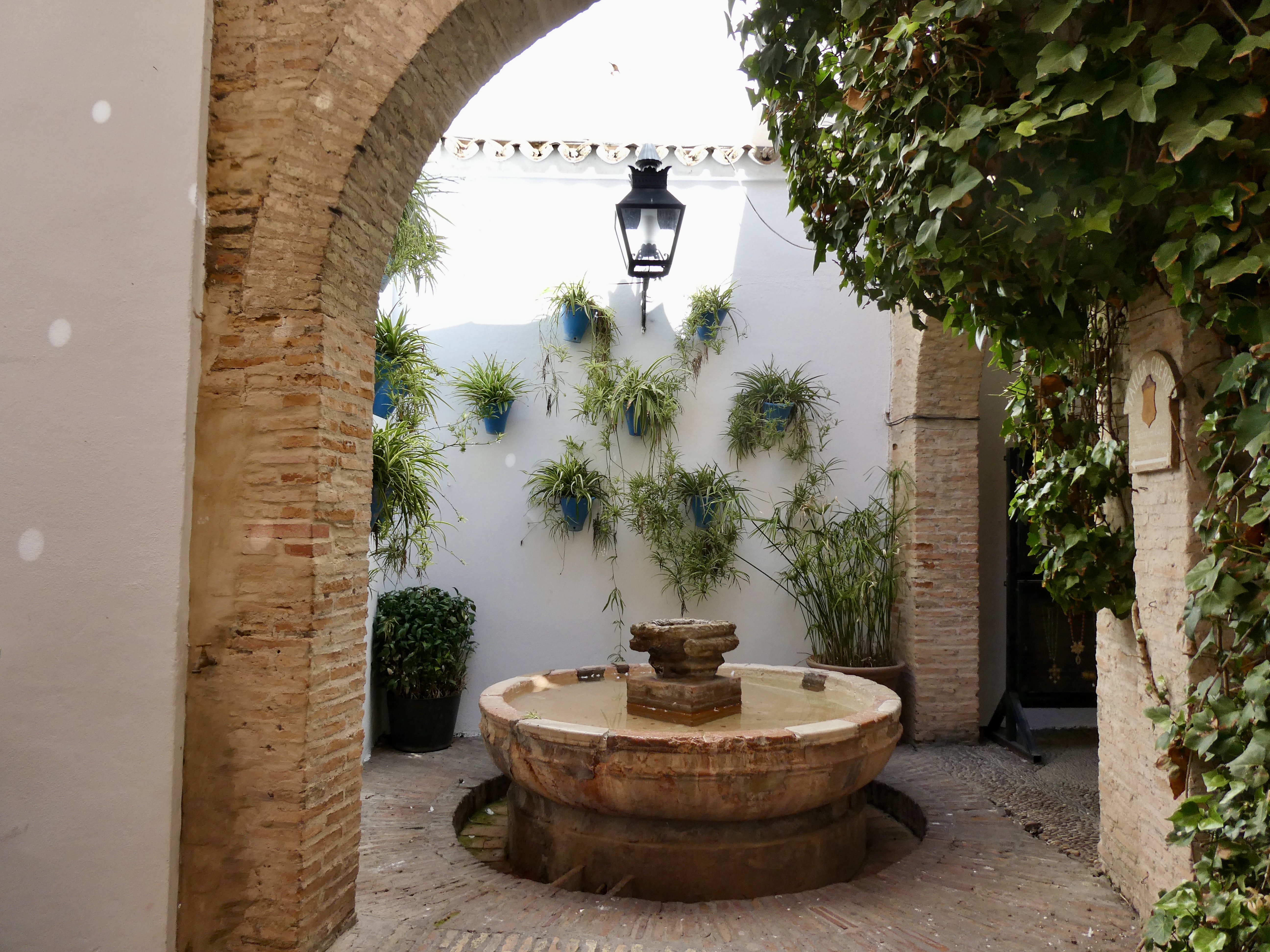
We then walked around the corner to an old Jewish ancestral home known as the House of Bulas, which is now occupied by the Cordoba Bullfighting Museum. The real purpose of visiting the site was so that we could see the gorgeous courtyard and lovely wall of orange trees.
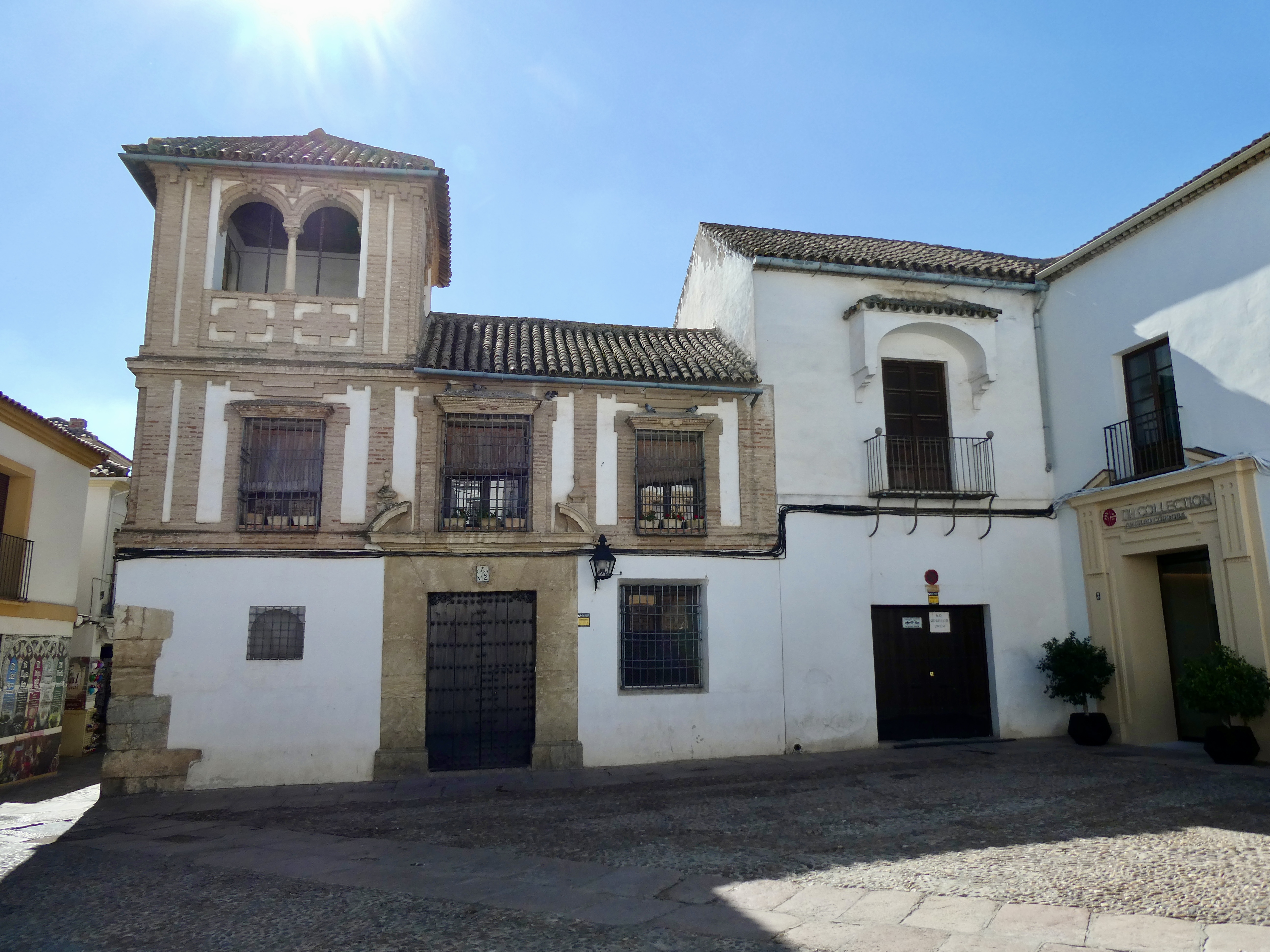
And across the courtyard from the House of Bulas was the House of the Counts of Hornachuelos. Sadly we did not visit this house, but it looked lovely.
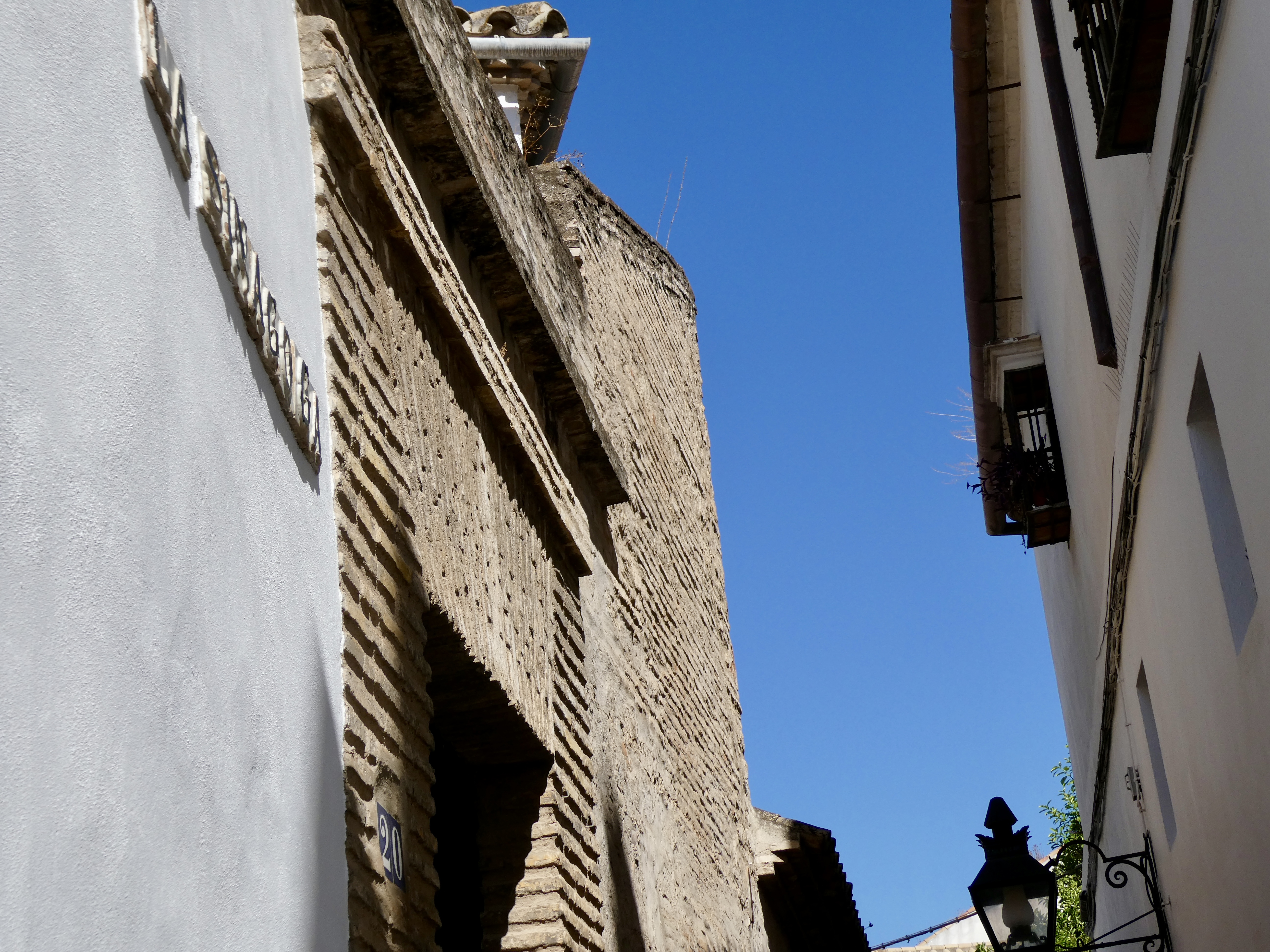
Rafa then took us down a narrow, and I mean a really narrow, alley to the Synagogue of Cordoba, a building that dates to 1315 and was tiny, tiny, tiny. Rafa said that some believe the Synagogue was so small because it was a private house of worship, but no one knows for sure. What is known is that the Synagogue was closed in 1492 as a result of the Jewish purge.
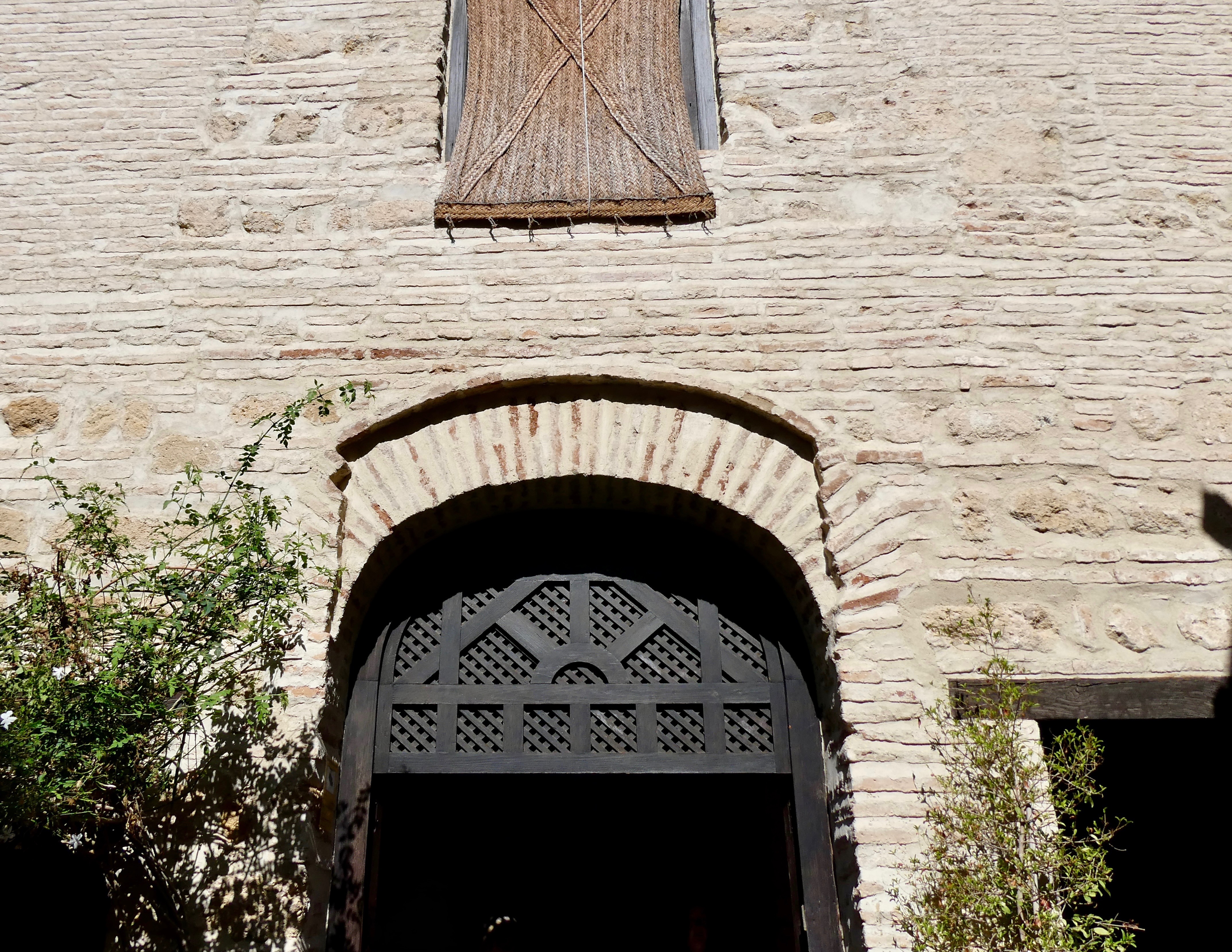
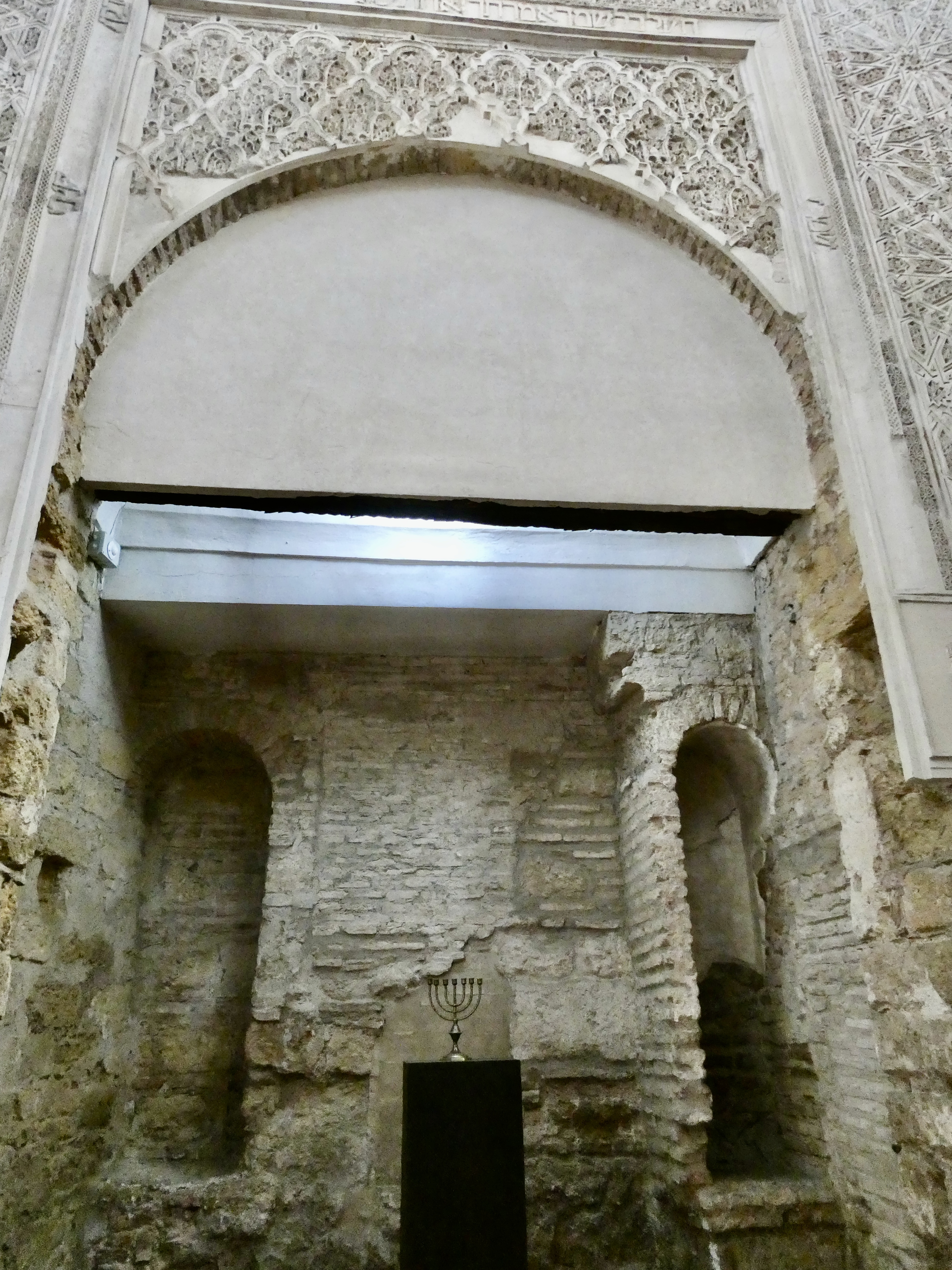
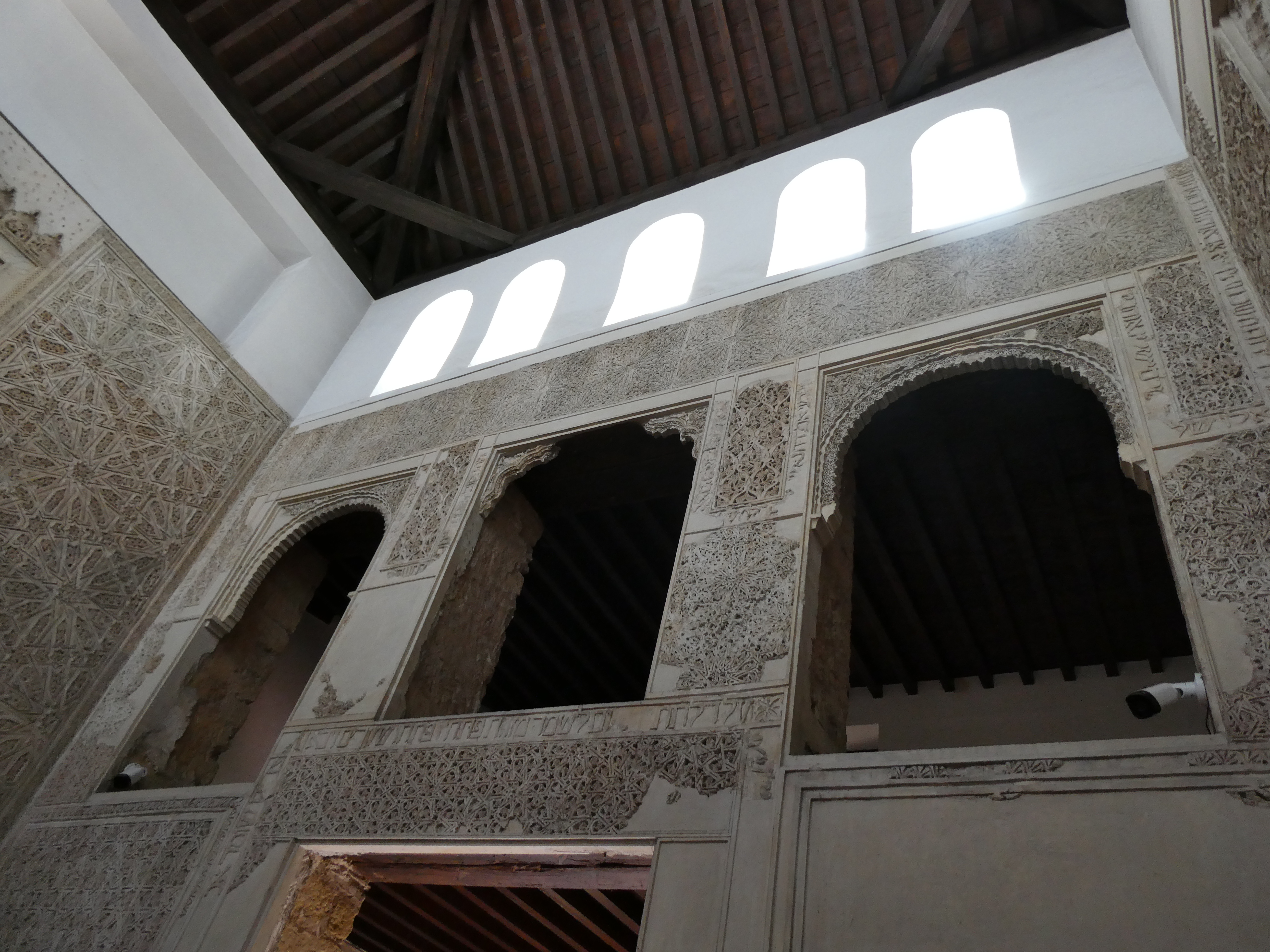
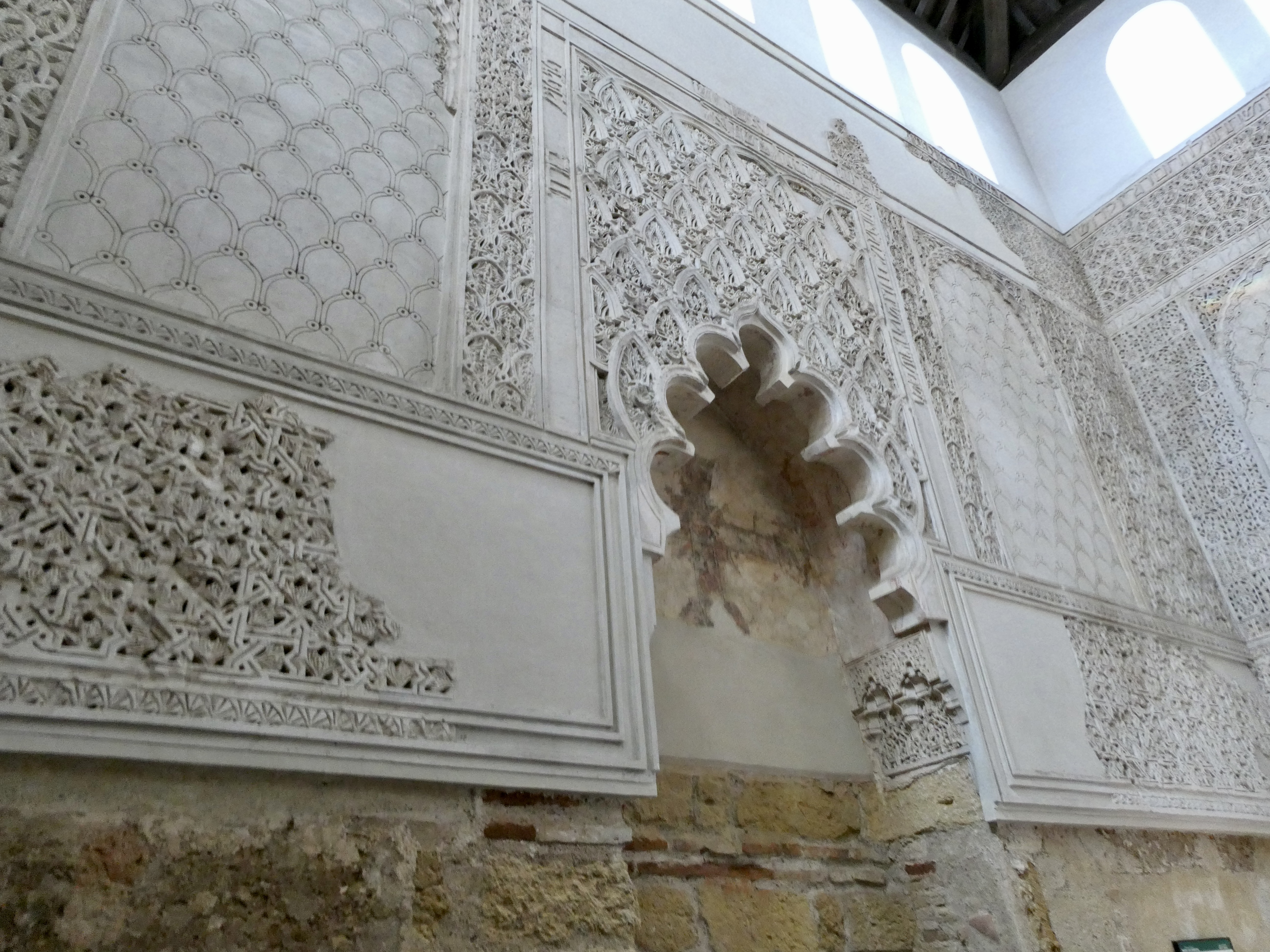
After entering the building, we only visited the Prayer Hall, but above on the Southern Wall, we could see the women’s section. The wall on the east (the ark) was where the Torah scrolls were kept. The wall was angled and included elaborate stucco designs. The wall on the west is famous for its intricately carved Mudejar stucco work, featuring geometric patterns and designs along with Hebrew inscriptions. All in all, the last surviving Synagogue in Cordoba was quite impressive.
From here, we walked back out into the courtyard fronting the Synagogue and ran into not one, but two enormous (ie. 50 plus people) tour groups. We could barely make it out of the Synagogue doorway. We had to bob and weave around people and once free we passed another statute of Maimonides, featured prominently in the middle of Plaza de Tiberiades.
Rafa then led us out of the Jewish quarter and back to the Mesquita where he gave us 15 minutes to grab a quick bite and then it was off again. We walked beside the Mesquita walls and then took a right towards the Alcazar, which had military characteristics with four towers and was constructed in 1328 on order of King Alfonso XI of Castile. Apparently the Alcazar was built on the site of previous constructions including a residence of a Roman governor.

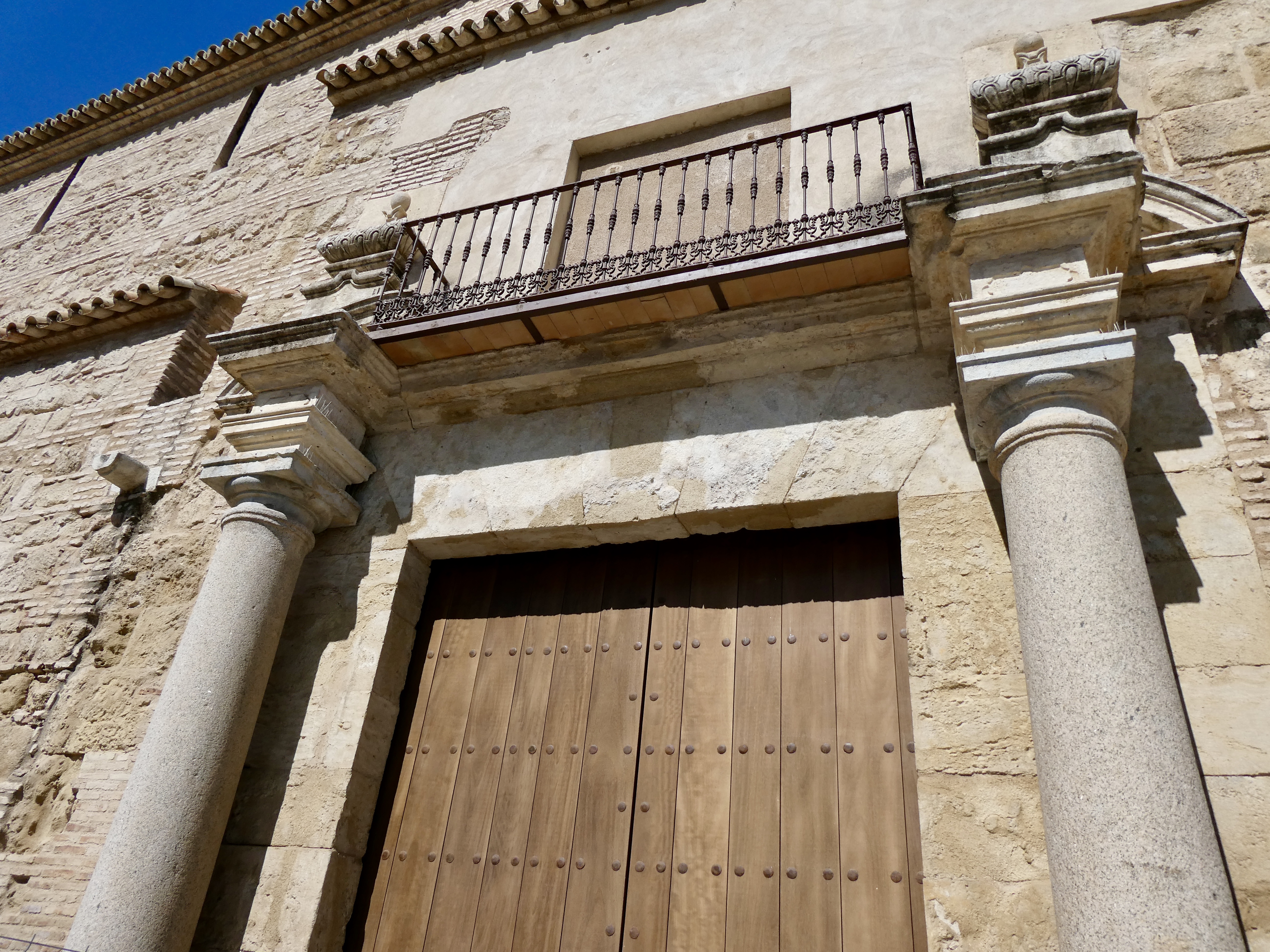
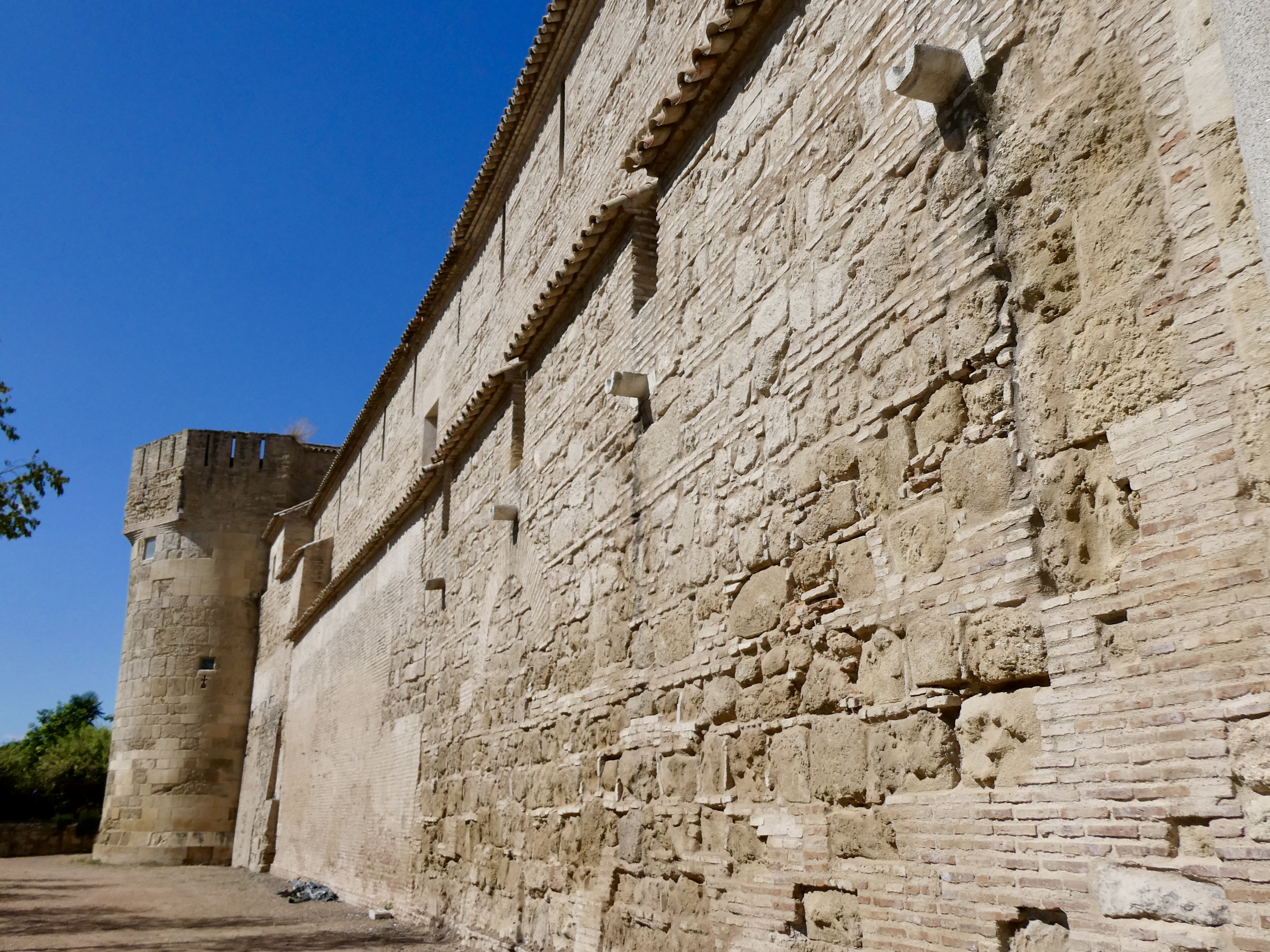
Now today, the Alcazar, which features the Tower of Homage, the Tower of Lions, the Tower of Inquisition, the Tower of the Dove, the Hall of Mosaics, the Courtyard of Moriscos, the Courtyard of Women, the Reception Hall and the Royal Baths, is closed for significant renovations. As a result, we could only view the Alcazar from the outside, but the magnificent Gardens of the Alcazar were open for viewing.
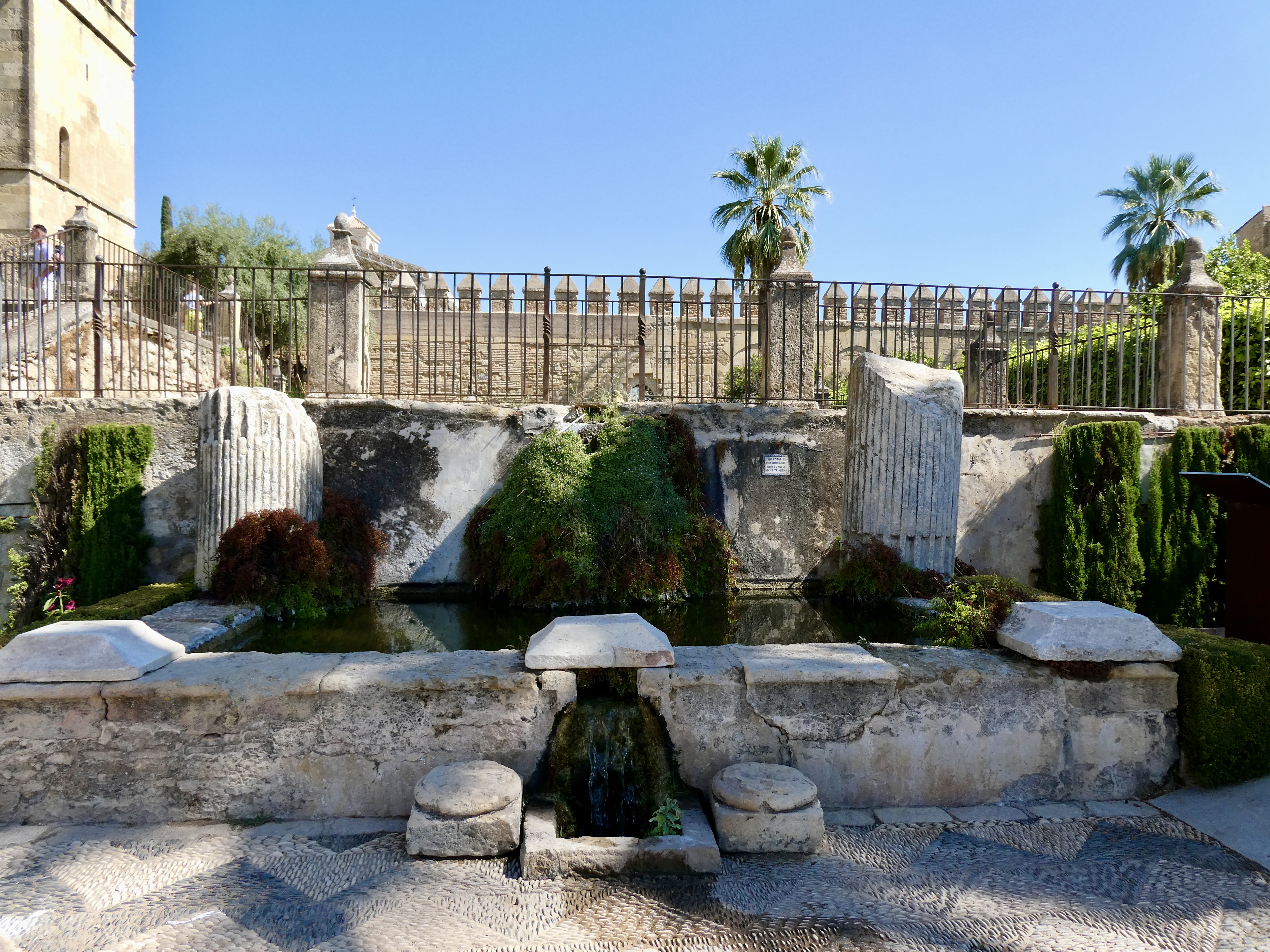

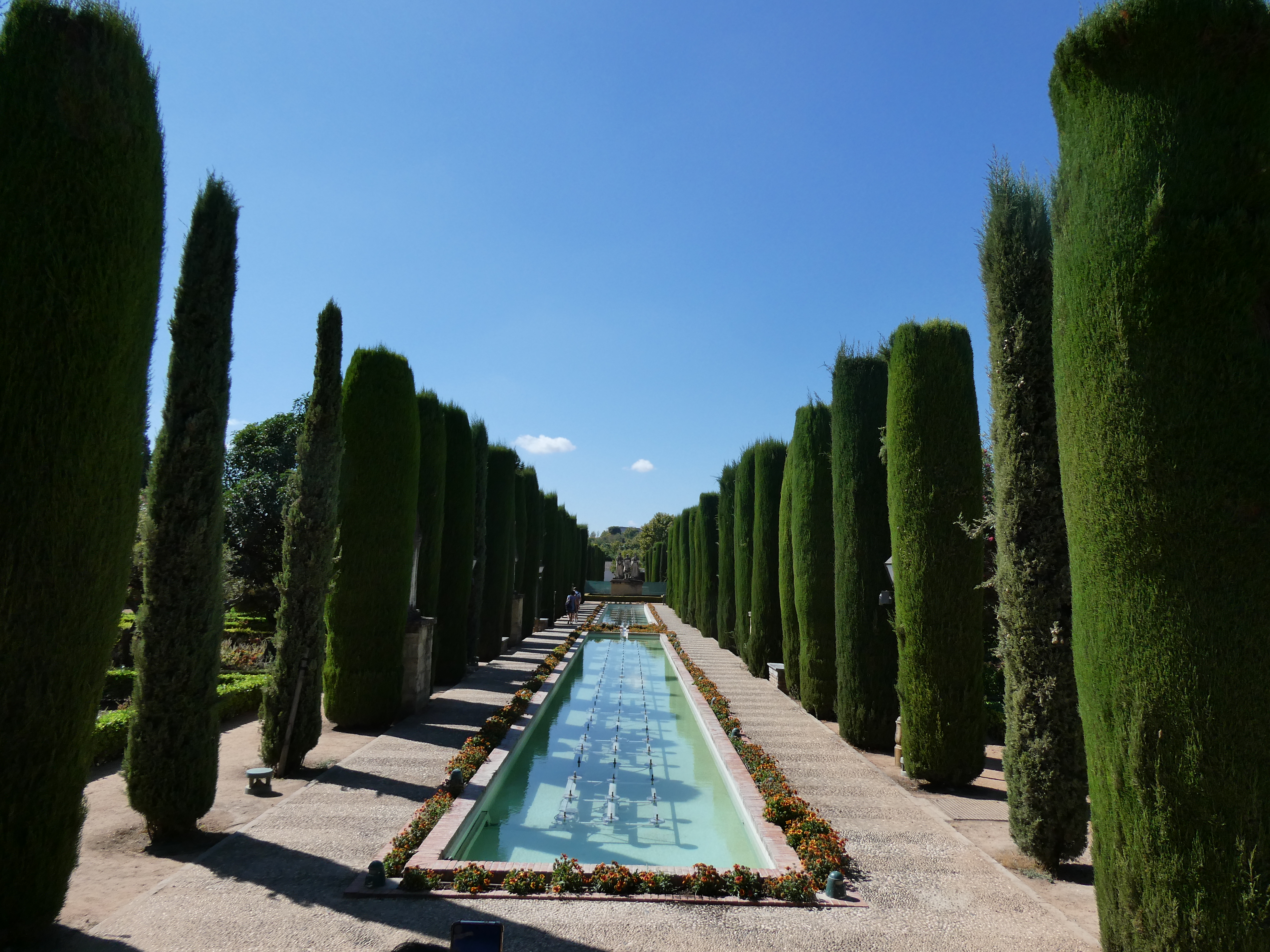
As a result, we wandered some of the 55,000 square meters of gardens which include orange, lemon and cypress trees and feature multiple pools and fountains. In addition, we were able to see Roman ruins that had been excavated from the gardens. And what was most incredible was that gardens have existed on this site since the 10th century.
There was also a structure to the gardens with a higher garden (which we could not visit since it is in the renovation area), a middle garden which included a huge staircase and two pools and a lower garden with a long narrow pathway featuring two pools surrounded by cypress trees. Gorgeous.
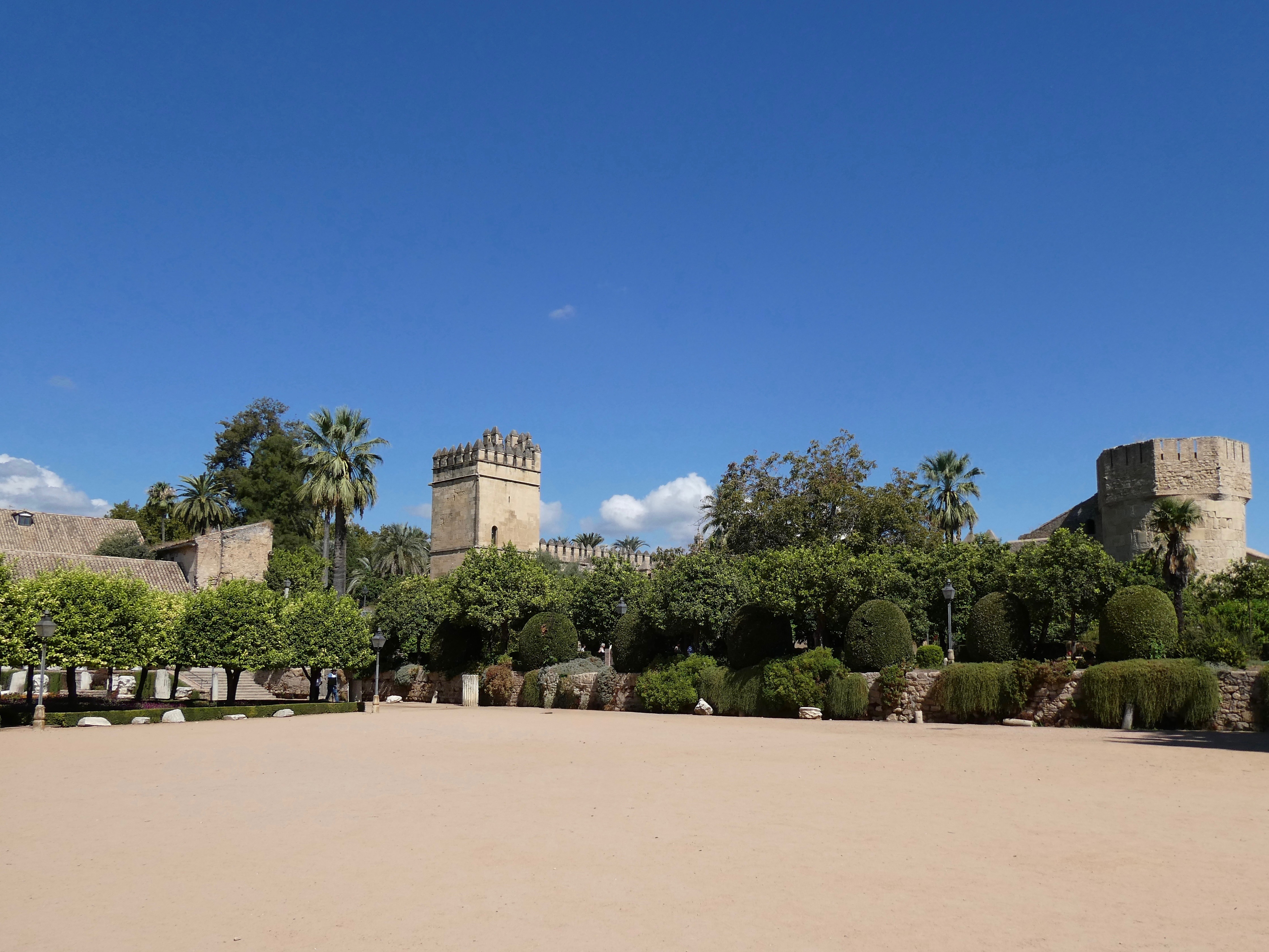

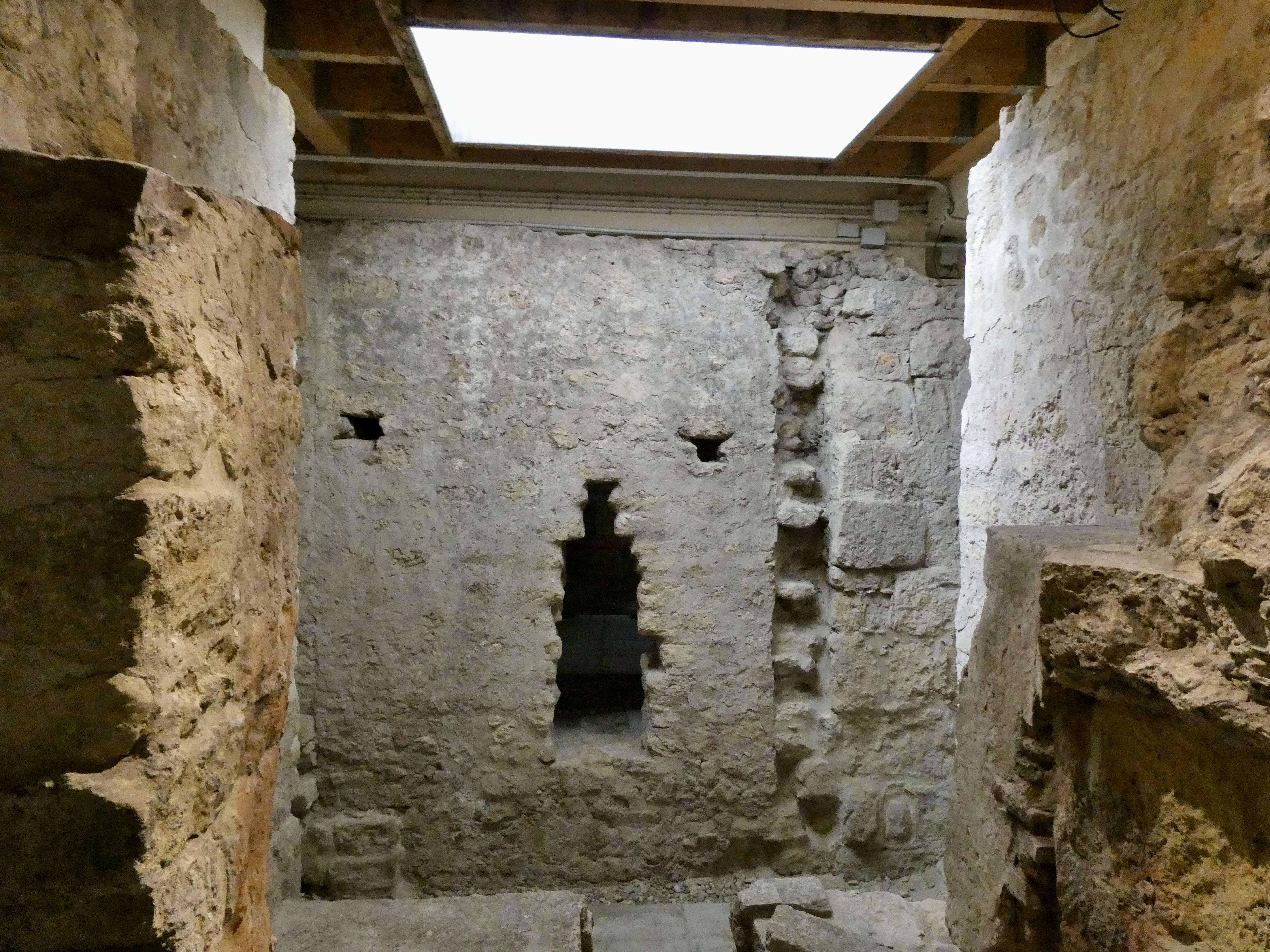
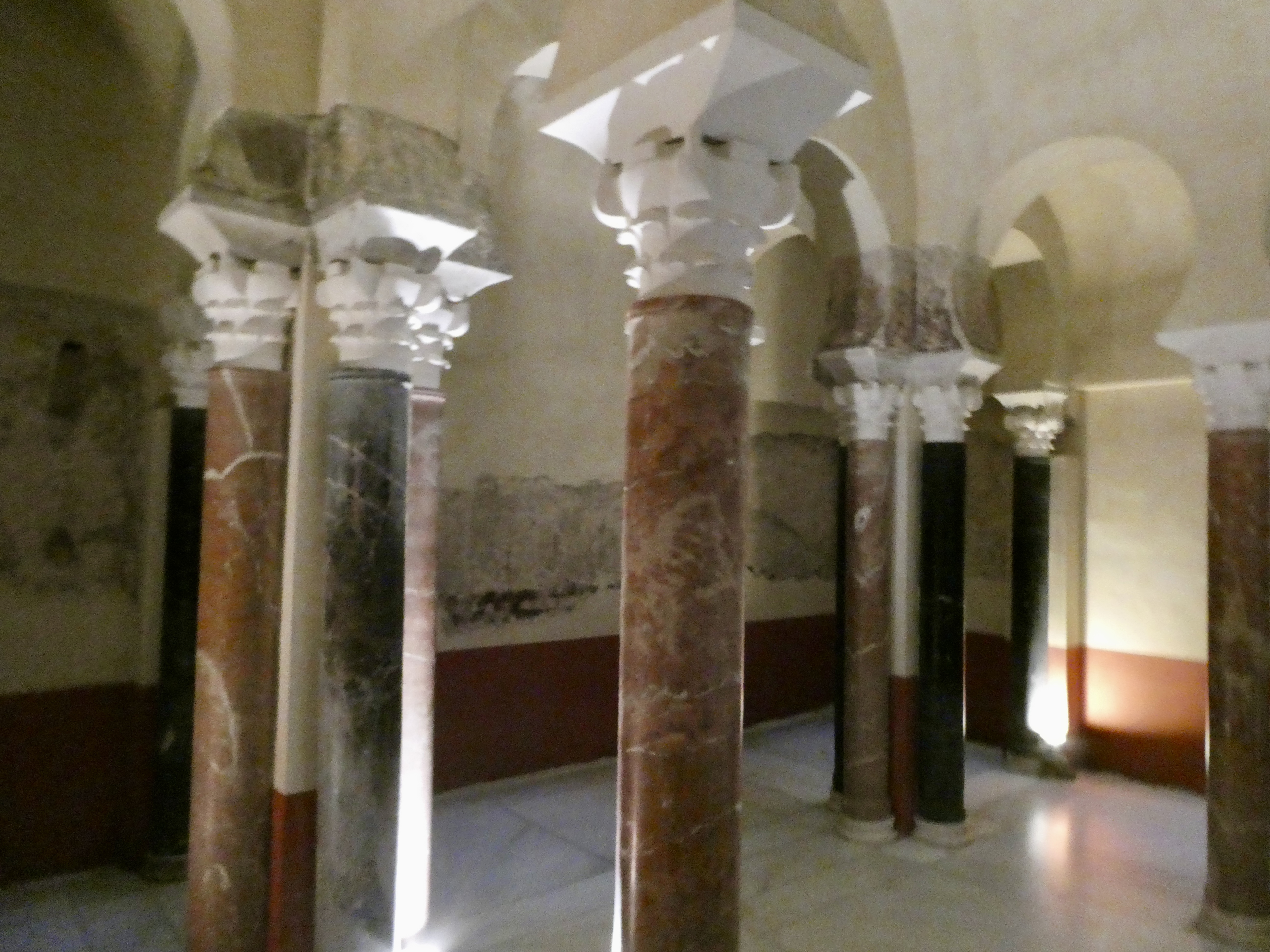
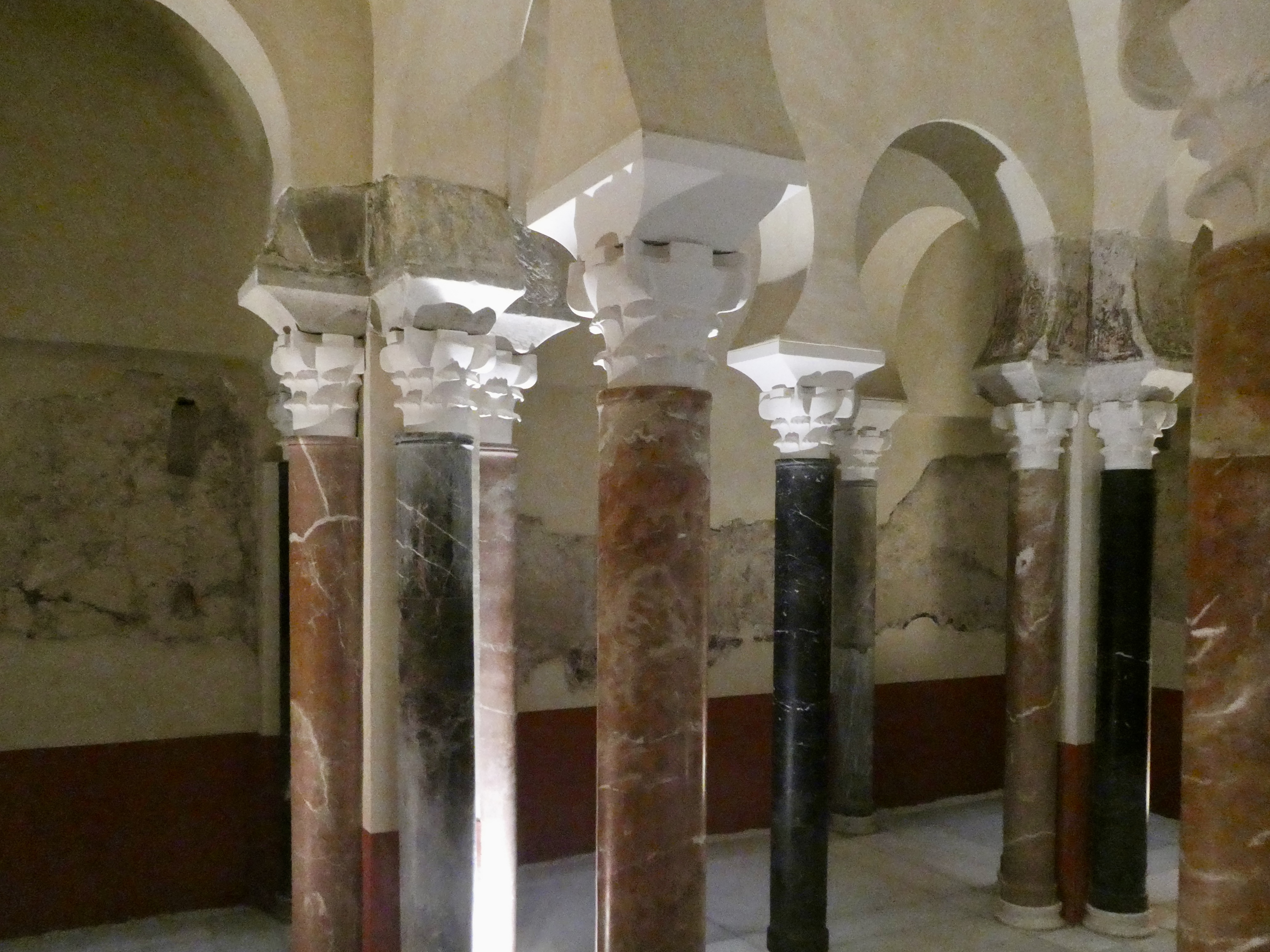
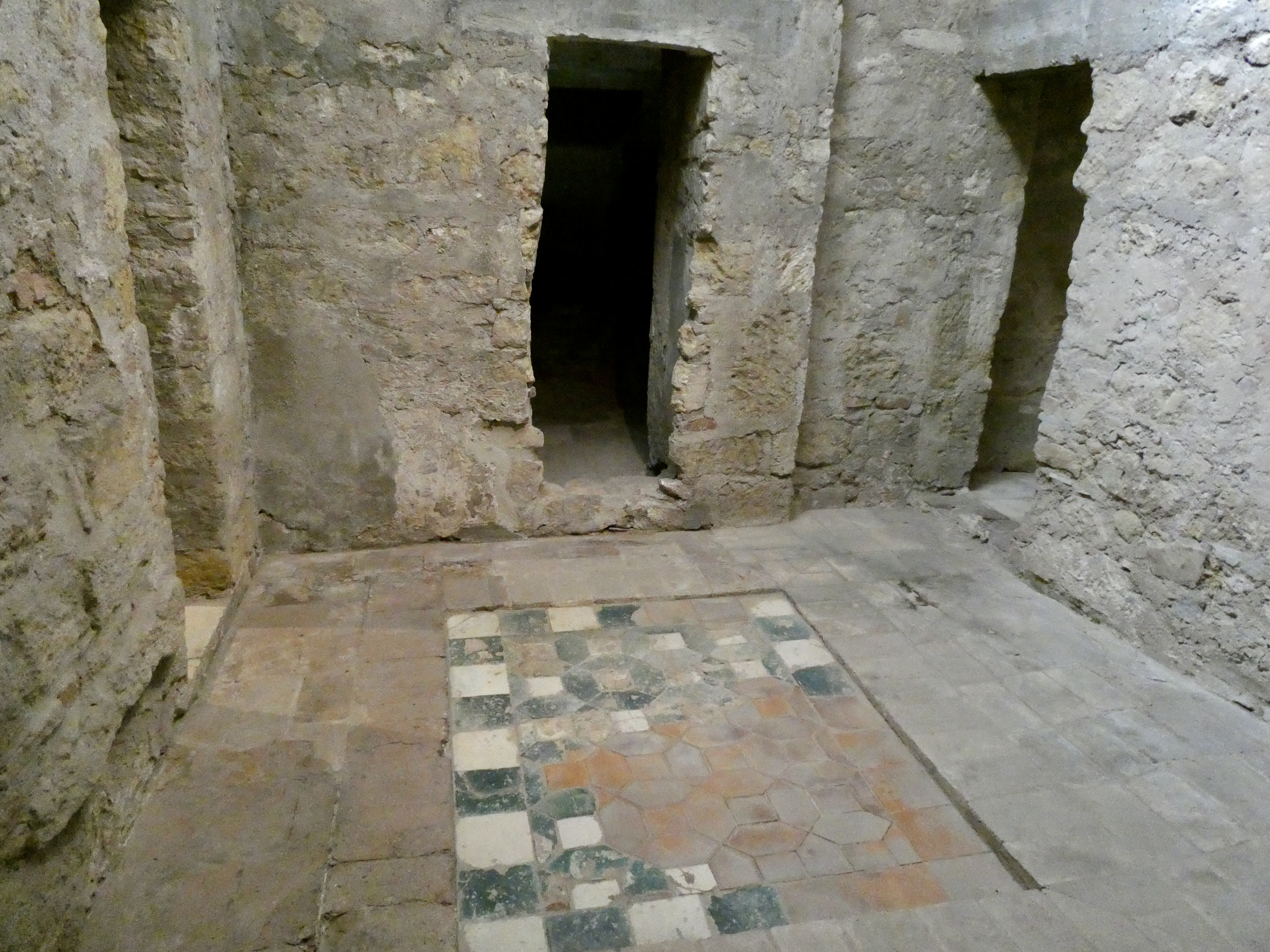
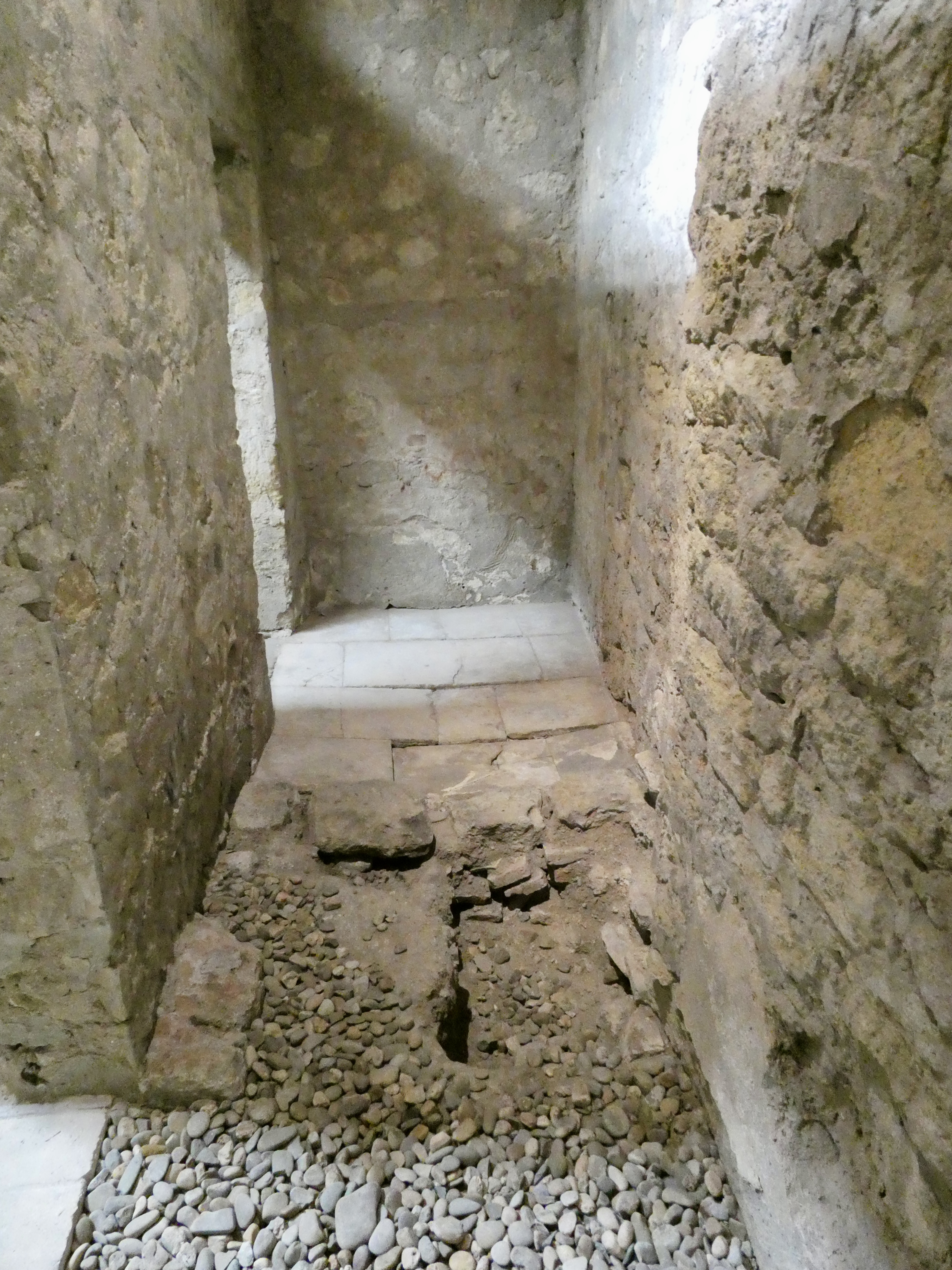
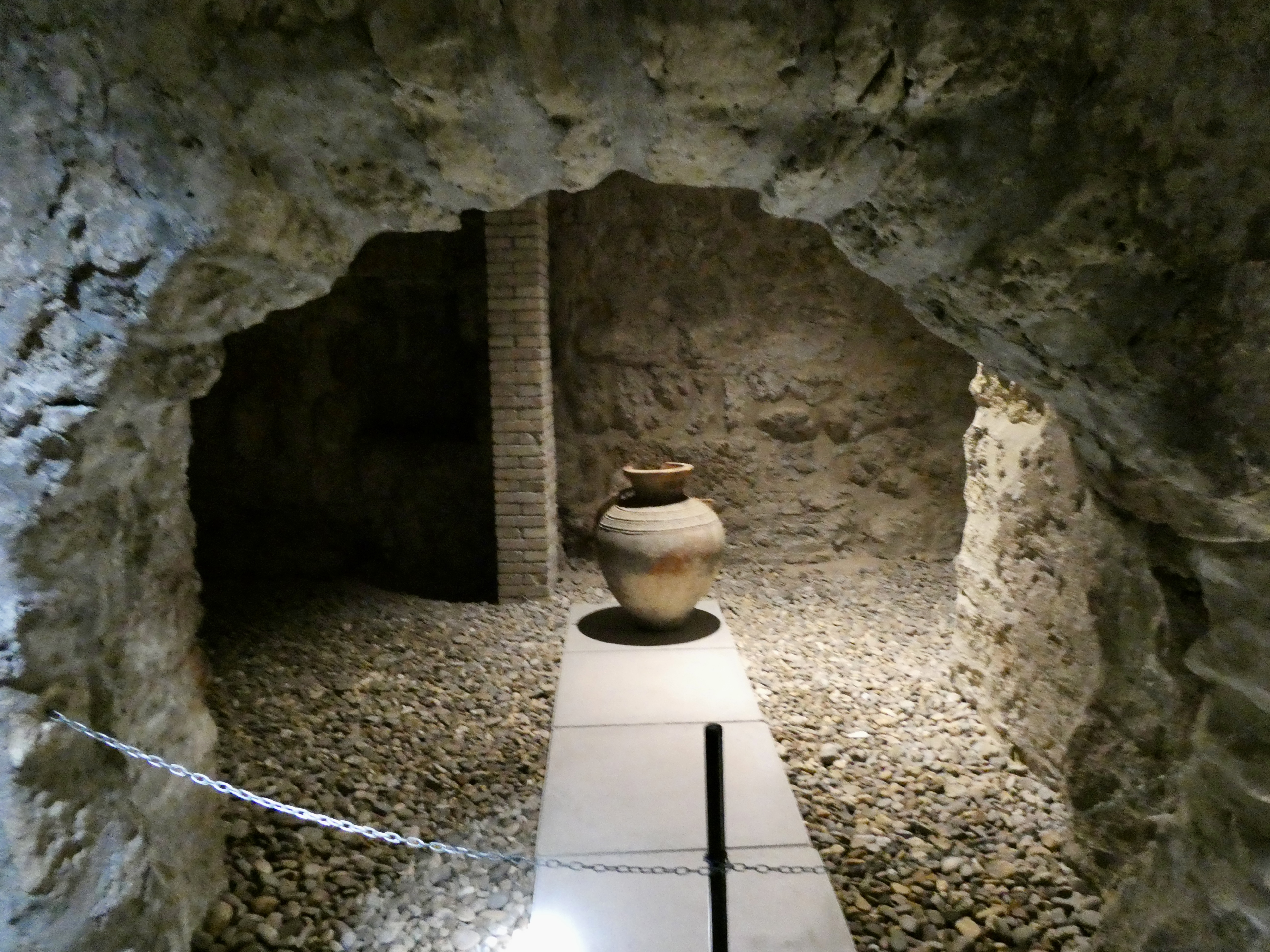
So after the visit to the gardens, we walked up the street to our last stop of the day, the Hammam, aka the Royal Baths, which was part of the Alcazar, dates to the 10th century and afforded the Caliph and his family therapeutic, physical and cosmetic care.
Now the Hammam was accidentally discovered in the early 1960s and since the initial discovery have been fully excavated. The excavation revealed a traditional sequence of cold, warm, and hot rooms, along with vaulted ceilings, marble pillars, and stone block walls. In addition, the Hammam featured an indoor toilet used by the Caliph.
Now traditional Hammam requiring a purification ritual in the cold room, followed by the warm room where you would undergo a cleansing ritual followed by a period of relaxation.
The last room, the hot room, was typically used when individuals were ill and needed a therapeutic remedy.
We ended up wandering from room to room with the servants room at the back end of the Hammam giving all of us claustrophobia. Talk about small.
And of course, there had to be a bit of palace intrigue attached to the Hammam. Apparently, there were a number of murders in the Hammam during the Civil War among the caliphate. Successors were murdered by their slaves and rivals with at least to potential Caliphs murdered in the Hammam.
Anyway, I found the Hammam fascinating and given that Hammam have Roman origins, I thought that the Hammam provided more evidence of the fact that Roman influence was literally everywhere in this area of the world.
So that was it for today. Tomorrow, I am off to Malaga for the day for a walking tour around the old town. I will be back in Cordoba in the afternoon and then on Thursday its off to Seville.