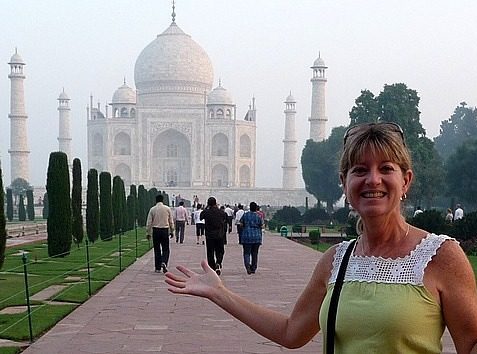

So this morning I checked out of my wonderful waterfront hotel in Byblos and headed to Beirut with Elie, Romeo and my “southern” guide for the next three days, Mahmoud. Now Mahmoud was a talker, flamboyant, and a wealth of information about the history of Lebanon. In fact, I was concerned at one point he was going to lose his voice as he literally talked all the way from Byblos, through Beirut and then up to the checkpoint as we headed south and east into the Chouf district.

After passing the checkpoint, the drive took us up into the the mountains through heavily wooded area to the village of Deir el Qamar (which means “Monastery of the Moon” in Arabic). The little village was really quite pretty and featured the 15th century Fakhereddine Mosque built by Emir Fakhereddine when he was trying to set up an independent region from the Ottoman Empire (while at the same time pledging his allegiance to the Sultan).
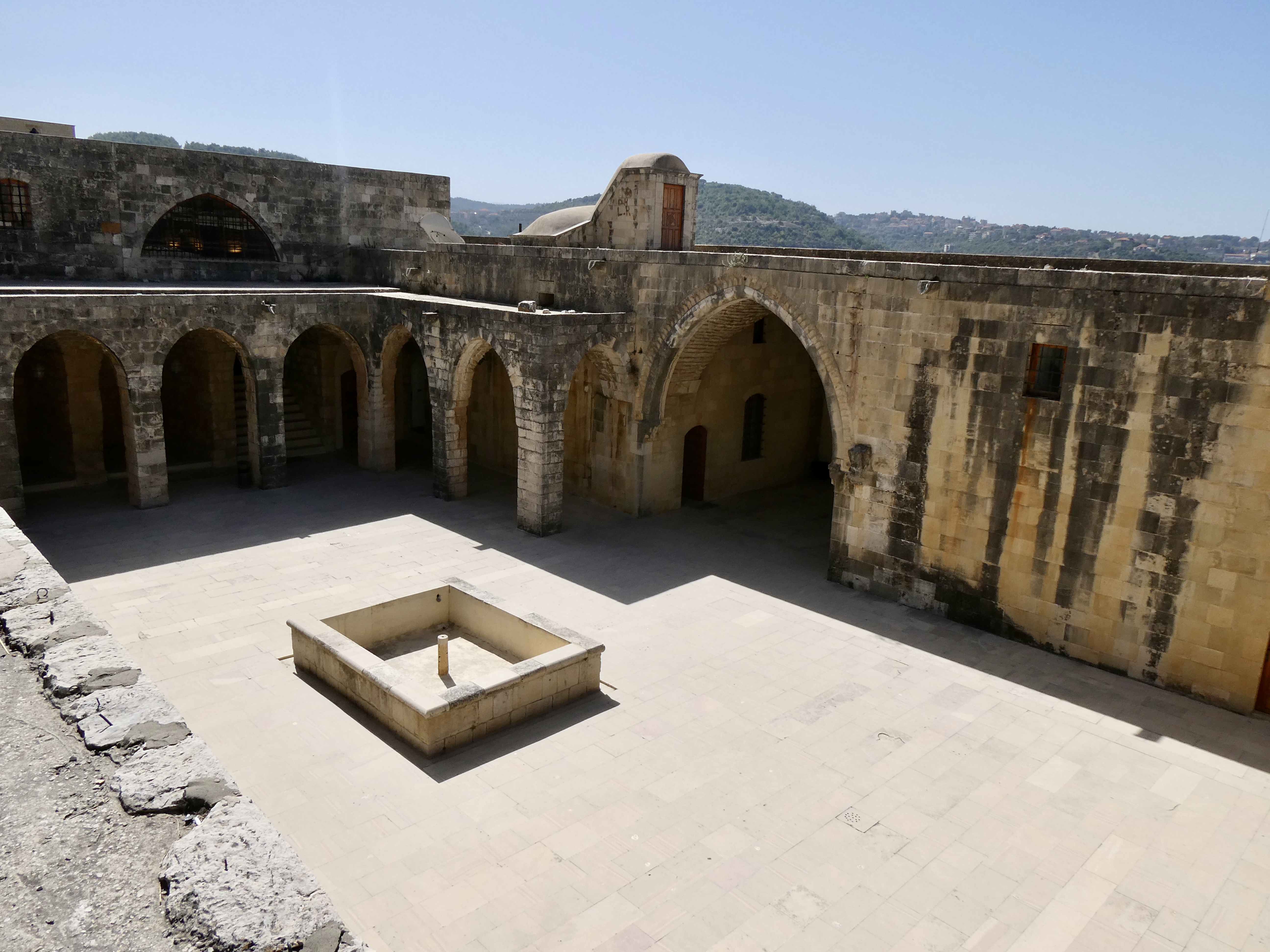
The Mosque is part of a larger complex that included a Jewish temple, an old caravanserai and yes, a church called the Church of Saydet El Telle (Our Lady of the Hill) dating to the 16th century and built on the remains of a pagan (maybe Phoenician) temple.
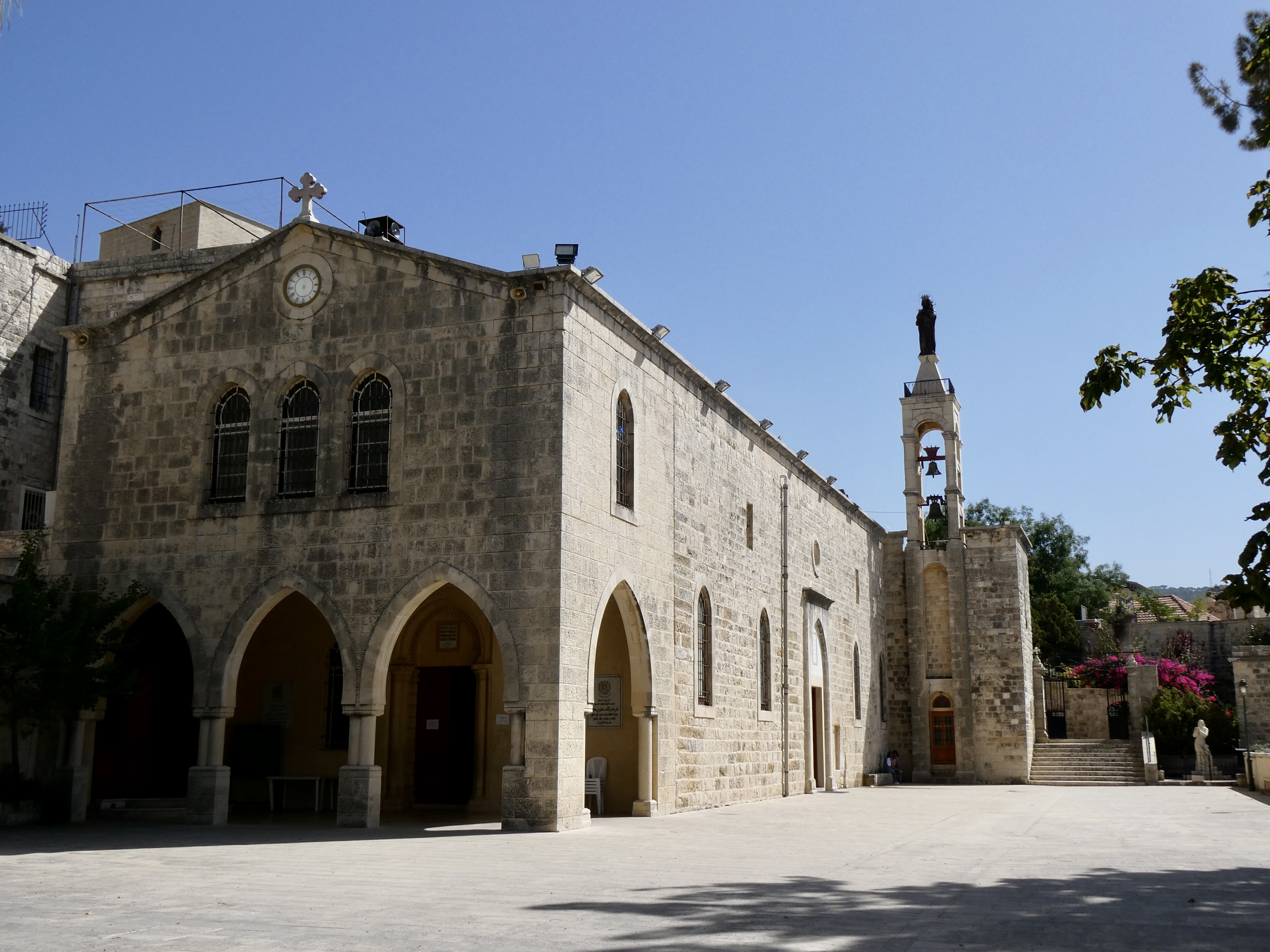
We wandered around the mosque, took a look inside and then walked up the hill to get a look a the site over the top of the Caravanserai. We then wandered down the street to the Church where we met a monk who looked like he was about 15 years old when in fact he was 30, had been a monk for 10 years and was only recently relocated to Our Lady of the Hill.
After the chat (and a blessing), we headed back to the car for a short drive to the Bettadine Palace. (Originally we were going to stop at the Moussa Castle, but Mahmoud discouraged the stop saying it was a “fake” castle built by some guy trying to impress a girl and was only filled with wax statutes.)
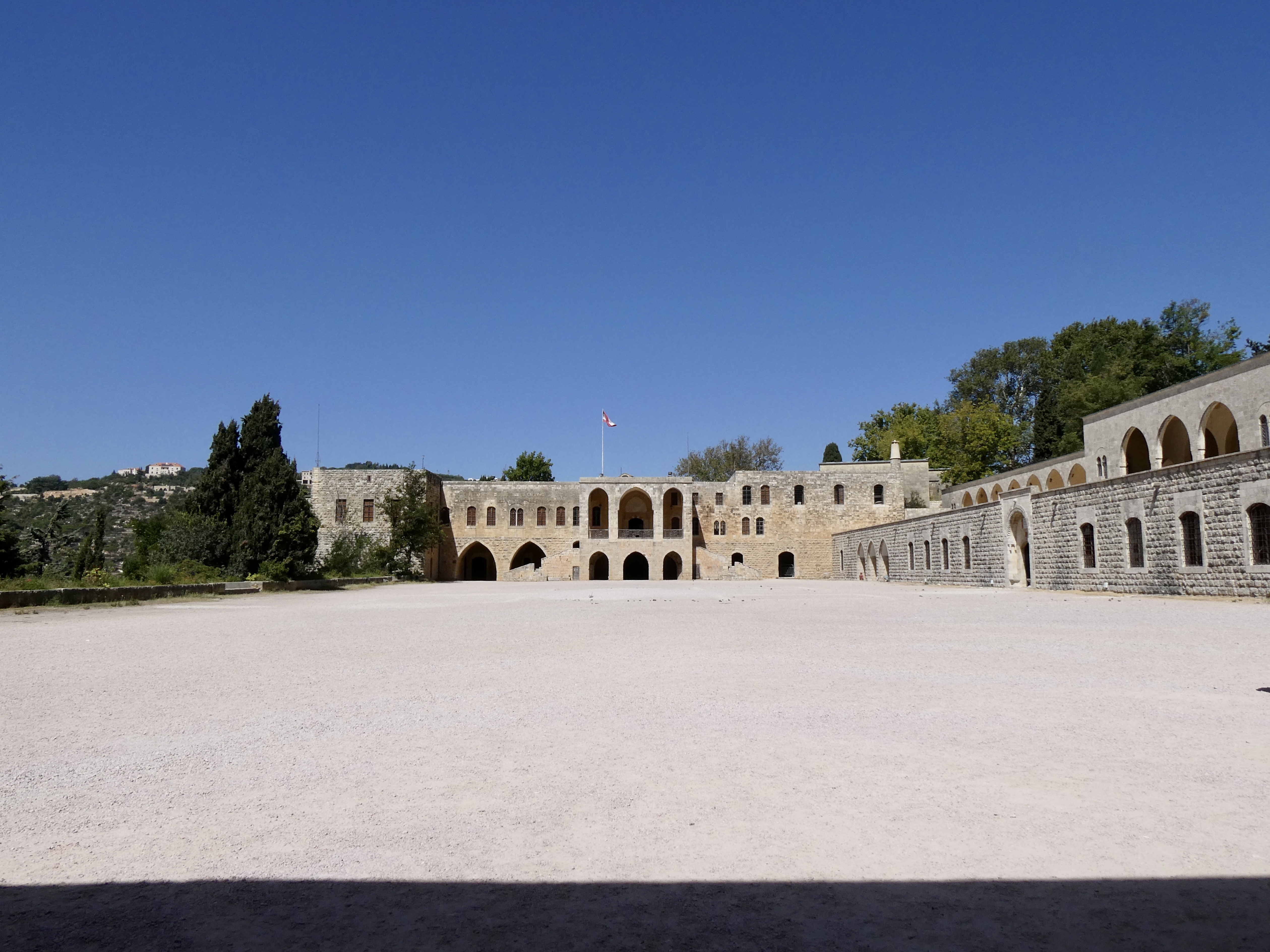
Anyway, we bypassed the Moussa Castle and drove the windy road to the famous Bettadine Palace. Now the Bettadine Palace was built by Emir Bashir II between 1788 and 1818. After the Emir was ousted by the Ottomans, the Ottomans used the palace as a government building. The palace was later used during the French rule and today the palace is the Lebanese president’s official summer residence. Apparently the palace was heavily damaged during the Lebanese civil war from the late 1970s to 1990. In fact, as we wandered through the site, Mahmoud pointed out ceilings that had been repaired following the war.
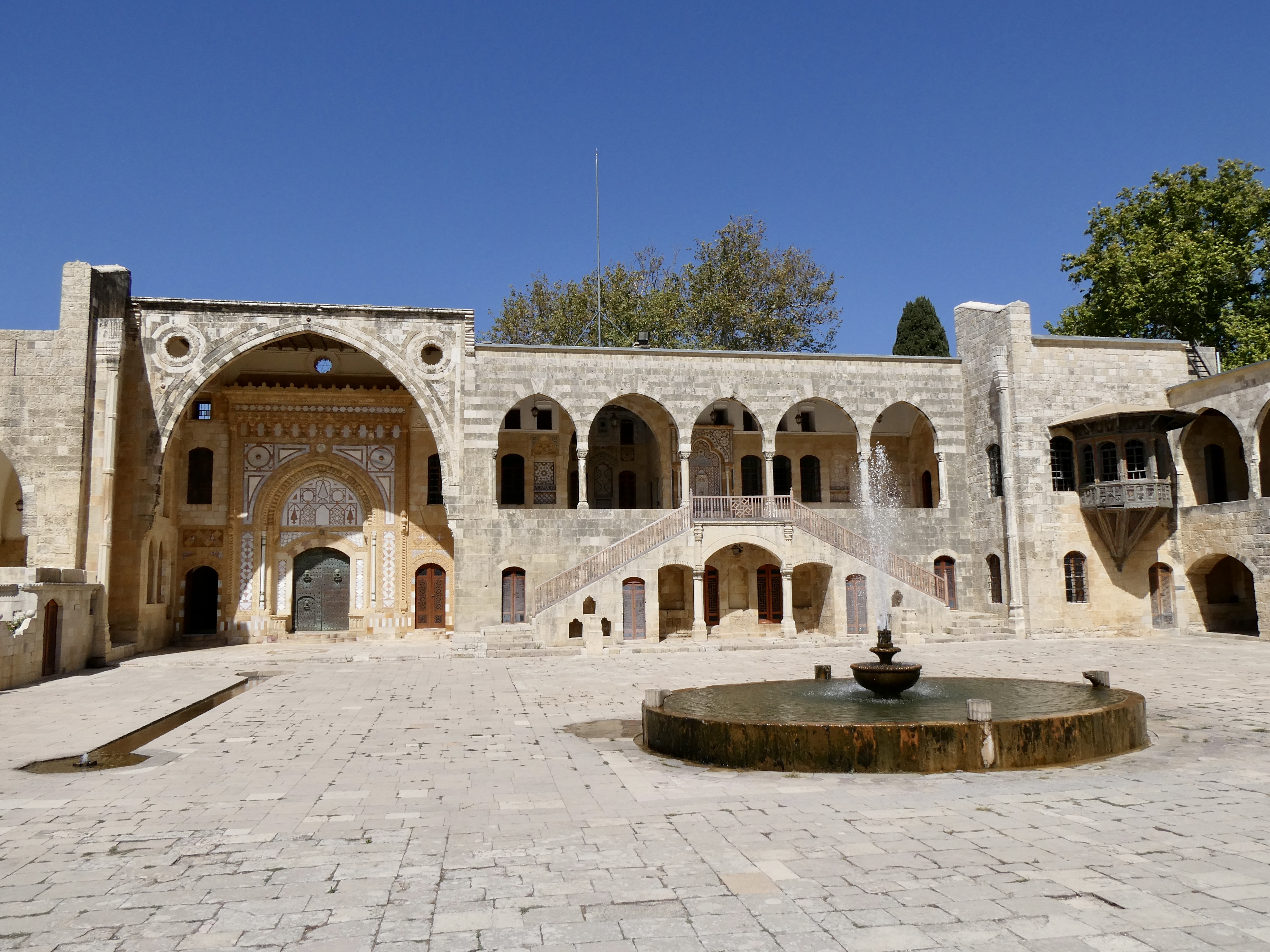
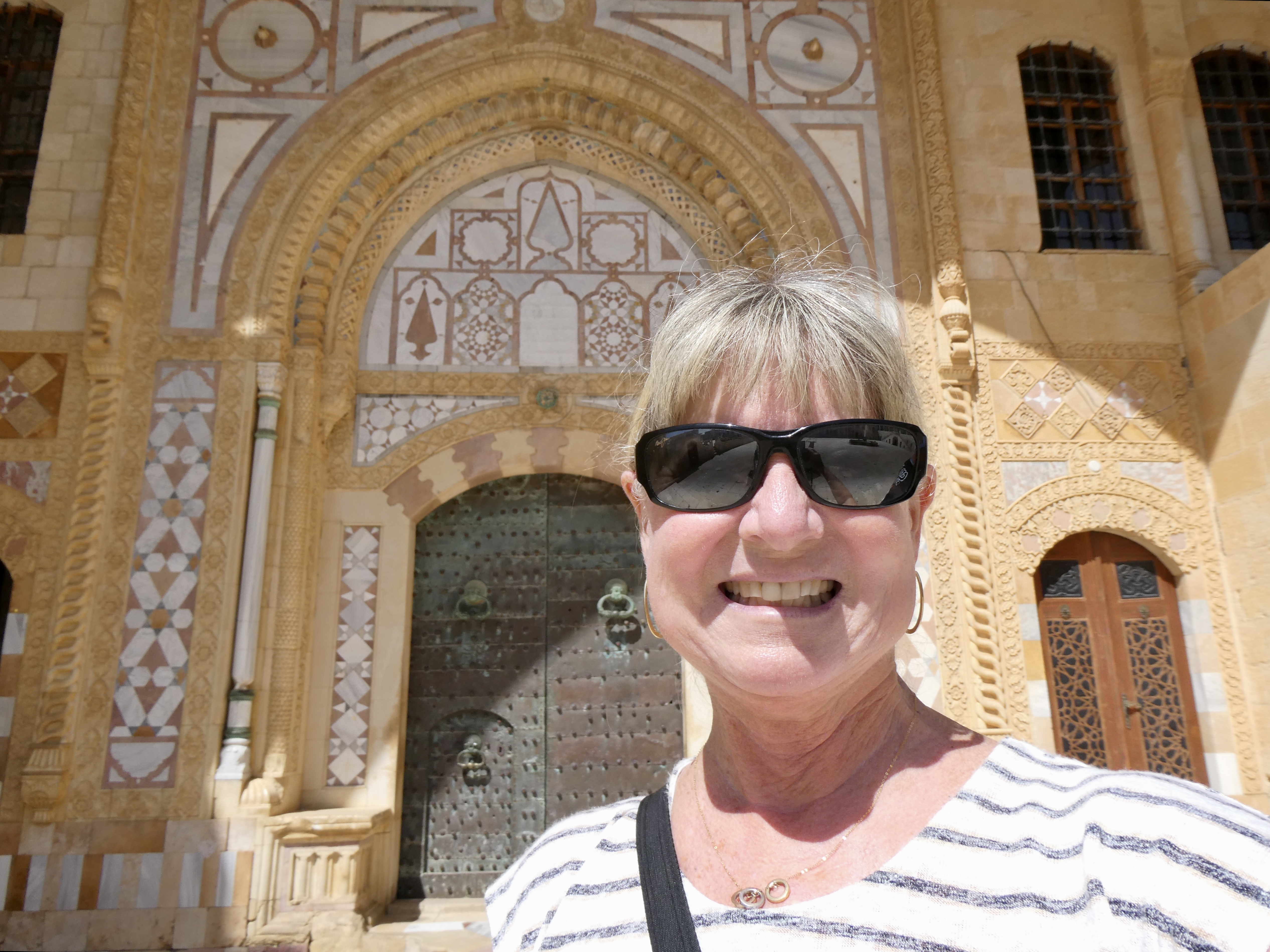
So once I paid the entry fee, Mahmoud gave an overview of the palace and we then began our tour around the enormous site. We walked across the outer courtyard to the right and through the meeting halls before exiting the building and climbing the stairs to the main entryway. The doorway we entered through was framed by Arabic designs and led to a second courtyard and the main part of the palace. The second courtyard was smaller, more intimate and fronted by a beautiful fountain.
There were a number of rooms available to take a look at on the main floor including a meeting room with a smaller fountain, which was used for air conditioning and muffling the voices to keep discussions confidential.
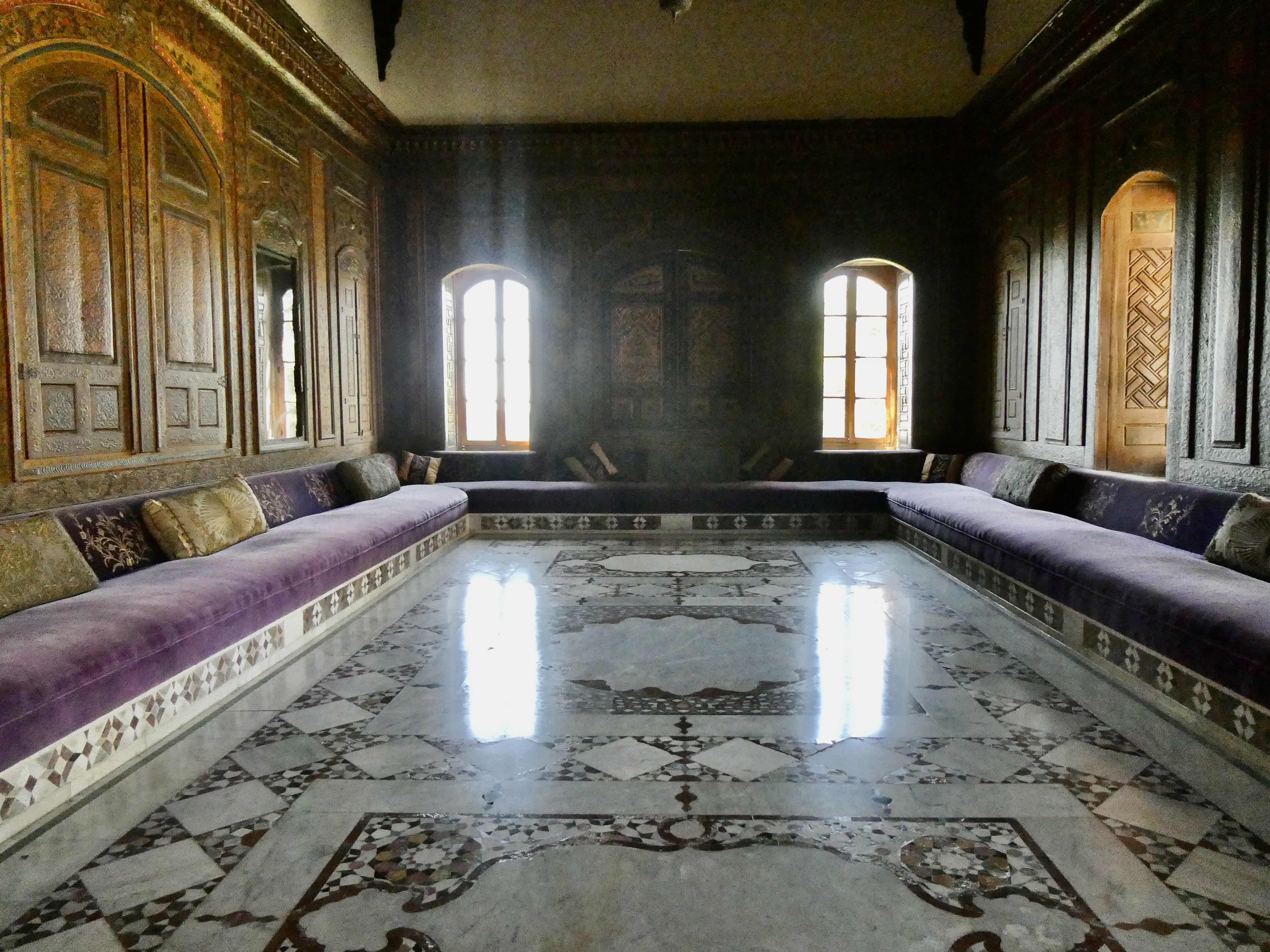
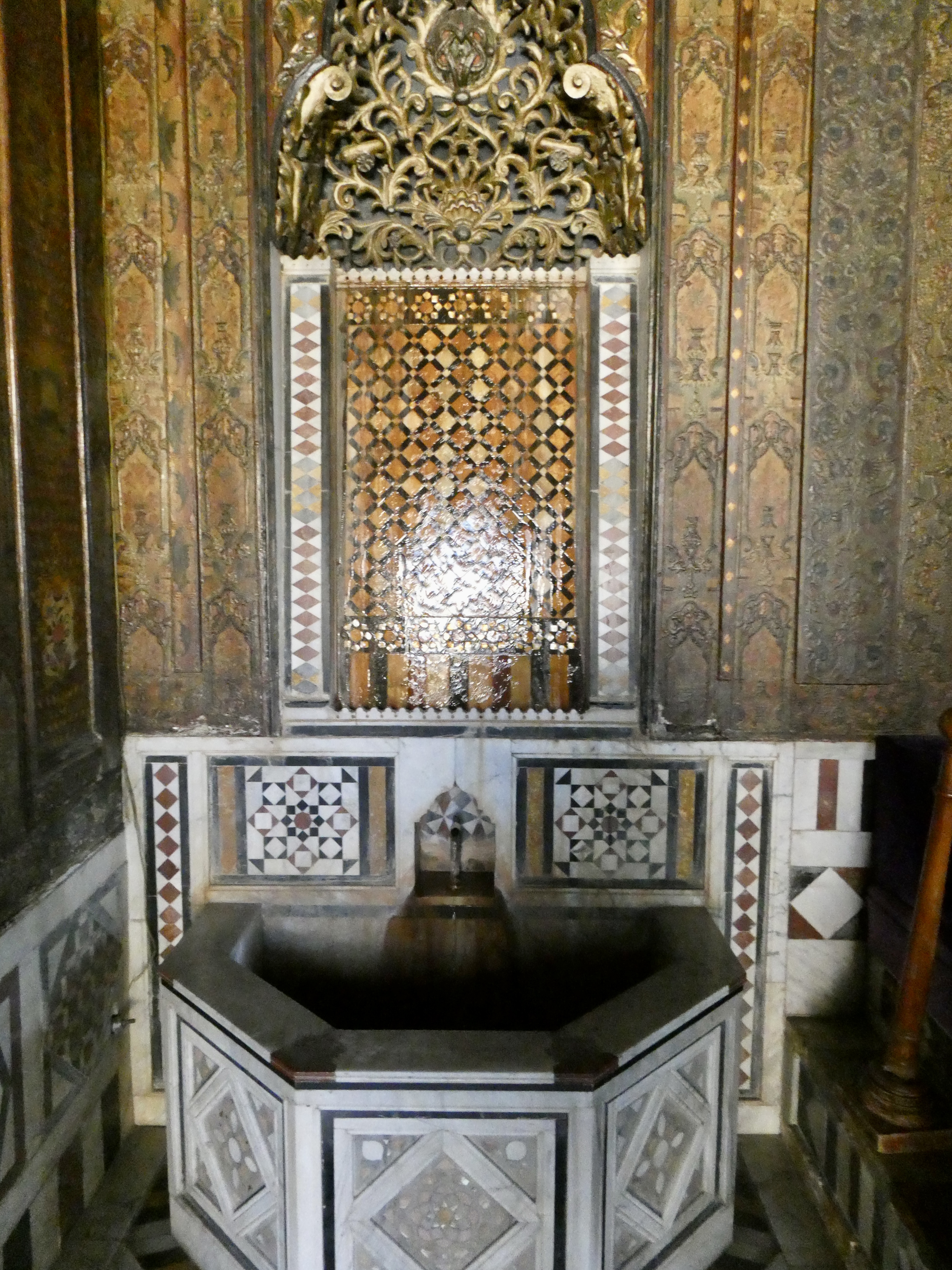
We then moved to the Emir’s office marked by purple (the colour of royalty) couches and a beautiful washing basin where the Emir would wash himself after each meeting, which Mahmoud said was called an ablution in the Muslim world.
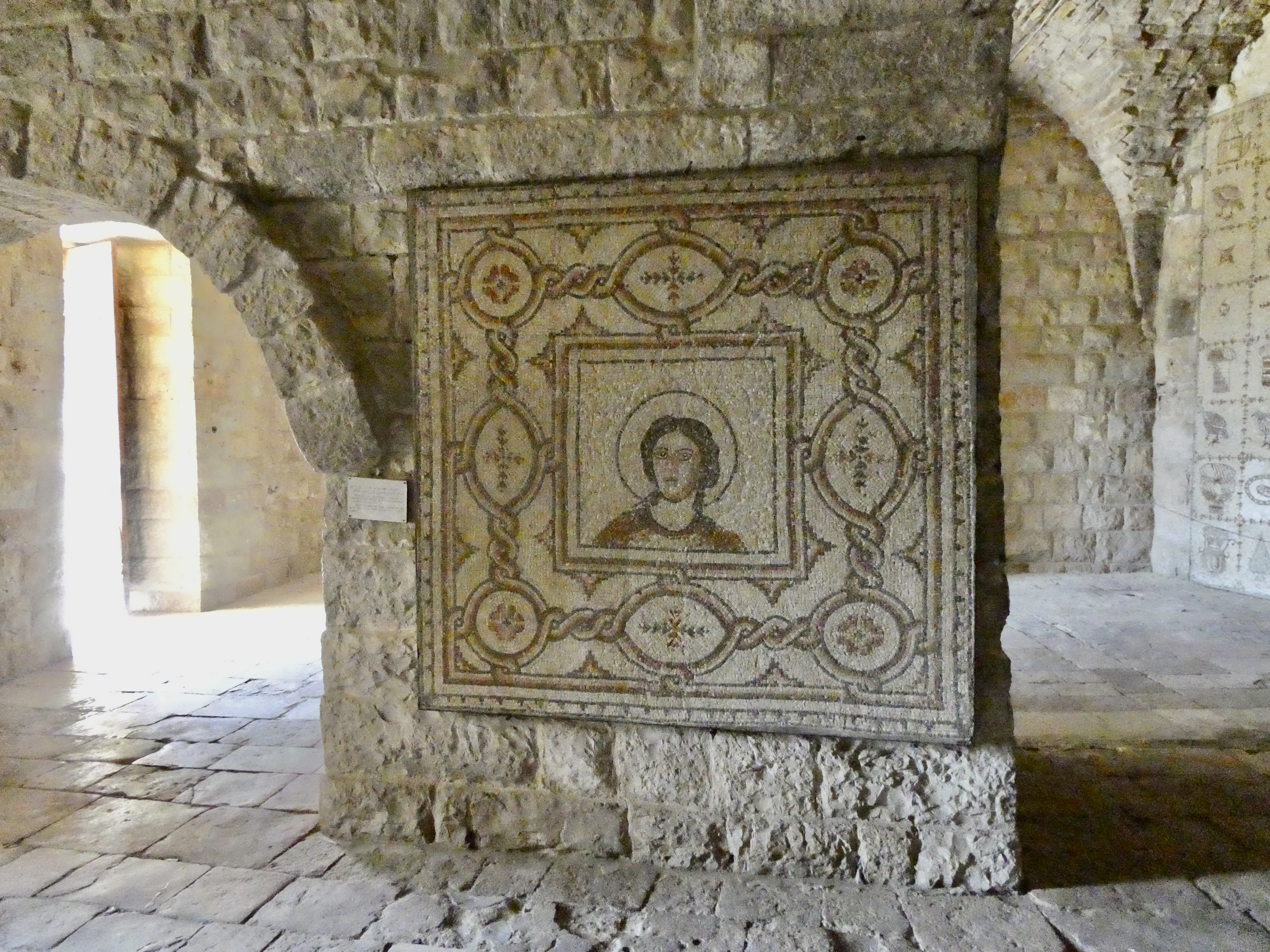
Once we exited the office, we wandered to the left side of the palace where, one floor down, was a lovely garden, which included a Byzantine mosaic from the coastal city of Jiyyeh.

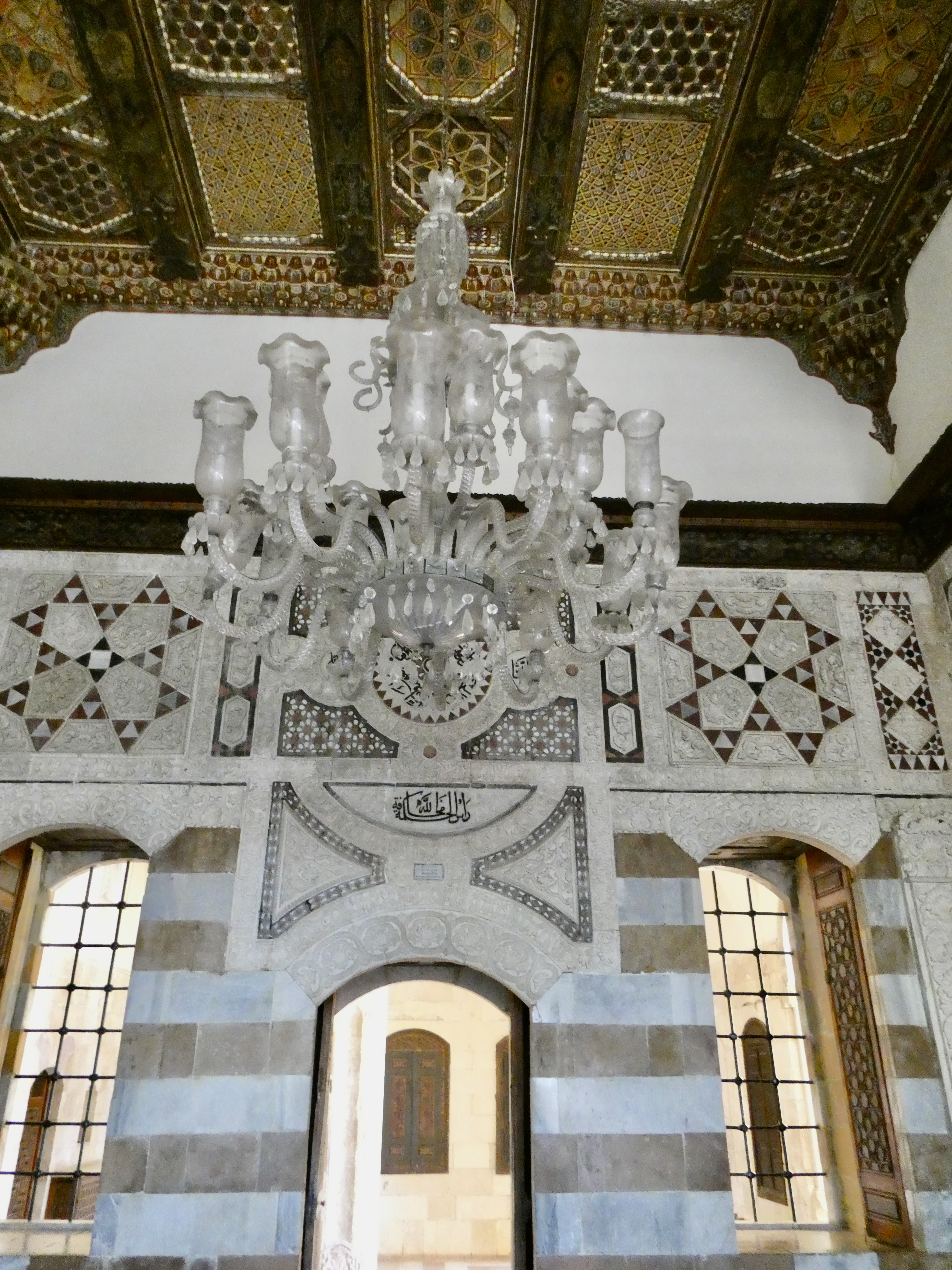
We walked along the garden wall and then up the stairs to the emir’s inner offices, which held a magnificent chandelier that had been gifted to the emir by Napoleon, making the chandelier several hundred years old. (Apparently when the French took over they modified the chandelier so that it was wired for electricity … don’t know if that is good or bad.)
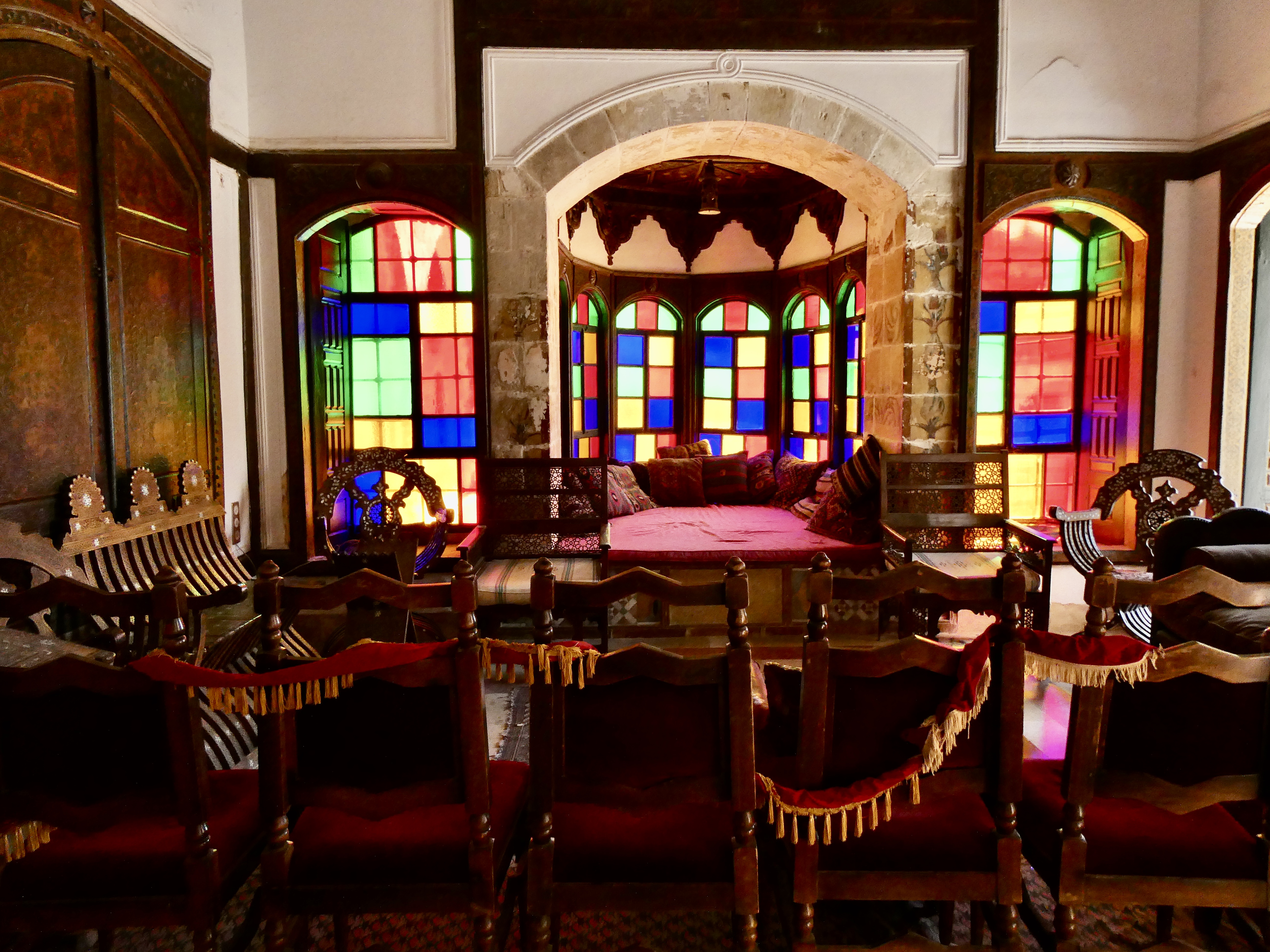
We walked into additional offices furnished with old Persian rugs, a piano and more couches (likely a waiting area) before moving to the other side of the palace to the harem’s quarters done in beautiful reds and pinks with a huge bay window that was something of a throne and included gorgeous stained glass.

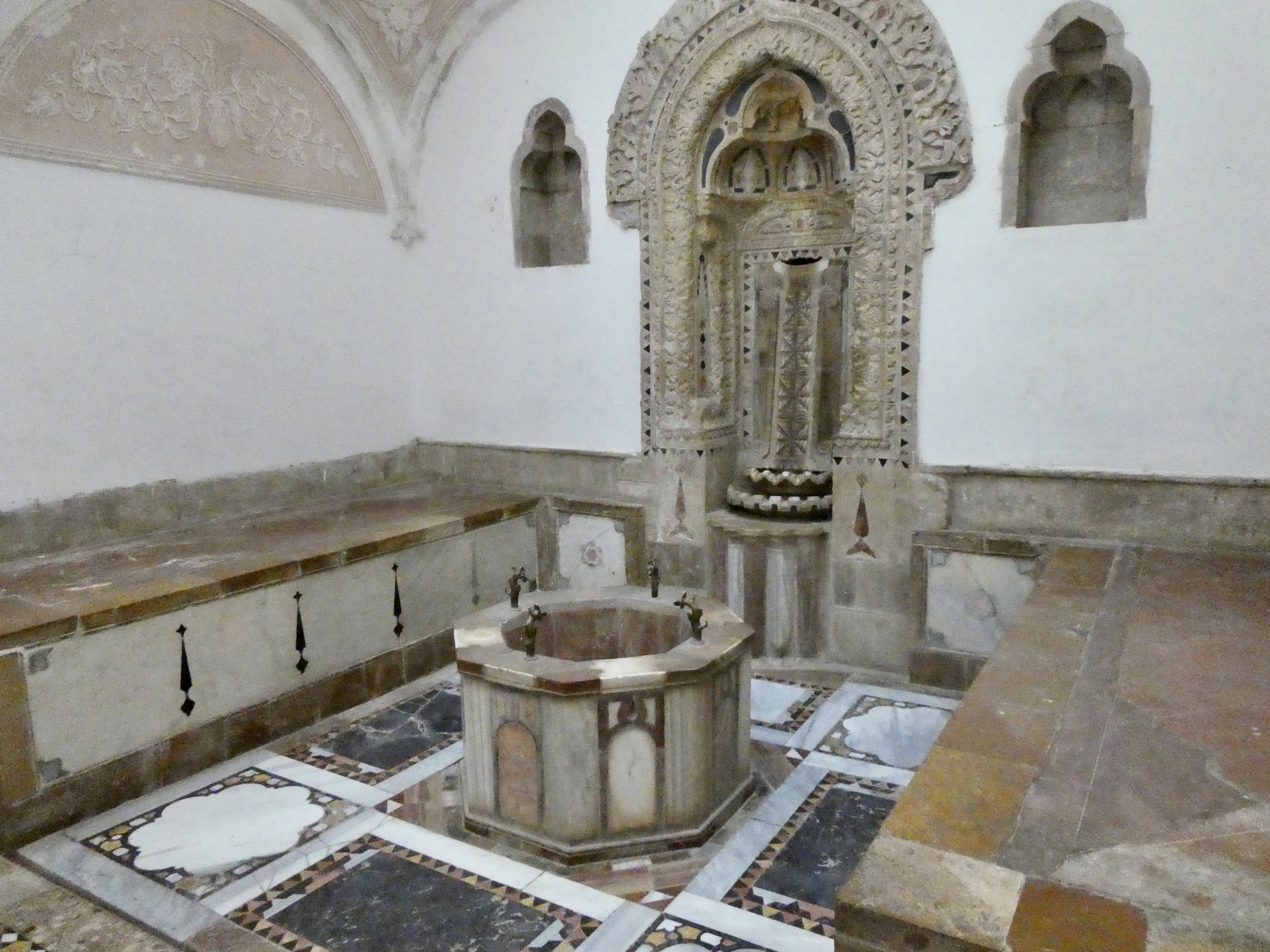
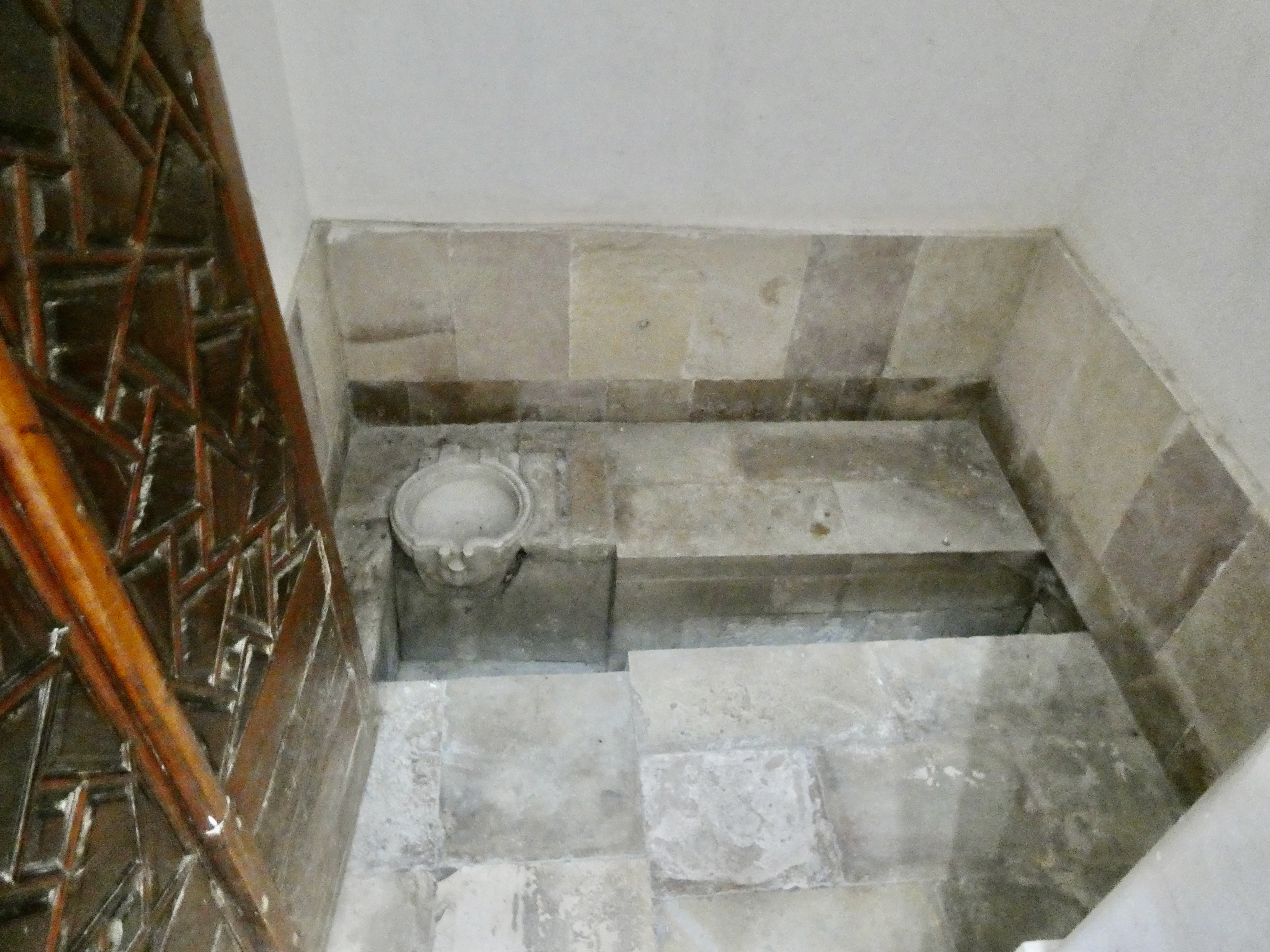

After the harem, we walked through the area that is the Lebanese president’s summer offices before walking downstairs past the mausoleum of the Emir Bashir II and his number 1 bride before wandering through my favourite part of the palace, the hammam aka spa. The hammam was designed along the Roman style (cold room, warm room and hot room) and was done is marble and exquisite carved designs. There was even the remnants of frescos on the ceiling of the cold room.
And this was obviously not a public hamman, but was for the exclusive use of the Emir and his family. Nevertheless, the hammam was huge taking up no less than four rooms, including an exclusive bath area for the Emir.
We then walked from the hammam through the former stable area that housed a numerous Byzantine mosaics, which had been moved from coastal cities to the palace. And how do you tell the difference between Byzantine mosaics and Roman mosaics? The size of the tiles are smaller for Byzantine mosaics.
Anyway, after walking through the stables and past the mosaics, we walked through the lower garden and back to the main entrance.
By now it was mid afternoon and we were all starving so Mahmoud suggested that we stop for Lebanese barbecue (grilled meats) before heading to our final destination, the Barouk Cedar Reserve.

We ended up stopping at a huge outdoor restaurant along a small river and before I knew it, I was being served a salad with pomegranate dressing, flatbread, a grilled tomato and grilled chicken along with a lovely cooling glass of lemonade. Perfect!
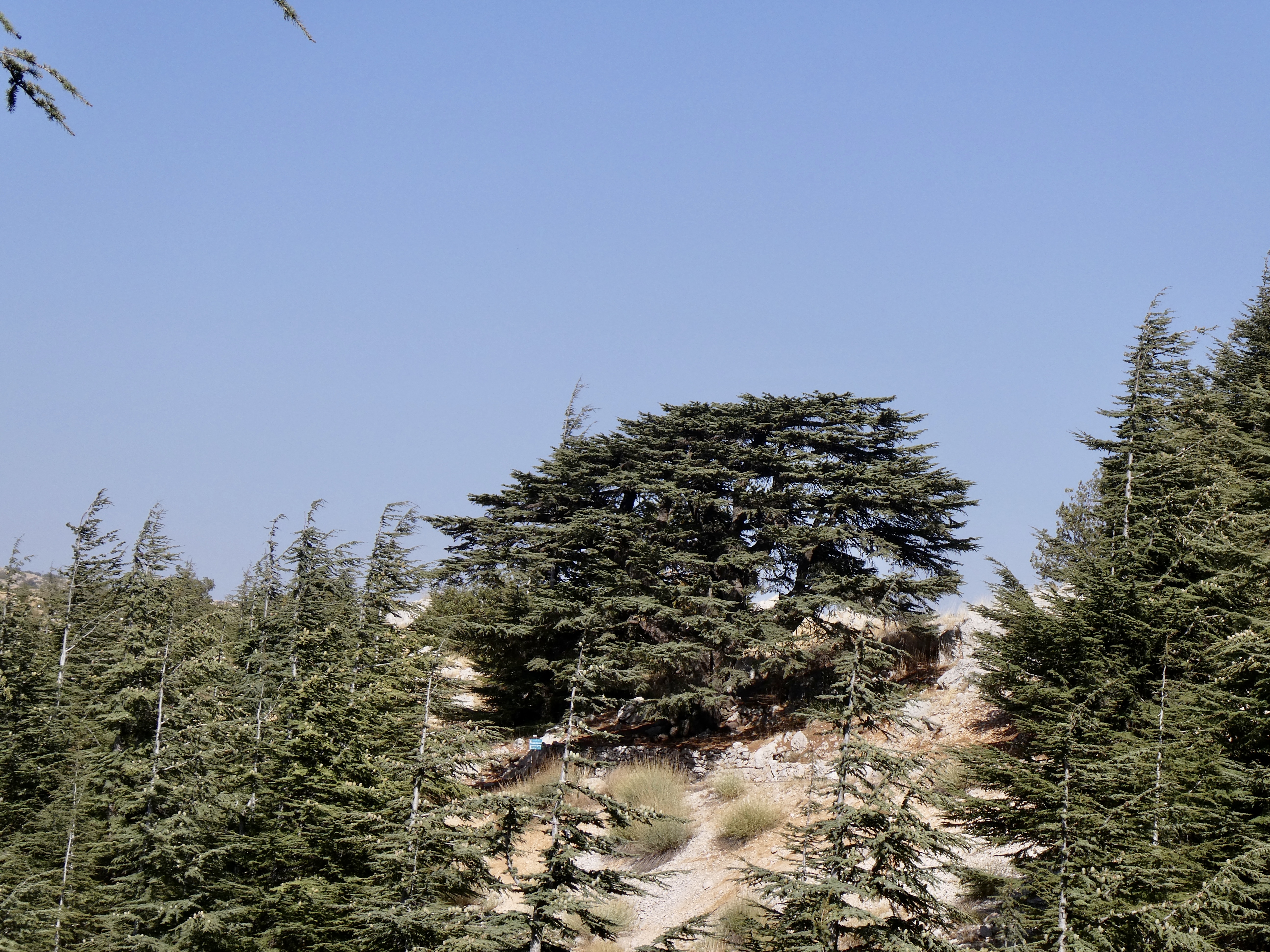
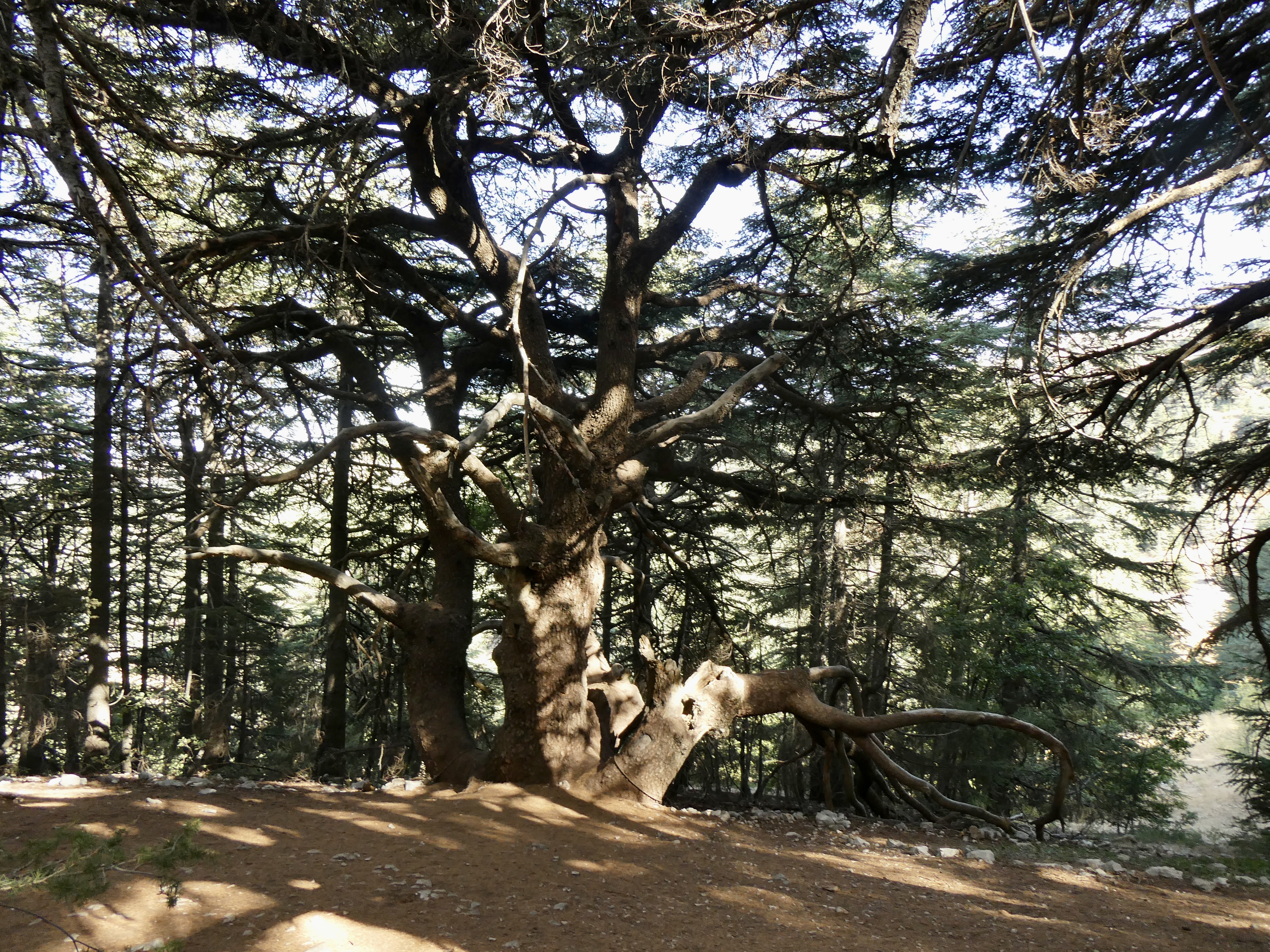

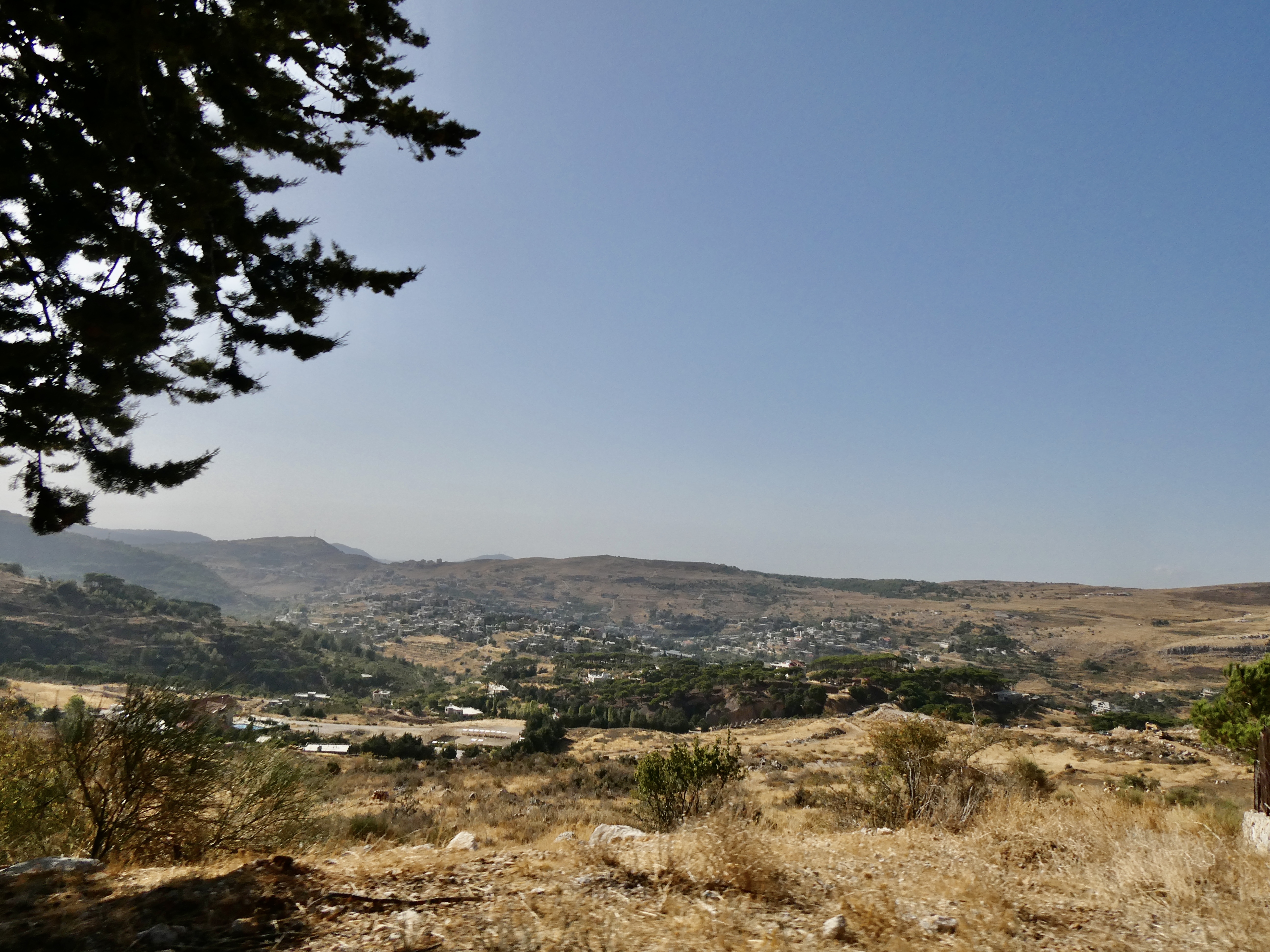
And after our late lunch, we drove up into the hills to the Barouk Cedar Reserve, home to over 20% of all the Lebanese cedar trees. And these cedar trees, while the same as the trees in the Cedar of God Reserve we had visited earlier in the week, were huge and looked a lot older. In fact one of the trees was used as the model for the Lebanese flag!
Mahmoud and I took a walk through the protected forest in the cool mountain air and I, quite frankly I could have spent hours there. It was beautiful, quiet, except for the occasional bird call, and incredibly peaceful. And not surprisingly, Mahmoud was a wealth of information about the cedar reserve including the fact that Roman Emperor Hadrian, of all people, banned the cutting and removal of cedar trees from Lebanon.
So after the lovely post lunch hike, we headed back to Beirut where I checked in to my new hotel, the Lost Hotel, smack dab in the middle of a loud and vibrant Gemayzeh neighborhood near the Beirut waterfront.
Tomorrow, we head south to the historic Phoenician cities of Sidon (See don) and Tyre and tours of Roman and Phoenician ruins and old souks.
