
So today was another good day for my beloved grandniece, Cora. She underwent surgery to be removed from the ECMO machine and came through with no signs of trauma. She is doing well and the doctors said that the transition off the ECMO couldn’t have gone better. Cora will remain sedated for the next 24 hours to allow her body to rest and begin the healing process. Next up is to tackle the fluid that remains on Cora’s lungs from the original bugger that started this nightmare (pneumonia). Continued good wishes, positive vibes, prayers and love are deeply appreciated. (And thank you all for your kind words in the comment section of my blog. It means the world to my family.)
Now today was another day in Sydney, but unlike the past three days, I had no real plans. So I decided to take Daniel’s advice (my tour guide on Tuesday) and do a walking tour of The Rocks and then take the Sydney Harbour Ferry over to Manly and it’s splendid beach area.
I ended up signing up for The Rocks Walking Tour, which runs the oldest walking tour in The Rocks and it turned out to be a pretty good tour. Anne, our tour guide, led us on a tour of the historical area and provided us with a really good history of the area as we walked the narrow alleys and streets.
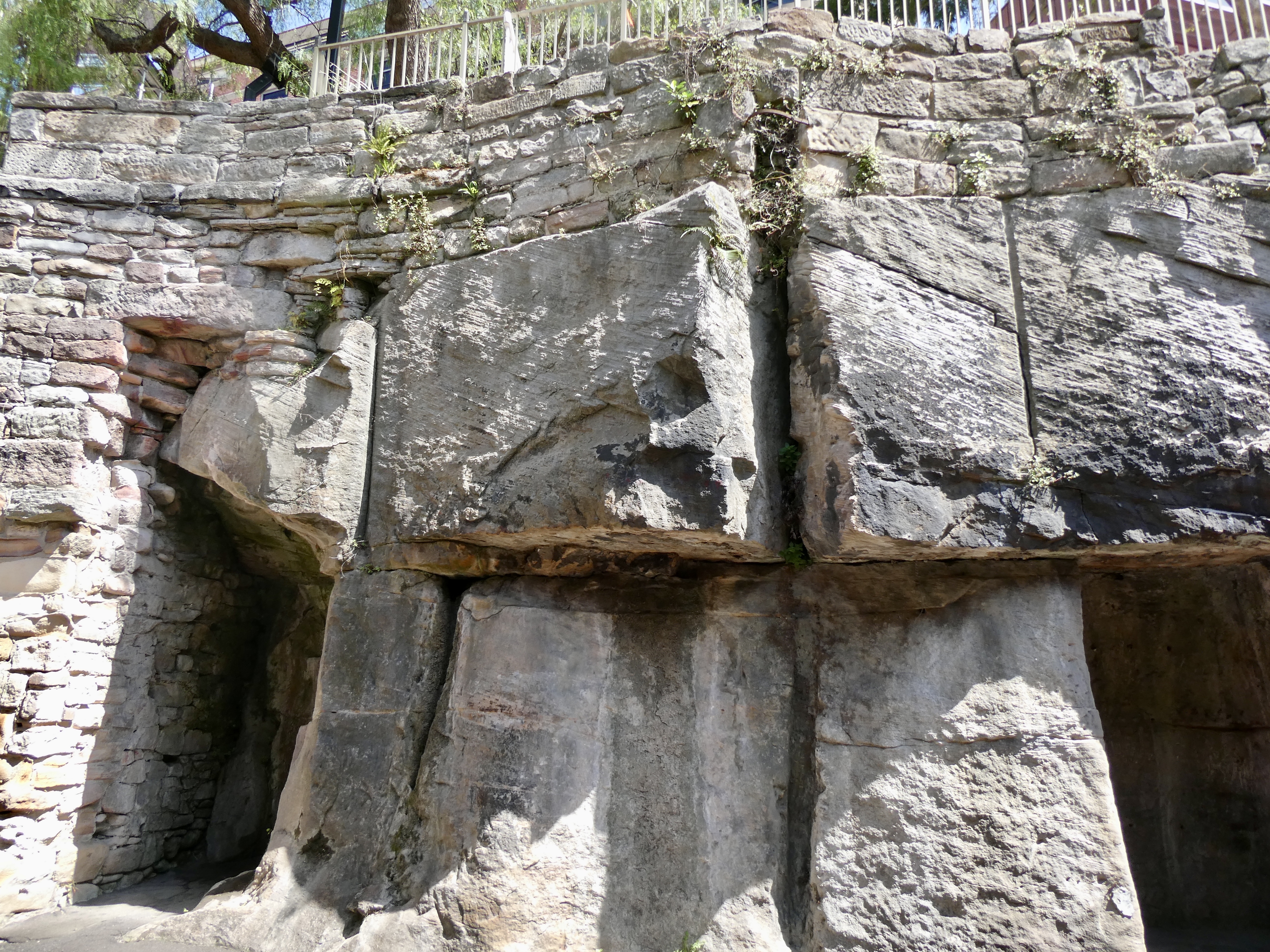
Now what is exactly is The Rocks you ask? Well the Rocks is basically “original Sydney” having been settled in 1788 when the first colonial fleet from England carrying 1200 people, including many convicts, arrived in the harbour.
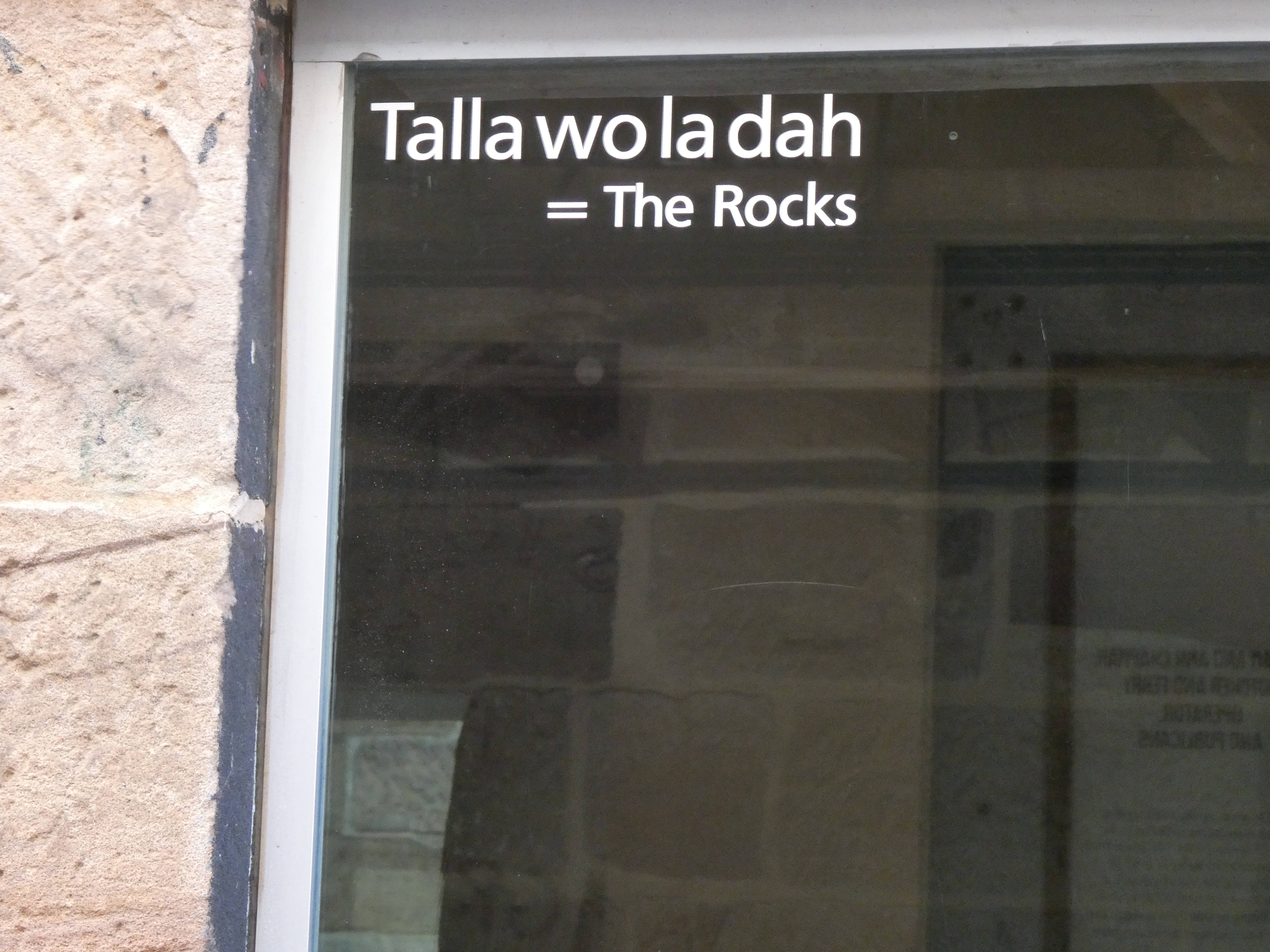
And where did the name The Rocks, come from? Well, when the fleet first arrived, the location was renamed The Rocks because of the prevalence of huge sandstone rocks that created a massive wall along the shoreline. (The original name given to the area by the local indigenous peoples was Tallawaoladah and there are signs everywhere acknowledging this historic name.). Homes were constructed by convicts for the convicts, in addition to bars and shops, all of which were built on top of the sandstone rock walls. The Rocks became a rough and tumble area inhabited mostly by convicts and visited by sailors and prostitutes (while officers and other professionals lived further away.
Now the interesting thing about the convict settlers is that the convicts sent to settle the area were sentenced to perform unpaid jobs for the duration of their sentence and could return to England, but the majority ended up staying. And the interesting part of their sentence is that they were given homes and food and treated well as long as they performed the assigned work. Some folks were laborers, while others, were professionals like architects, nurses and doctors all of whose had been convicted of petty crimes back home.
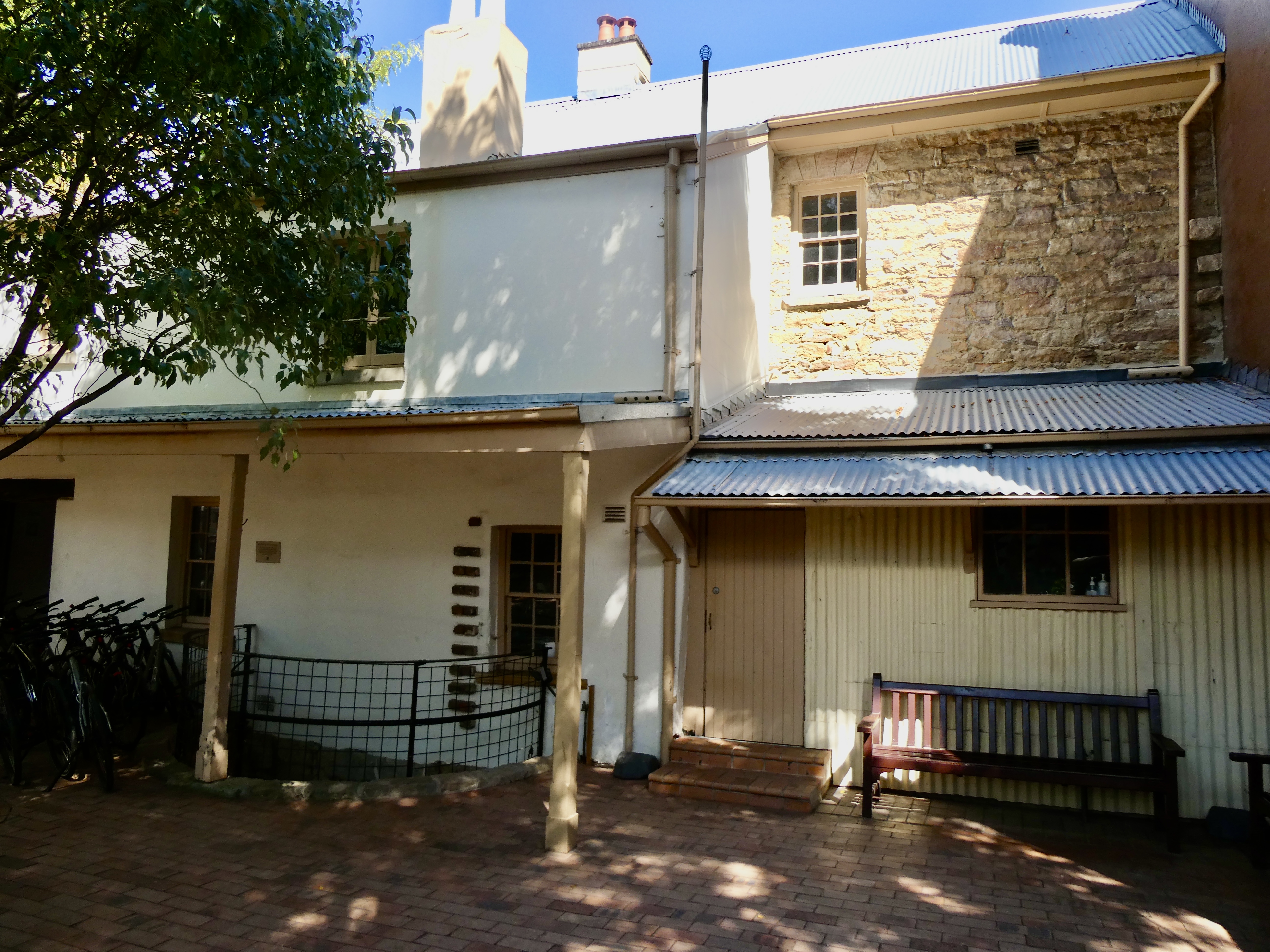
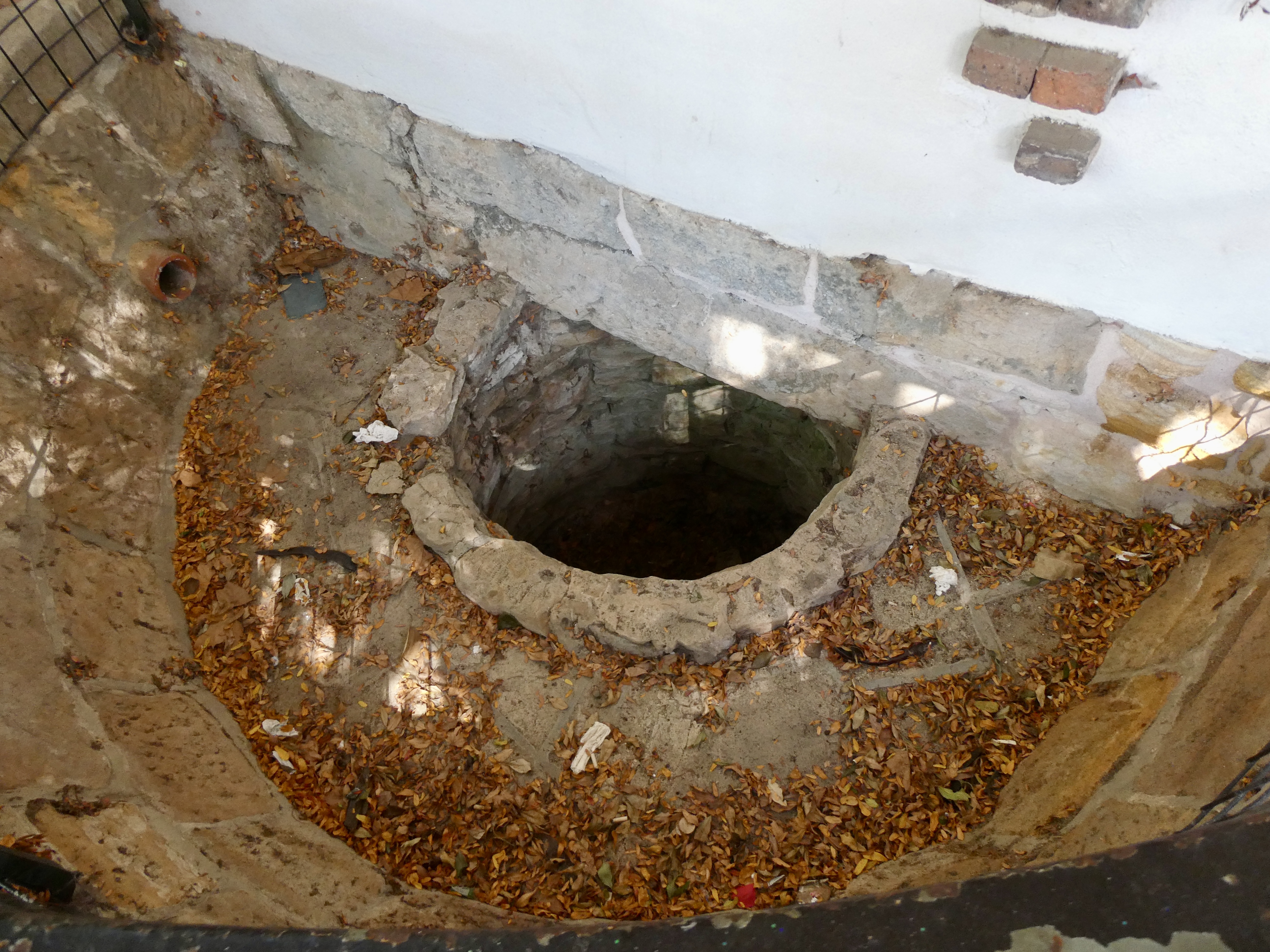
Today there are only three homes sites that remain, which were built out of sandstone by convicts. The first we visited was Reynolds Cottages, built between 1823 and 1829 and purchased by William Reynolds in 1830 as a building for working class residences. And interestingly enough, the offices of the Rocks Walking Tour occupy this building now, which still includes the old well that was used by locals way back when.
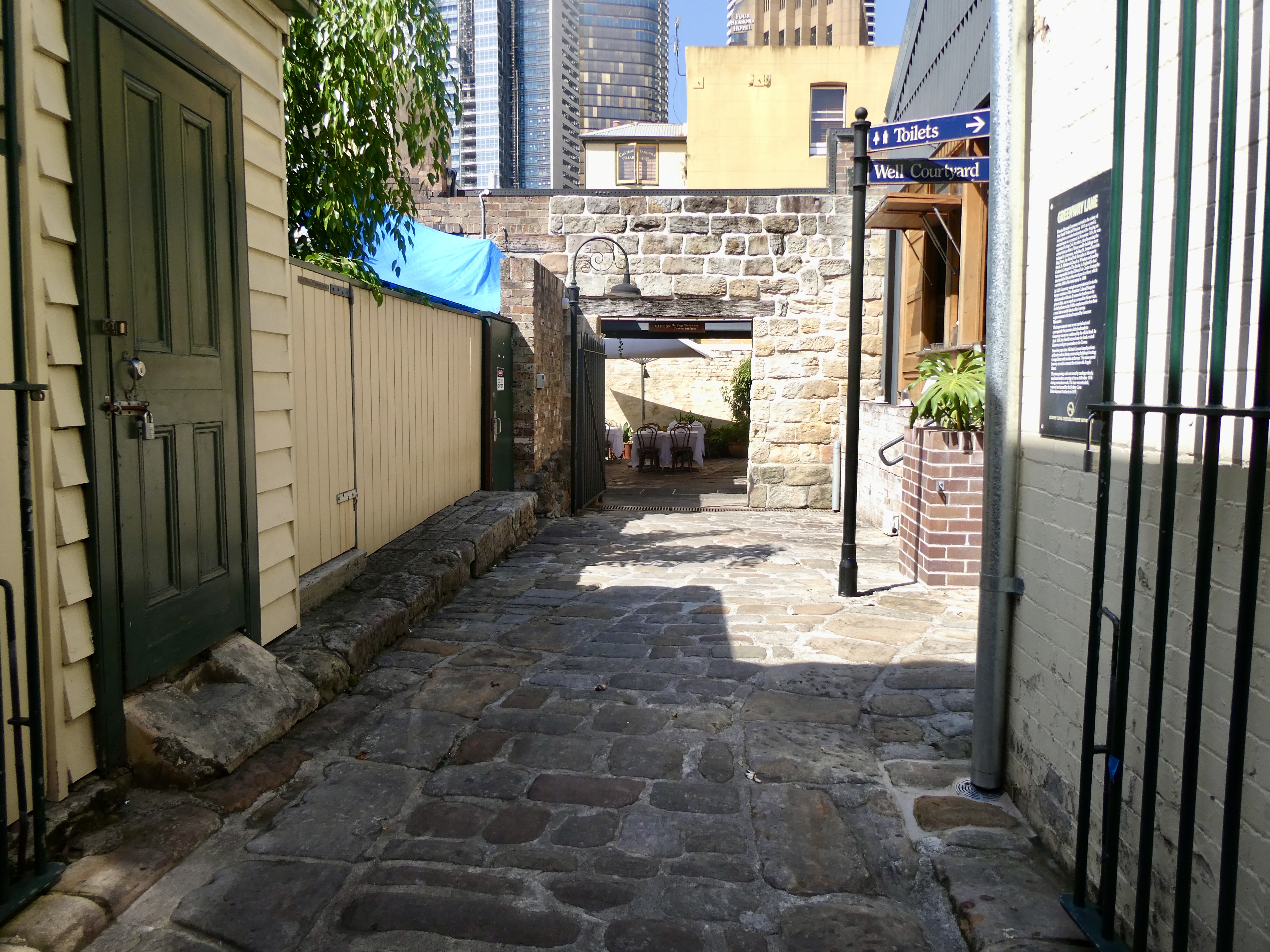
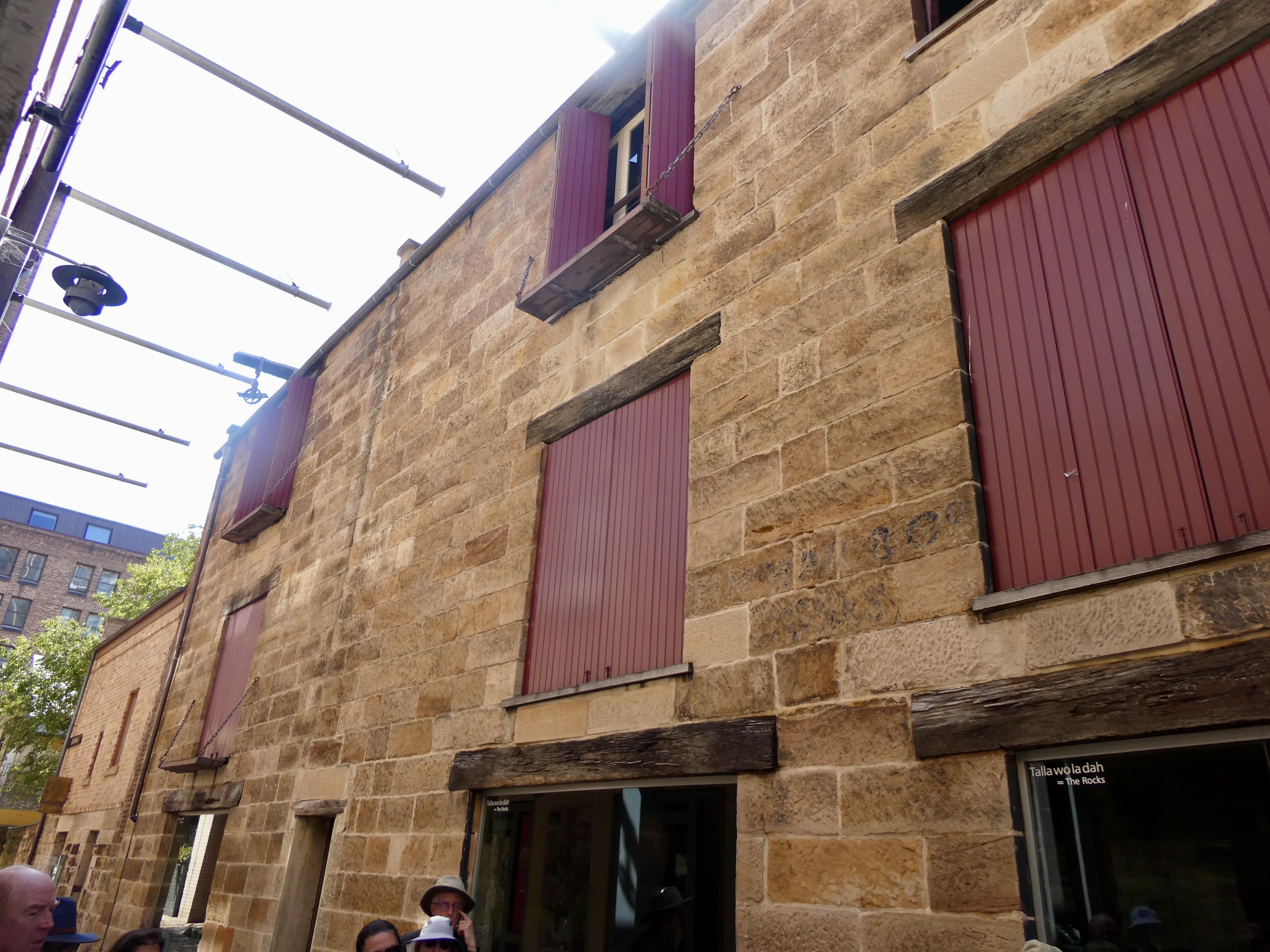
We ended up walking from Reynolds Cottages down a series of alleys, including a street called the Suez Canal, which make up some of The Rocks area. And as we walked, Anne talked about the various characters who were the original settlers of the area. We heard about a nurse who spent 7 years here laboring in the local hospital before returning to England, and Anne and William Chapman who had each been sentenced to 7 years with William becoming a butcher and Anne become an entrepreneur who started her own ferry business and became exceedingly wealthy.


We passed old buildings that were at one time store houses for grains and produce and are now used as homes and even saw an old stone fireplace/cooking area that is now part of a local bar. And as we approached the harbor we saw the second surviving sandstone home built by convicts known as Cadman’s Cottage, which was a former water police station and later sailor’s home. It looked to be in darn good shape.
Now in 1900, the bubonic plague hit the area, and the local government destroyed many of the old sandstone slum homes and businesses in an effort to eliminate the rats that were spreading the disease.
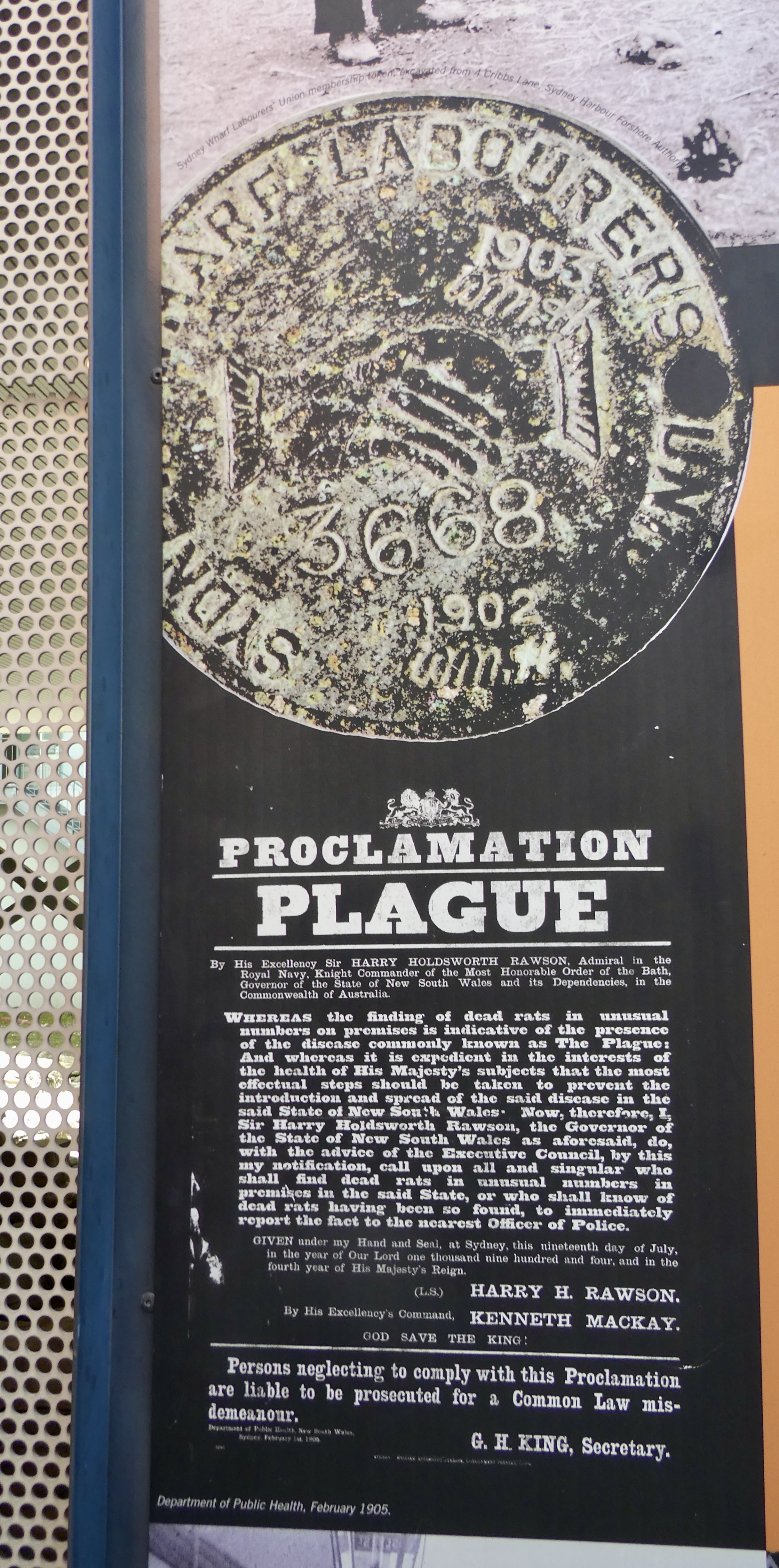
This started the change from the rough and tumble nature of The Rocks to a more gentrified area. Then when planning for the Sydney Harbour Bridge (which is nearby) began, many other old homes and shops in the area were demolished to make way for the bridge construction.
In the early 1970s the government wanted to redevelop the entire area into high rises, but union protests (mostly by trade unions whose men occupied homes in the area) led to the preservation of a large portion of The Rocks. And today, the area is a thriving entertainment destination with bars, restaurants, shops and markets.
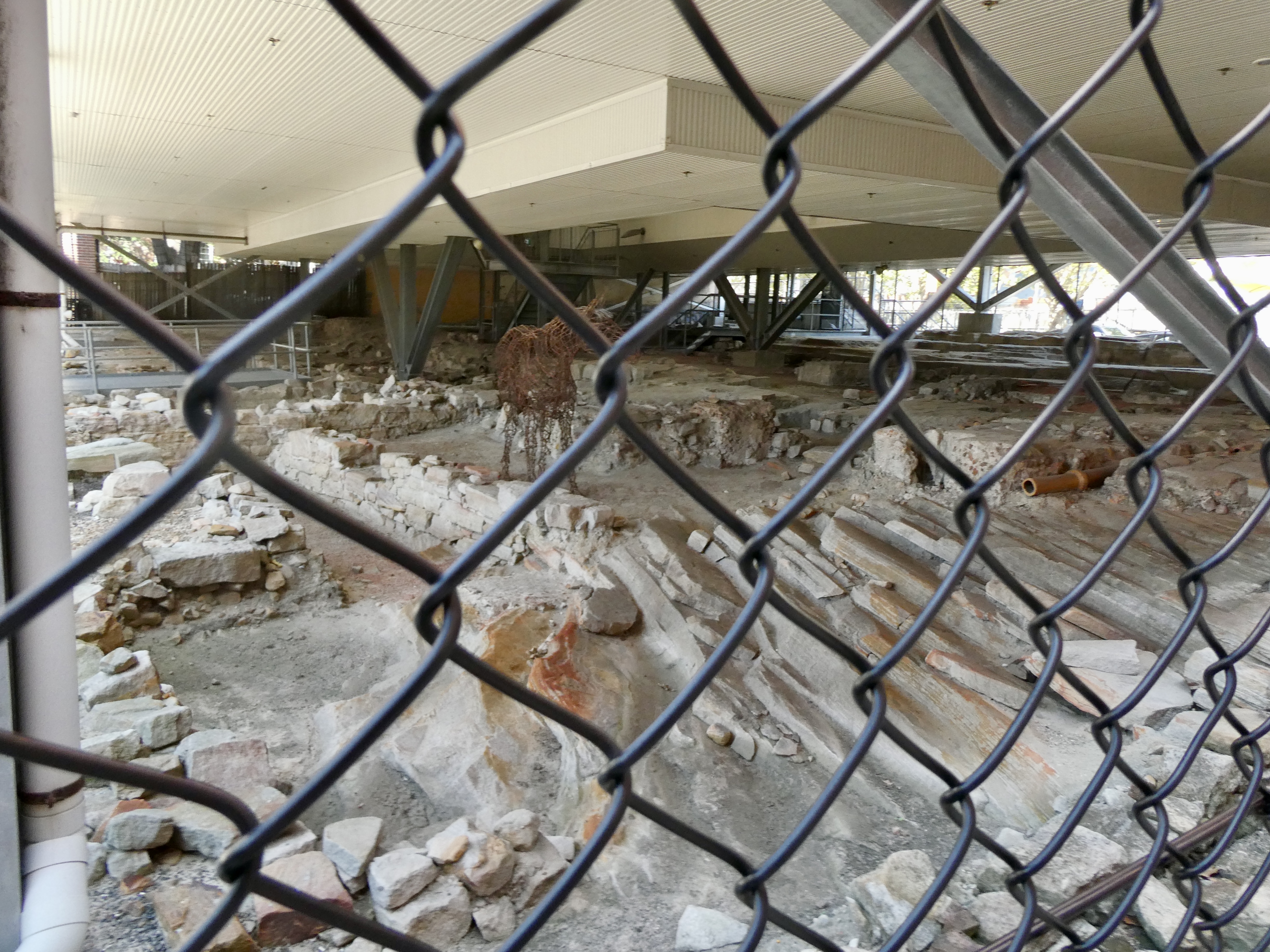
Our last stop on The Rocks tour was a visit to what is called The Big Dig, where archeologists are uncovering the remains of old homes and historical artifacts like jewelry and pots among other items from the original settlers in the area. We ended up walking through one of the digs and it was really fascinating.
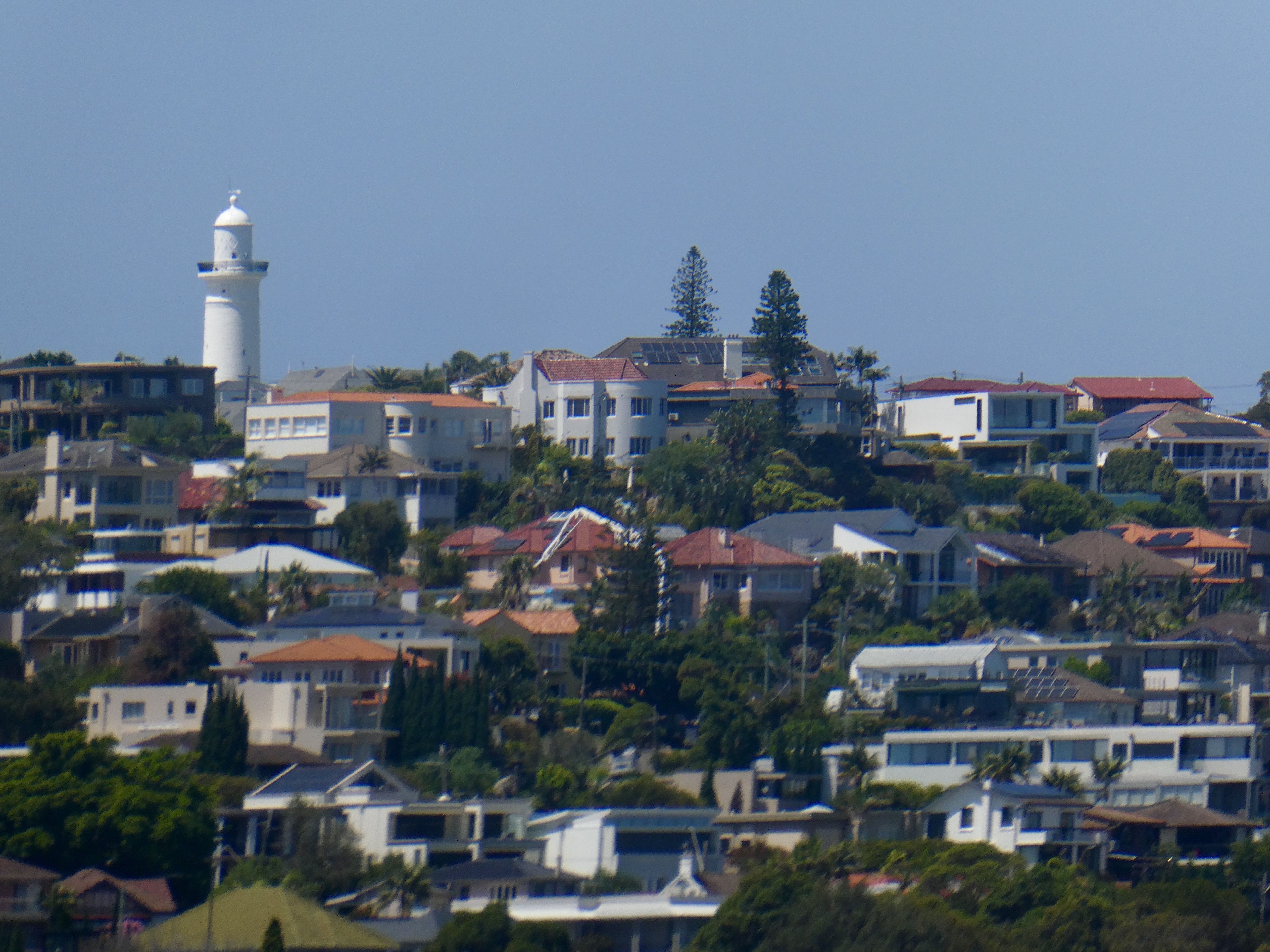
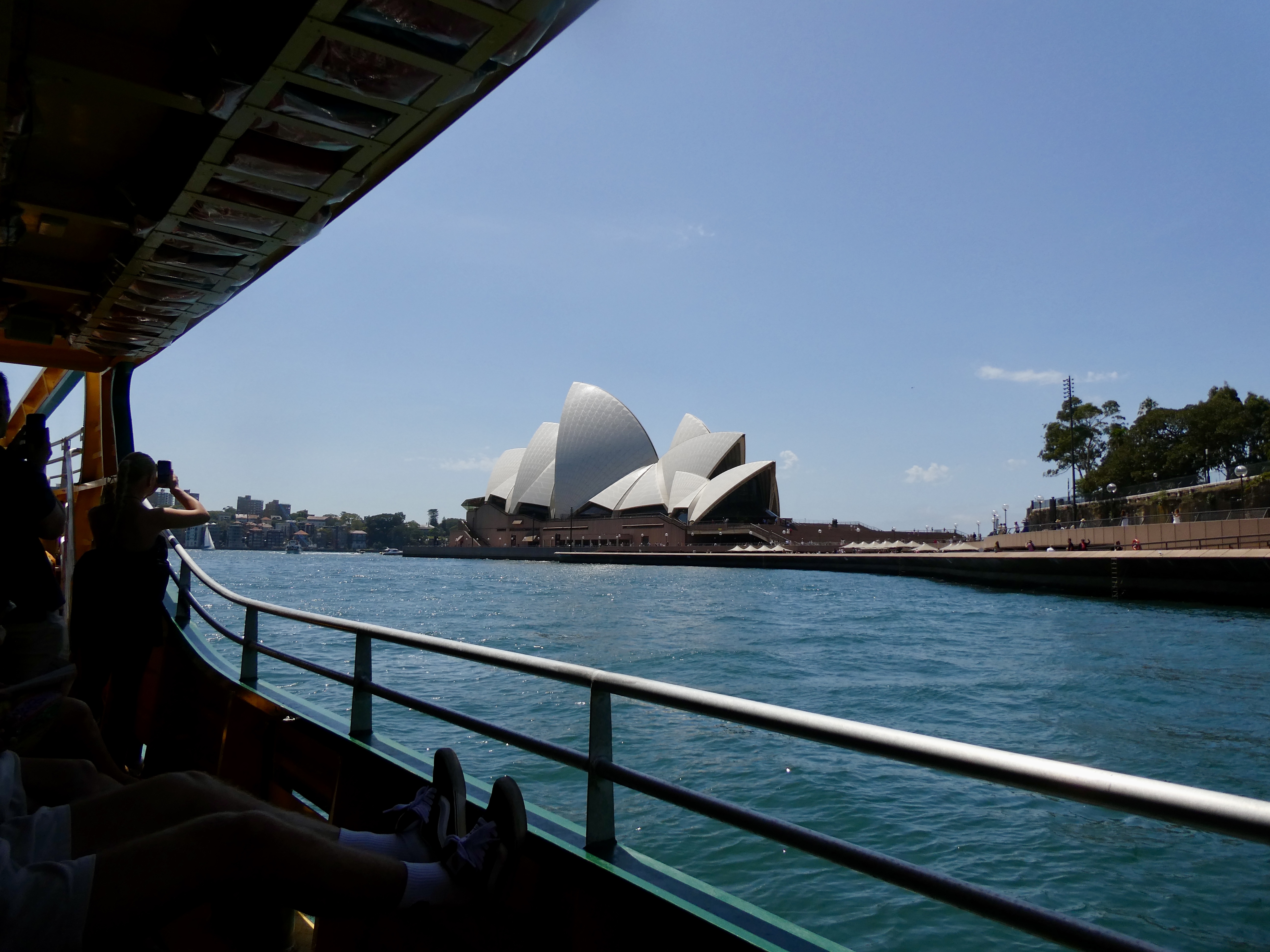
So after the tour came to an end, I walked down a couple flights of stairs and down the street to Circular Quay (pronounced “key”) and hopped on the Manly ferry. The trip was a quick 25 minutes as we passed the Opera House, the Harbour Bridge, Mrs. Macquarie’s Point, Fort Denison, the Gap and even caught a glimpse of Macquarie lighthouse (all sites I had seen on my tour with Daniel on Tuesday, but it was really cool to see the same sites from the water.)
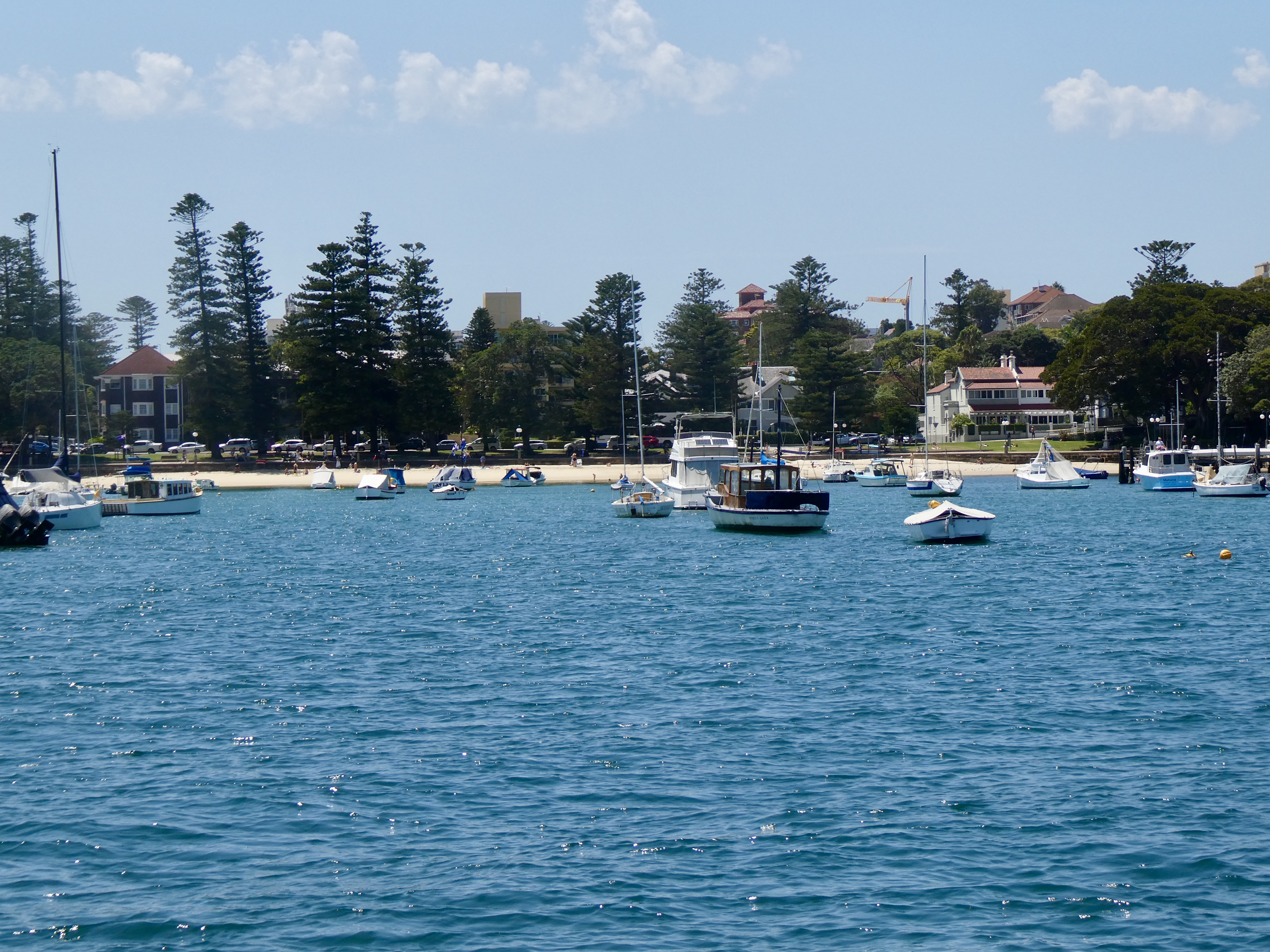
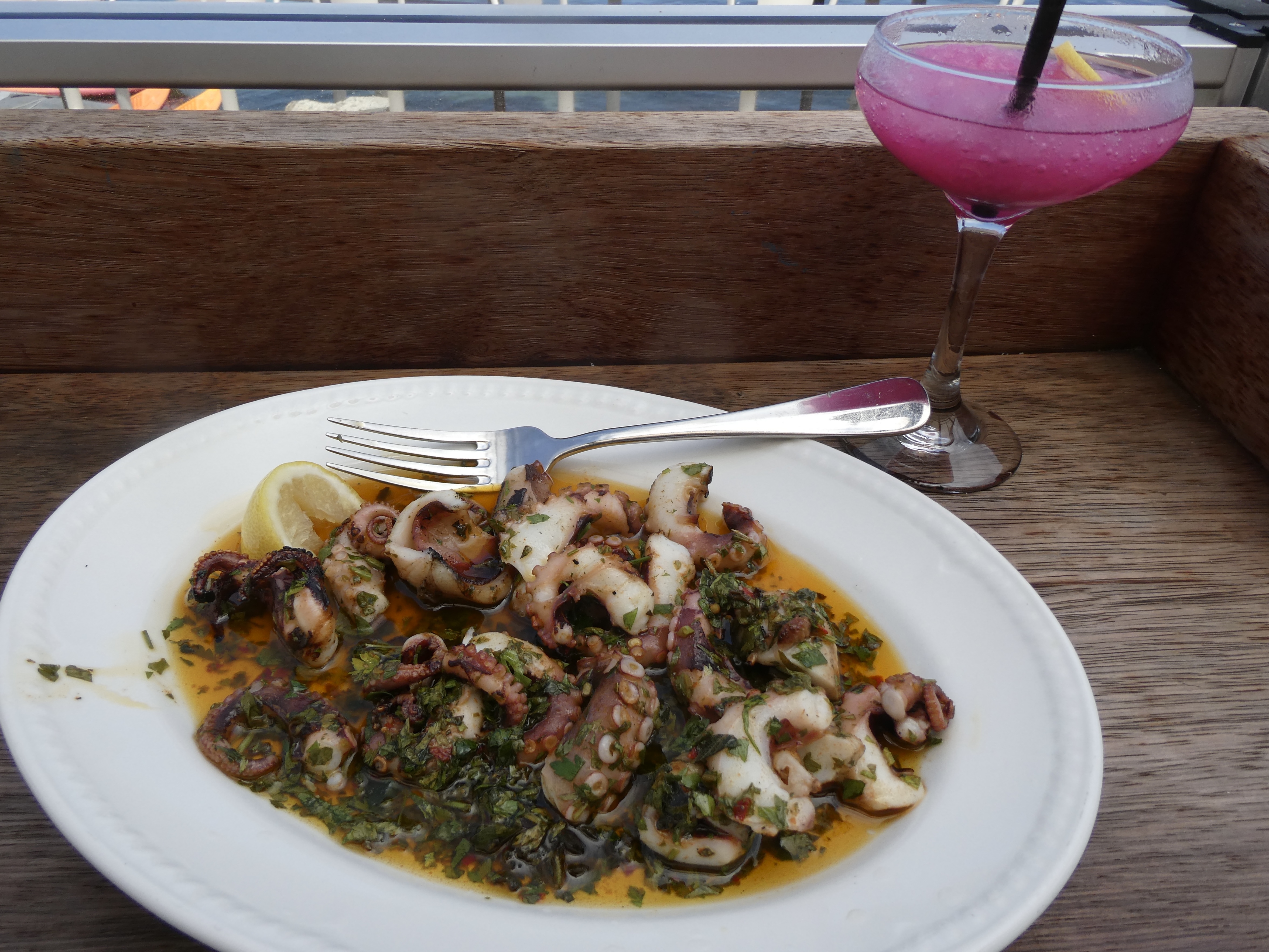
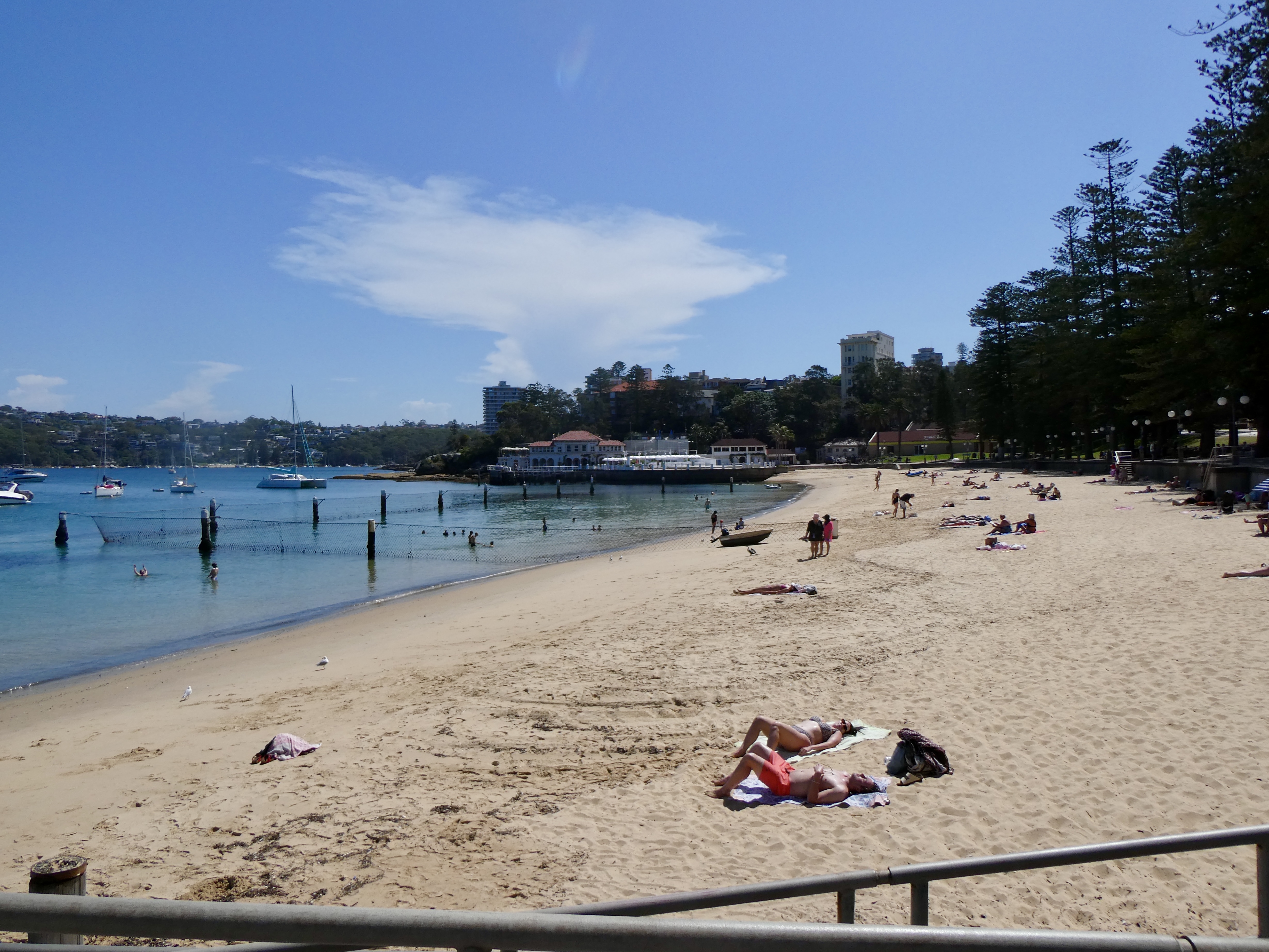
Once we pulled into the Manly Wharf, I found a cool waterfront restaurant, Felons Brewing Company, pulled up a chair on the outside deck and ordered some lunch (grilled octopus with a beverage) and waited for word from my sister on Cora’s surgery.
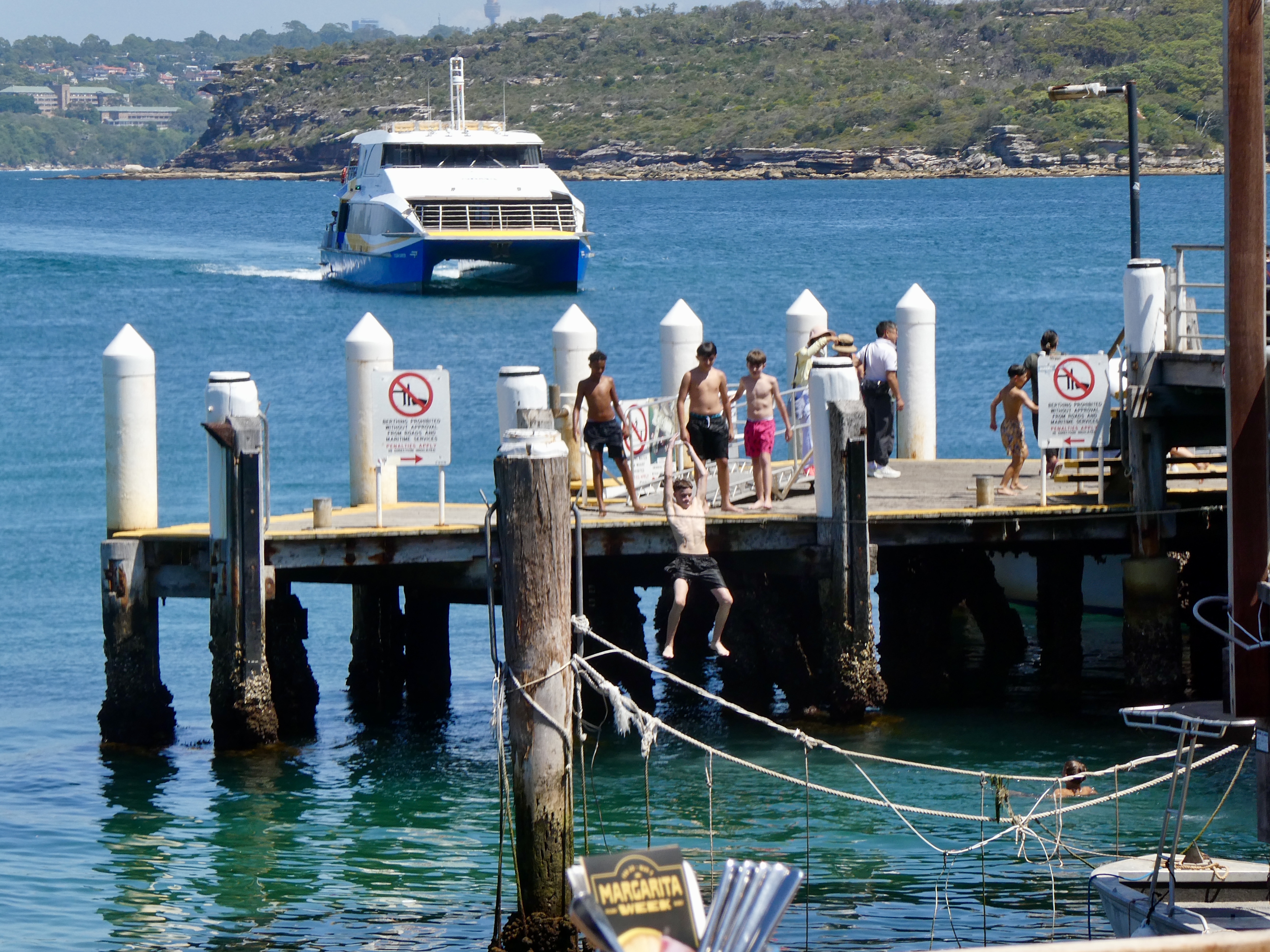
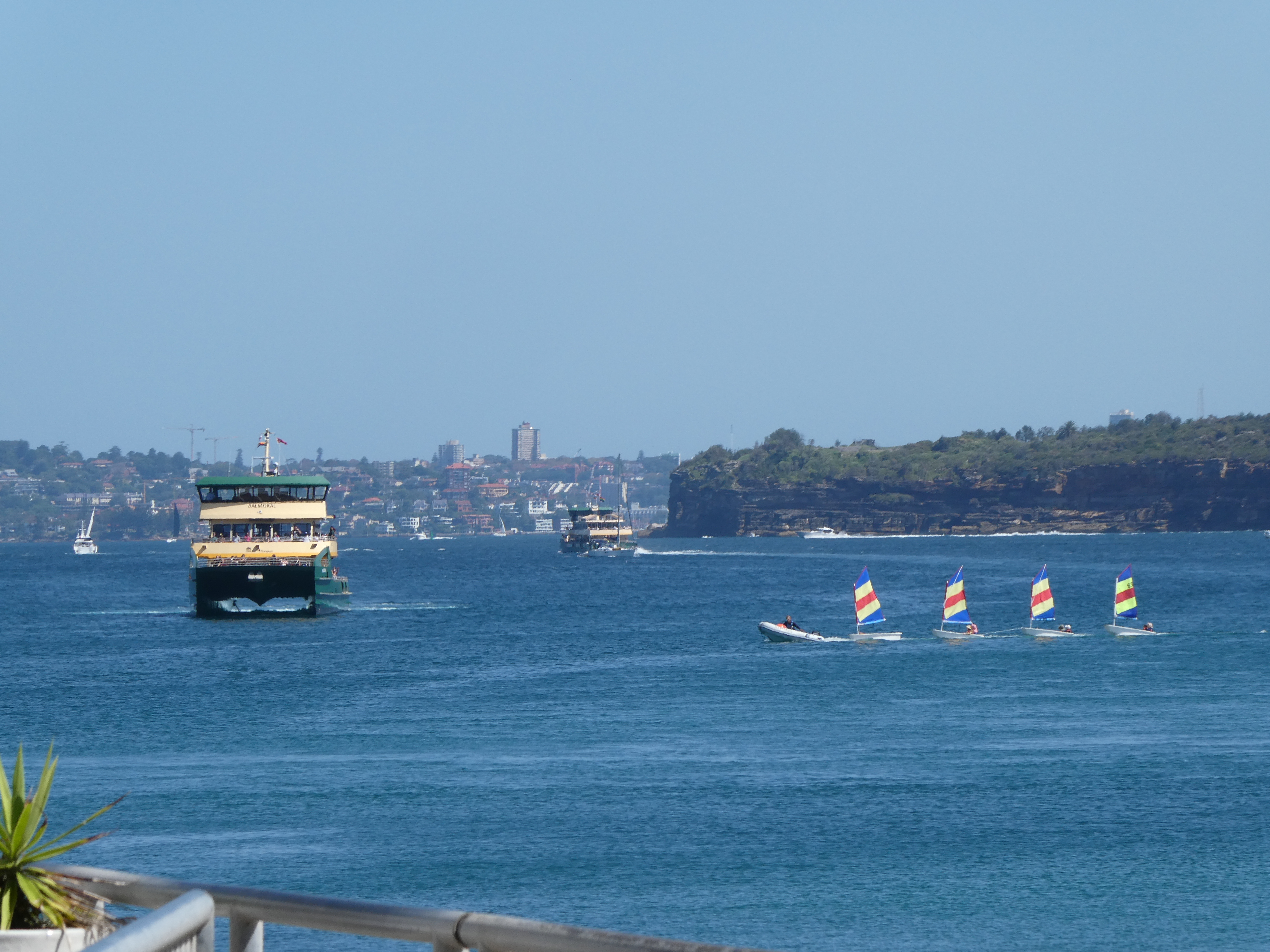
As I waited, I watched folks kayaking, sailing and paddle boarding around the area. However, the highlight was watching a group of youngish boys (early teens) jumping off the wharf. Each one trying to outdo the other. It was highly entertaining.
Anyway, once the good news came about Cora, I could relax a bit and ended up going for a stroll across the street, along the pedestrian promenade to Manly Beach. There were tons of surfers, joggers, sunbathers and the odd swimmer. (And oh yea, I stopped in a little shop and found a Christmas ornament!)

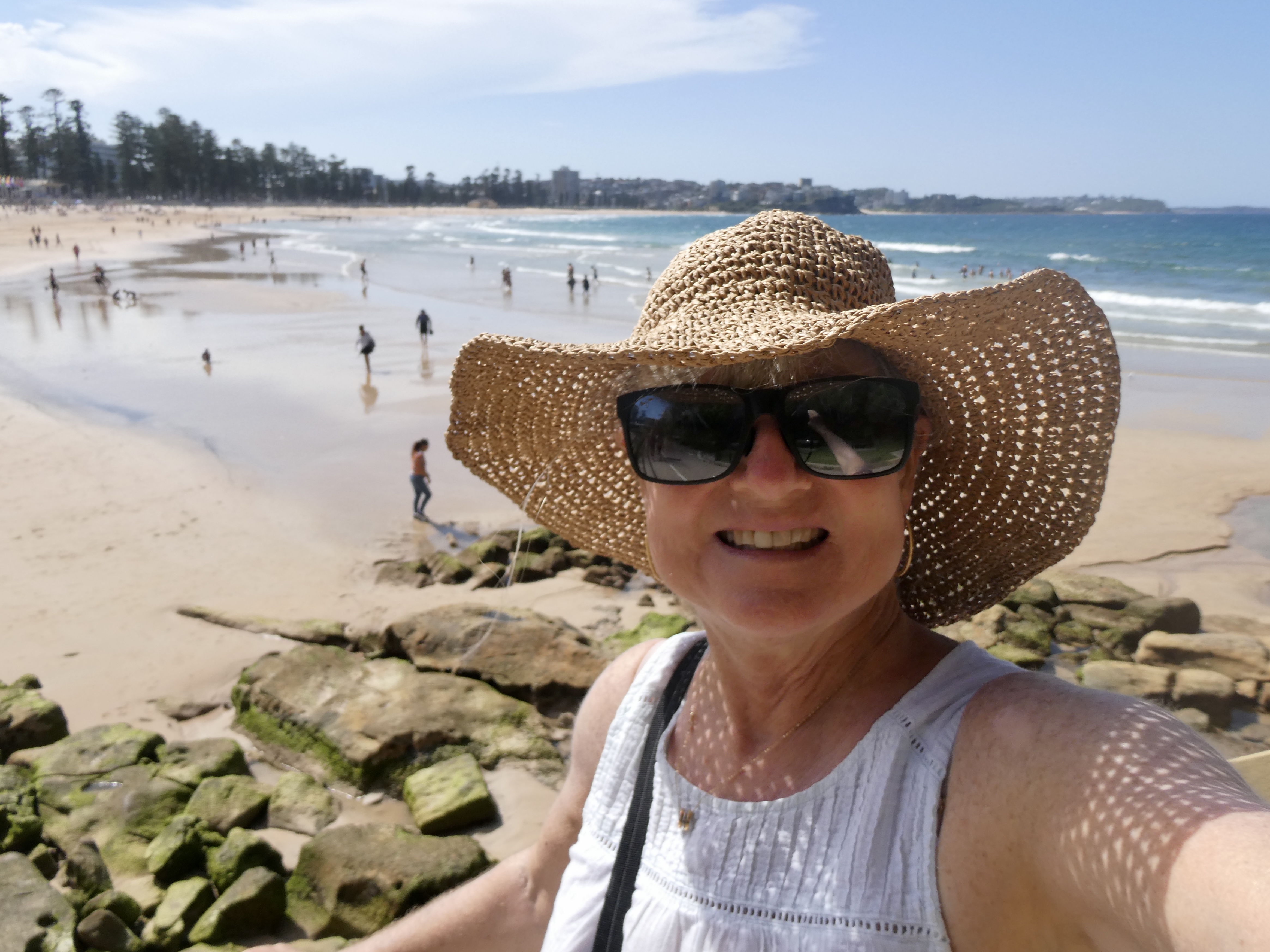
I ended up walking along the beach and then up a small hill to what appeared to be a walking path. Once there, I just kind of took in the glorious scenery, watched the surfers and noticed a lack of swimmers. Apparently, some of the beaches experience pretty strong rip currents and there were warning signs everywhere about swimming, so I guess folks were paying attention.

Now one other thing I noticed is that Manly Beach appeared to be occupied by a lot more locals than I had seen at Bondi Beach. Oh sure, there were a few tourists, but it seemed like I heard far, far more Aussie accents than I had heard at Bondi (or maybe it was just that it was a perfect beach day and the locals were out in force).
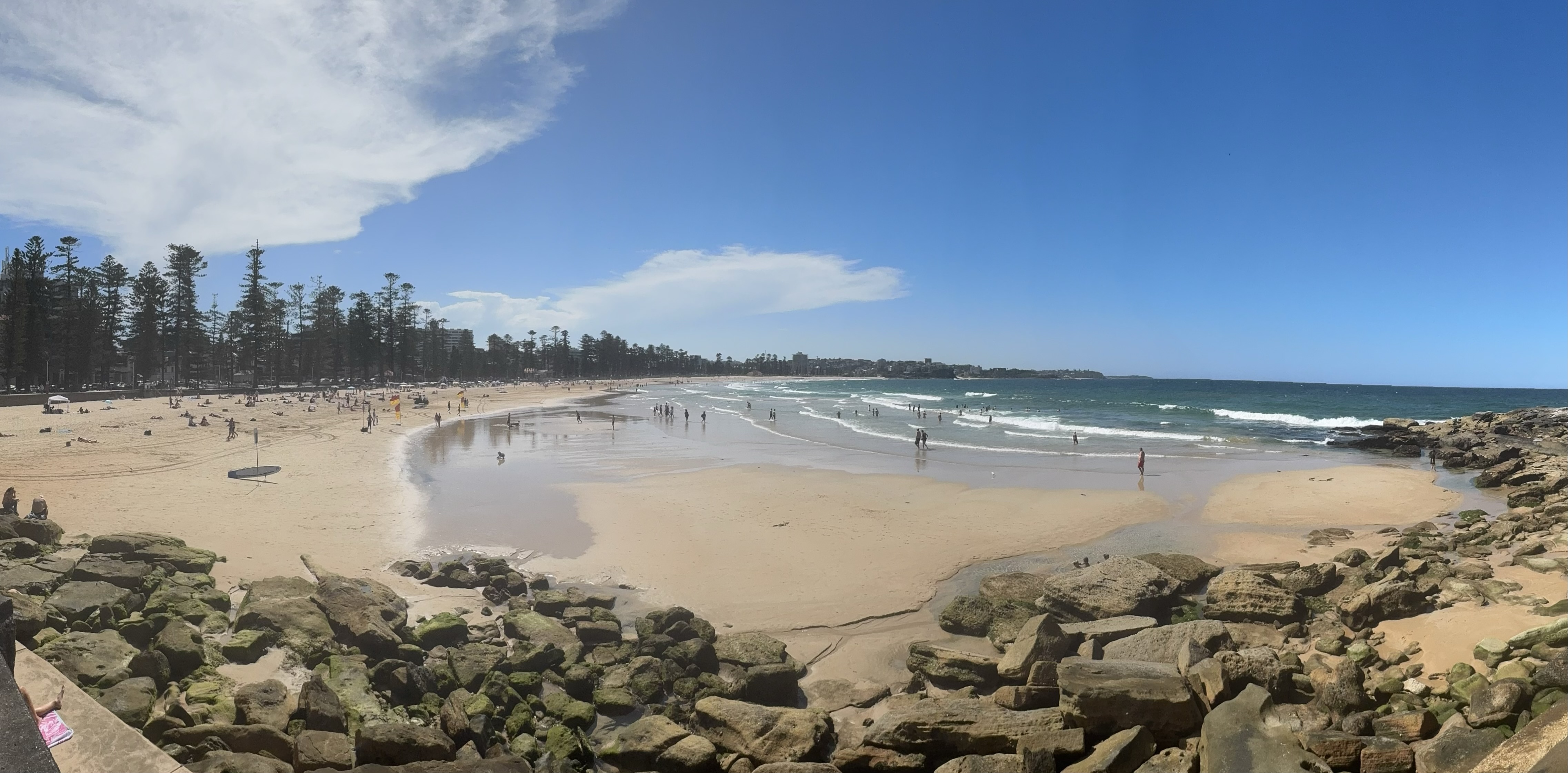


Anyway, after soaking up the atmosphere, I wandered back to the promenade, passed a number of bars that appeared to also be sports betting sites and reached the Manly Wharf by 4:00. I stopped for a quick ice cream cone, passion fruit sorbet, before jumping back on the ferry, which took me back to Circular Quay. From here, I hopped on the train one stop to my hotel (far quicker than than the walking) and was back at my hotel by 4:45.
Tomorrow, I am off for a tour of the Sydney Opera House and then have a four hour cruise around Sydney with a lunch stop at some yacht club. Max of 10 people on the boat so am really looking forward to the tour.

Cheering for Cora and her family! Thank you for these wonderful travel reports.
Thanks so much John. Your kind words are deeply appreciated.
Thanks so much John. Cora just went home yesterday. She has a lot of rehab and recovery, but they believe she will be better off at home. (She was so excited to get home and see her cats and dog. The doctors have said that Cora is truly a walking miracle.)