So I am back to travelling. This time I am off to Europe and Africa. First stop (after a brief stay in London) is the Channel Islands. I arrived in St. Peter Port, the capital of Guernsey after a one plus hour flight from London. Guernsey is the largest of the Channel Islands and is a self governing British crown dependency meaning it has its own government and laws, but must still obtain the crown’s consent for primary legislation.
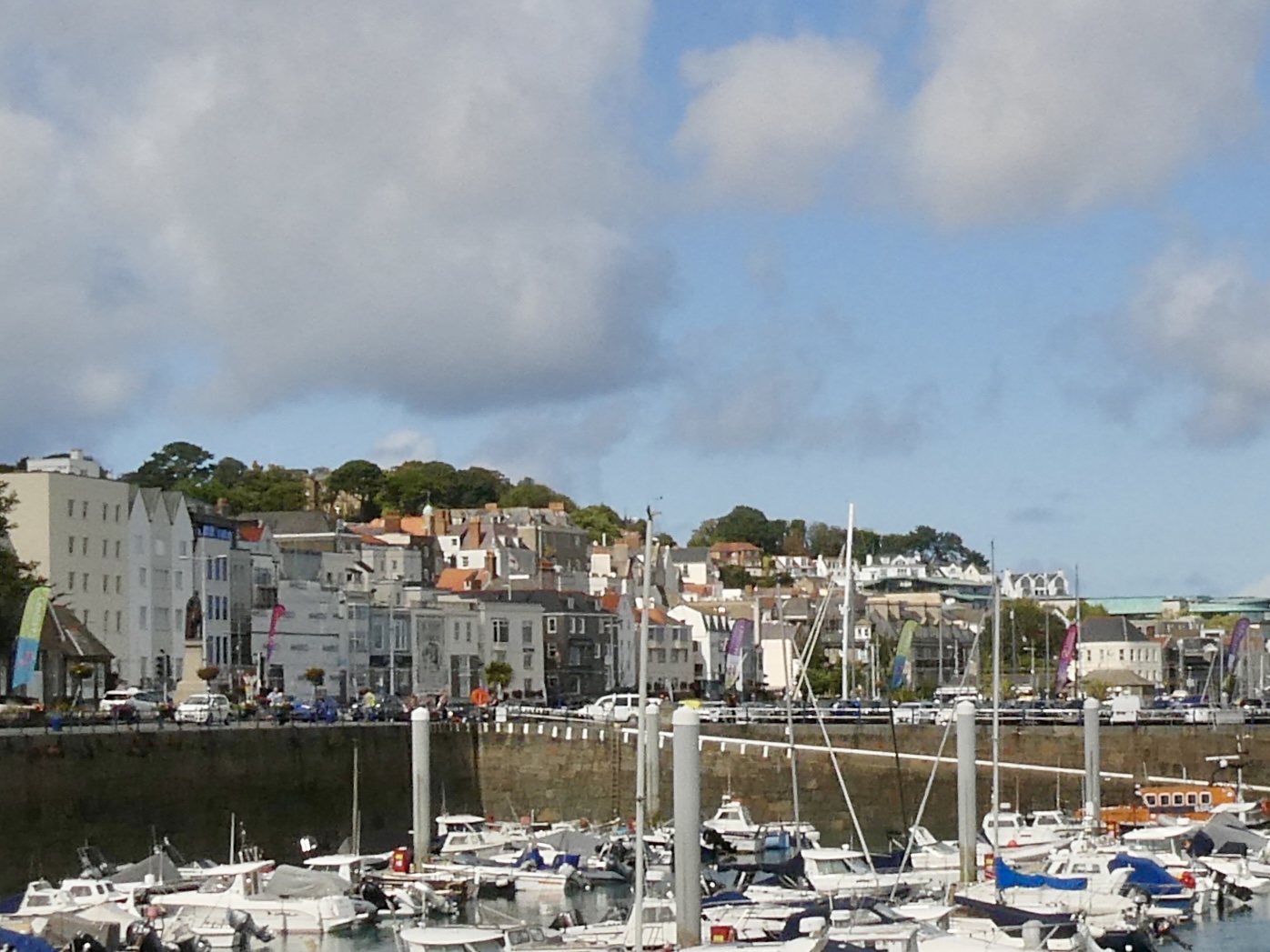
Guernsey is located about 30 miles from Normandy, France and was one of the Channel Islands occupied by the Nazis for 5 years during WW II. As a result, the island is riddled with underground bunkers that were built by the Germans for everything from hospitals to storage facilities. Today many of the bunkers have been converted into museums.
St. Peter Port was at one time known for its tourism, but today, it is best known as a tax haven for the uber wealthy. And this was really evident when I flew in and caught views of some of the unbelievable waterfront homes.
Besides the wealth of this small island, Guernsey is also known for its stunning landscape, gorgeous views over the harbour and Castle Cornet, which is over 800 years old and stands like a sentry at the entrance to the St. Peter Port harbour.
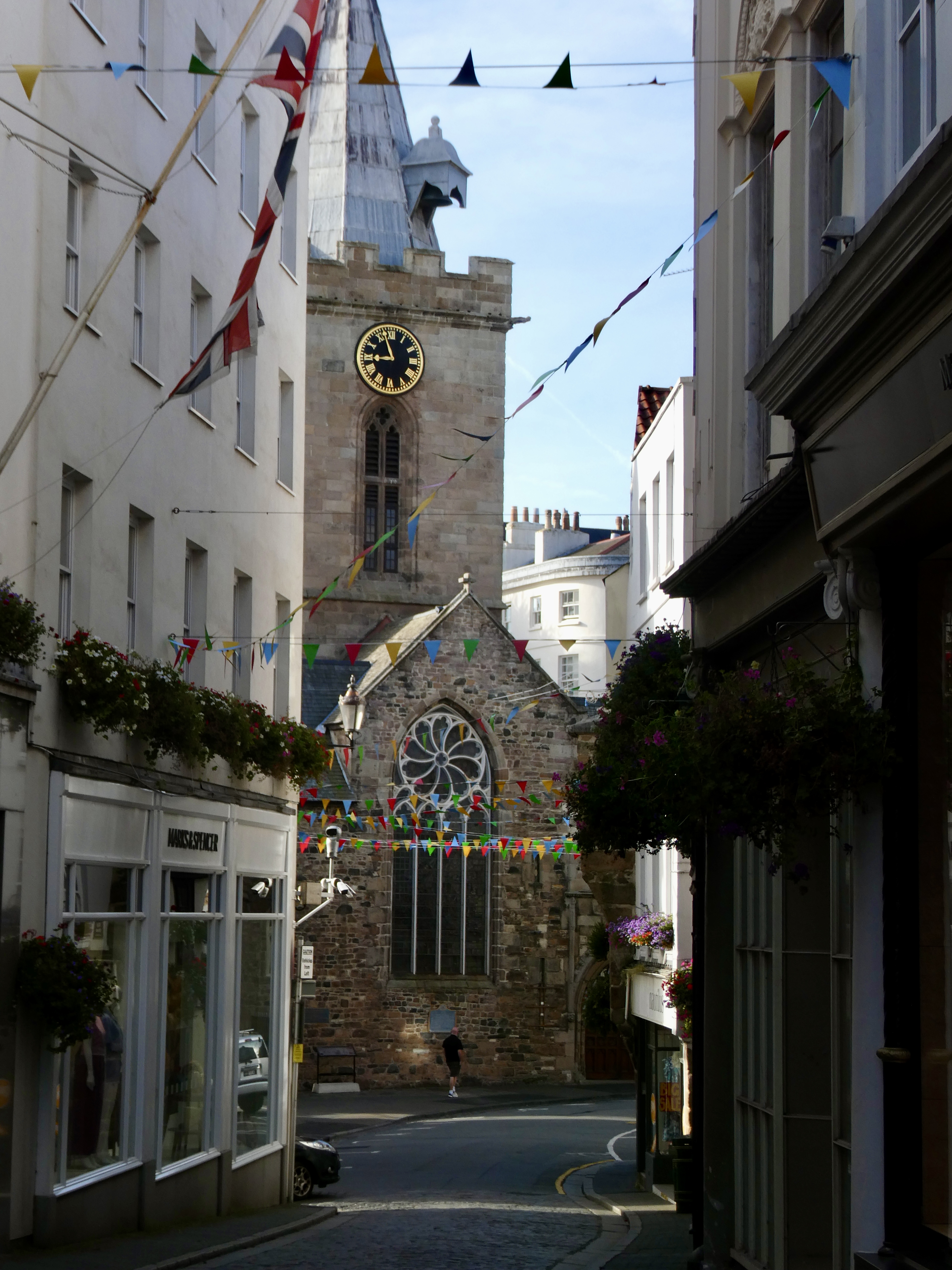
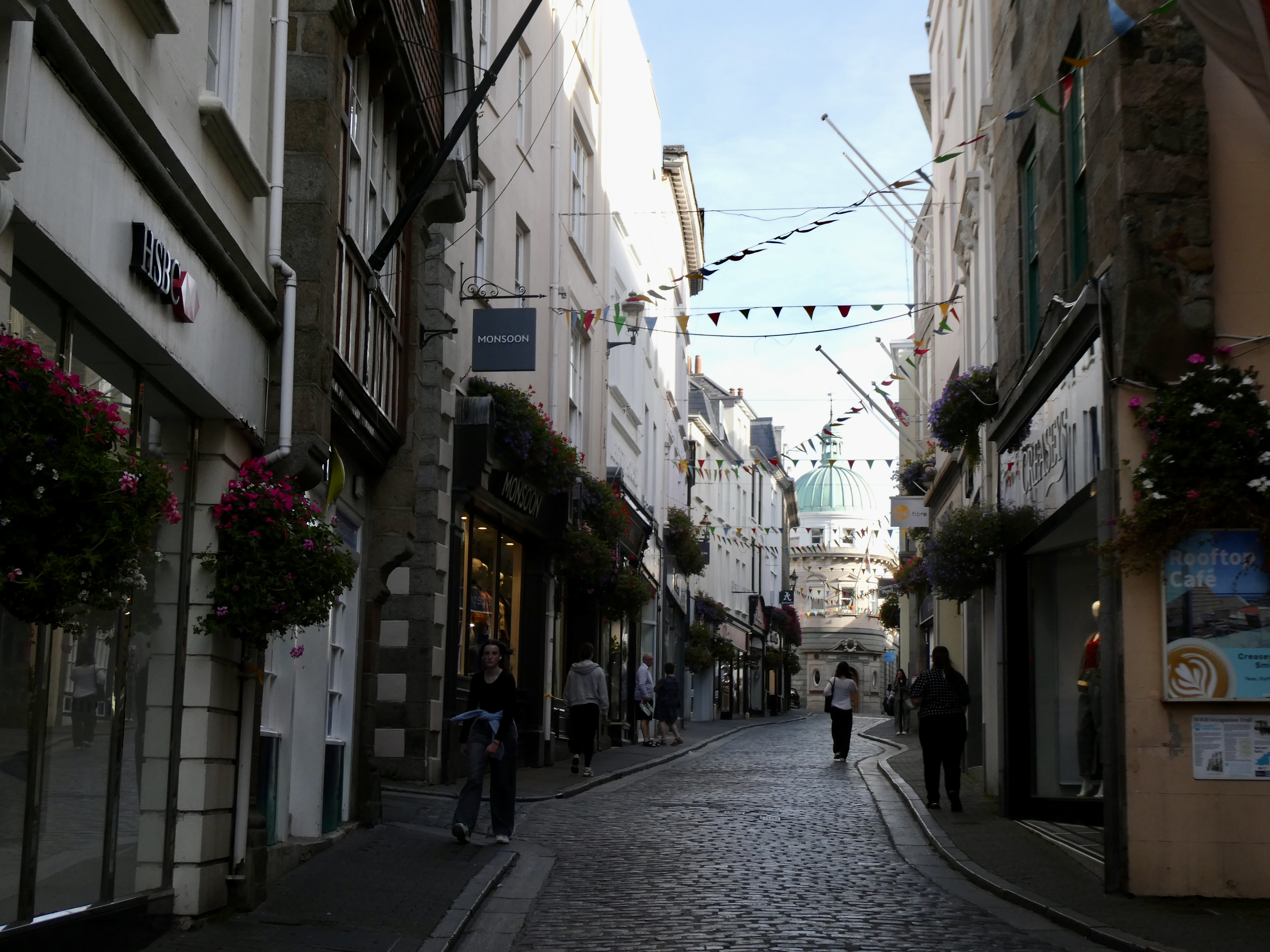
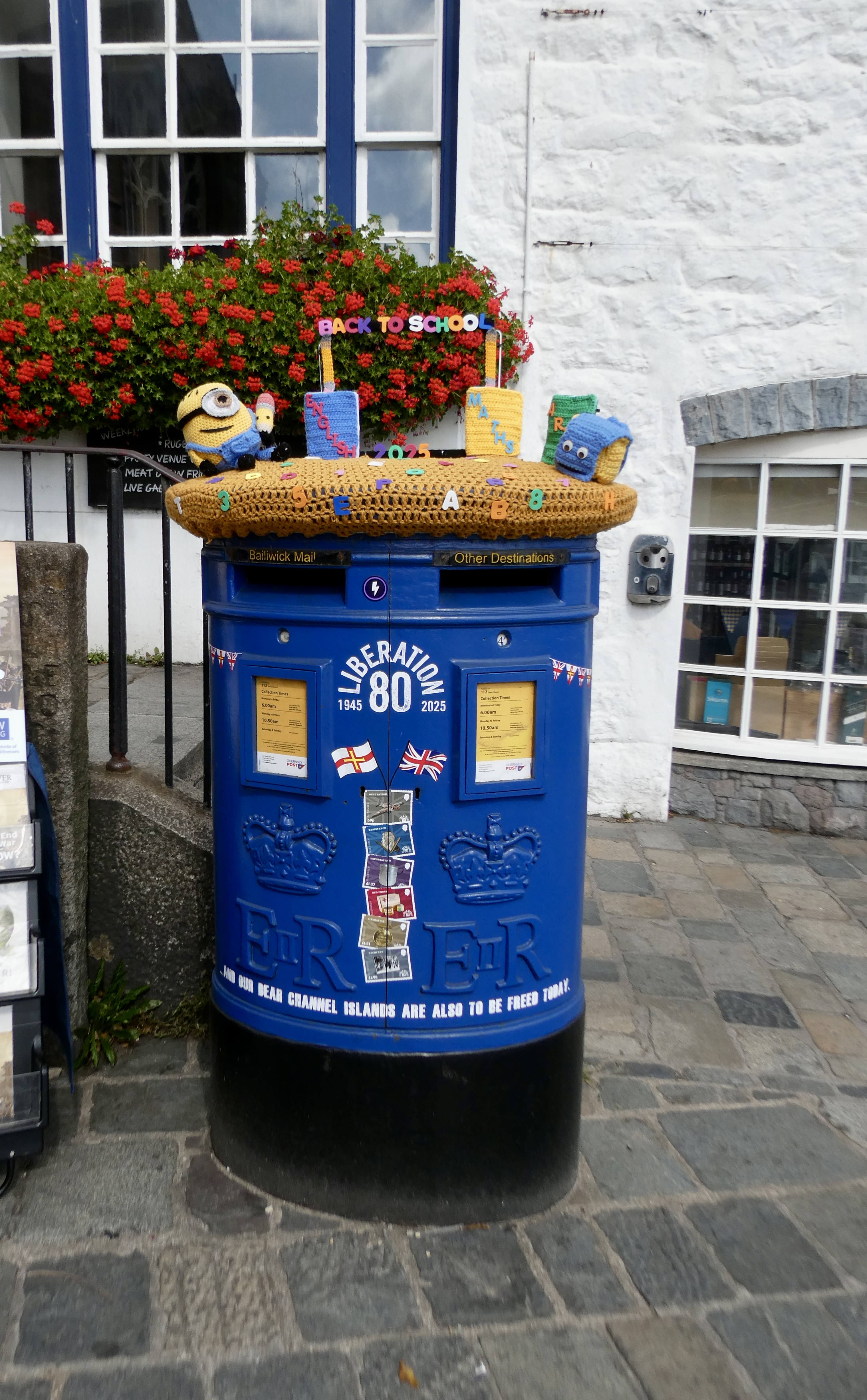
So after I arrived and dropped my luggage off at the hotel, I spent about three hours wandering around St. Peter Port, its narrow little alleys, funky mailboxes and the main shopping area (found a Christmas ornament) before enjoying some seafood for lunch.
After lunch, I took a 40 minute ride around town on Le Petit Train, a tourist train that provided a nice overview of St. Peter Port with commentary about the history of the little town.
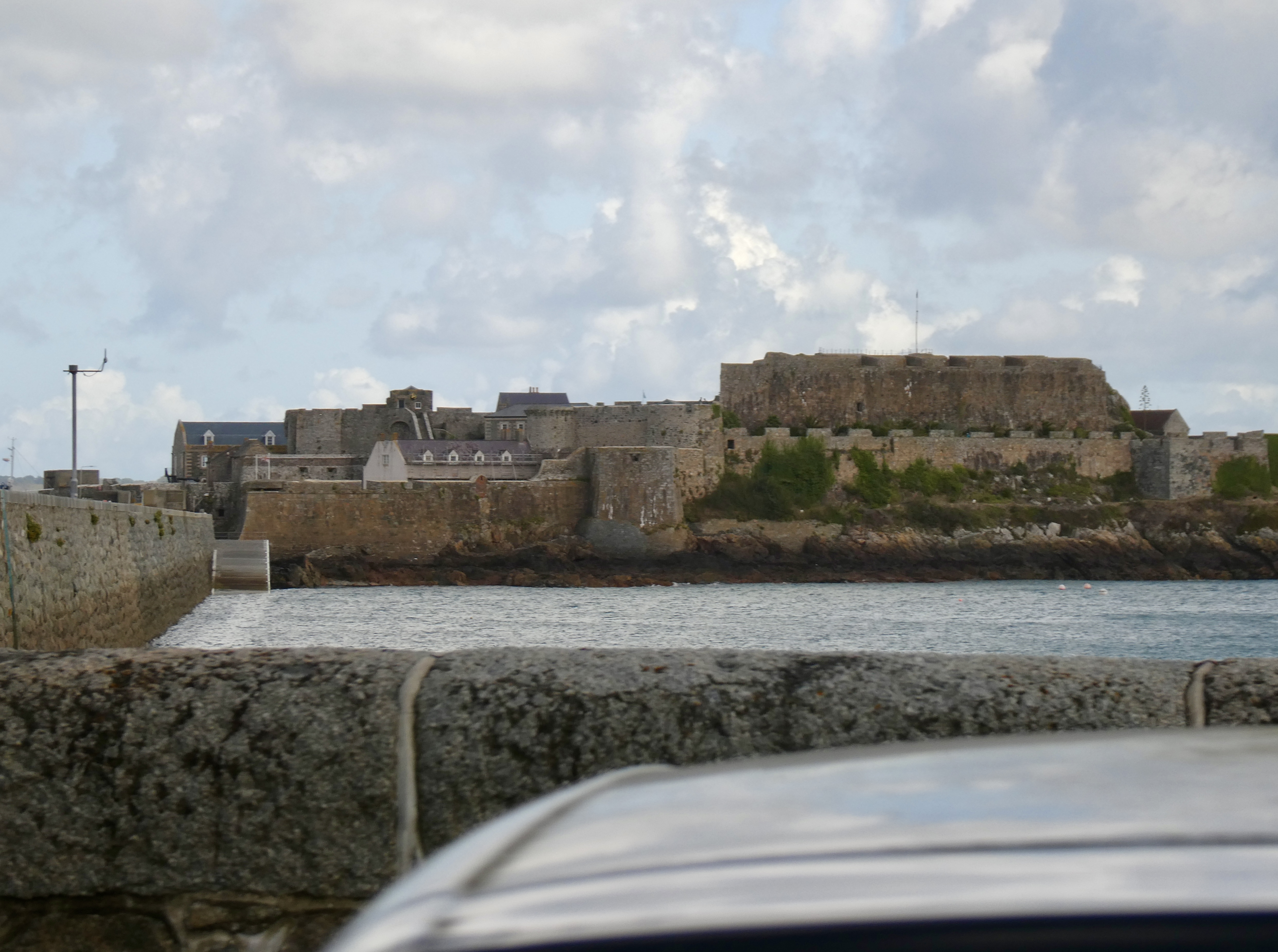
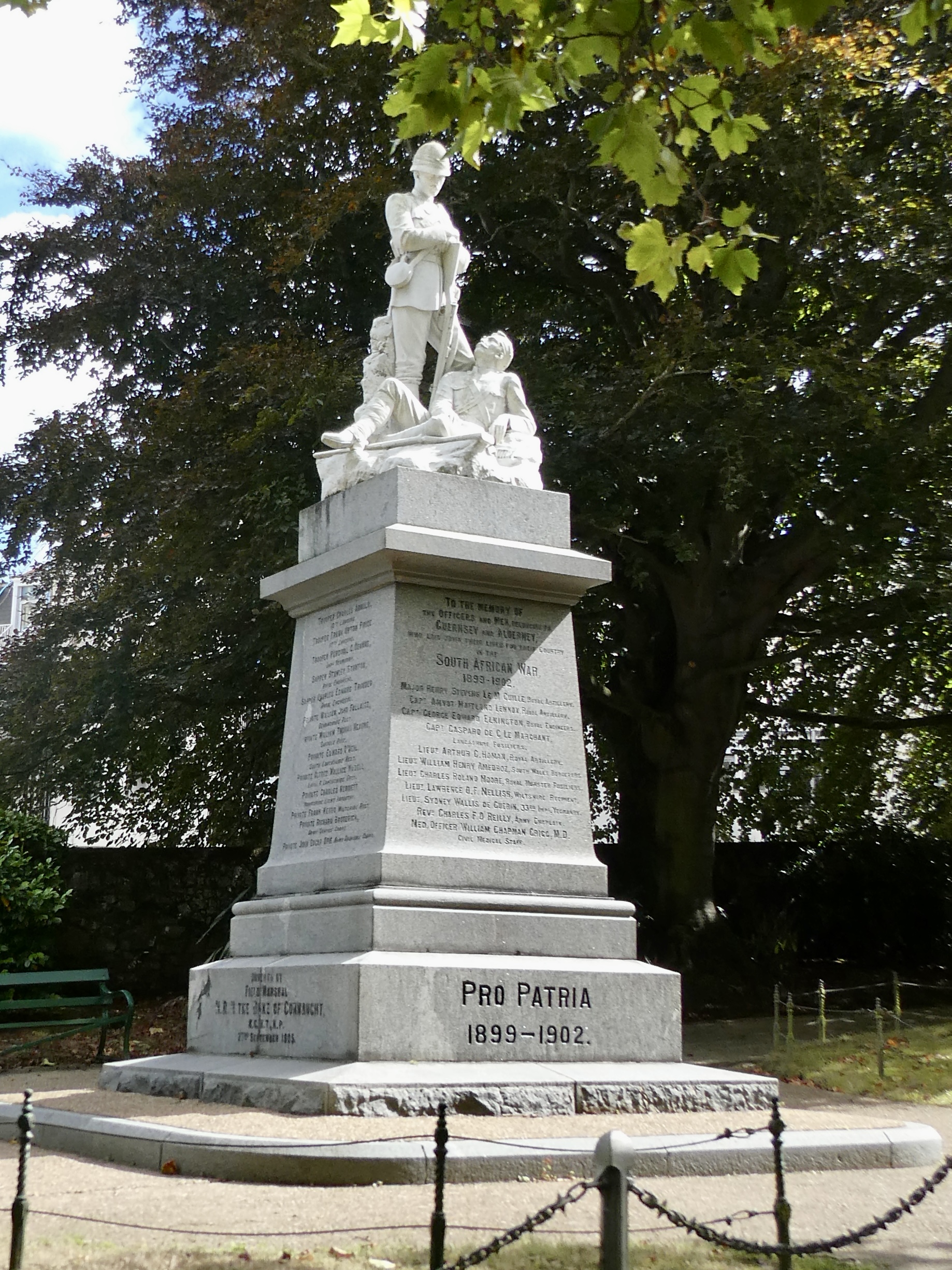
The ride took us along the waterfront past Castle Cornet, La Vallette Bathing Pools, La Vallette Bunker Museum, the town church, a number of parks and monuments, the main shopping district and then back to the waterfront. The commentary provided was excellent and gave a pretty good overview of St. Peter Port.
After the train ride, I ended up back at the hotel, checked in and took a nap. I then had some dinner in the adjacent restaurant/bar known as the Pickled Pig (not sure where the name came from) before calling it a day.
Now Friday was tour day. I was going on a 4 hour Land Rover tour of the island with Guernsey Tours. Now originally, we were supposed to depart at 10:00 a.m., but the tour was changed to 1:30 because apparently some of the others going on the tour with me are on a cruise ship (ugh) and the high winds over the last couple days meant a change in the cruise ship schedule. (And as nice and quiet at St. Peter Port was on Thursday, it was literally mobbed with cruise people on Friday.)
However, as it turned out, the five cruise ship people who were on the tour were all from England and all very, very nice. (No MAGA Americans thank goodness.). Ant, out tour leader, picked us up in a 10 seater, open air Land Rover, which you would normally use on safari in Africa. However, the open air style was fabulous for this tour given the stunning views featured on the trip.

Anyway, we left Pier 17 about 1:30 and started out driving up the narrow road through St. Peter Port past the former home of Victor Hugo (the man who penned Les Miserable among other books), and past Fort George, a former military base and numerous cottage style homes that are so common on Guernsey. Now the roads on Guernsey are all narrow and back home they would be classified as one way roads, but somehow the locals make it work. (Smaller cars and the willingness to pull over to let a car pass is the key.)
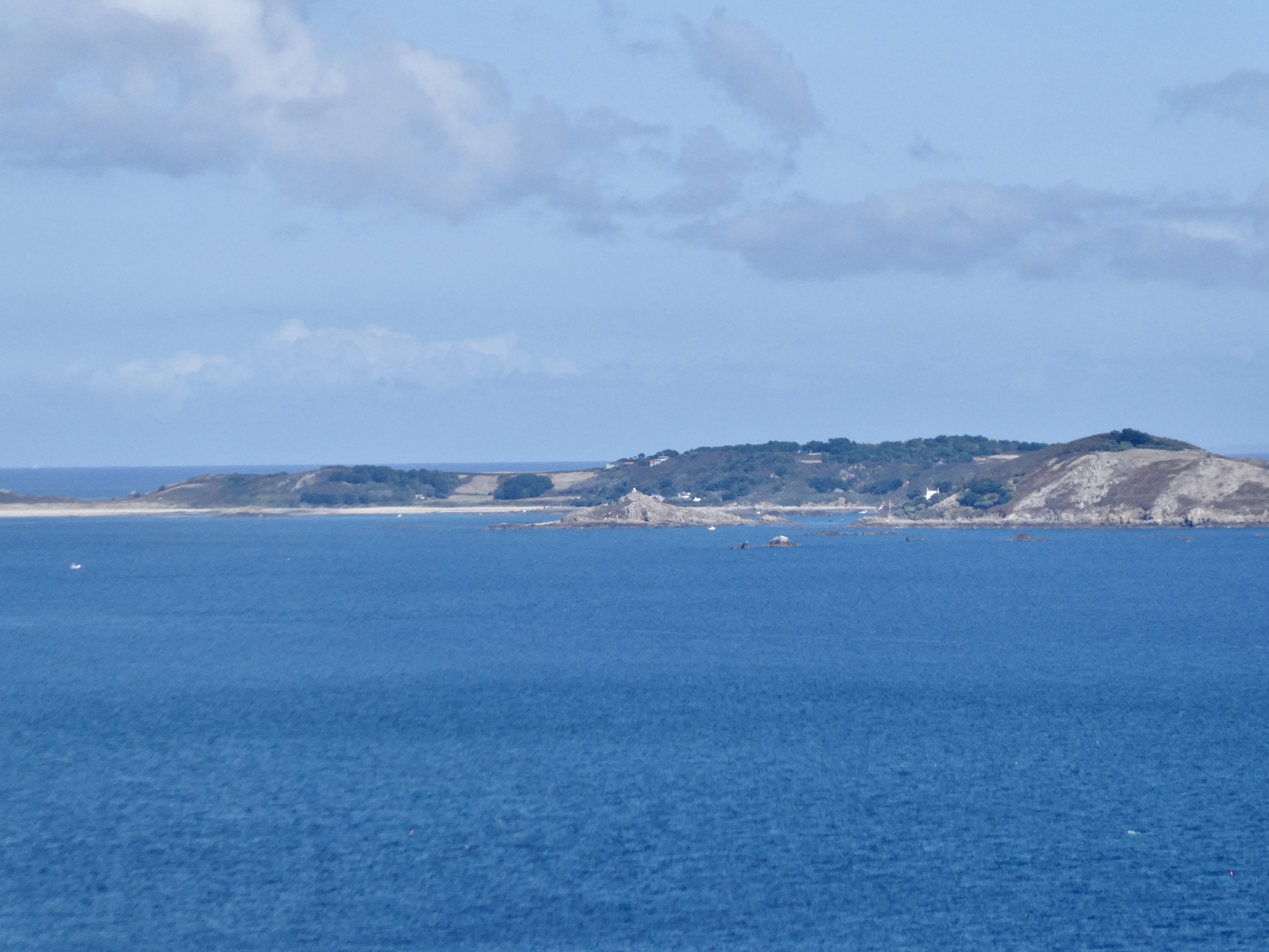
We ended up driving from St. Peter Port to Jerbourg, the highest point on the east side of Guernsey where we got out and took in spectacular views of the other islands of Guernsey: Alderney, Herm, and Sark among others. These islands are all much, much smaller than the main island of Guernsey and at least a couple are uninhabited. In addition, we were able to take a look at the entrance to a German bunker, which as I mentioned are literally everywhere on the island.
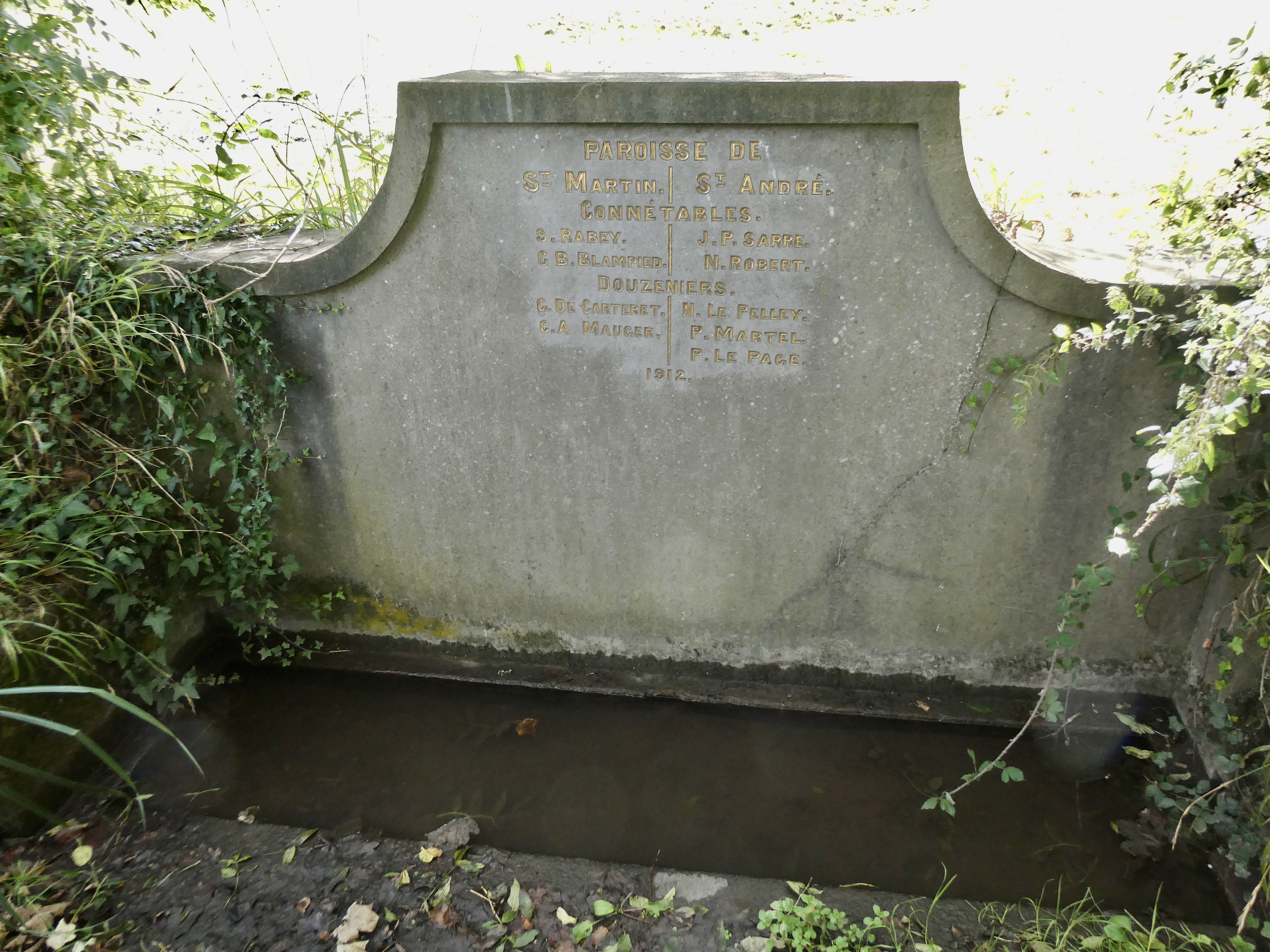
From here, we began to meander into the countryside, passing pastures where more than 1,600 Guernsey cows graze. In fact, the cows are permitted to graze on any public lands with the only impediment being water so as we drove along, we frequently passed arbreuvoirs, 19th and early 20th century granite troughs built on the side of the road where a spring meets the road. These arbreuvoirs were used to collect water for the cattle and can include the names of local officials who held a prominent position in the parish (the name used on Guernsey for the various regions of the island).
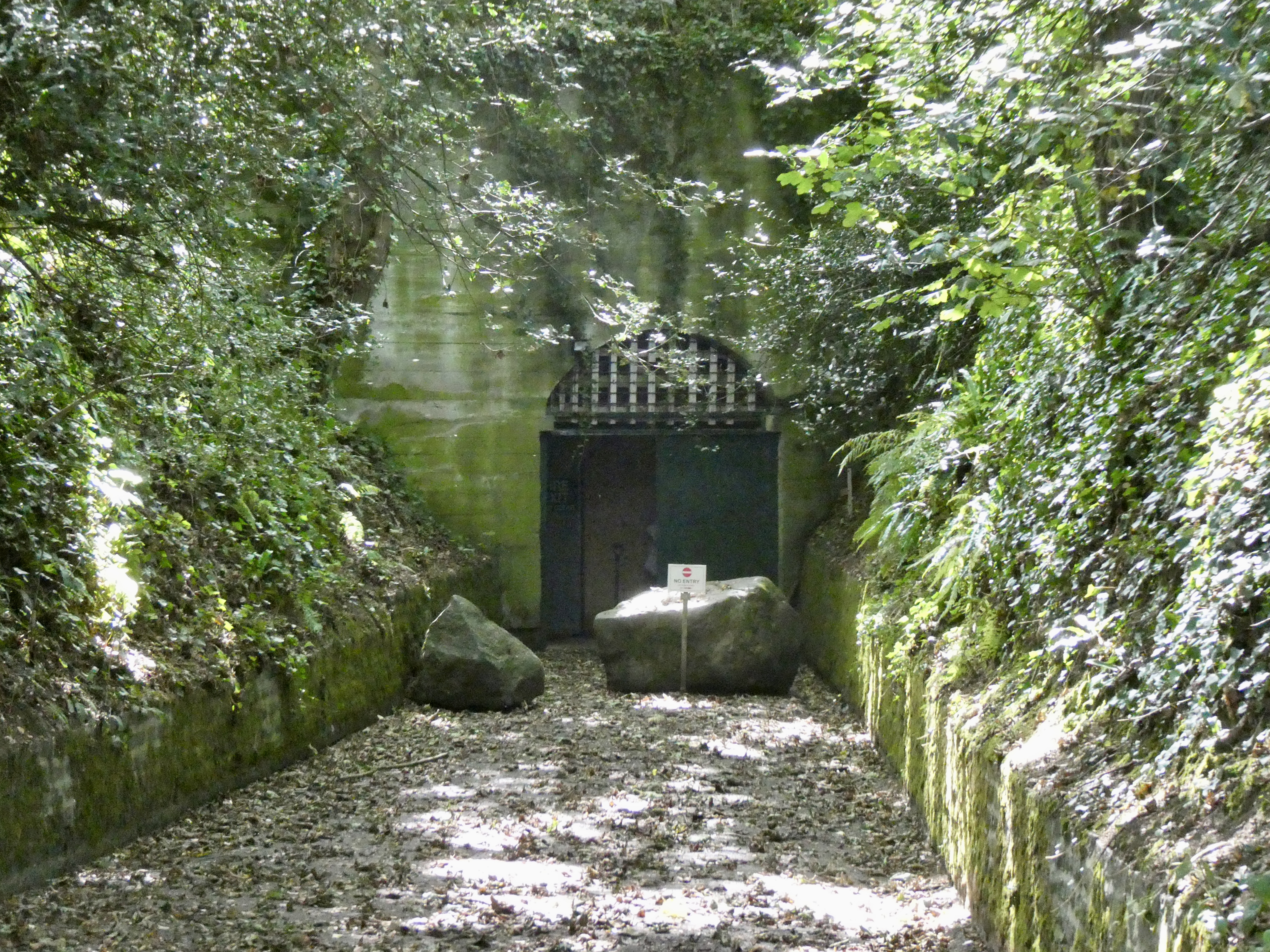
A short distance from one such arbreauvoir, we stopped at the entrance to a bunker that formerly housed the German military hospital. I really wanted to go inside as the bunker hospital has been preserved, but we did not have the time.
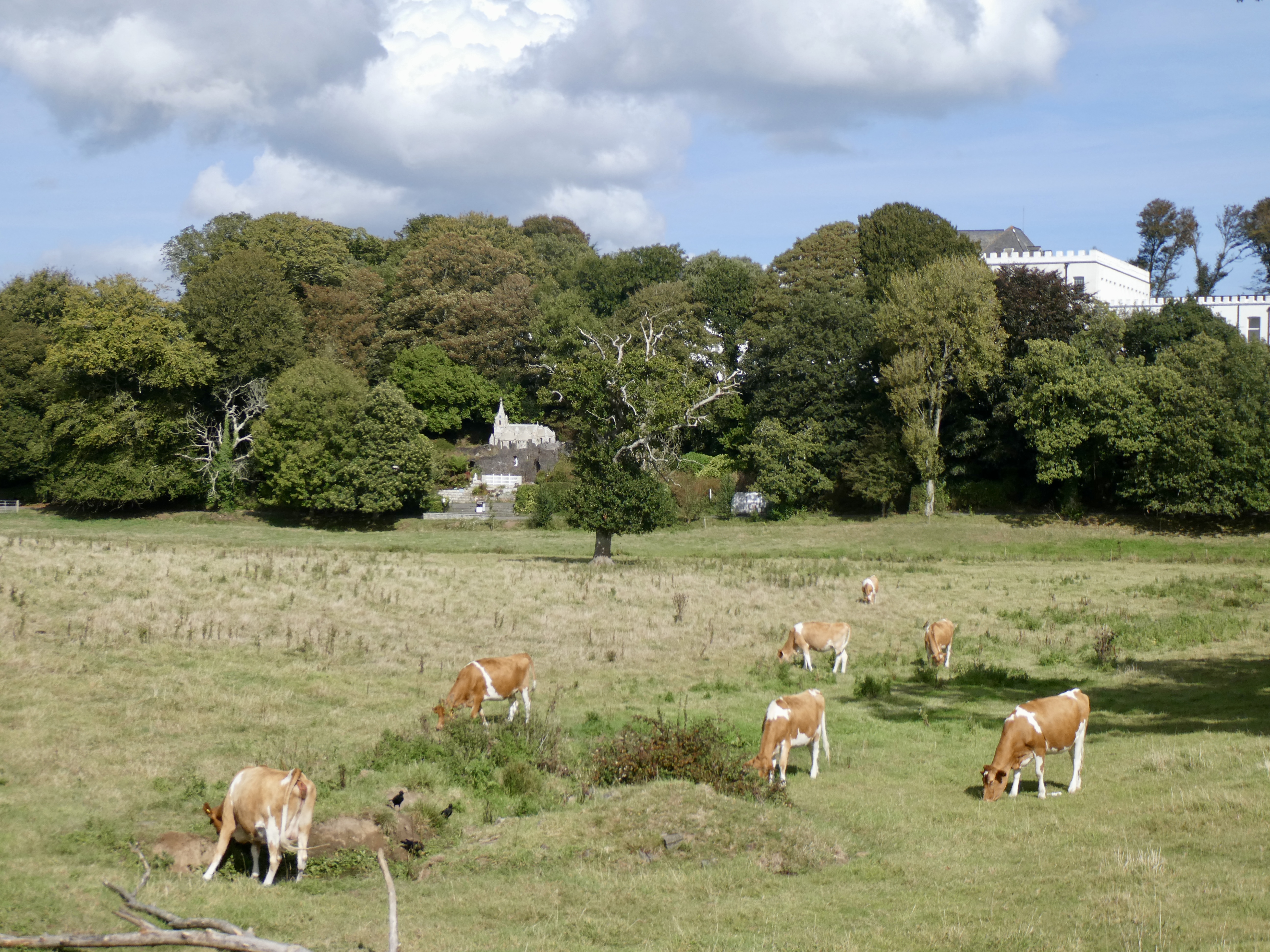
After the brief stop at the German hospital bunker, we continued on through the countryside to our next stop, The Little Chapel. Along the way, we passed the first of a number of sightings of Guernsey cows against the backdrop of The Little Chapel.
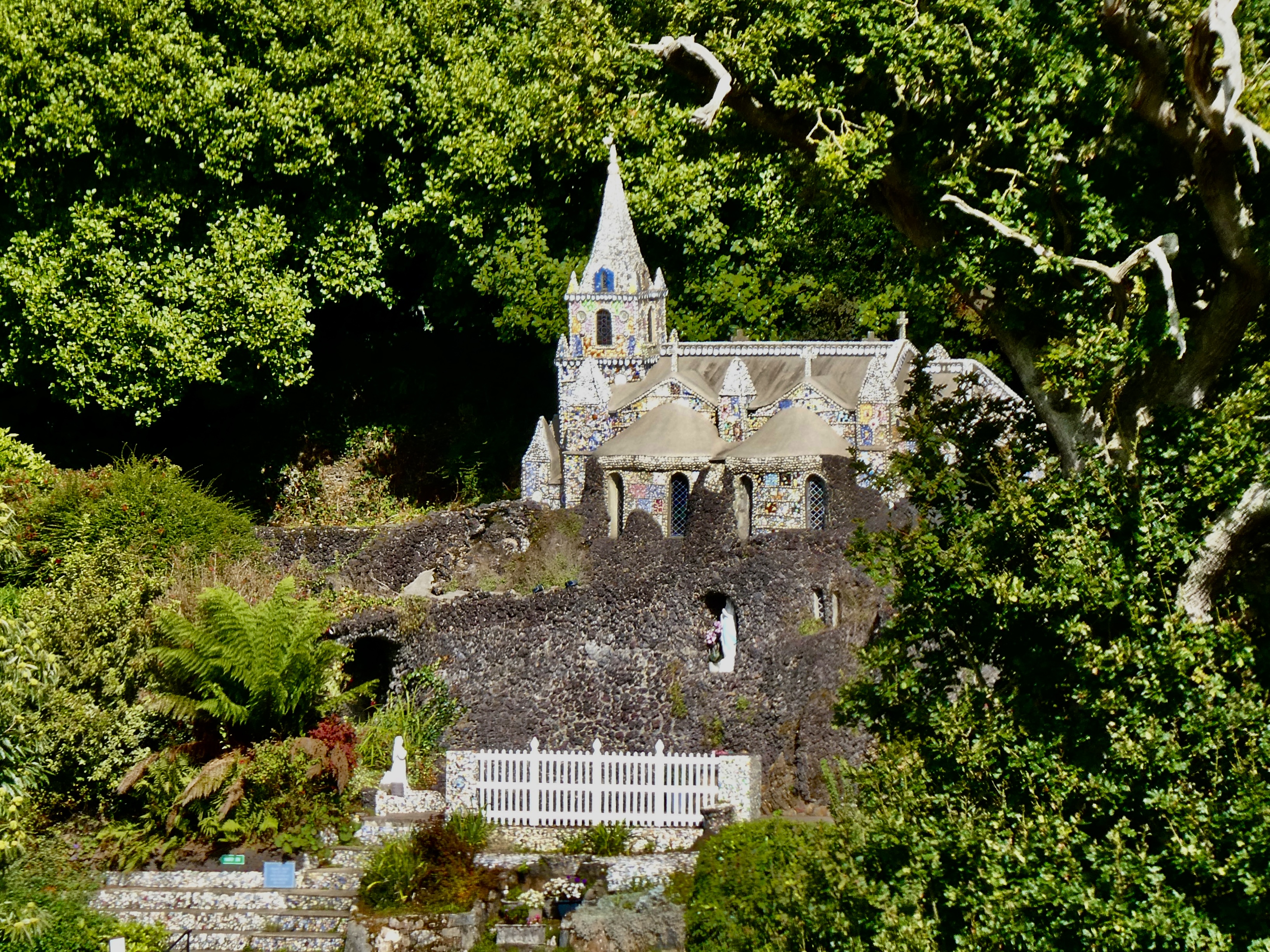

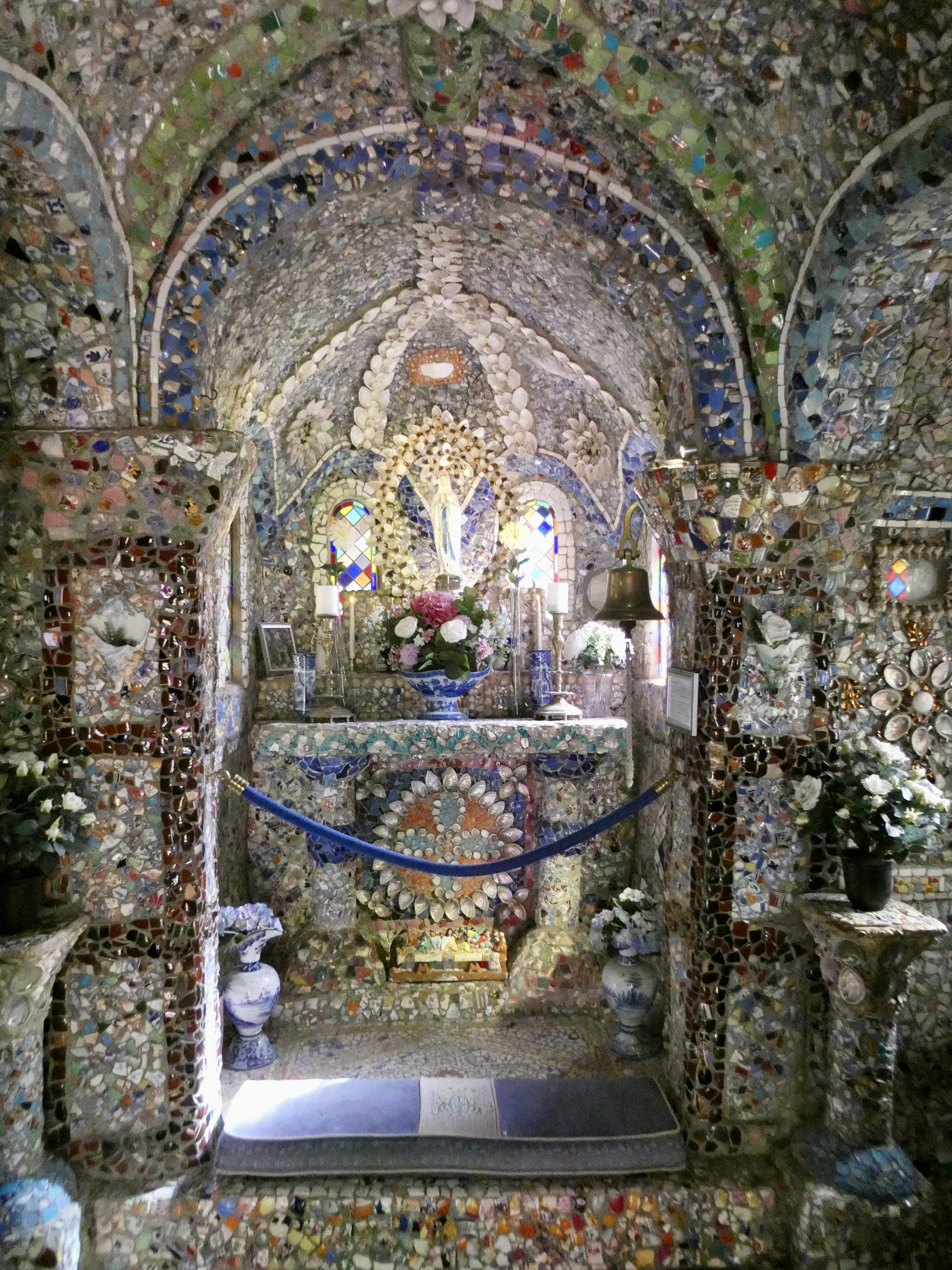
Now The Little Chapel is located in the Les Vauxbelets valley, Saint Andrew, Guernsey and was the brainchild of Brother Déodat, who in 1914 decided to construct a miniature version of the Rosary Basilica in Lourdes, France, including the grotto and basilica. The current iteration was Bother Déodat’s third attempt and measures just 16 feet by 9 feet and can fit up to eight people. And in addition to its unique size, The Little Chapel is covered both inside and out in mosaic pattern of seashells, pebbles and broken pottery, china and glass. The effect from a distance is striking with a blend of dazzling colours. And the inside is equally stunning.
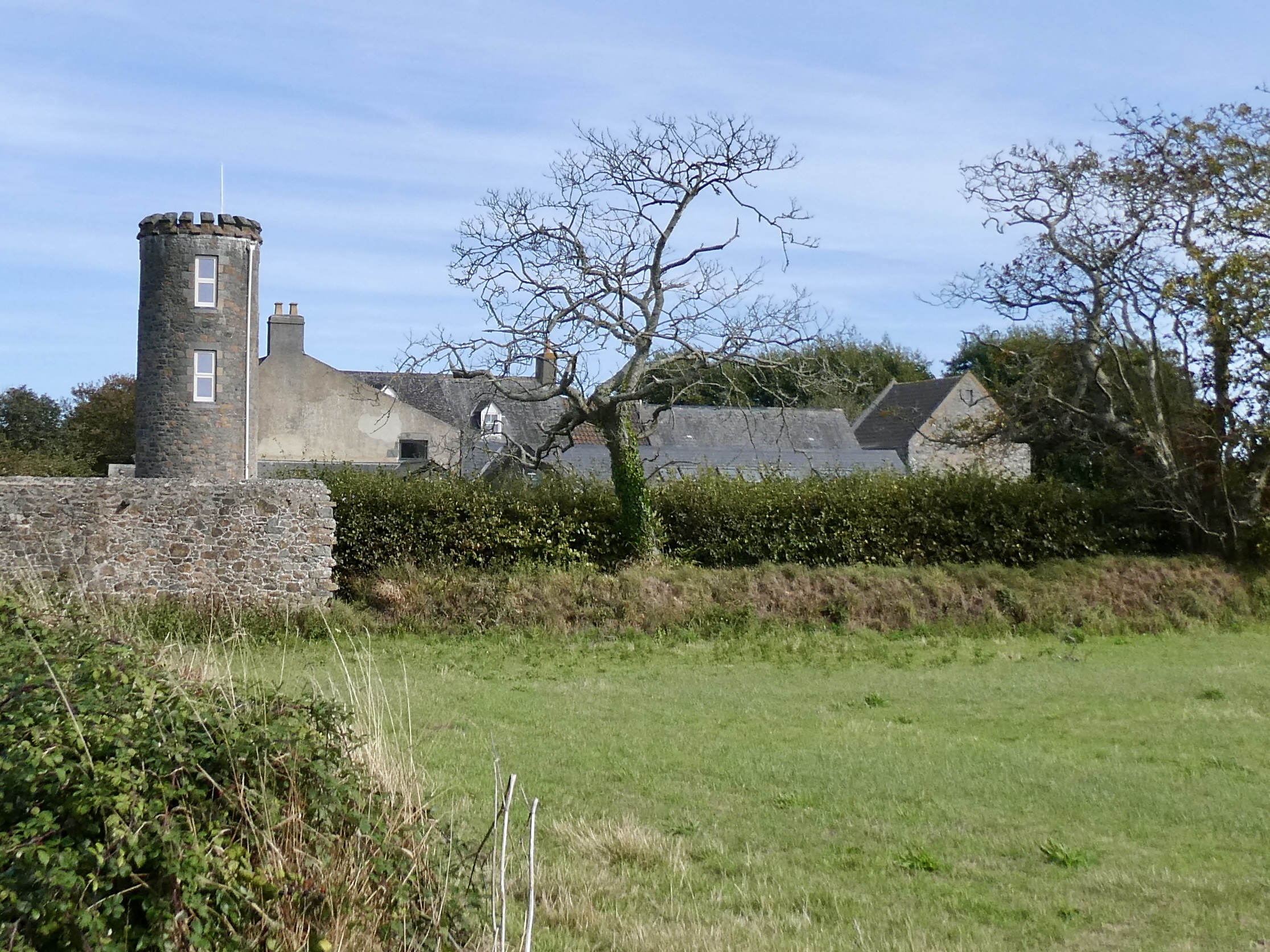
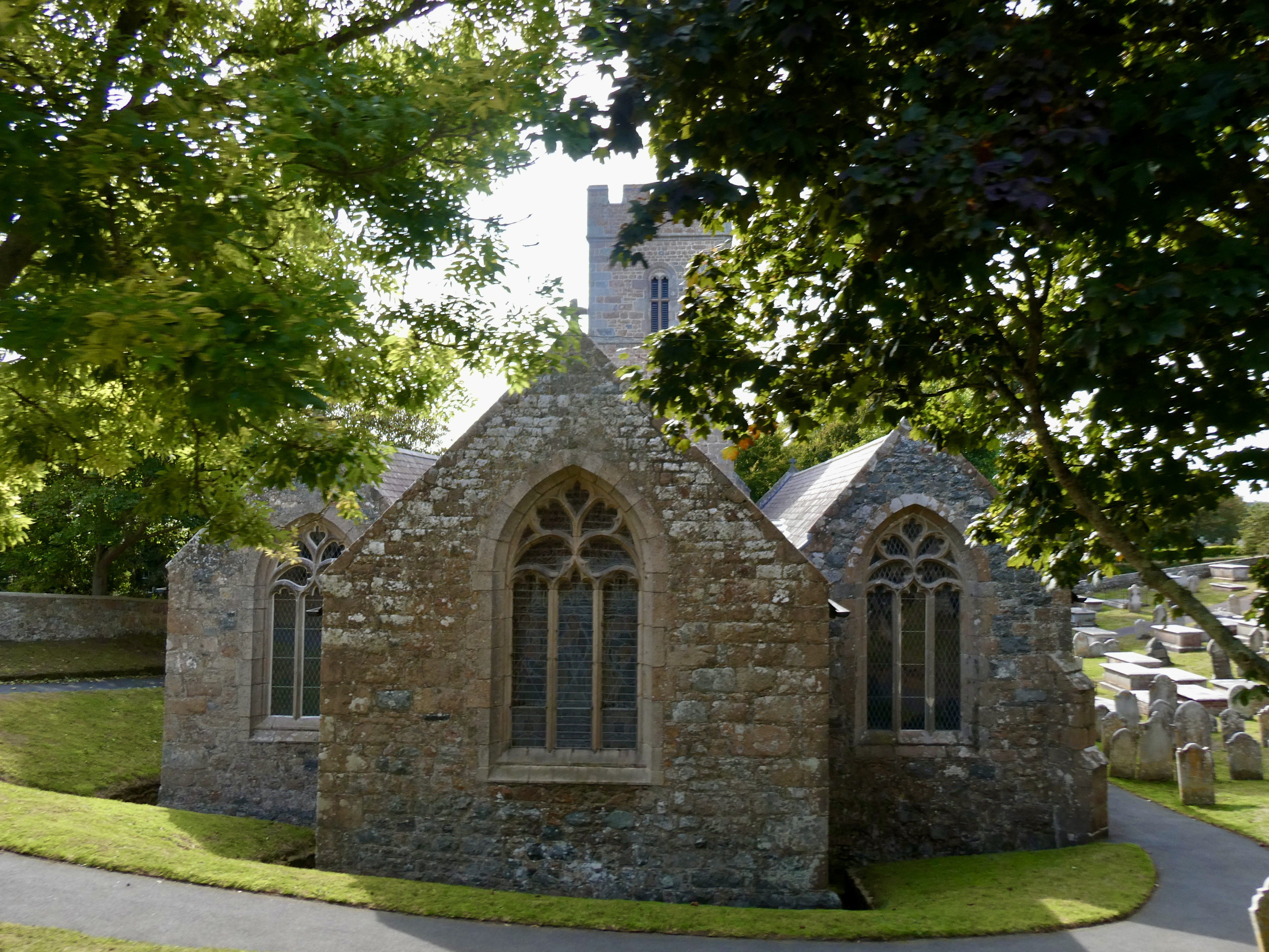
We were given about 15 minutes to wander around and take in the truly unique landmark on Guernsey before we moved on through the countryside past the airport, through St. Pierre Dubois township and its magnificent St. Peter’s Church and past numerous empty greenhouses (which were at one time a prime source of income, but heating costs shut the greenhouses down).


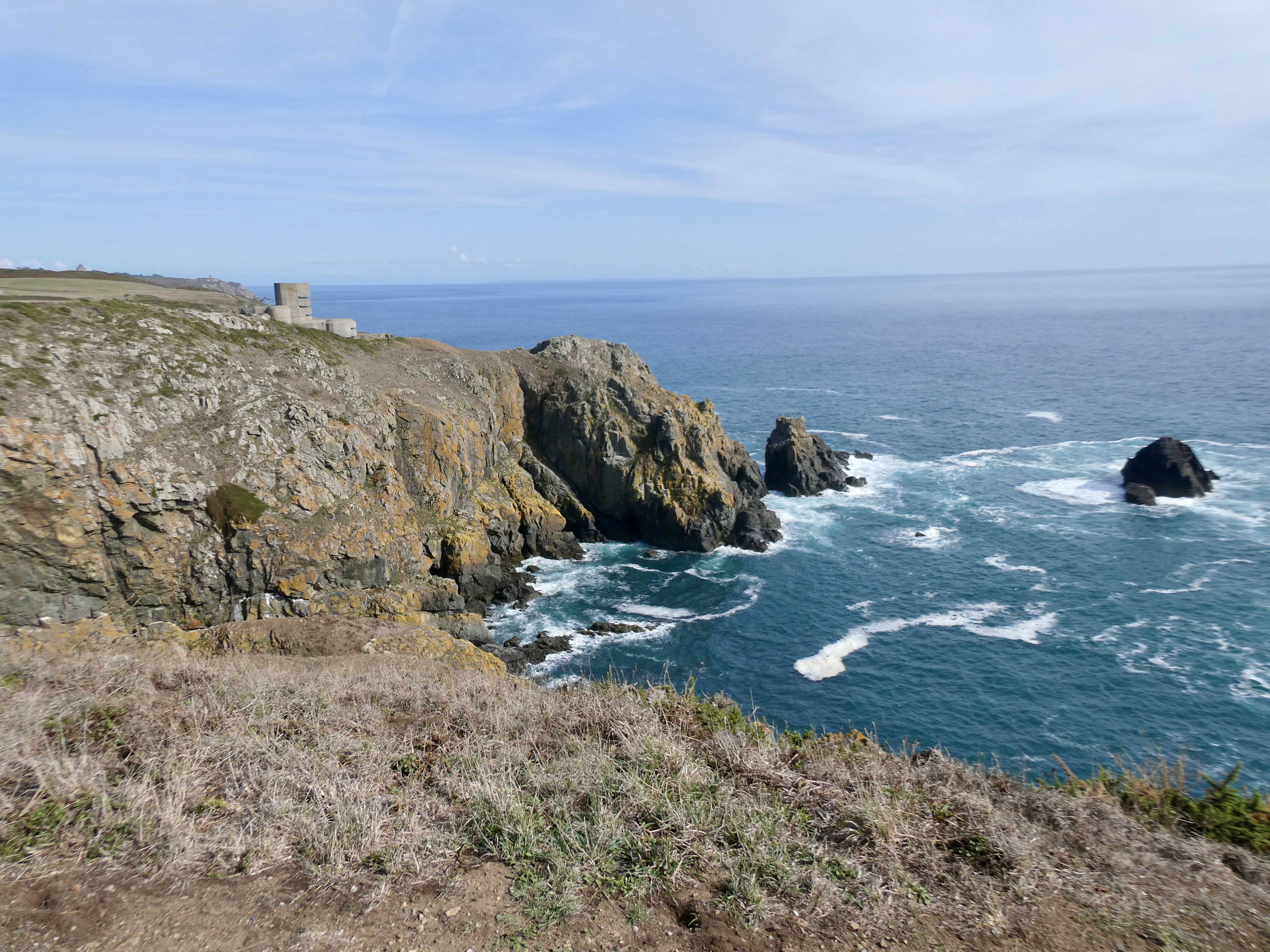
Along the way, we also spotted the Royal Guernsey goats (King Charles apparently visited the goats last year and they are now the “royal” goats) and yet another of the many, many unique mails boxes in Guernsey, before reaching the highest point on the west side of Guernsey, Batterie Generaloberst Dollman. This location was one of the German’s most important lookout points and includes a number of bunkers, gun batteries and tunnels. The views were incredible and the presence of a nearby lighthouse (that was the last occupied lighthouse in Britain) made it readily understandable why the Germans put such importance on this location.

After stopping at Batterie Generaloberst Dollman, we headed back down towards the west coast of the island for a stop at Portelet Kiosk, a location where many fisherman anchor their boats for afternoon tea. And while we were parking the Land Rover, three fisherman relaxing in the sun “demanded” I take their picture so that I could have a memory of three authentic Guernsey fisherman. The three were the very definition of “character”.
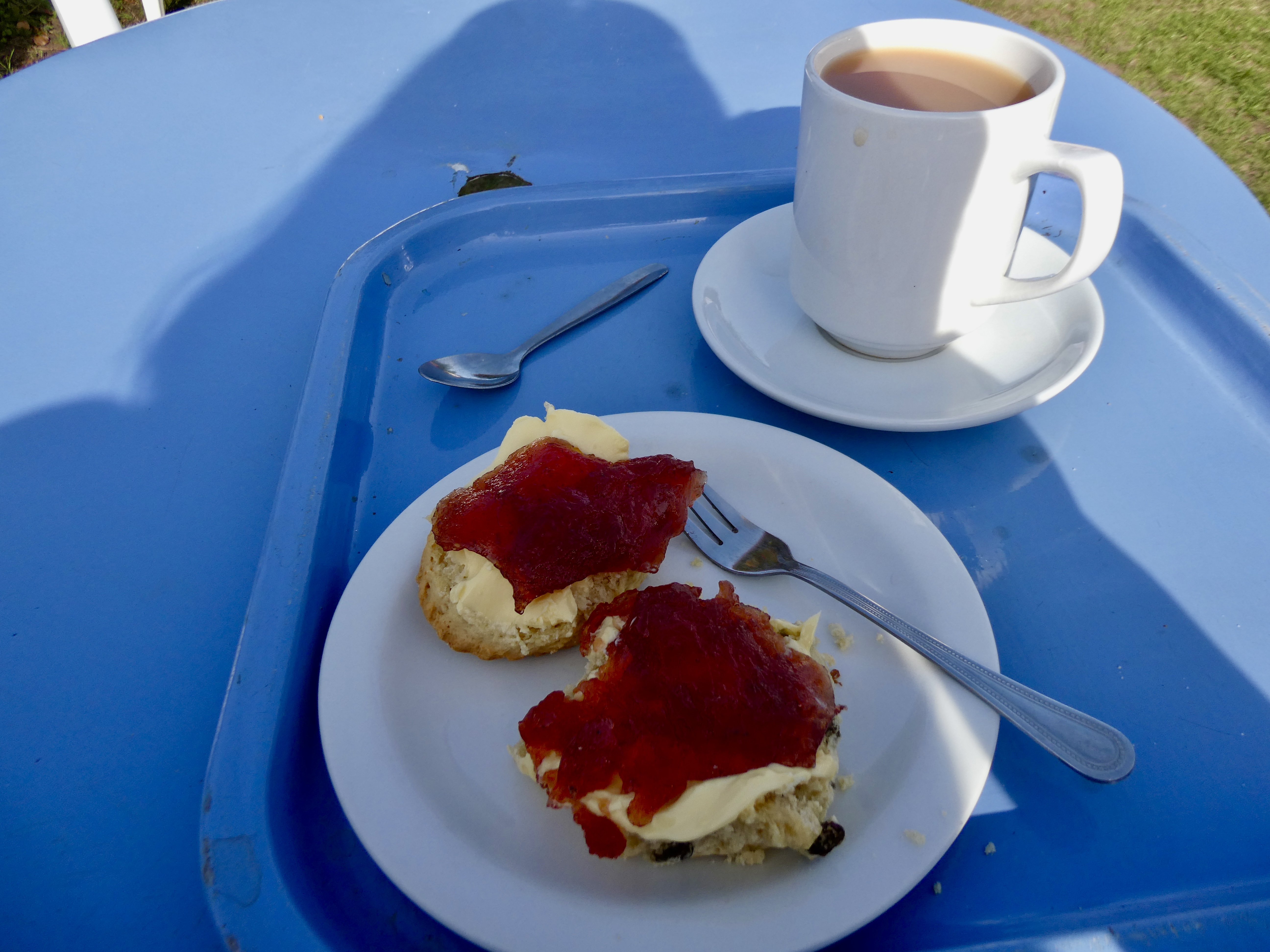
Anyway, after the photo, I ended up ordering scones with jam and butter and tea and let me tell you, these folks at the kiosk do not skimp on the butter or the jam as you can see from the picture. And damn those scones were fabulous.
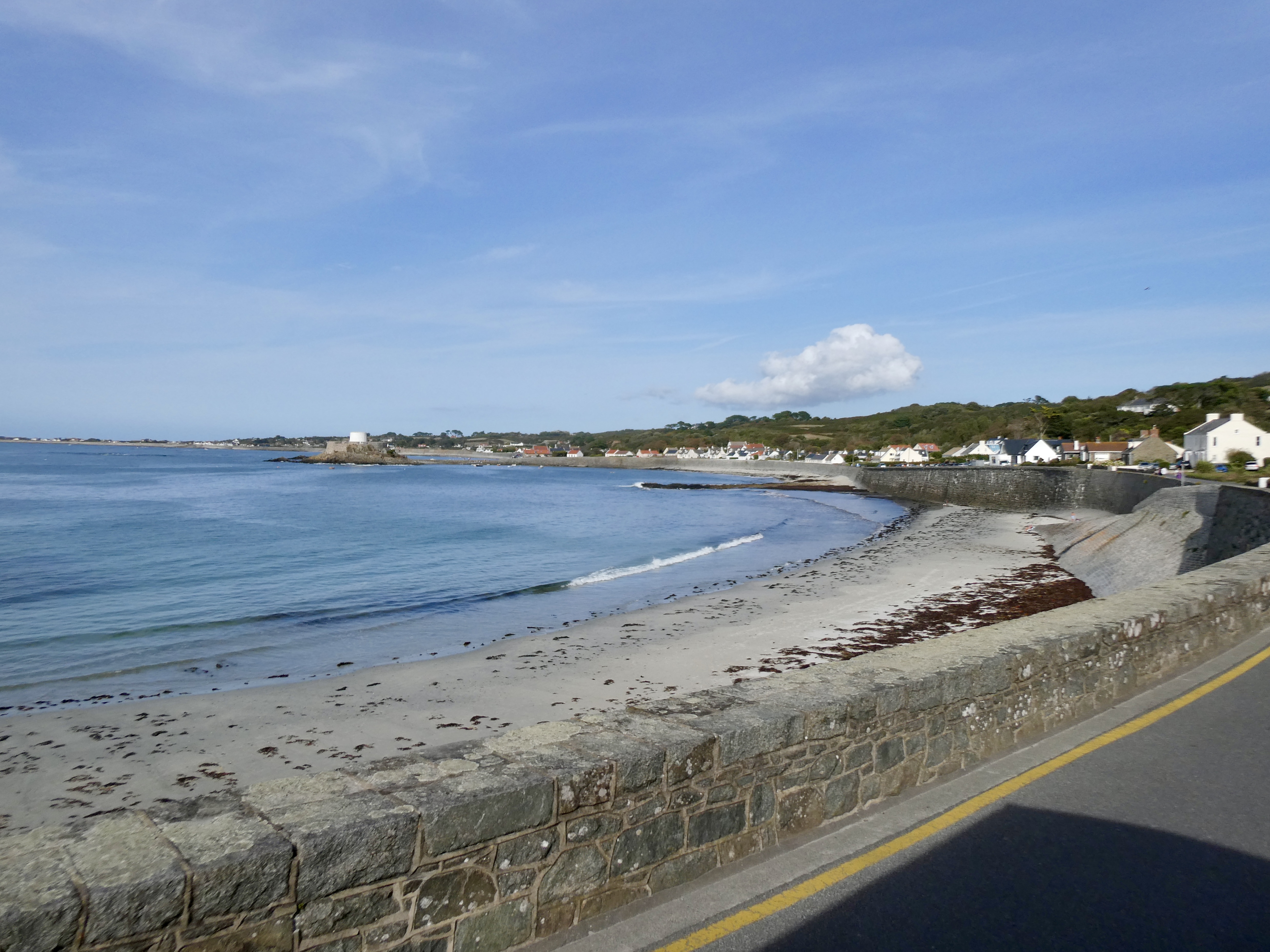
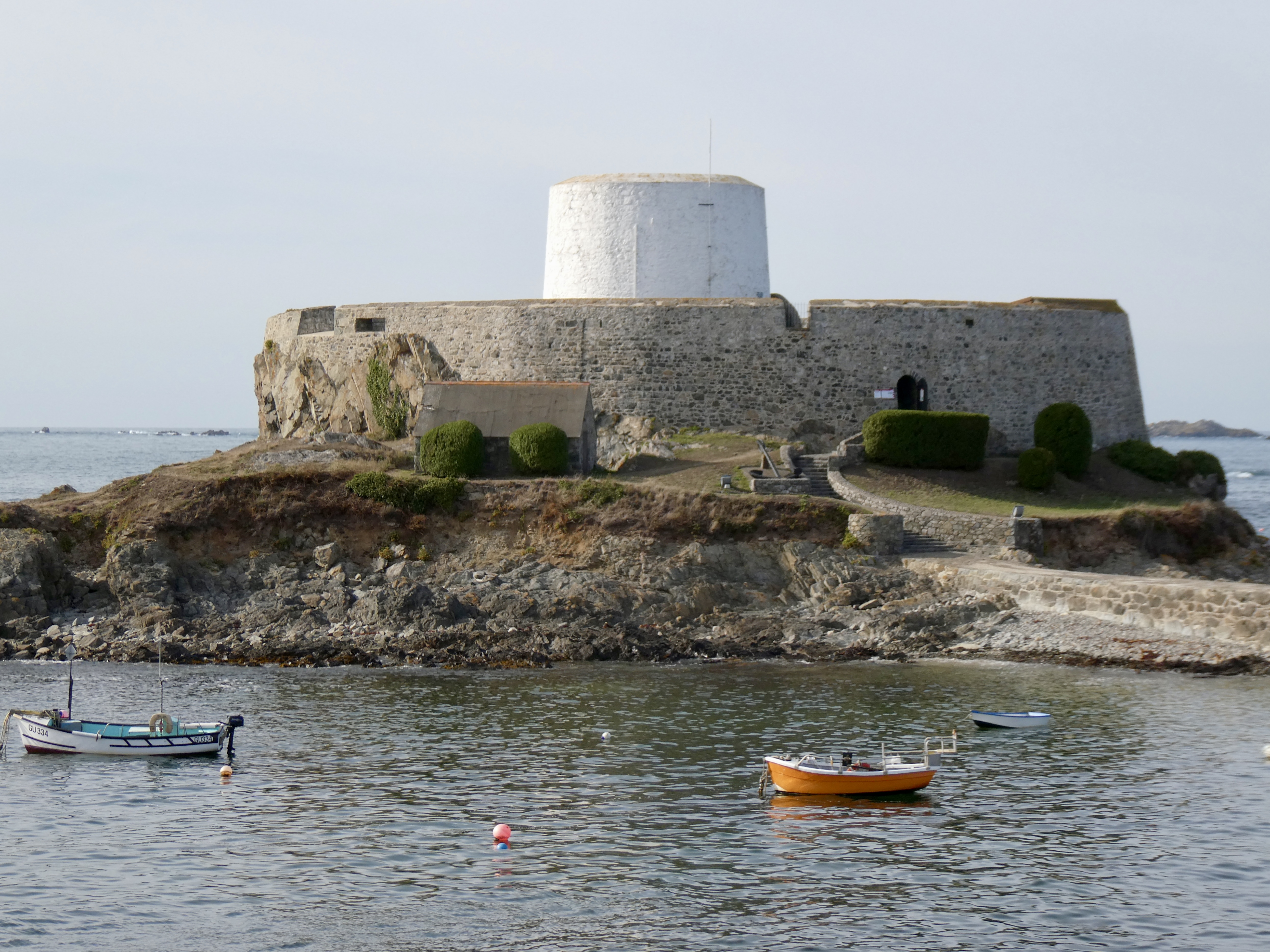
After tea was finished, we continued along the west coast of the island along Rocquaine Bay, which was filled with an awful lot of seaweed following almost two weeks of unseasonably stormy weather (which I fortunately missed) and past Fort Grey, a Napoleonic fort built in 1804 and now housing a shipwreck museum.
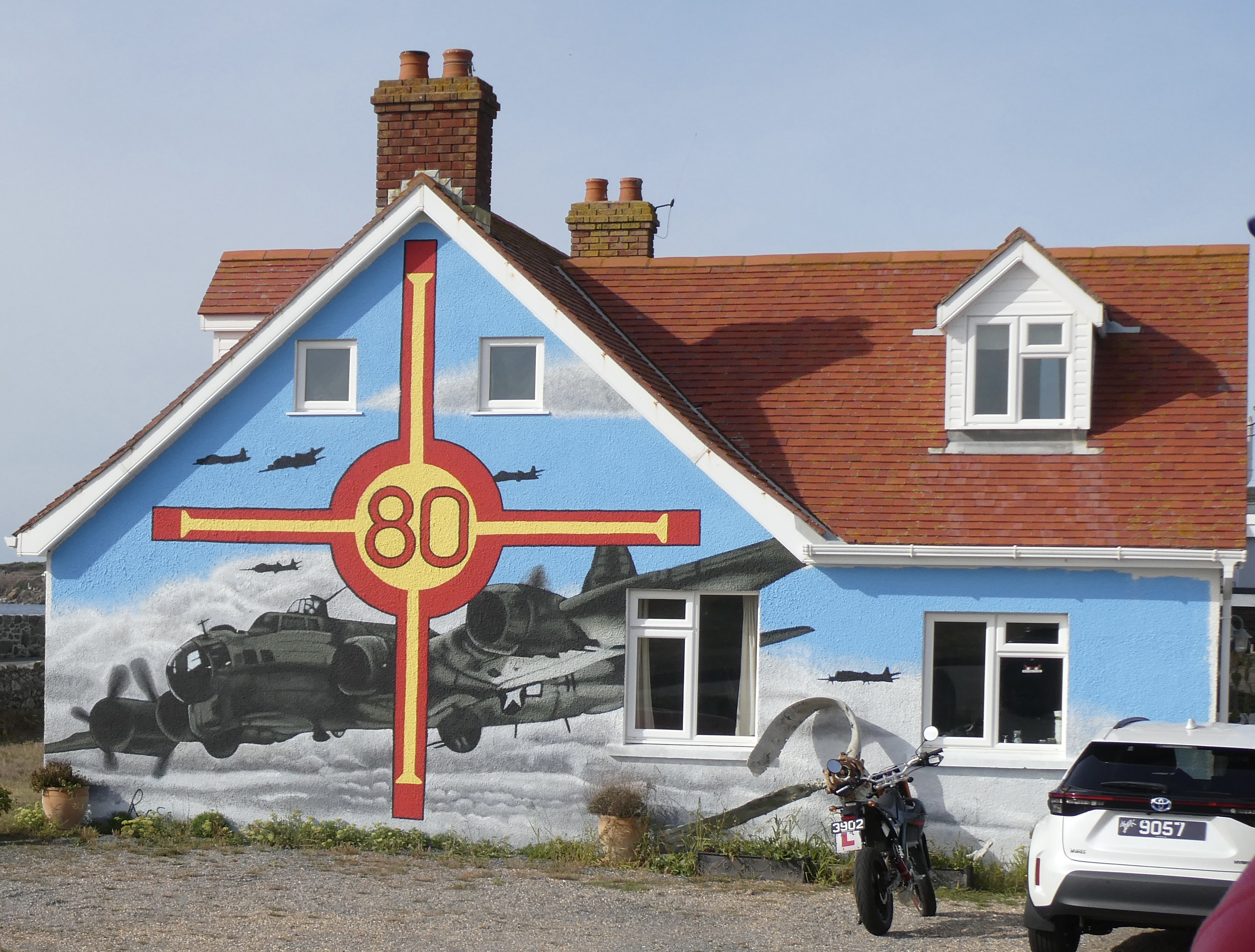
And as we drove along the bay, we passed numerous small fishermen’s cottages with spectacular views to the channel, including one fisherman who found the propeller of an old U.S. warplane that had crashed into the channel and decided to paint the side of his house into a memorial to those who died on the plane. (And if you look closely at the picture you can see the actual propeller on the ground.). The orange and yellow cross is the Guernsey flag and the 80 in the middle is a tribute to the 80 years since Guernsey was liberated from Nazi rule.)
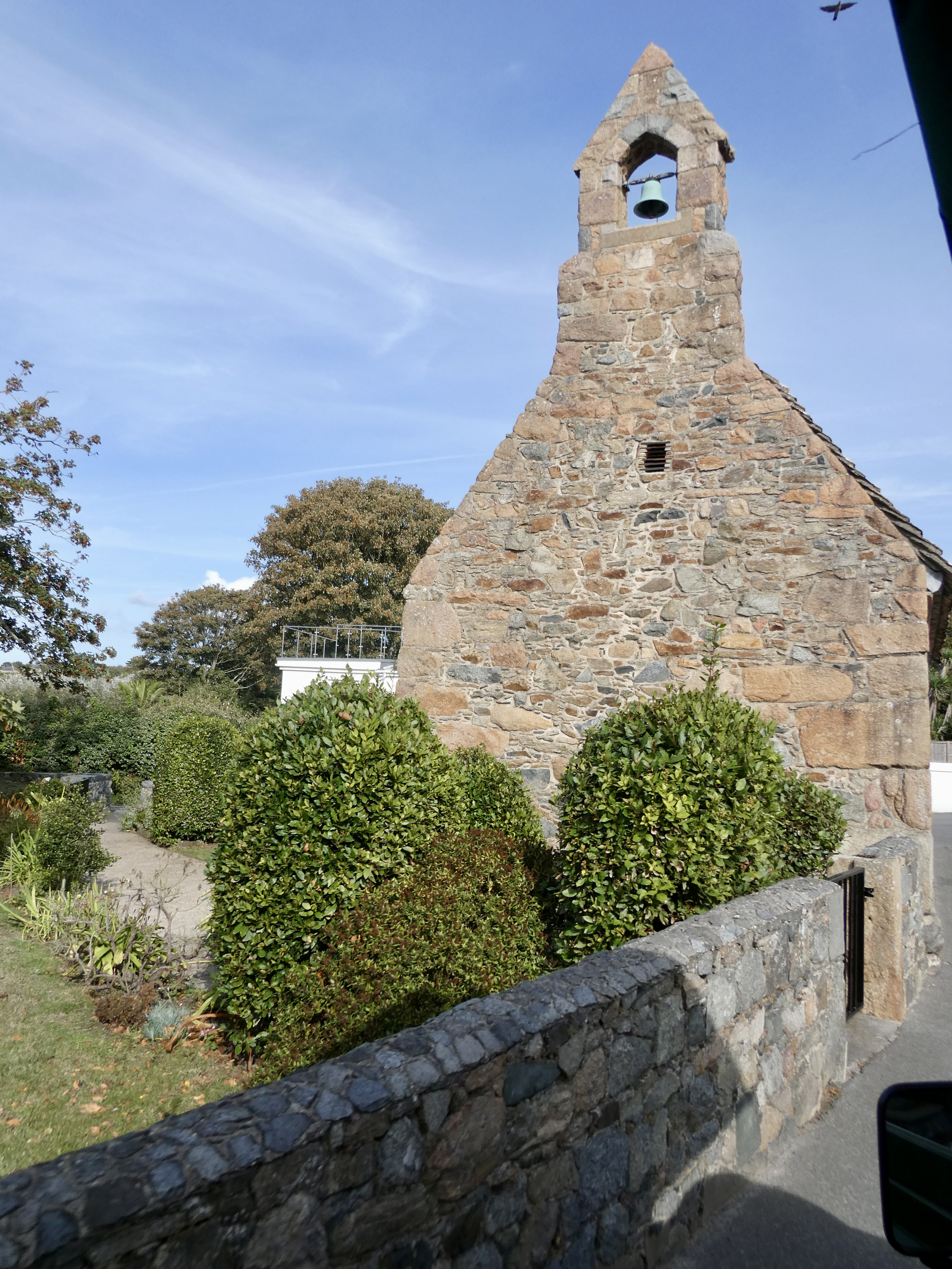
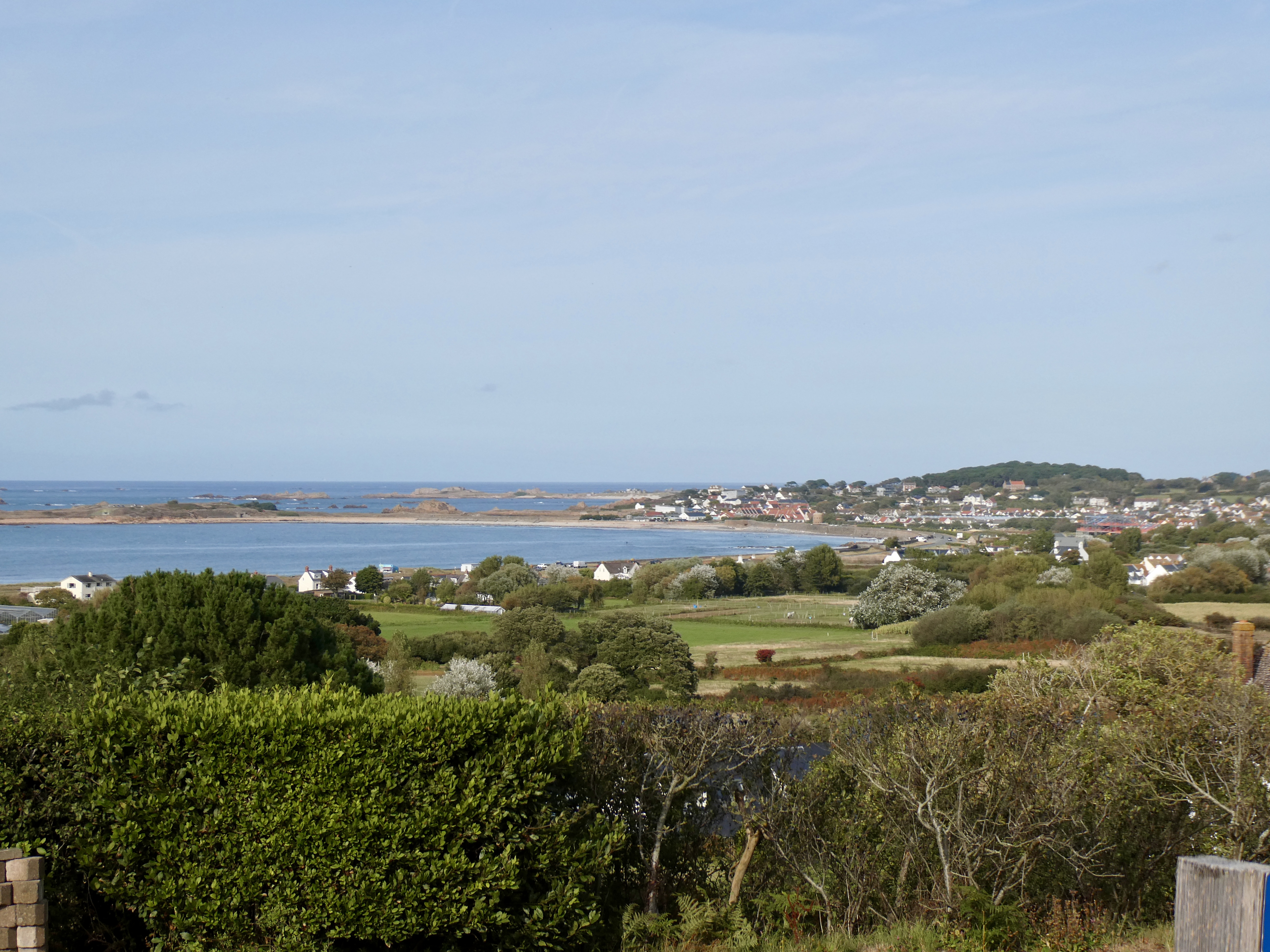
At this point, we began our trek back to St. Peter Port passing magnificent village churches and Vazon Bay before winding our way along the narrow country roads and back onto the narrow lanes in St. Peter Port and to Pier 17 where the tour began. All in all, a fabulous 4 hour tour of Guernsey. A+++.
So my last day in Guernsey, Saturday, I decided to visit Castle Cornet. The castle opened at 10:00 and the walk from town all the way out to the island on which the castle was built took about 20 minutes. I ended up waiting a few minutes for the castle to open and then spent the first hour in an old 18th century manor house that now houses a museum dedicated to the history of the castle, which was first constructed in the early 13th century to defend St. Peter Port. Over the years, control of the castle has switched between the British crown, the British parliament, the French and even the Germans, who took control of the strategic castle in 1940 before surrendering in 1945.

The castle has also undergone numerous renovations and changes to comport with advancements in weaponry. In the mid 15th century, a tower was added to accommodate cannons and after that gun stations were added to accommodate soldiers shooting muskets and later modern guns. During WW II, radar stations were maintained at the castle and nearby Fort George to watch for Allied forces in the air.

When the Allies stormed Normandy, the Canadian RAF began a series of bombing runs in the Channel Islands to destroy the radar systems and the only fatality was a Canadian fighter pilot by the name of Flight Lieutenant John Walton Saville whose plane was shot down near the castle. A marker on the outer wall leading to the castle marks the location of his downed aircraft and final resting spot.
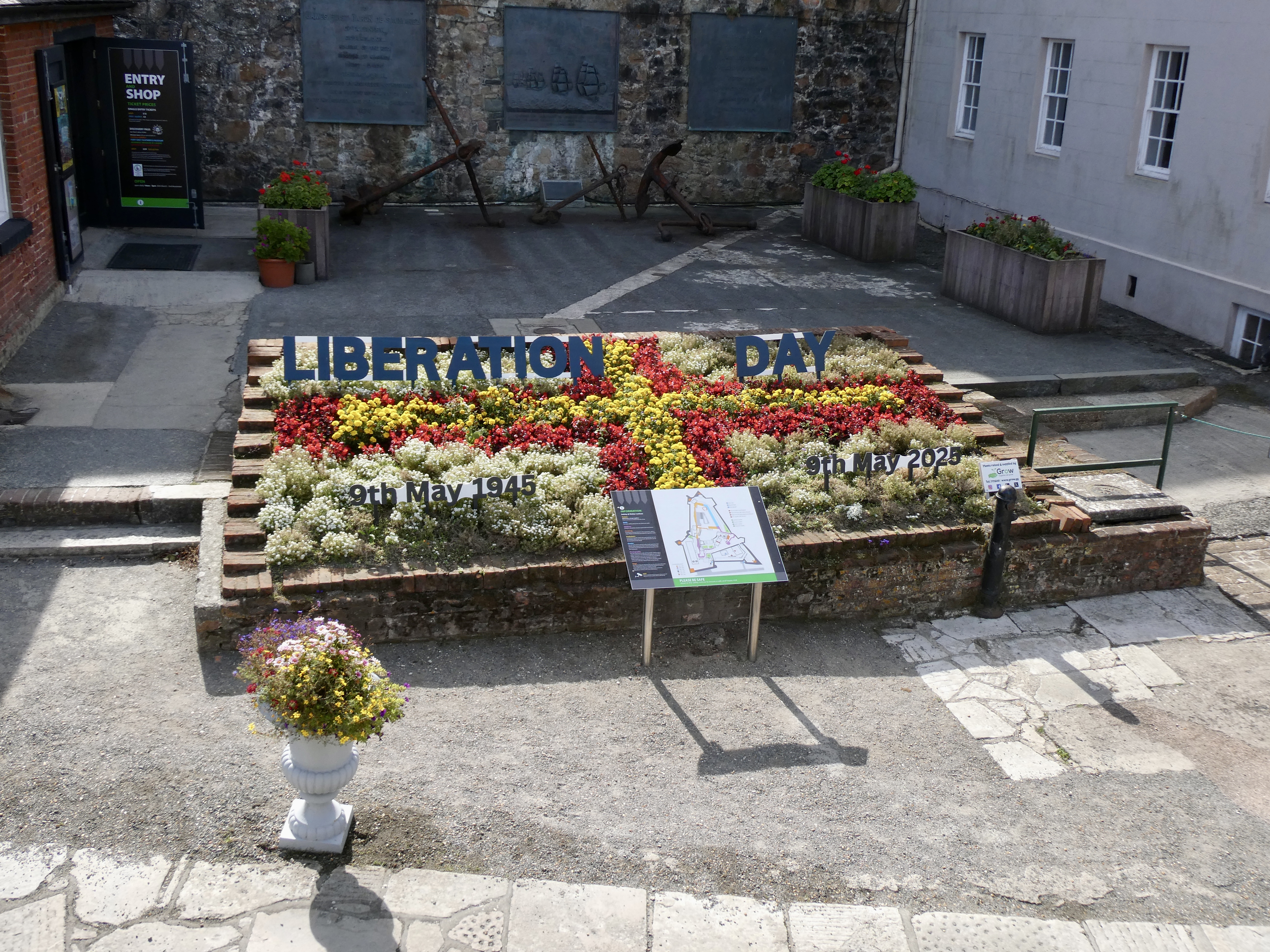
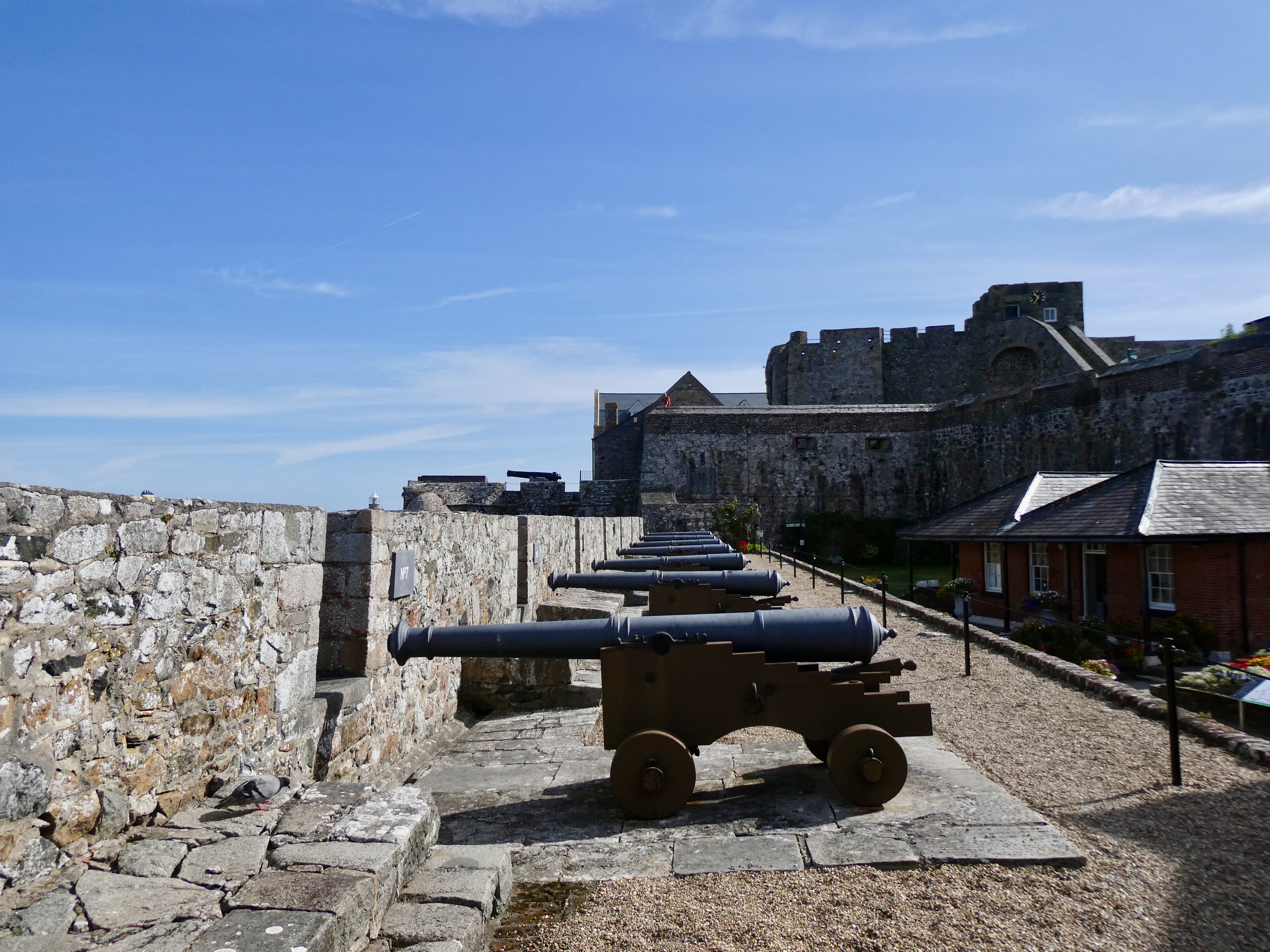
So after the taking in the history of the castle, I joined a small one hour walking tour of the castle which departed from the entrance at 10:30. The tour took us past Napoleonic cannons by the entrance outer wall.
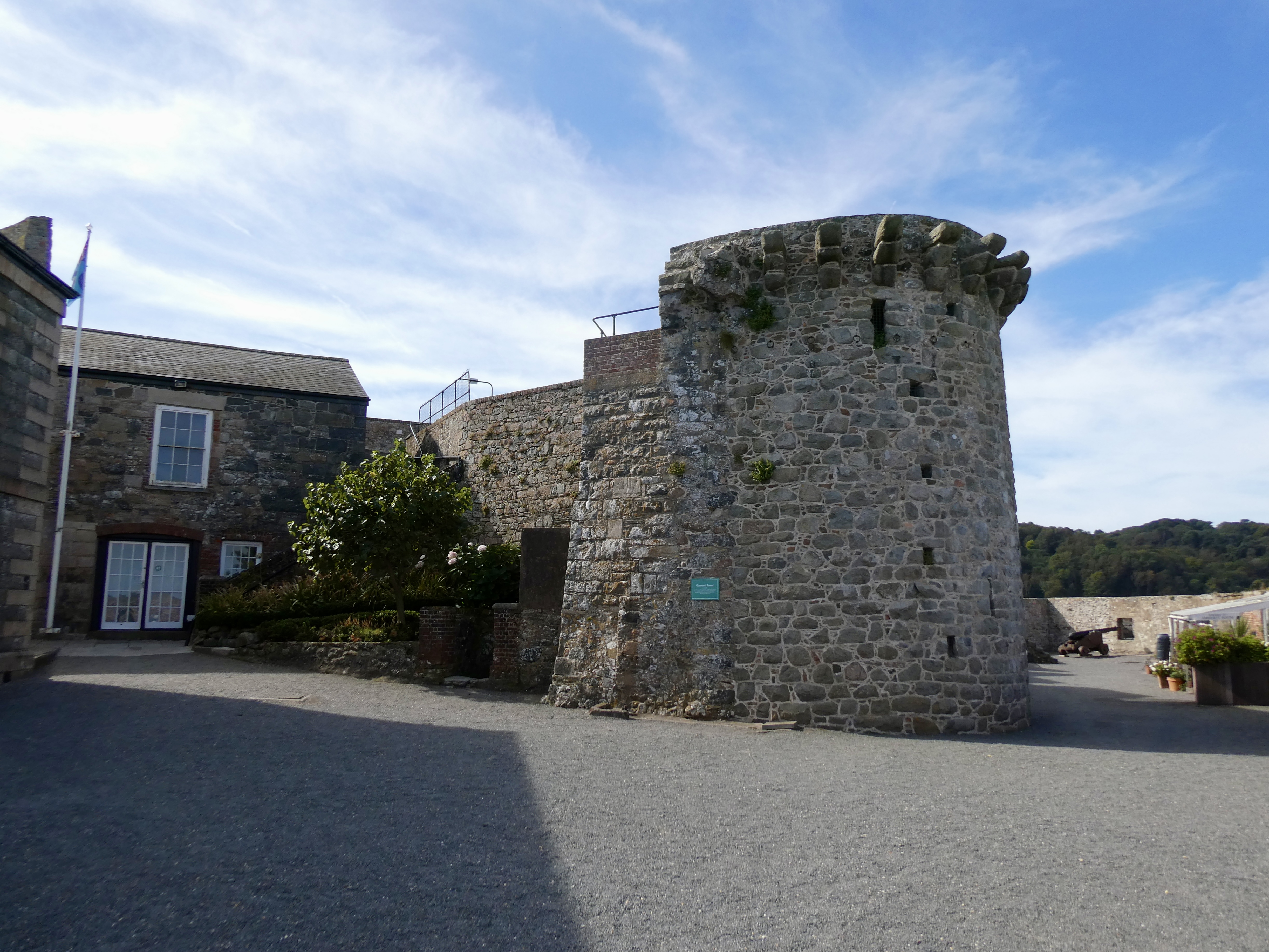
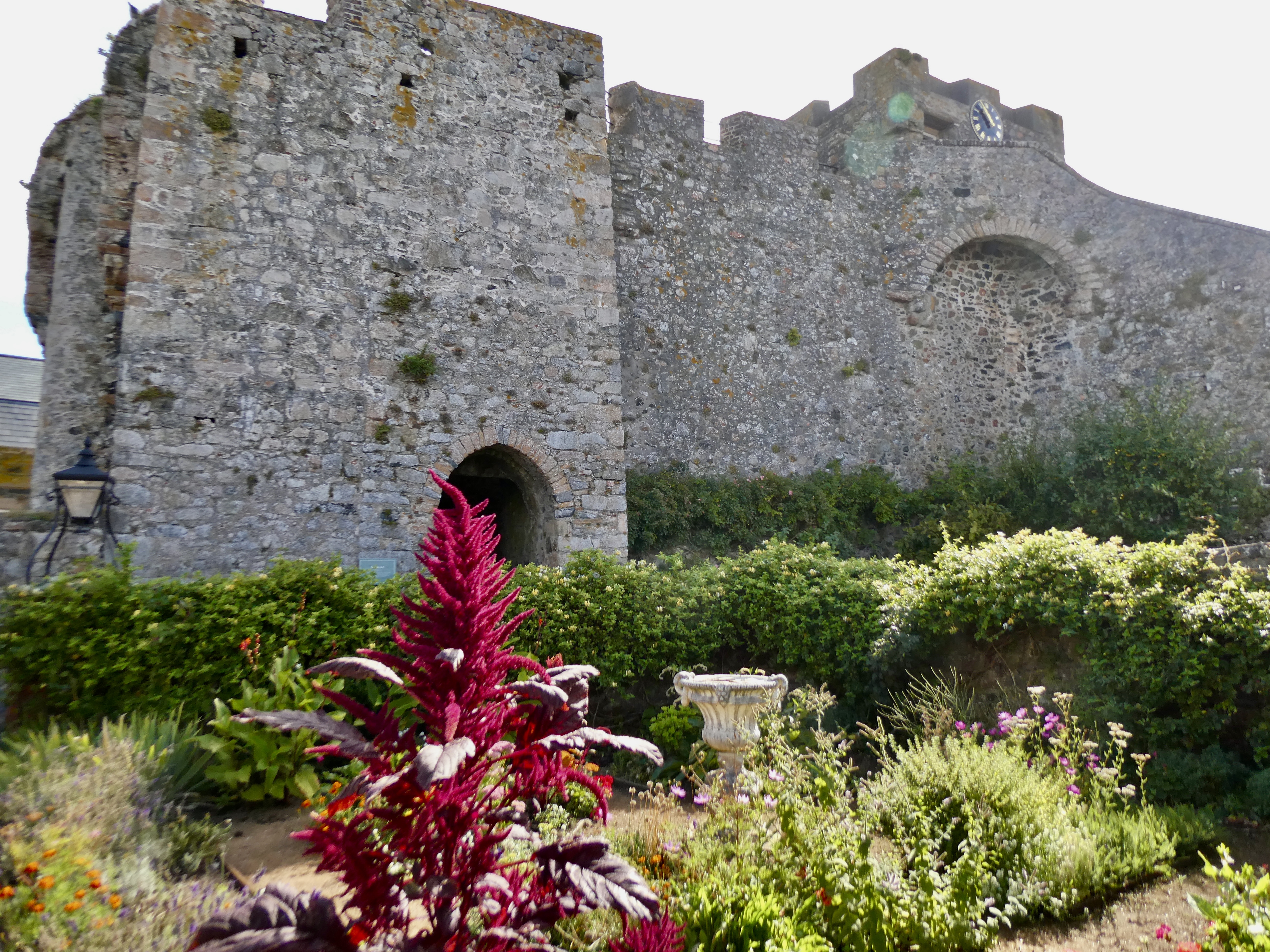
We then climbed a series of stairs to the Gunnary Tower, which was added in 1435 and then walked down a staircase to the former residence of General Sir John Lambert who was imprisoned in the castle for aligning himself with parliament and against the crown during the civil war. While imprisoned, General Lambert started a garden, which still exists to this day.
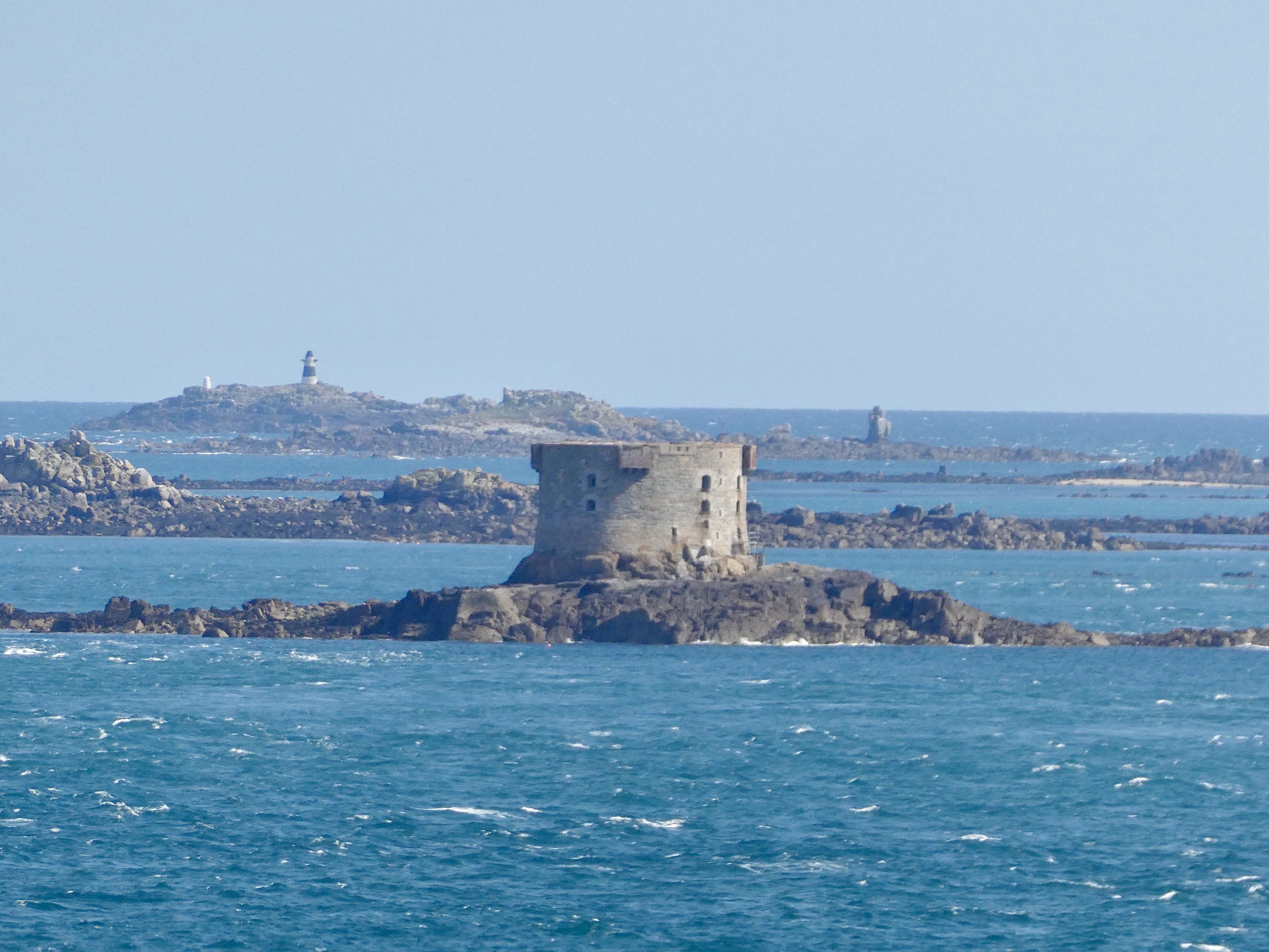
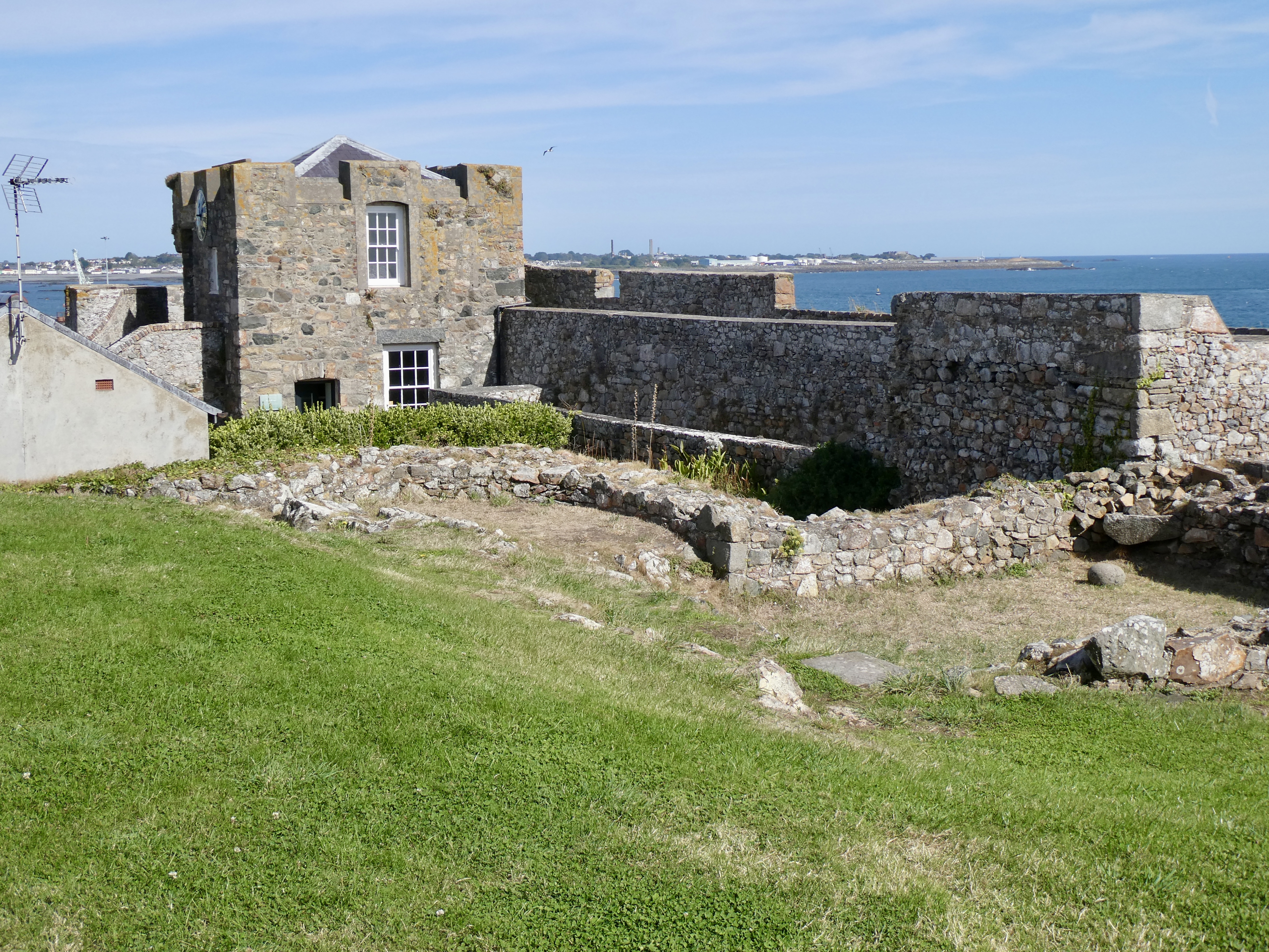
We then walked up another staircase and along a narrow alley where there was at one time a drawbridge and moat and then up yet another staircase to an outer wall. We took in views towards the outer islands and then walked to a grassy area that at one time was the site of the residence of the Governor General before the residence was destroyed by a lightening strike in the mid 17th century. Nearby were the remains of the original walls of the castle as well as 17th century storehouses.
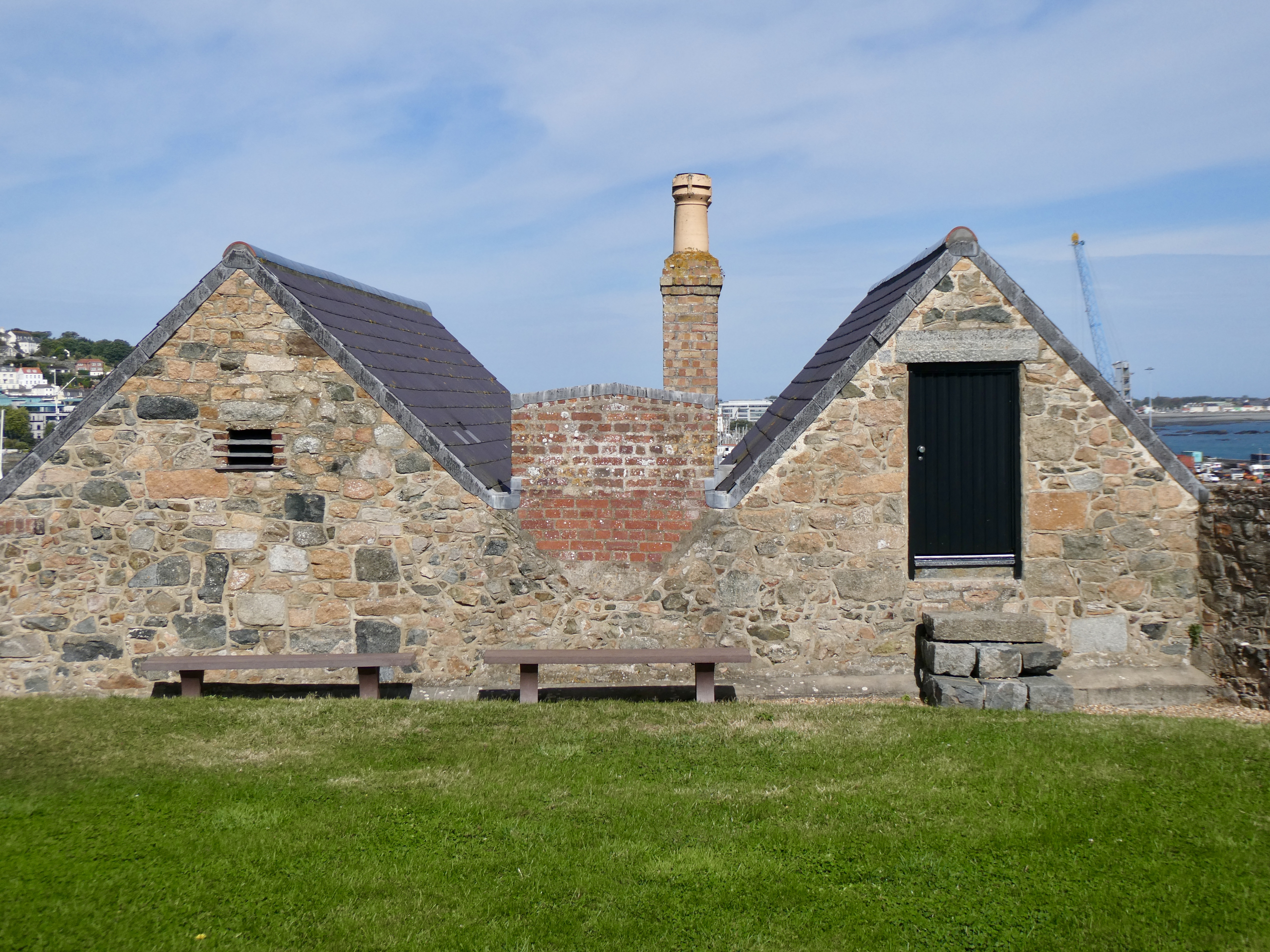
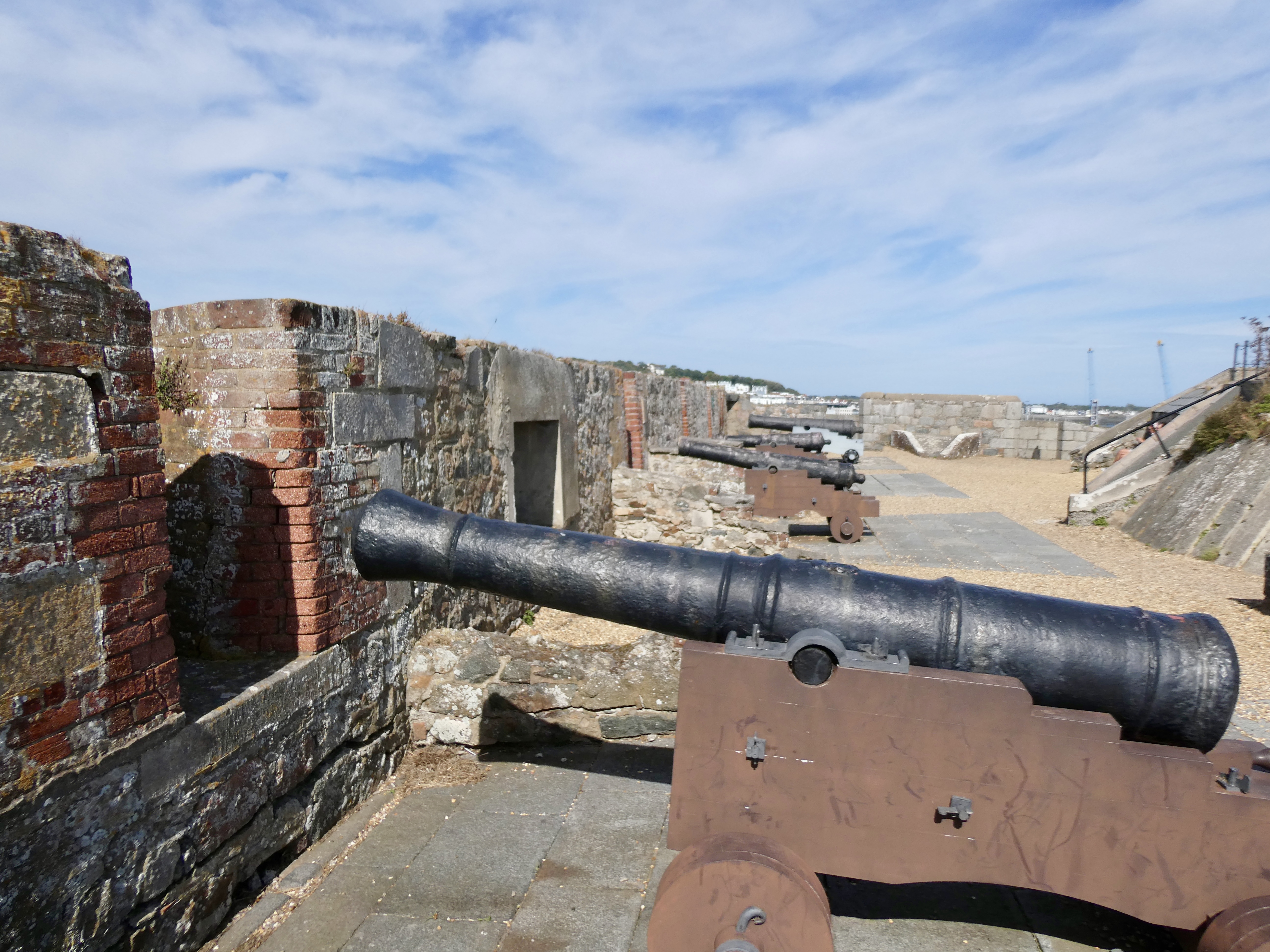
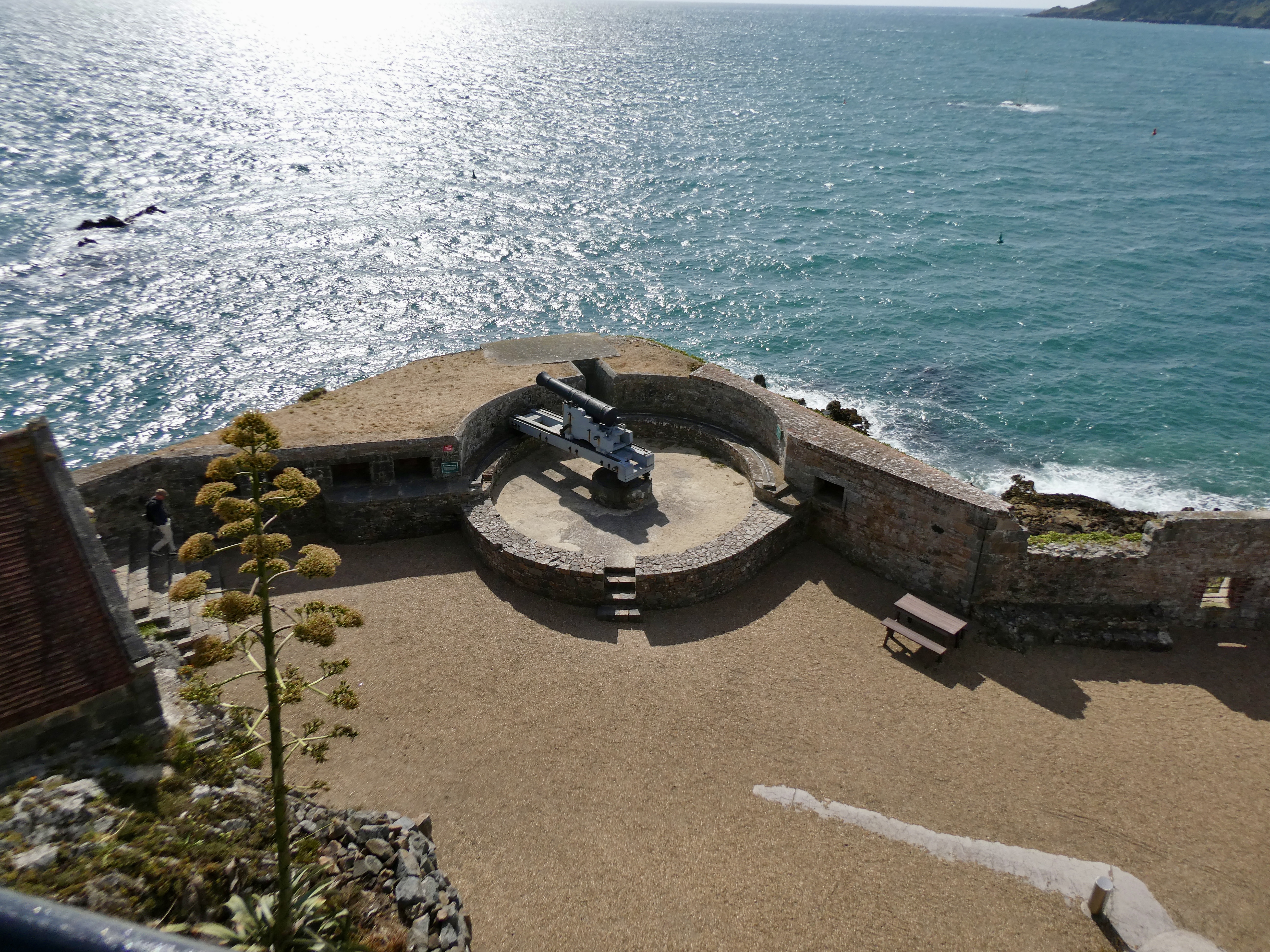
We concluded the tour by walking to Chamberlayne’s Mount, an outer wall that was constructed in the mid 16th century and served as a lookout and artillery platform. Today, the cannons located in the area are from the mid 19th century.
After the tour, I wandered to the front of the castle and took a look at the South Battery dating to 1590 and 19th century cannon the Governor’s Garden, which was first constructed in 1735. I then doubled back and wandered past the entrance and down a staircase to reach the location where the firing of the noonday gun would take place.
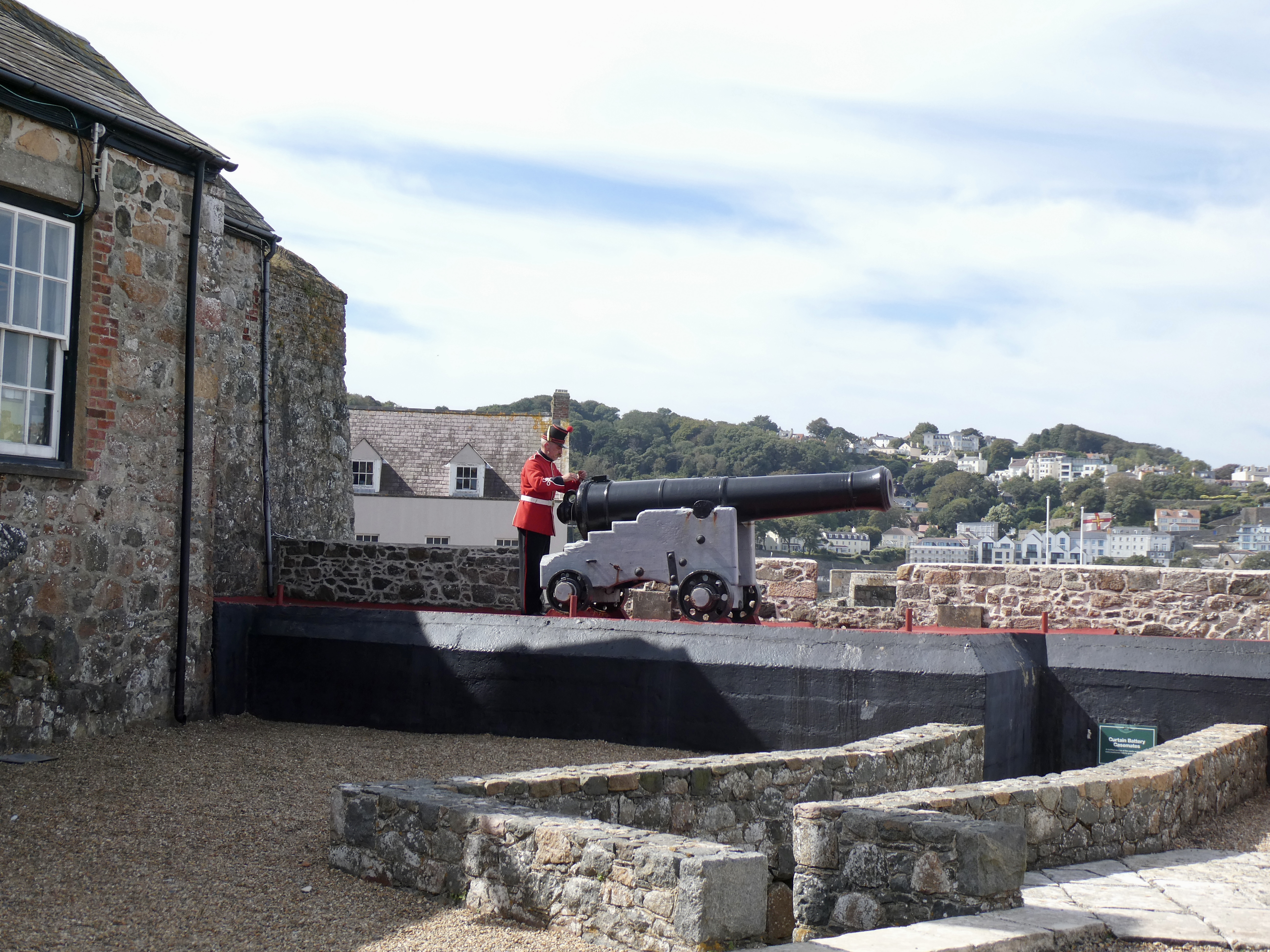
About 5 minutes before noon, military music started up and a gunner dressed in traditional attire (dating to the mid 19th century) appeared. The man loaded the cannon and then right at noon fired off the shot without any real warning. I was filming the whole thing and when that gun went off, it scared the living H out of me (and yes it was all caught on the video).
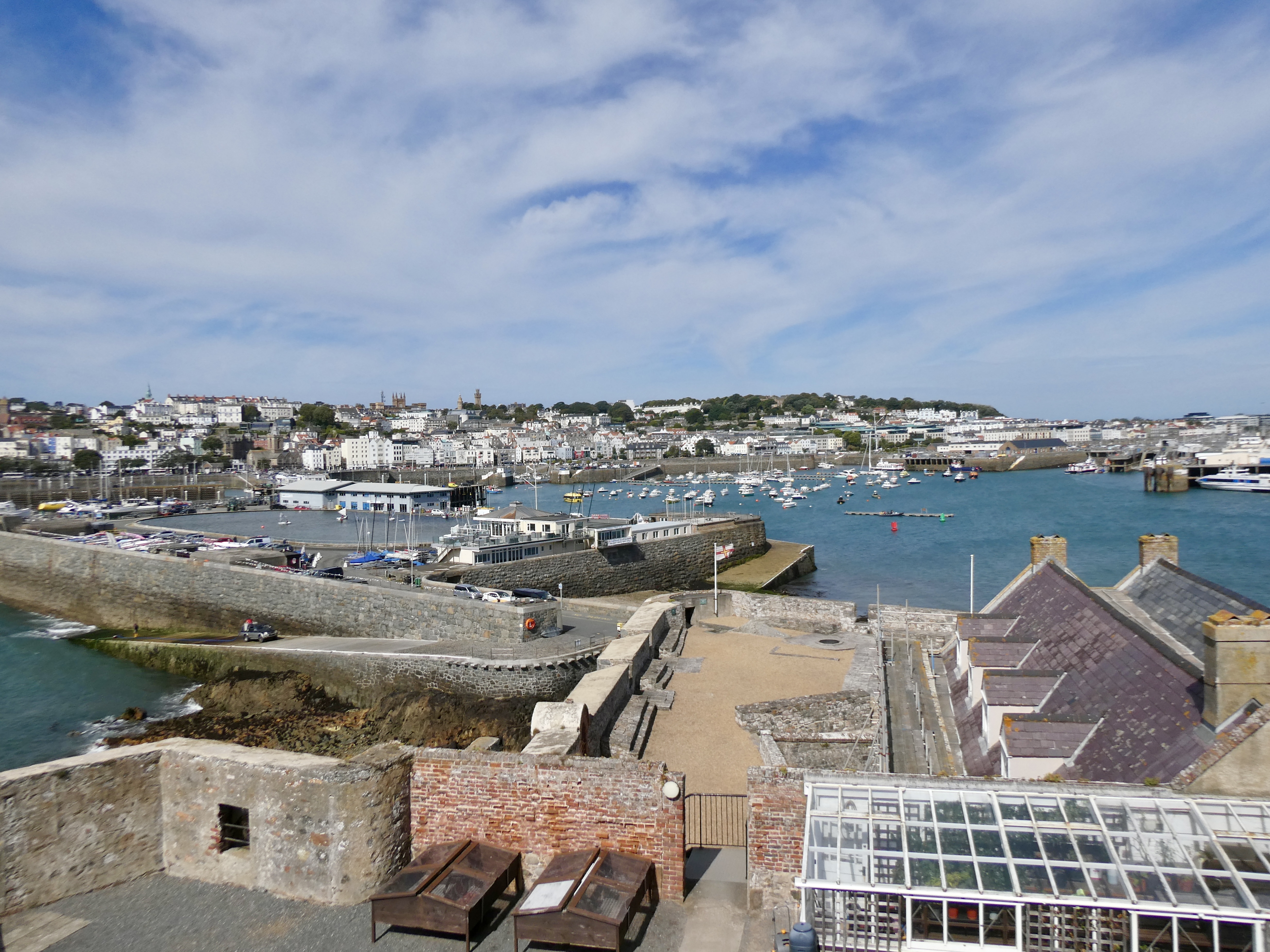
So after the firing of the gun, I began the trek back to town reaching the shopping district around 1:00. My time is Guernsey is almost up and tomorrow, I jump on a ferry for the 70 minute trip across the water to Jersey. I am hoping for some calmer winds as it is pretty rocky out on the water right now. Fingers crossed.
