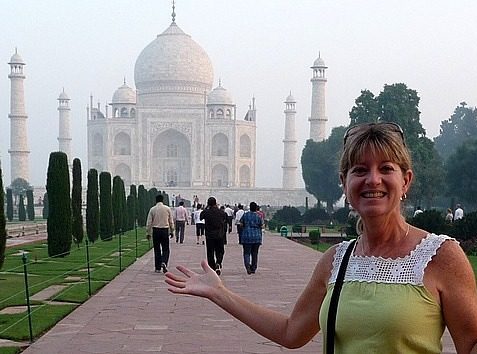
So on Tuesday, my guide Nilo met me at the entrance to my hotel. She was a half hour late because they were waiting at another hotel for a couple who never showed up. (Very surprised they waited that long because usually it is 5 minutes and then they leave you.)
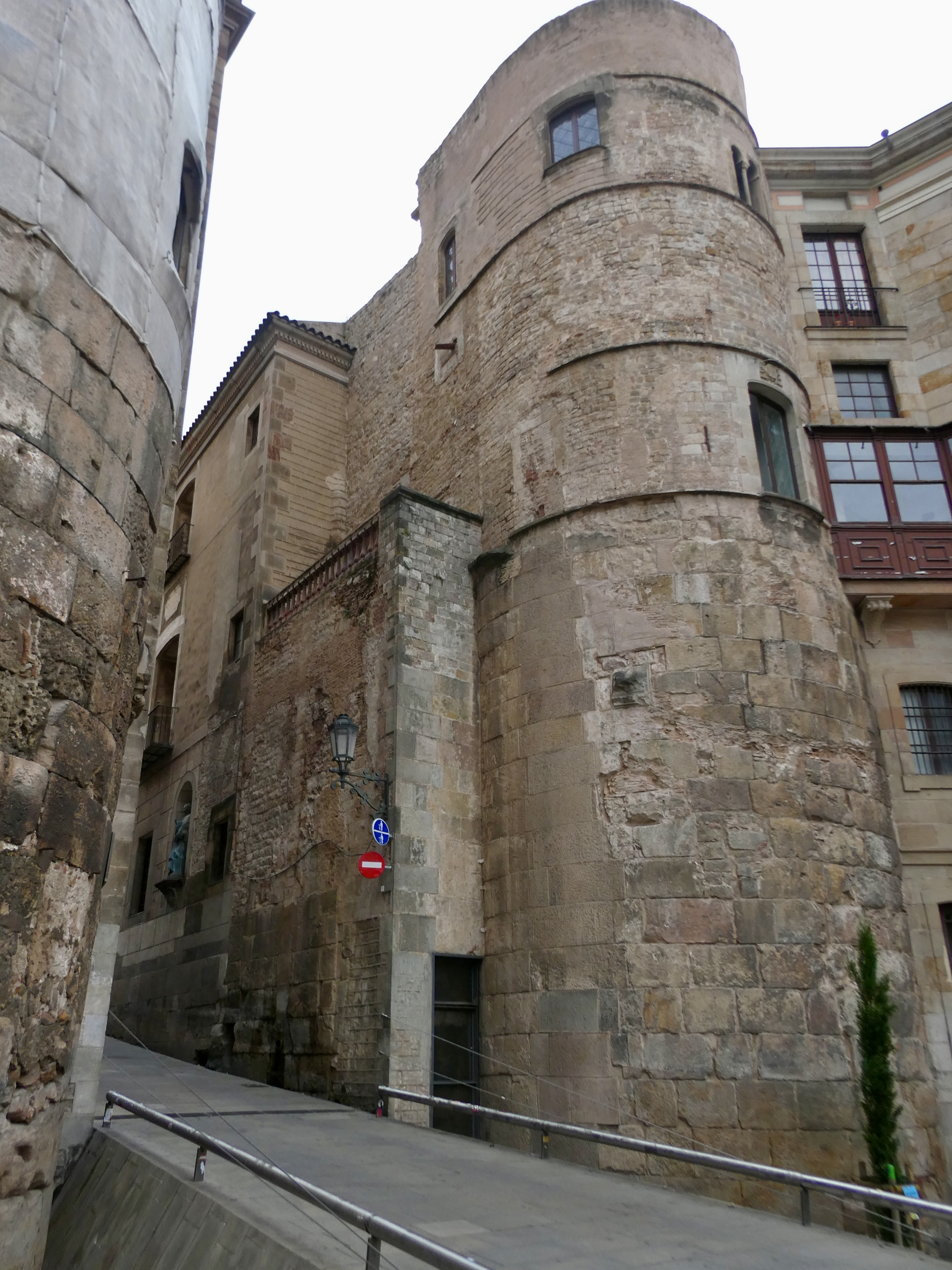
Anyway, we met up with two other couples from the U.S. before walking across the square in front of my hotel to the Barcelona Cathedral where Nilo gave us a brief overview of the history of the cathedral which dates to the 14th century, is constructed in the Catalan gothic style and has a cloister where 13 geese are housed in honour of Saint Eulalia, the cathedral’s patron saint.
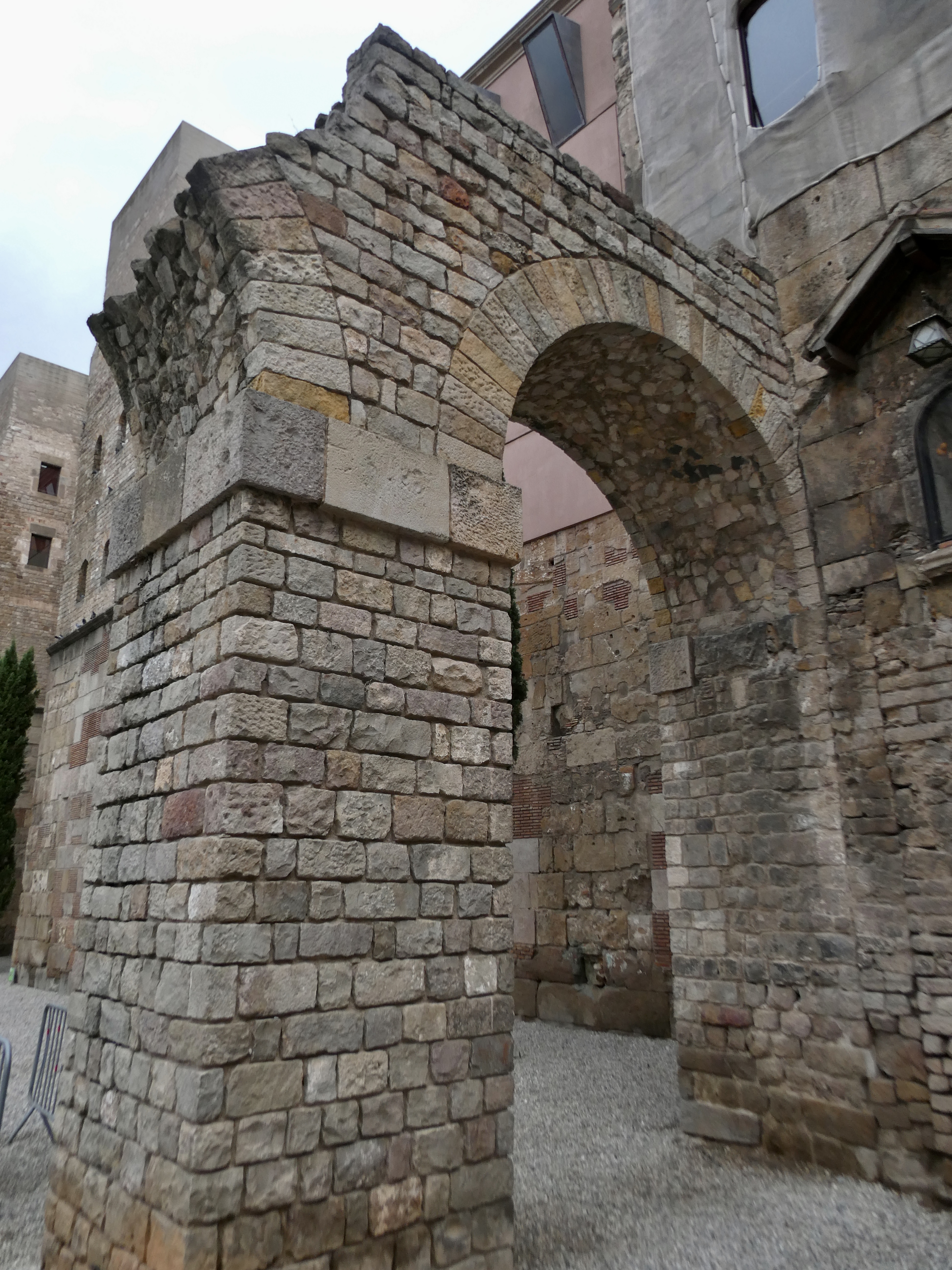
From here, we wandered around to the side of the cathedral where the remains of a Roman acquaduct and a Roman tower and wall are located. It was here, that the original entrance to the old Roman city was located.
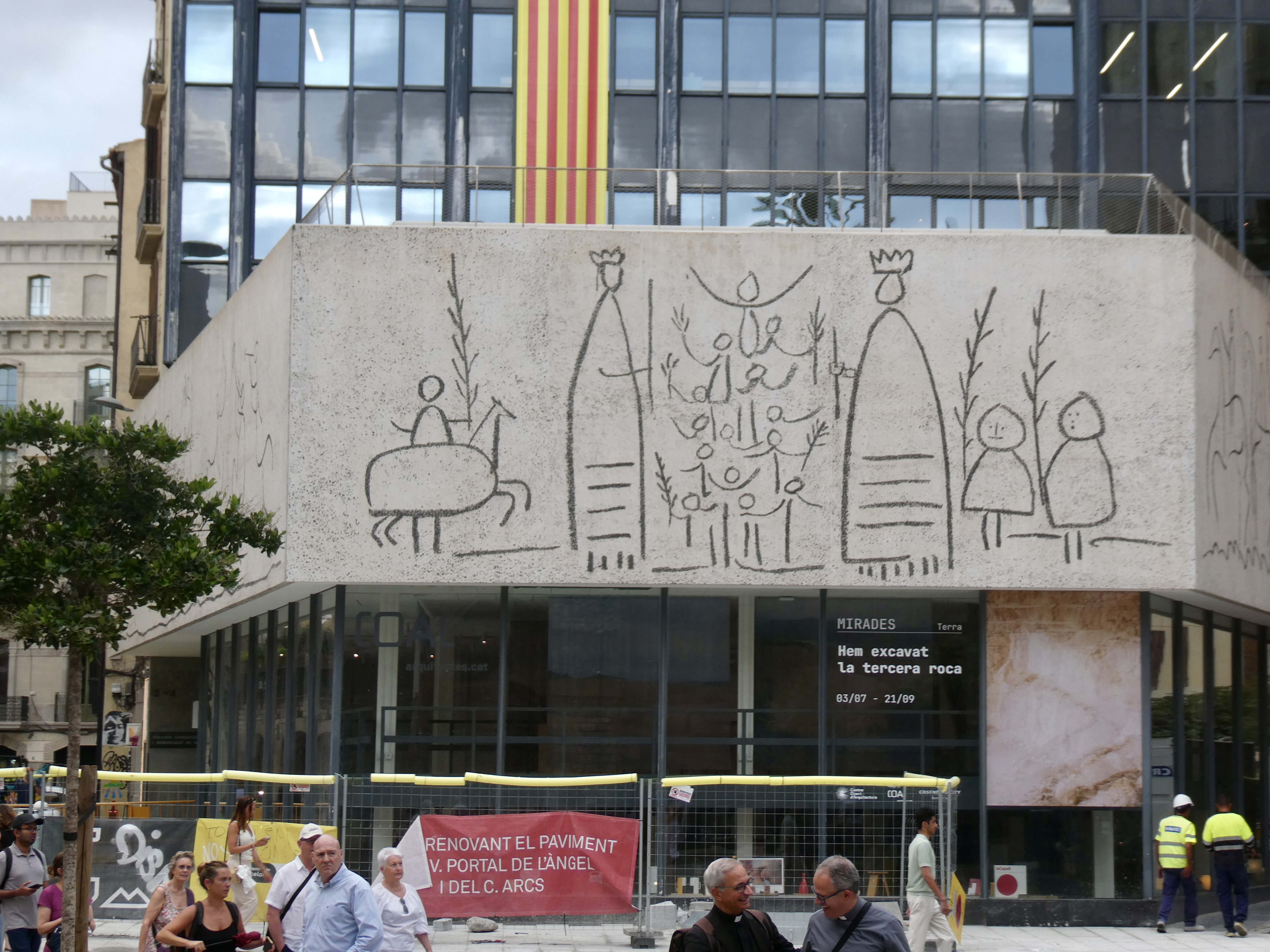
And as we were standing there, Nilo pointed out some art across the square on the side of the Barcelona School of Architecture that was apparently painted by Picasso. Pretty cool. I had actually been walking by the building a number of times over the past couple days and wondered what was up with the art on the building. Glad to know.
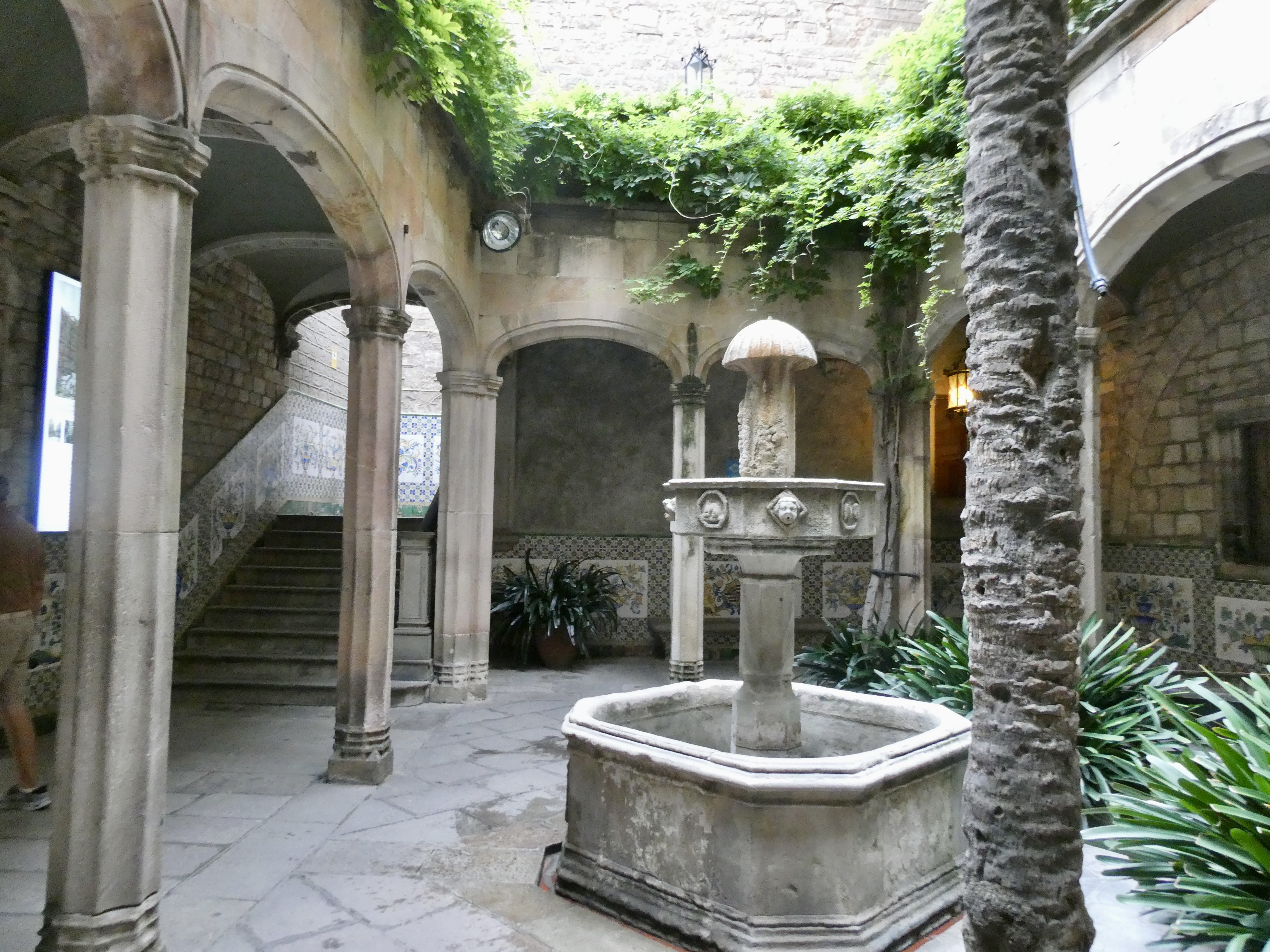
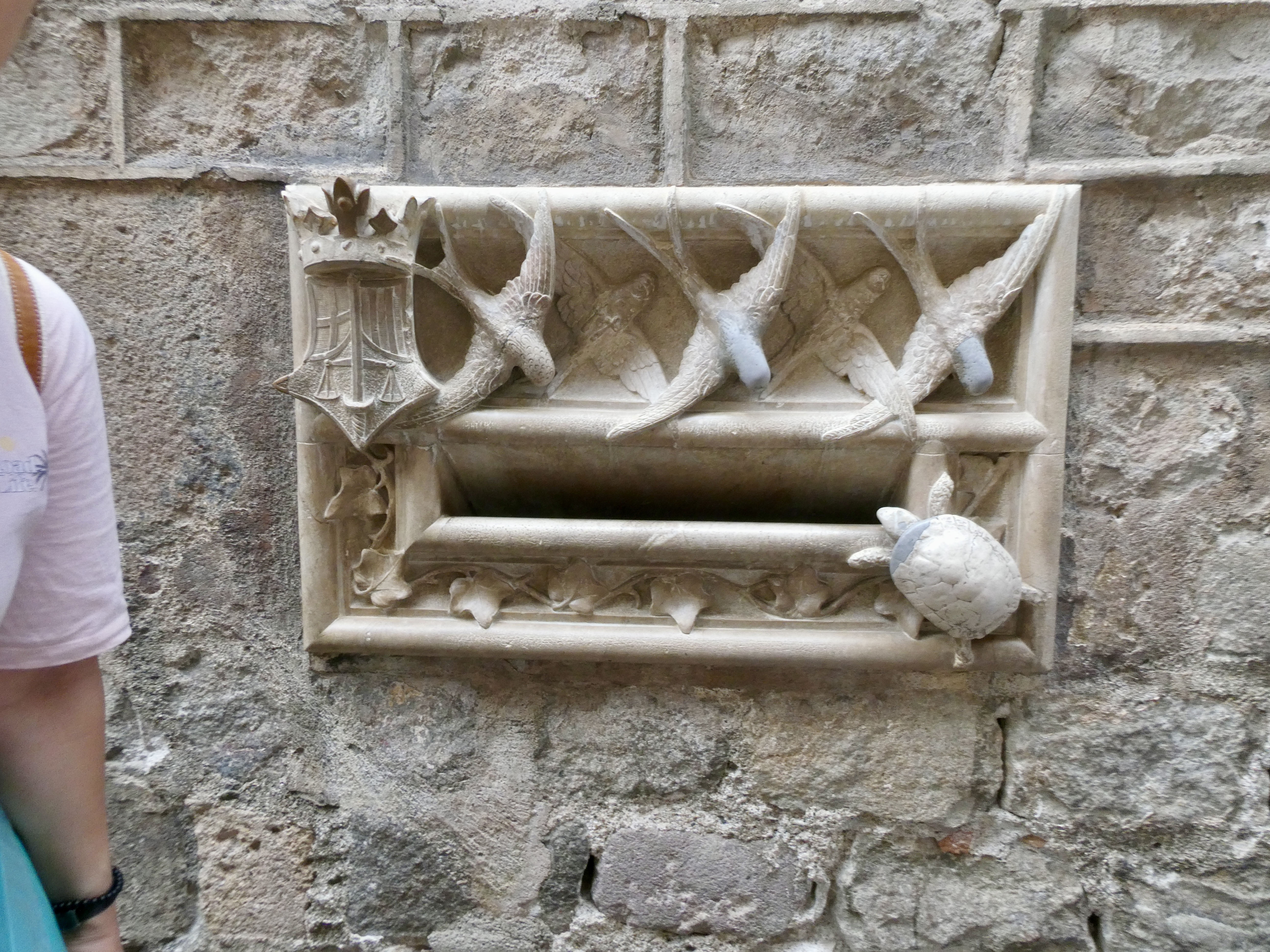
Nilo then took us around the back of the cathedral to a small building known as the de l’Ardíaca (the house of the archdeacon or principal deacon of the cathedral), a 12th-century Gothic palace built on the building that was built on the old Roman wall. The building was later occupied in the 19th century by the College of Lawyers. In 1902, the Mailbox of Justice was added to the facade. The mailbox was designed by Lluís Domènech i Montaner and features an ode to justice, with swallows symbolizing the swiftness of truth and a tortoise representing the slow pace of the judicial system. I got a big laugh out of that one!
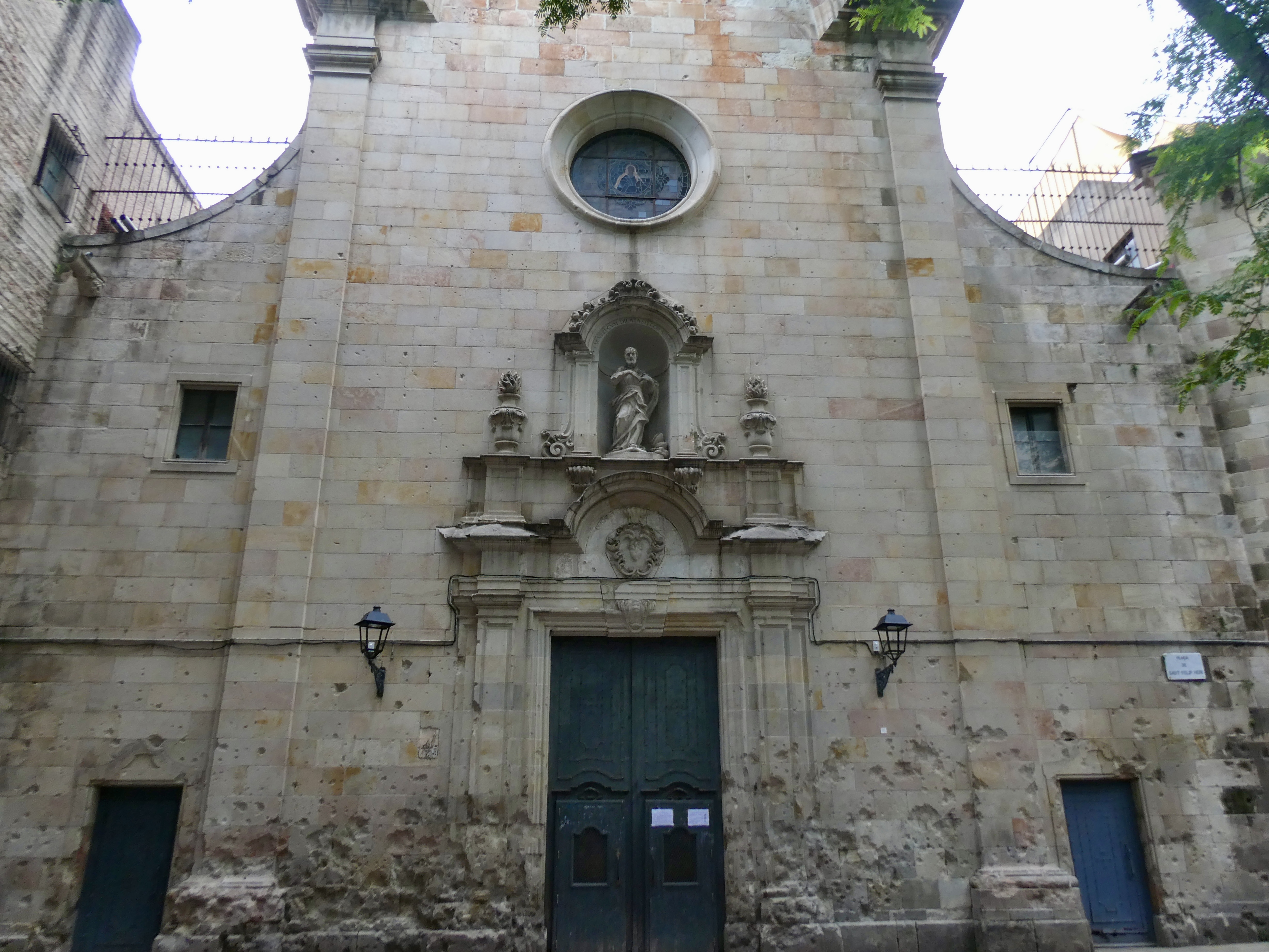
After leaving the old palace, we headed down a narrow alley to Sant Felip Neri Church that contained pockmarks from an Italian airstrike during a bombing on January 30, 1938 which killed 42 people including 20 children sheltering from the bombing that day. Very sobering.
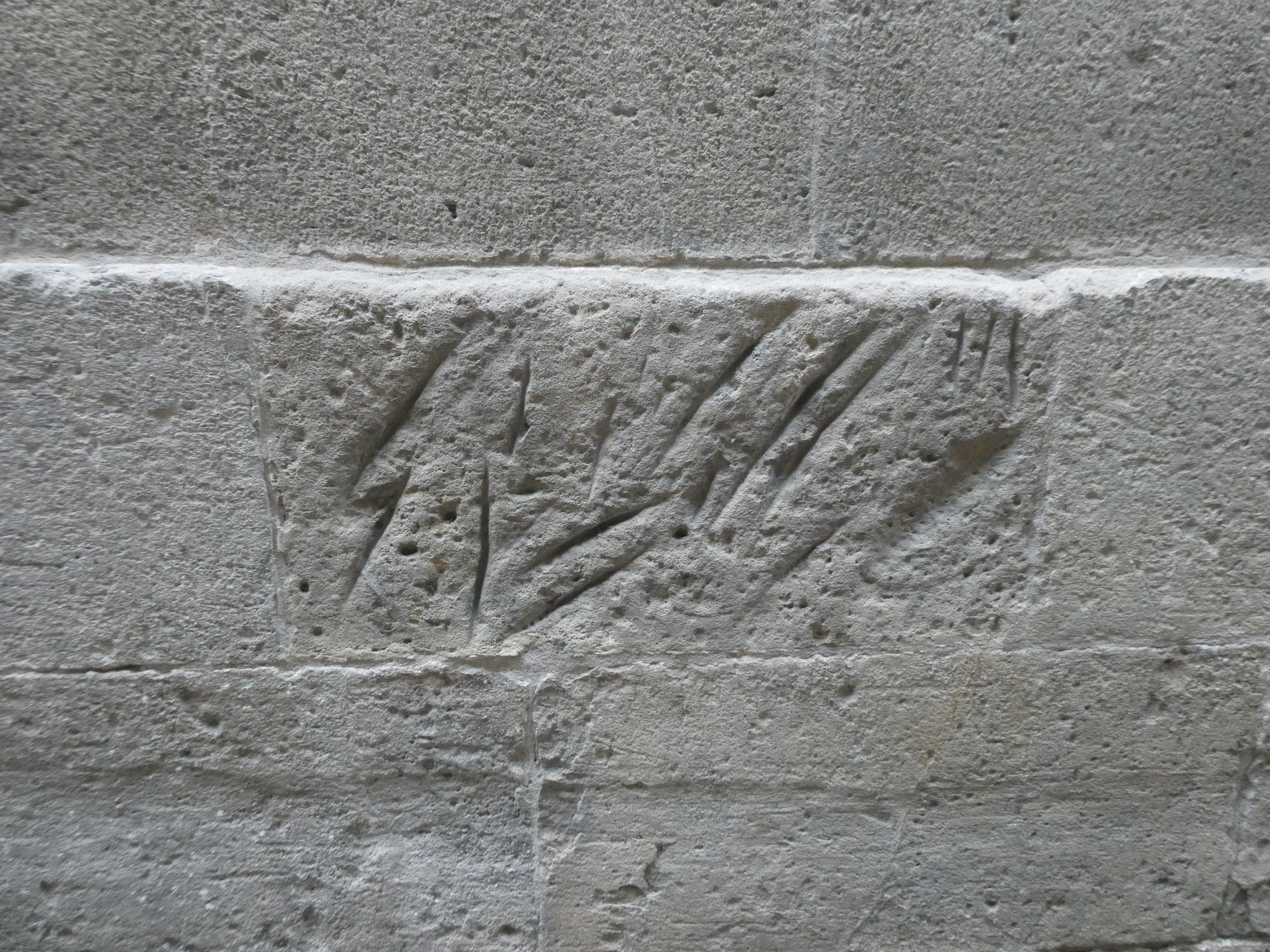
After taking in the church, we headed down another alley past more old Roman walls with deep cuts carved into the walls, which were made by Roman soldiers sharpening their swords.
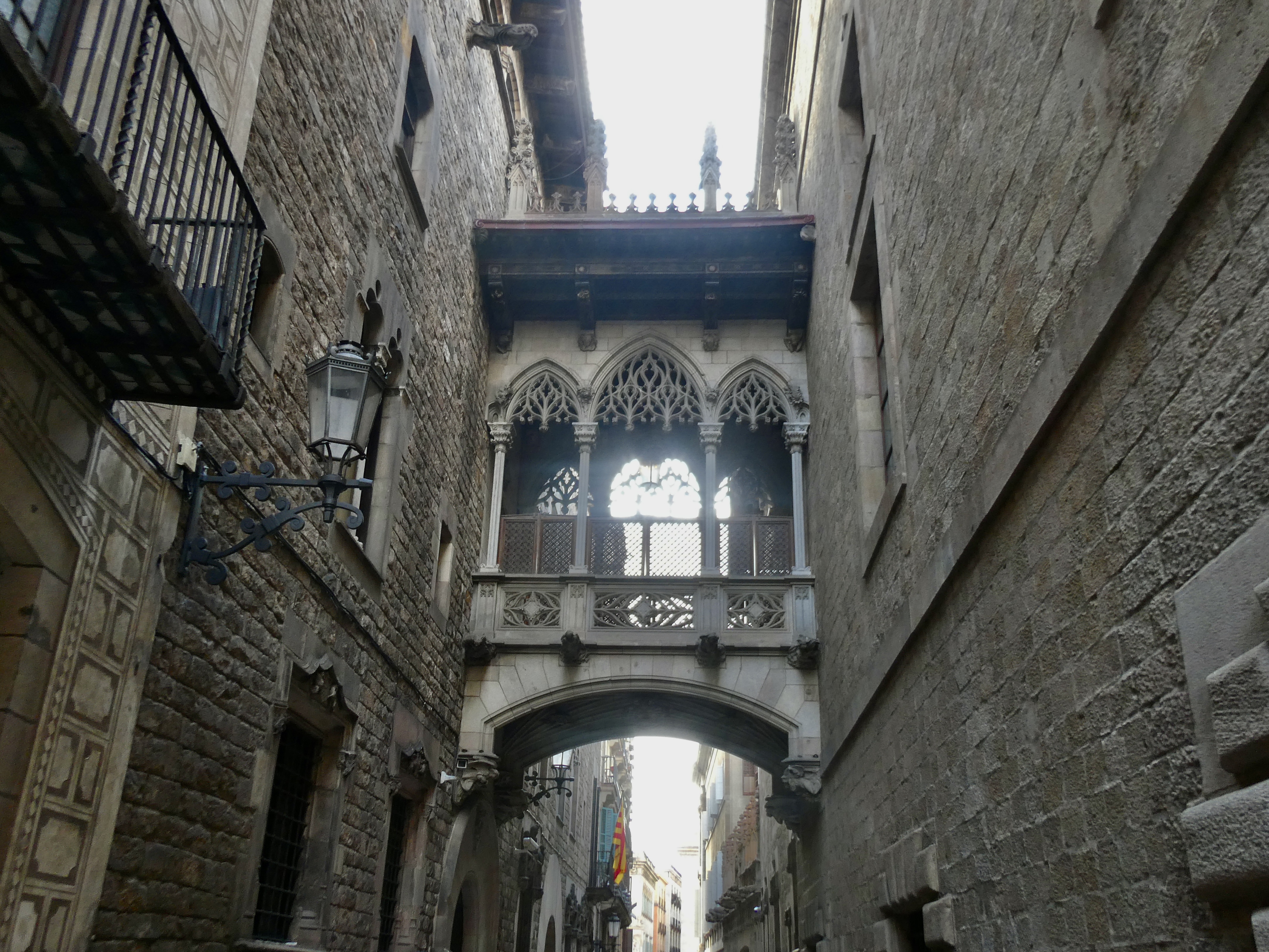
We then approached one of the famous sites in the Gothic quarter, the Pont del Bisbe (Bishop’s Bridge) designed by Gaudi disciple, Joan Rubio I Bellver. The footbridge was constructed in 1928 and connects the Palau de la Generalitat and the Casa dels Canonges. And underneath the bridge is a sculpture of a man with a sword through his head and it is said if you can spot the sculpture, you will have good luck.
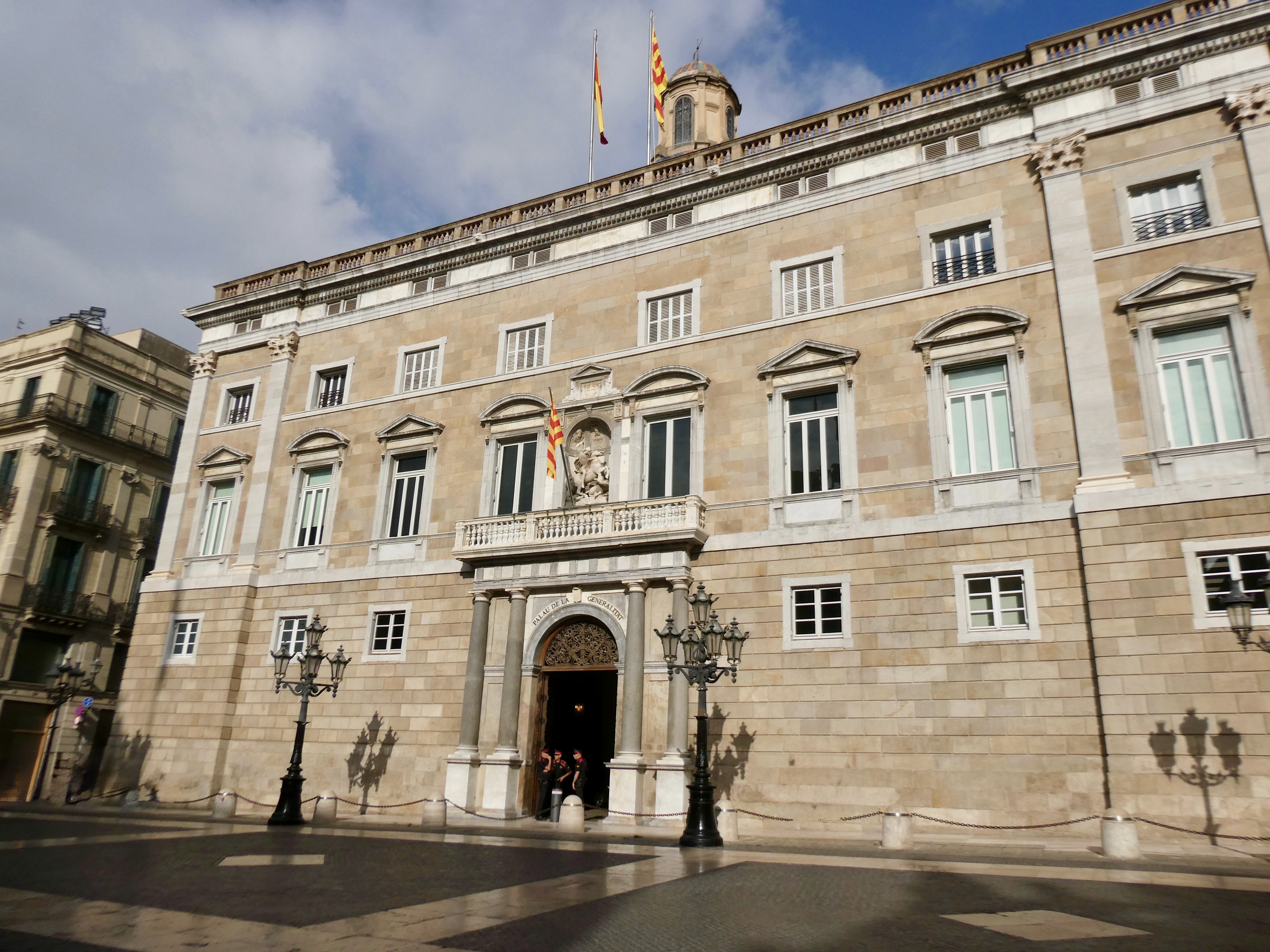
We then walked down to the end of the alley to the square that fronted Palau de la Generalitat, the Catalan Parliament buildings.
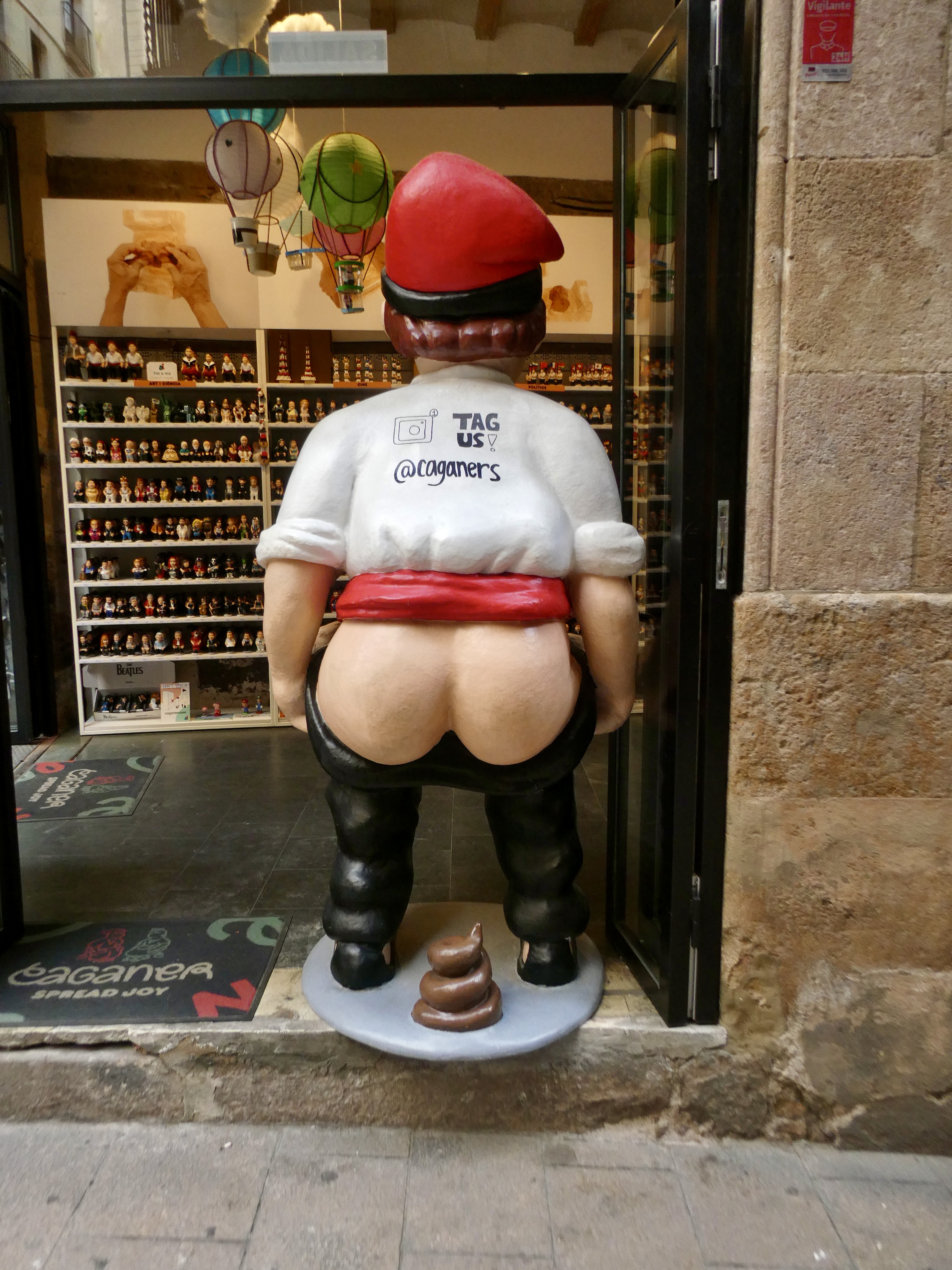
From here, we walked yet another alley where we passed El Caganer, a famous figurine in Barcelona. The figure features a farmer with his pants around his ankles in a squat position and a pile of poop on the ground. The figure apparently represents prosperity, good luck and fertilization. The figure allegedly came to be because farmers would poop in their fields rather than hike all the way back to the outhouse. And believe it or not, they have now adapted the figurine to all sorts of celebrities, athletes, movie stars etc. I don’t get it, but the figures are literally everywhere in Barcelona.
At this point, we reached the Santa Maria Del Mar Church where we met our driver who was going to take us on a drive by the waterfront and up Montjuic Mountain where we were going to take a break before heading back into the city for a tour of Sagrada Familia, the famous Gaudi designed church that has been under construction for almost 100 years.
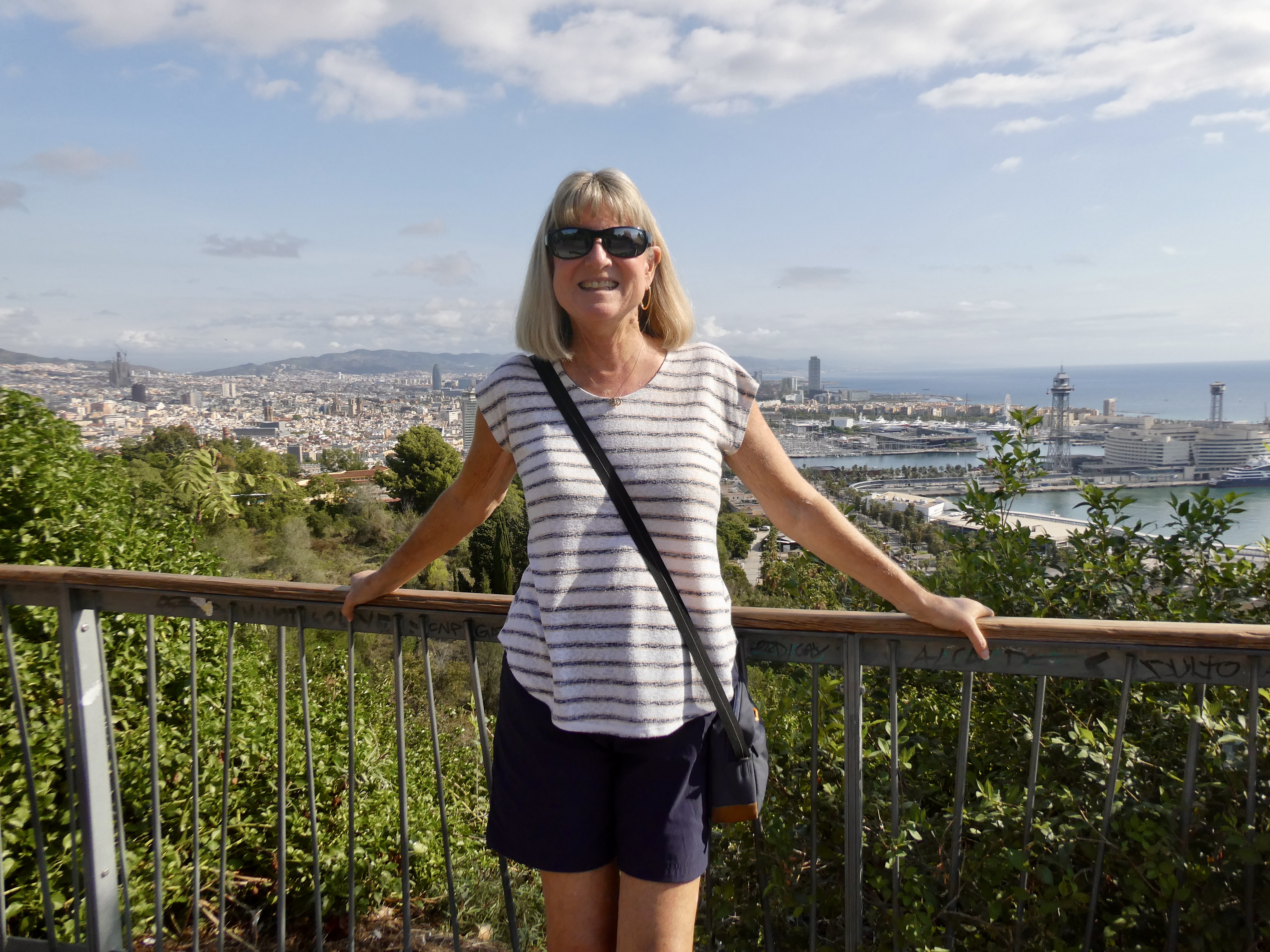
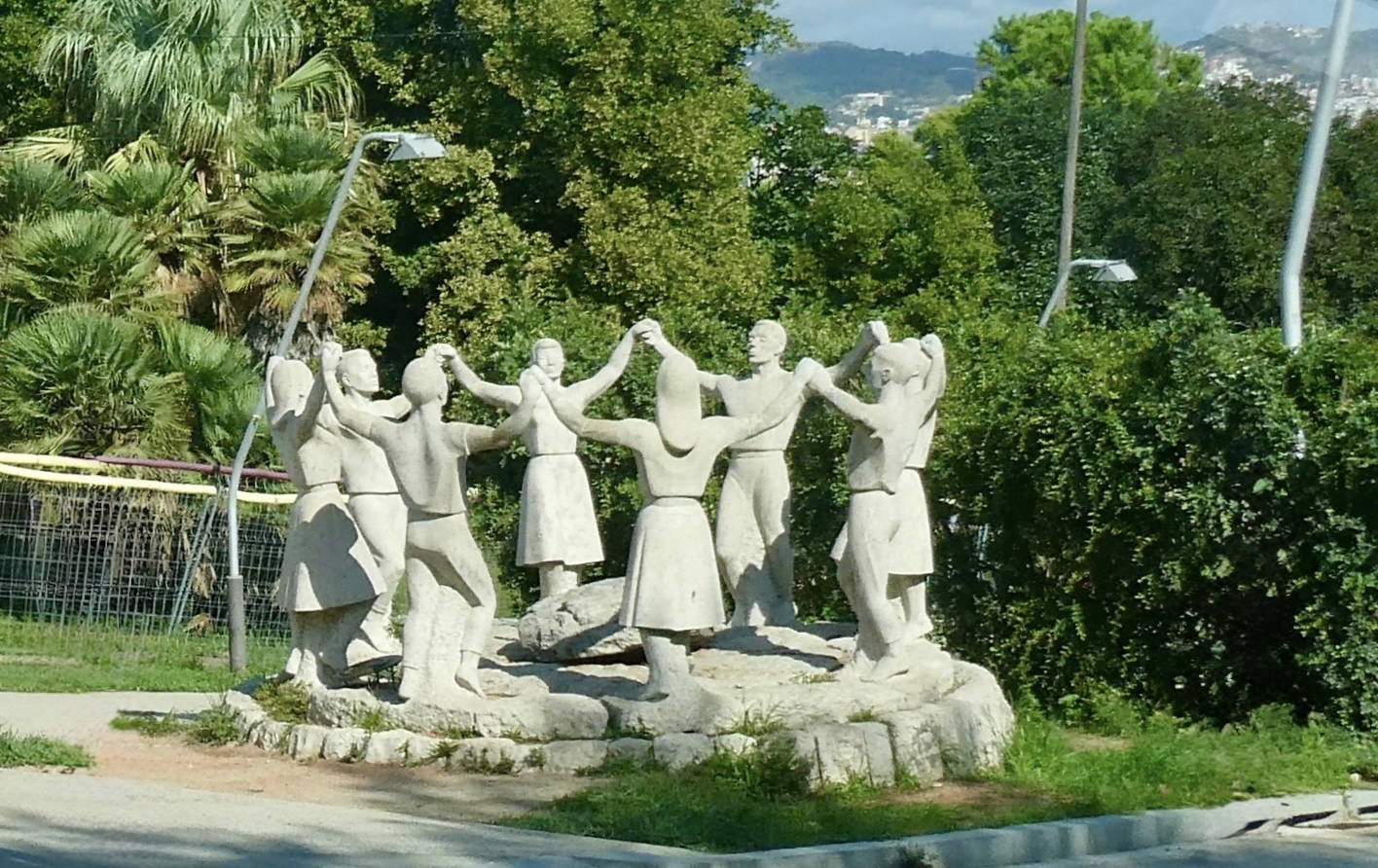
Anyway, once we reached Montjuic Mountain, we took a walk around the lookout point before sitting down for a mid morning coffee. Here, Nilo gave us our tickets and showed us how to use the Sagrada Familia app, which would take us on a guided tour of the church. (Sagrada Familia does not permit private guides to give tours of the site, but instead requires you to either download the app or hire one of the church guides.)
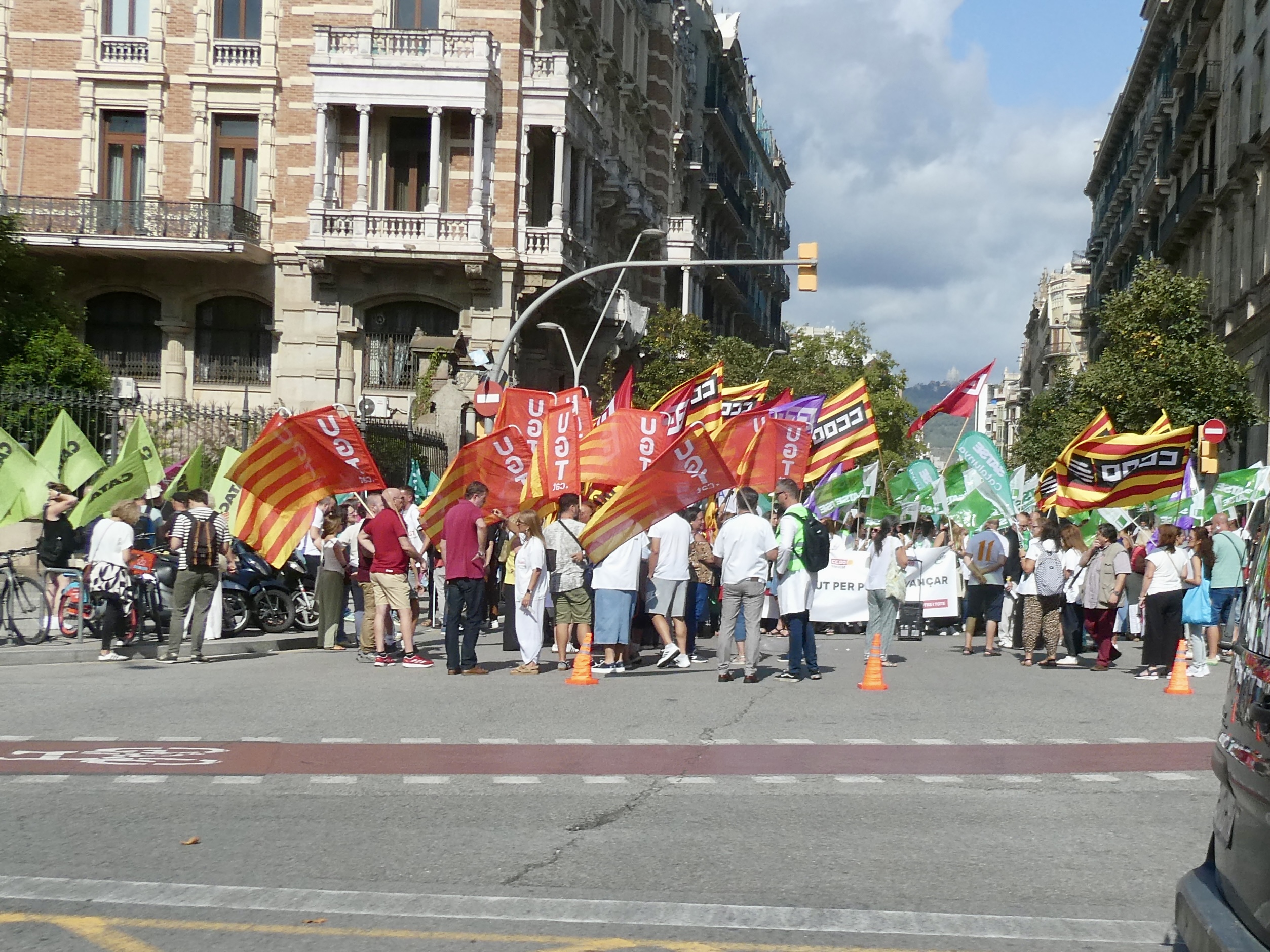
Anyway, once we were situated, we drove back down the mountain past the Olympic sites I had seen on Sunday on my Hop on Hop off bus tour and into the city and past a large Catalan independence protest. Our driver parked the van about a block from Sagrada Familia and we then walked to the UNESCO World Heritage site.
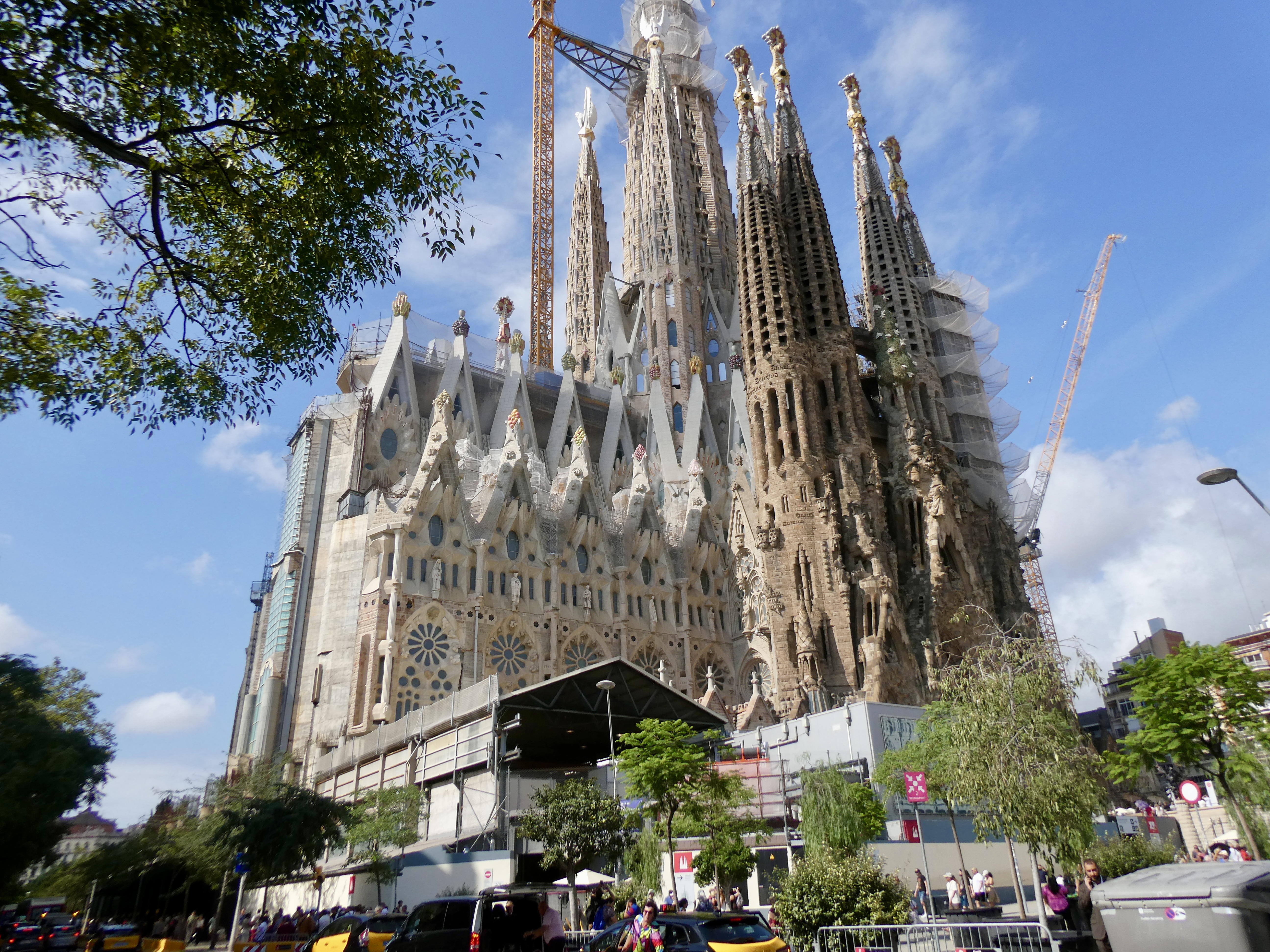
Once at the site, we lined up and showed our tickets and went through security. At this point, I left the others, turned on the app and followed the numbered signs that corresponded to the app and which gave a history of Sagrada Familia as well as an in depth description of the architecture and design of the Catholic Church.
One thing quickly became clear and that is that Gaudi designed Sagrada Familia with a lot of symbolism. Now the original project was designed in 1882 by Francisco de Paula del Villar. In 1883, Gaudi took over the project. Gaudi’s original design called for a total of eighteen spires, representing in ascending order of height the Twelve Apostles, the four Evangelists, the Virgin Mary and the tallest, Jesus Christ. They are still working on the tallest spire, but expect it to be completed next year.
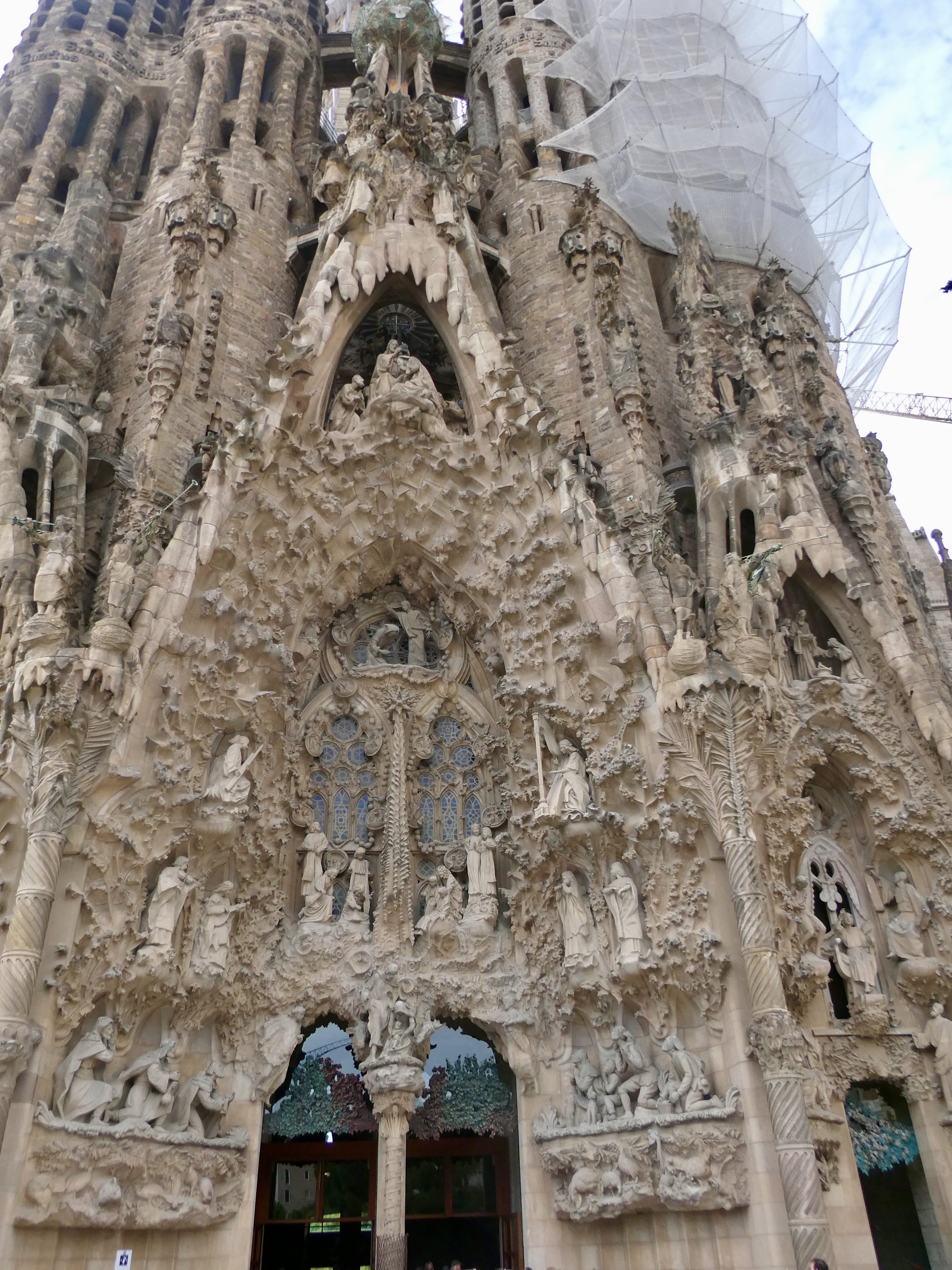

The church design also calls for three exterior facades: the Nativity façade to the east, the Passion façade to the west and the Glory façade to the south. At this point, the Nativity Façade and the Passion façade are complete, but the Glory façade is not even close to completion.
The Nativity façade features the birth of Christ and includes the figures of Mary, Joseph and baby Jesus as well as wisemen, worshipers, angels, trumpeters, a cypress tree and doves. It is most definitely a happy scene.
The Passion façade, in contrast, includes gaunt, tormented characters, emaciated figures and Christ on the Cross. This side of the church is designed to convey the symbolism of death.
The Glory façade, when complete with be the largest facade and will represent a believer’s ascension to God. In addition, there will be various scenes such as Hell, Purgatory, the seven deadly sins and the seven heavenly virtues.

And inside, the symbolism continued. The pillars inside are designed to look like a forest with no two pillars the same. There is a cloister and a crypt where Gaudi is buried. (In fact these two areas of the church are the only two areas that were completed in Gaudi’s lifetime.)
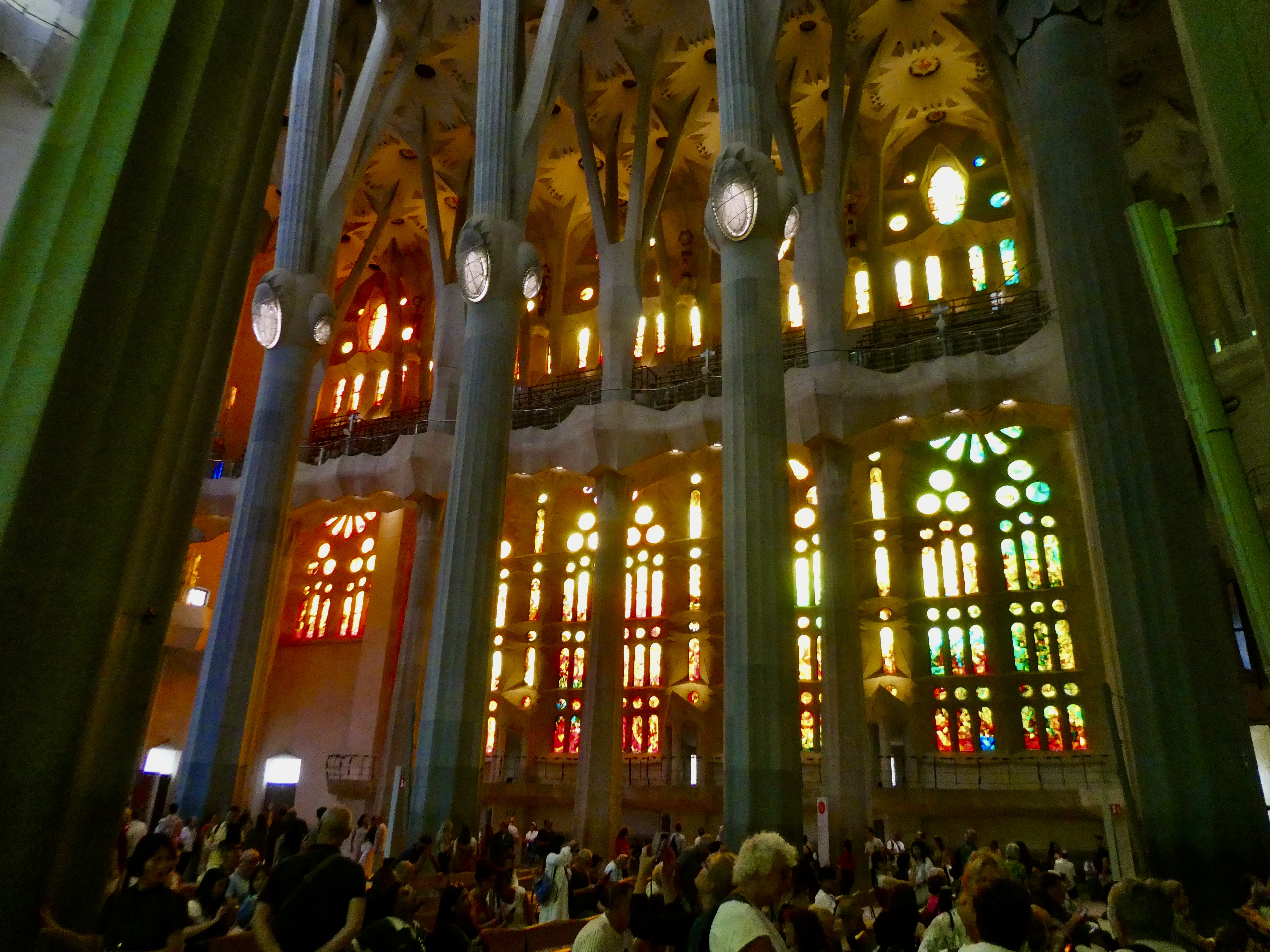
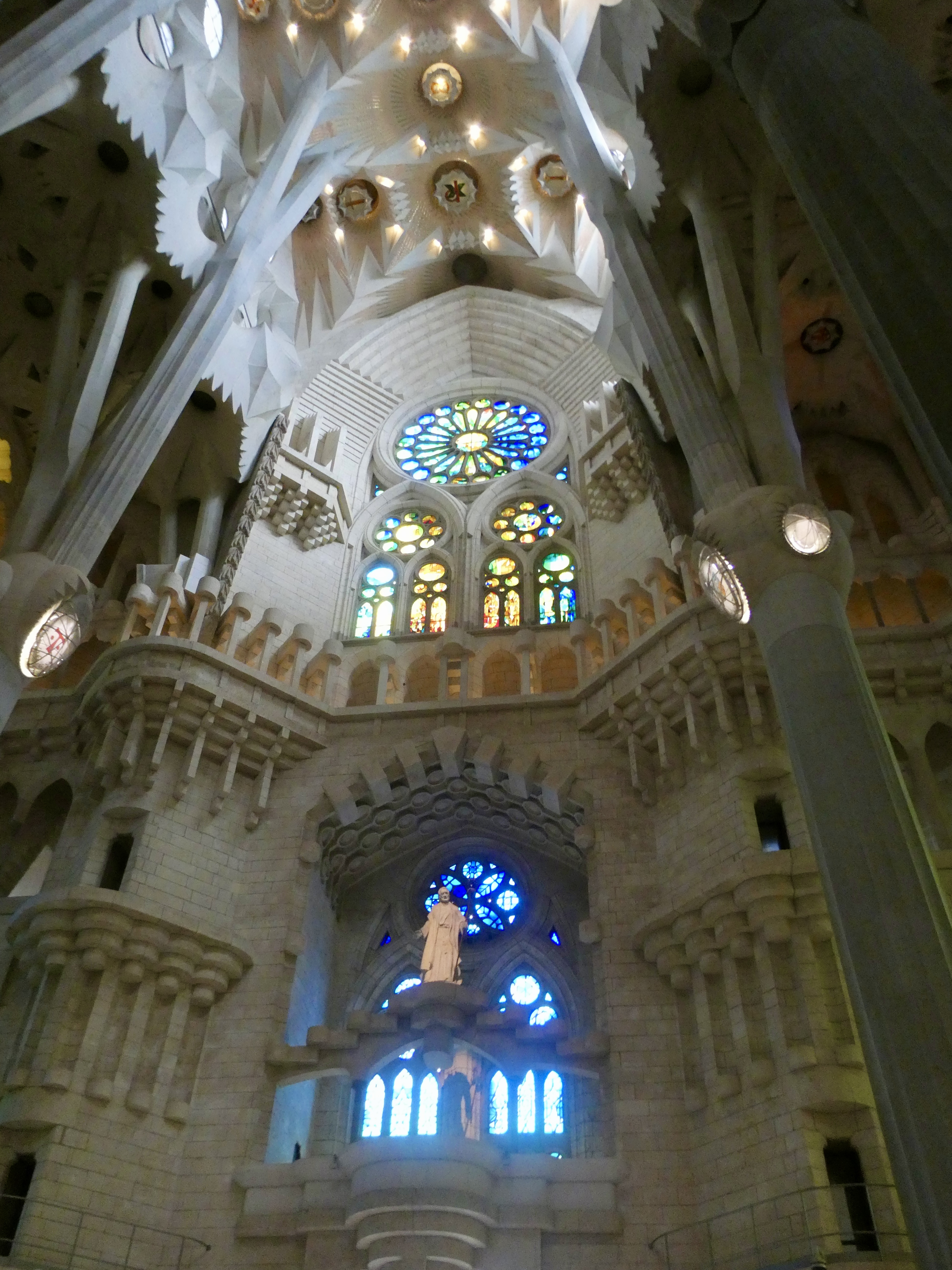
However, my favourite aspect of the church was the glorious stained glass windows. On the Nativity side of the church, the stained glass is coloured in hues of blue while on the Passion side of the church the stained glass is coloured in hues of red. And above the stained glassed windows on the Nativity side and the Passion side are the huge choir naves.
In the middle of the church is the area for worship and the alter was located at the south end of the church where the Glory façade will be constructed.

I ended up listening to the entire 45 minute tour as I walked around the exterior and interior of Sagrada Familia. I opted out of taking the elevator up the tower as it would have required a hike down 350 plus steps and my knee has just started to feel better after spraining it while hiking in Japan earlier this year.
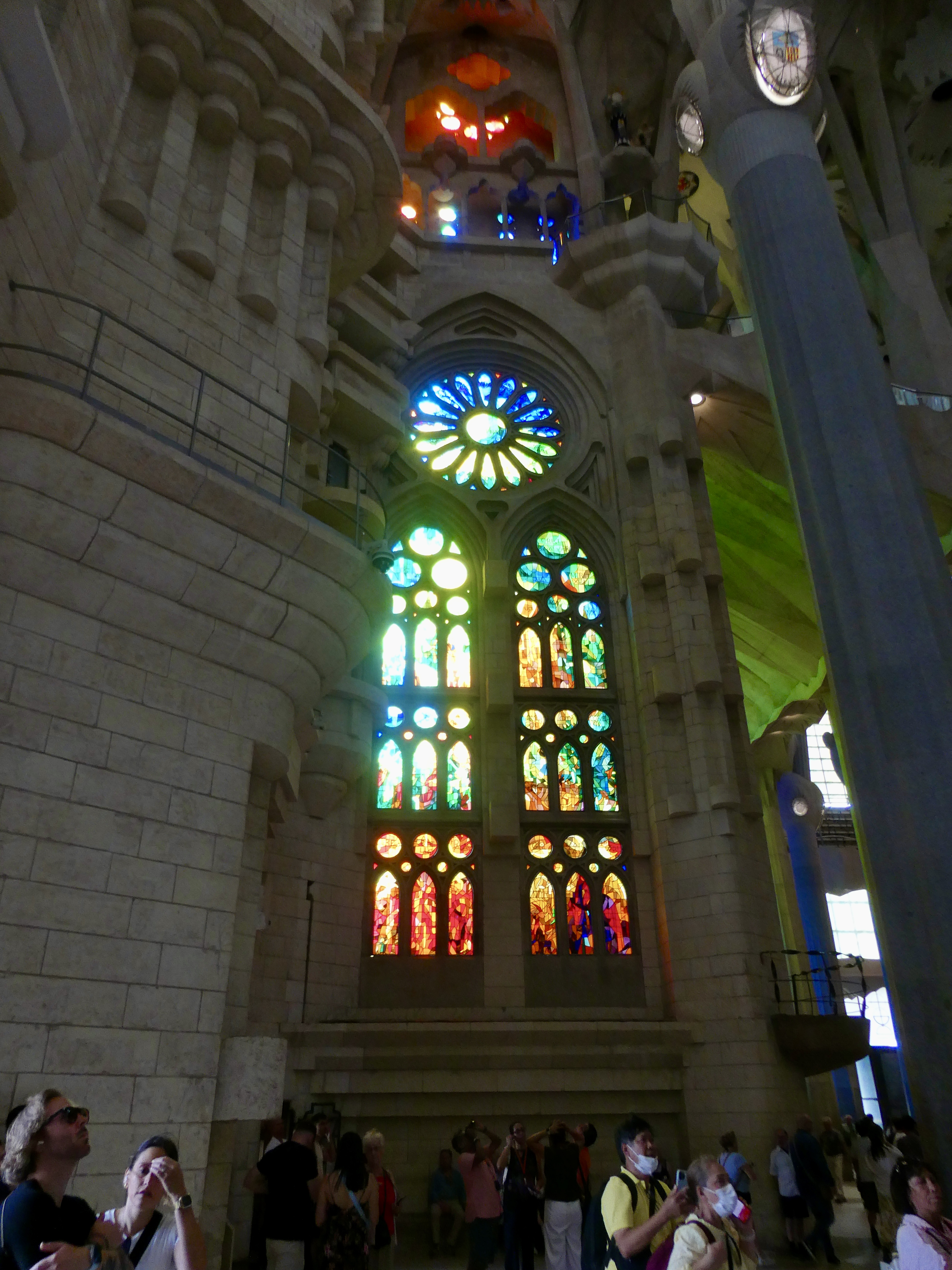
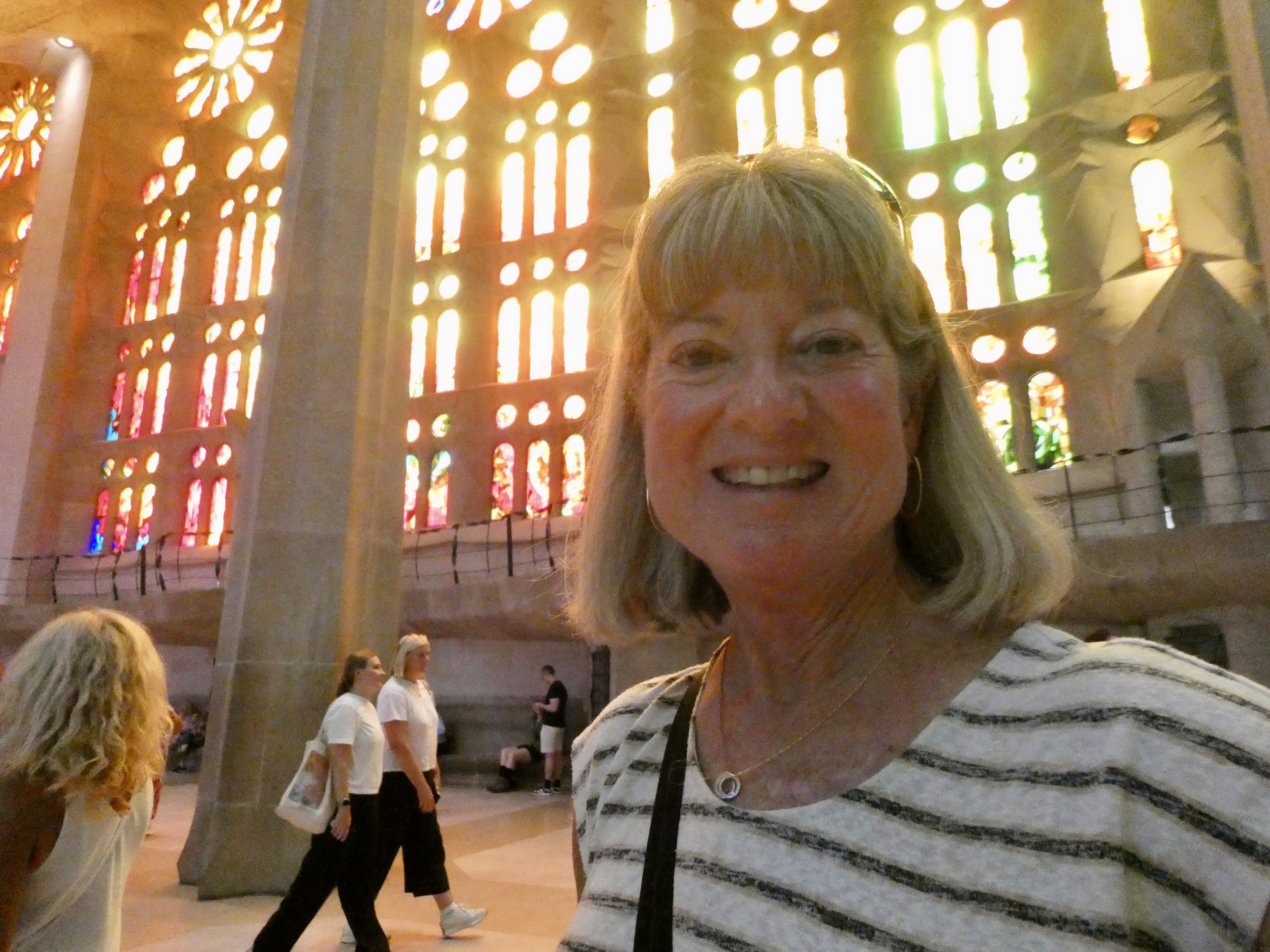
We left the church about an hour after we arrived and were back in the van at 1:30. Now here’s where the tour went off the rails. For some reason, Nilo decided that they would be first dropping off the one couple whose hotel was not in the old quarter. Turns out the hotel was way out near the airport, but Nilo did not tell us this. (Keep in mind that the old town is only about 10 minutes by car from Sagrada Familia.). We ended up spending well over an hour in the car before I and the other couple were finally dropped off about ten minutes walking from our hotels. I was NOT HAPPY. I told Nilo if I had known how far the trip was going to be to the first hotel, I would have called a taxi and gone on my own back to my hotel and that she should have informed us how far she was taking us out of our way. Damn ridiculous.
Anyway, once back in the old quarter, I stopped for some lunch (3:00 is still lunch time in Spain) before calling it a day. I had enjoyed the tour until the drive back to the hotel. Still don’t know what the heck Nilo was thinking.
Tomorrow is a light day. An afternoon food tour and that’s about it. I may head over to the Bouqueria Market in the morning or I might sleep in. Haven’t decided, but am really looking forward to the food tour.
