So after a 2 ½ hour train ride from Barcelona, I arrived at Madrid Atocha and was met by Hector my guide for a four hour ride around Madrid.
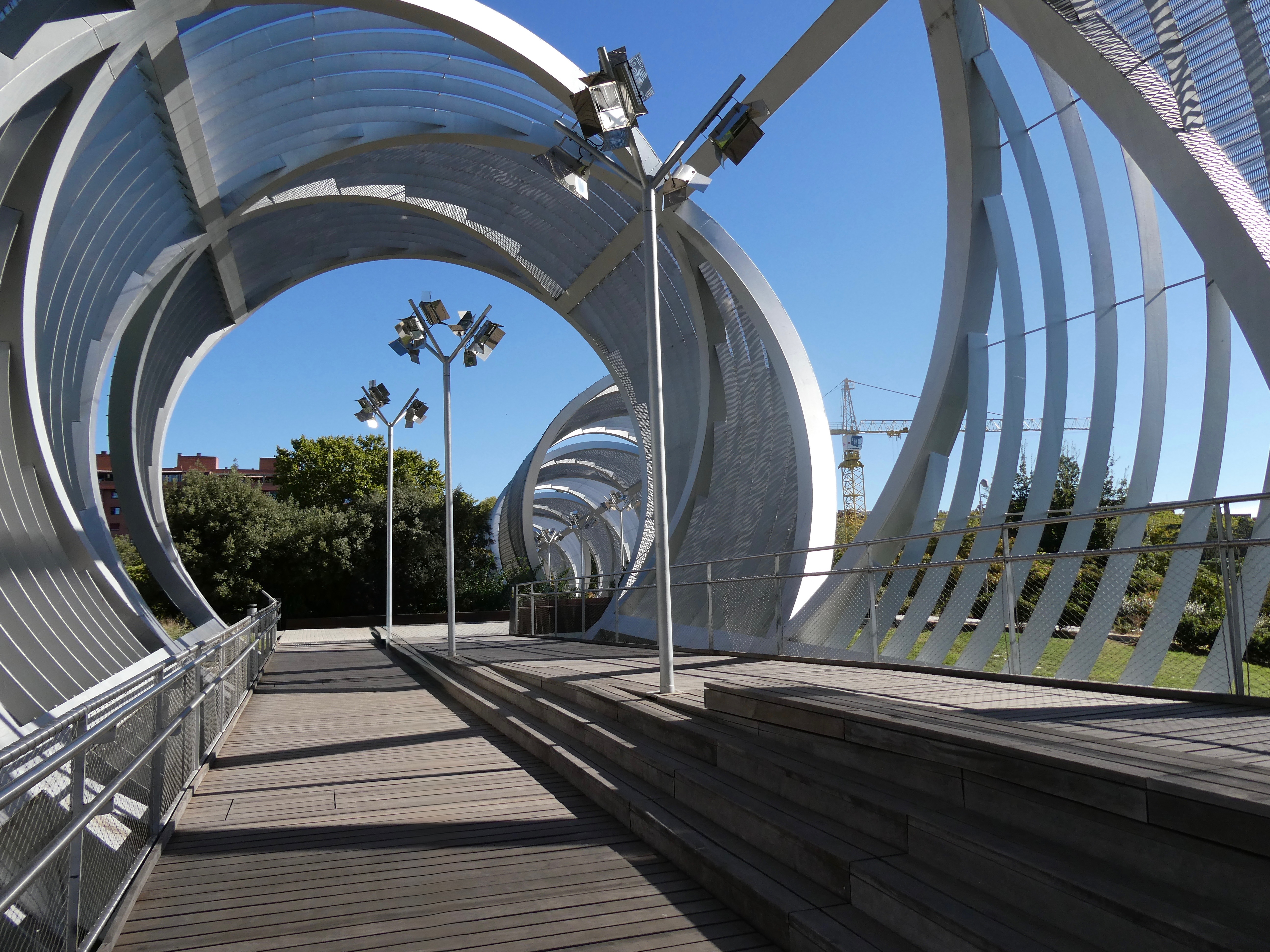
Once we had hiked (and I mean hiked) through the train station and through the parking garage, we started the tour by leaving the Madrid Atocha train station and driving through a residential area that dates to the 18th century. At one time, the freeway cut right through this area. However, the freeway was moved underground about ten years ago as the city undertook a massive urban reconstruction and development project known as Madrid Rio. The project resulted in the construction of massive green spaces, walking and bike trails and the cleanup of the Manzanares River, which runs Madrid and is a focal point of the green space. There are a series of bridges that cut through the park areas and cross over the river.
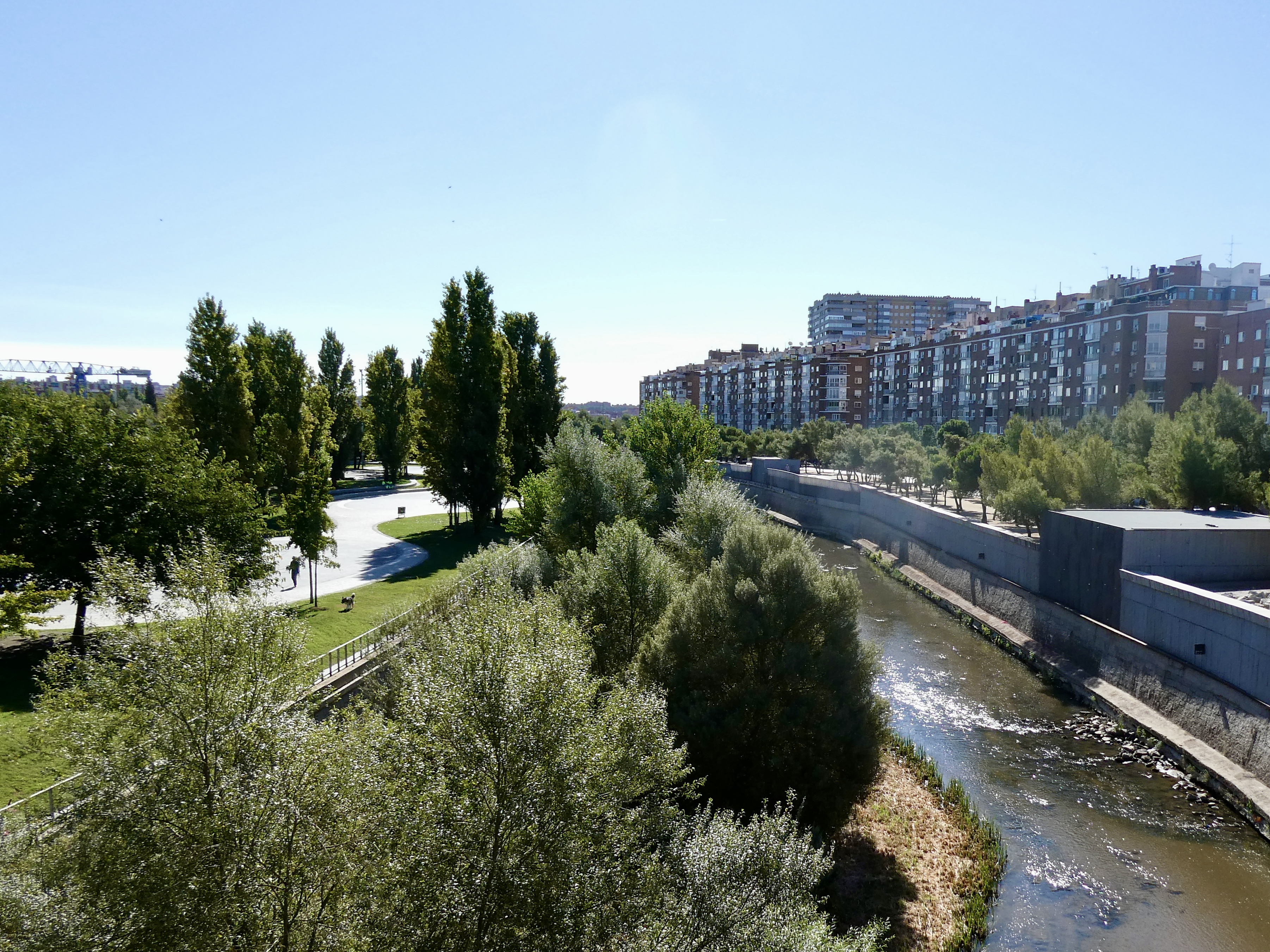 We ended up parking the car and taking a short walk across one of the modern bridges taking in the lovely walking trails and fountains in the park.

From here, we crossed over one of the bridges and doubled back for a view up the hill to the Royal Palace and the Madrid Cathedral. The palace is the oldest structure in Madrid dating to the 16th century while the Cathedral was only constructed in 1993. Quite frankly, the nearby Basilica is much nicer looking than the Cathedral, which I found a tad boring.
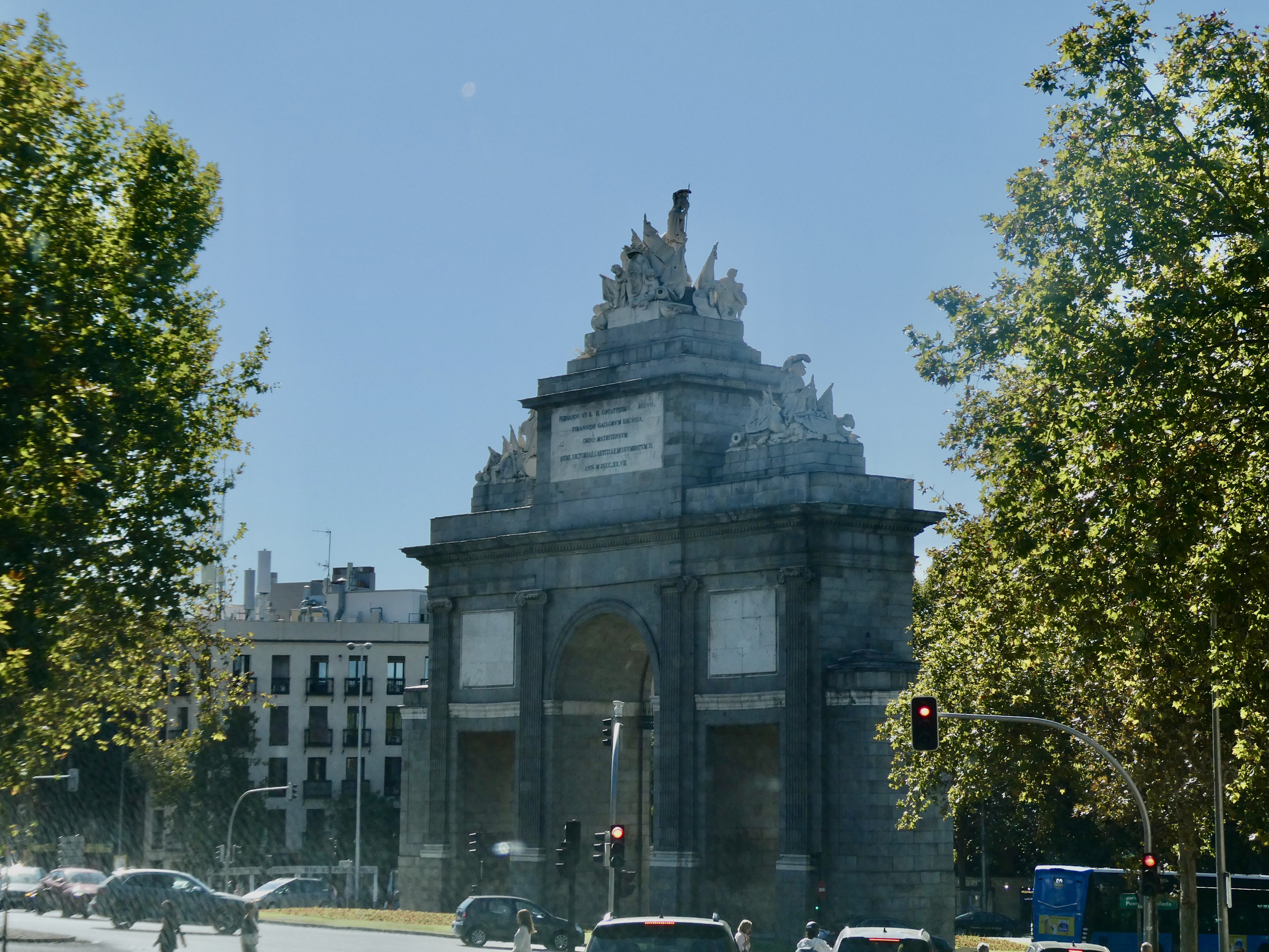
We then drove around some of the small streets near the Royal Palace taking in the various architecture before passing by the Toledo Gate and then doubling back towards the Basilica.
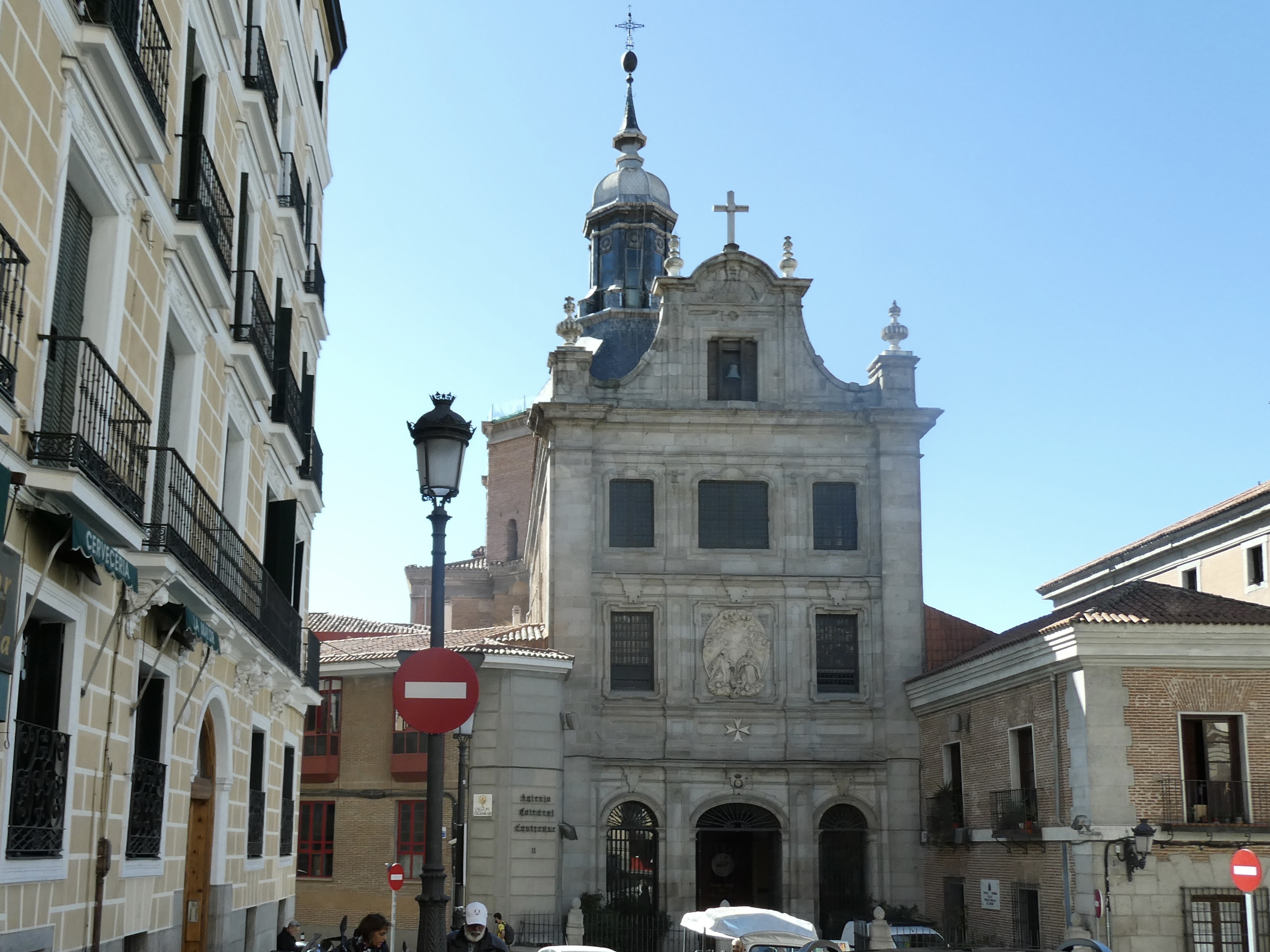
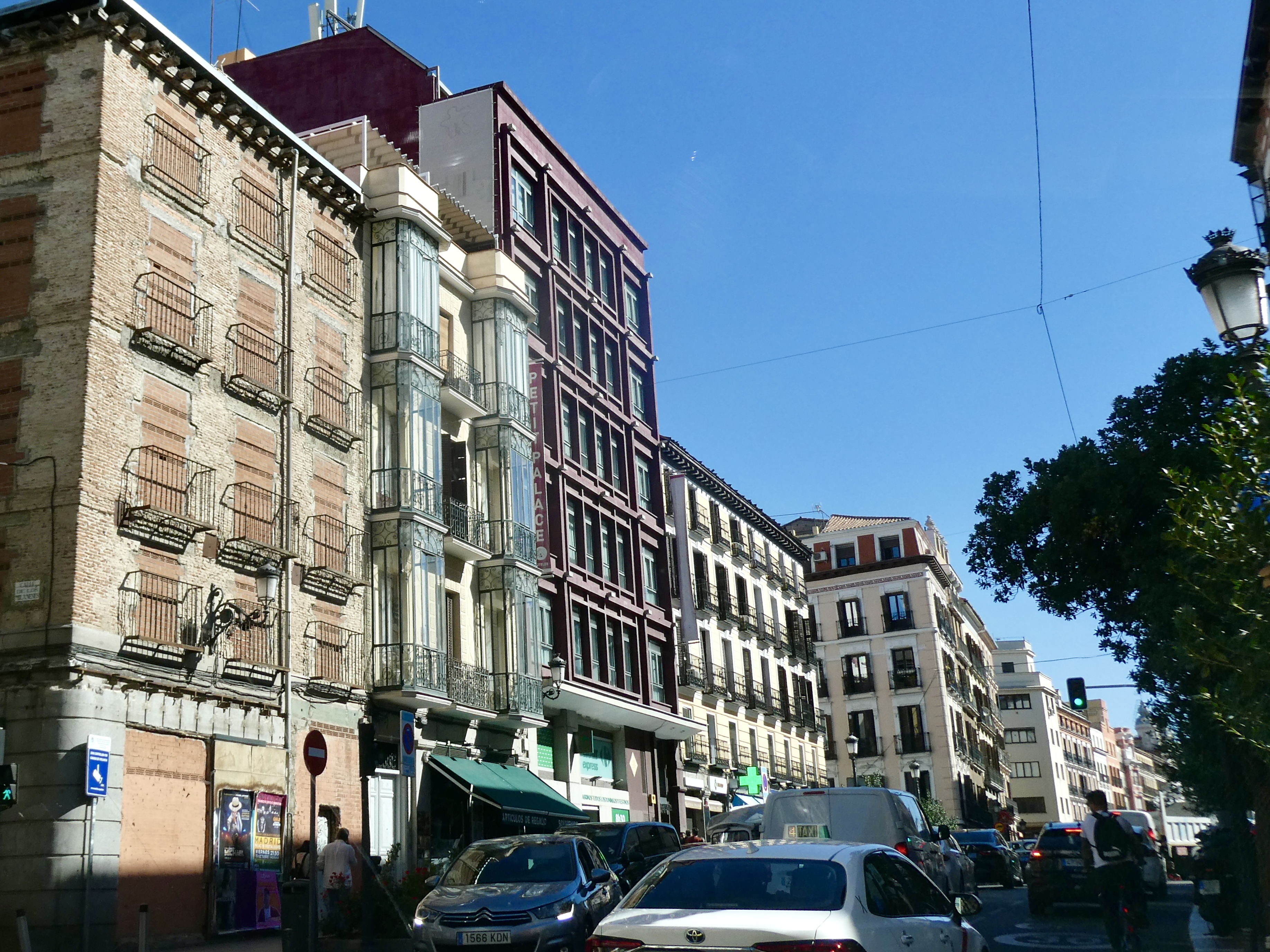
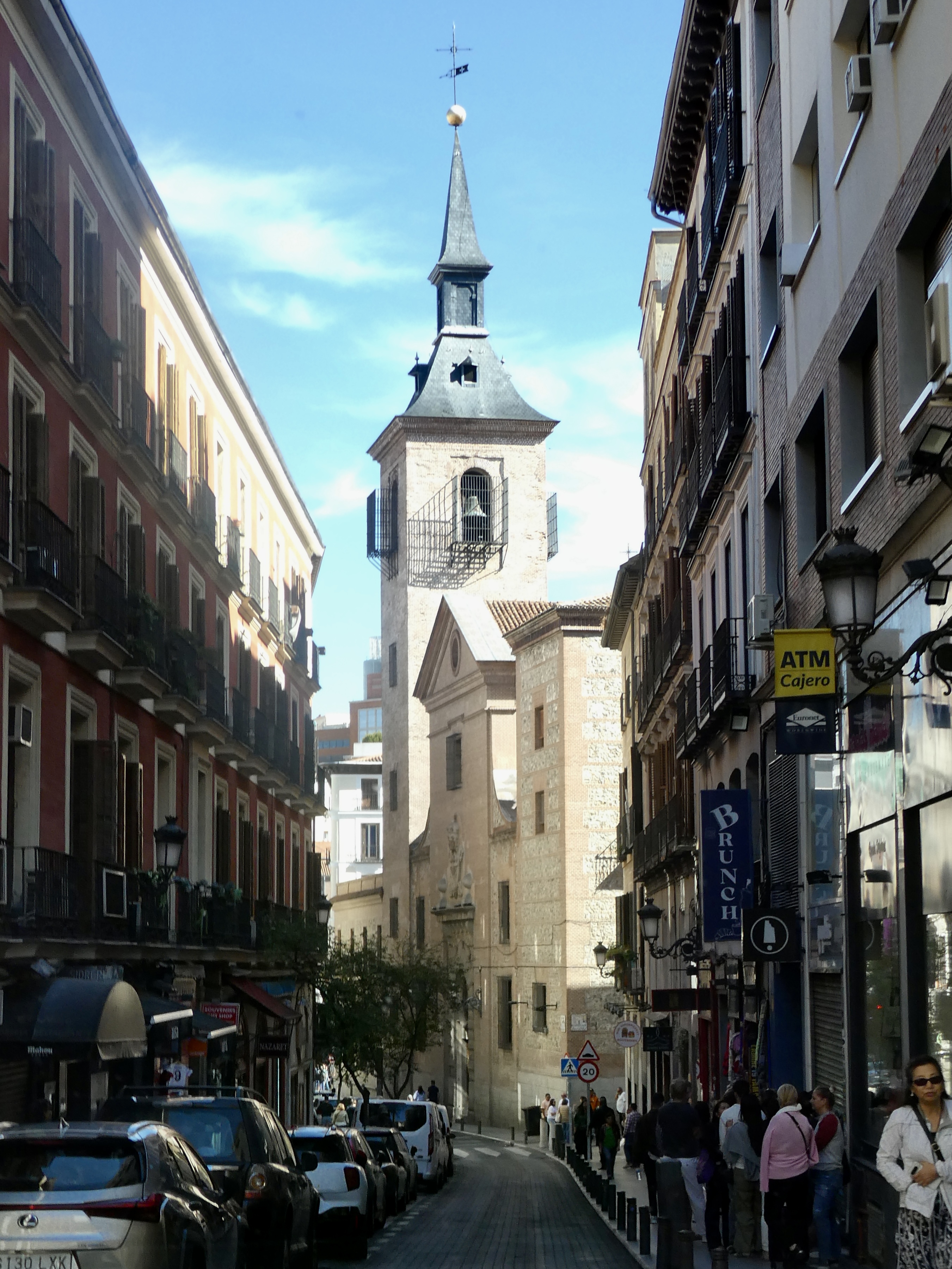

From here, we turned right and began a drive through the old quarter of Madrid passing the Cathedral Church of the Armed Forces, Plaza Major, San Miguel Market, Plaza de la Villa, the Church of San Juan Bautista and the Monasterio de las Descalzas Reales as well as driving down some very narrow streets. (I will be doing a walking tour of the old quarter on Wednesday as well as a tour of the Royal Palace so no need to spend a lot of time here today.)
Once we passed the monastery, we left the old quarter and drove to Parque de la Montaña where Hector was going to drop me off so I could spend about a half hour in the park. Now this small little park not only has amazing views of the Royal Palace and parts of the city, but this park is the only park in Europe to have an authentic Nubian temple.
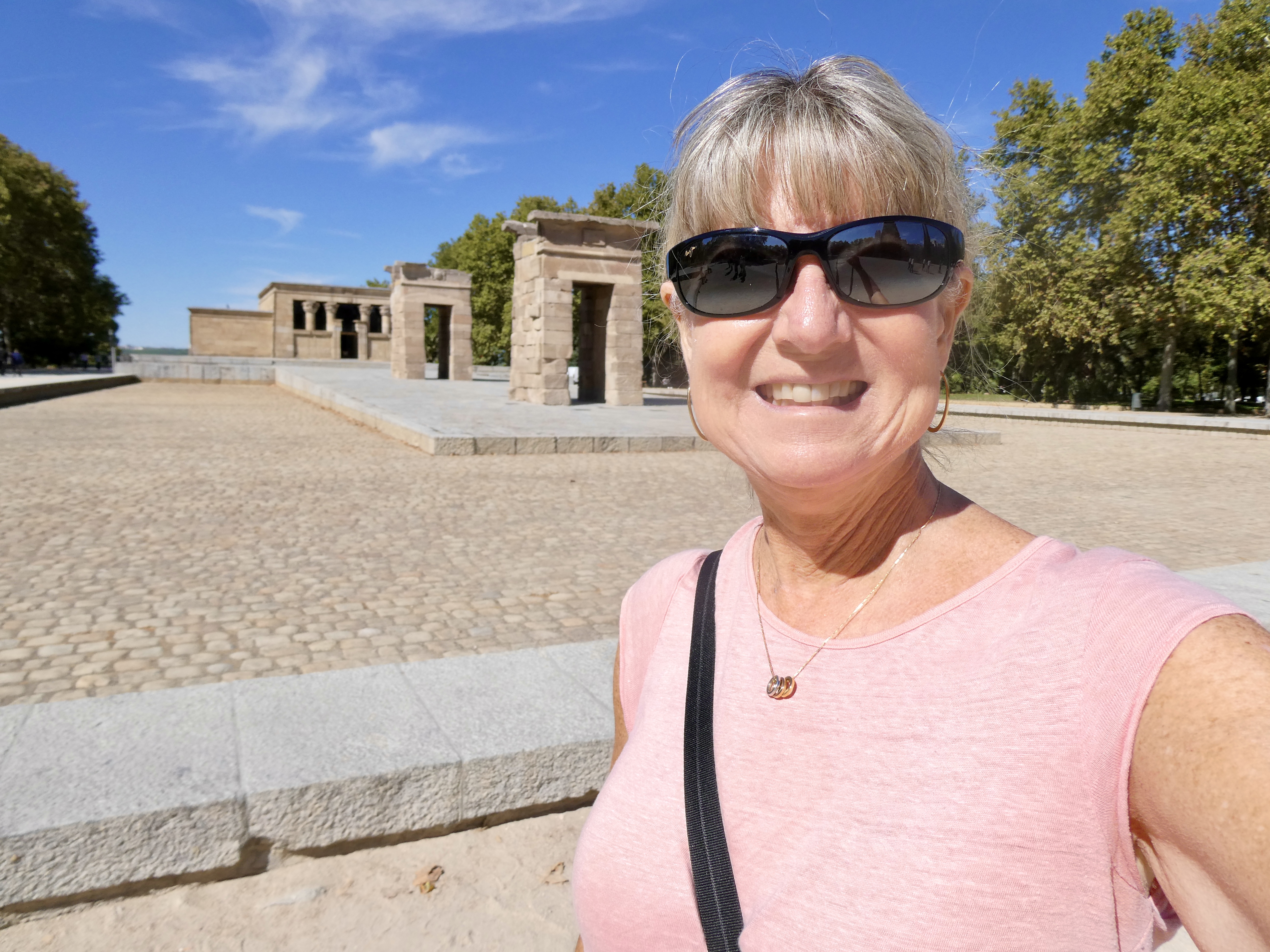
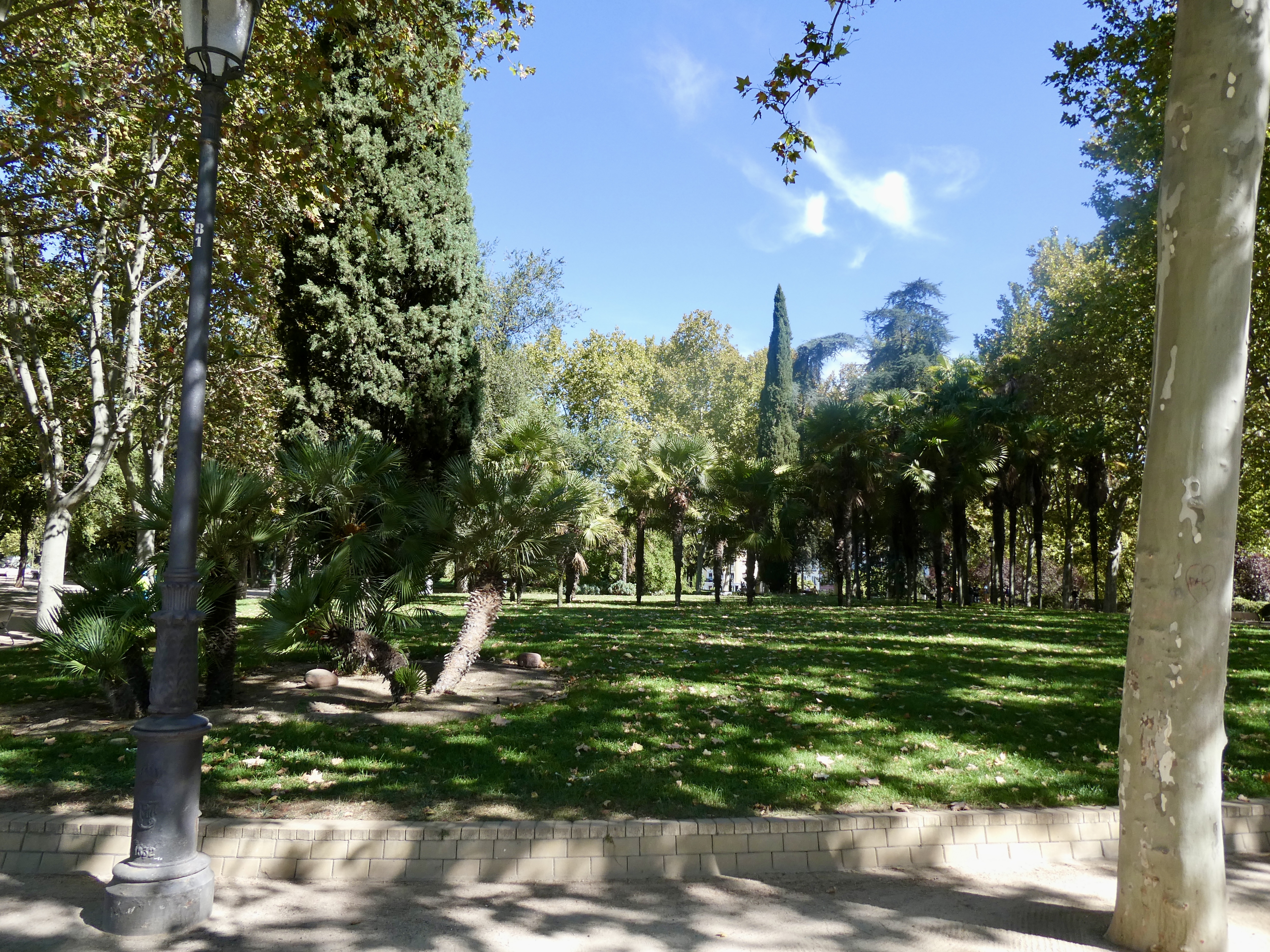
Parque de la Montaña hosts the Temple of Debod an ancient Nubian temple from the 2nd century BC. The temple was originally located south of Asawan, Egypt, but in 1968 the Egyptian government donated the temple to Spain as a sign of appreciate for the country’s work in helping Egypt save the monuments of Nubia after the construction of the Aswan Dam. The temple was actually taken apart, transported and rebuilt between 1970 and 1972.
Now I was giddy with the thought of seeing this temple. (I do LOVE old ruins.) Unfortunately for me, though, the temple was closed for unspecified reasons. I was totally bummed. And while it was cool to see it from a distance, I had really been counting on entering the temple to take a look inside.

After getting over the disappointment, I moved on to the other side of the park and took in the fabulous views of the Royal Palace and the city before walking back the entrance and joining Hector.
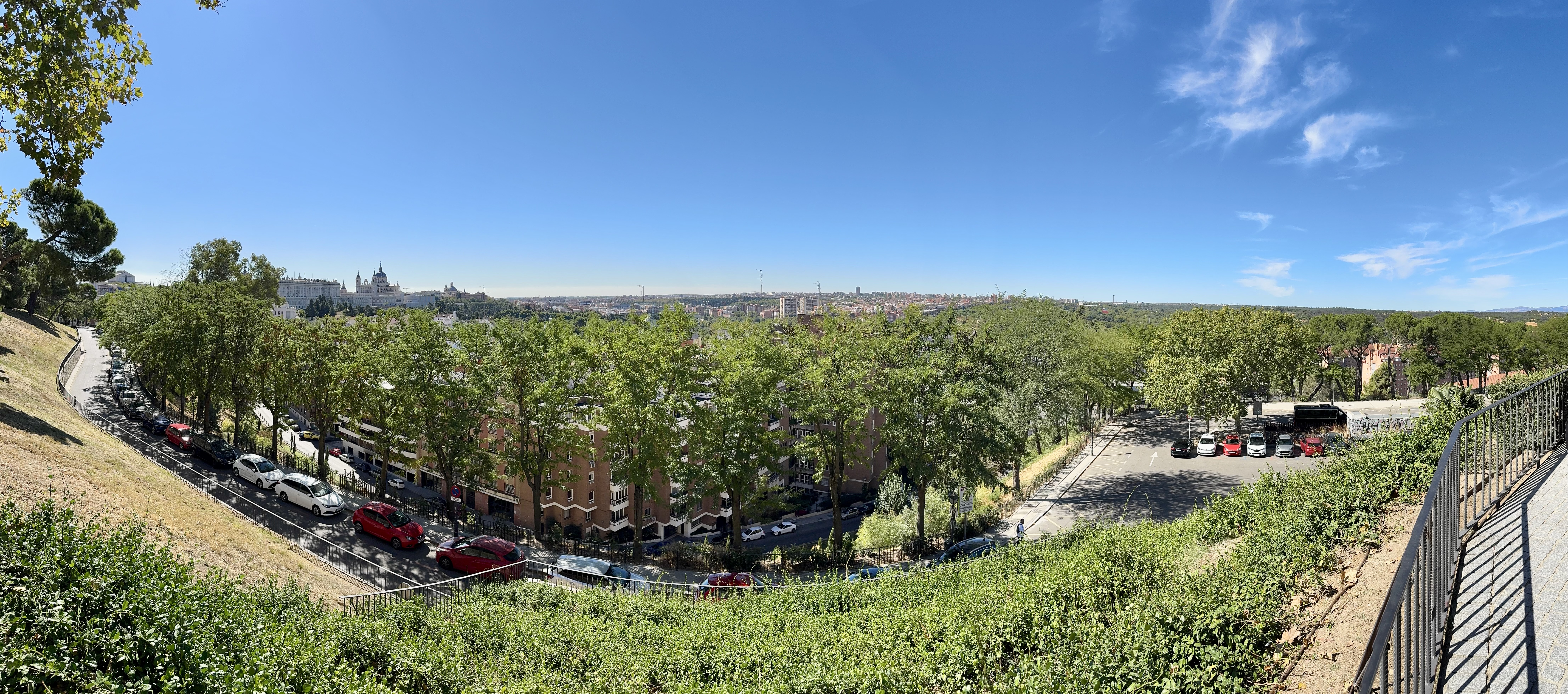


From here, we drove through a tunnel and down the street to the 1.8 km Gran Via, one of the most famous streets in Madrid. The street was actually constructed in the 19th century, but many of the old homes in the area had to be destroyed in order to construct the road so most of the homes and buildings now in the area only date to the late 19th and early 20th centuries.
Now this area is not only home to some amazing art deco buildings, but is actually home to Spain’s “Broadway”. The street if filled with theaters hosting Spanish versions of every musical you can think of as well as a number of Flamenco shows.
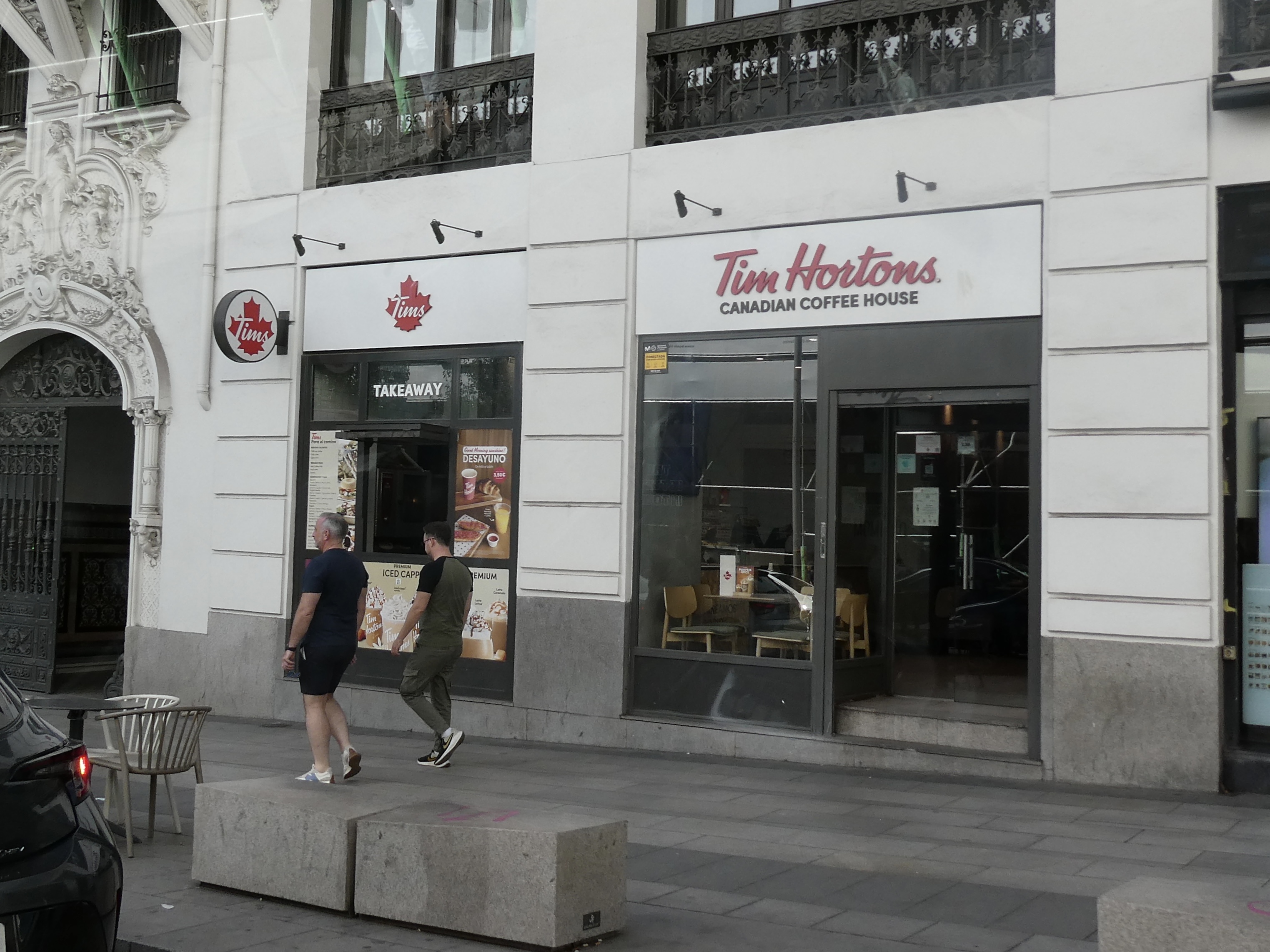
And as famous as the theatre district is in Madrid along the Gran Via, the art deco buildings are equally well known. As we drove, we passed such buildings as the Telephonica Building, the Metropolis Building, and the Instituto Cervantes (Spanish learning center) (maybe my favourite). And perhaps most exciting, we passed a Tim Horton’s Donut shop!! (Score. I do love my Timmies.)
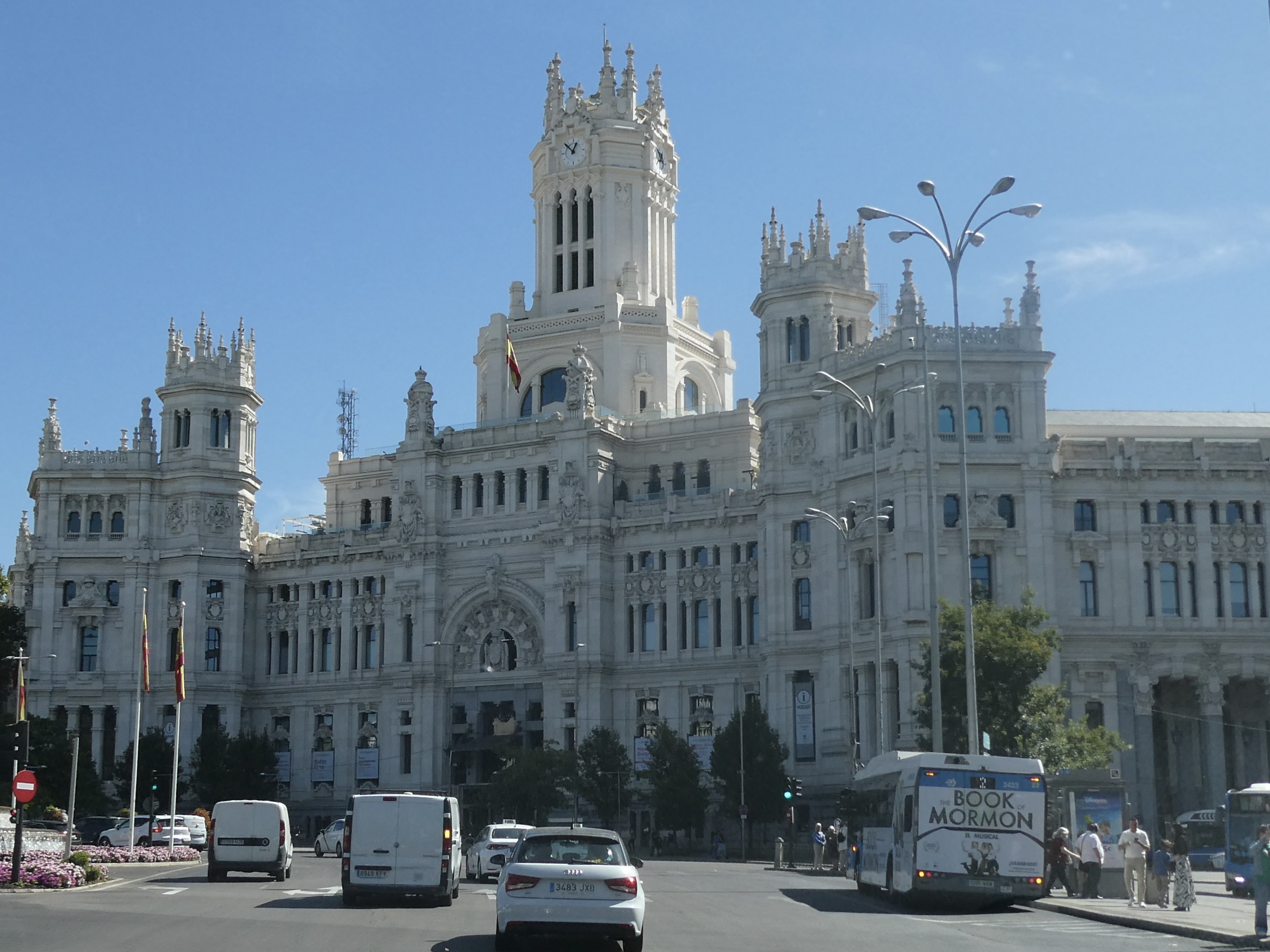
As we approached the end of the Gran Via, we reached Puerta del Sol, one of the main squares in Madrid before passing the Plaza Cebeles and the adjacent glorious Cebeles Palace, home of the Madrid city hall. The plaza also marked the beginning of the Calle de Alcalá, one of the longest and most important streets in Madrid, Spain.

The street is a wealthy area of the city known for its broad, tree-lined boulevard that runs northeast for over 10 kilometers. And not long after we began driving on Calle de Alcalá we drove around Alcalá Gate, an 18th century ceremonial gate that is another iconic structure in Madrid.

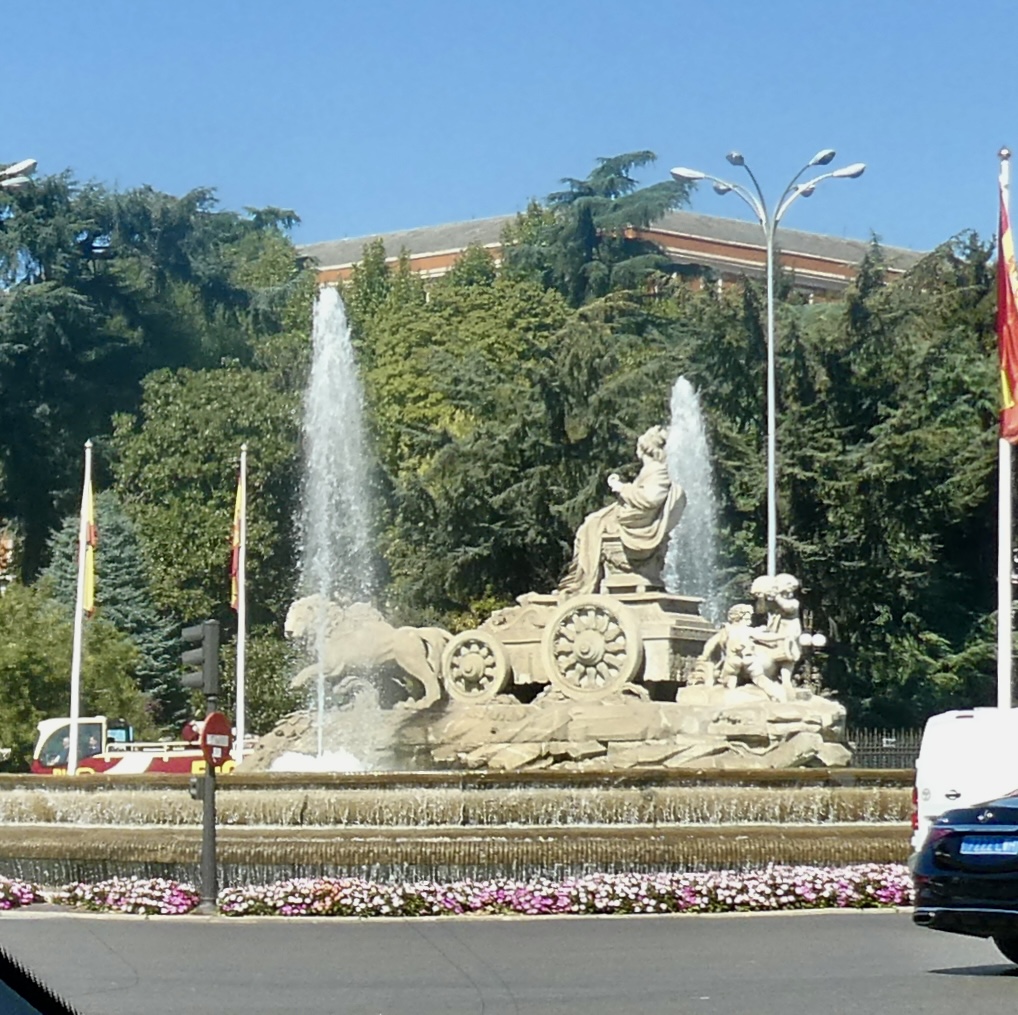
We then drove around Parc de El Retiro and then circled back to Calle de Alcalá passing Palacio de Formento, the entrance to the Botanical Gardens, the Prada Museum and three fountains, the 18th century Fountain of Neptune, the 18th century Fountain of Apollo and the 18th century Fountain of Cybele. The three fountains are spaced out about a block or two apart from one another and are well known landmarks in the city.
Once we reached Calle de Alcalá again, we continued east along the gorgeous street lined street with upscale apartments and shops eventually reaching the Salamanca neighborhood, an even more upscale area of Madrid with apartments selling for 2,000,000 euros or more.
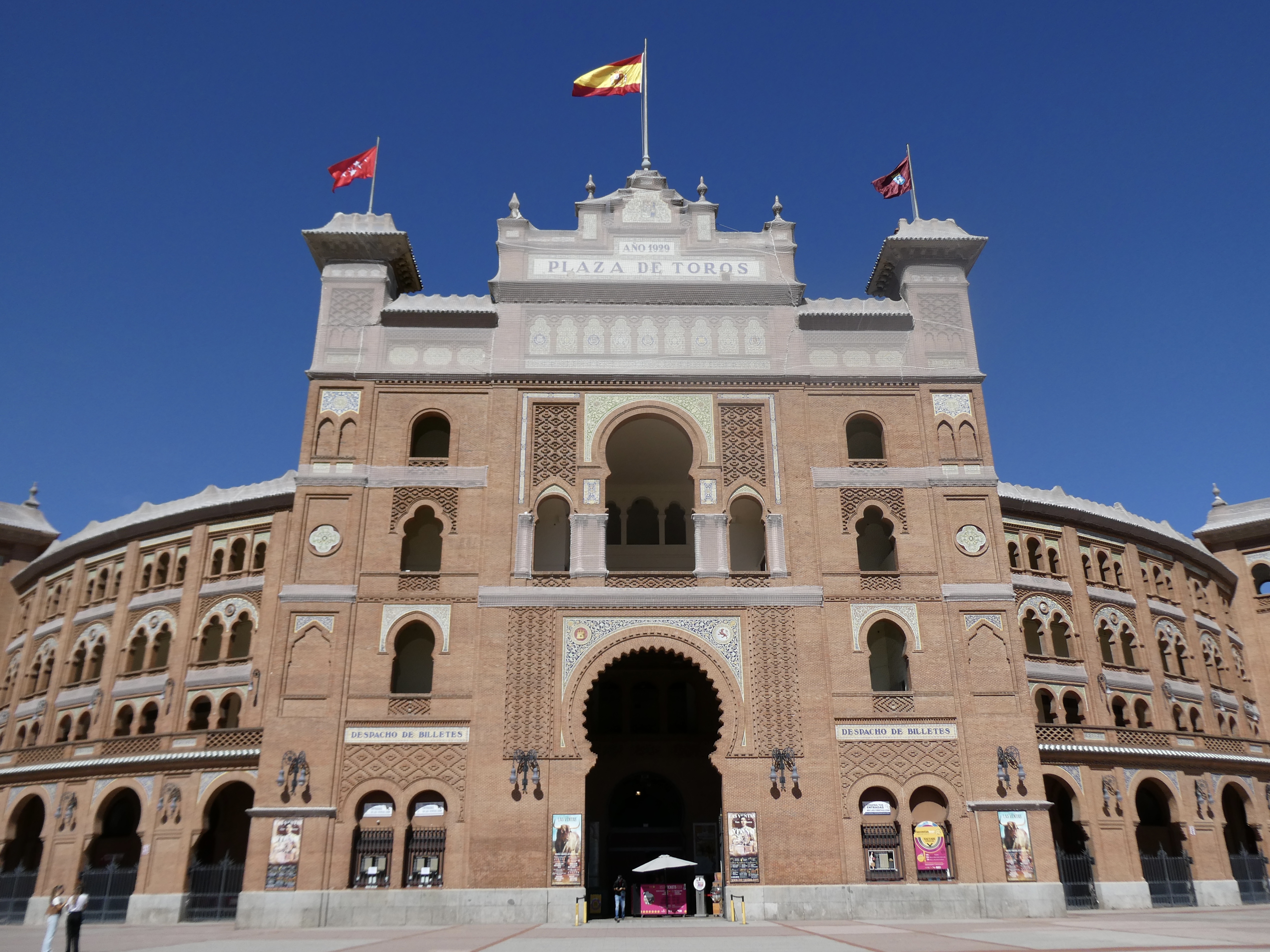
After about fifteen minutes more of driving we eventually reached the end of the Salamanca neighborhood, which is marked by the Plaza de Toros, Madrid’s main bull ring constructed in 1929 and seating 20,000 people. Not my cup of tea, but the Moorish style of the building was interesting.

From here we drove through the business district passing the newly refurbished Real Madrid stadium, which seats 80,000 people. This area featured a lot of steel and glass and was mostly buildings constructed in the 20th and 21st centuries.

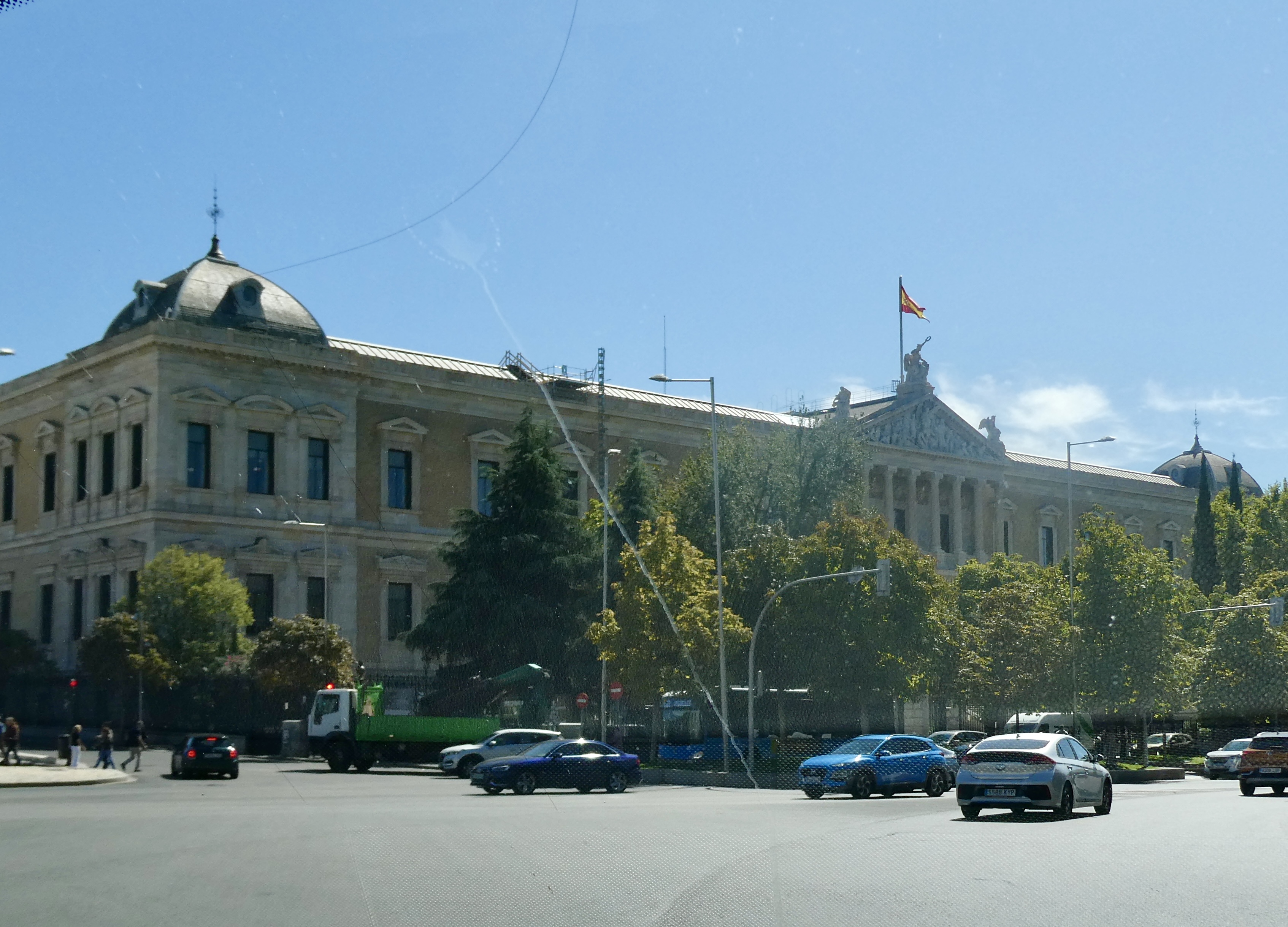
We then reversed course and headed back to the Gran Via passing a monument to Christopher Columbus constructed in the mid 19th century in an area known as the Plaza de Colon. And directly across the street was an old palace that had been converted into Spain’s National Library.

Once we reached Gran Via, we drove a few blocks before turning down a VERY narrow side street and looping around to reach my hotel. All in all, I was really impressed with Madrid and its absolutely gorgeous (and clean) tree lined streets, the multitude of parks and green spaces and the really cool art deco architecture dominating the Gran Via.
Tomorrow, I am off on a day trip to Avila and Segovia to see more Roman ruins.
