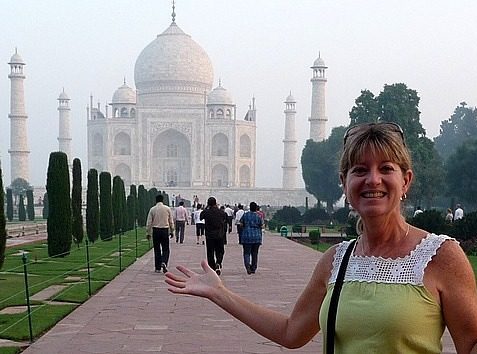
So I had a pretty open day today (by choice) and decided to hop on a little mini hop on hop off tour bus that travels in an hour through the Cordoba old town and to some nearby areas close to the old Roman walls. We were going to visit the neighborhoods of San Pedro, San Francisco Rivera, El Realejo, San Lorenzo, San Basilio.
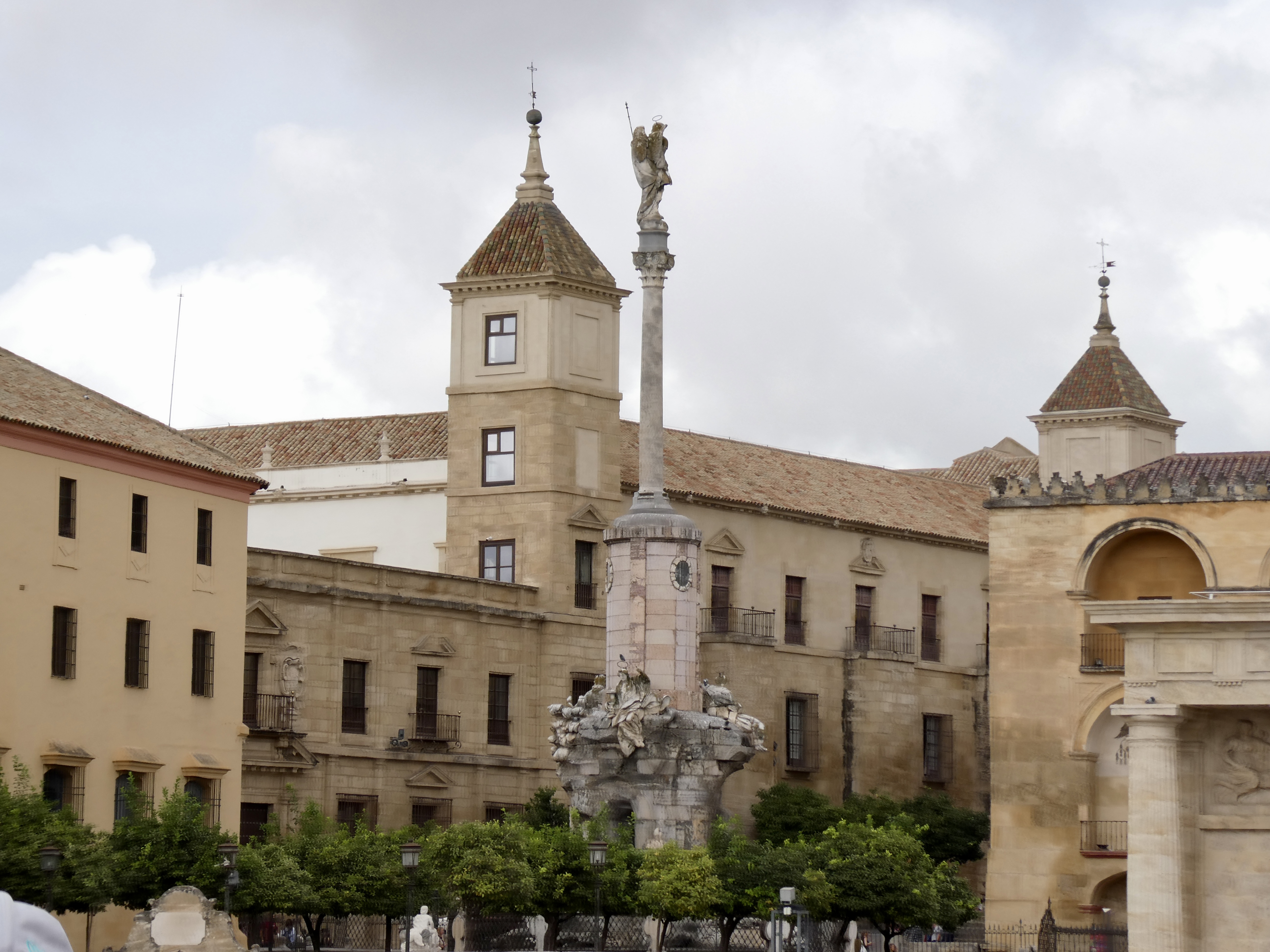
The tour started right beside the Alcázar (which I will be visiting tomorrow on my four hour walking tour), in front of what we were told was the most famous statute in Cordoba, the Triunfo de San Rafael de la Puerta del Puenta. The statute was made by sculptor Michel de Verdiguier in 1781 and situated next to the Puerta del Puente (a Renaissance Gate leading to the Roman bridge). The statute was apparently built to thank the archangel, San Rafael, for saving the city from an earthquake. (San Rafael is VERY popular here.)
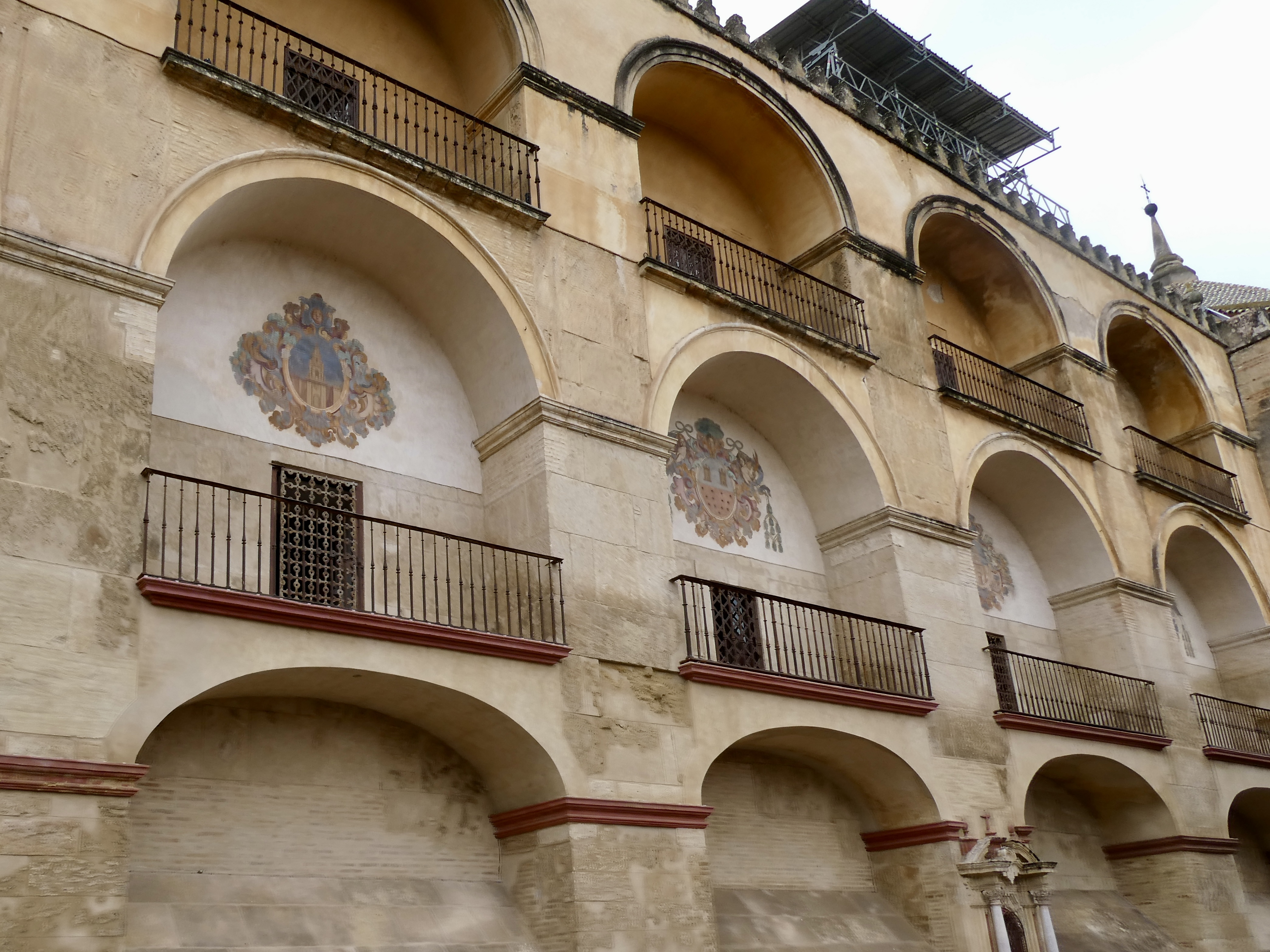
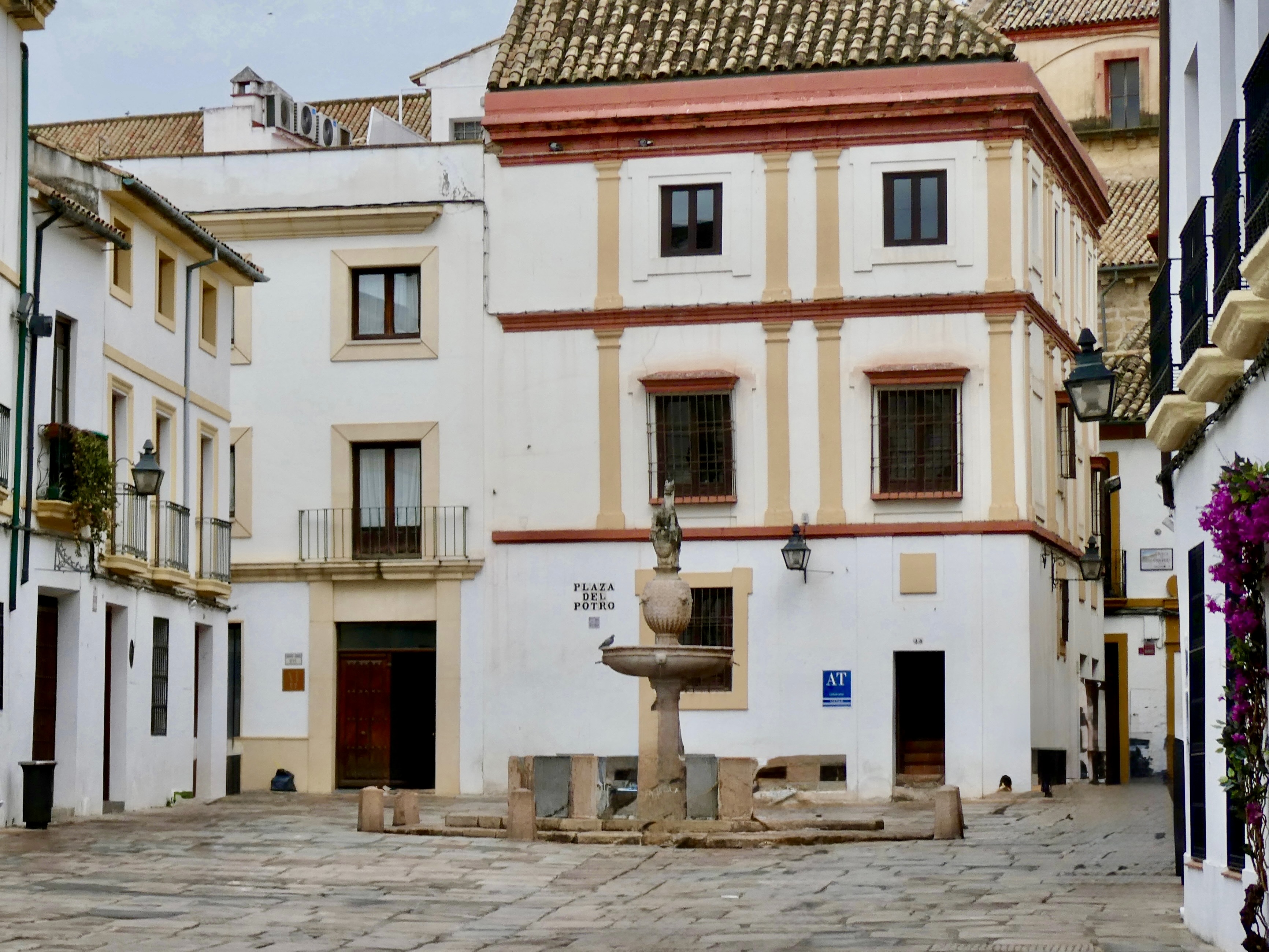
The little bus then took us along the very narrow alleys of the old town past the outer walls of the Cathedral and by lots of shops and restaurants. We eventually reached Plaza del Potro, which features a renaissance style fountain with a young horse on its hind legs that dates to 1577. And Posada del Potro, the building behind the fountain, is actually mentioned in Don Quixote.
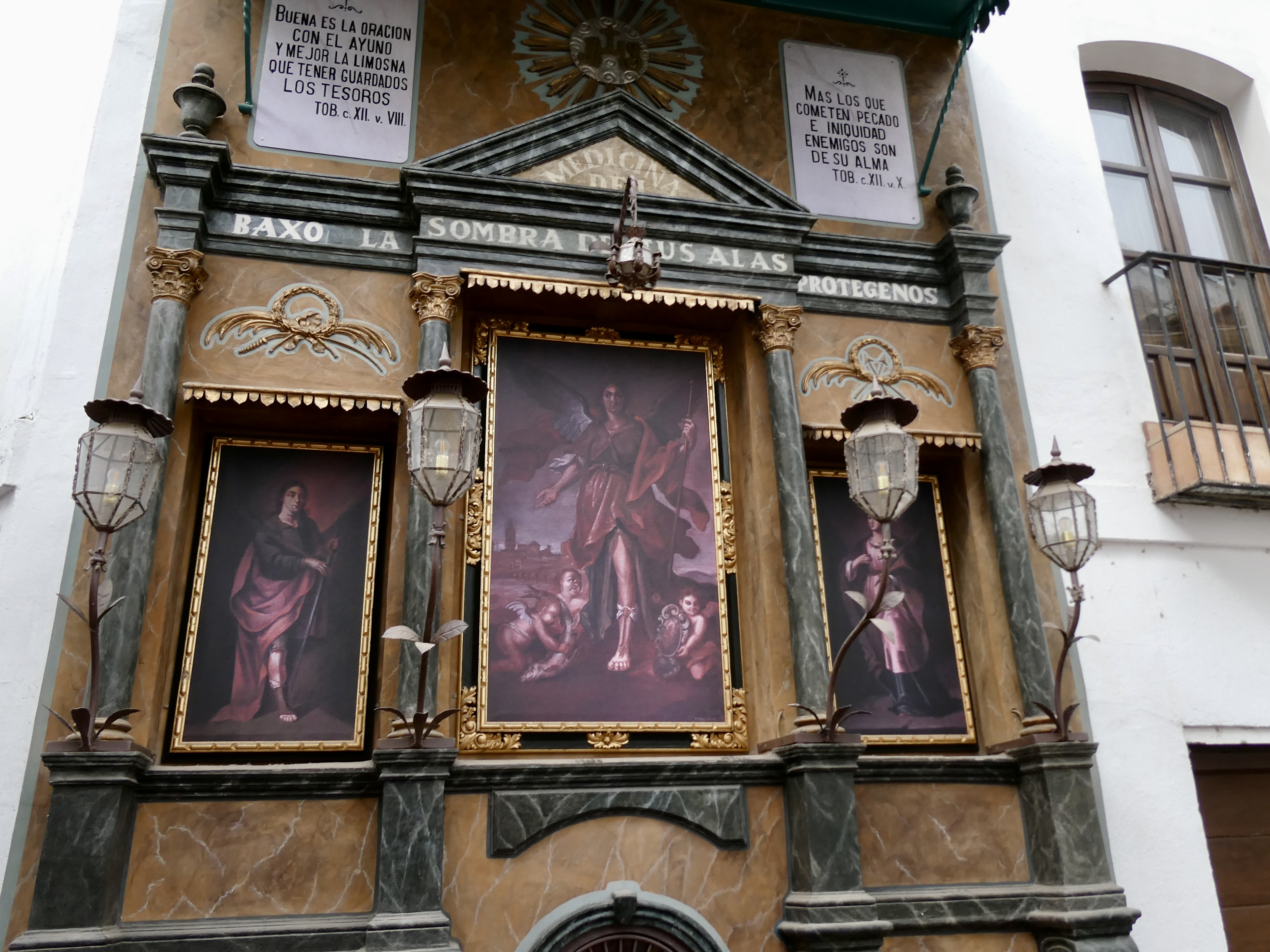
And next to the Plaza del Poto was the Altar of San Raphael, an open-air altar that was built in 1801. Apparently, Archangel Raphael (to whom the alter is dedicated) is the city’s guardian and as mentioned above is incredibly popular in the city.
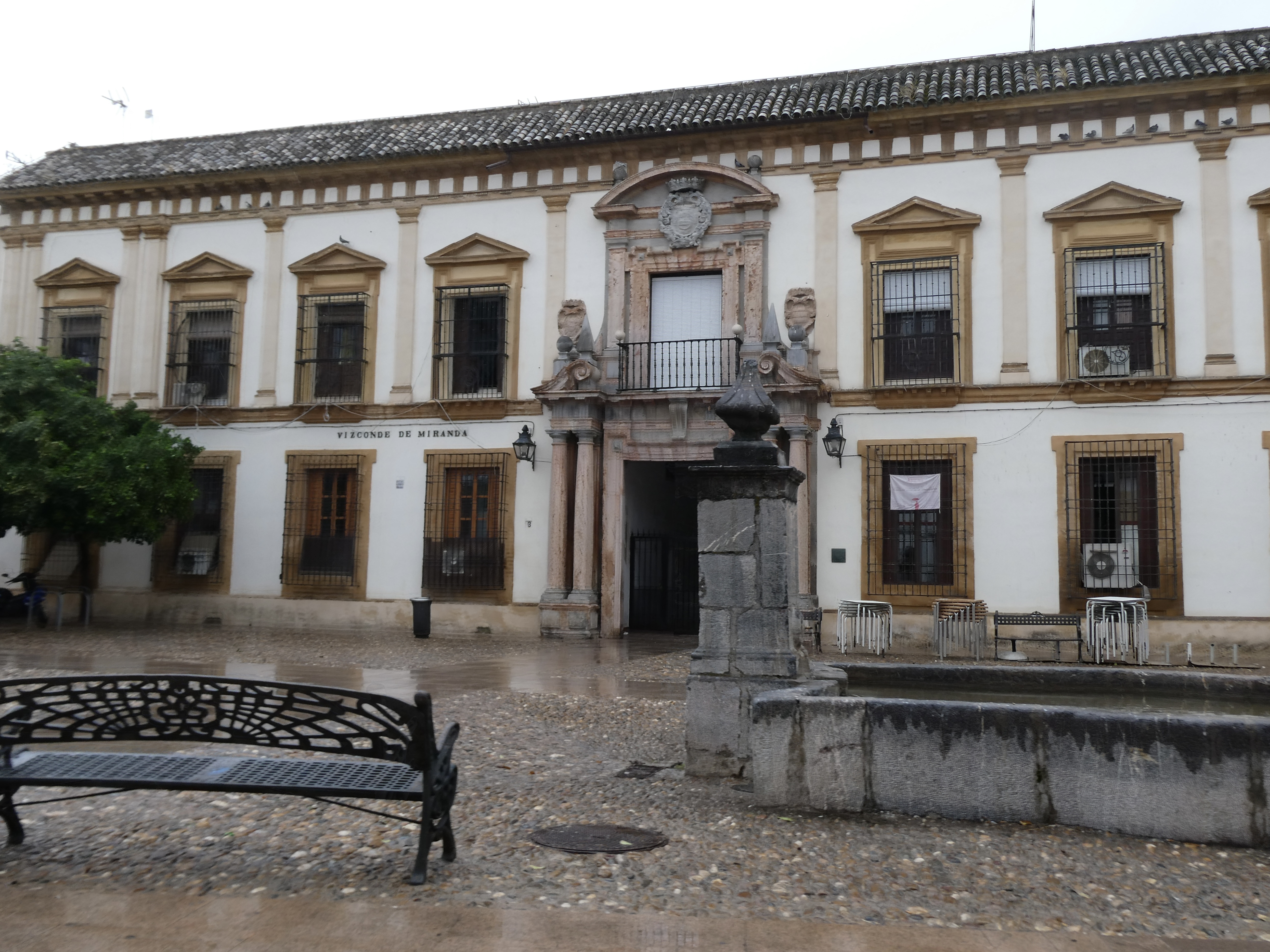
We continued on past small shops and small apartments with cool looking courtyards before reaching Vizconde de Miranda, an 18th century former palace of the Viscount of Miranda. Today, the building is apparently a hotel.
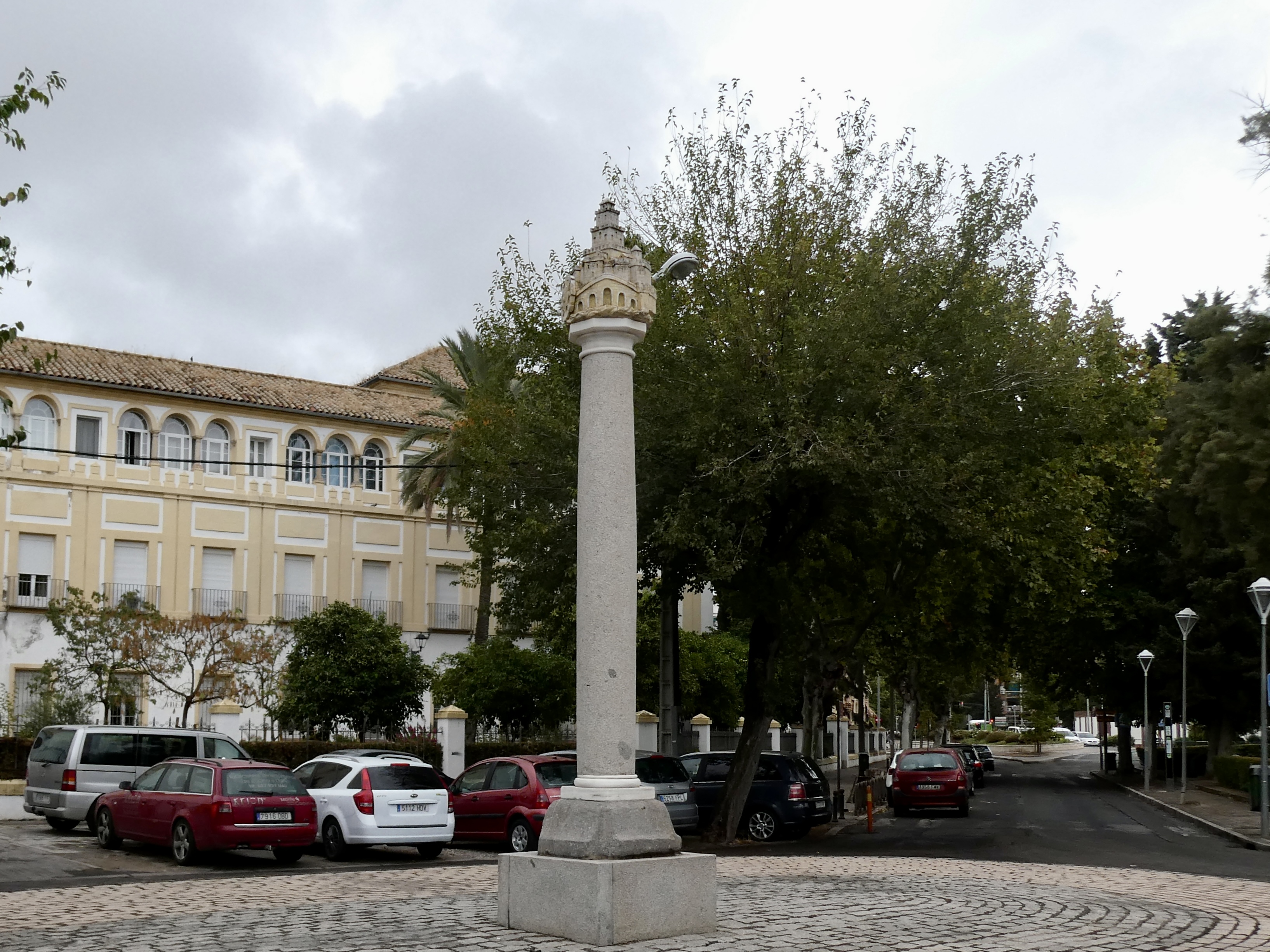
The bus continued through the narrow streets of old town reaching a roundabout where there was a monument to the entrance to the new gate that was part of the old city walls. In addition, and across the street, was the Cordoba Law School, which is located in a former carmelite convent.

We then looped around and headed to the first of a series of churches that were ordered built by Ferdinand III after he conquered the area in 1236. First up was the Iglesia de San Lorenzo which was constructed between 1244 and 1300 with Romanesque and Gothic architecture. Apparently the church was constructed on the site of a former mosque.
We then passed Plaza del Poeta Juan Bernier located in front of the former Convent of Santa Maria de Gracia, but we drove by so quickly I missed a picture.
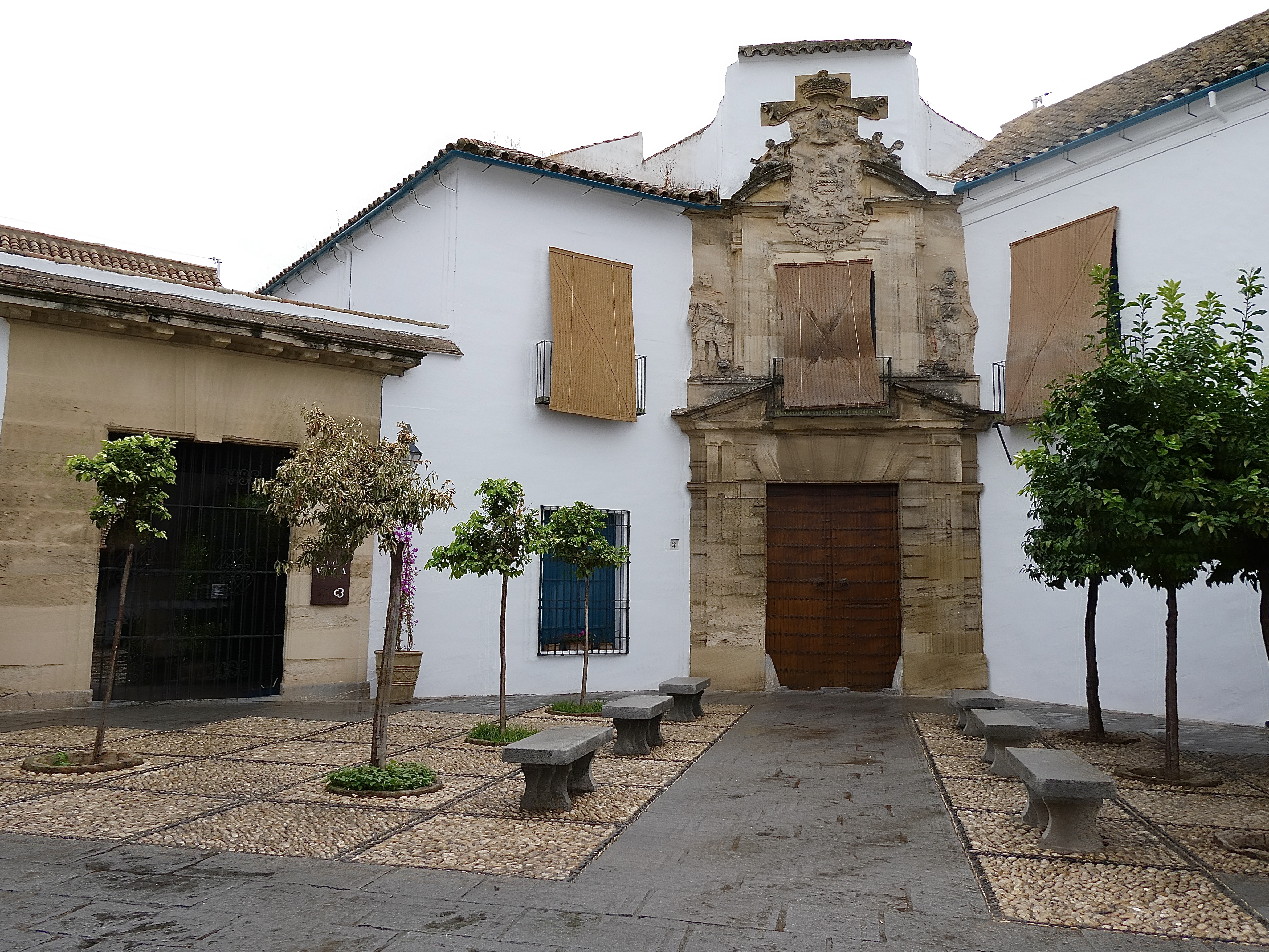
At this point, we were out of the old quarter and moving through a new part of the city. However, our next site was far from new, the famous Palacio de Viana, a 14th century palace built on the plaza Don Gome. The palace apparently features 13 patios, a huge garden and lots of 16-18th century art and literary works. Outside, the corner door entrance from plaza Don Gome featured two medieval statute of warriors. Pretty impressive.
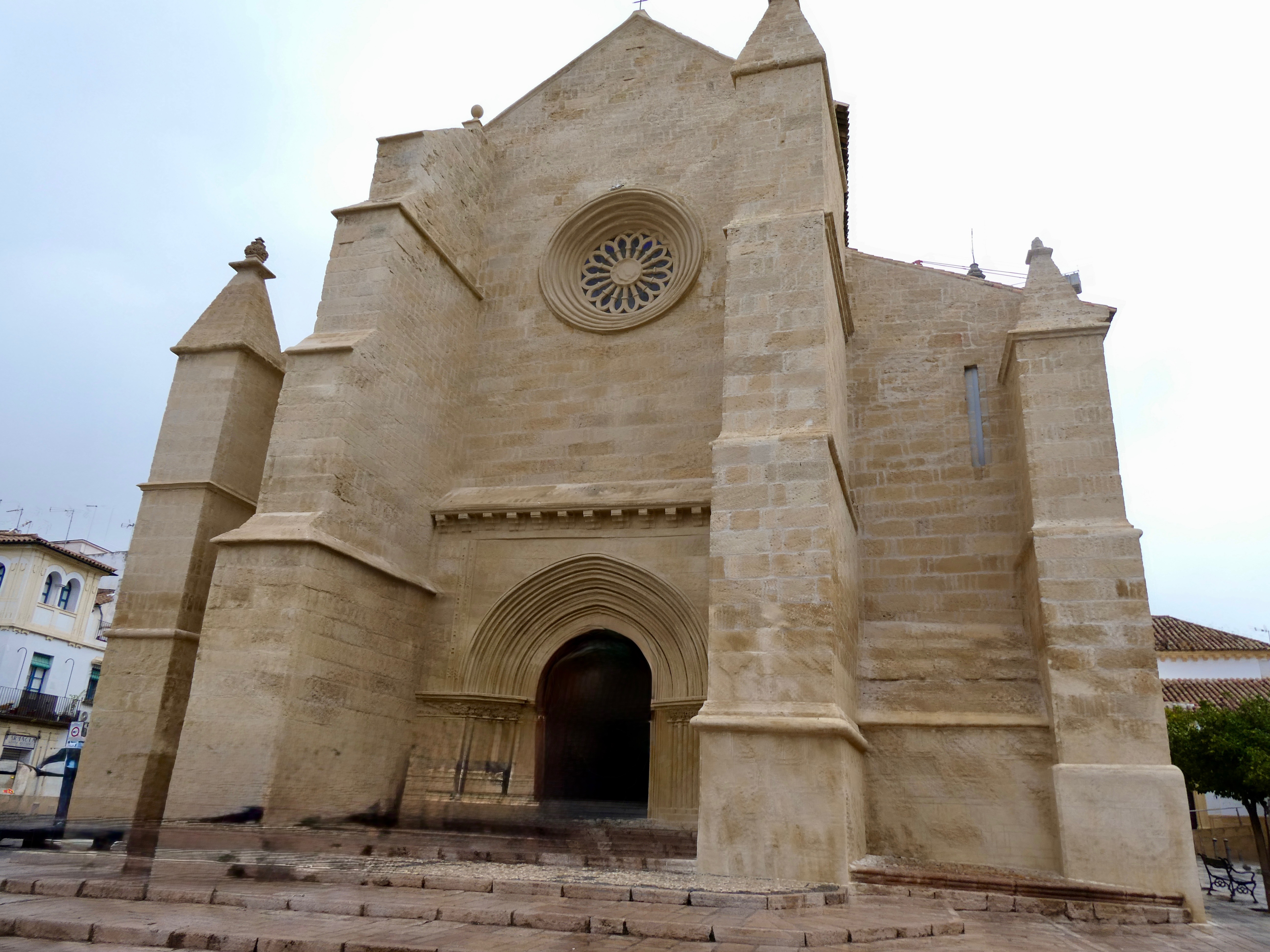
And then it was church time again. This one was the Iglesia Santa Marina, which has Gothic and Romanesque architecture, and was another one of the churches ordered built by Ferdinand III.
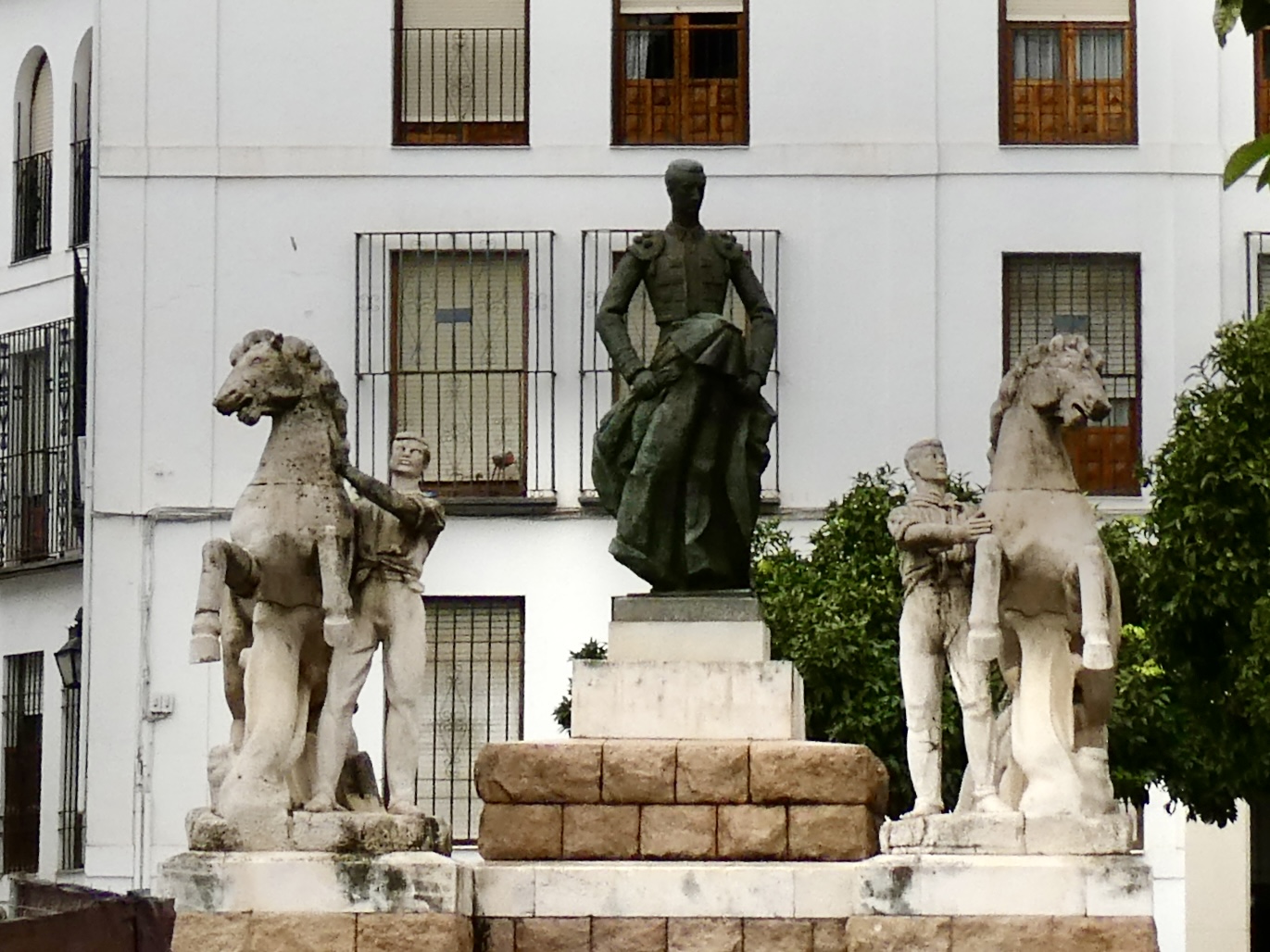
Next up was the Monumento a Manolete, statute located in the Plaza del Conde de Priego dedicated to famous bullfighter Manuel Rodríguez Sánchez, “Manolete”, who was from Cordoba, died when a bull gored him in 1947 sending the area into deep mourning.
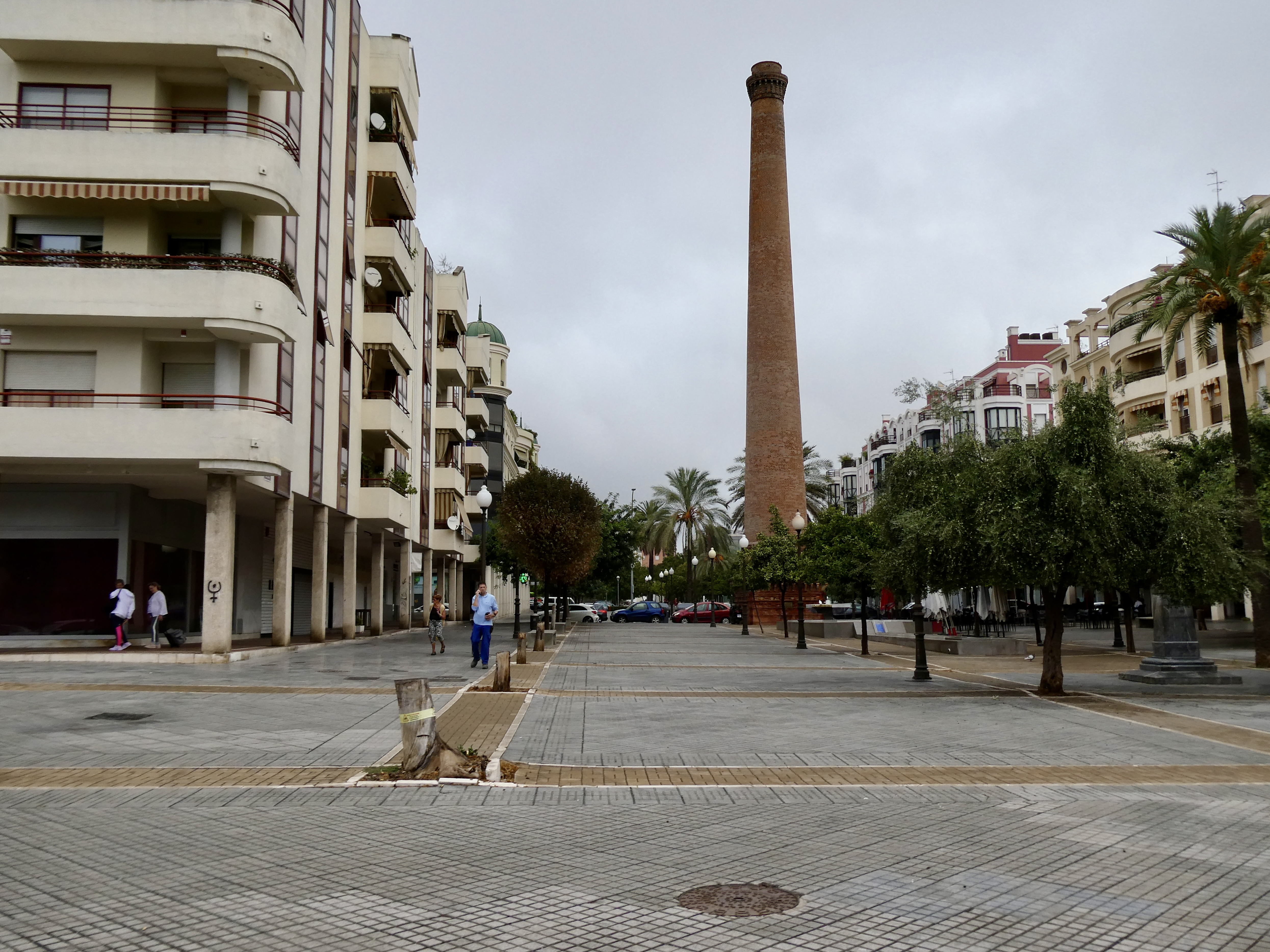
We then passed a 1903 chimney, which was originally part of the San Antonio oil factory located in the Plaza de la Flor del Olivo. Apparently the chimney was not destroyed when the area was renovated because the city wanted a monument to its industrial past.
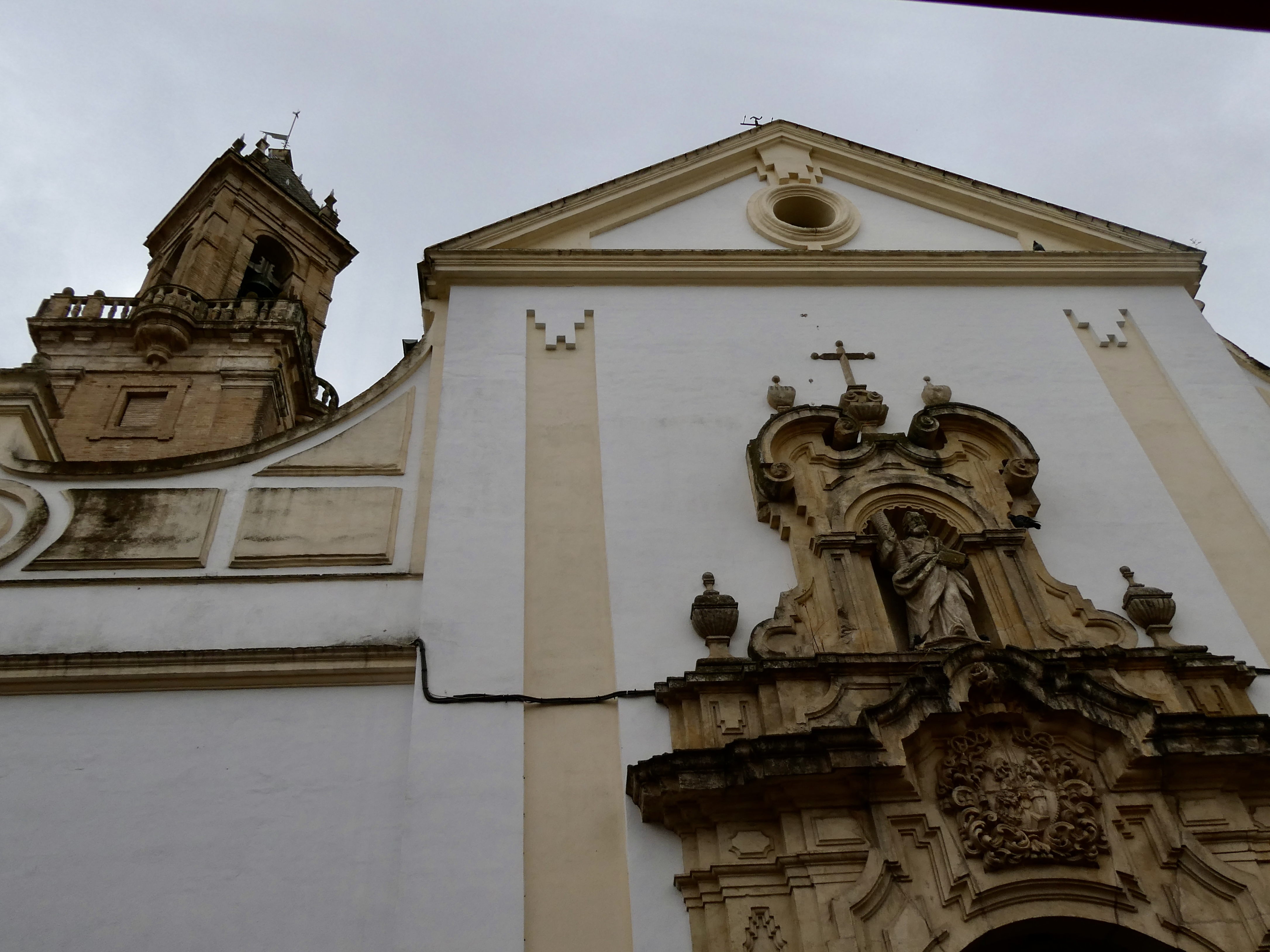
And of course, we had to pass another church. This one was Iglesias de San Andres built in the 13th century and another Ferdinand III structure.

Now one of the cooler structures was next on the hit list: the Torre de la Malmuerta, a gate tower that was once part of the old Cordoba a wall. The tower was built in 1406-1408 by order of King Henry III of Castile over a pre-existing structure. The tower was a defensive structure, but later was used as a prison for the nobles of the area.
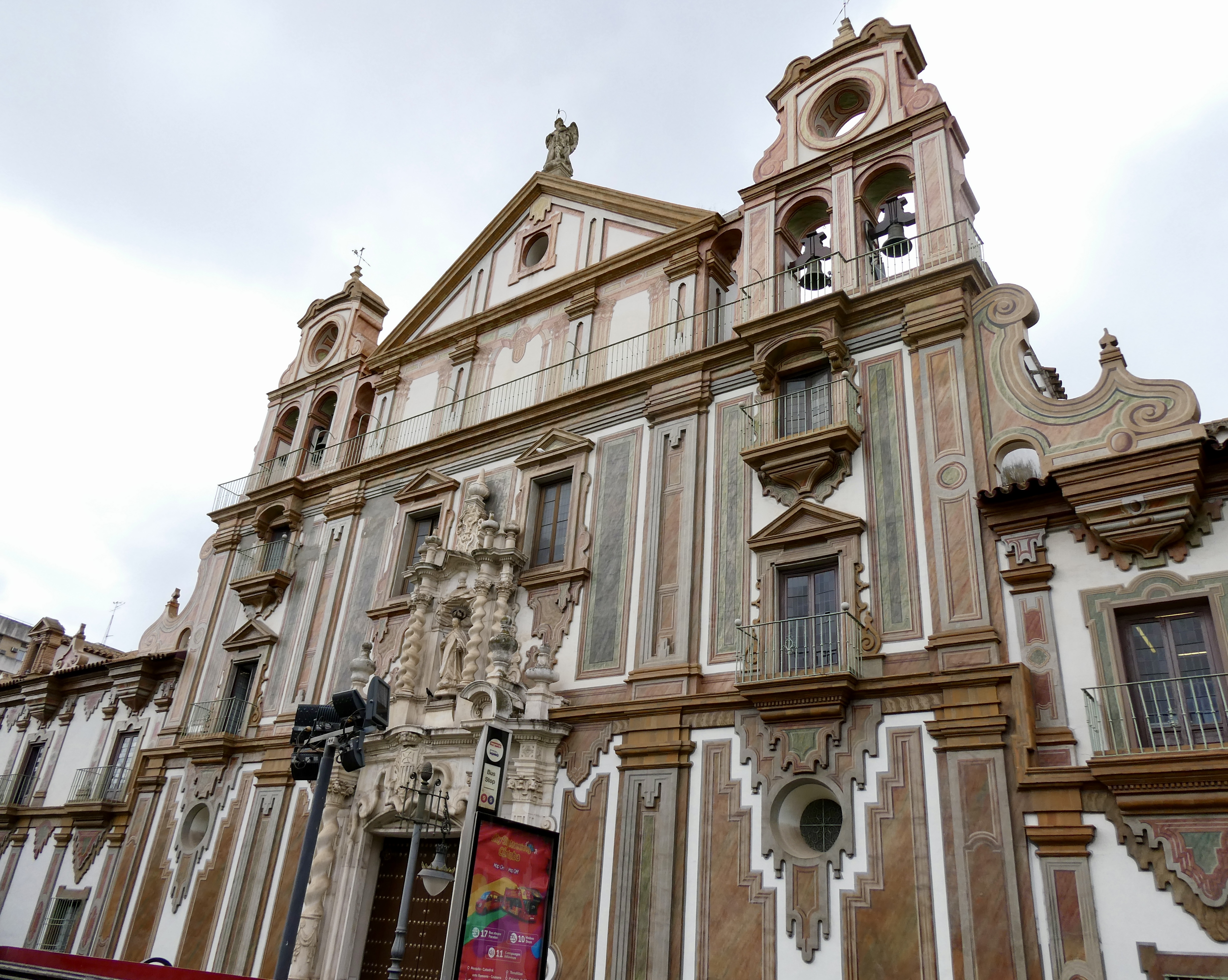
We then passed by the Palacio de la Merced once home to the convent of Merced. The convent on the site dated to the 13th century, but the building was completely redone in the 18th century and features baroque architecture with an ornate façade and gorgeous stonework. Apparently the interior is equally impressive with huge halls, decorated ceilings and lots of artwork. The building was gorgeous.

And just a short block down the road was the Fuente Monumento a la Belleza de la Mujer, which actually means Fountain Monument to the Beauty of Cordoba’s Women. The fountain was located at the entrance to Jardins de Merced.

A few minutes later we passed the Cuesta del Bailio (Bailio Steps) which was originally one of the entrances of the old city walls which connected the eastern part of Cordoba (outside the walls) with the Medina. The building at the top of the steps was the Casa del Bailío (Bailio House), with a Renaissance façade and built in the 16th century.
We passed three more historical sites, the first appeared to be the front of a church, the second was some kind of arch, and the third was I believe a convent with some kind of garden, but I actually did not catch the names of the sites, so really have no idea what I saw.
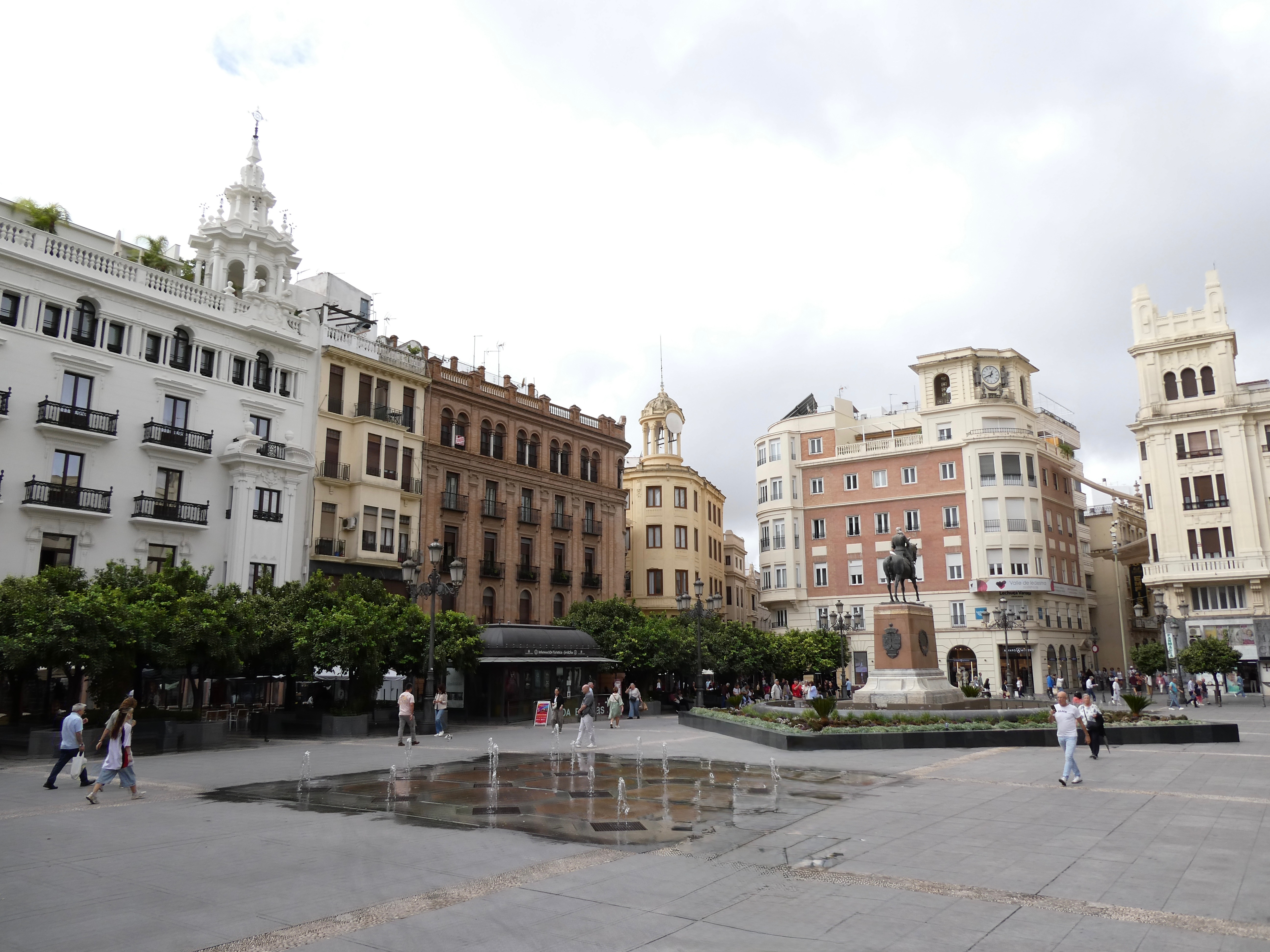
Next up was the Place de Tendillas with a statute of Gonzalo Fernández de Córdoba aka el Gran Capitan. The huge square is considered Cordoba’s main square and dates to the 1920s. The square features a number of art deco buildings which were so popular during that period.
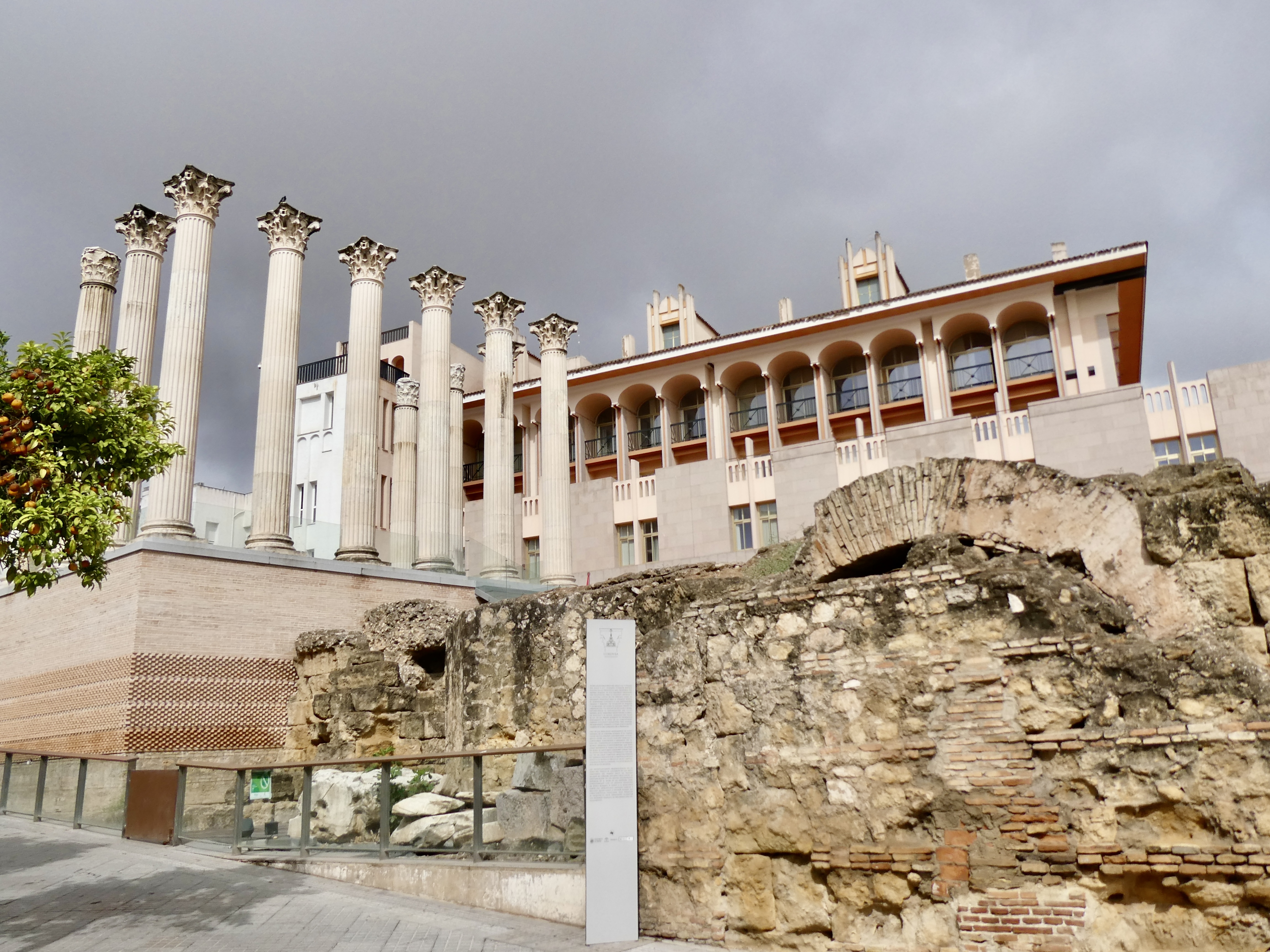
From Place de Tendillas, we finally reached what I had been waiting for, the remains of a Roman temple, Templo Romano Calle Claudio Marcello, which was discovered in the 1950s. It is believed that the temple measured 32 meters long and 16 meters wide and was constructed during the reign of Emperor Claudius (41-54 A.D.). It is presumed the temple was dedicated to the worship of the emperor. It was absolutely fabulous.
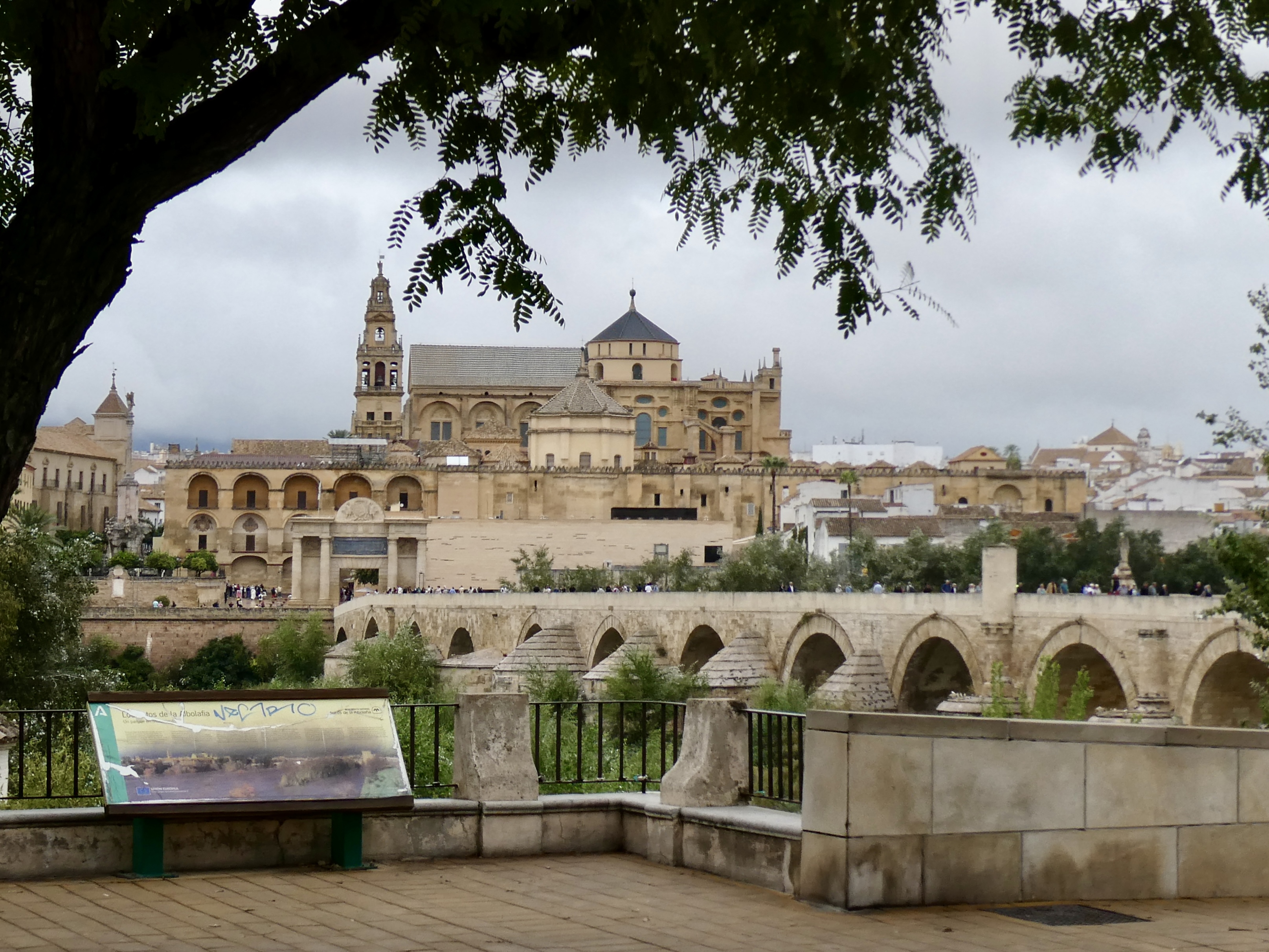
We then passed a cross in the middle of the road dating to 1897 and from here crossed the Guadalquivir River where we had spectacular views of the Roman Bridge (more about that later) and the old town of Cordoba.
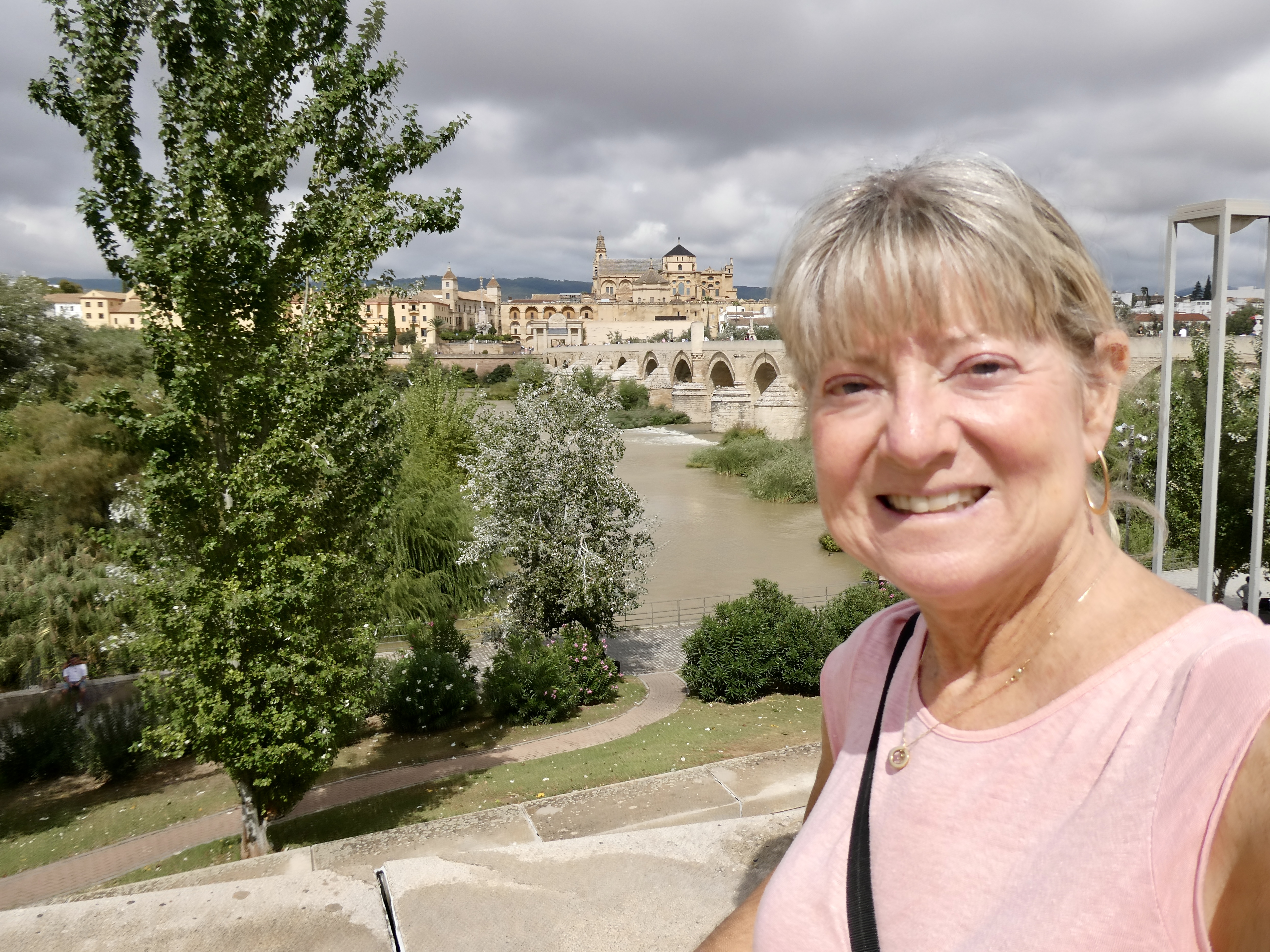
The bus then looped back over the Guadalquivir River paralleling the Roman Bridge and before I knew it, we were back at the start. The whole ride took about an hour so I figured that I would take it around again and see the trip from the other side of the bus. (It is hard to see things on the left side of the bus when you are on the right and vice versa especially with people in the way.)

Anyway, I took the ride around again, but got off the bus after it crossed the first bridge over the Guadalquivir River. From here, I walked down a short switch back to take a look at the San Antonio water mill that was the original 18th century building which had been used to mill flour. The mill was apparently operational up until the mid-twentieth century.
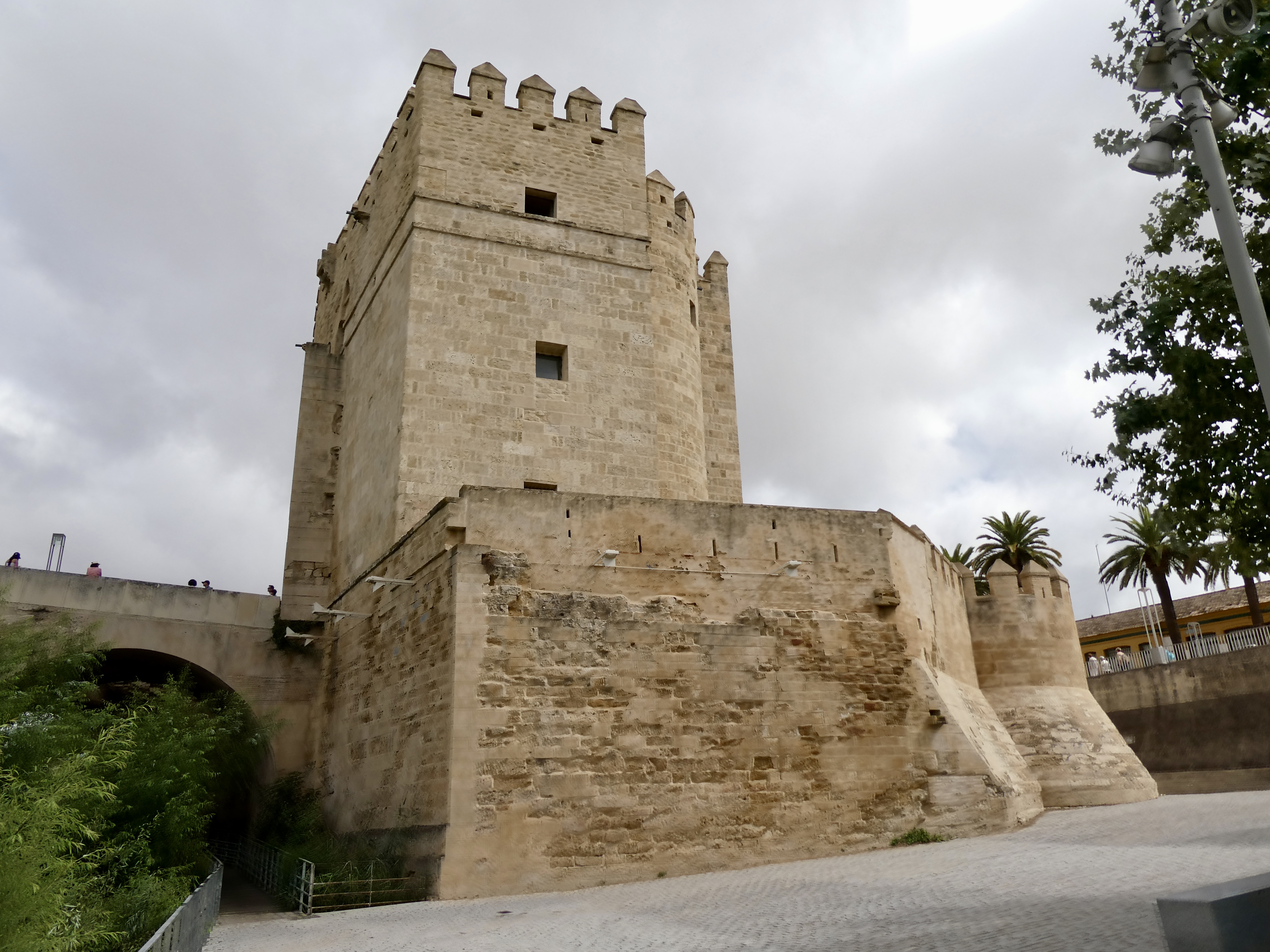

I then walked under one of the many arches in the Roman Bridge and took a flight of stairs up to take in the Calahorra Tower which fronts the Roman Bridge. The tower was a fortified gate erected in 1333 by the Moors to protect the Roman Bridge. Today, the tower houses a museum, but I did not go inside so have no idea what the museum holds.
From here, I started my walk across the Roman Bridge. Now the Roman Bridge was, for almost 2,000 years, the only bridge across the Guadalquivir River in Cordoba. The bridge was originally built by the Romans in the early 1st century BC, likely replacing a wooden bridge. In the 8th century, the Moors reconstructed the bridge resulting in a total of 16 arches, one less than the original 17. The total length of the bridge is 247 meters.
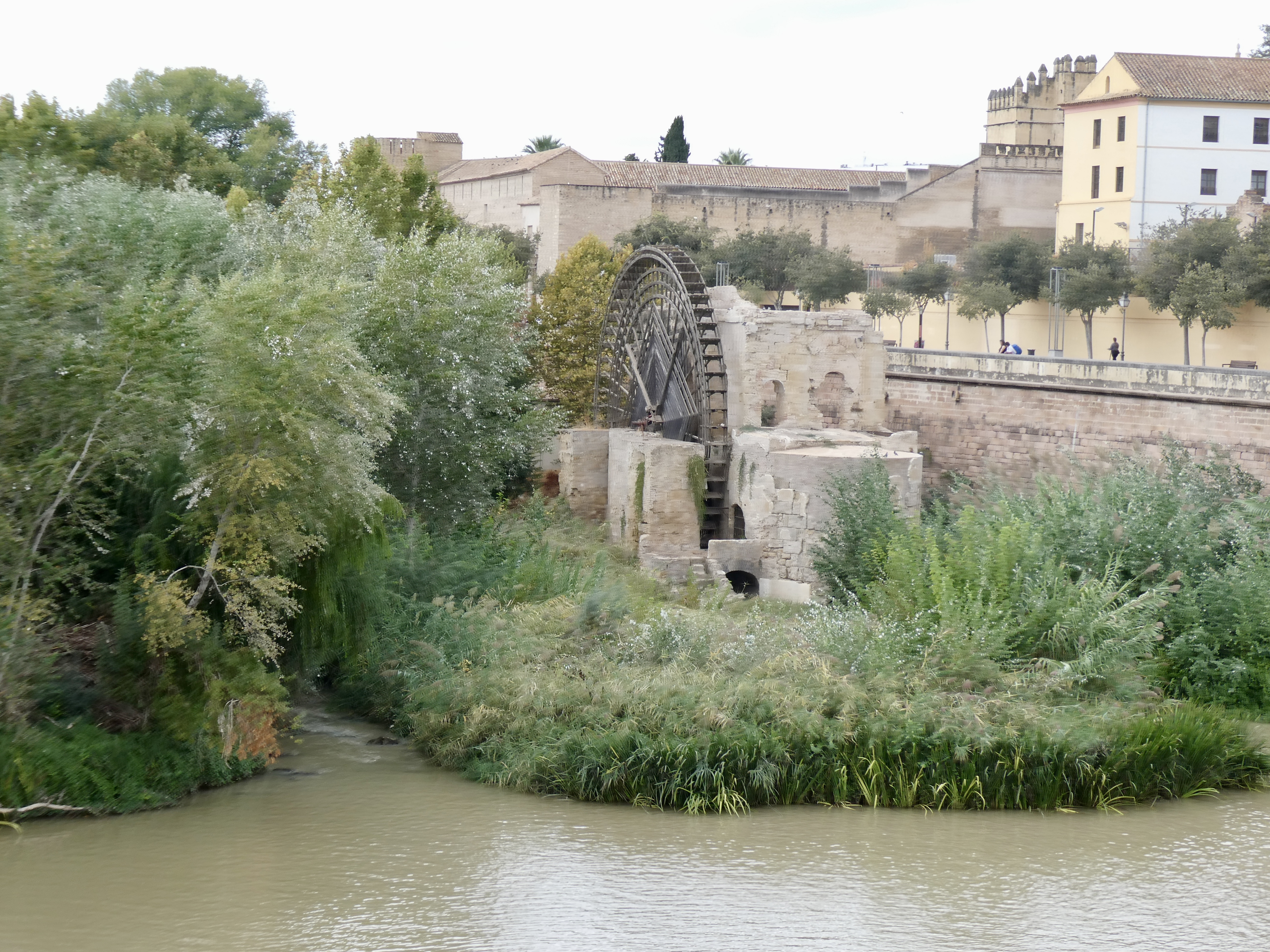
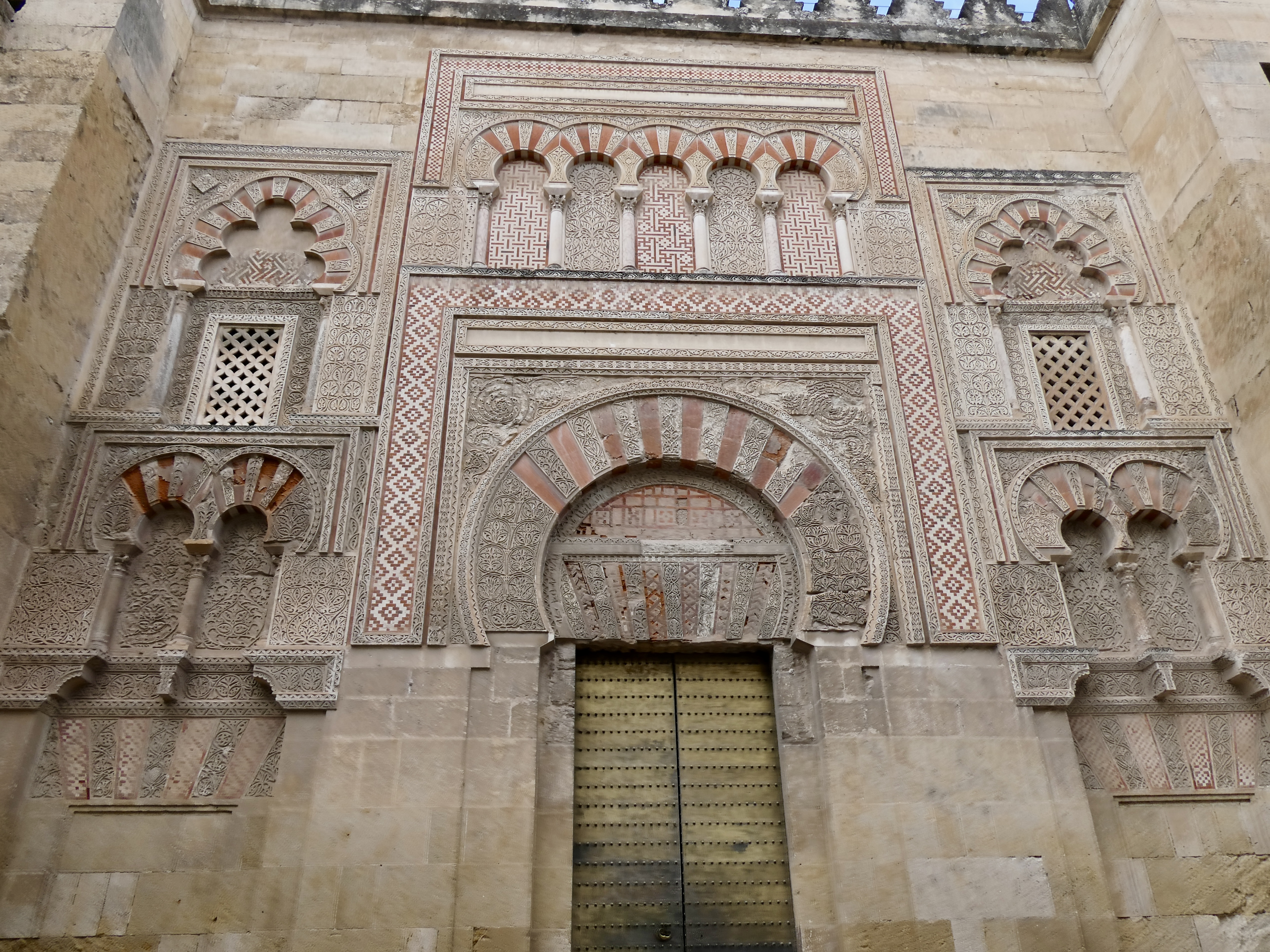
Sadly, the walk across did not take me long, but I did spot another water mill on the other side of the river. Once I reached the end of the bridge, I walked to a shop where I had spotted empanadas for sale, bought two with chicken and mushrooms (YUM) and walked past another side of the Cathedral as I scarfed down the empanadas on my way back to nearby hotel.
I ended up relaxing in the afternoon before going for my 1 ½ hour evening Patio Tour. Now since the days of the Romans, Cordoba has been filled with patios and courtyards covered in plants, fountains and gorgeous flooring. The Moors kept this style of home when they conquered the area and in the Middle Ages, giant homes outside the Cordoba walls were modified to accommodate more families and this resulted in small courtyards being built in the center of these modified homes. The folks residing in these homes were mostly poor, but a tradition of planting flowers and trees in the courtyards to liven things up began.
And 1921, a competition was created to determine the most beautiful courtyards. Today that competition is held every May when flowers are in full bloom and the weather is not too hot. This past year, 52 homes competed in the competition and my patio tour afforded me the opportunity to see some of the homes that competed in the Mezquita neighborhood (near the Cathedral).
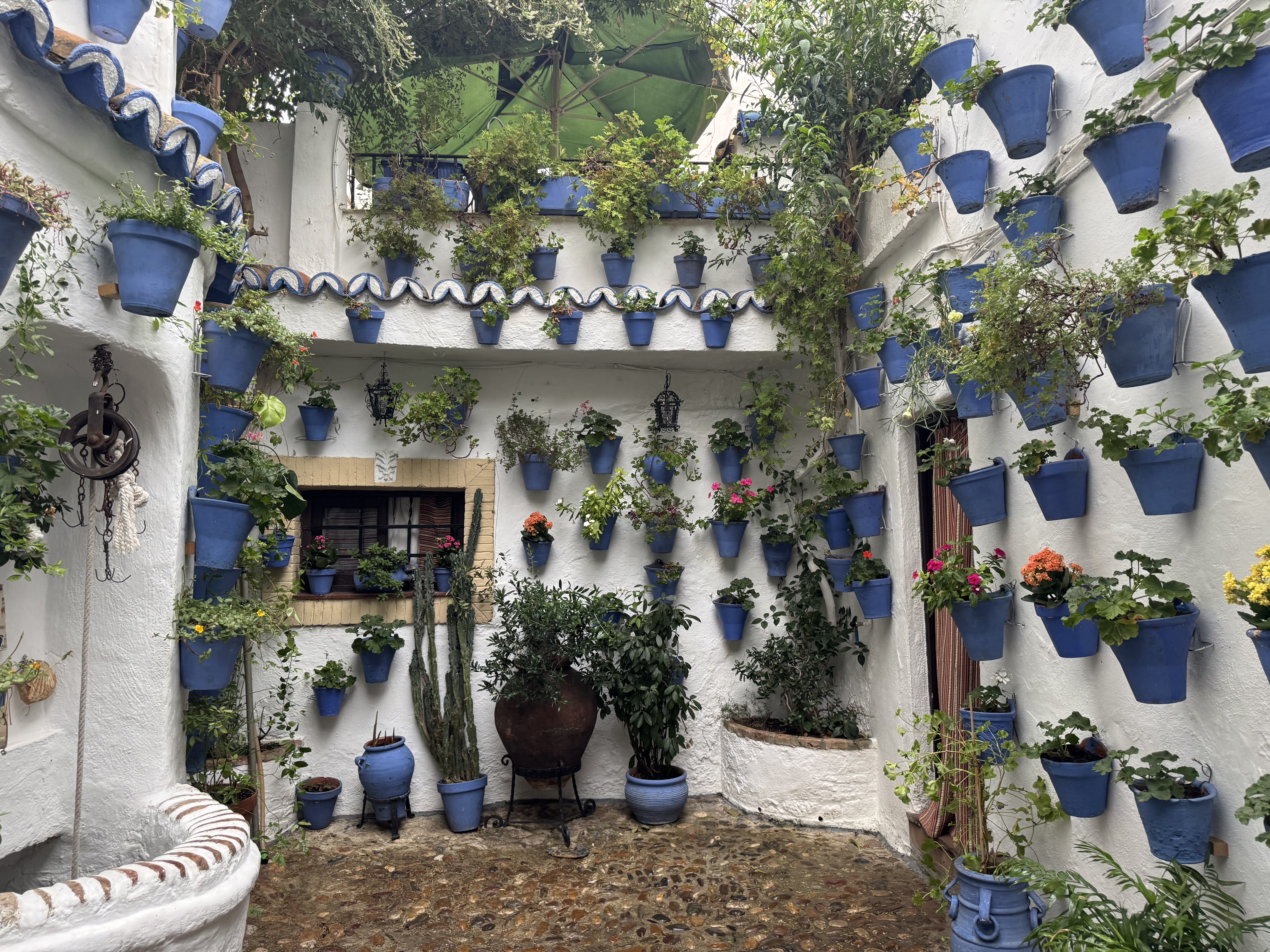
First up was the House of Rafa, a lovely 17th century home with a small courtyard with potted plants in blue pots fixed to the walls. I soon learned that it is a tradition to fix the pots to the walls. However, none of these pots have any form of irrigation meaning that all the watering is done by hand. Sometimes it can take up to six hours to water the pots. Yikes!
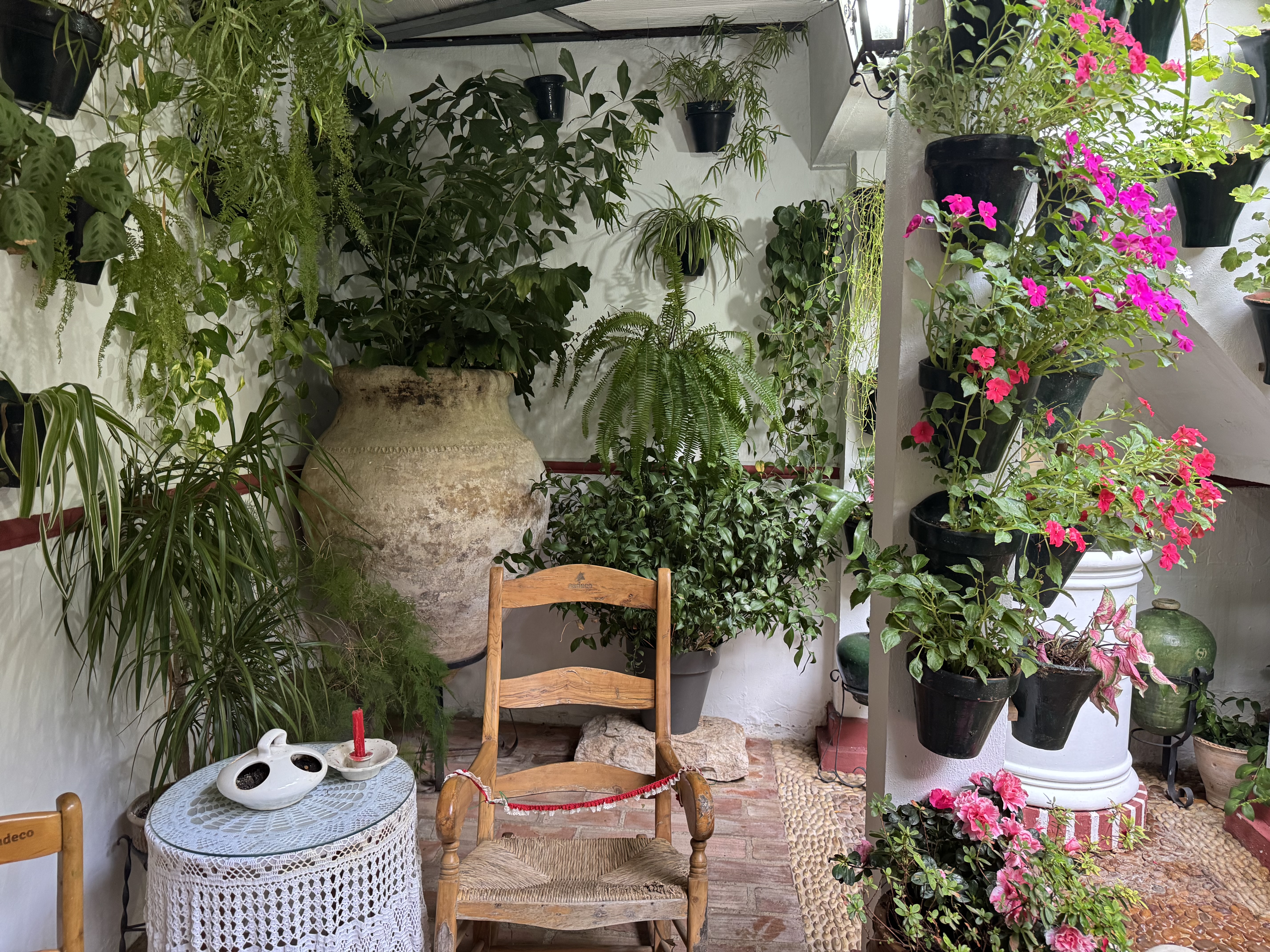
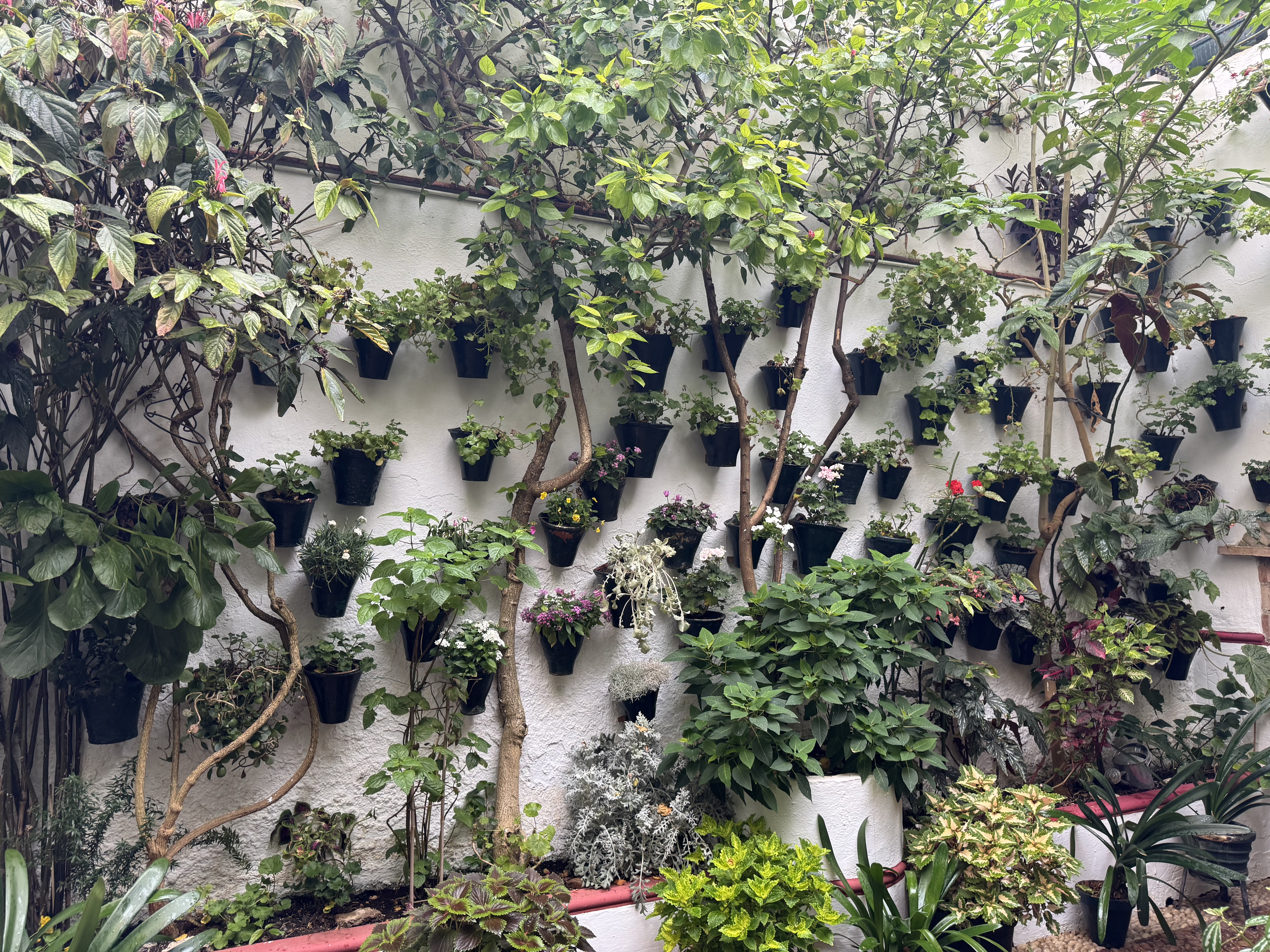
Next up was the House of Isabella a 1975 rebuilt courtyard, which featured a lovely pebbled floor, a sitting area and more pots fixed to the walls than I could count. There were lovely geraniums, lots of green ferns and a huge, and I mean HUGE pot in the corner with some kind of leafy green plant growing in different directions.
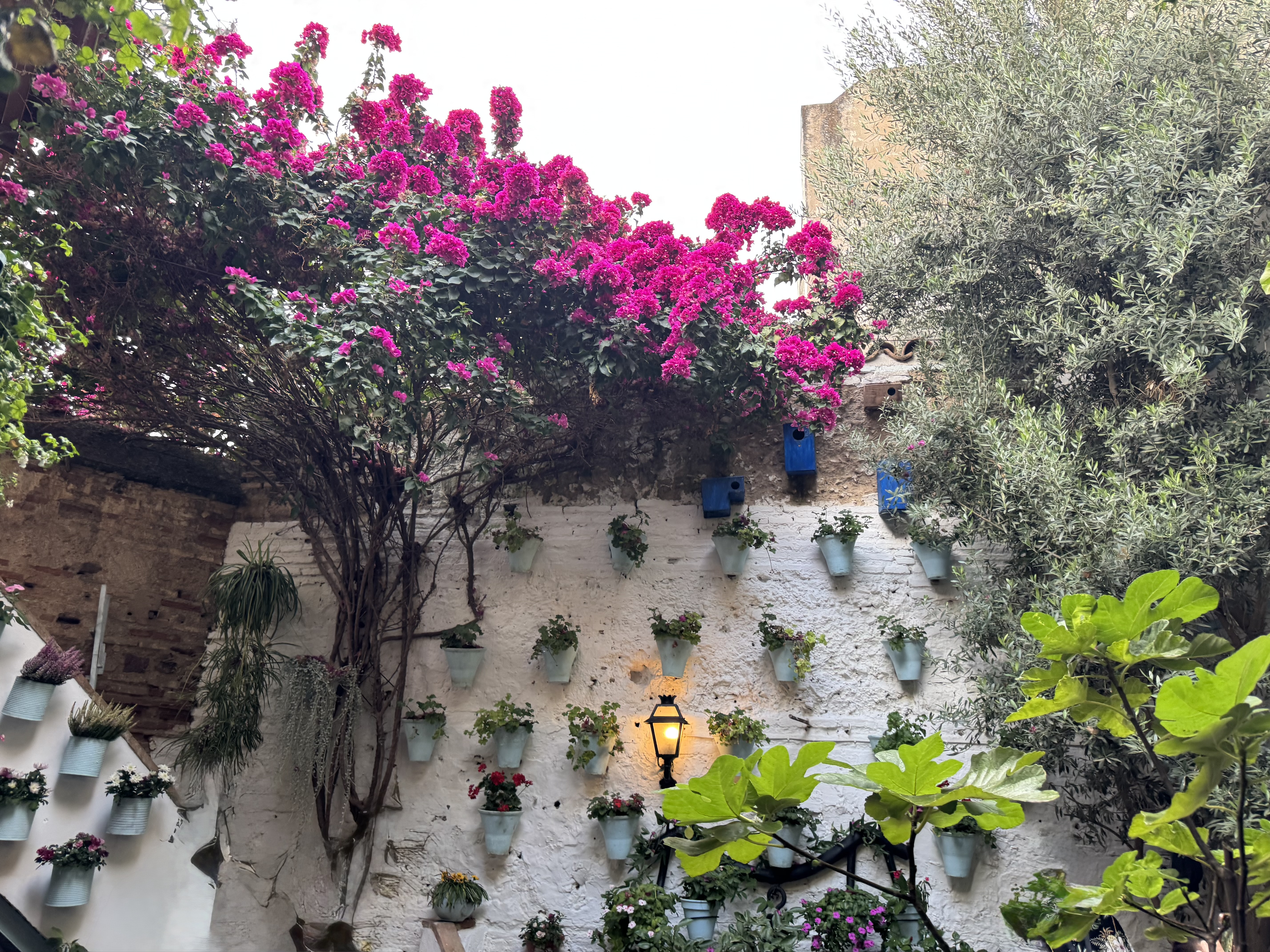
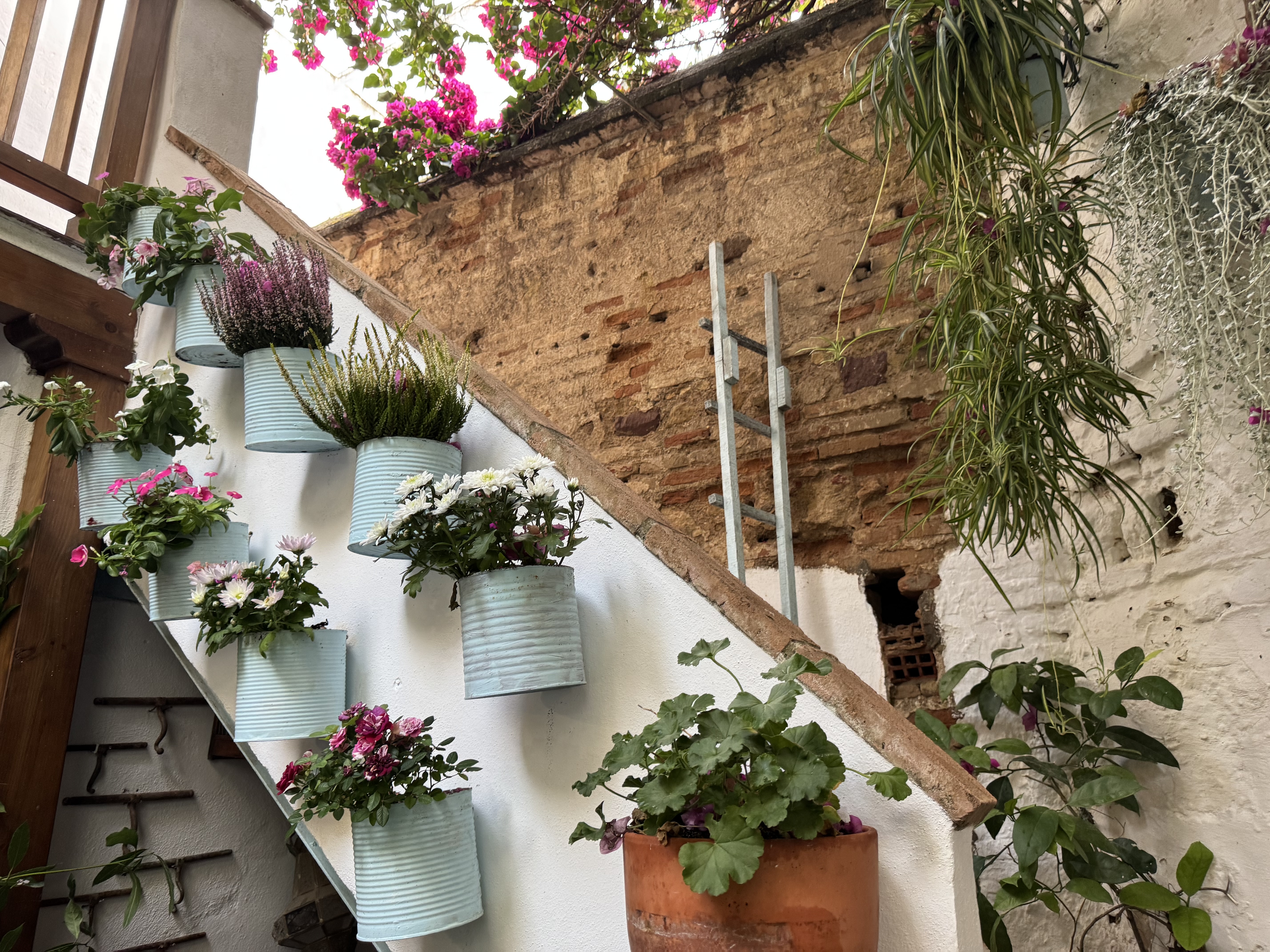
From here, we walked outside and around the corner in the rain (fortunately, the rain was short lived) to reach the home of Josa Luis an 18th century home which had a lovely bougainvillea tree in the corner as well as very pretty light blue pots fixed to the walls. There were also small potted plants placed all around the courtyard, lovely little lamps on the walls and even a gorgeous staircase with more baby blue pots fixed to the wall.
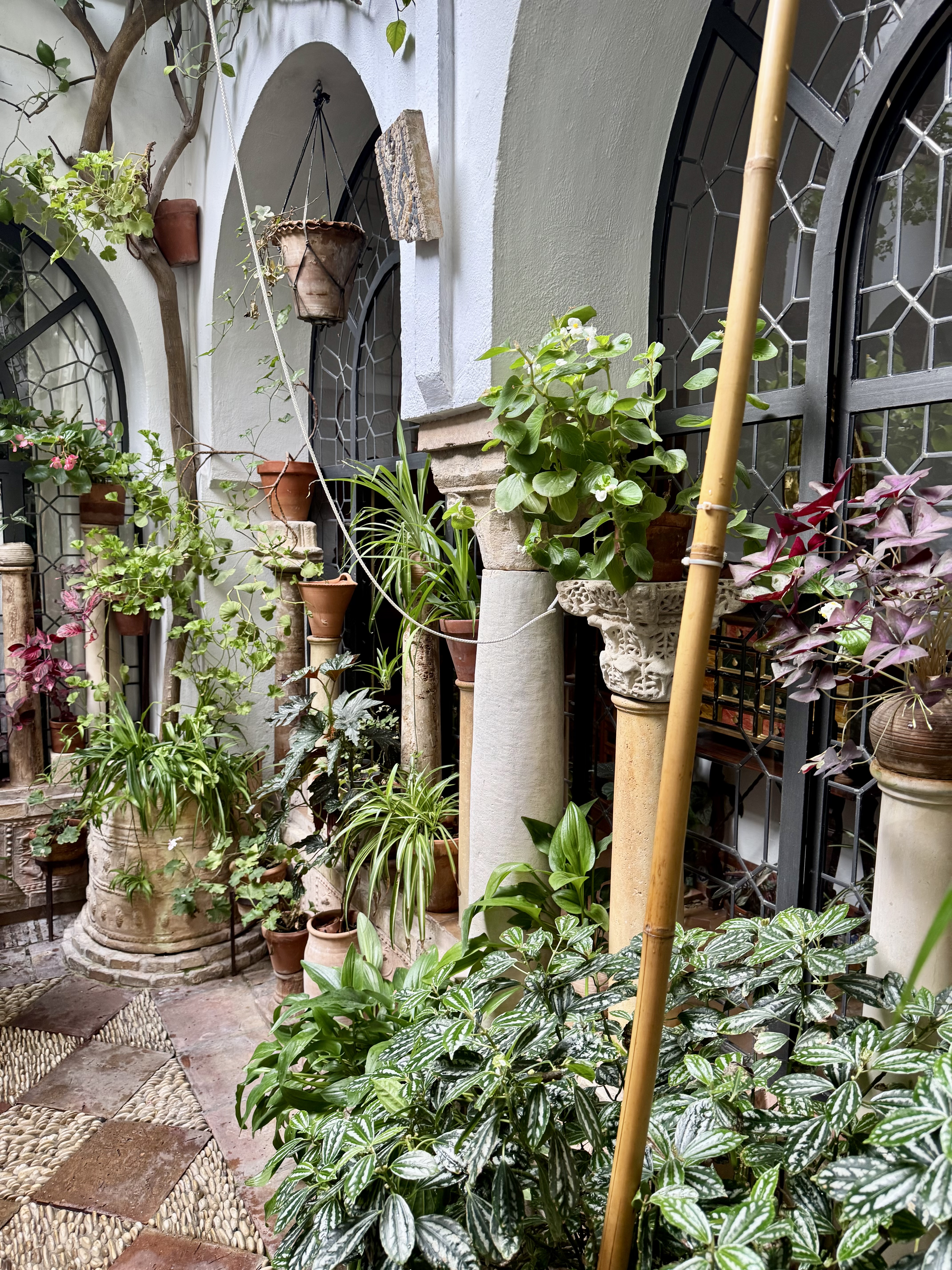
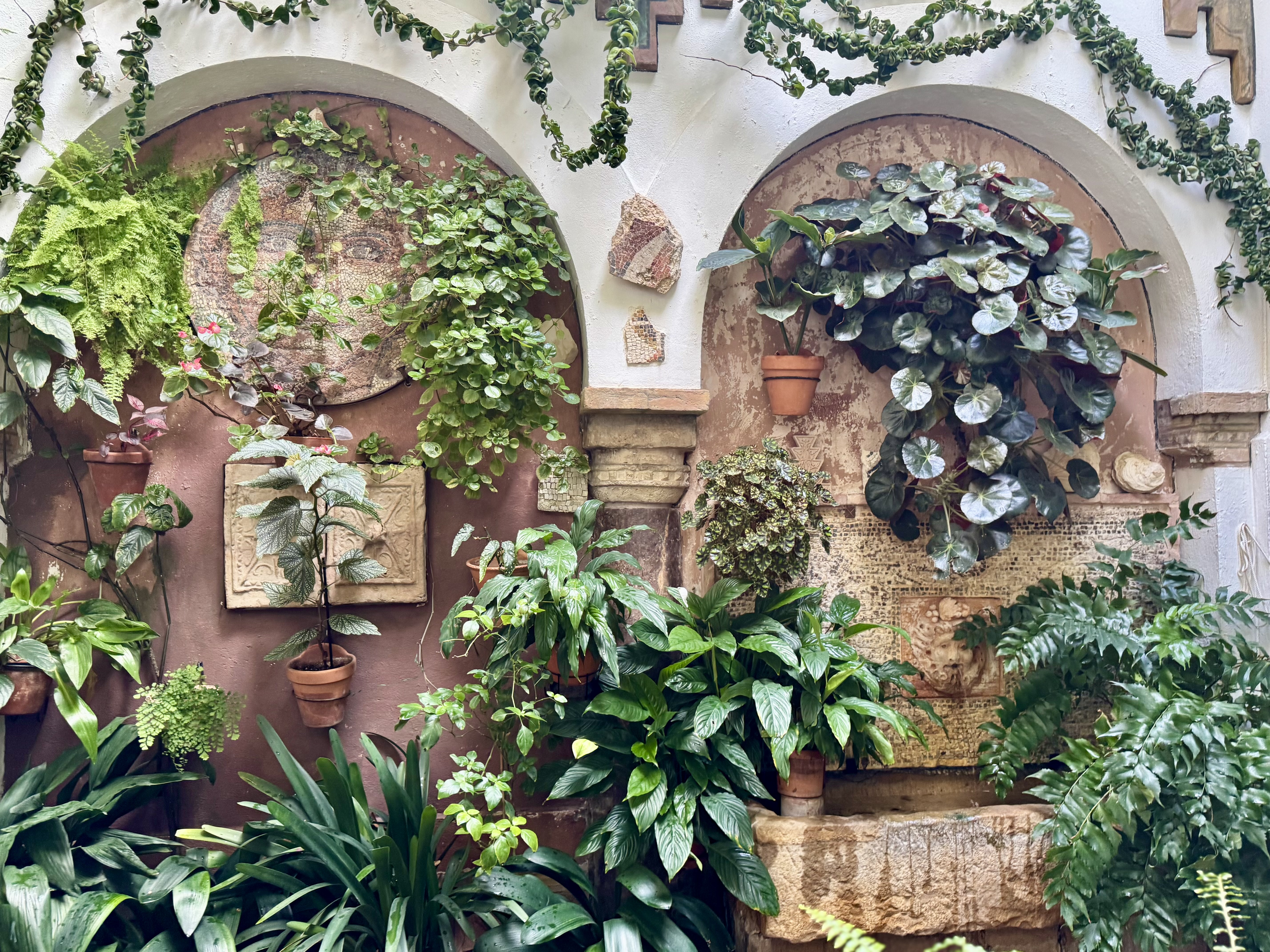
The next house was Teresa’s House with artifacts incorporated into the courtyard dating to the 1st century Roman times as well as artifacts from the Visigoths. The floor in the house was terra cotta and Teresa herself was there to greet us. (She was fabulous.). Teresa’s courtyard featured huge Moorish arches and plants mounted on Roman columns that had been excavated from Teresa’s home. (How cool is that!).
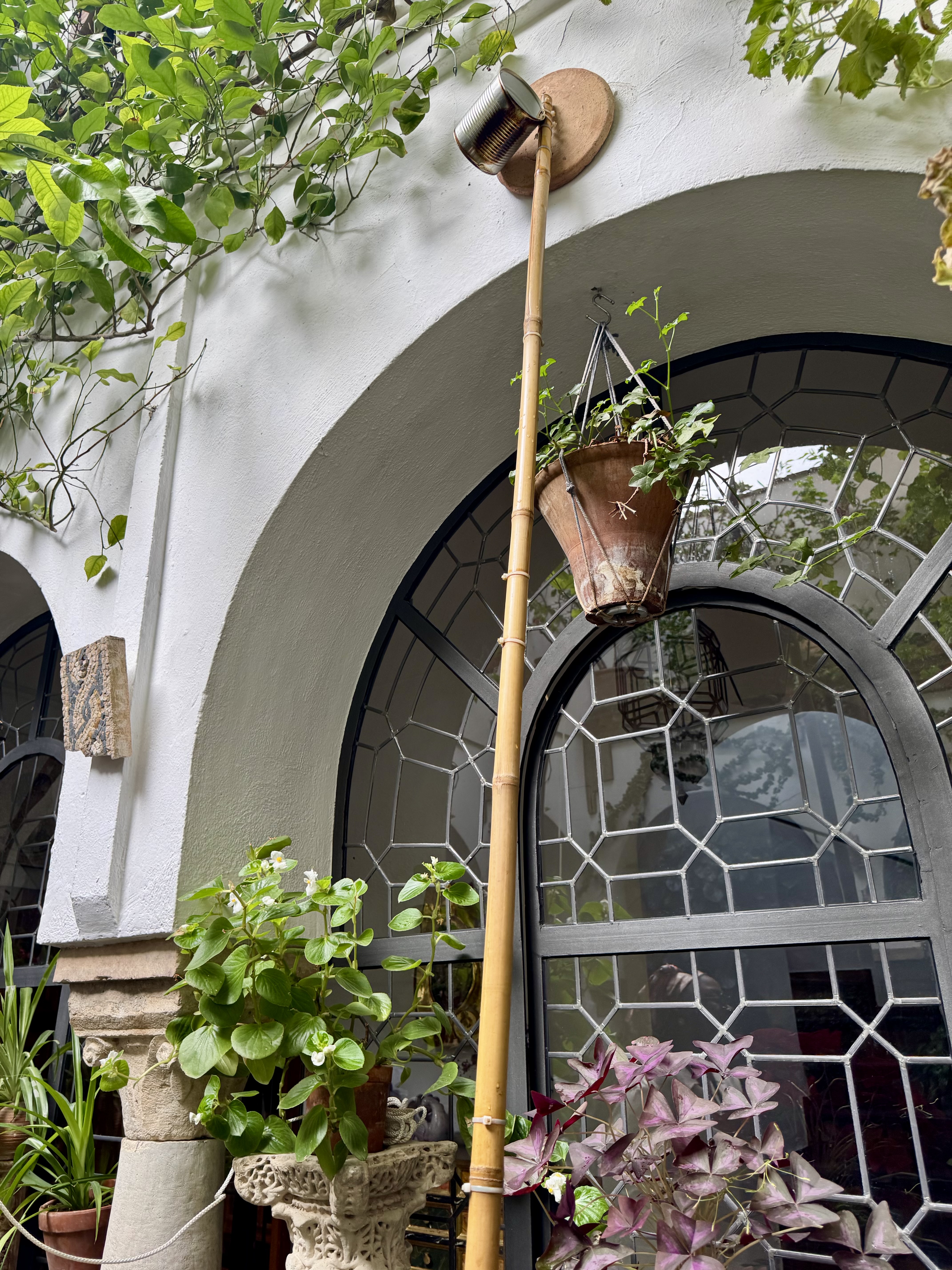
Teresa even demonstrated to us how she maneuvers a huge pole with a can on the end to water the plants that are too high to reach with a hose. (All of the homes we visited had the same contraption.)
I absolutely loved Teresa’s courtyard and could understand how she has been a top finisher in the recent competitions.
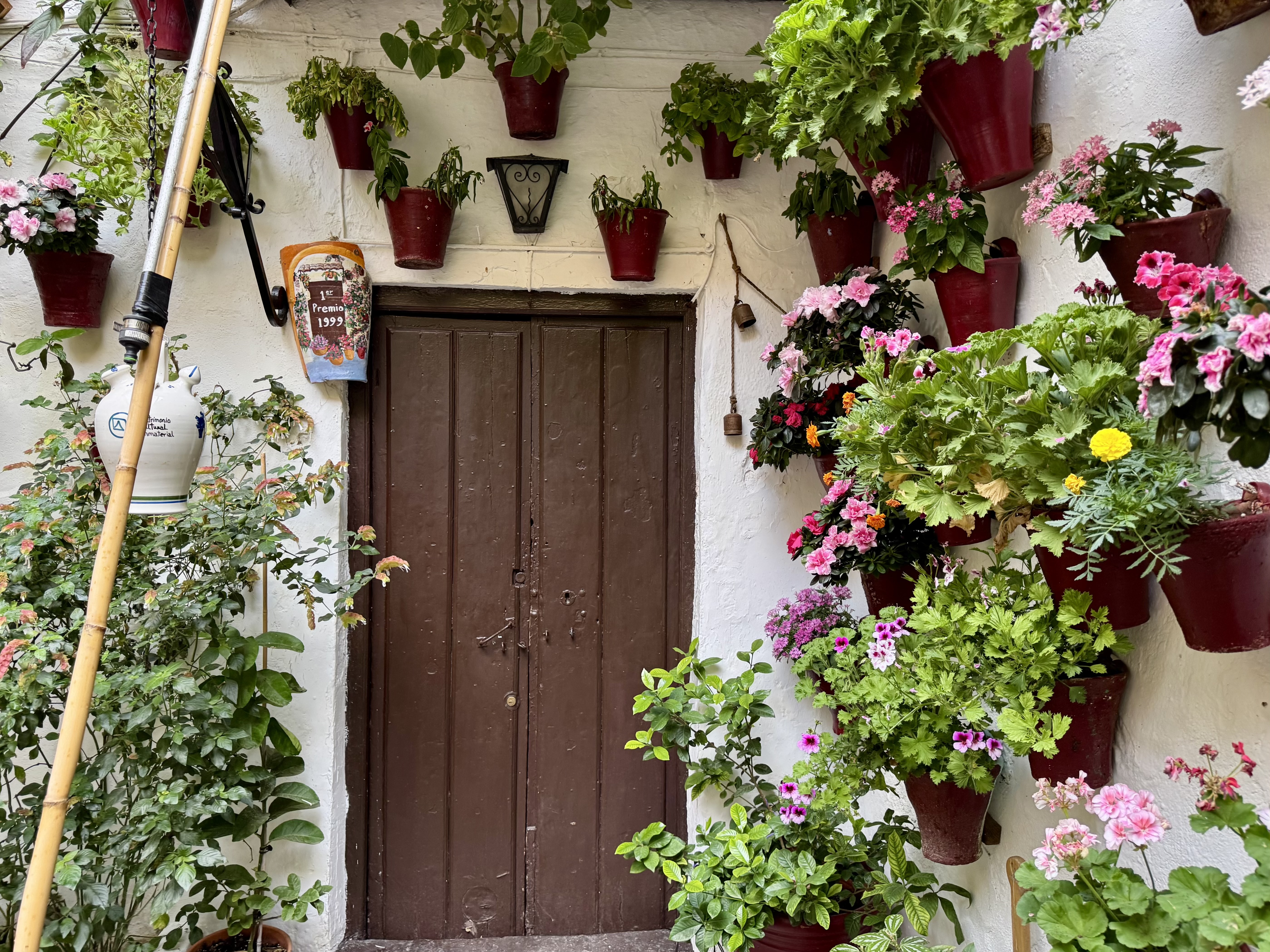
The fifth house we visited was the Camilla Natcho’s 18th century house, which featured the original patio from the time the house was built. This home had three gold coloured arches through which you entered the courtyard and all around were huge pots on the tiled courtyard in which gigantic ferns were planted. There were also lots of pots fixed to the walls and plants hanging all over the courtyard.

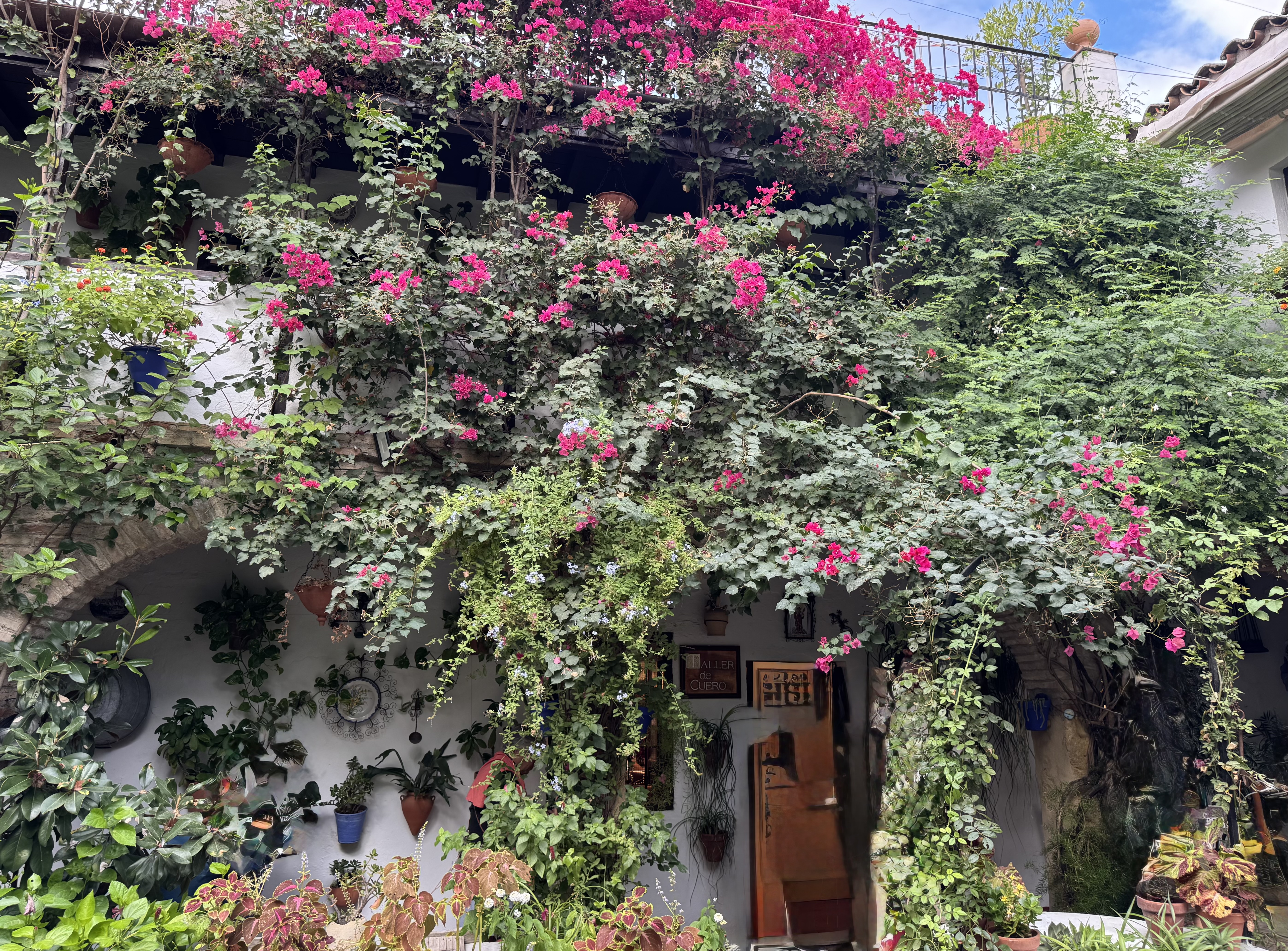
The last home we visited was an unnamed house from the 17th century and was the 2025 first place winner of the courtyard competition. And once I entered the house I could understand why. There was a huge staircase at the end of the courtyard featuring hanging plants and pots all around the stairs. In addition, there was a gorgeous pink flowering tree that took up one entire side of the courtyard. The effect was stunning. Clearly the best of the best!
 We ended the tour with a stop at a statute dedicated to, what else, the patio tradition in Cordoba.
So tomorrow, I have a four hour walking tour of Cordoba with stops at the Cathedral, the Alcazar and the Jewish Quarter.
