Today Tom and I left the South Island and headed to the North Island travelling via the 5 ½ hour Coastal Pacific train to Picton (at the top of the South Island) where we then caught the 3 ½ hour Interislander ferry, which crossed to the capital of New Zealand, Wellington, at the bottom of the North Island.
Now the train trip was made particularly enjoyable because we were travelling in Scenic Plus (drinks and meals in a separate rail car) and … there were only 5 of us in the entire car! Score!
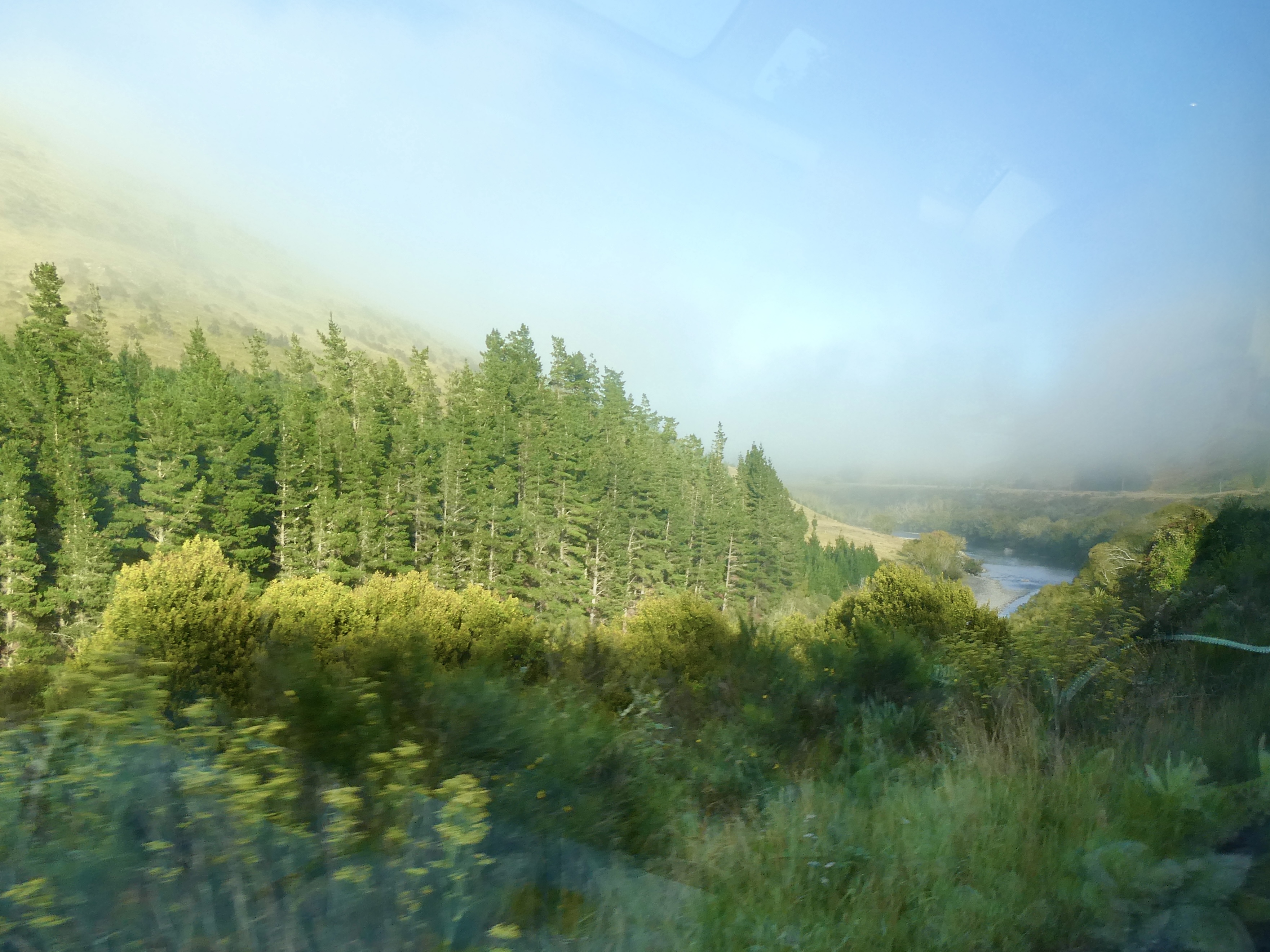

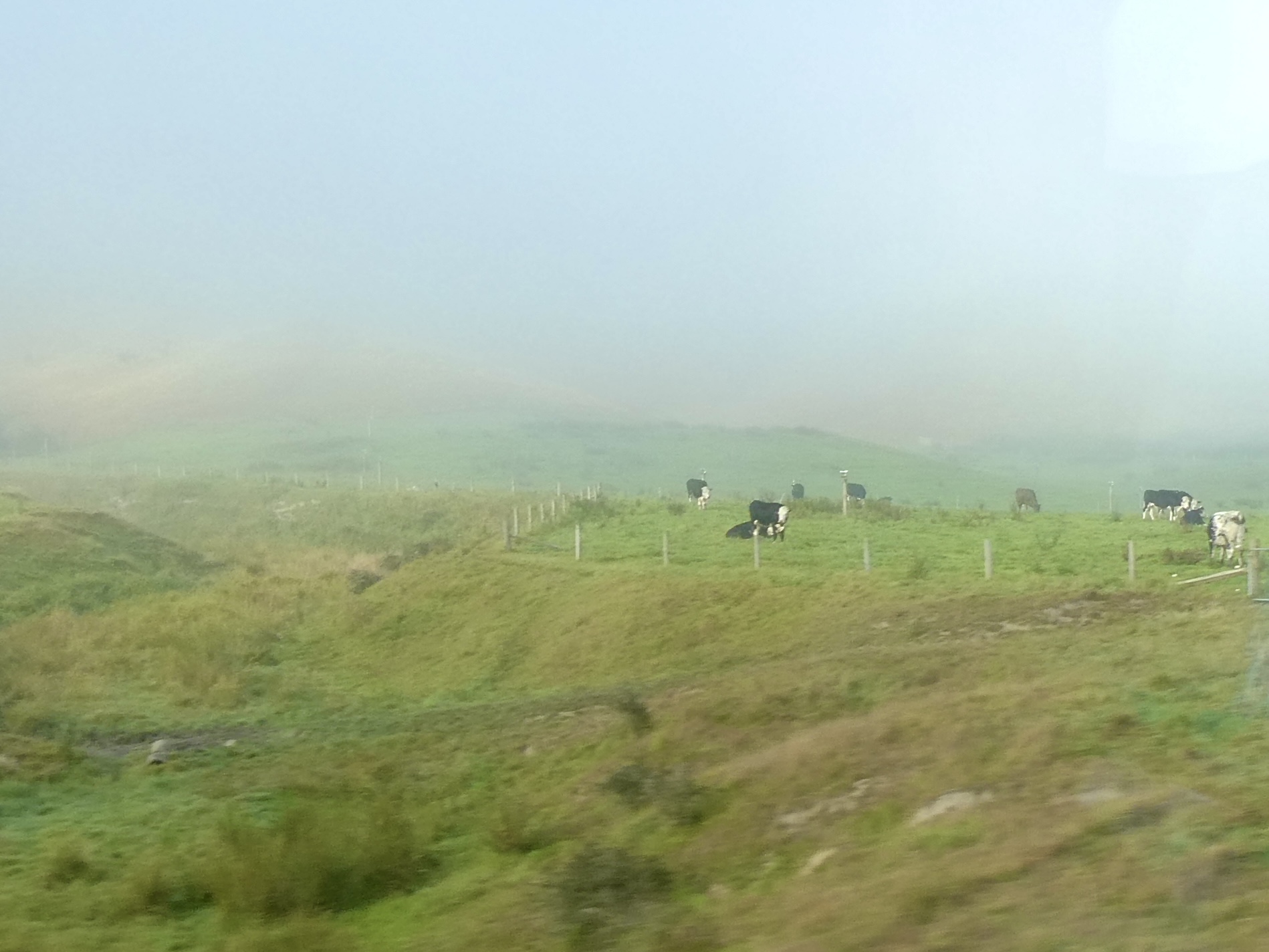
So as the train pulled out of the station, we left Christchurch for the final time, crossing the Waimakariri River on the Canterbury Plain. The trip took us through the flat farmlands before giving way to winding hills shrouded in fog where sheep and cows grazed.
Eventually, the fog lifted and we passed through the town of Rangiora and the hilly wine region of Waipara. The views here were particularly gorgeous.

And while we enjoyed the views, we were served a lovely breakfast of poached eggs with salmon and croissants, along with champagne and orange juice, coffee, tea and just about any other drink we wanted.
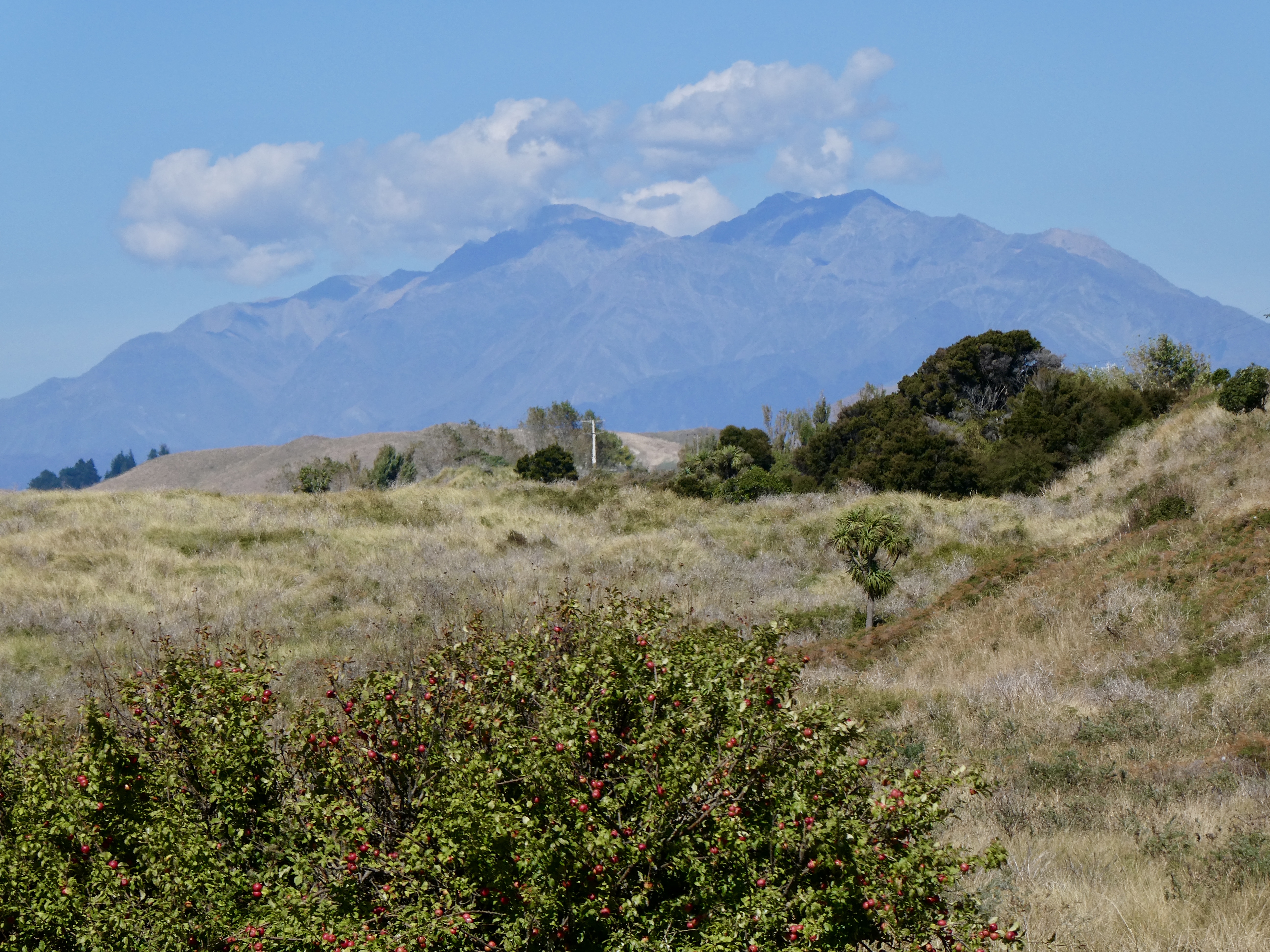
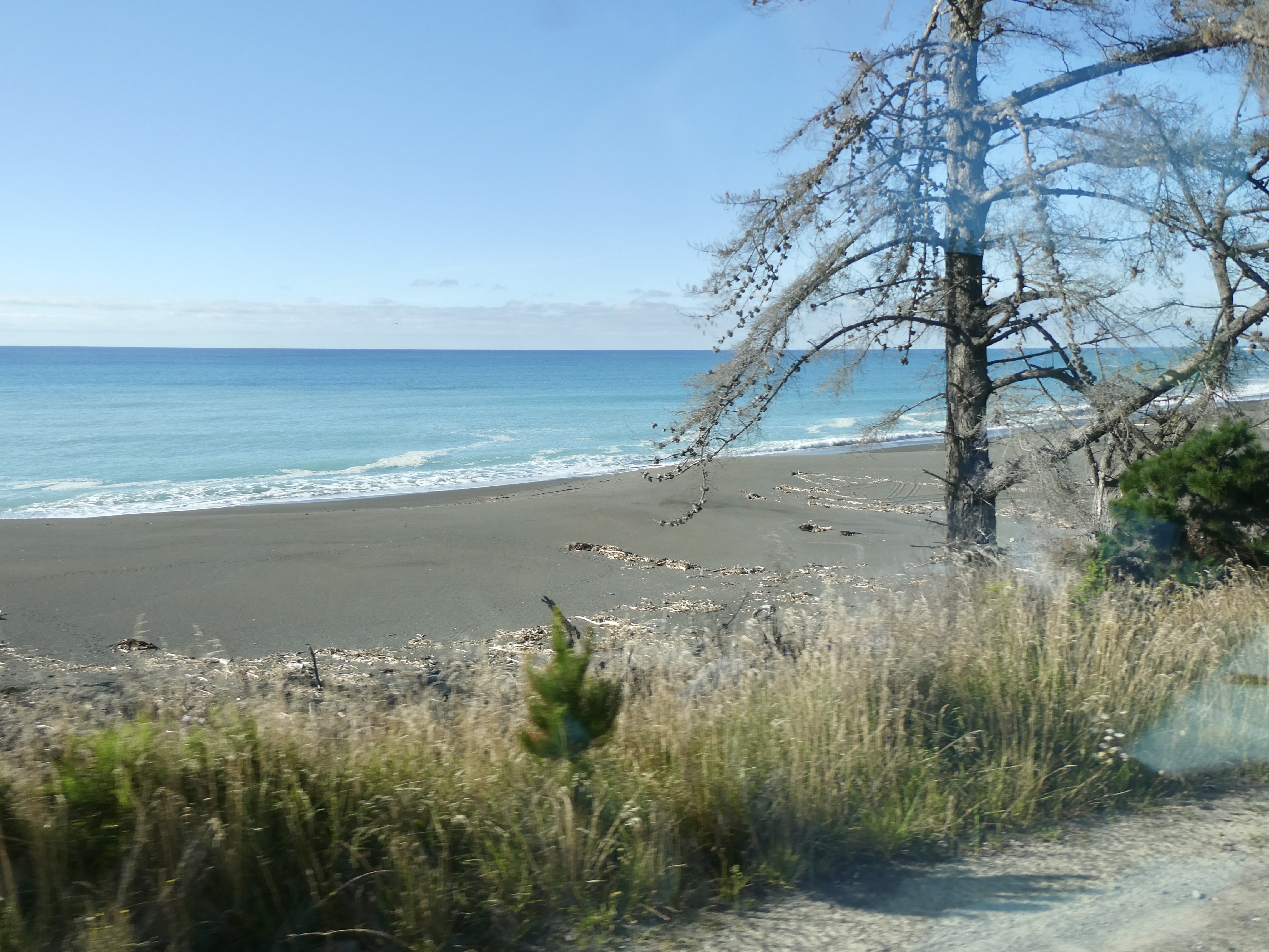
As we ate breakfast, we crossed over a series of rivers including the Hurunui River, the Wairau River and the Conway River passing by the Seaward Kaikorua Mountains before finally reaching the highlight of the trip, the magnificent Kaikorua Coast, where we began our journey along the Pacific Ocean. Now because the mountains meet the coast in this area, we travelled through a series of 19 tunnels built into the cliffs along the ocean. The tunnels were rather short, but for a period of time, they seemed to keep on coming.
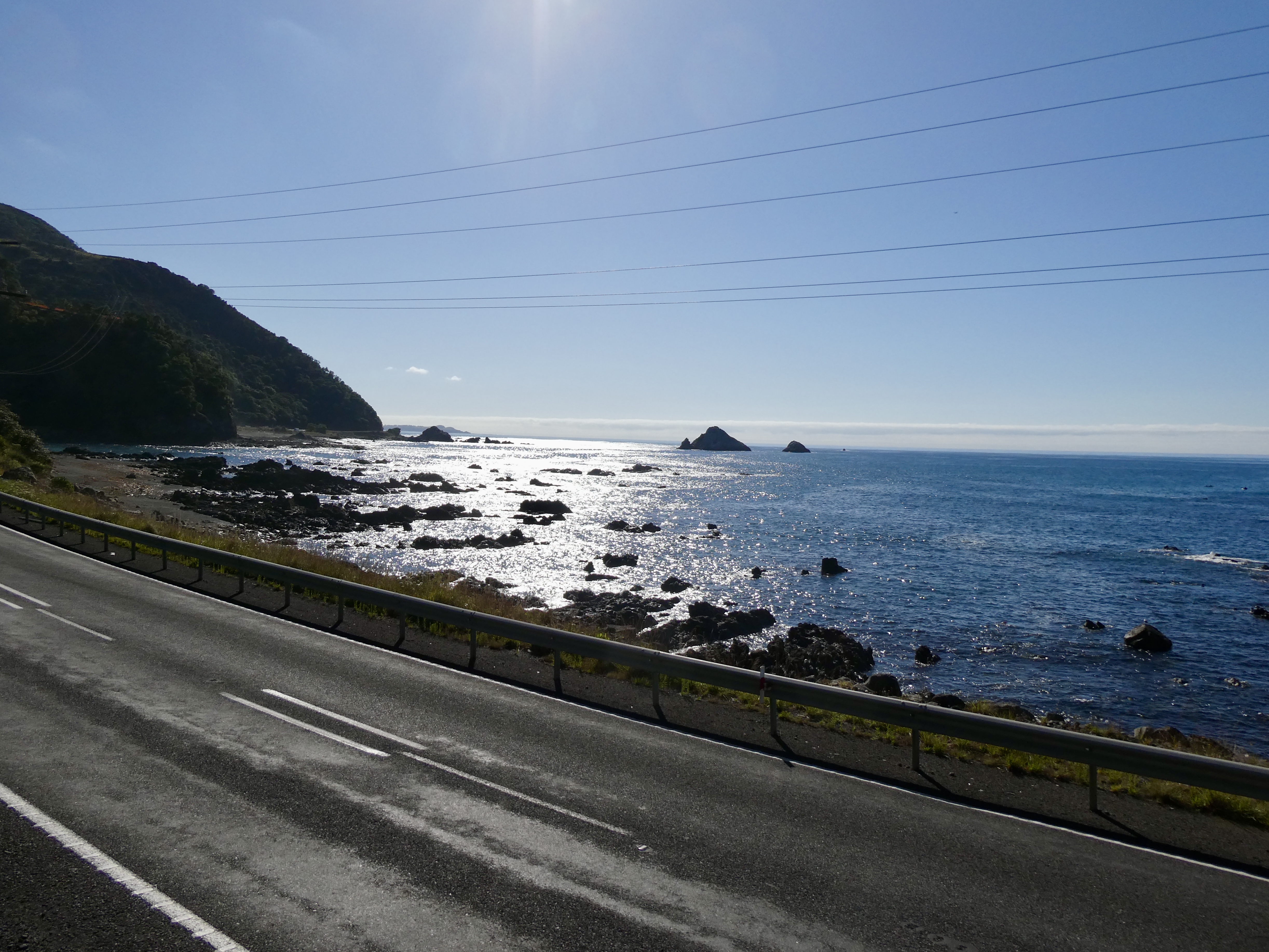
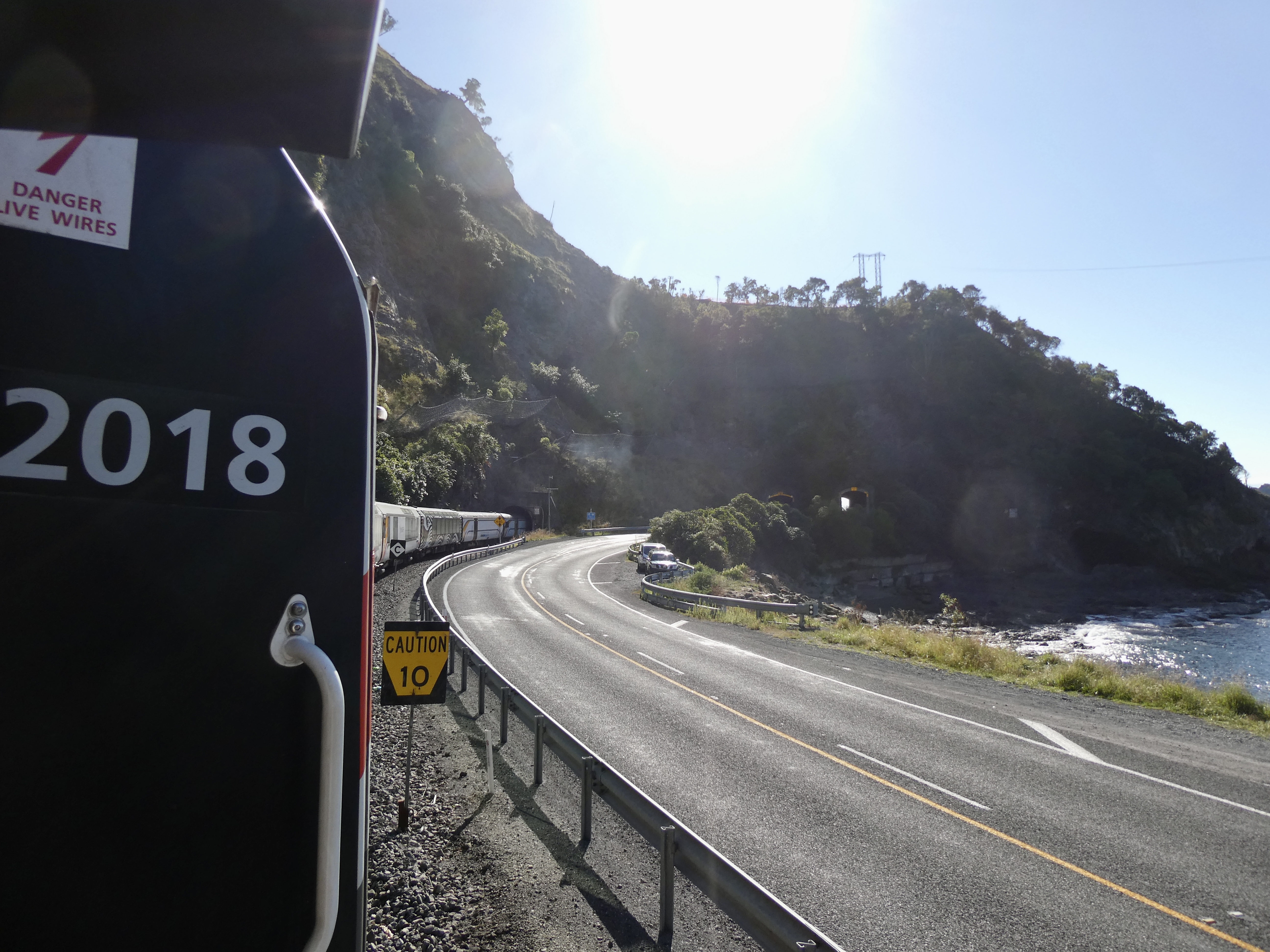

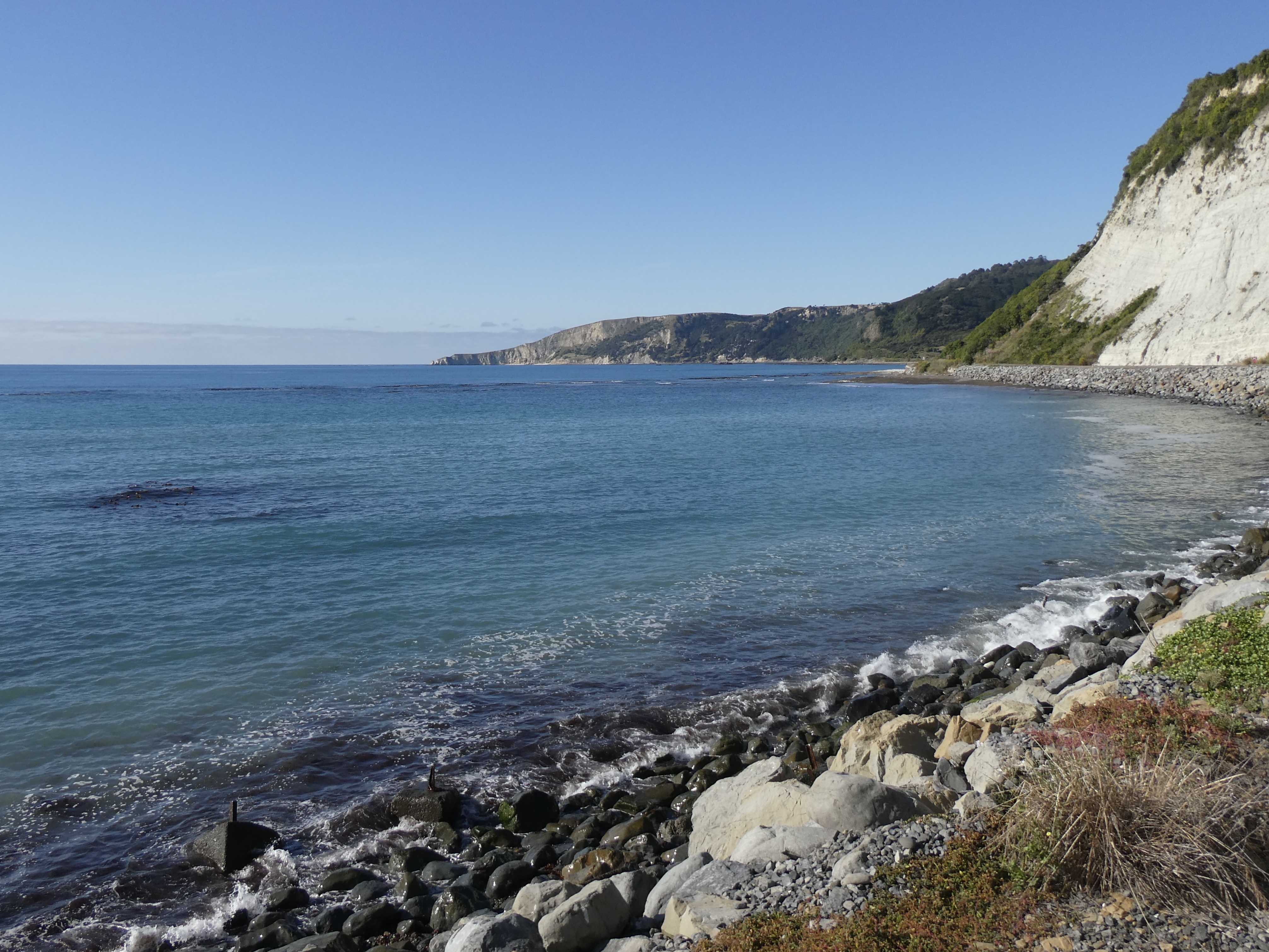
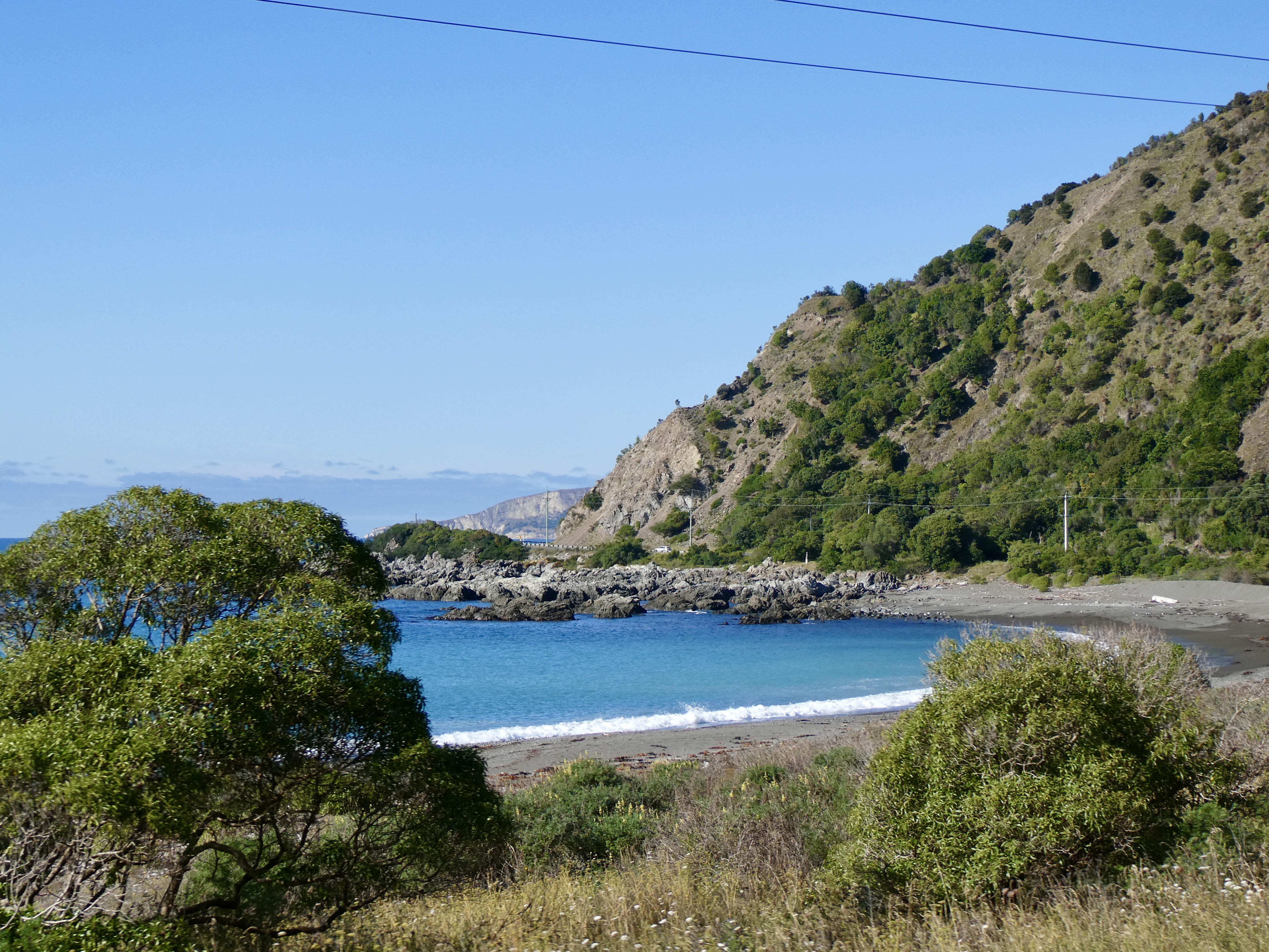

But in between the tunnels, the views were incredible. Craggy coastlines dotted with trees, sandy beaches, large rocks peaking from out of the ocean and … dolphins. Apparently, the area just past Claverly is well known for its morning dolphin show and this morning was no exception. The dolphins were clustered in a number of pods just offshore and were leaping up and out of the water, doing spins in the air and crashing back into the ocean. It was a spectacular show.
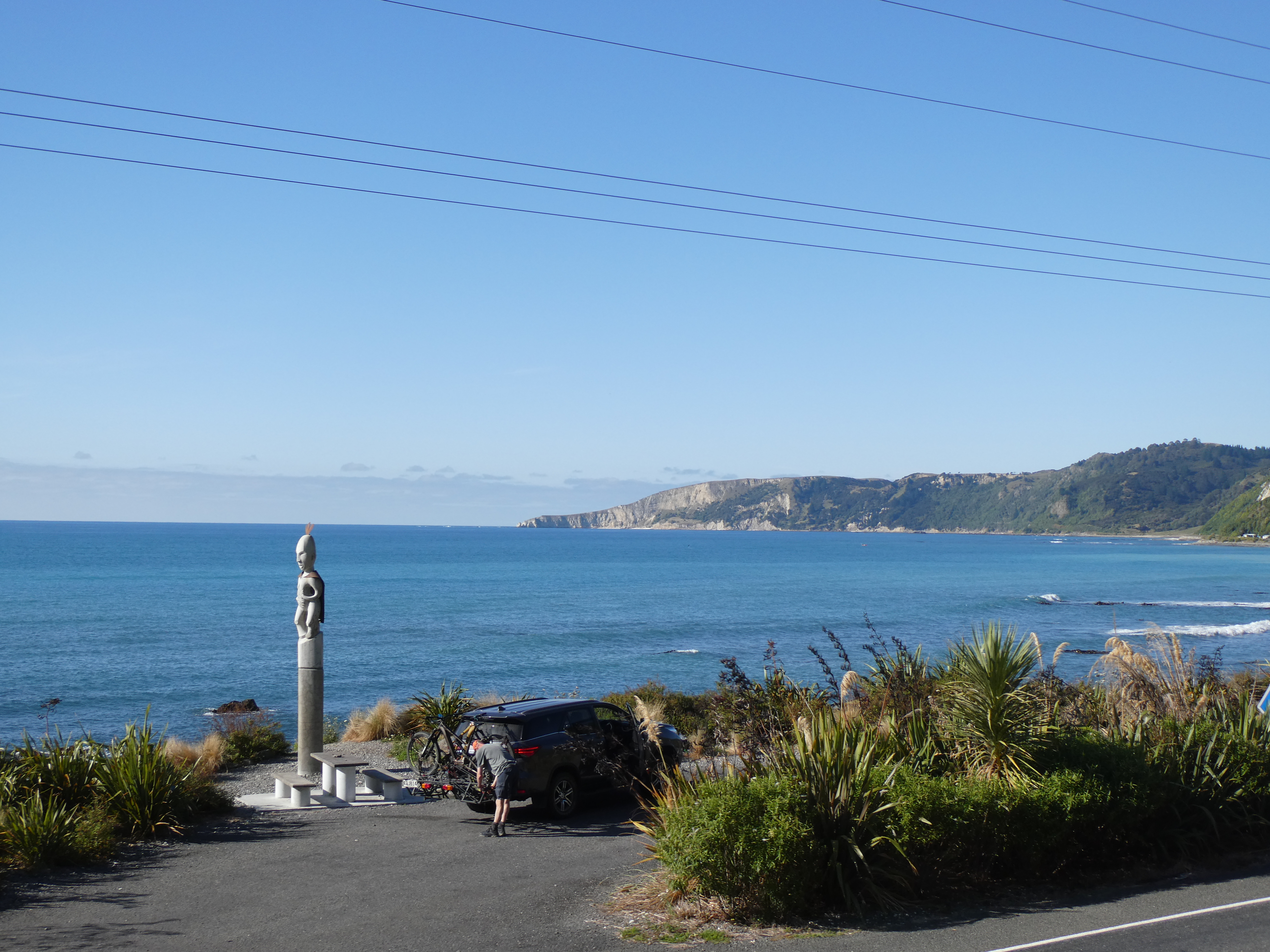
And all the while, we continued to pass through magnificent coastline. I had, by now, made my way to the outdoor viewing car and was able to breath in the salt air and get up close and personal not only with the dolphins, but the lapping waves along the shoreline, the rocky outposts, the occasional Māori statute rising out of the sand and the Kaikorua Peninsula descending into the sea.
We eventually made our first stop of the day in the town of Kaikorua where one of the passengers in our car left us meaning we were down to four in our car. At this rate, Tom and I were going to have our own rail car!
Anyway, after Kairkorua we passed Ohau Point, an area known to be a seal hangout and while Tom and the other two passengers in our car spotted in the seals, I sadly did not see a one.
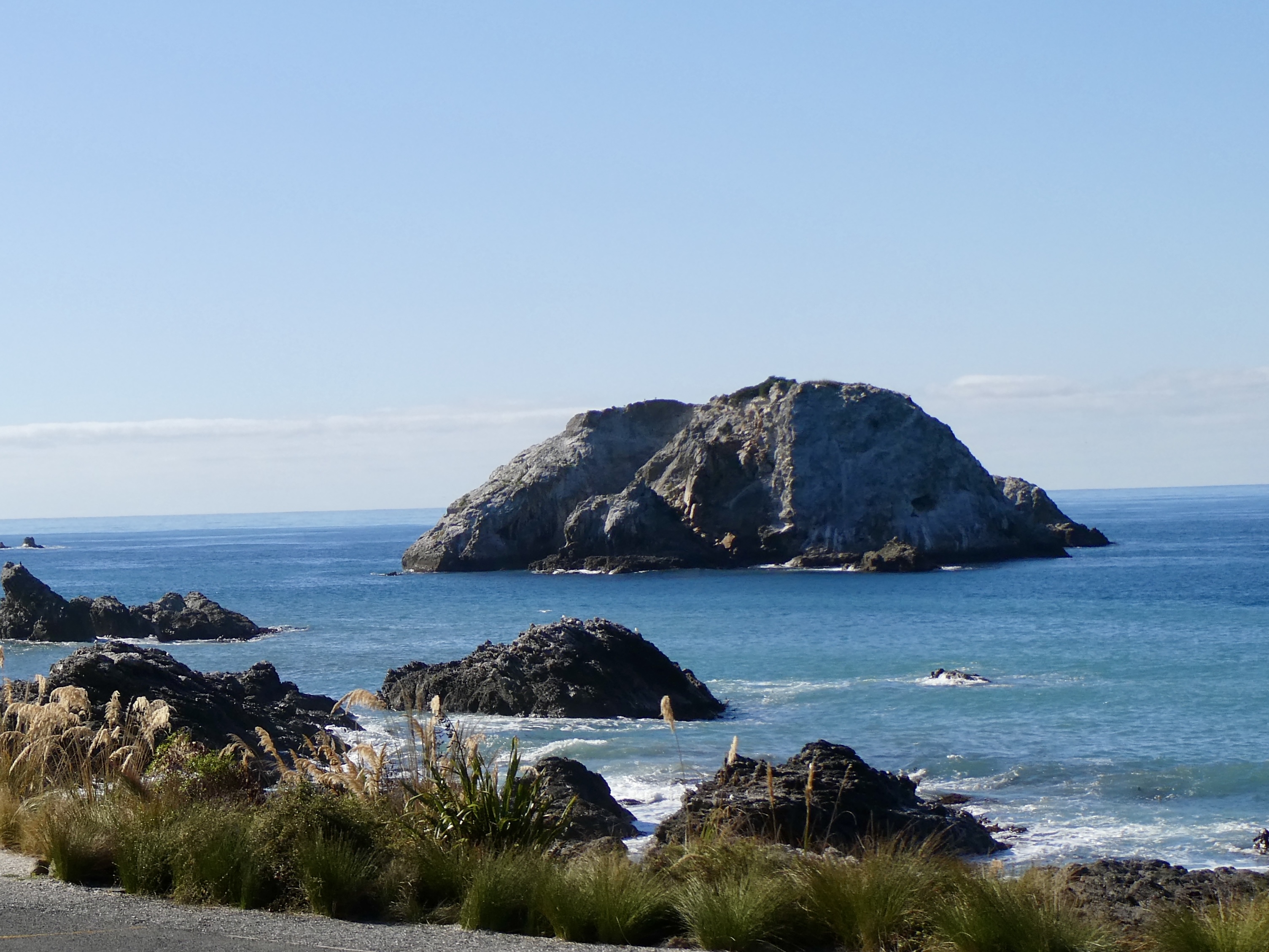
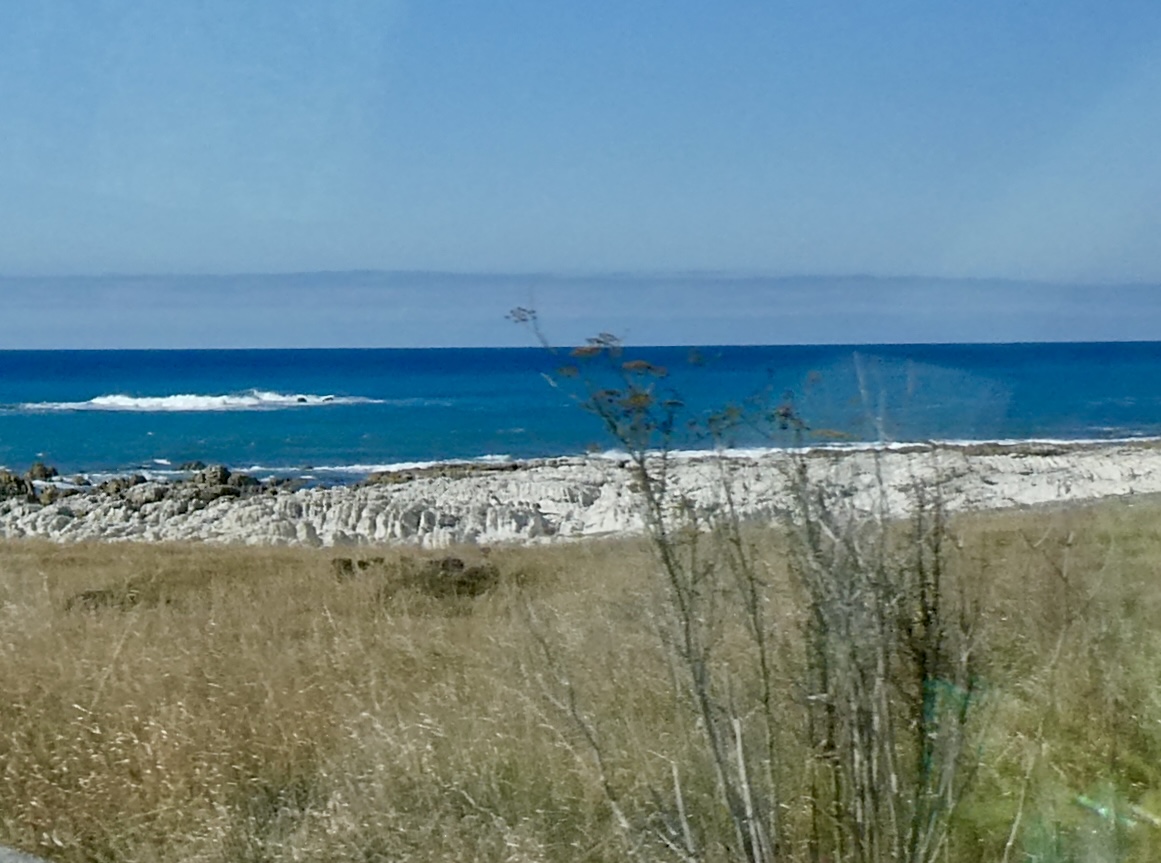
In addition, this area was also the epicenter of the 2016 Kaikorua earthquake, which resulted in a massive volume of raised seabed along the Papatea fault line. In fact, Claire, the manager of our rail car, pointed out that the white rocks along the shoreline came from the seabed that has been raised up (if the rocks were darker, they had obviously been on the shore longer and began to discolor versus rocks that had not seen the light of day).
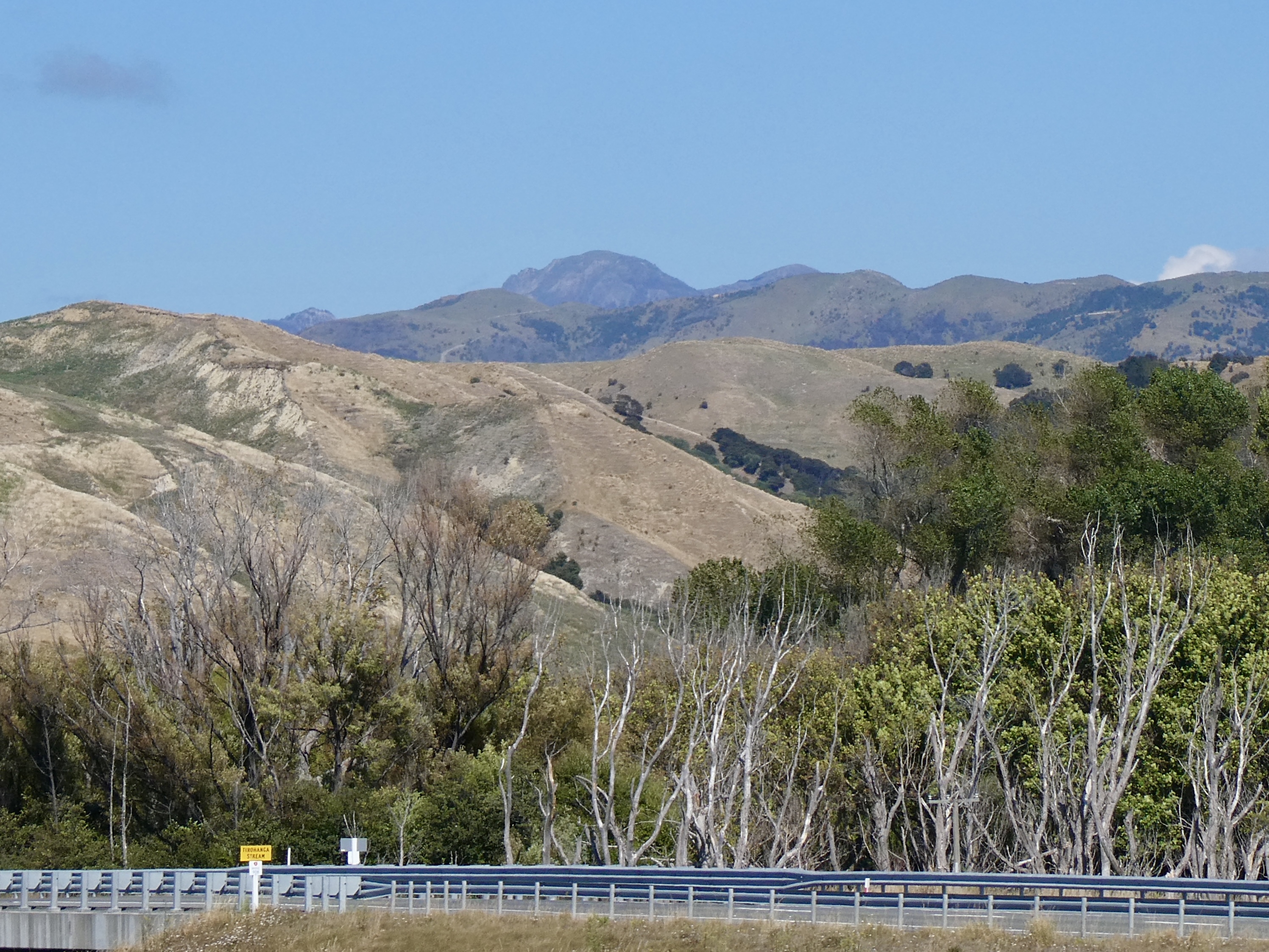
And as we continued, along the shoreline, I would be remiss if I didn’t mention the magnificent landscape on the opposite side of the road with majestic hills, desert highlands, sheep farms and small towns. It was a stark contrast from the ocean, but no less magnificent.
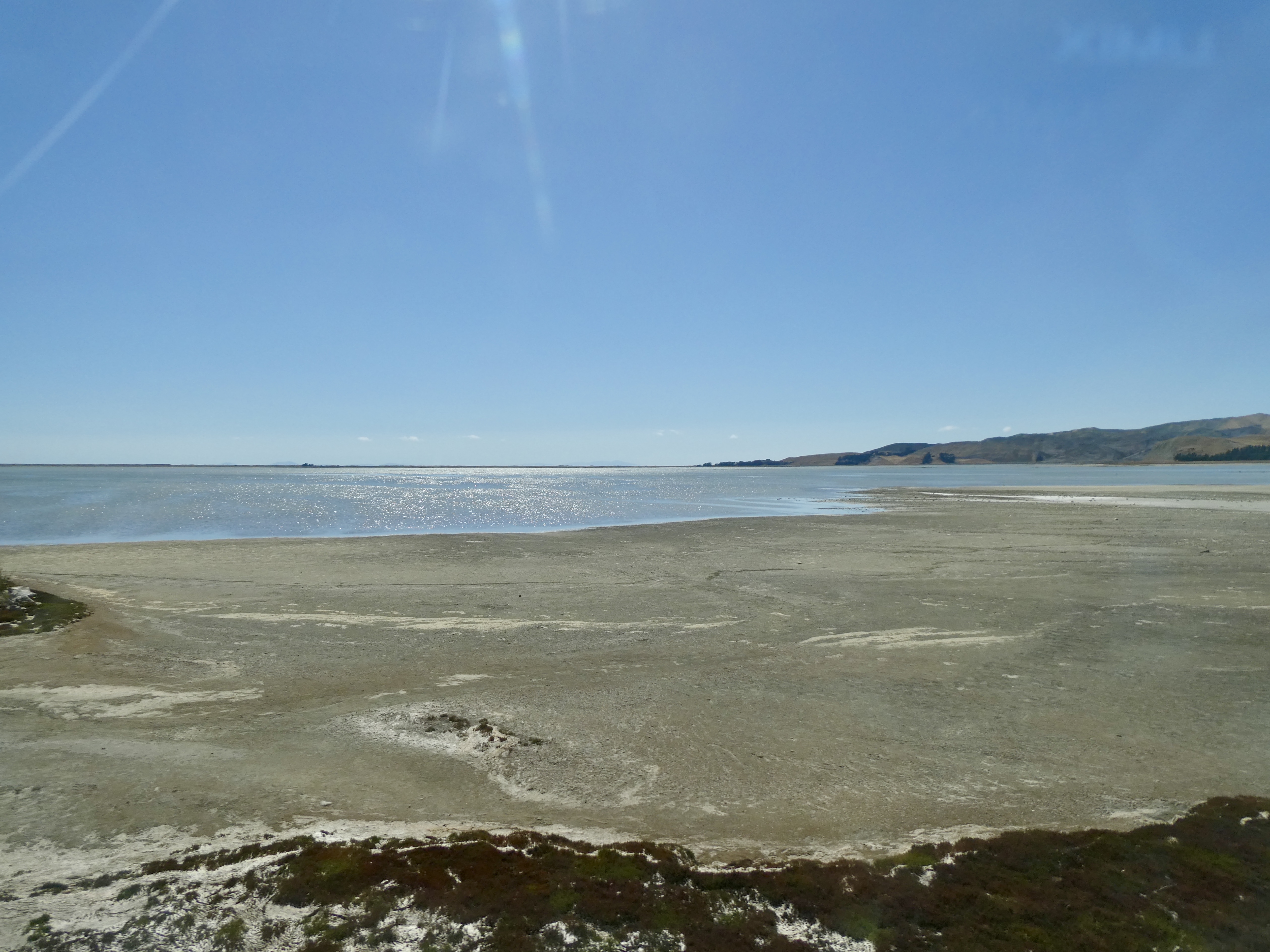
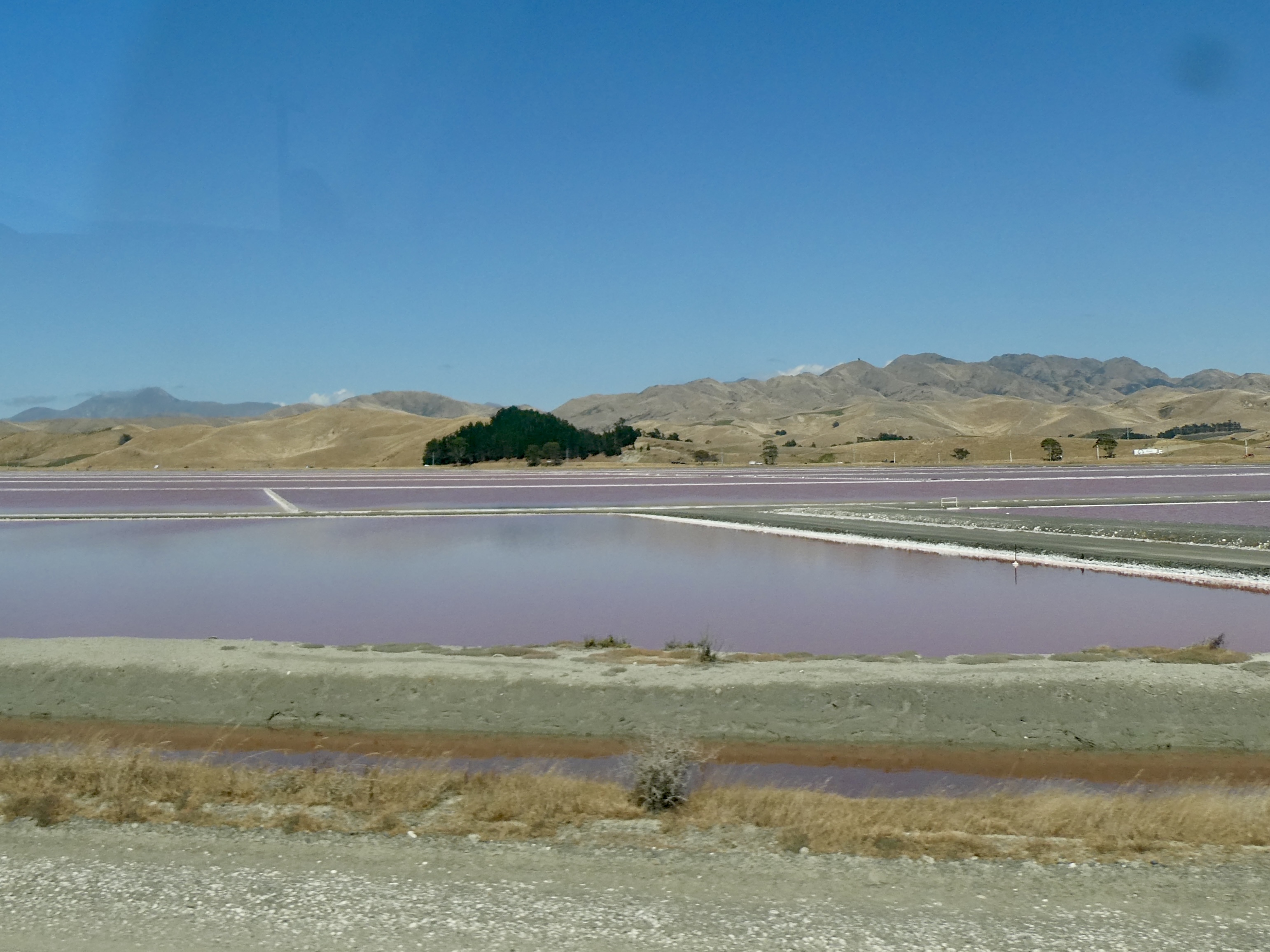
By 11:00 a.m. we began to move away from the Pacific and inland but not before we passed Lake Grassmere, where 60% of New Zealand’s salt production originates. Here, shallow pools fill with salt water and in the hot summer months, the water evaporates and the area turns a bright shade of pink as algae absorbs the sulphur. We were fortunate to see not only Lake Grassmere on one side of the train, but the bright pink pools of salt on the other side of the train. Much of this salt is used to treat roads and bridges in winter time. In fact, a lot of this salt is exported to Canada and the U.S. for use during slick conditions (although I expect the orange oompa loompa will find a reason to place tariffs on New Zealand salt so stock up folks ….)
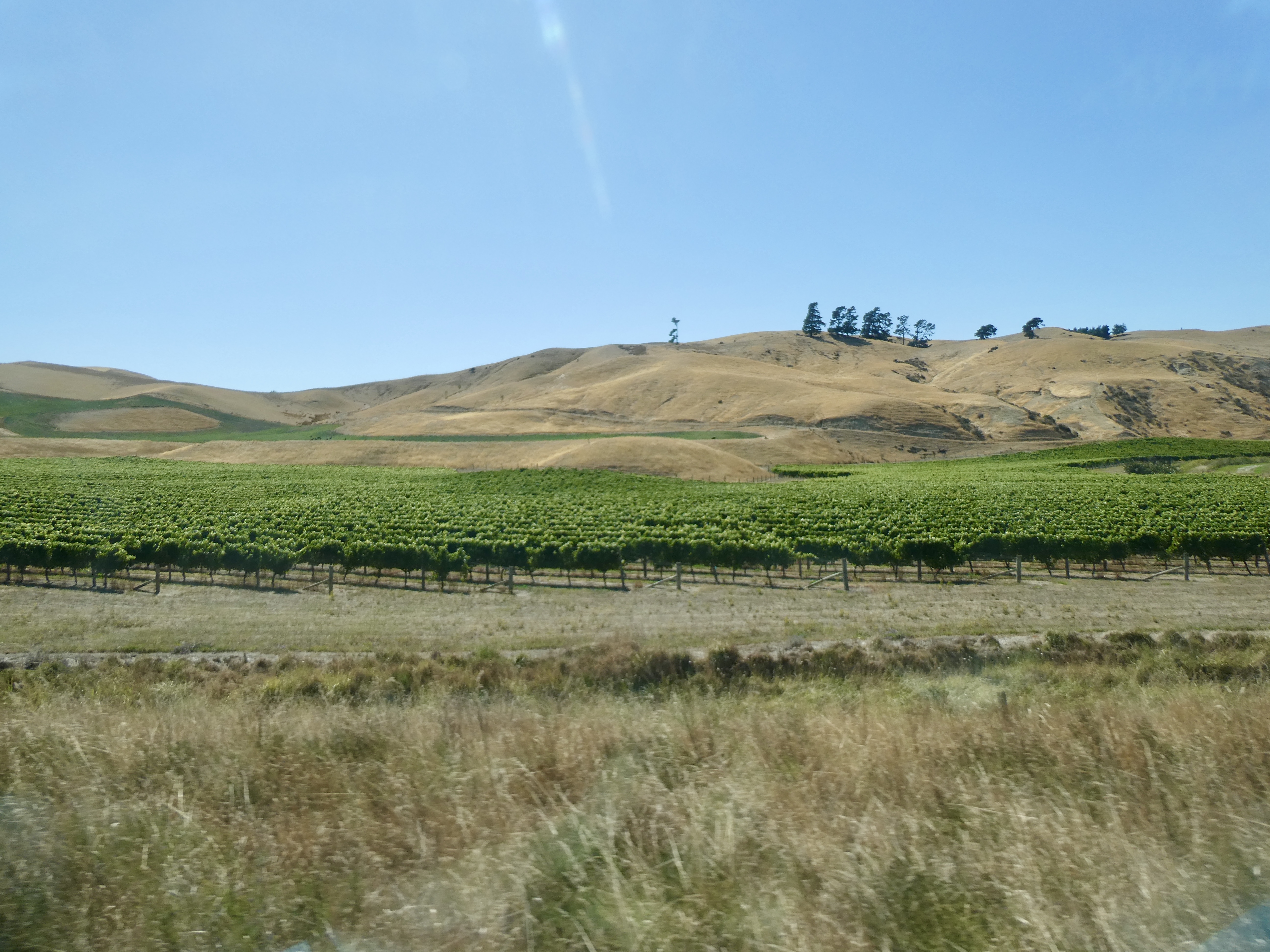
Anyway, after passing by Lake Grassmere, we entered the Marlborough wine country where we passed through the vineyards of Awatere where the Sauvignon Blanc wine reigns supreme. There was row upon row upon row of grapes growing along the hillsides and once we reached the town of Blenheim (a very popular town for wine tours) the land flattened out.
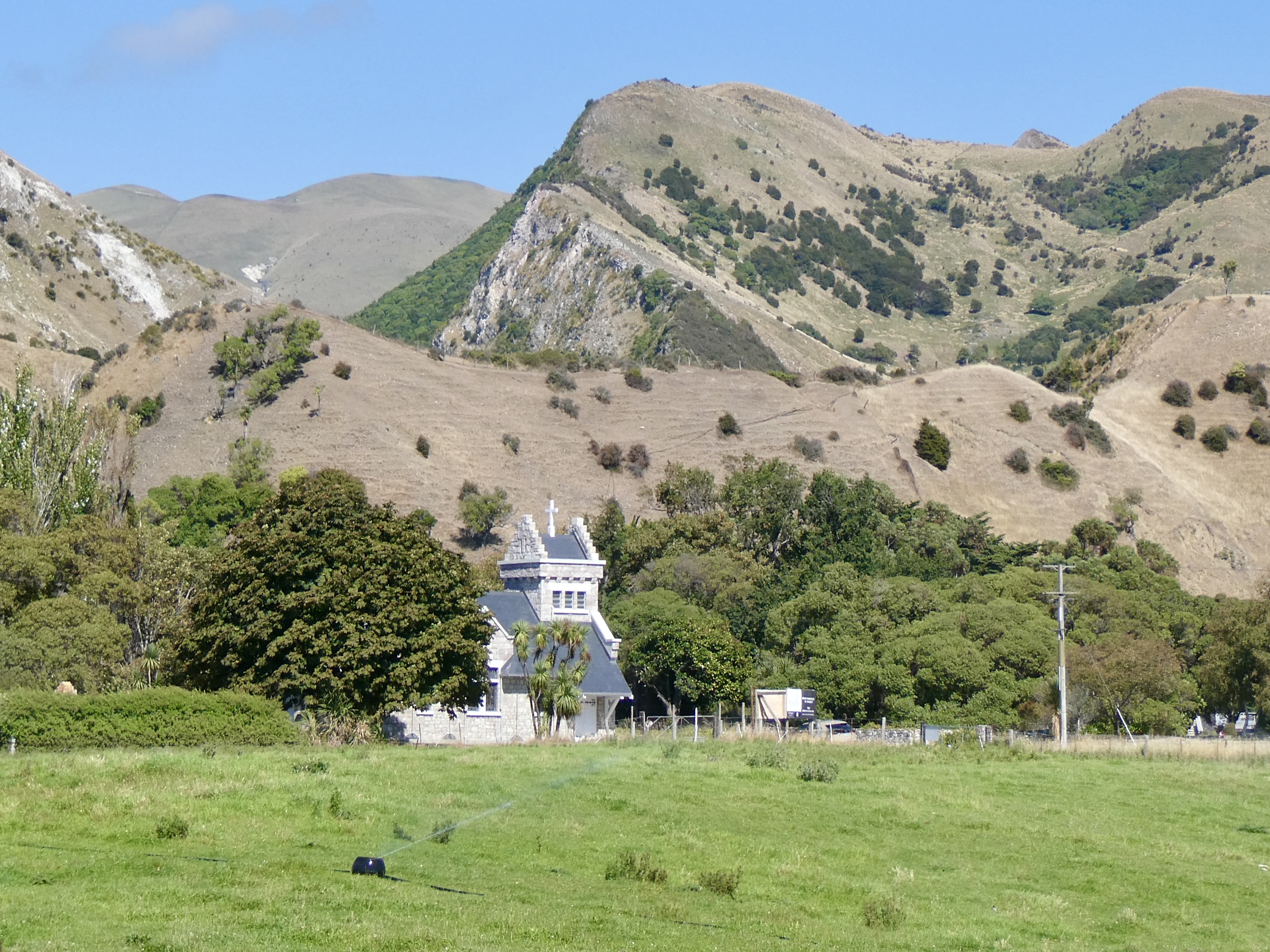
And as we entered Blenheim, we were served lunch, which included a lovely Sauvignon Blanc from the area along with chicken rice pilaf and a fabulous chocolate mousse. And while Claire was busy serving us we were telling her about our bus trip the day before and she asked us if we had stopped at the Church of Good Shepherd on Lake Tekapo. Turns out that Claire had been married in the church!

Anyway, after the brief stop in Bleheim, we continued to see numerous vineyards, but eventually the landscape changed again to rolling grass covered hills, the occasional river and some smaller mountains before giving way to the small port town of Picton, where our train journey ended at 12:45 and our ferry trip began.
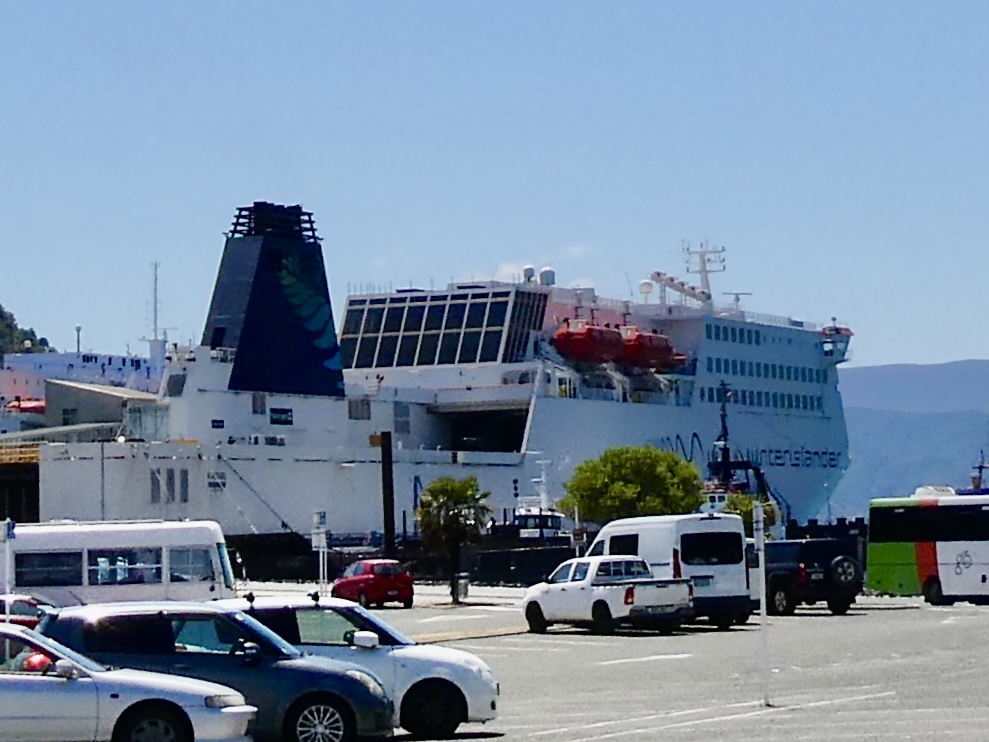
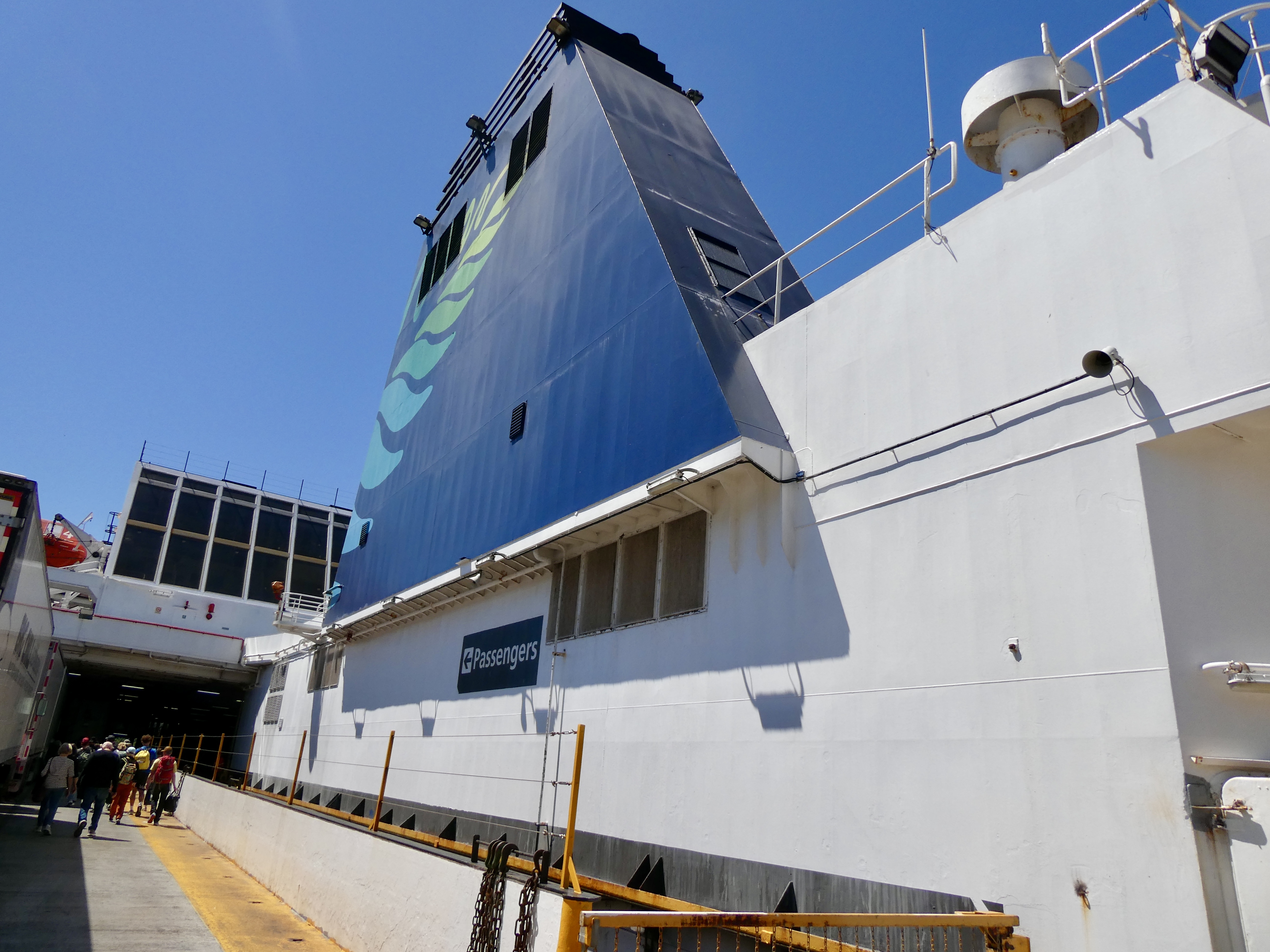
Now the Interislander ferry terminal is a short five minute walk from the train station, but the walk to get on the ferry was much longer taking about ten minutes and several flights of stairs up.
We boarded the ferry just after 1:30 and decided we wanted to continue our snobbish ways by avoiding the hoy polloi and spending a few bucks to sit in the private lounge (once again with food and drink). This too turned out to be a terrific idea because we had window seats that gave us prime viewing to the ocean scenes passing us by. (Although we were joined in the lounge by a very large bus group who decided it was their province to literally eat everything in sight. I missed out on most of the food because I was busy taking pictures while they were going back for thirds. My fault, I guess.)

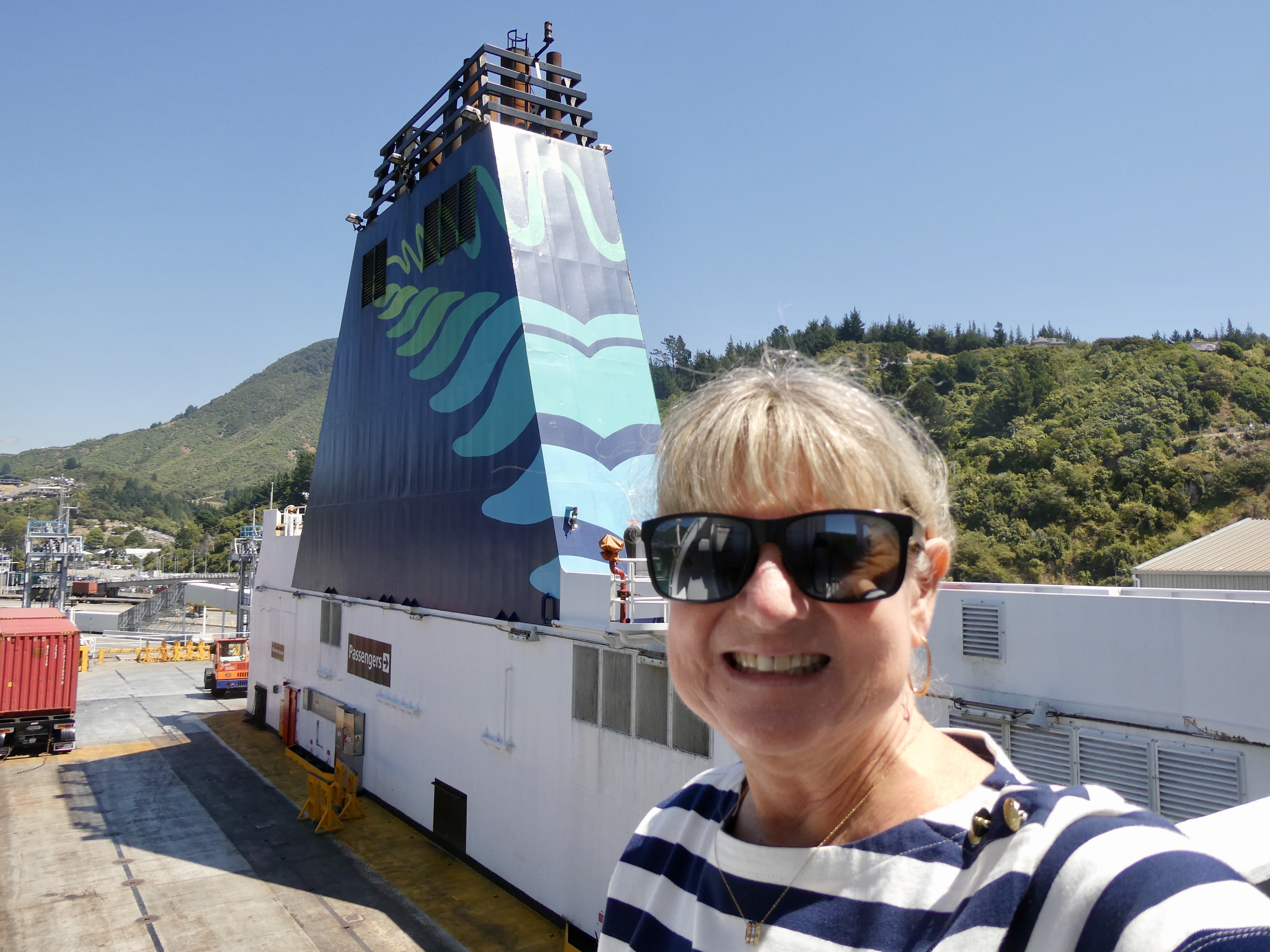
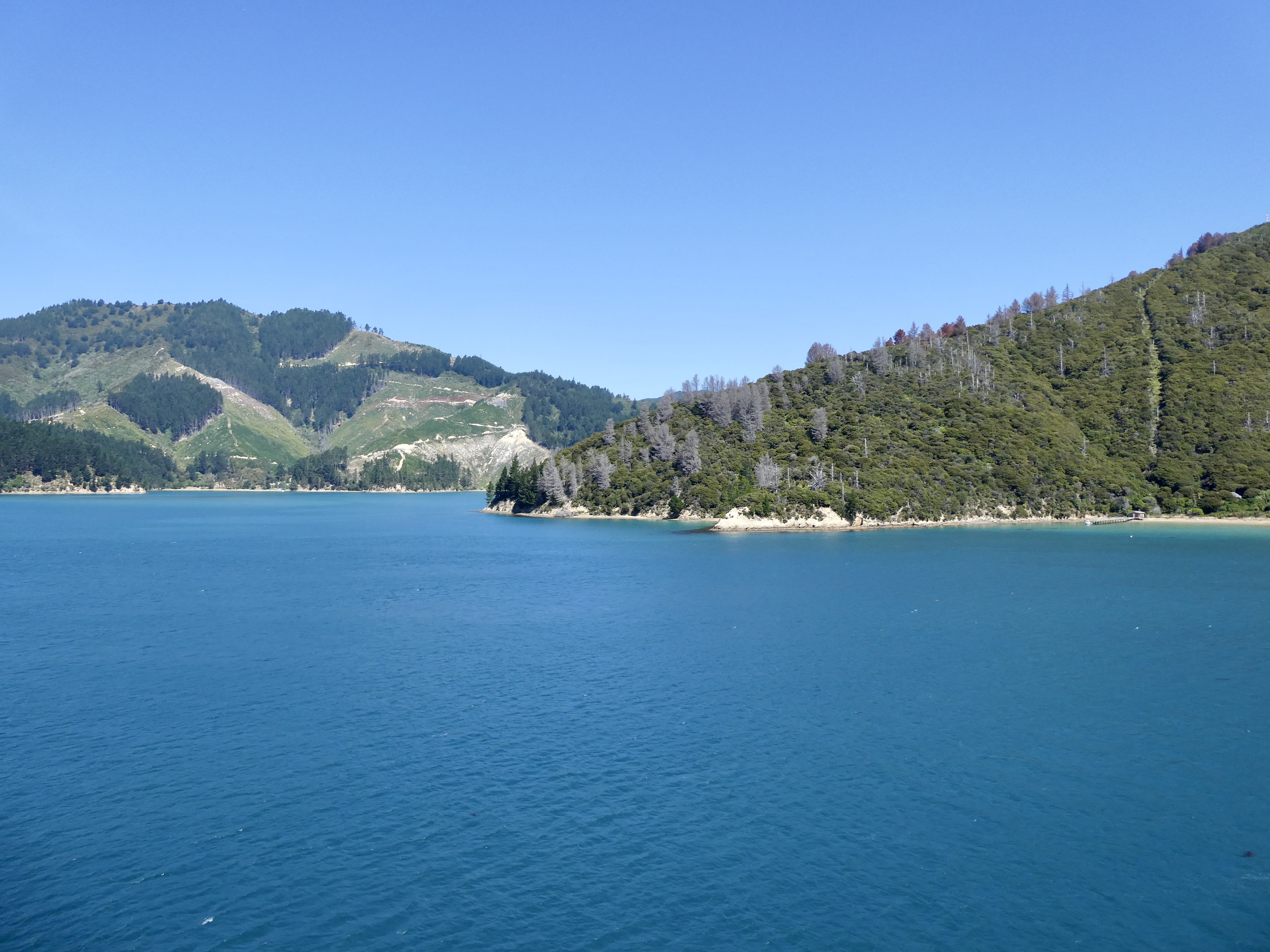

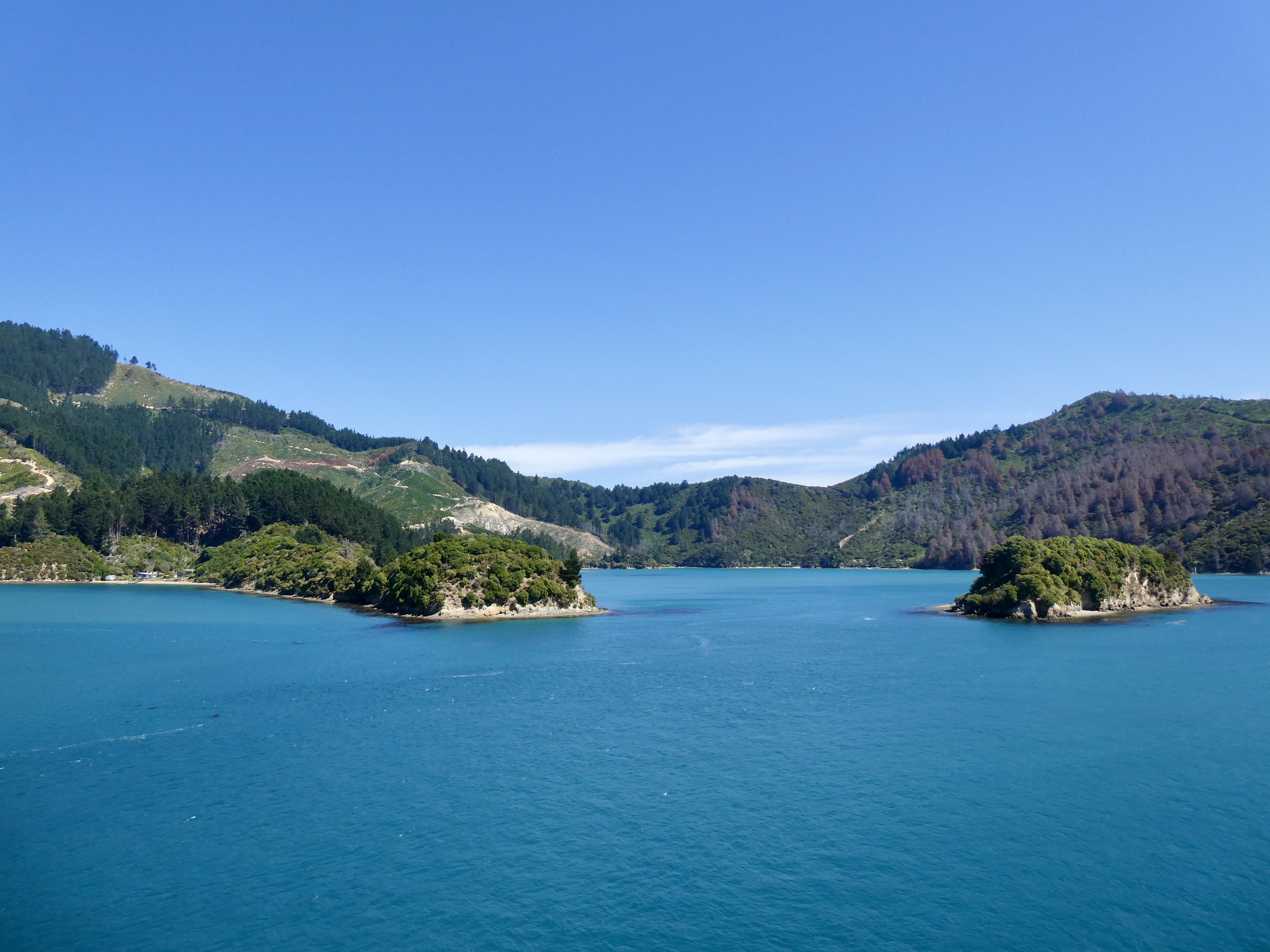
Anyway, the journey on the ferry turned out to be pretty smooth sailing. We left Picton at 2:30 (about 15 minutes late) and sailed out of the harbor and through the Marlborough Sound past a series of islands and then into the Cook Straight. And as we sailed, I was struck by how much the trip reminded me of sailing from Victoria (Schwartz Bay) to Vancouver (Tsawwassen) which takes you through the Gulf Islands and the Straight of Georgia. In fact, the series of islands we passed covered in trees looked just like some of the Gulf Islands and Cook Straight could have been the Straight of Georgia. Remarkable!
So as we sailed, Tom and I both ended up spending time on the top deck where the views were particularly spectacular (although VERY windy from the movement of the ship). However, the sun was out and there was very little chop in the water so the sailing across the Cook Straight was incredibly smooth. (There are times when the sailings are cancelled because of rough seas.)
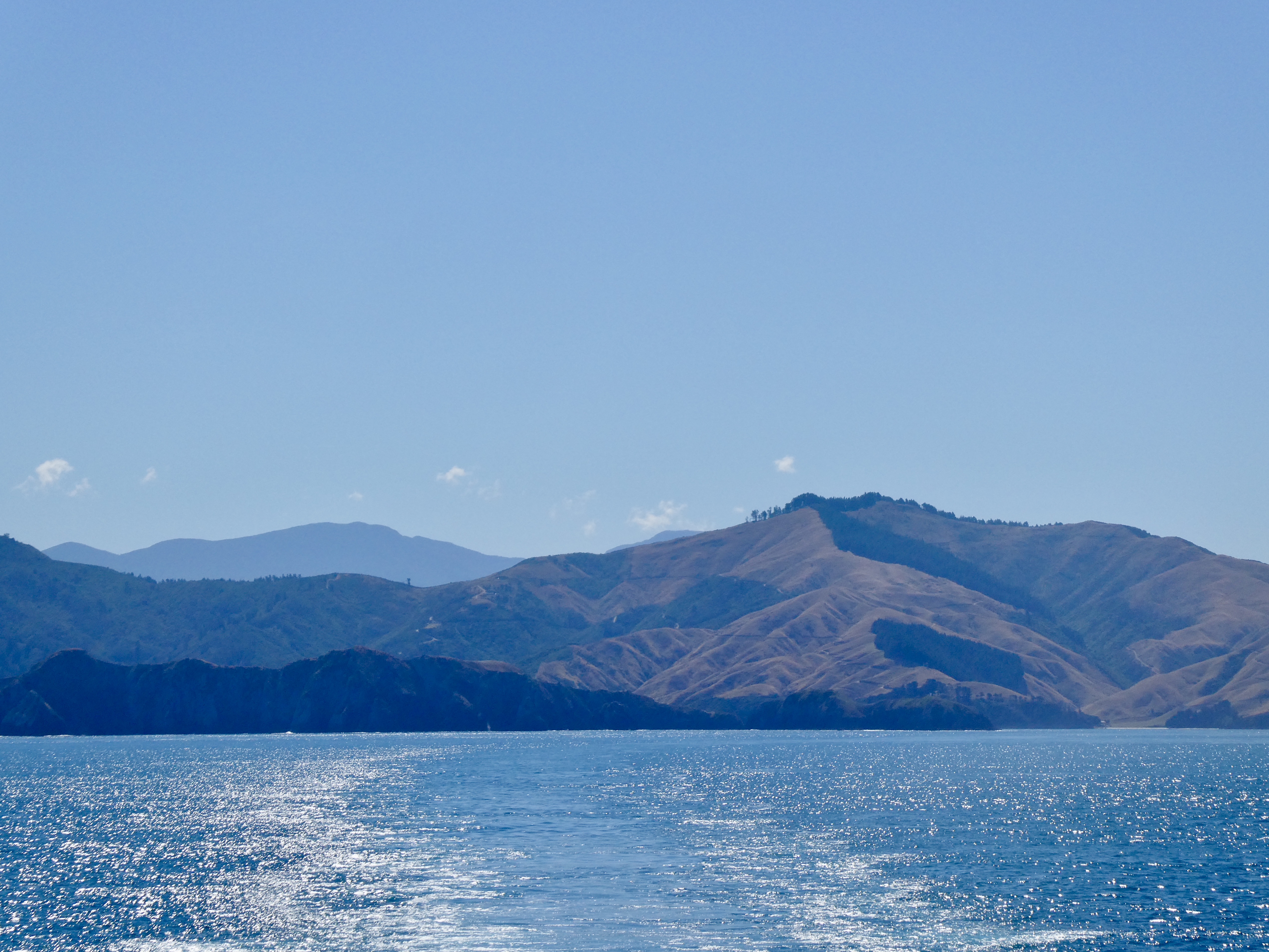
Sadly, once we were out of the Marlborough Straight, there was not much to see (unless you like looking at open water). I took the opportunity to take a few last pictures of the South Island in the distance before looking forward towards Wellington.
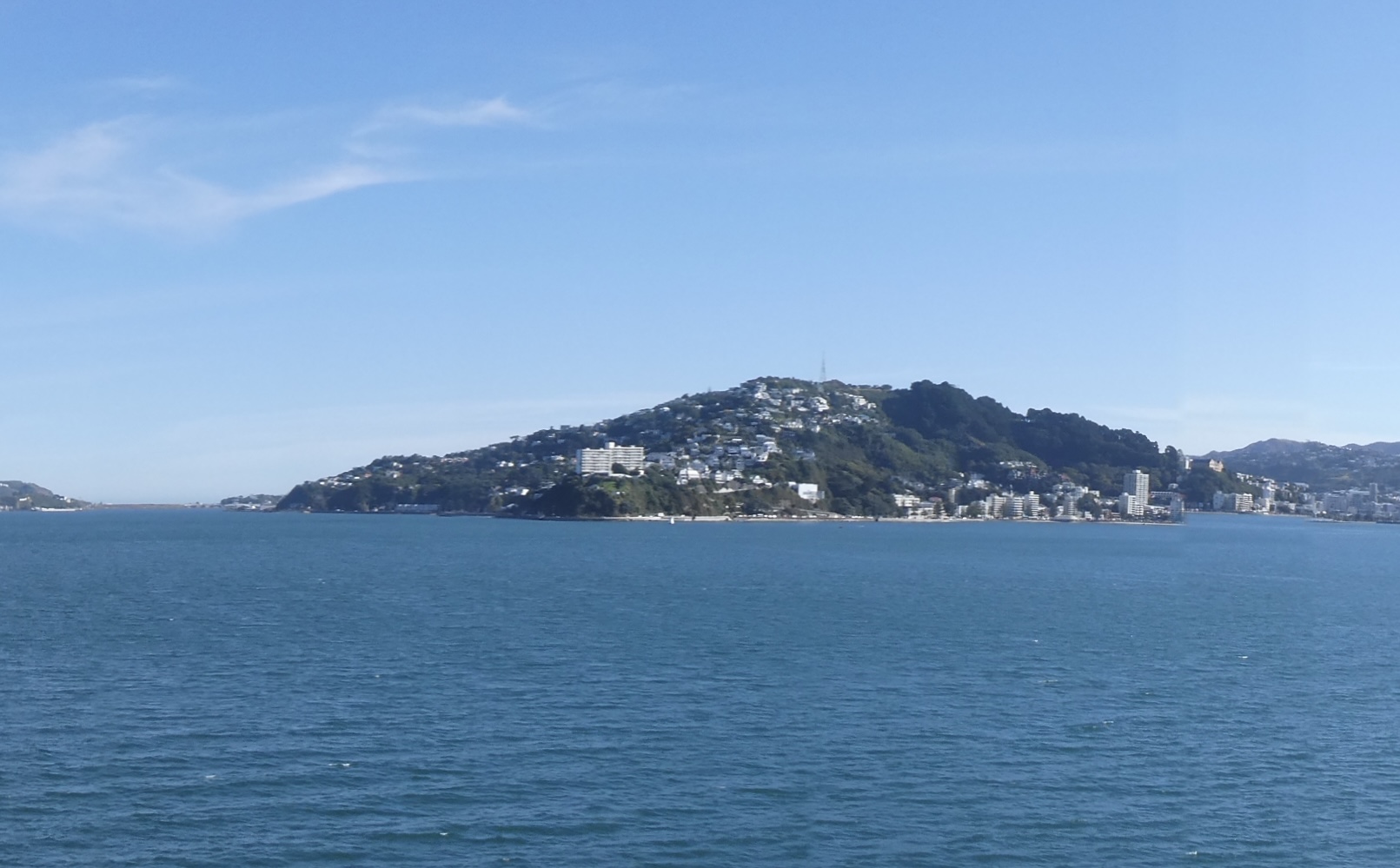
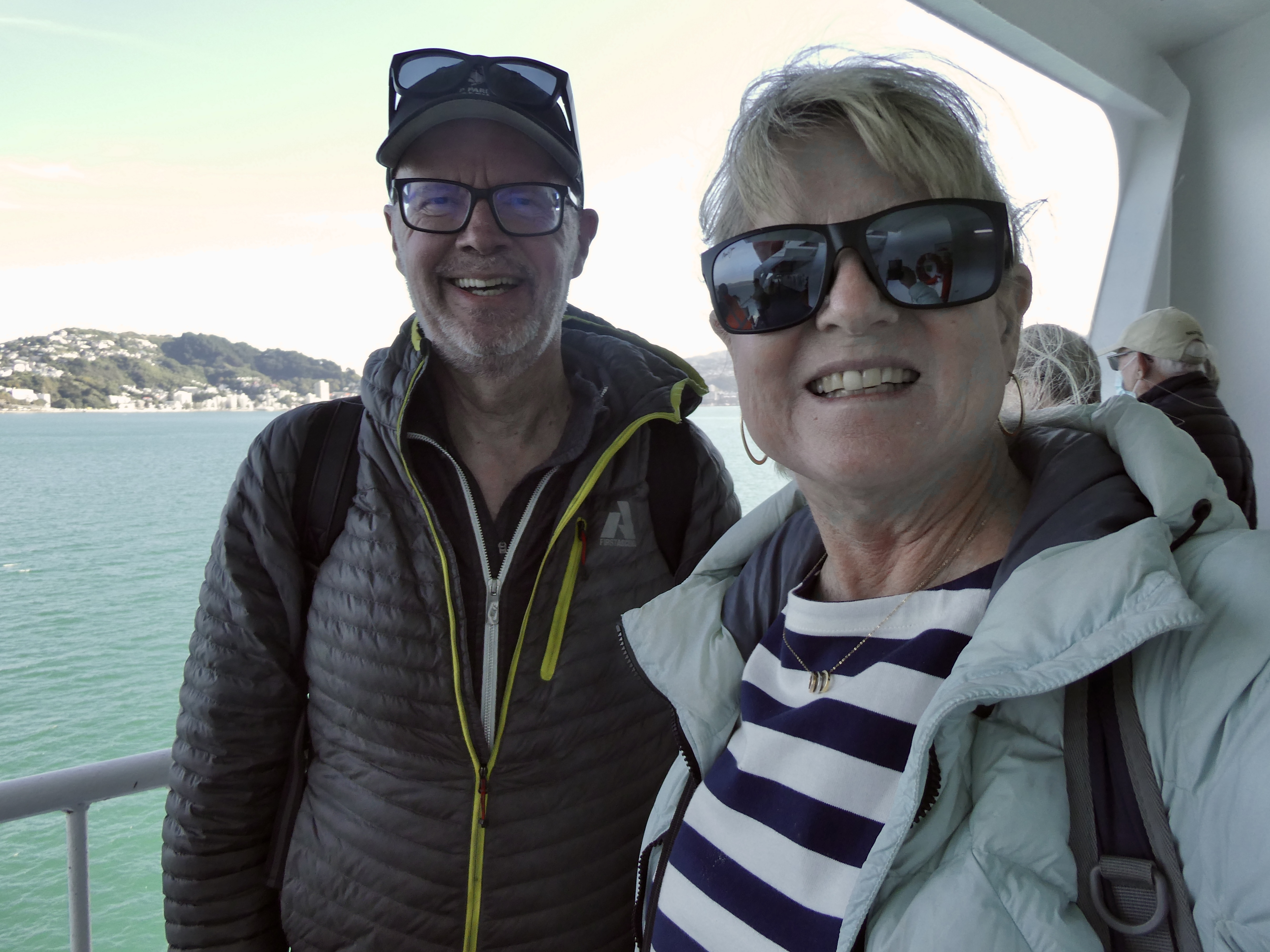
Around 4:45, the North Island came into view far into the distance and by 5:30 we were approaching the harbor. We docked shortly before 6:00 p.m. and as luck would have it, our luggage was among the first off the ship. We were in a cab by 6:15 p.m. and in our hotel by 6:30 p.m.
Tomorrow we have a tour of Wellington and the surrounding area (and of course we will be riding the Wellington gondola). However, it is going to be hard to be the past couple of days.

Deborah, I so enjoy your travelogs! I can’t wait to read your impressions of the North Island, where Sarah is. Continued safe travels and new adventures. Lisa