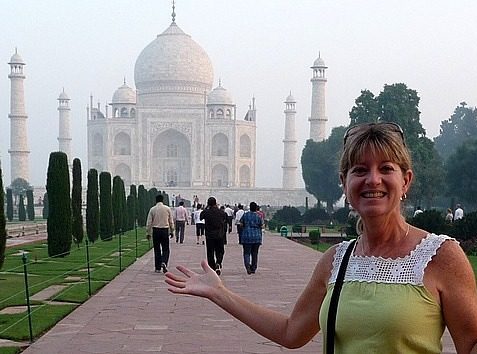
I was off and running (literally) at 7:45 this morning (after a fabulous Easter FaceTime call with the family). Seizo (same guide from Saturday) and I had to take a train from Tokyo Station to Shinjuku Station where we were catching the Fuji Excursion limited express from Shinjuku Station to Kawaguchiko Station in Yamanashi. And what is in Yamanashi? Well some of the best views of Mt. Fuji anywhere.
Now for some reason, Seizo seemed to think we were short on time despite the fact that the train to Shinjuku was only 15 minutes and our train to Yamanashi did not leave until 8:30. No matter, once I met Seizo in the lobby of my hotel, he had me literally running through the Tokyo Station and up three flights of stairs to catch the train to Shinjuku. I was about ready to die as we sat down in seats … after which we proceeded to sit there for almost ten minutes before the train left. Gesh.
Anyway, we made it to the Fuji Excursion train with plenty of time to spare, sat in our reserved seats and then were inundated with folks joining the train who had no seats and had to stand in the aisle for the entire two hour train ride. Yuck.
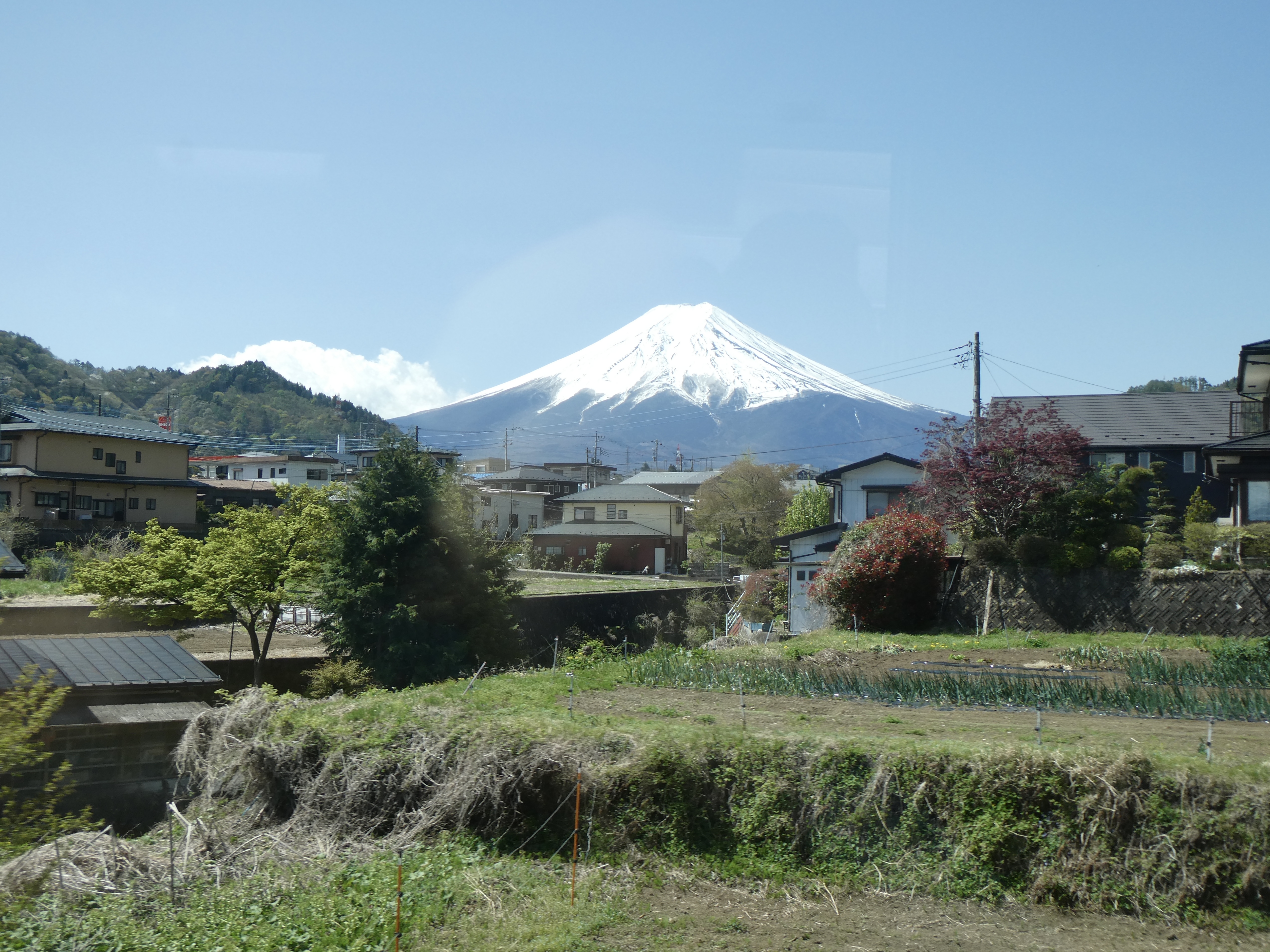
So after we left the station, it wasn’t long before we were zipping through the Tokyo suburbs and the first views of Mt. Fuji came into view. Now I had really lucked out today. There wasn’t a cloud in the sky and the views of Mt. Fuji were simply spectacular.
By 10:30 we had reached Kawaguchiko Station and were soon in line for the ½ hour bus ride to Oshino Hakkai, which was supposed to be a set of eight ponds in Oshino, a small village in the Fuji Five Lakes region. The eight ponds are fed by snow melt from the slopes of Mt. Fuji that filters down the mountain through porous lava rock. And oh yea, the views to Mt. Fuji were supposed to be spectacular.

However, once we exited the bus and walked a few blocks to Oshino Hakkai, it soon became apparent that this was nothing more than a tourist trap. It was a complete sh*t show with more bad behave tour groups than I could count. It was impossible to take any kind of picture of the ponds and Mt. Fuji without some knucklehead standing on the bridge blocking the view or having any shot at a picture without any tourist standing in the way.
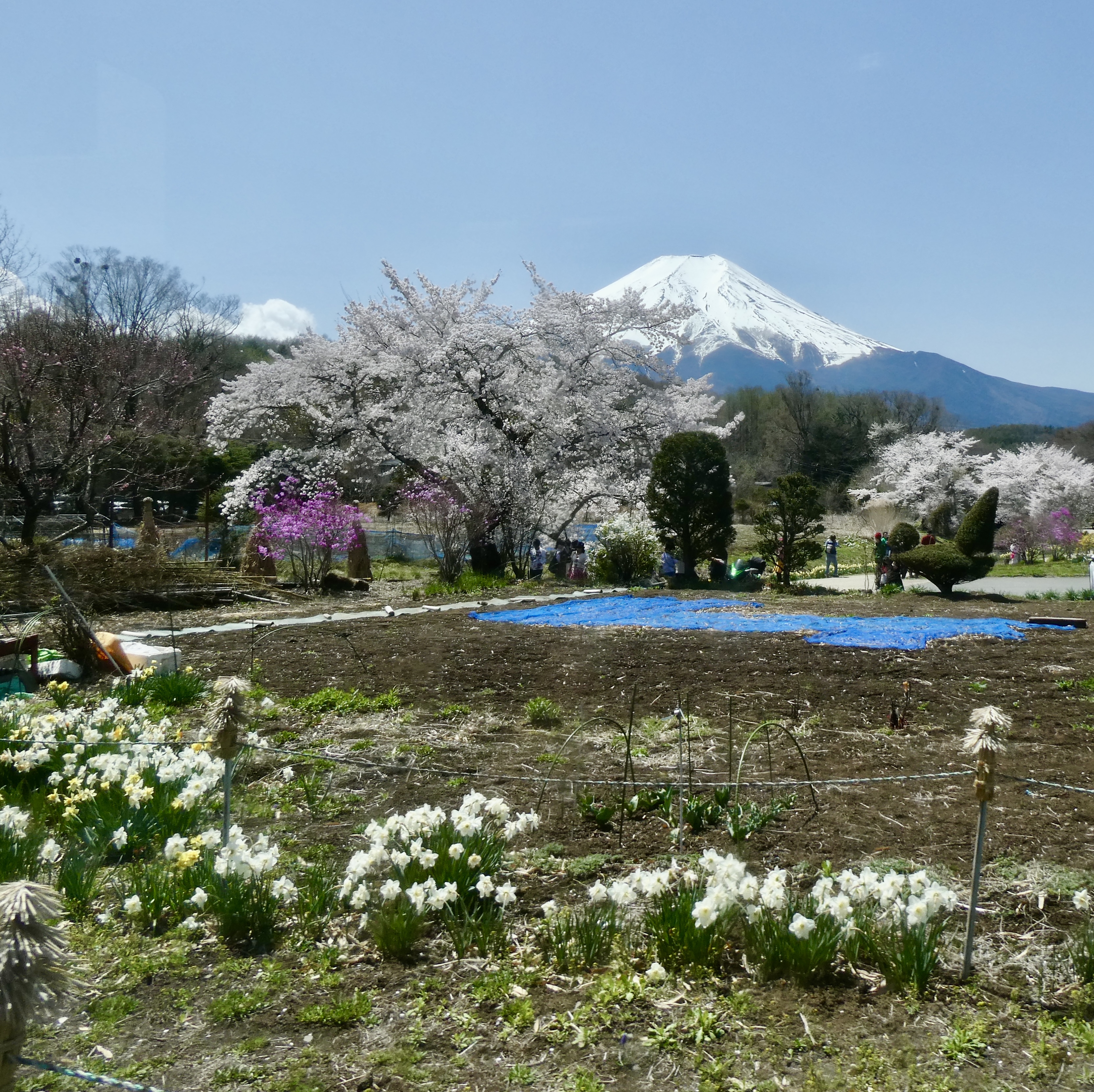
I was immediately frustrated and after four pictures told Seizo I was done. I was not standing in line to taste the Mt. Fuji spring water or wait for tour groups to leave so I could actually take a decent picture. I was not going to waste my precious time on this tourist trap so Seizo and I reversed course, went back to the bus stop and hopped back on the bus to Yamanashi. I was not happy. And what really pissed me off is that as the bus pulled out, we passed a grove of cherry blossom trees in front Mt. Fuji for what could have been the money shot. Why the hell didn’t we go here? It’s times like this, the guide needs to step up and make suggestions for alternatives.
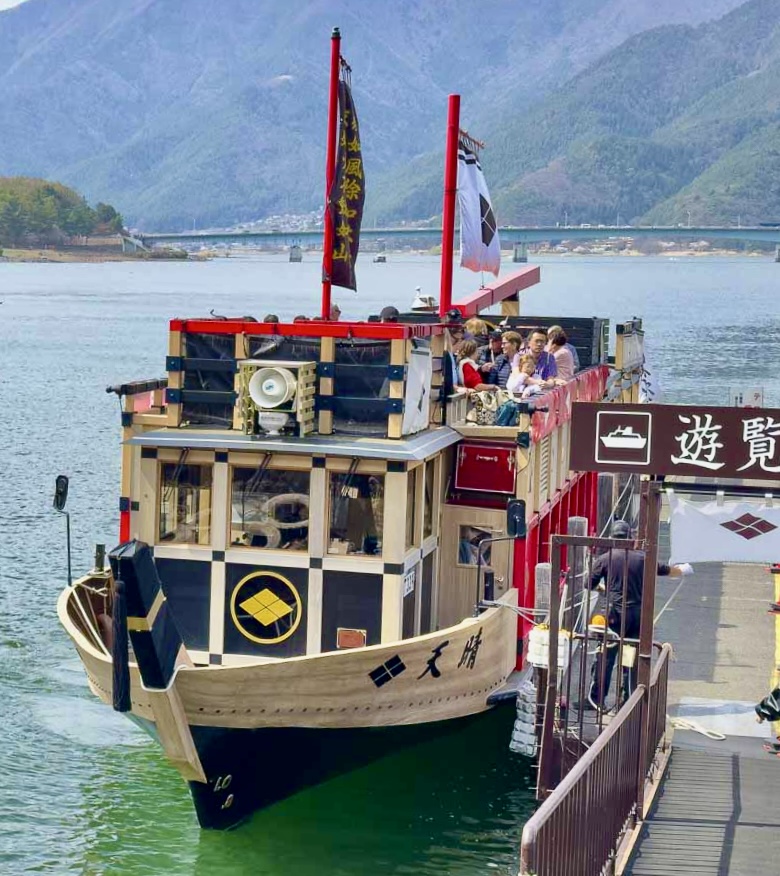
Anyway, once we were back at Kawaguchiko Station in Yamanashi, Seizo wanted to eat some lunch (it was about 11:45), but I wanted to see if we could get on the cable car to take us up the mountain to see Mt. Fuji. Seizo predicted the line would be too long and sure enough, once we walked down the hill to the cable car departure point across from Lake Kawaguchiko, there was indeed a line. Seizo suggested it would be at least 45 minutes before we got on the cable car. I didn’t think it was that long, but decided to let it go. We ended up going down to the lake to buy tickets for the 20 minute boat ride around Lake Kawaguchiko to take in the views of Mt. Fuji. I was hoping this was not going to disappoint like the earlier adventure.
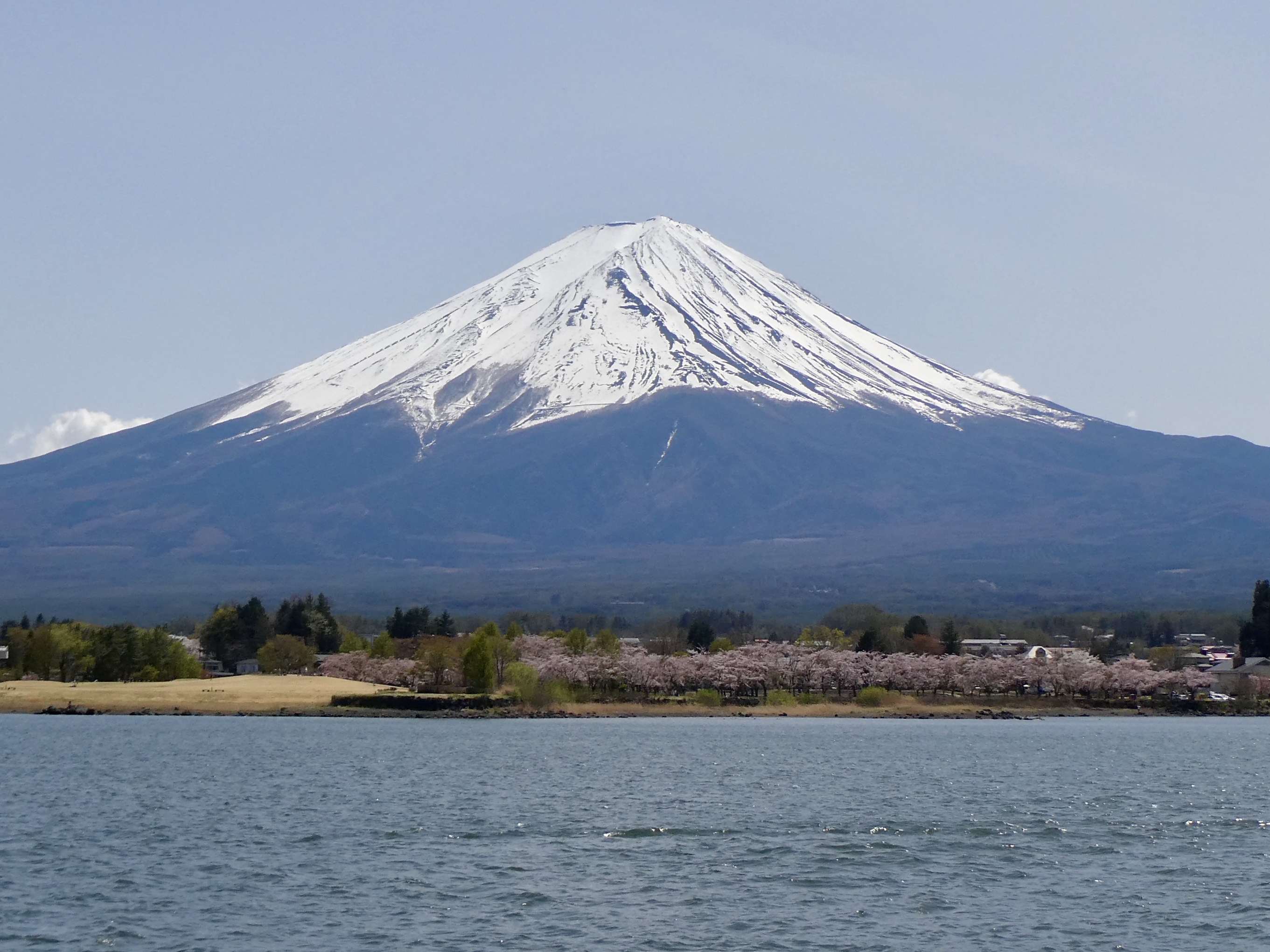
And 20 minutes later we boarded the boat. We climbed up to the second floor and I immediately took up a position on the railing and was not going to leave (despite the fact a woman who was the last one on the boat asked me at one point to move so she could stand and take pictures). Uh that would be no.
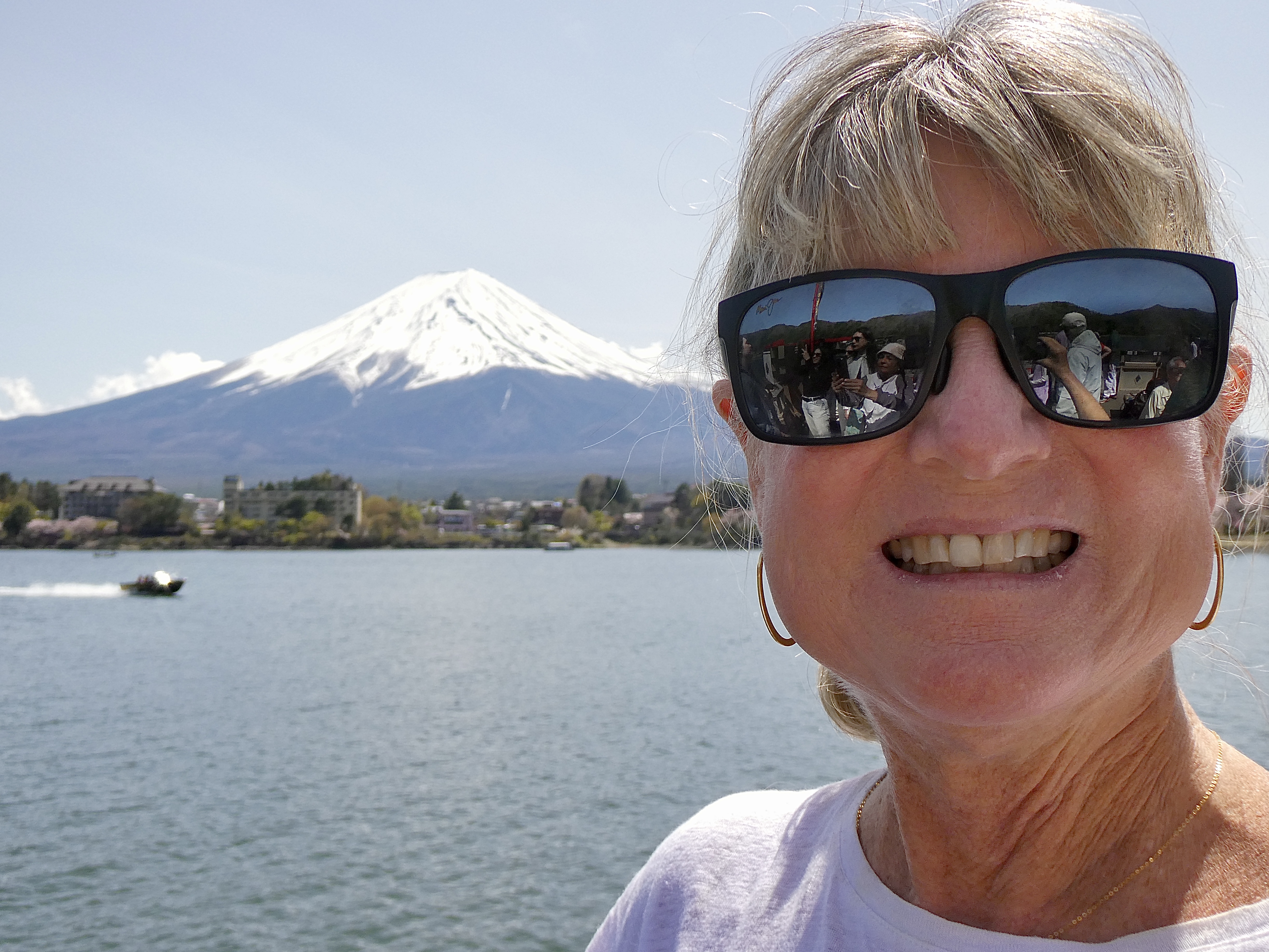

Anyway, once the boat left the dock, the views of Mt. Fuji were spectacular. We cruised along the coastline, under a bridge all the while taking in fabulous views of Mt. Fuji. Once we had passed the center of the mountain, the boat turned around and moved a bit closer to the shore and then headed back into the dock. While the boat trip was entirely too short, the 1,000 yen I paid to ride the boat was entirely worth it. Best views I had of Mt. Fuji all day.
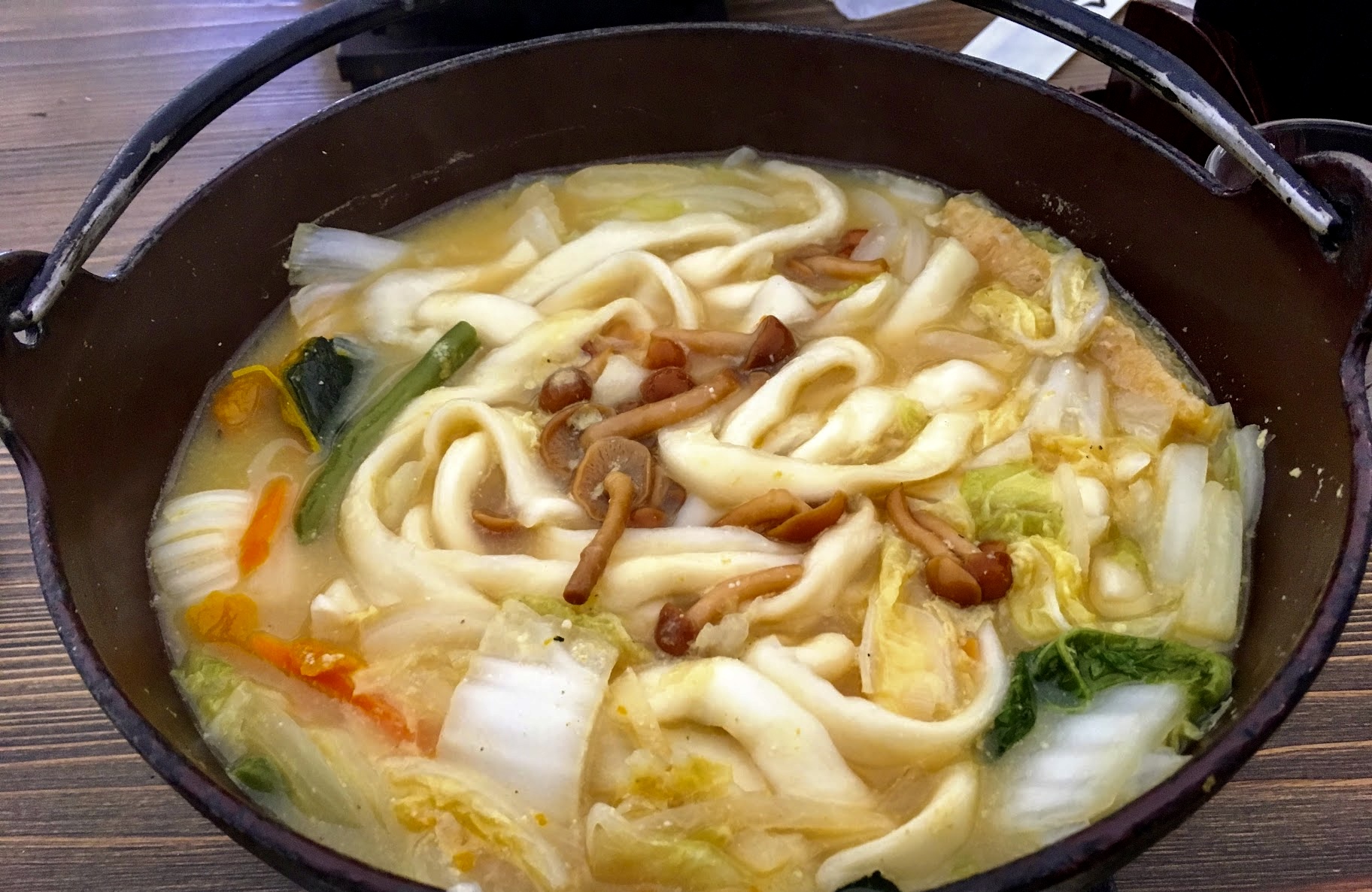
From here, we walked across the street to a restaurant on the second floor of a shop where we had hoto noodle soup, a local specialty. The noodles were thick and made out of dumpling dough, included seasonal veggies as well as pumpkin and a miso broth. I ordered mine with extra mushrooms. The soup was served in a small iron pot which was placed over a burner of sorts and left to cook for ten minutes. The dish was very tasty albeit incredibly filling. I could only eat half of the pot of soup.
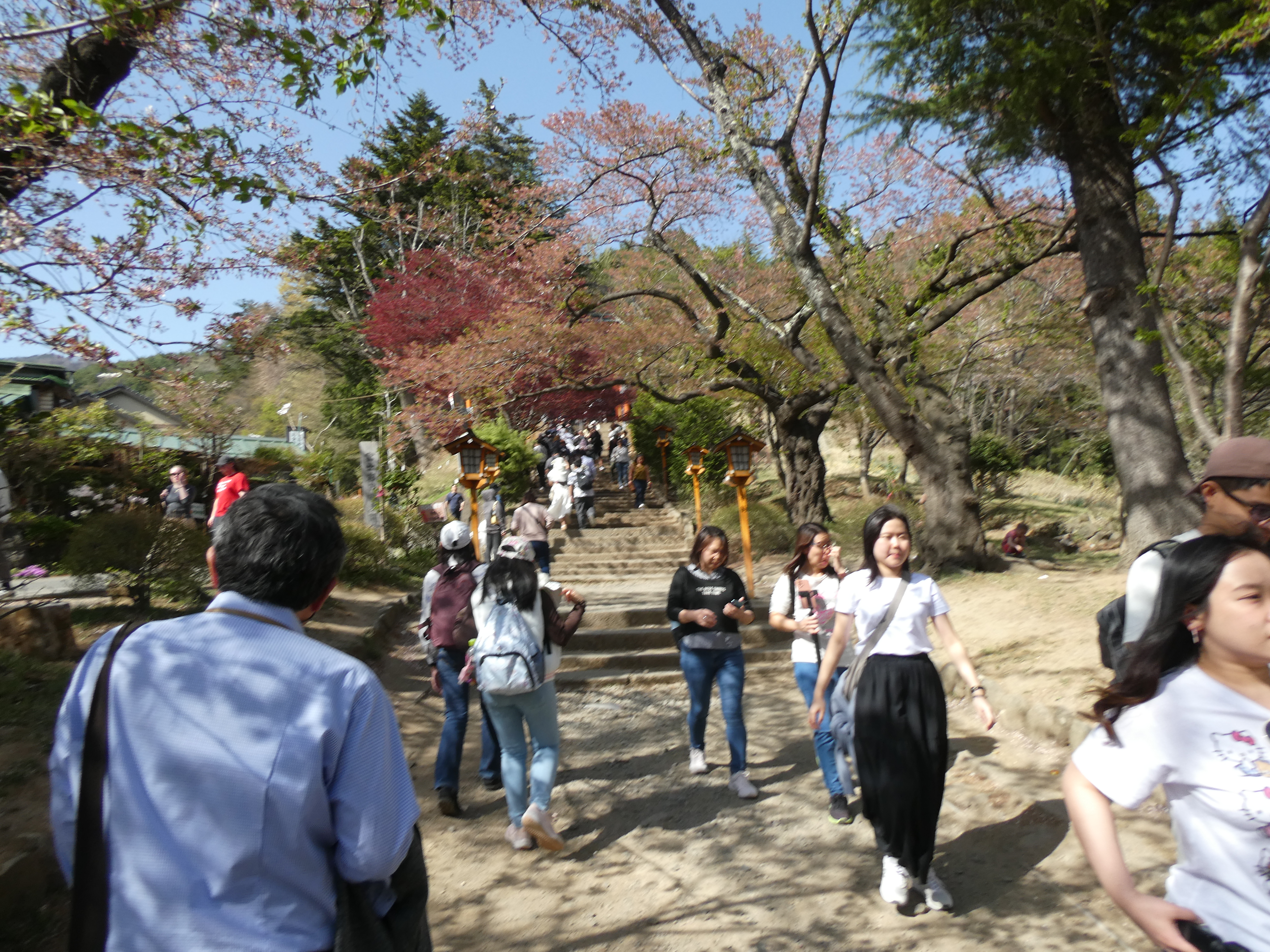
So after lunch, Seizo and I headed back to the Kawaguchiko Station for the short trip to Shimoyoshida Station where we were going to hike up Mt. Arakura to see the Arakura Fuji Sengen Shrine and the five story Chureito Pagoda, which is the backdrop for the iconic photo of Mt. Fuji that is often used in travel brochures.
Now I had been dreading this half hour hike uphill. Not because I didn’t think I could do it, but my right knee has been bugging me ever since the hike around Fushimi Inari a couple weeks ago. I was a wee bit concerned that all those stairs were going to make it worse. However, there was a backup plan. Turns out there was a road that winds back and forth up the hillside. It was slightly longer, but no stairs.
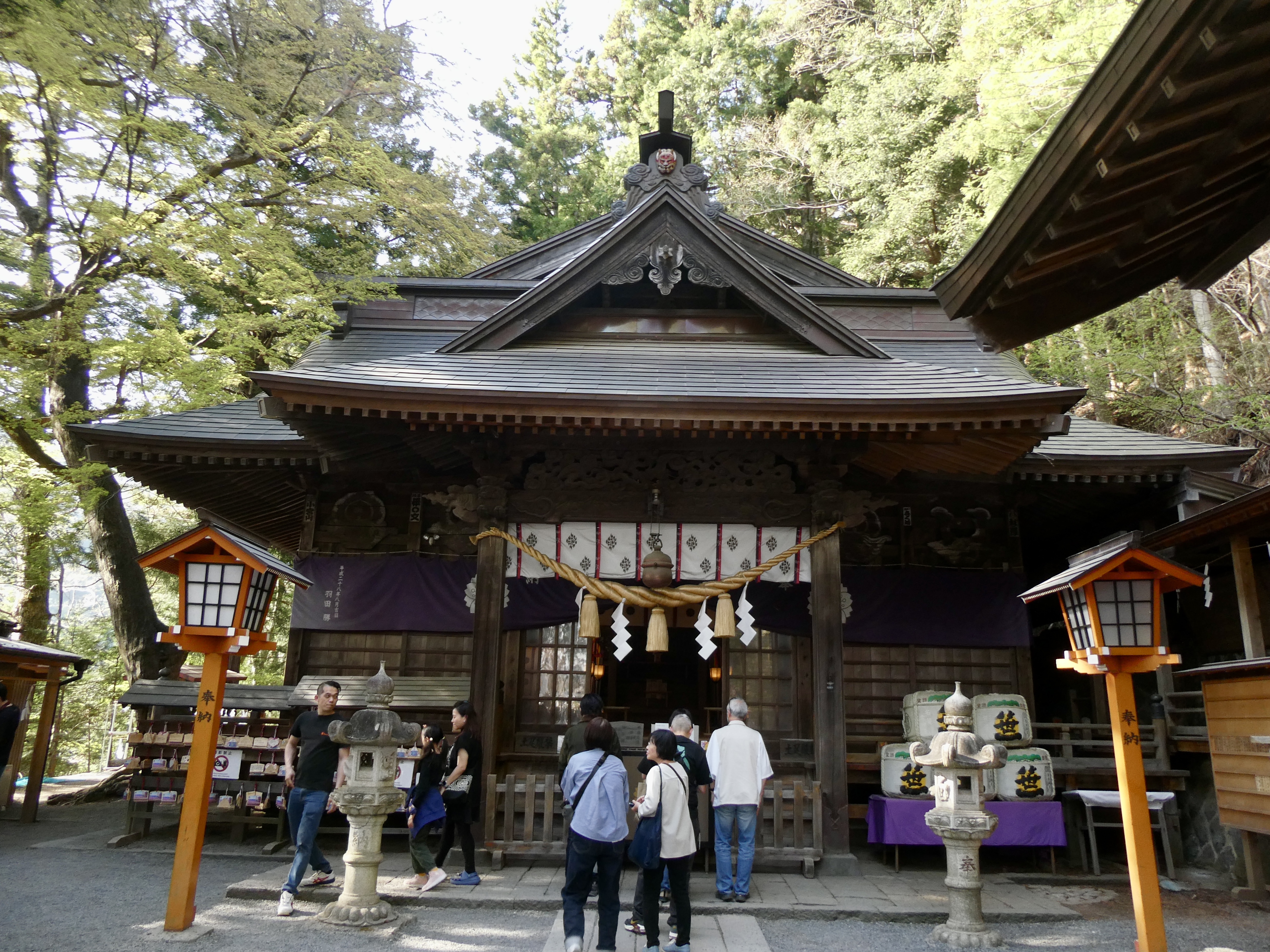
Anyway, after walking up two of the sets of stairs, Seizo and I opted for the road. Not far up the road, we passed the Arakura Fuji Sengen Shrine, which dates to the 8th century and is dedicated to the goddess Konohanasakuya, who is believed to be the deity of Mount Fuji. At this point, we figured we would stop and pay our respects at the shrine on the way back down. The goal was to get to the top before any clouds rolled in and obscured the view of Mt. Fuji. (It had been clear all day, but I was not going to push my luck.)


Anyway, by just after 3:00 we reached the top of the climb and came face to face with the Chureito Pagoda surrounded by gorgeous cherry blossoms. (Because it is colder in this area, the cherry blossoms bloom much later, so I had lucked out with a picture perfect day AND cherry blossoms to complement the pictures.)
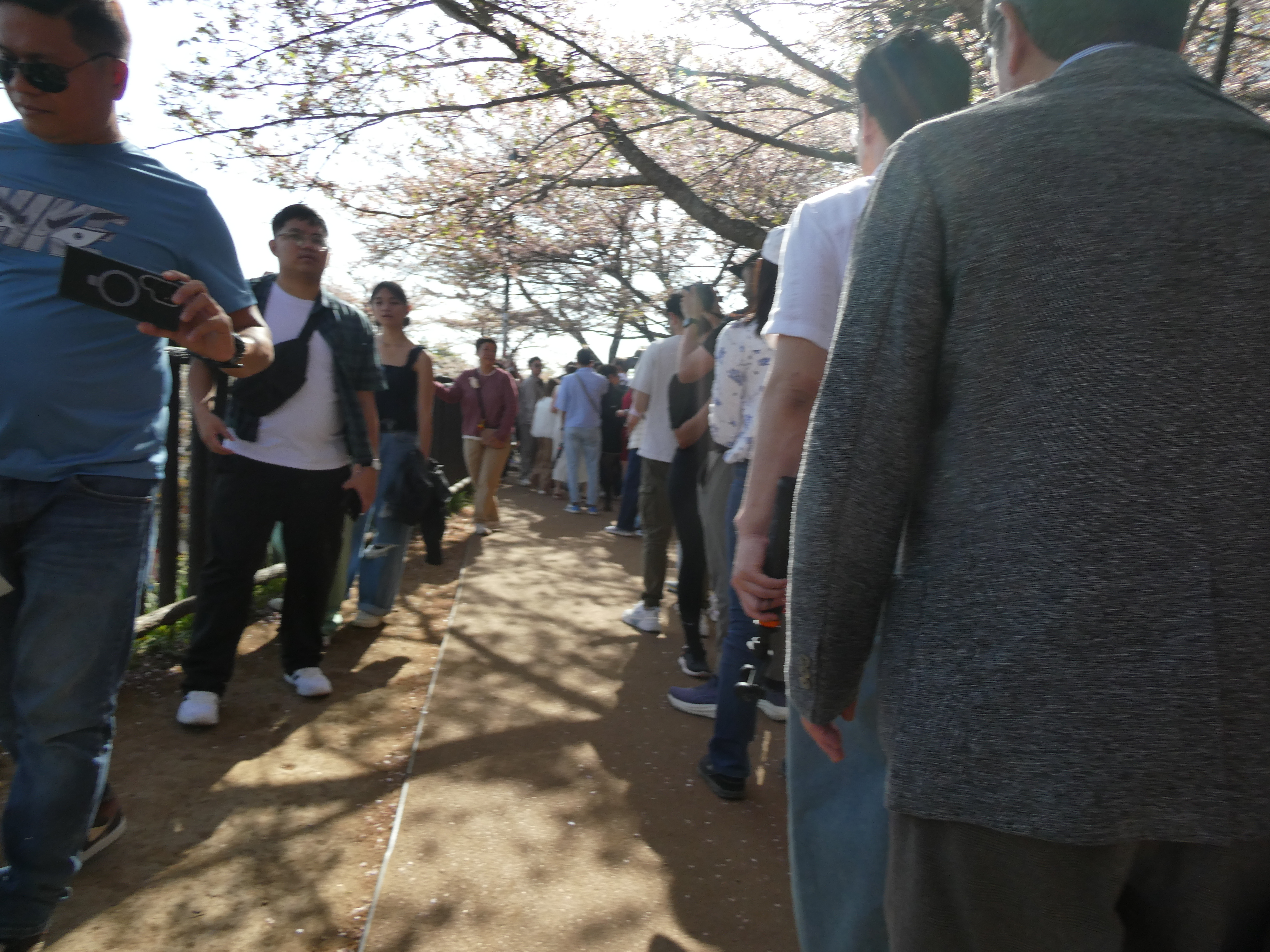

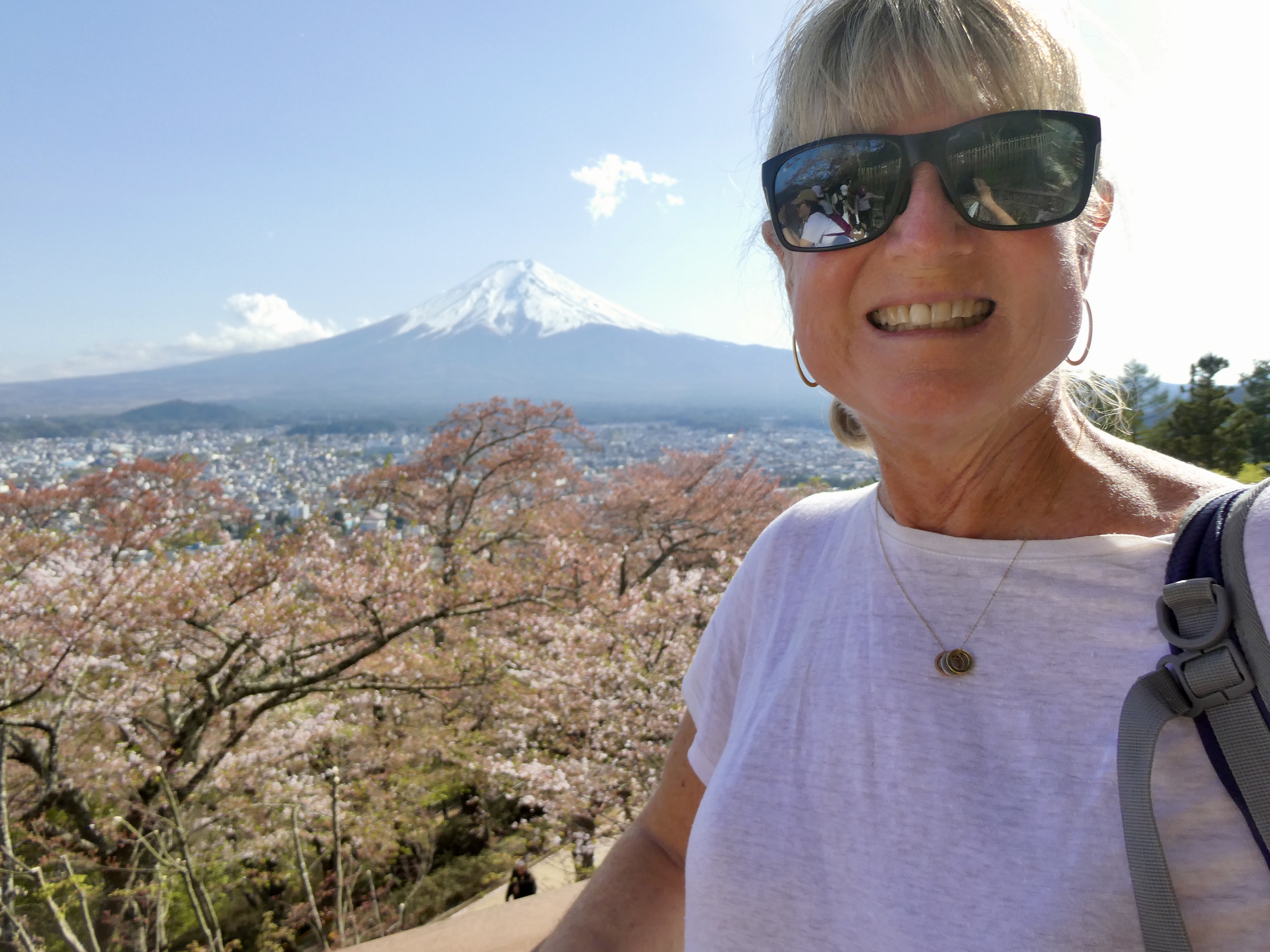
Now the iconic picture of the Chureito Pagoda, Mt. Fuji and cherry blossoms was taken from an area called the Observatory. Unfortunately, the line to take pictures at the Observatory was about a block long. However, I had not come this far to not take that damn photo. So Seizo and I joined the line and were pleasantly surprised by how quickly the line moved. People were very respectful. They reached the observatory took a few pictures and moved on, allowing the line to move at a pretty good clip. In fact, we were moving along so fast that it made it hard to stand and take pictures of the amazing scenery with Mt. Fuji, the cherry blossoms and Fujiyoshida City below.

Anyway, once we climbed the stairs and reached the observatory, I was able to take a number of pictures of the Chureito Pagoda, Mt. Fuji and, of course, the backdrop of cherry blossoms. I tried not to hang around too long because there were so many people waiting, but damn it was hard to move on.
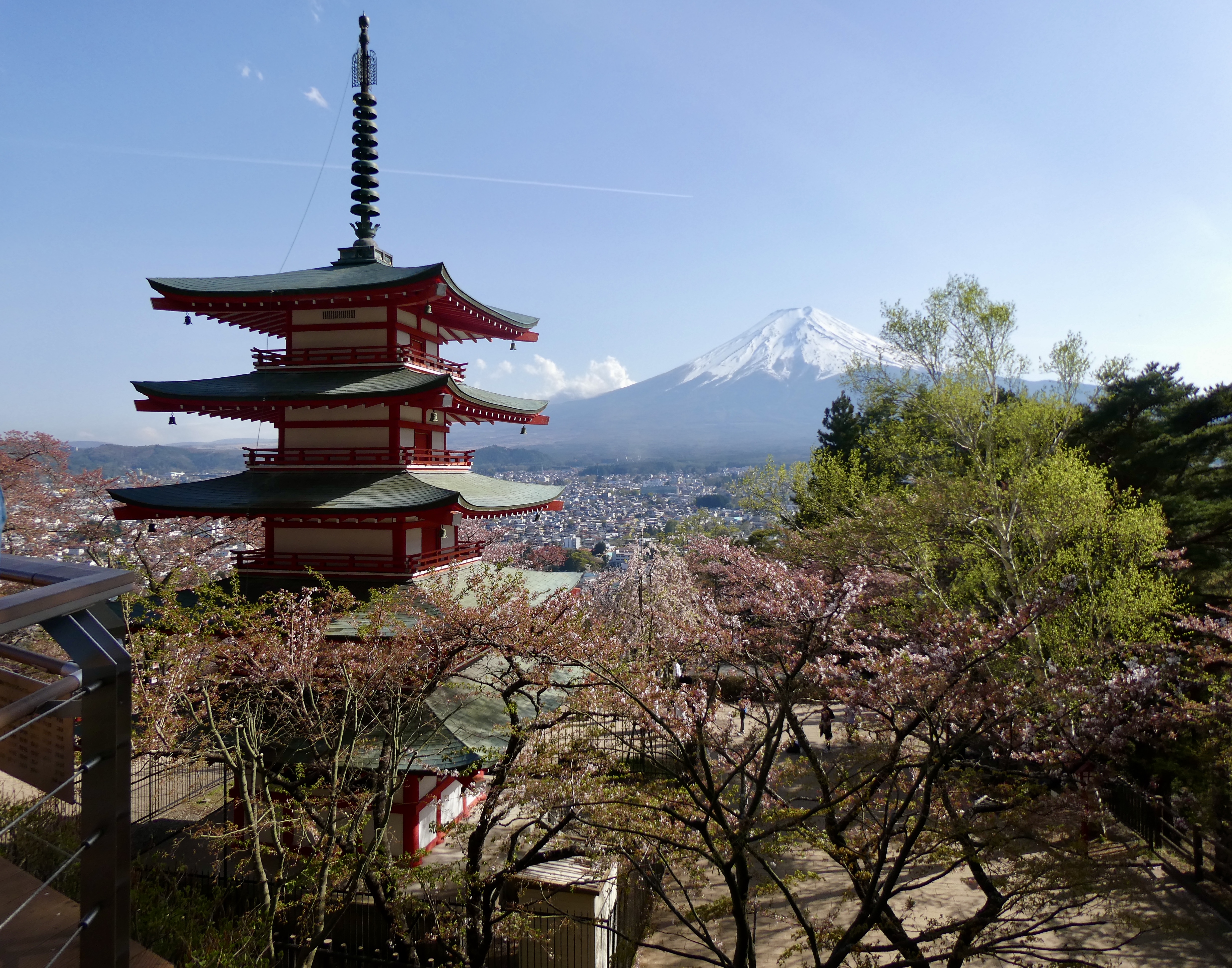
And after Seizo and I moved away from the center of the Observatory, we found that there was no one taking pictures to the right of the pagoda. There was a whole other side of the Observatory where there was literally no one. So Seizo and I stood there and took more pictures from a different angle. And quite frankly, I thought the pictures from the other side, we equally spectacular.
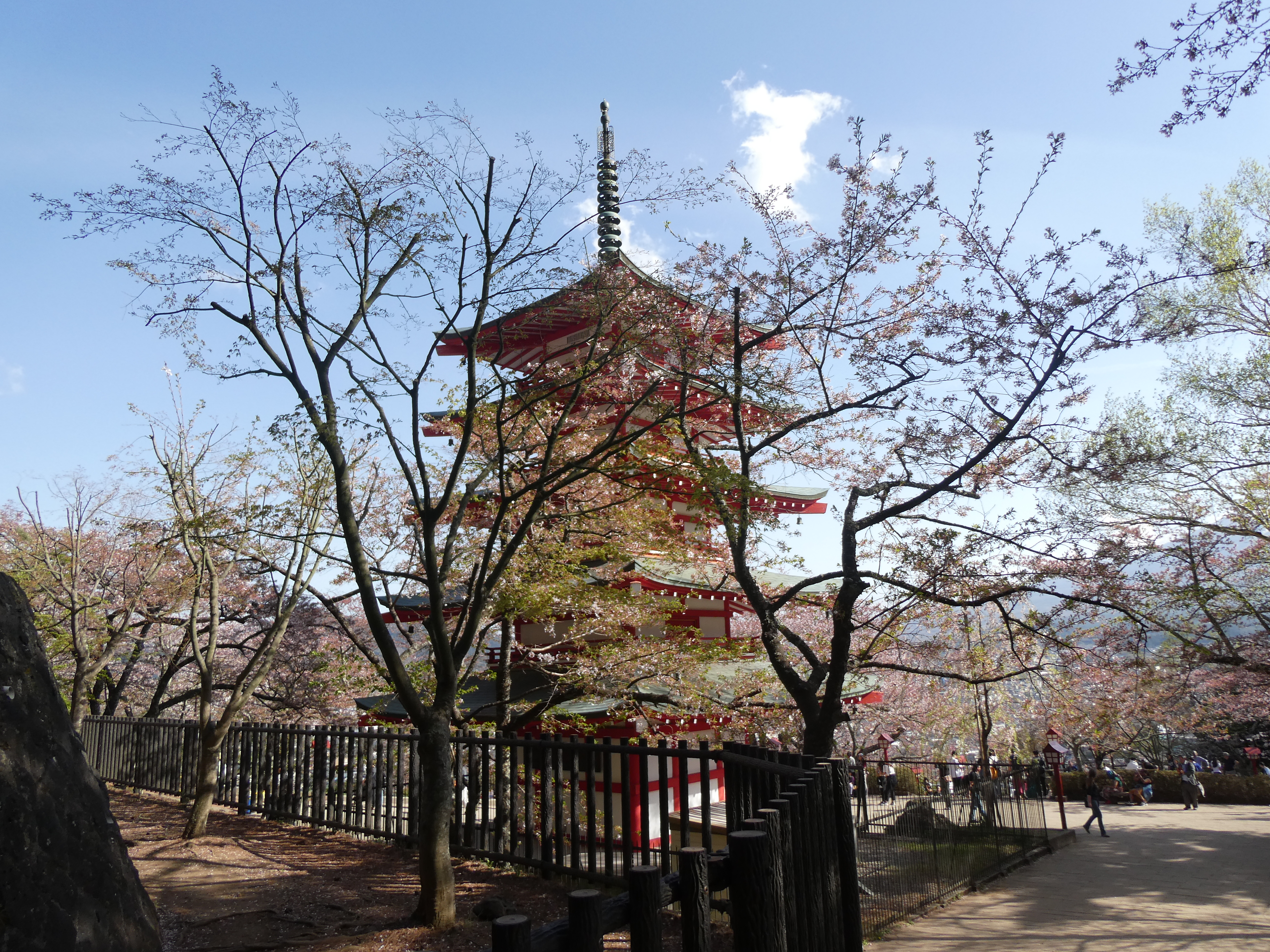
So after we had our fill of pictures, we walked back down and took another look a the Churito Pagoda, which is actually a cenotaph to the 960 citizens of Fujiyoshida who died in wars following 1868. The cenotaph was dedicated in 1958 and has become as much an icon of the area as Mt. Fuji thanks to its prime viewing location on the top of Mt. Arakura.
At this point, we began our walk back down the hill, which was much more enjoyable that the walk up the hill. Near the bottom of the hill, we stopped in at the Arakura Fuji Sengen Shrine, did the bowing, clapping, wish, bowing ritual and called it good. Or at least Seizo called it good. I spotted something unusual at the top of the shrine and had to take a picture. Turns out that the figurine at the top of the shrine was … the devil. What the heck?
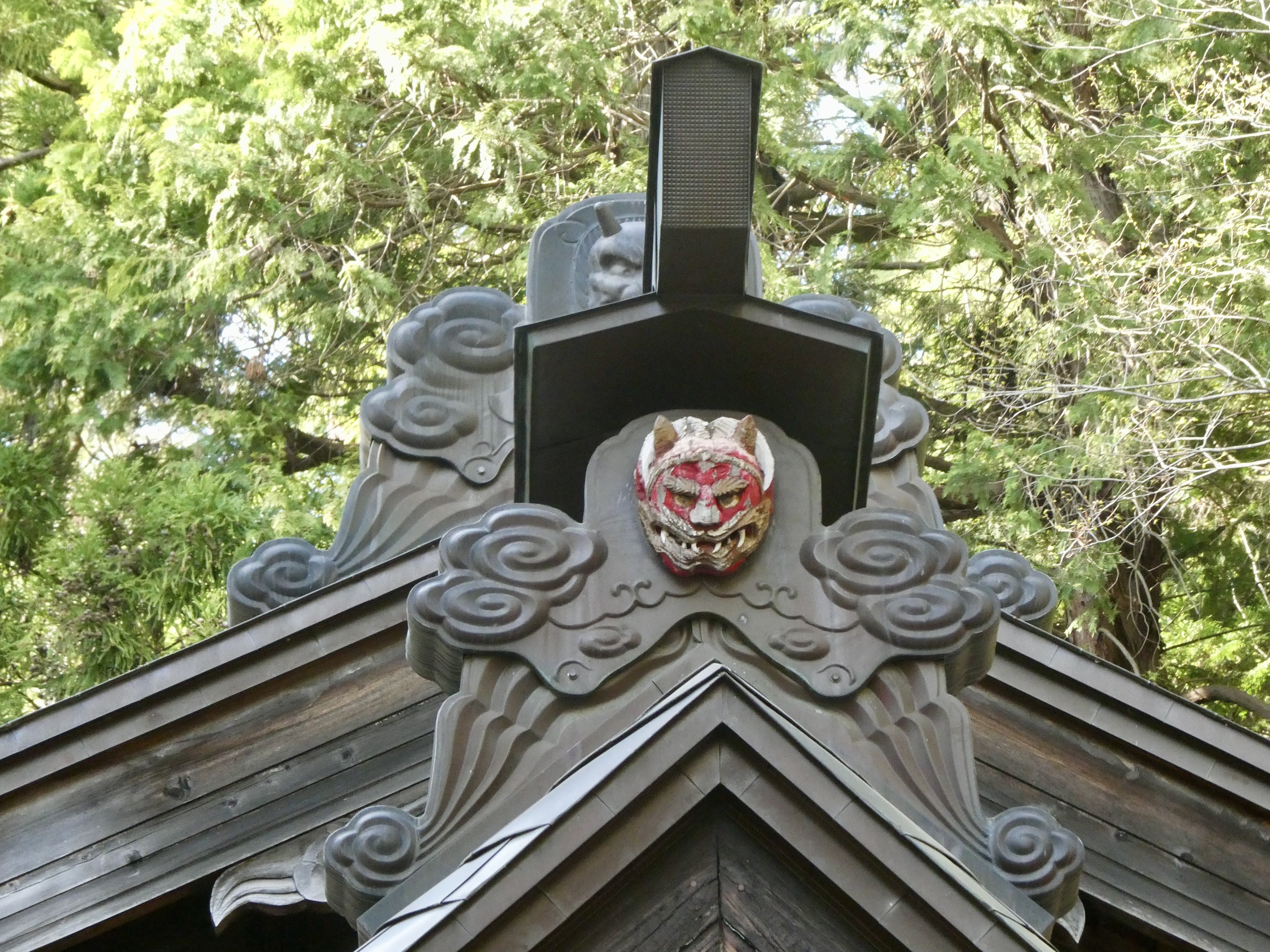
Apparently the devil is an “oni” that is used for warding off evil and seeking blessings at Shinto Shrines. Not all Shinto Shrines have an oni, but this one did (and was the first I had seen). And it made entire sense that an oni would be added to the shrine (after I was provided the explanation of what an oni was) since those who come to pray at the shrine do so to ward off evil, to pray for family happiness, and safe childbirth. So there you have it!

By now it was shortly before 4:00 so we finished walking back to the train station, but not before I stopped at a produce stand and picked up some of the best strawberries I have ever had. These tiny freshly picked strawberries reminded me of what I used to pick in my great grandmother’s garden back in Sooke, BC. They were absolutely spectacular and pesticide free all for 300 yen (about $2.10).
We then made a brief stop for some tea while we waited for the train and encountered the hysterical proprietor who started yelling at all of us at 4:30 to get the hell out. I wish I had filmed it. Apparently she closes shop right at 4:30 and was not having us stay a minute longer. I laughed about it all the way back to Tokyo.
And with that, my day at Mt. Fuji ended. Tomorrow morning I am off to a Tokyo market, followed by lunch with the Nagasakas (friends of friends who I met years ago and who have insisted on taking me out for lunch). I end the day with a food tour in the evening. Wish me luck navigating Shinjuku station on my own.
