Today was day 2 of touring in Tokyo. First up with my guide Seizo was the Meiji Jingu Shrine. Now we must have walked at least a mile through the Tokyo station and into a subway station where we proceeded up and down multiple staircases and through numerous, narrow hallways before finally reaching the subway that took us to the Harajuku stop before climbing even more stairs to the exit. All told, we spent over half an hour getting to the shrine from Tokyo station.

Anyway, once at the shrine, I learned that the entry into the shrine is marked by not one, not two, but three massive Torii gates, including the largest wooden Torri gate (gate #2) in the world. The shrine is dedicated to the deified spirits of Emperor Meiji and Empress Shoken. Emperor Meiji is known for the “Meiji Restoration” following the defeat of the ruling Shogun and lords in 1868. During the restoration, Emperor Meiji presided over the rapid transformation from feudal Japan, which had been isolated from the world for centuries, into a modernized, industrialized country. The shrine was originally completed in 1920 after the Emperor’s death, but had to be rebuilt after WW II.
Now the cool thing about the shrine is that once we passed through the main gate, we found ourselves in the middle of what can only be described as a tranquil park like setting. It was here, that mourning Japanese caused over 100,000 trees to be planted in honour of their dead emperor making the site a sea of calm only steps away form the chaos of Tokyo and its 30,000,000 residents.
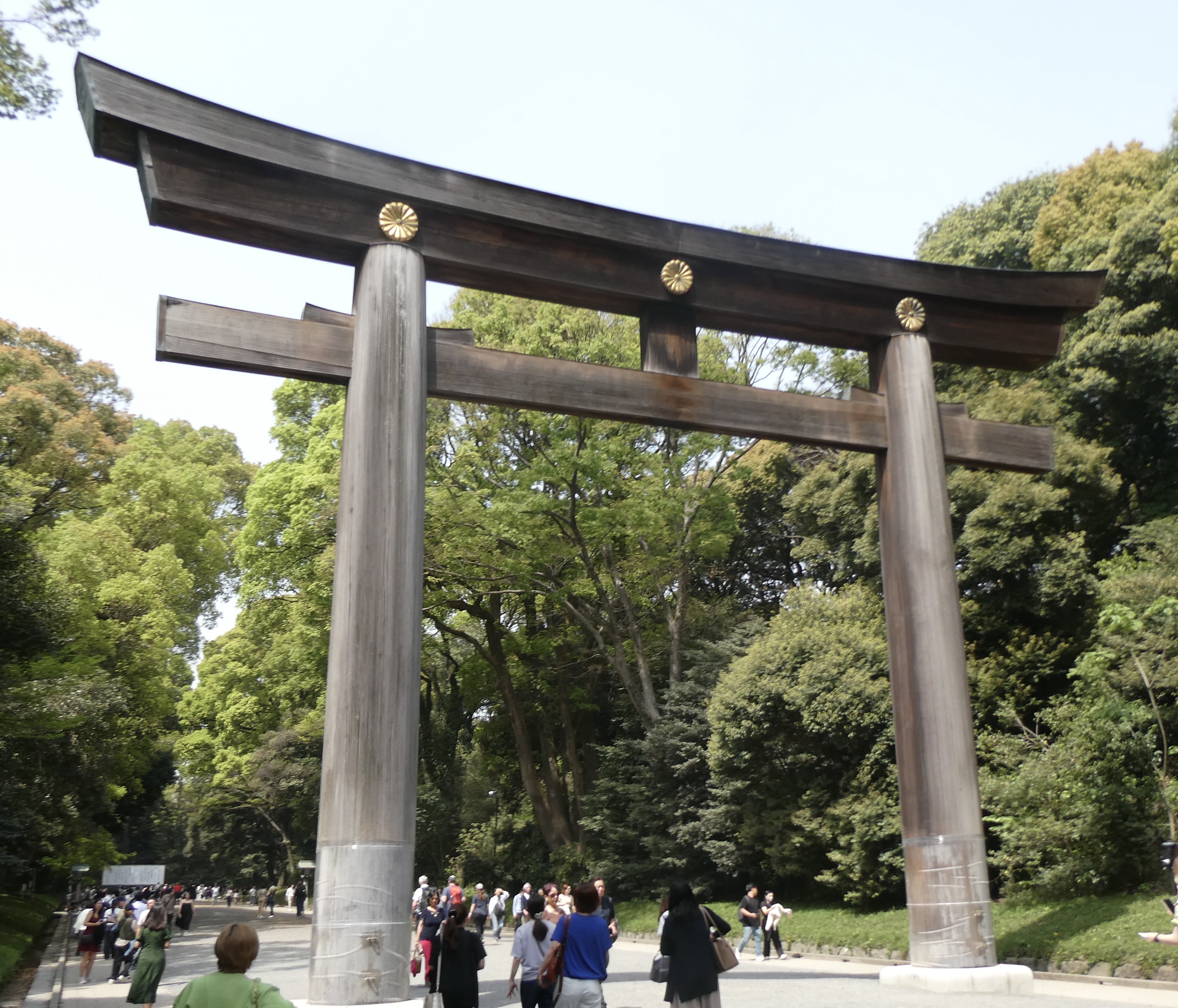
Anyway, we walked through the first Torii gate, made our way past a wall of sake kegs (donations to the shrine) and then past the massive wooden Torii gate that was rebuilt in 1975 in is an exact replica of the gate completed 1920 (but destroyed in the war). We then entered through the last gate, did a ritual washing, went in front of the shrine, did the clapping and bowing ritual and then made a wish.
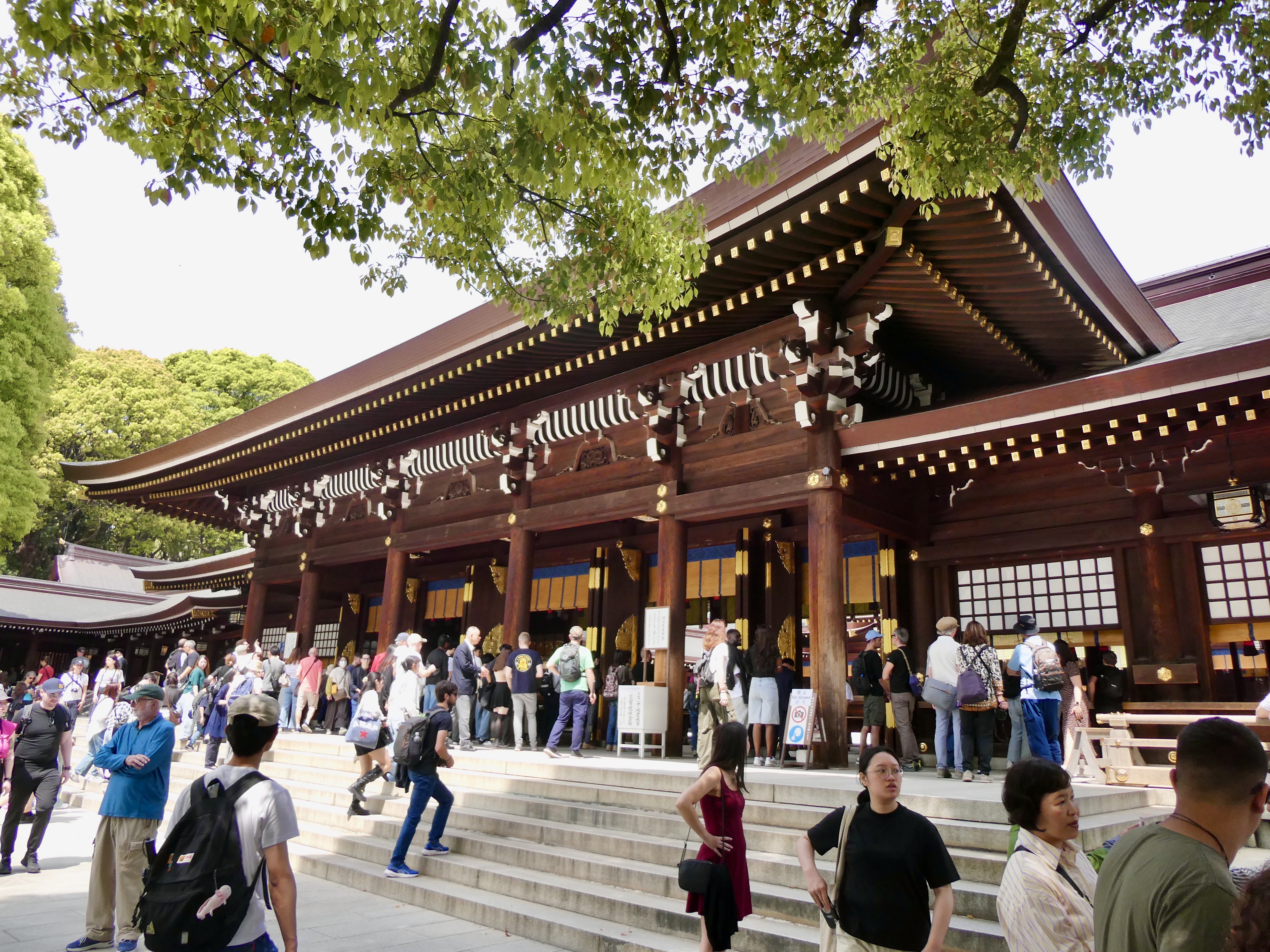
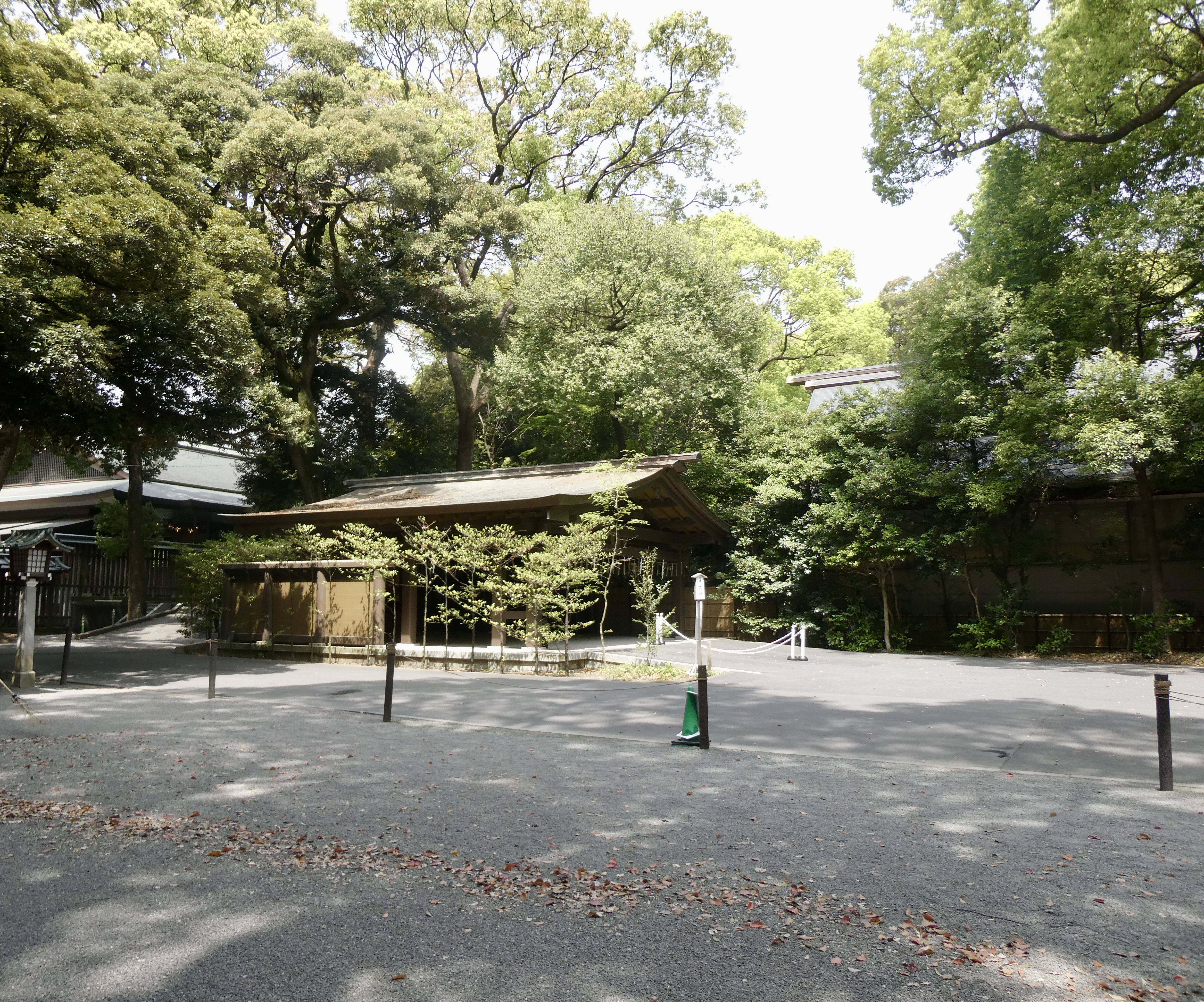
We then moved on out through the hordes (this is one of the most popular shrines in Tokyo) and out another Torii gate past a blessing area of sorts where new car owners can bring their car to be blessed by the guji (highest ranking person at the shrine) upon payment of several thousand yen. According to Seizo, people do this as extra insurance against car accidents, which prompted me to ask if the people received a money back guaranty. Uh that would be a no.
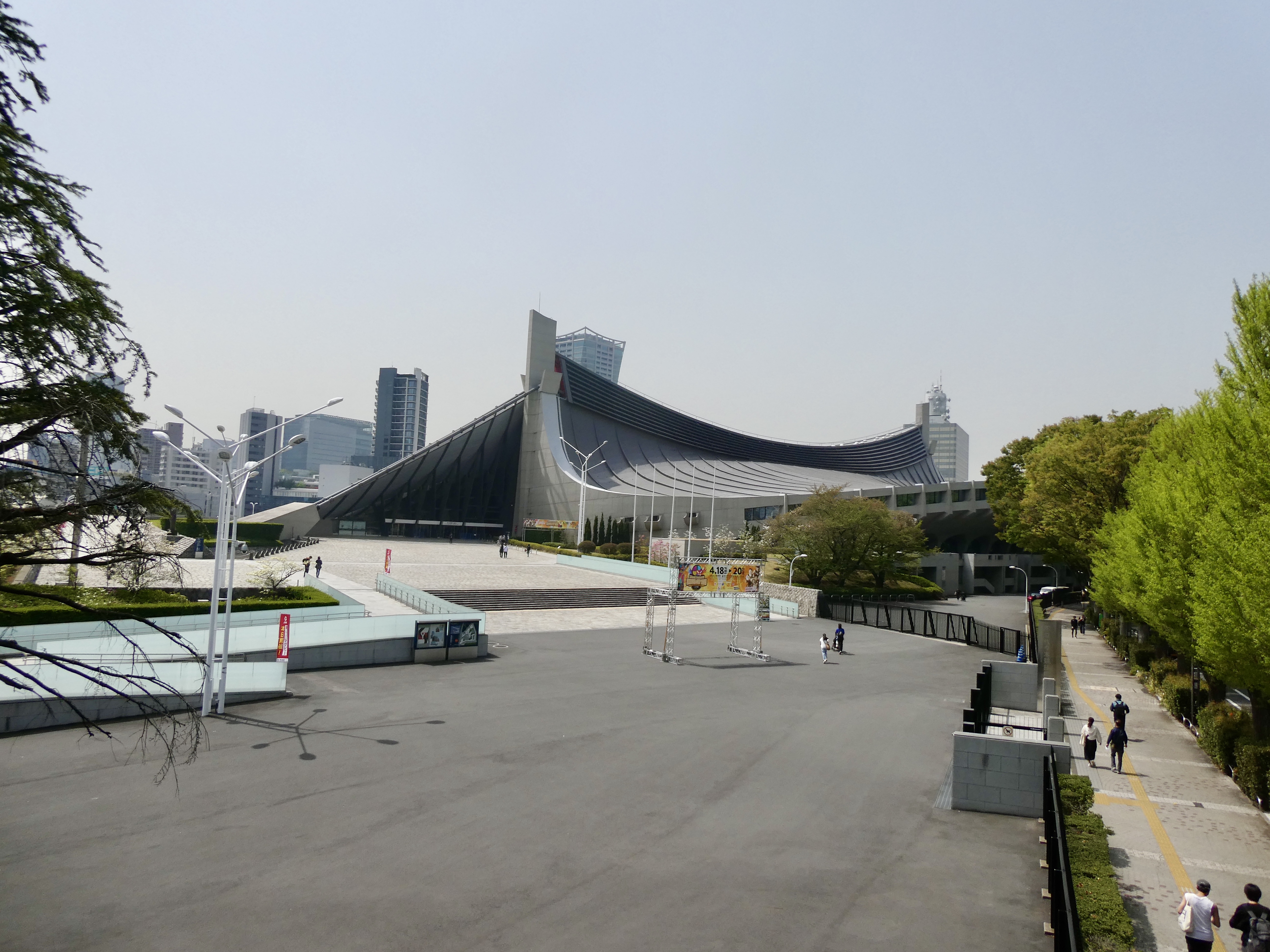
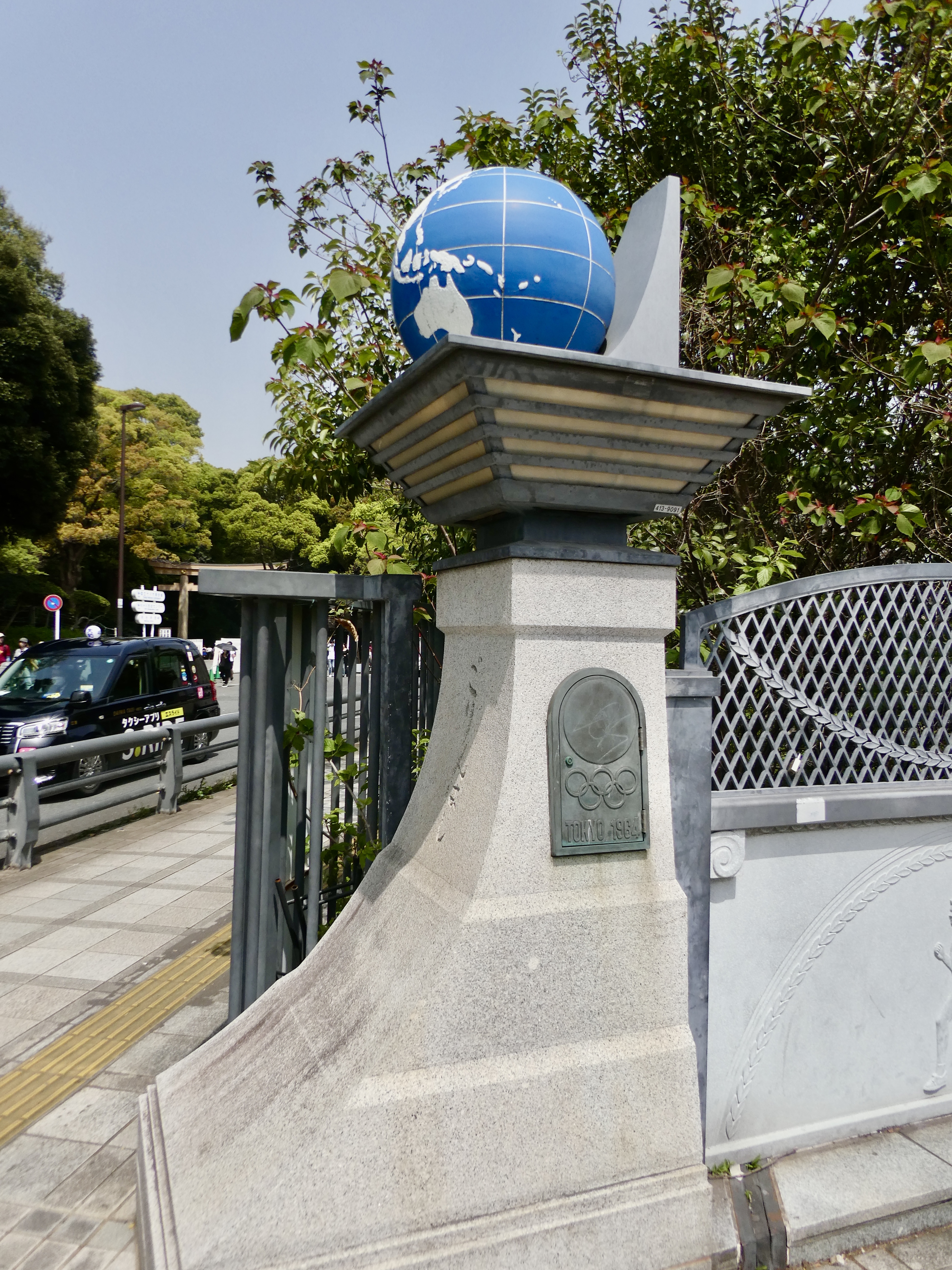
Anyway, once we left the shrine, Seizo took me up to the top of a nearby pedestrian bridge to have a look at the Yoyogi National Stadium, which was constructed for a number of events for the 1964 Tokyo Olympics, and still retains one of the most unique roofs ever constructed for a sports stadium. The stadium was apparently refurbished for the 2020 Tokyo Olympics (ultimately held in 2021). We then crossed over a lovely looking 1964 Olympic Bridge before re-entering the Harajuku station, walking some more and jumping on the subway back towards the Tokyo Station.
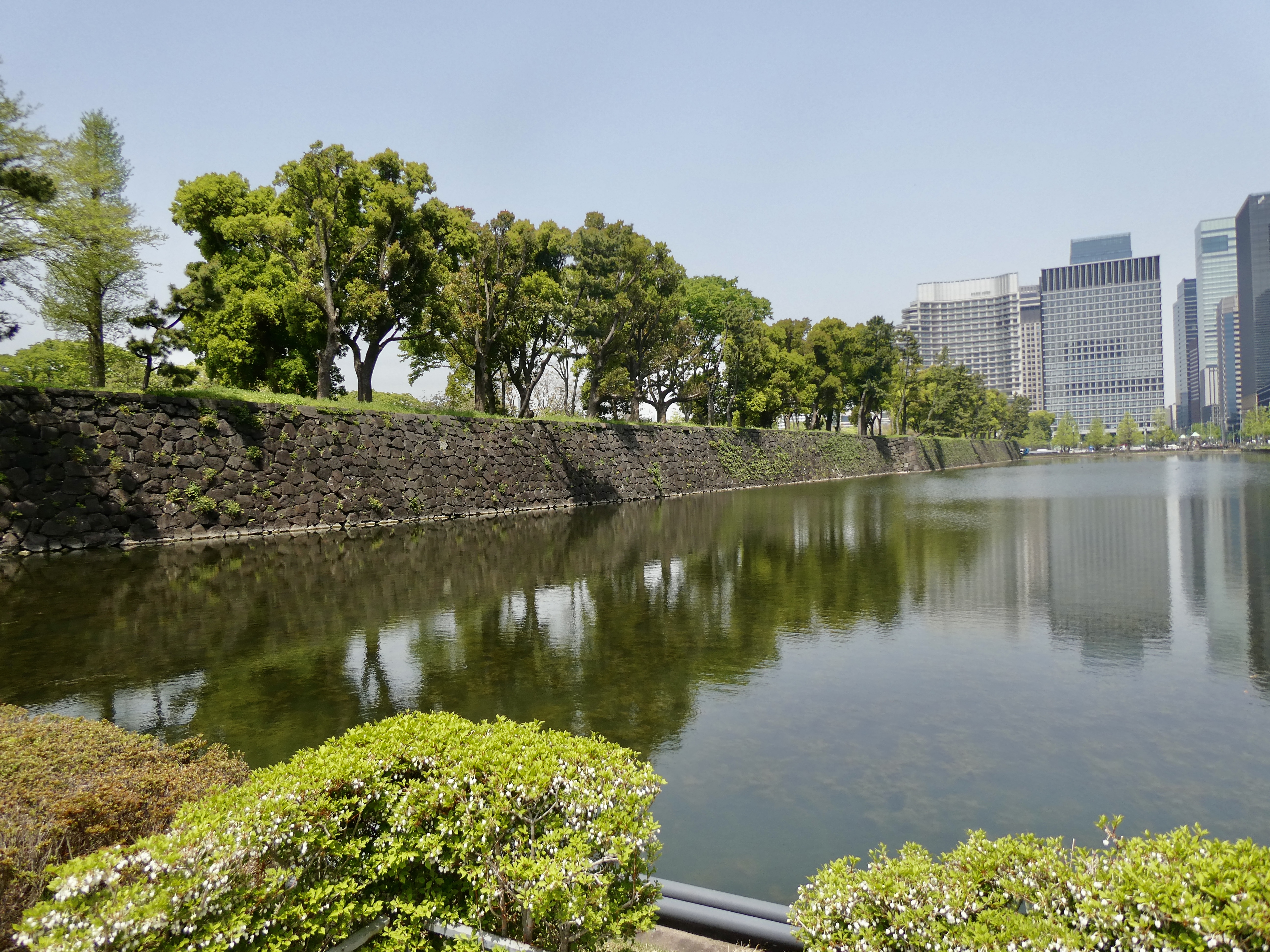
We hopped off one stop before the Tokyo Station to go have a look at what remains of the old Edo Castle (today the site of the Imperial Palace). Now most of the Imperial Palace is off limits to the public, but the palace grounds area accessible and make up an enormous park surrounded by moats and massive stone walls that date to the 17th century.
We ended up walking through the looooong plaza near the front of the Imperial Palace to see the Nijubashi, two bridges that form the entrance to the inner palace grounds and the 17th entry gate that is guarded around the clock in 8 hour shifts by two guards who NEVER move for the entire eight hours.
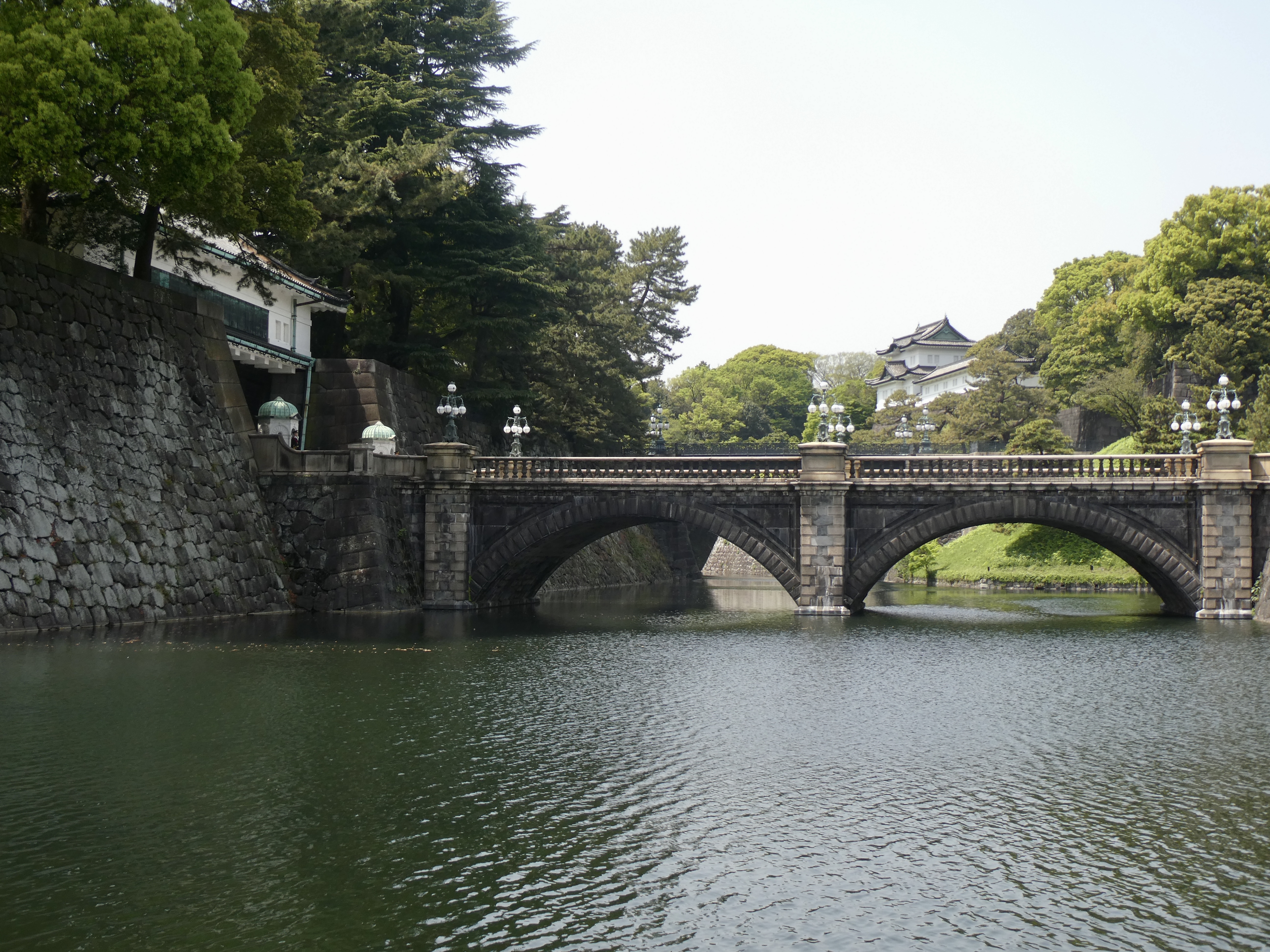

Now the first bridge is called the Meganebashi (Eyeglass Bridge) because the bridge looks like eyeglasses, while the bridge in back, which was hard to see, was actually named Nijubashi (double bridge) and is where the name of the two bridges is derived.
We ended up walking up the stone walkway to the front of the gate entrance to get a better look not only at the 17th century gate, but to get a look at the two guards. Unfortunately, a set of barricades keeps you miles away from the two guards so the best I could do was a picture.

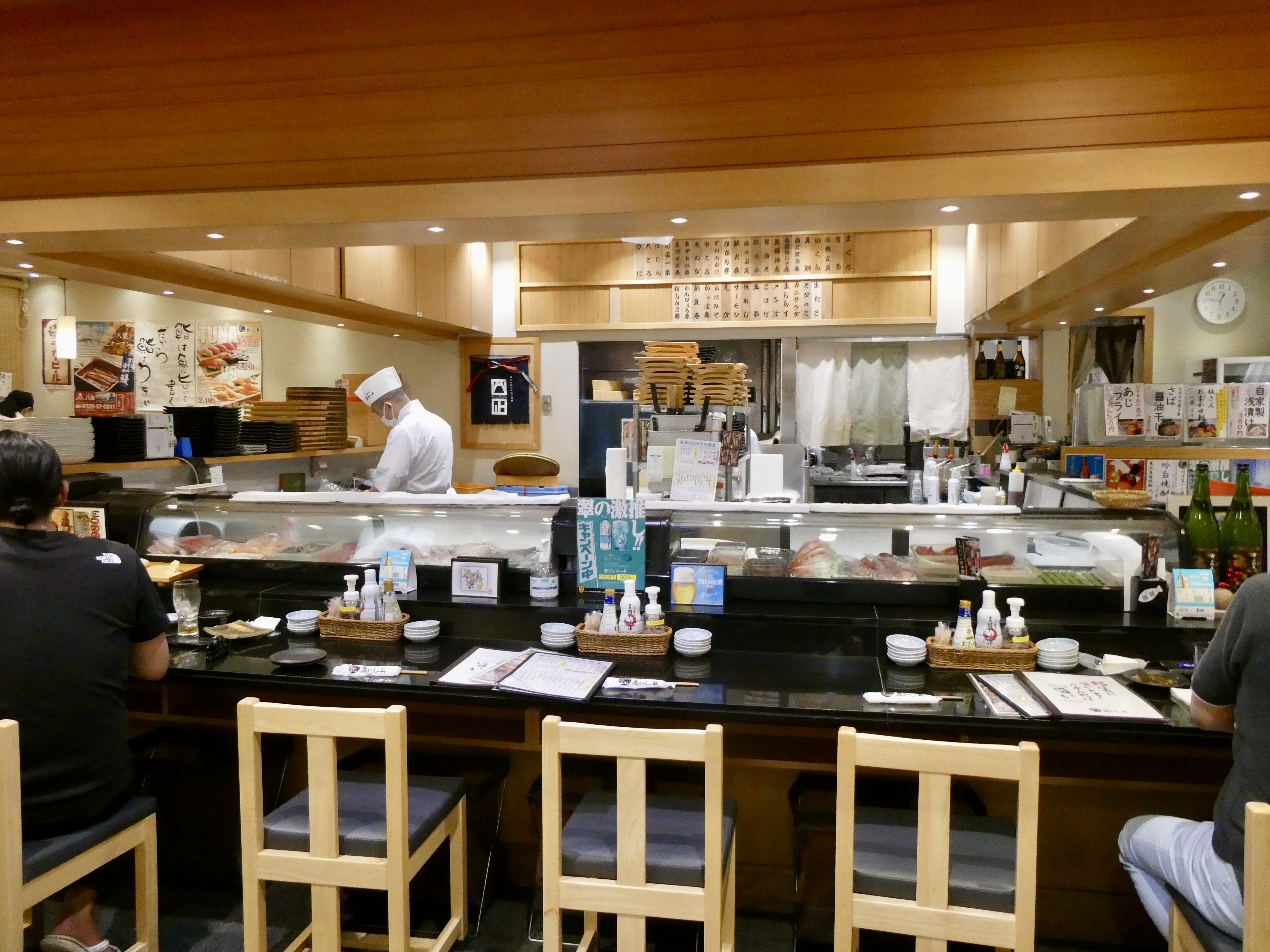
So from here, we walked all the way back across the massive plaza, past the outer moat area towards a business district of sorts before taking an escalator up six floors to a sushi restaurant where we had a fabulous lunch of sushi, tea and salad. And I screwed up and forgot to take a picture of the fabulous display of sushi.

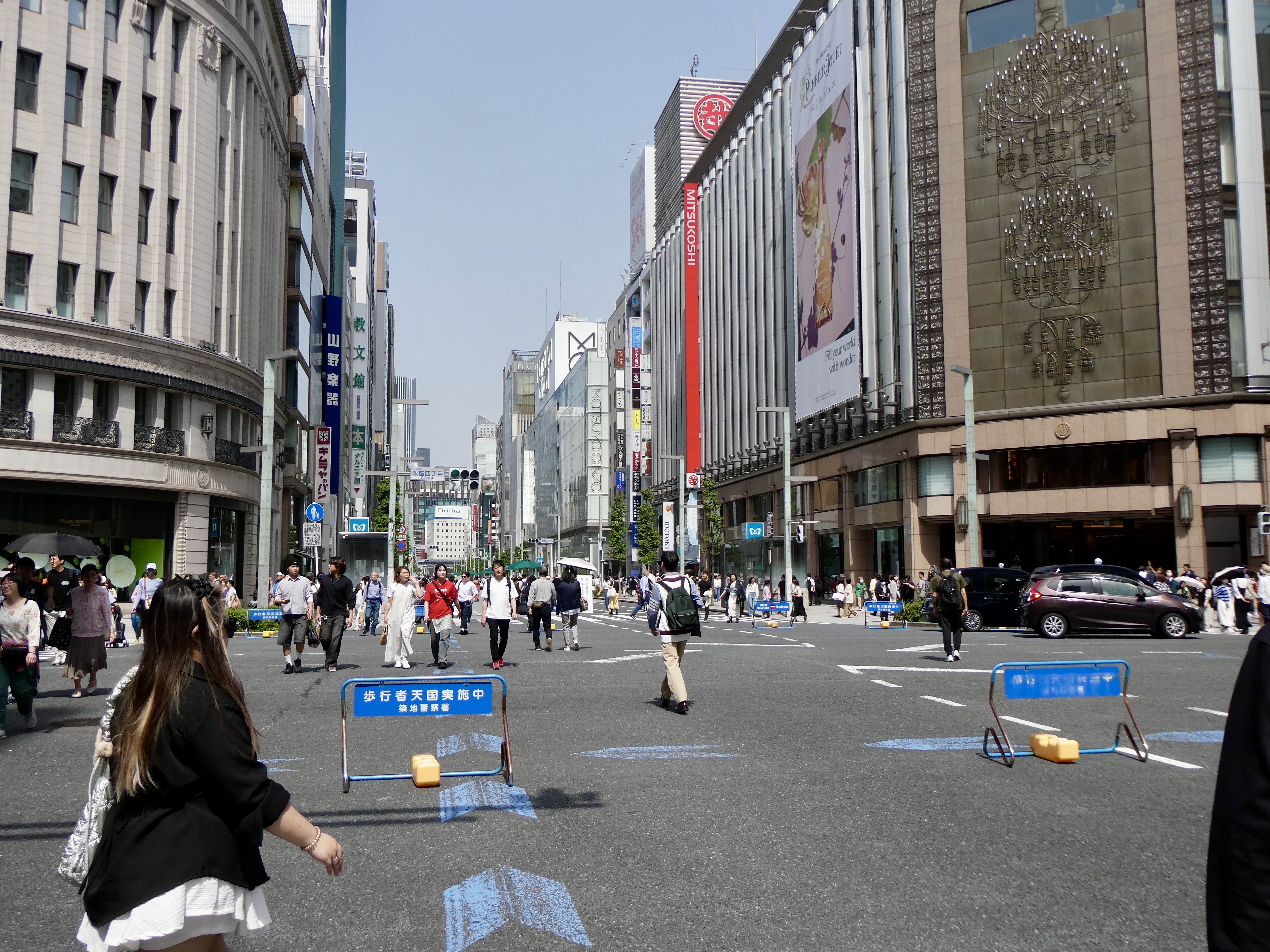
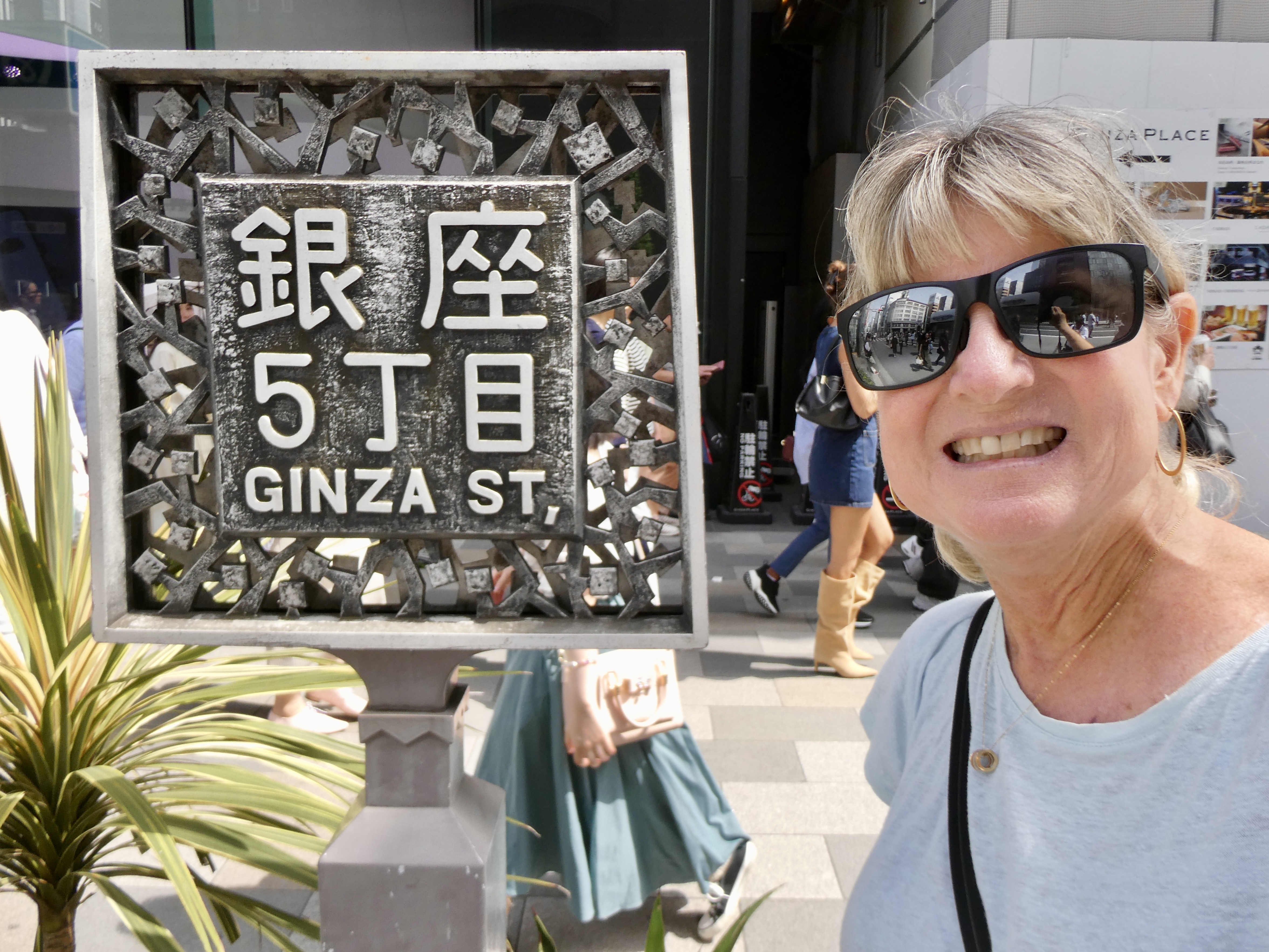
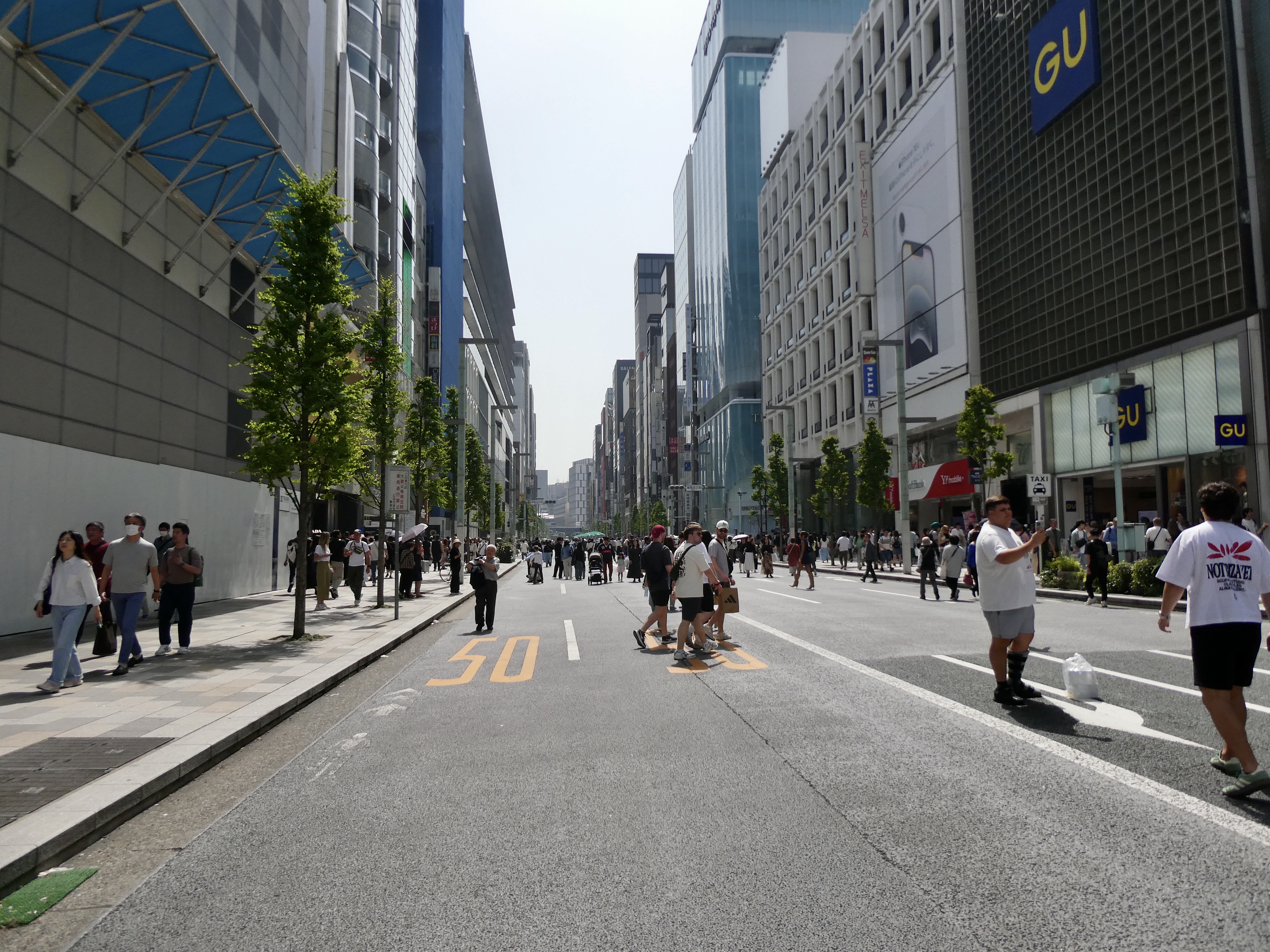
Anyway, from here we went back downstairs, walked into the subway and up and down still more stairs before catching the subway a short ride to Ginza. Now I had no intention of doing any shopping, but I really wanted to see what all the fuss was about regarding this shopping area, but quite frankly once there, I didn’t get it. It was like one big street dedicated to every high end, name brand store you can thing of. And while I got a kick out of the cool street sign, I was just as happy to move on without staying long in the area.
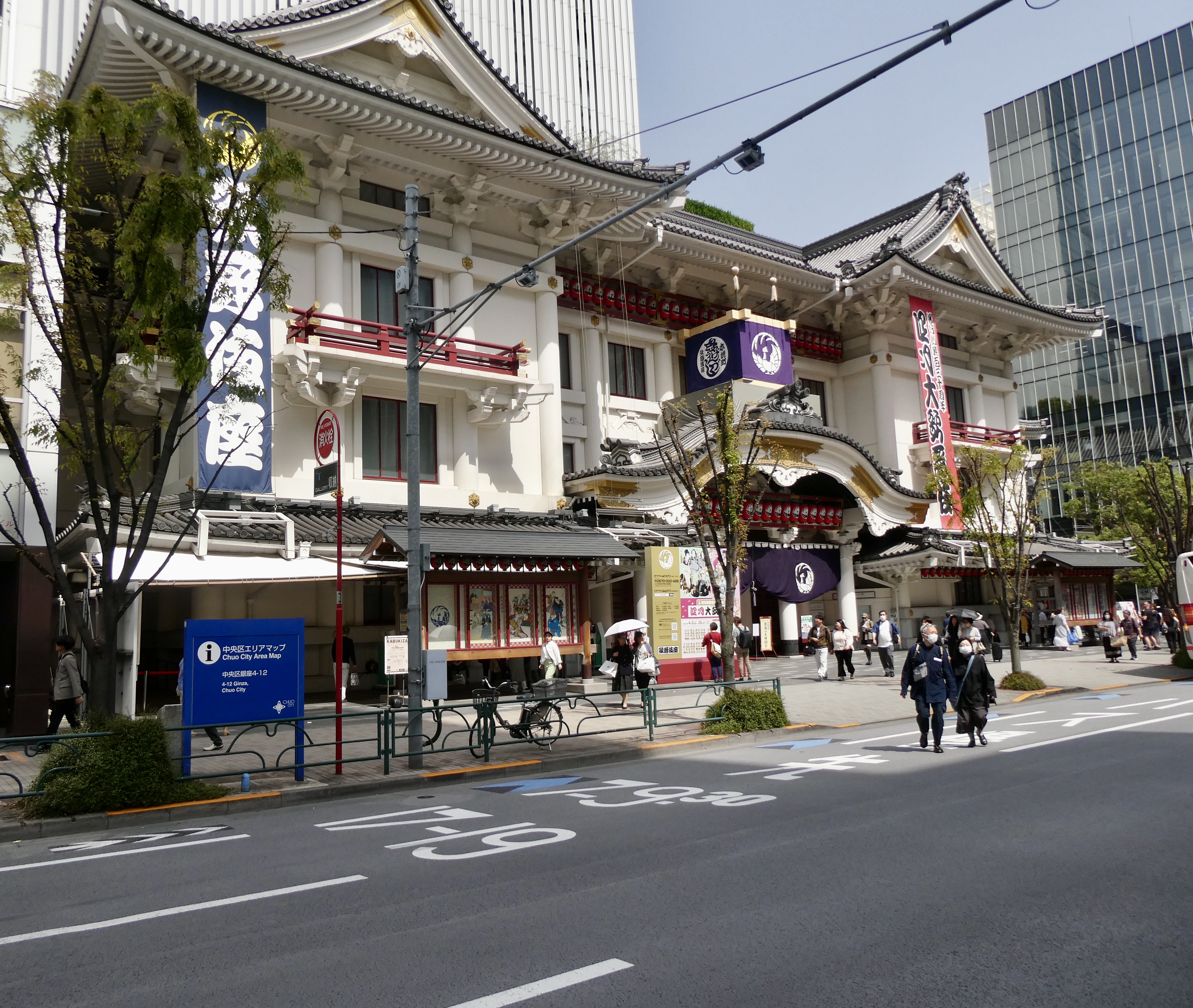
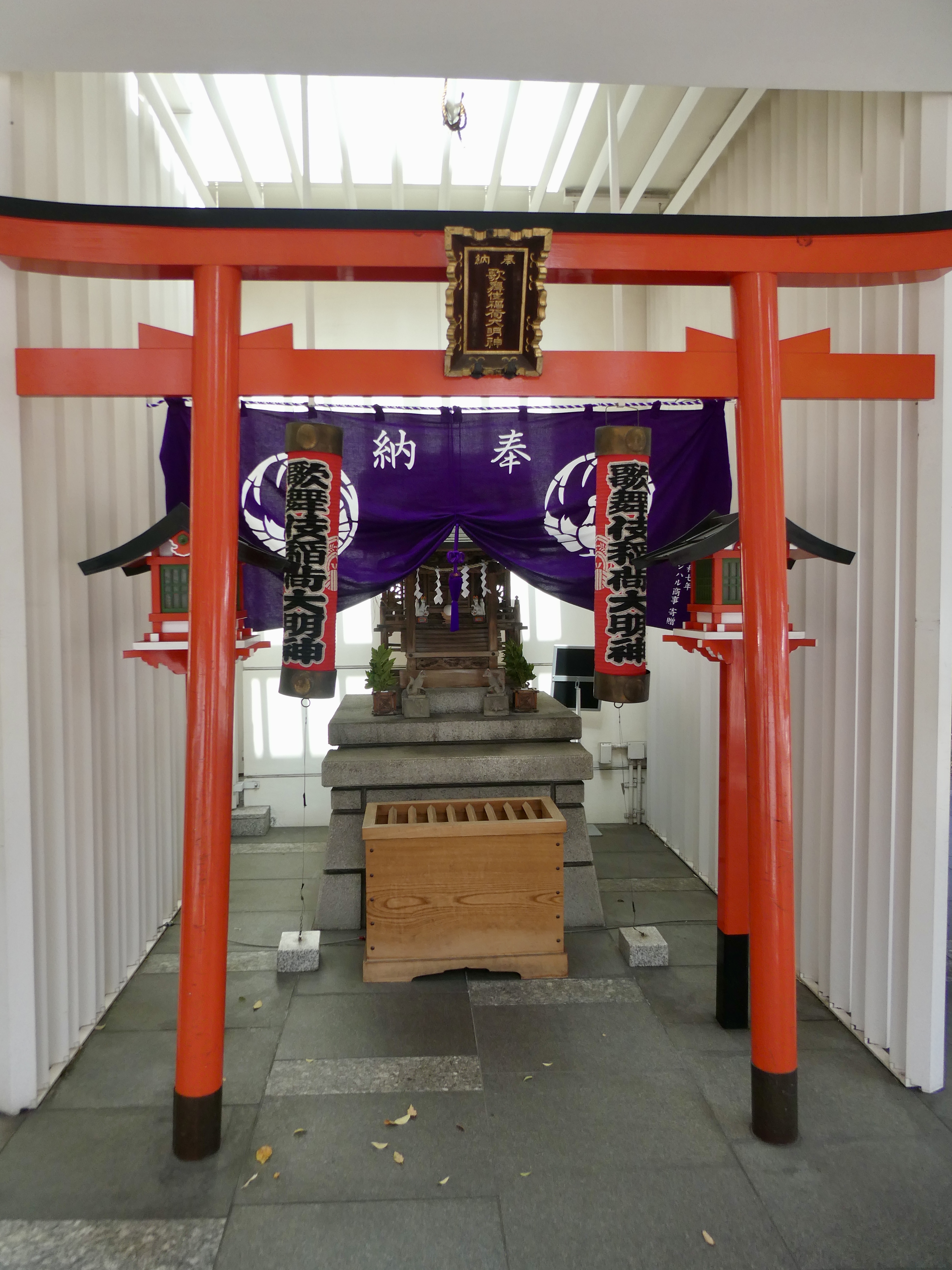
However, as we walked down the street, I did find something incredibly interesting in the area: the Tokyo Kabuki Theater, where plays about historical and life events are performed. The performances are accompanied by traditional Japanese instruments and the women are played by men.
Not only was the theater absolutely magnificent to look at, but it is apparently over 139 years old (although there has been substantial restoration and reconstruction over the years). And if all this weren’t enough, as we approached the side of the theater, we found a Shinto shrine dedicated to the theater and kabuki. Absolute best part of the trip to Ginza.
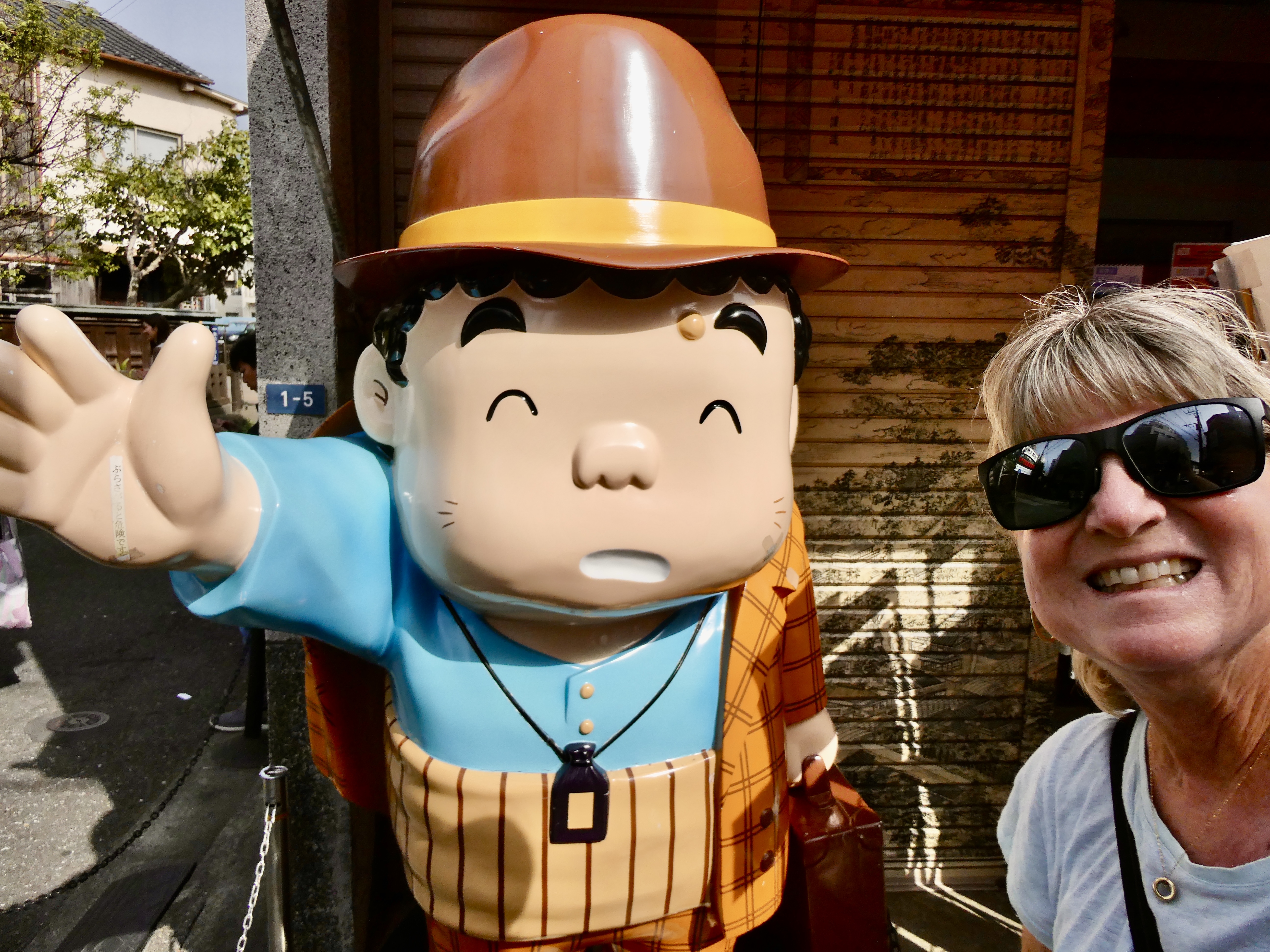
Anyway, from here, we walked down more stairs, through a series of underground pathways to the subway, which was going to take us to Shibamata, outside of Tokyo proper. Now Shibamata is most famous for a Japanese actor named Torajirō Kuruma, also known as Tora-San, the main character of the popular film series It’s Tough Being a Man. Apparently there are 38 films (each one poor old Tora-San loses the girl and ends up back at mom’s house in Shibamata). Unfortunately, the actor died about ten years ago so no more films and no happy ending for Mr. Tora-San. Now I knew nothing about this, but instead wanted to visit Shibamata because I read the area had retained some of the atmospheric history I have found in other cities I have visited in Japan (which seems to be lacking in Tokyo). In addition, Shibamata is known for a beautiful Buddhist Temple and gardens that rank in the top ten in Japan.
So once we hopped on yet another subway and road it for about 25 minutes before getting off, walking a whole lot more to a connecting train which we rode in the direction of Narita Airport before getting off once again and changing trains for one stop, finally arriving in Shibamata.

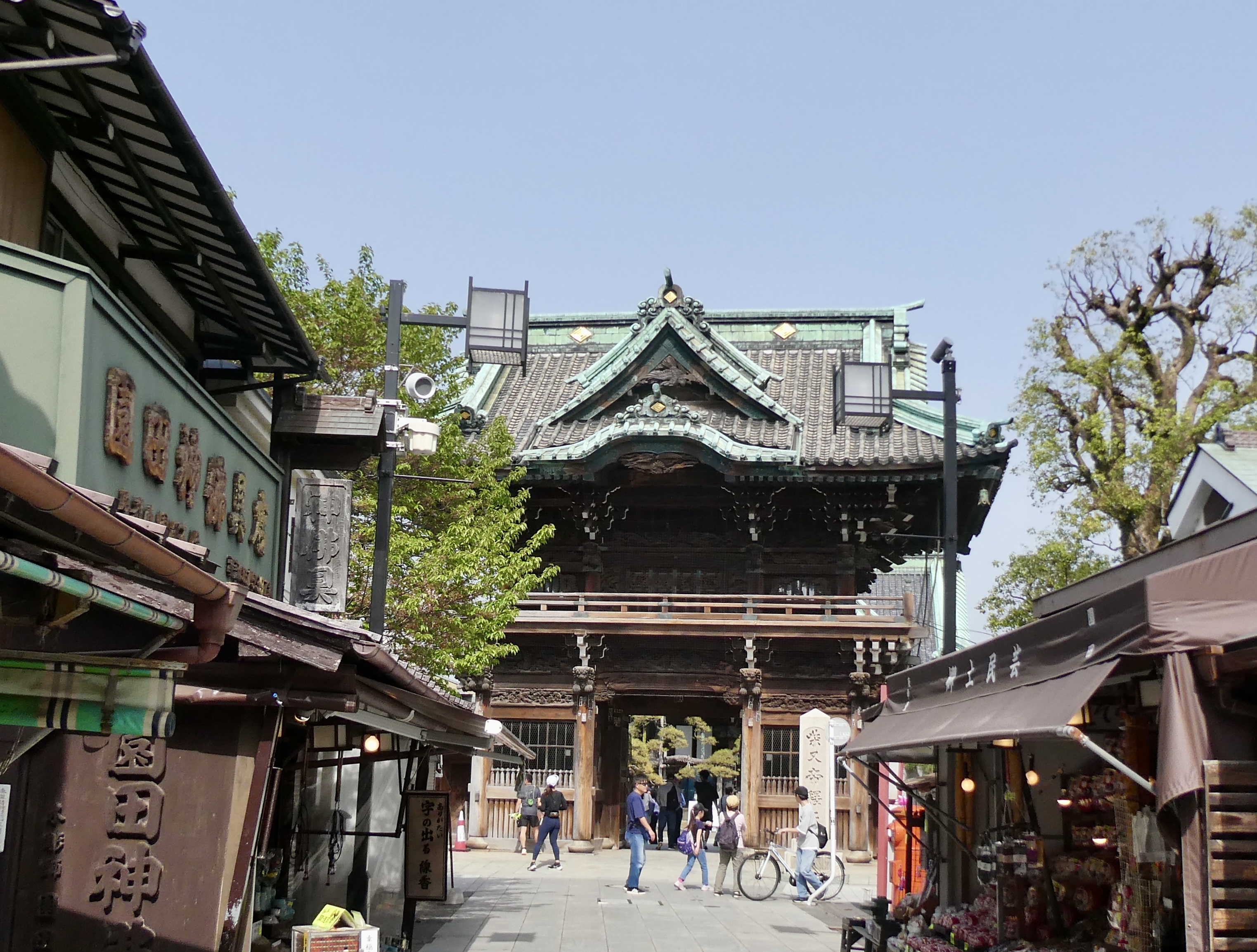

We walked the short distance to the Shibamata Sando shopping street, passing numerous posters and statutes dedicated to Mr. Tora-San and his popular movies statutes. Once we passed through the Shibamata Sando street entrance we walked about four blocks to the entrance of the Shibamata Taishakuten Temple. And it was indeed a beautiful Buddhist temple. The temple dates to 1629, but I opted not to go inside and instead wandered around the little courtyard area taking in the atmospheric temple before walking around back and out the gate to the private 1920s Yamamoto-tei garden.

Now unfortuantely, this was a look, but don’t touch, garden meaning that we entered the tea house, took off our shoes, wandered through the old rooms on what appeared to be new tatamai mats to the back deck area where we could stand and admirer the hundreds of different varieties of trees and shrubs, a small waterfall and, of course, the bronze lanterns. There was also an option to sit and have tea, but Seizo kept looking at his watch so he was clearly keeping track of the time, and I did not want to rush any kind of tea service so I opted out.
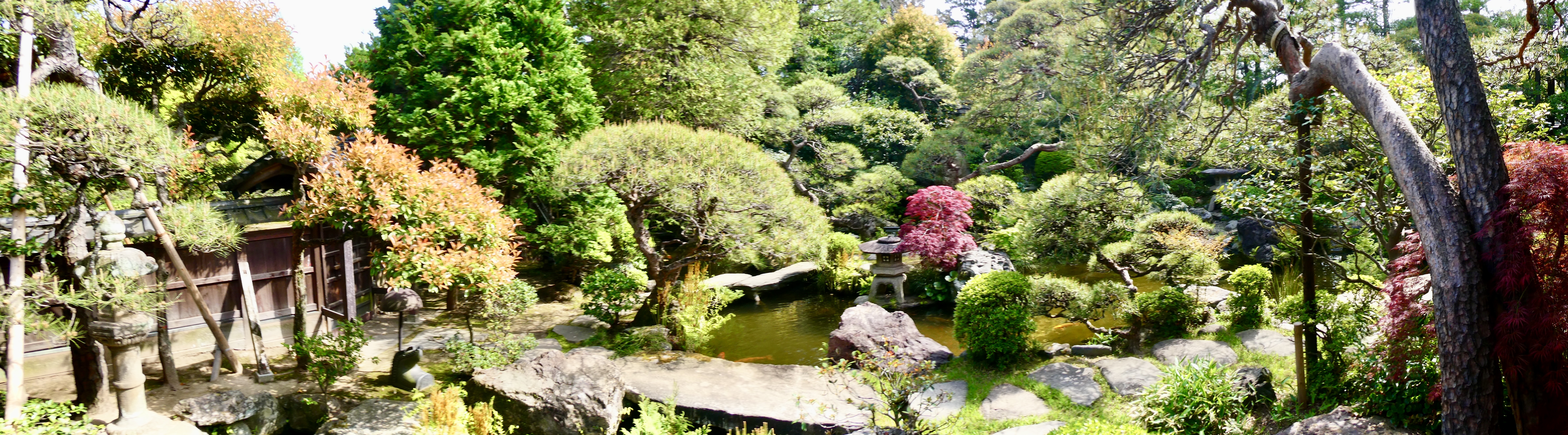
At this point, Seizo said we had to go in order to get back by 3:30 (this was far different from yesterday when Hiroe could have cared less whether we were back by 5:00 or not (we were back at 5:45). I was a little bit peeved because I had told Seizo I was happy to pay extra if we ran a bit overtime. We had come all this way to Shibamata and I ended up rushed.
Anyway, we made the long trek back to Tokyo station, changing trains twice, walking miles and finally reaching the entrance to my hotel at 3:35.
Tomorrow I am off to Kamakura (a couple hours outside Tokyo) to go see the Great Buddha, a temple, a shrine and eat some street food.