

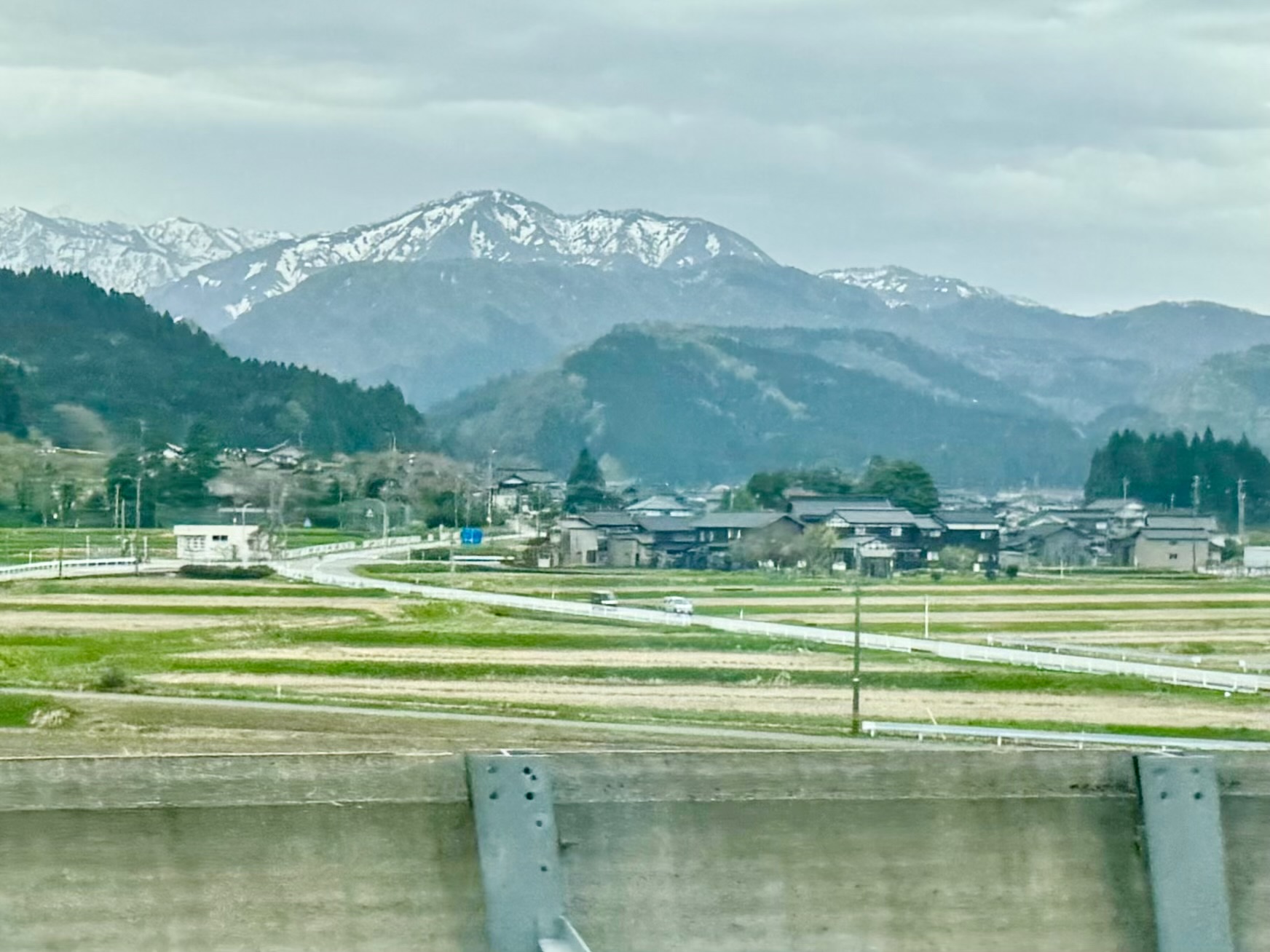
This morning I set off for Tokyo on the bullet train from Kanazawa. The trip took just over 2 ½ hours covering 474 km. The train was moving so fast, it was hard to get a handle on what we were passing, but at one point there were some stunning mountain and village views that I was actually able to see for a few minutes.
Now when I arrived in the Tokyo station, I was prepared to be overwhelmed, but this place was absolute chaos. Vendors were yelling at the top of their lungs, announcements were being made nonstop, and the signage was mediocre at best (unlike the fabulous Kyoto station).
Anyway, I made the mistake of going out the central exit when I should have headed in the opposite direction. Now my hotel is right next to the Tokyo station, but because I went out the wrong exit, google maps kept trying to have me cross right over the train train tracks. I ended up wandering around for over half an hour before I finally figured out how to reach the other side of the station where my hotel is located. It was brutal.
So once in my hotel, I had to sit in the lobby for about an hour and half (no checkin until 3:00) waiting for my guide, HIroe, to arrive for our four hour tour around some sites in Tokyo. Now, I fully expected Hiroe to be man, so was pleasantly surprised when a lovely older woman showed up. She immediately started pulling out maps and showing me how to get around Tokyo and where we were going today.
By just after 1:00 Hiroe and I were heading back into the Tokyo station to take a local train to Yanaka, an old part of Tokyo that escaped the WW II bombardment and is now a funky shopping district filled with dozens of old temples.
Now the reason there are so many temples in this area is because in 1625 the ruling Shogan decided to relocate temples to the area to avoid the many fires that continued to plague Edo (which is now modern day Tokyo). In addition, the Yanaka area has avoided the consequences of war (as mentioned above) and various earthquakes that often rock Japan.
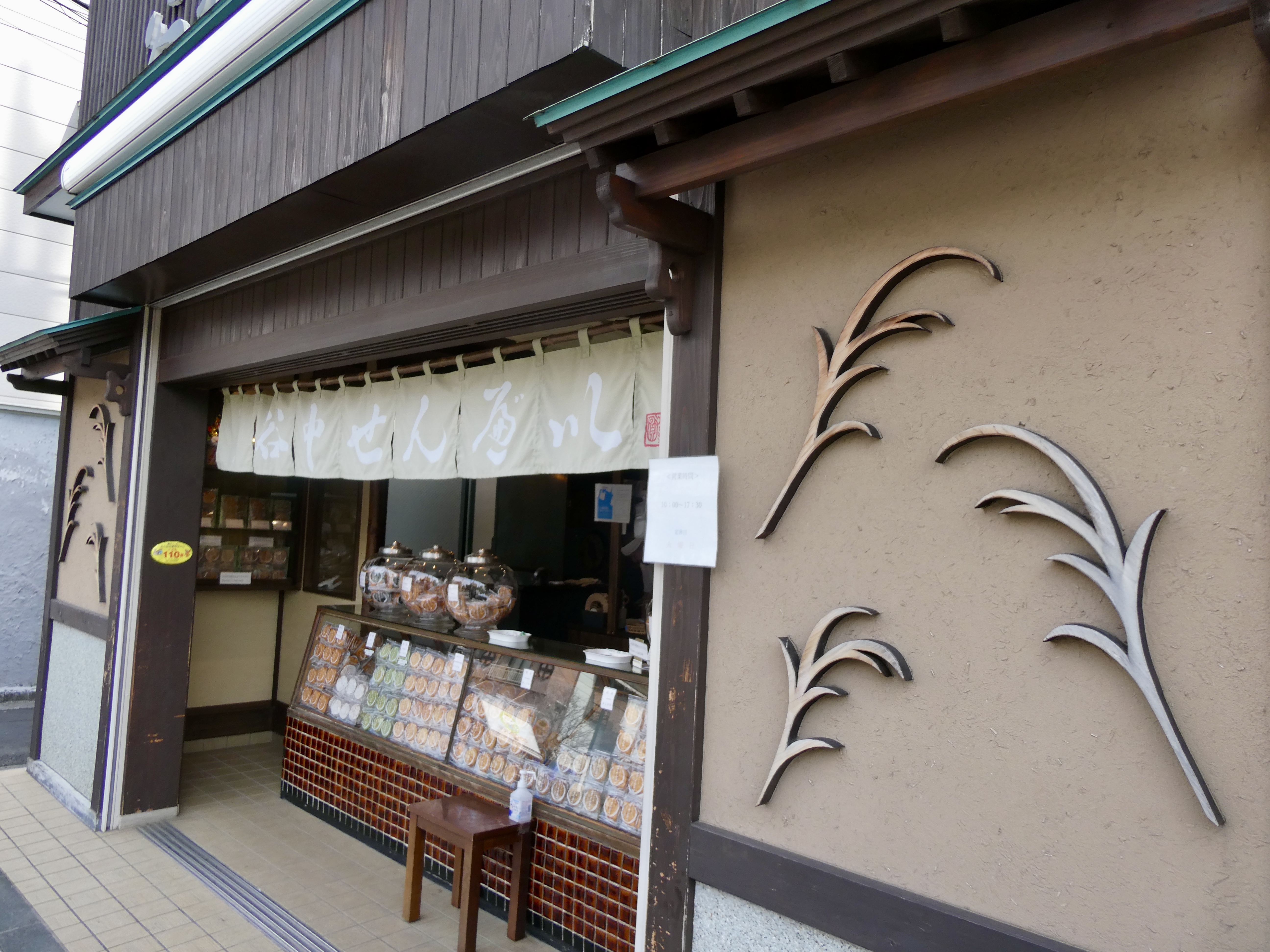
So once we exited the train, we immediately walked past two different temples before stopping at a 100 year old rice cake shop where I ended up buying a red pepper rice cake and it was pretty darn good and not at all spicy.

From here, we walked across the street to the Daikokuten Kyoo-ji Temple as I munched on my rice cake. The temple had fabulous gardens and a small burial site for monks with rather elaborate headstones and monuments to the dead.
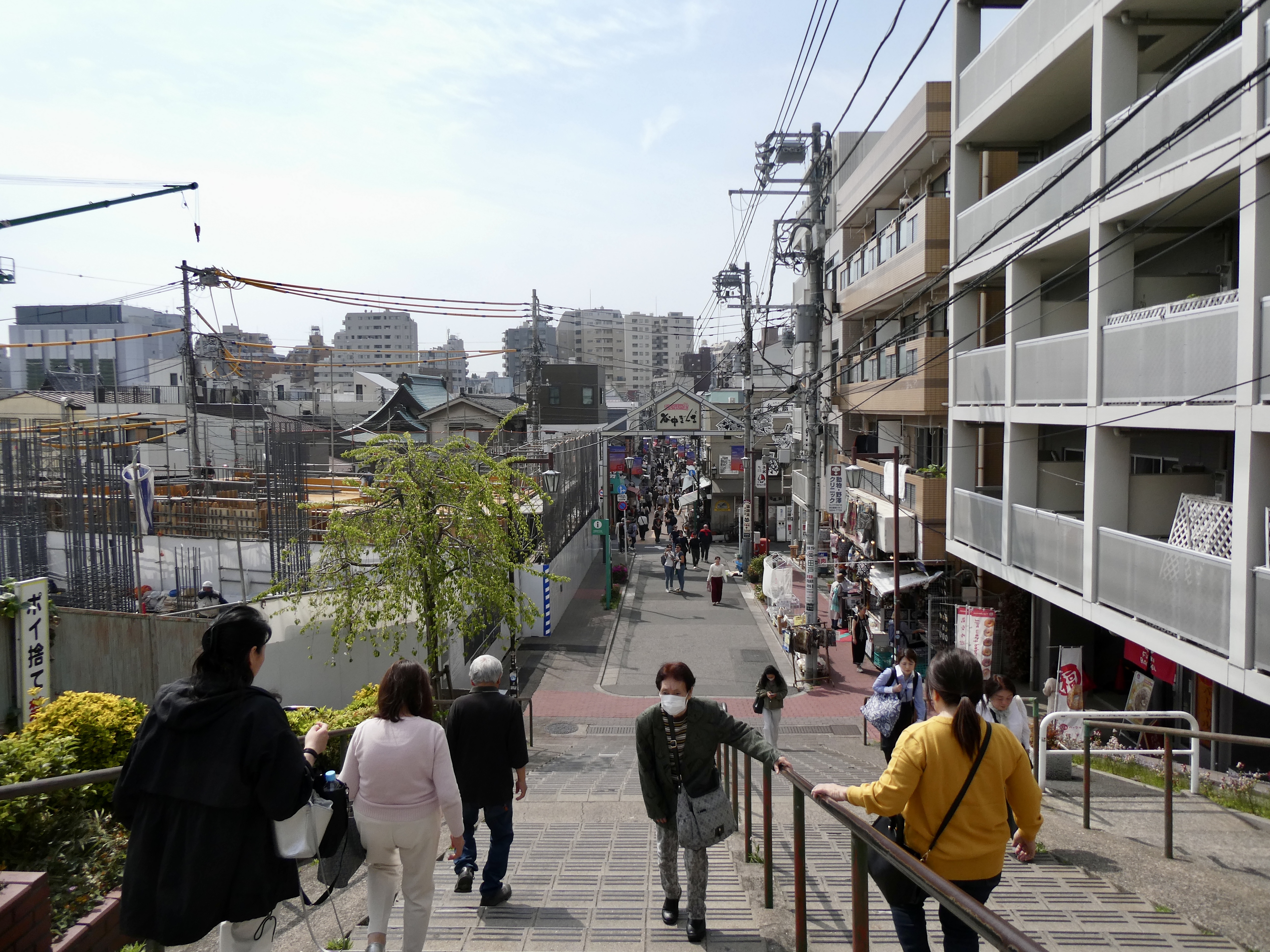
After the quick visit to the temple, we walked down the staircase to the main shopping street in Yanaka, where Hiroe proceeded to have me try virtually every food in sight. We first stopped at a 100 year old candy store where I bought some plum candies. Then it was across the street to this really cool tea shop where Hiroe picked up some matcha tea.
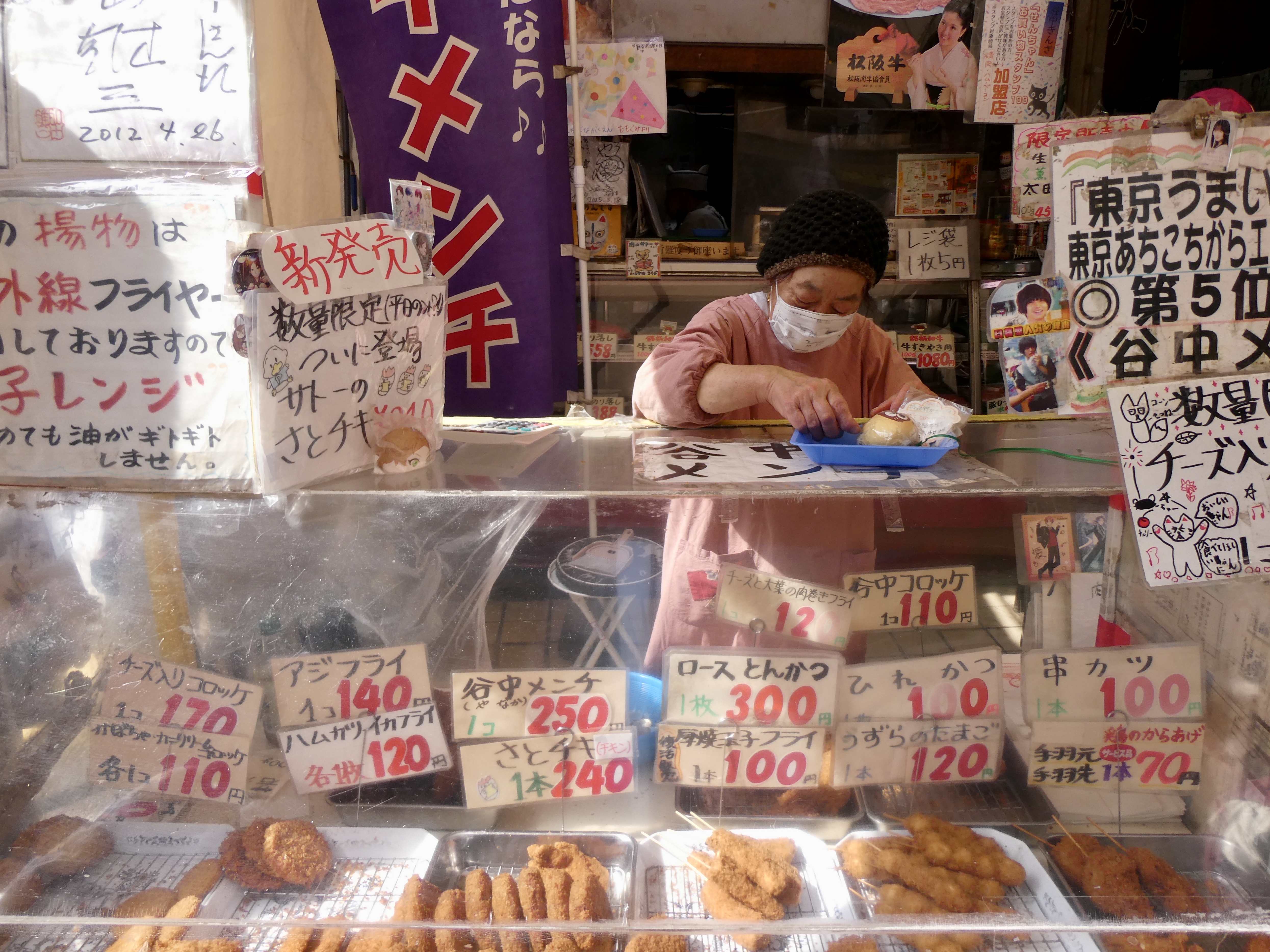
Hiroe then insisted that I try a potato croquette from an elderly lady who had apparently been running the shop for decades. Now I had not been fond of the croquette I tried in the Nashiki Market, but this croquette was on a different level. Absolutely delicious.


As we continued to walk, we passed by seafood and produce vendors before turning to the left and stopping briefly at an old shop where a family has been packaging rice as well as residing in the building for decades. In fact, when we peaked in, the husband and wife were busy loading boxes of rice and behind them, I could see their kitchen.
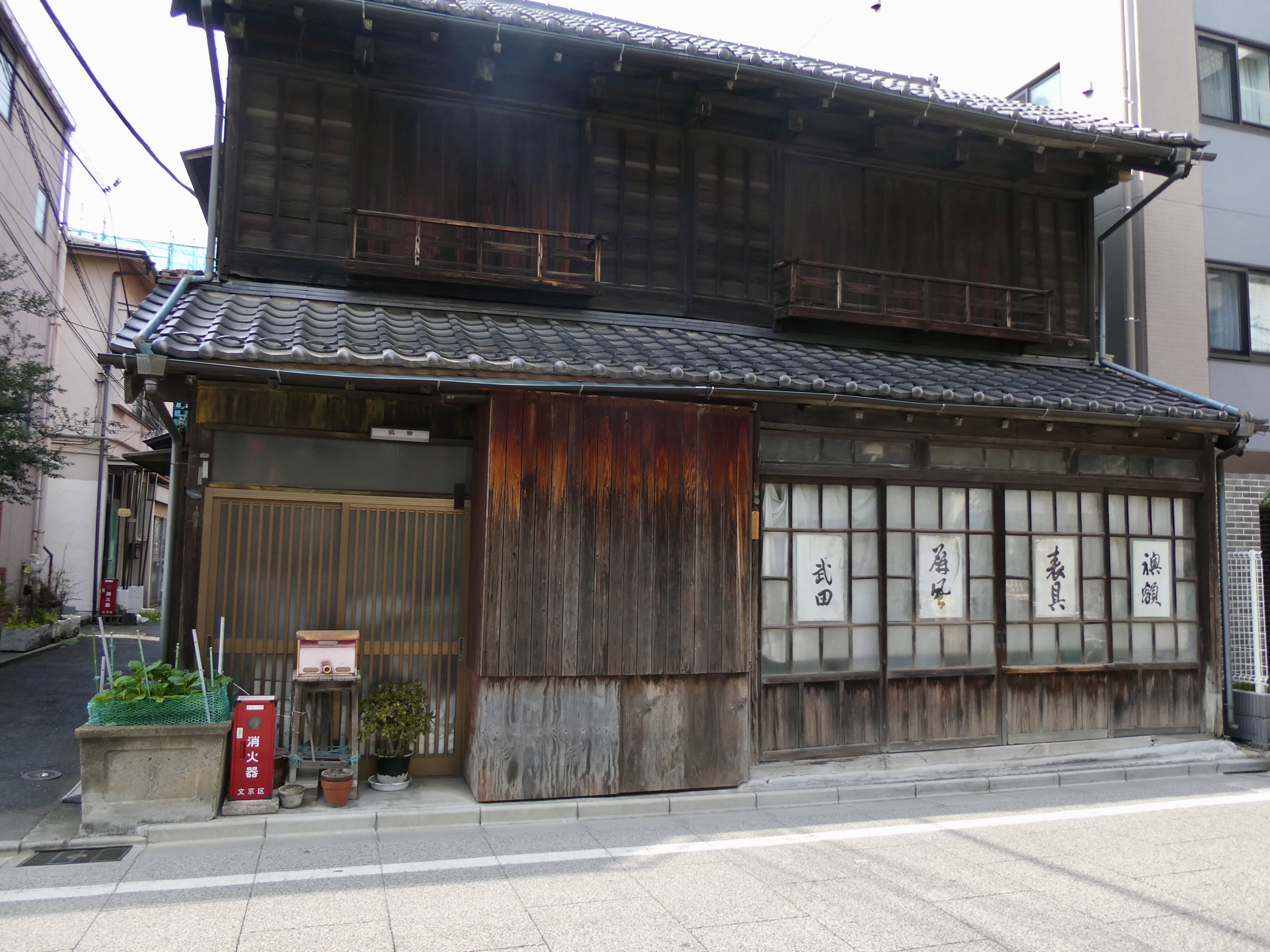
We eventually reached the end of the Yanaka shopping district and finally passed an old preserved building that is now someone’s residence. I thoroughly enjoyed the little walk through Yanaka, but the area does not have much quaint architecture or old style buildings like I have seen in Kyoto, Nara or Osaka so this old preserved building was a treat.
Anyway, from here, we grabbed a bus for a short trip down the road to the Nezu-Jinga Shrine. The shrine is said to date back 1,900 years and is dedicated to the Susanoo-no-Mikoto, the Shinto god of the sea and storms, and is believed to offer divine protection and blessings. The shrine gained prominence when the fifth shogun moved the shrine to its present location in 1705.


Now as we entered the shrine, we passed through the fabulous Roman Gate that was build in 1706 and contains gorgeous colours and intricate carvings. Once we passed through the gate, we encountered the Karamon Gate, which is a Chinese style gate with a distinctive curved roof before reaching the main sanctuary where dozens of people were lined up to say a prayer.
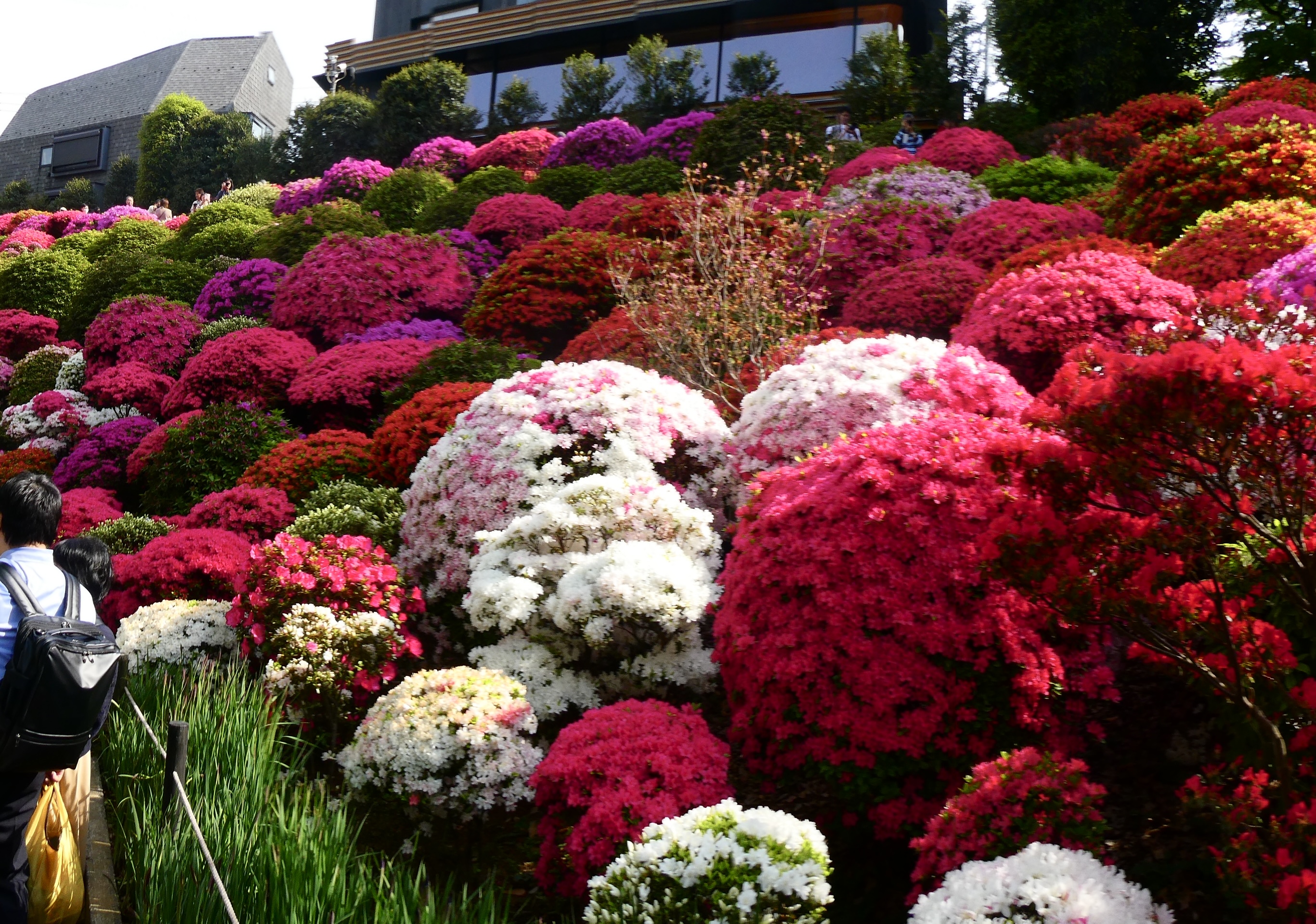

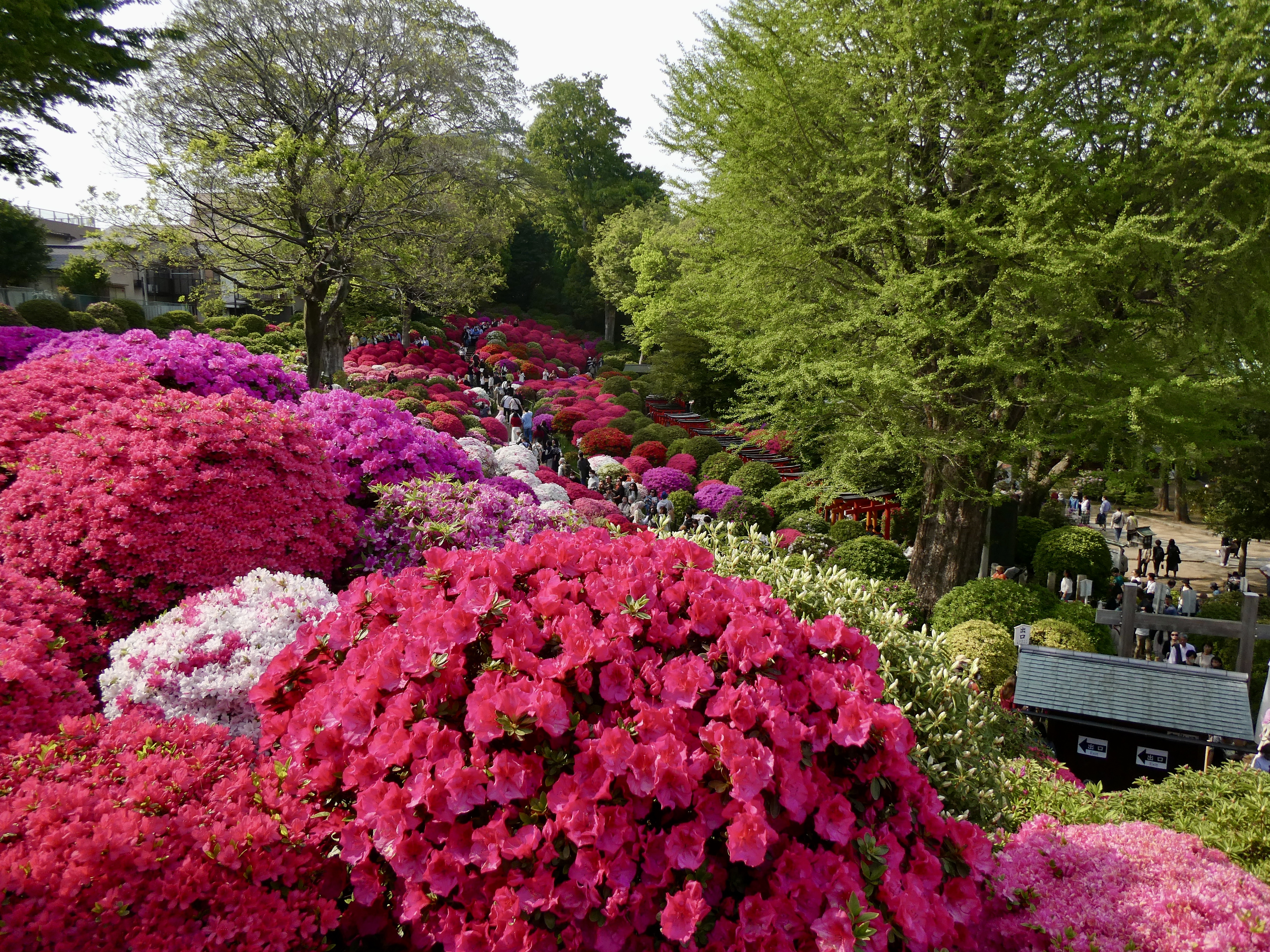
And while the shrine was indeed a beautiful work of art, the real star of the shrine was the azaleas. I had arrived in the middle of the shrine’s Azalea Festival. There are over 3,000 azalea plants comprised of more than 100 varieties covering the entire hillside garden, aka Tsutsuji-Yama or Azalea Mountain, adjacent to the temple. The hillside garden was a veritable sea of white, purple and multiple shades of pink azaleas in full bloom. (August National has nothing on this place). It was absolutely magnificent.

We paid 500 yen to walk the entire hillside path and it was entirely worth it despite the crowds. I have never seen anything like it. The azalea plants were completely covered in blooms with not a dropped bloom in sight. I had clearly arrived at the height of the festival.
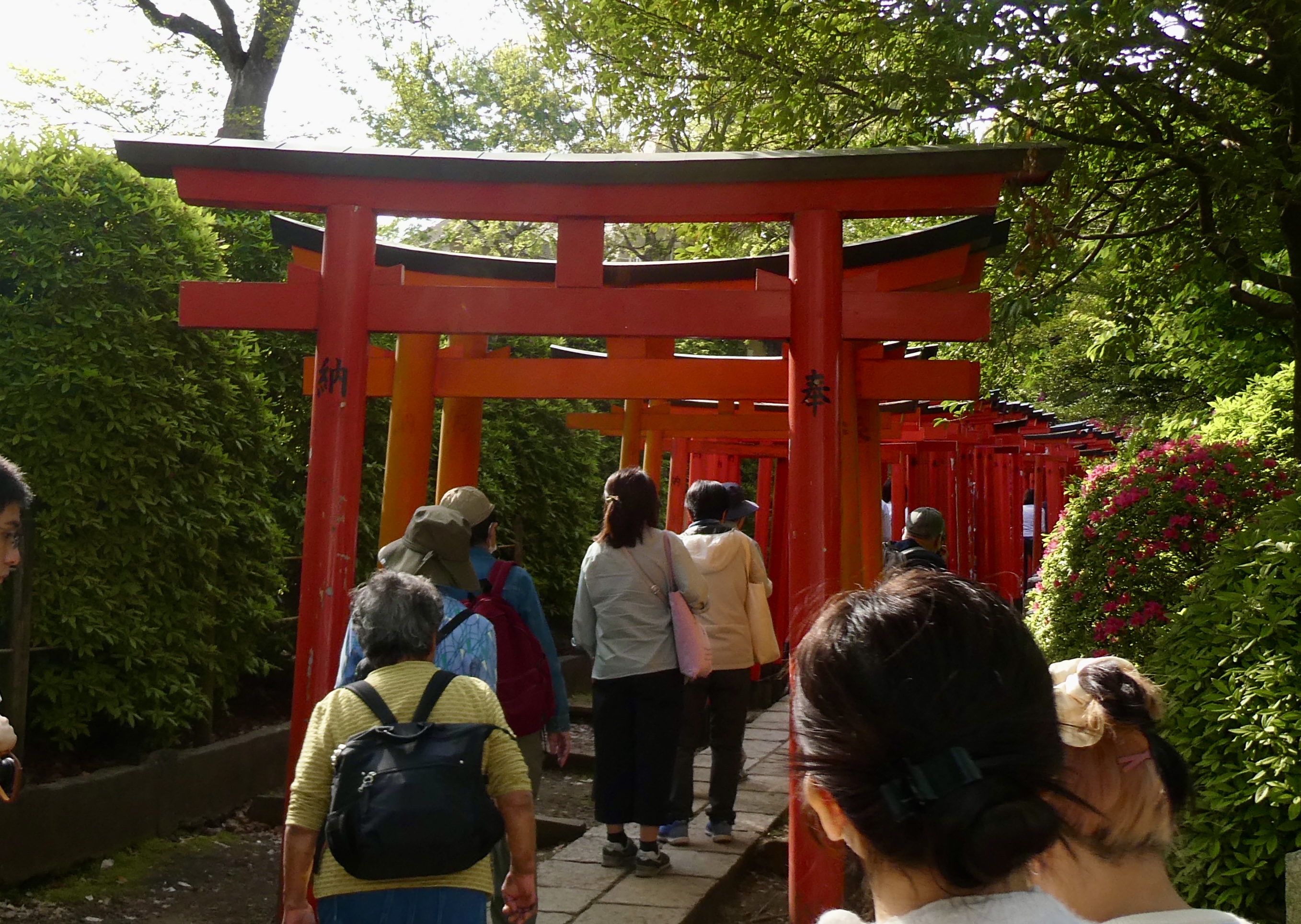
We ended up walking the entire route, before exiting to the left and walking through dozens and dozens of red Torii gates. I felt like I was back at Fushimi Inari (and that brought back the nightmare of that 3 ½ hour trek).
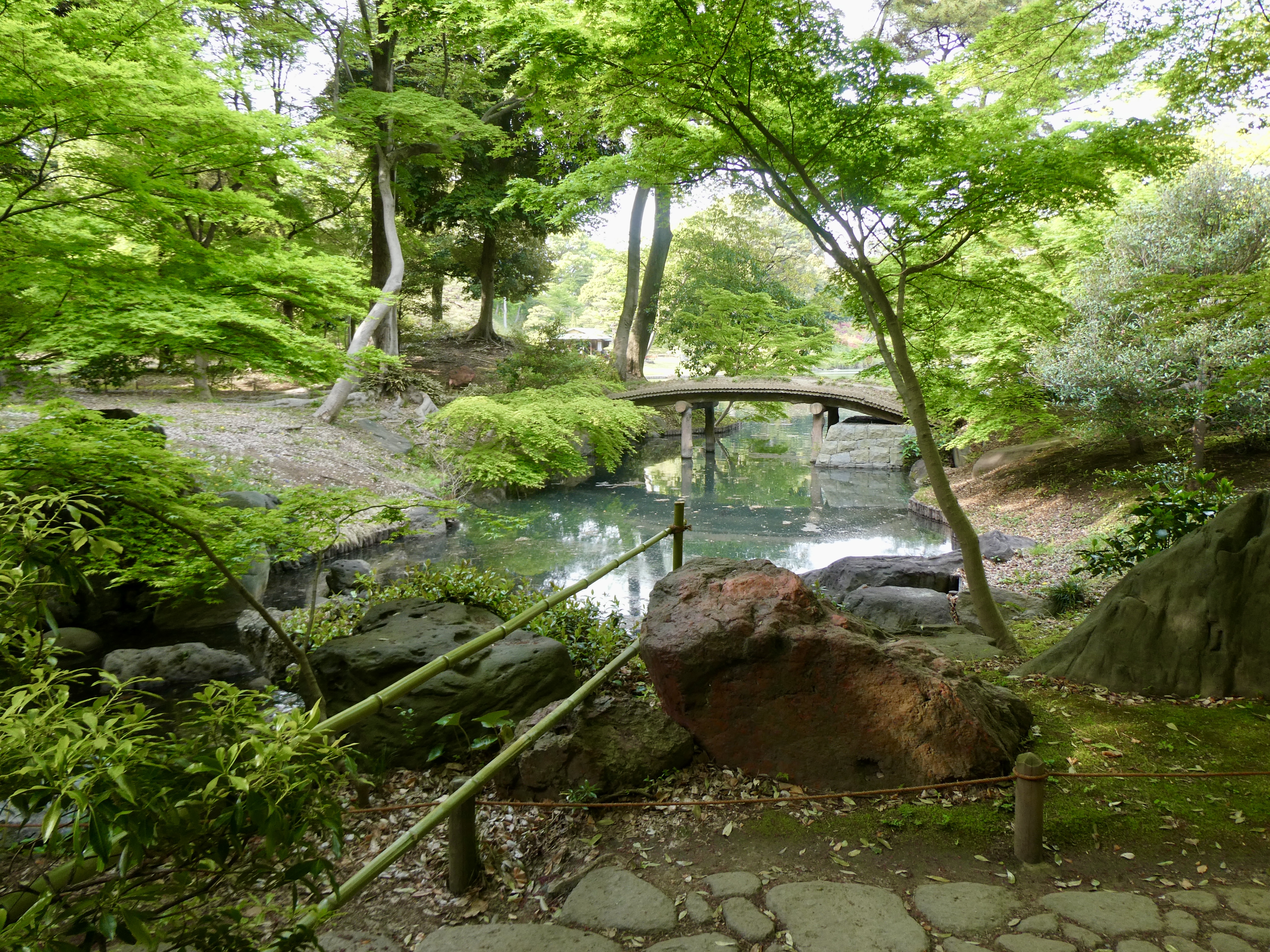
Once we passed through the Torri gates, we made a mad dash for the bus to the Rikugien Gardens, which are considered among Tokyo’s most beautiful Japanese gardens. The gardens were built at the beginning of the 18th century by the 5th Shogun and reproduces in miniature 88 scenes from famous poems. In fact, as we strolled through the gardens, we would periodically see markers that described in Japanese the reproduced scene. However, Hiroe was unsure what specific scene each marker represented.
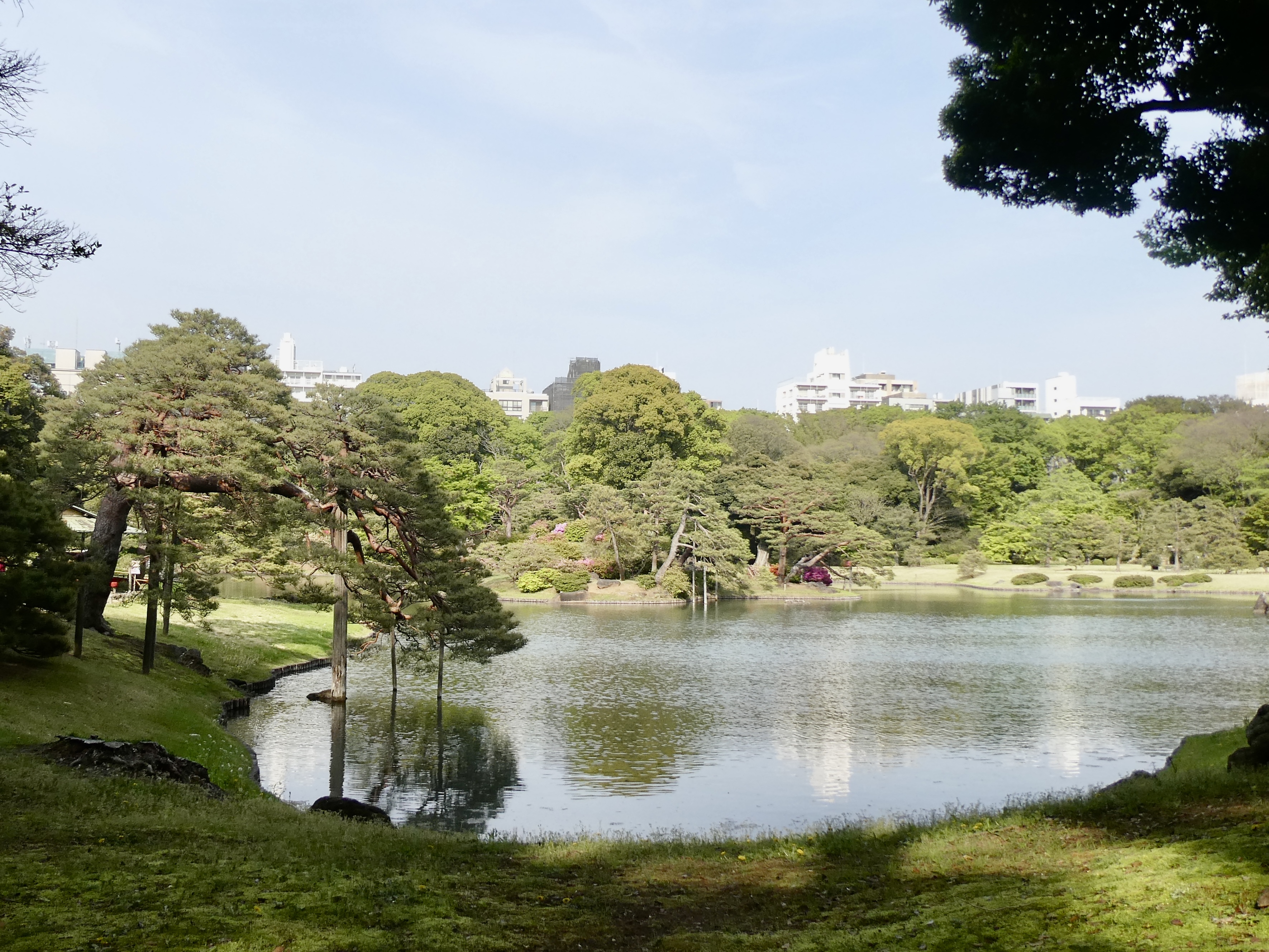
We ended up strolling around the large central pond with its magnificent leaning pine tree and climbing the stairs on the man-made hills to have a better view of the garden.
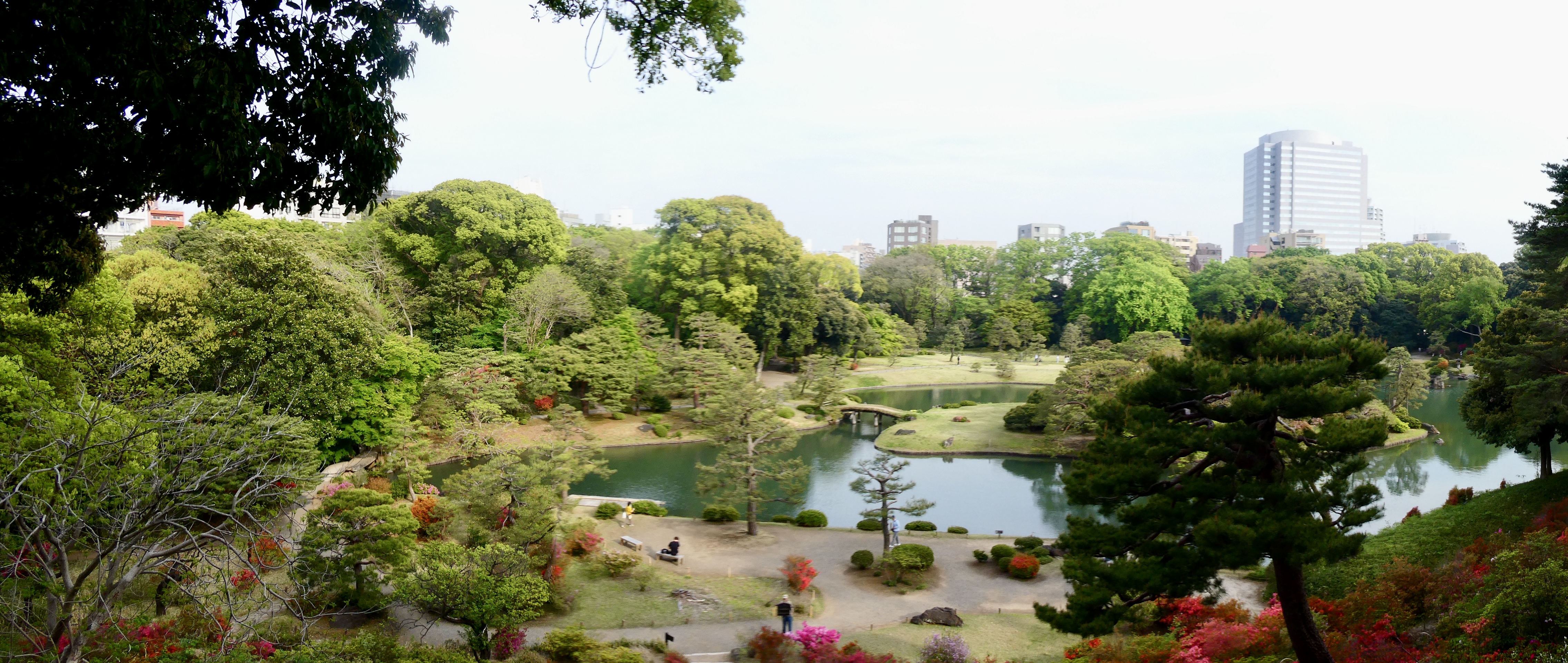
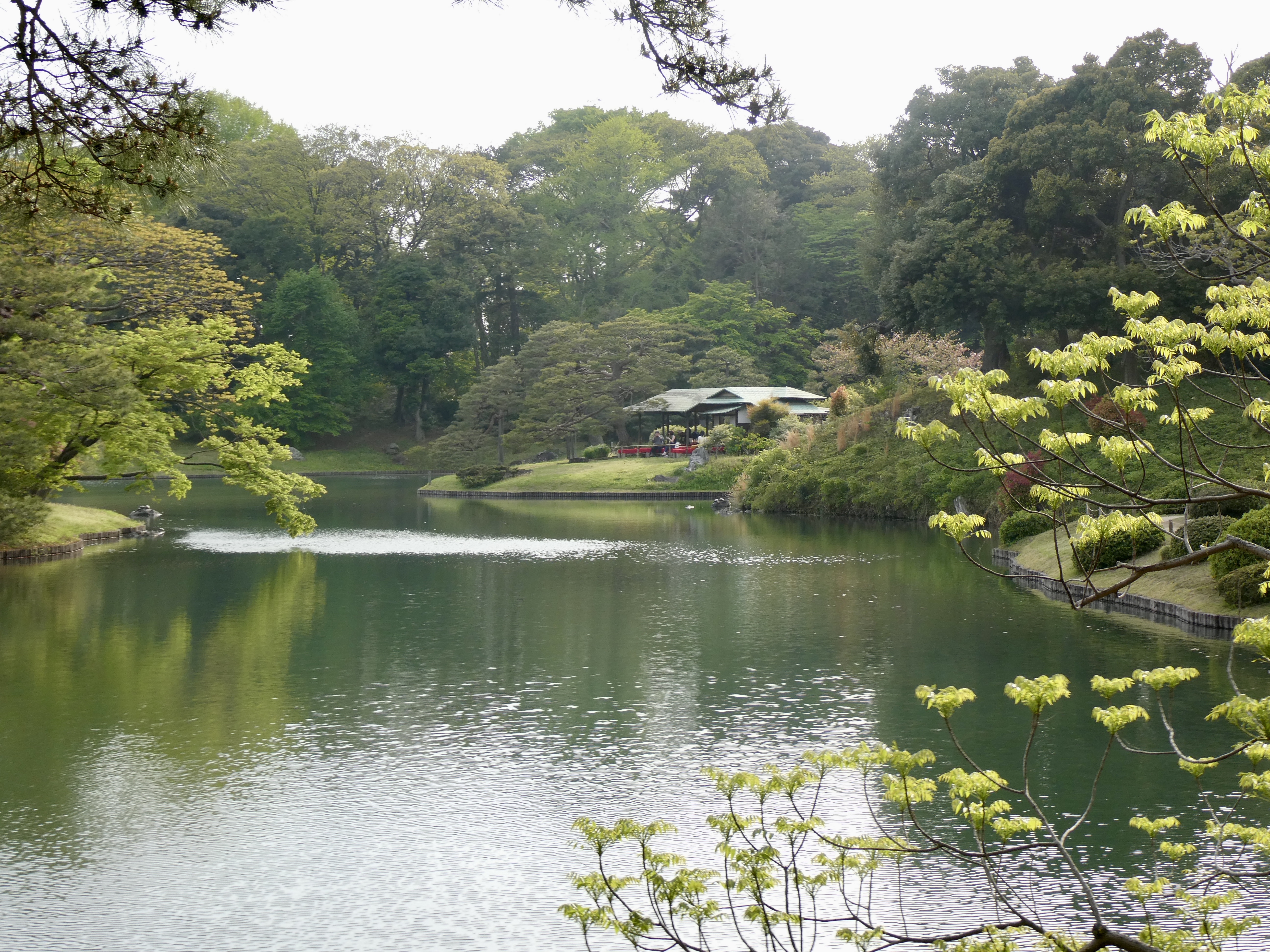
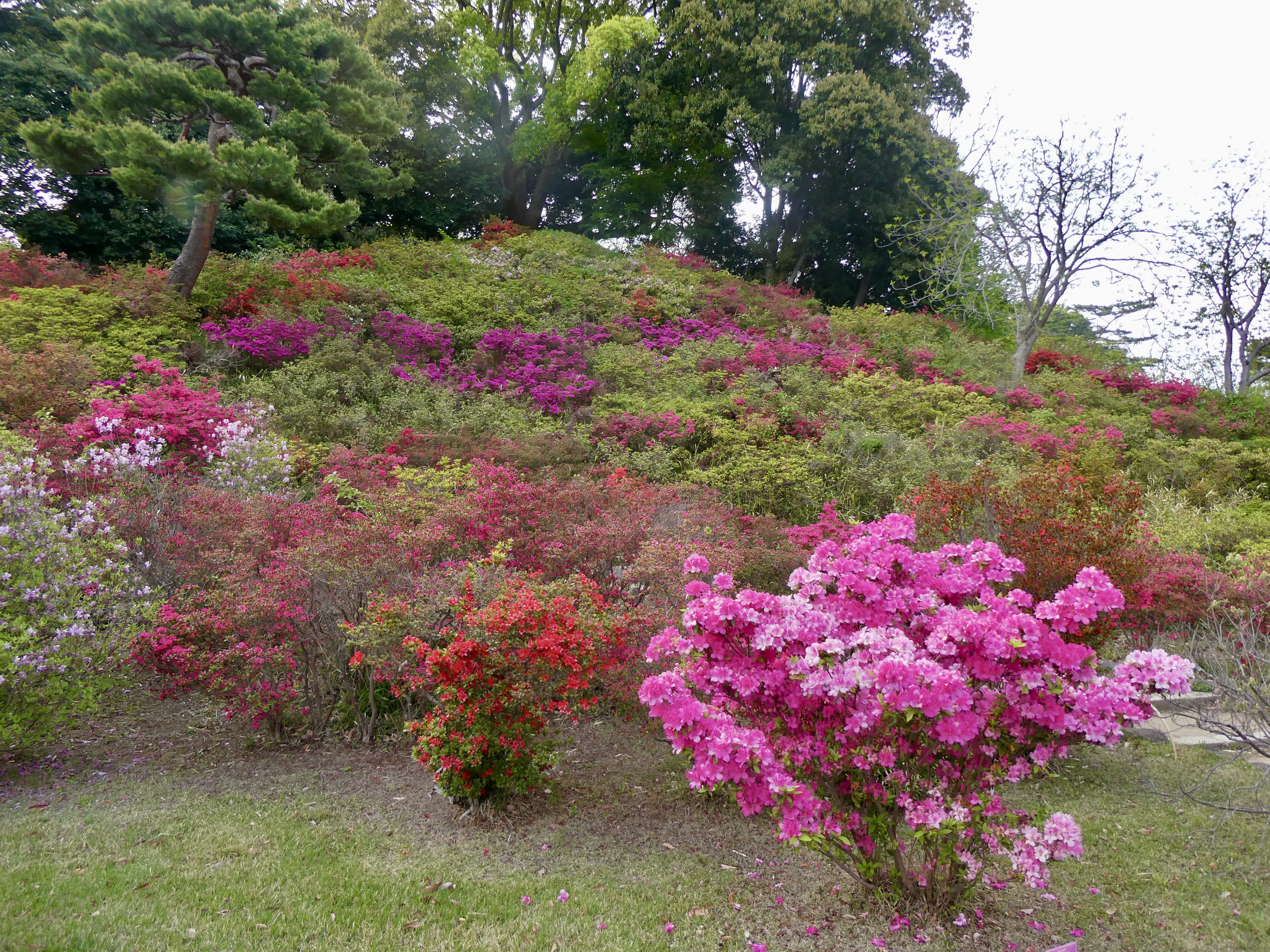
About half way through the walk, we took a break at one of the tea houses that dot the gardens, drank some matcha tea and enjoyed the scenery. Now the one downside to visiting the gardens after the spectacular azalea show at Nezu-Jinga Shrine is that the azaleas blooming at Rikugien Gardens looked a little sad. Don’t get me wrong, they were pretty, just not in the same league as what we had just viewed.
Anyway, after spending about an hour at the gardens, we walked down the street and took the JR train to the Shibuya station to see, what else, the Shibuya Crossing.

Now this crossing is world famous and has been called the busiest pedestrian crossing in the world with as many as 3,000 people crossing from a variety of directions on the green light every 2 minutes. And nearby is the famous bronze statute of the Akita dog, Hachiko. Hachiko’s owner, Hidesaburo Ueno died while at work and never returned home. For 9 years, Hachiko would return to Shibuya Station waiting every day for his owner to return. After the dog died, the locals erected a statute to commemorate Hachiko’s loyalty and faithfulness. The present statute dates to 1948 when it was rebuilt after the war.

So once we exited from Shibuya Station, I took a quick left to grab a picture with Hachiko before reversing course and moving to one of the multiple crossing points for the Shibuya Crossing and once the light turned green it was pandemonium. People were crossing from all directions and if you dawdled trying to take a picture or something as your crossed and the light turned red, the drivers behind the cars immediately proceeded with no waiting for pedestrians. It was a free for all.
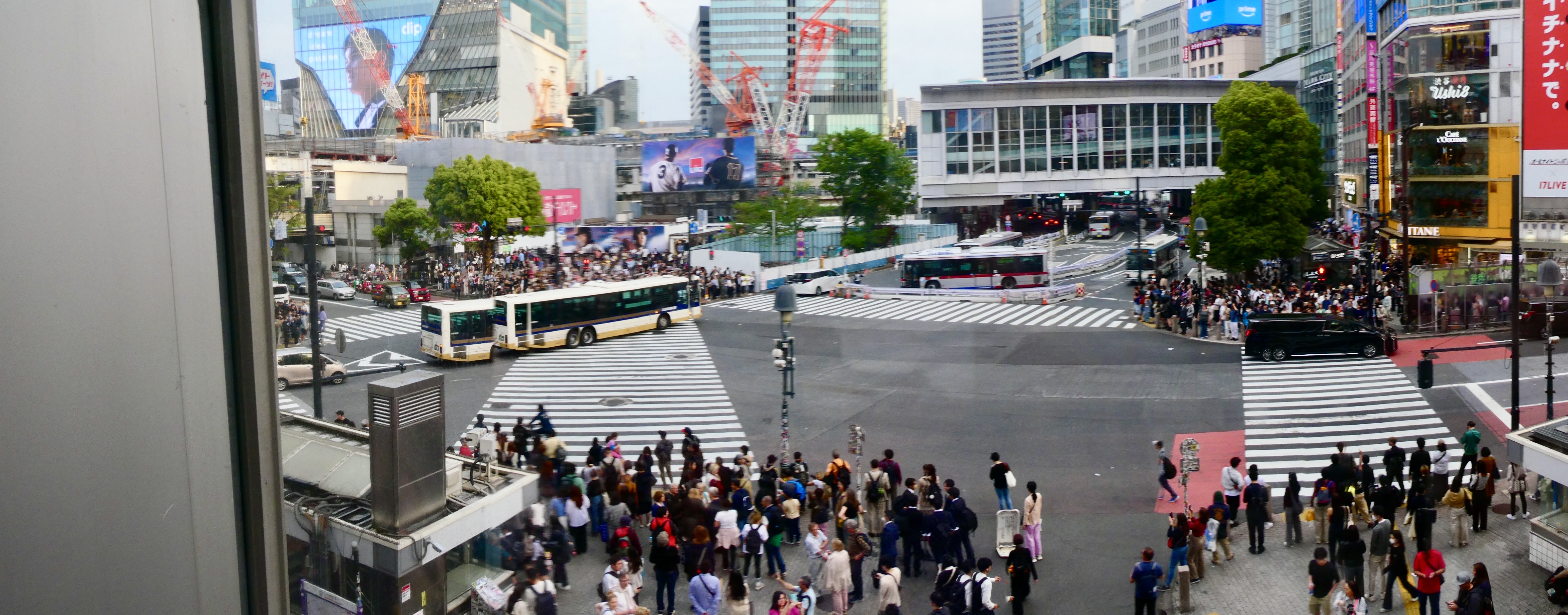
And after we reached the other side, we took the escalator to the second floor Starbucks, which overlooks the crossing, and I managed to score a fabulous video and a couple nice pictures. The whole thing was a riot.
So by now it was just after 5:00 and time for Hiroe to leave me and time for me to head back to my hotel. However, Hiroe would have none of it. She insisted on escorting me all the way back to the Tokyo Station. And thank goodness she did. While I would have been fine getting back to the station, finding my way out of the station was another story.
Anyway, tomorrow I am in for a long 6 hour tour day with the Imperial Palace, a temple and a shrine and a walk through Ginza.