Today I finally visited the Royal Palace of Madrid, which is technically the official residence of the Spanish royal family, but today the palace is only used for state ceremonies. Now this palace is enormous. In fact, it is the largest palace in Europe measuring 1,450,000 sq ft with 3,418 room. And no, I was not visiting all 3,418 rooms. There are only 29 rooms open to the public.
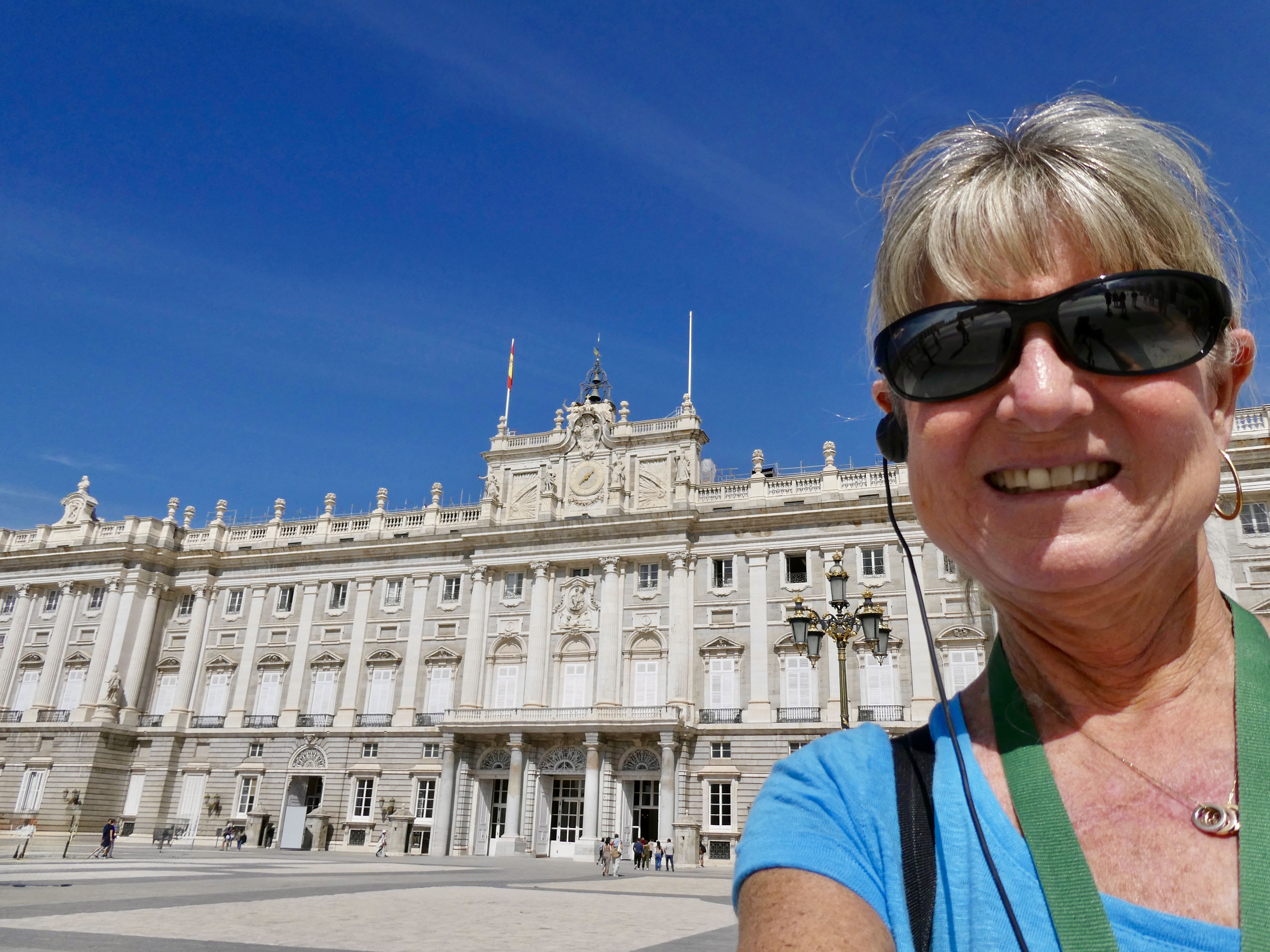
Now the Spanish palace is one of the newer palaces in Europe having been constructed during the years 1738 to 1755. The first king to reside in the palace was Charles III despite the fact his father, Charles II, actually commissioned the construction. (Charles II died before the palace was finished.)
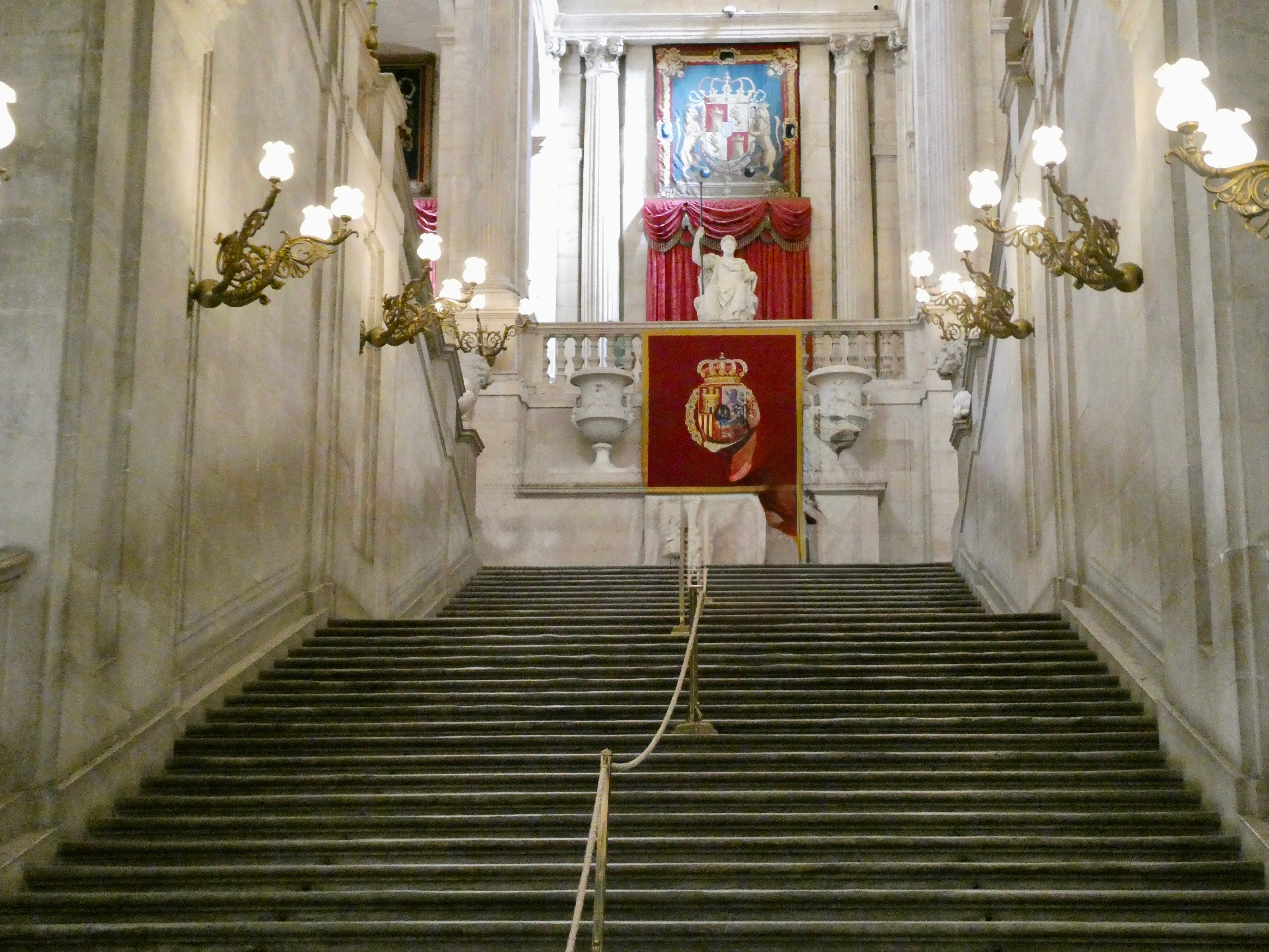
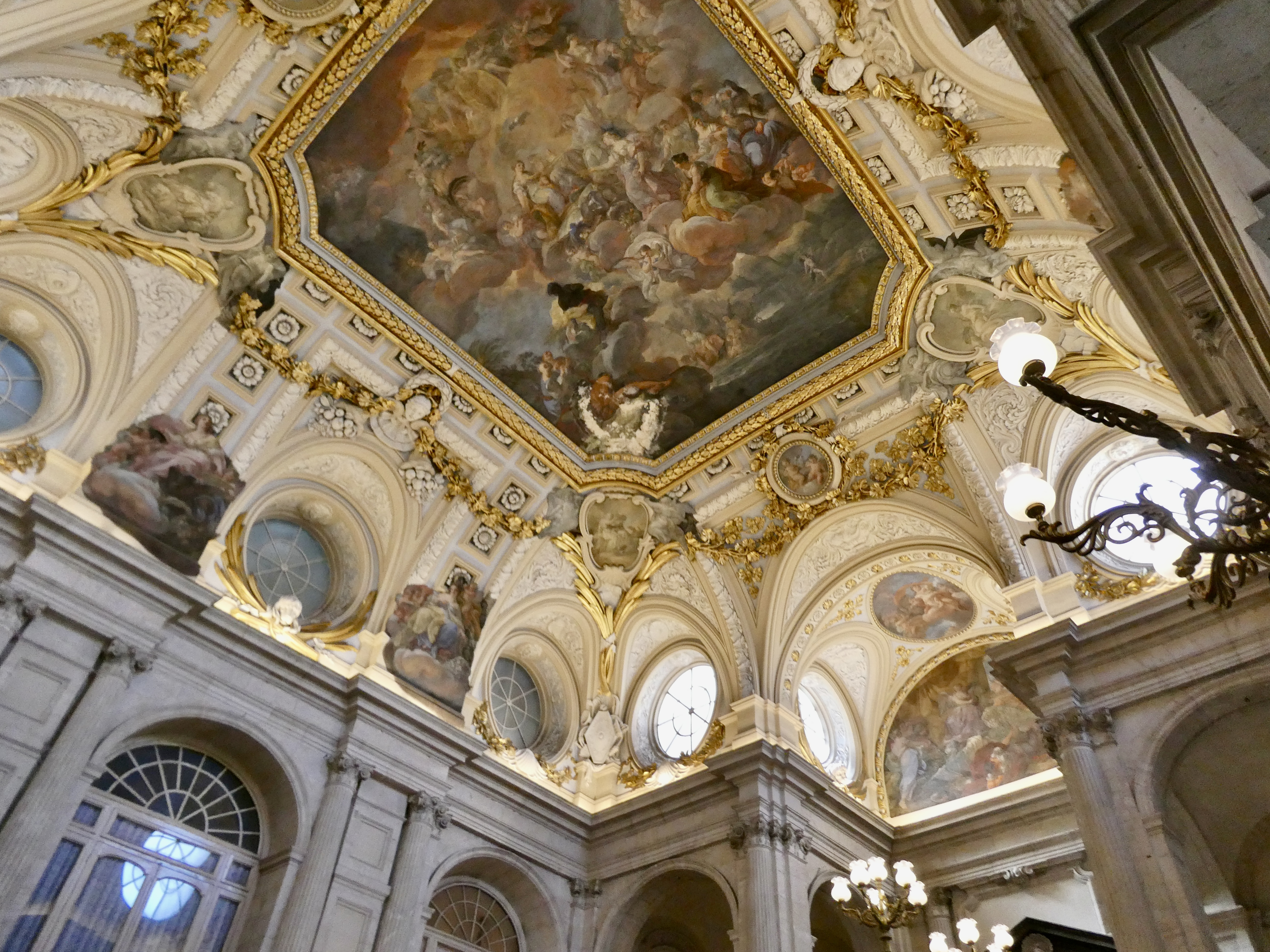
So I met my guide, Miguel, along with 9 other folks for a walking tour through the palace. We entered through the front of the palace gates and from the ground floor we walked up the Grand Staircase, which has about 70 steps. Part way up the climb, we stopped and took in the absolutely magnificent Baroque fresco overhead titled “Allegories of the Virtues”.
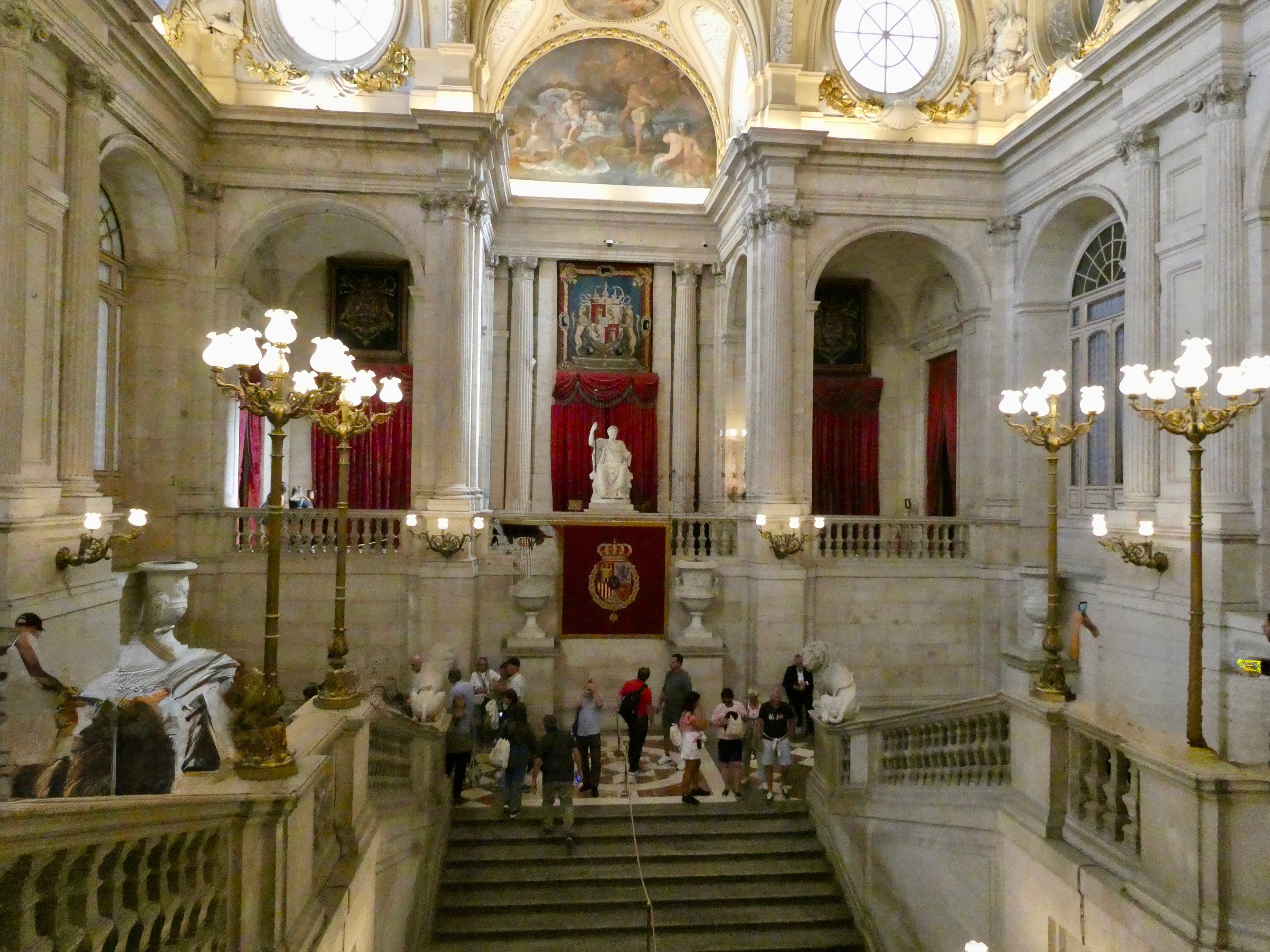
Once we reached the top of the staircase, we were able to take a good look across to the Camon, an enclosed balcony with a fantastic view over the grand staircase.
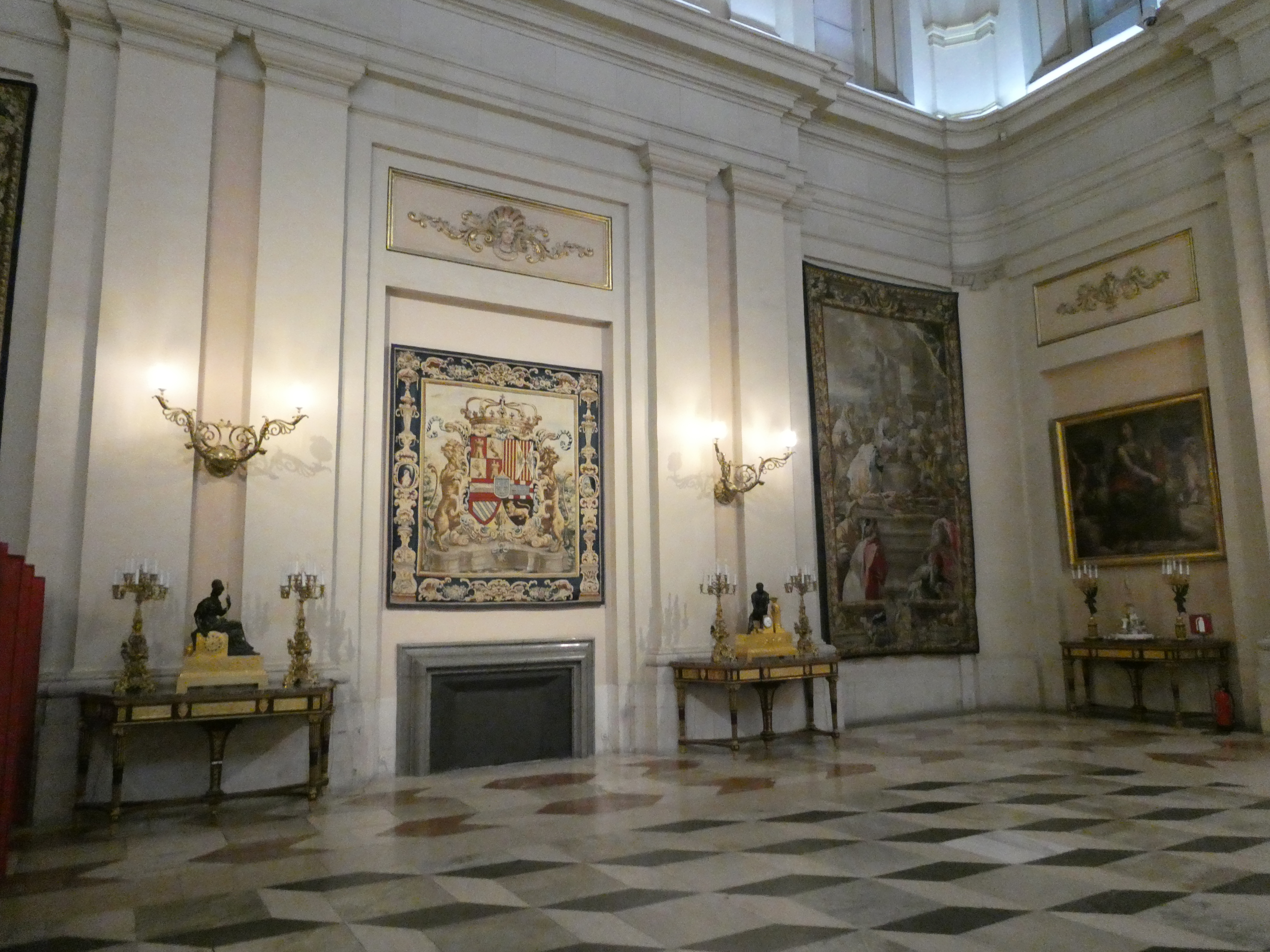
We then moved into the rooms of the palace. First up was the Halberdier’s Hall, which was originally occupied by the guards who looked after the Royal Family and used for that purpose until the 20th century. Quite frankly, the room was pretty barren.
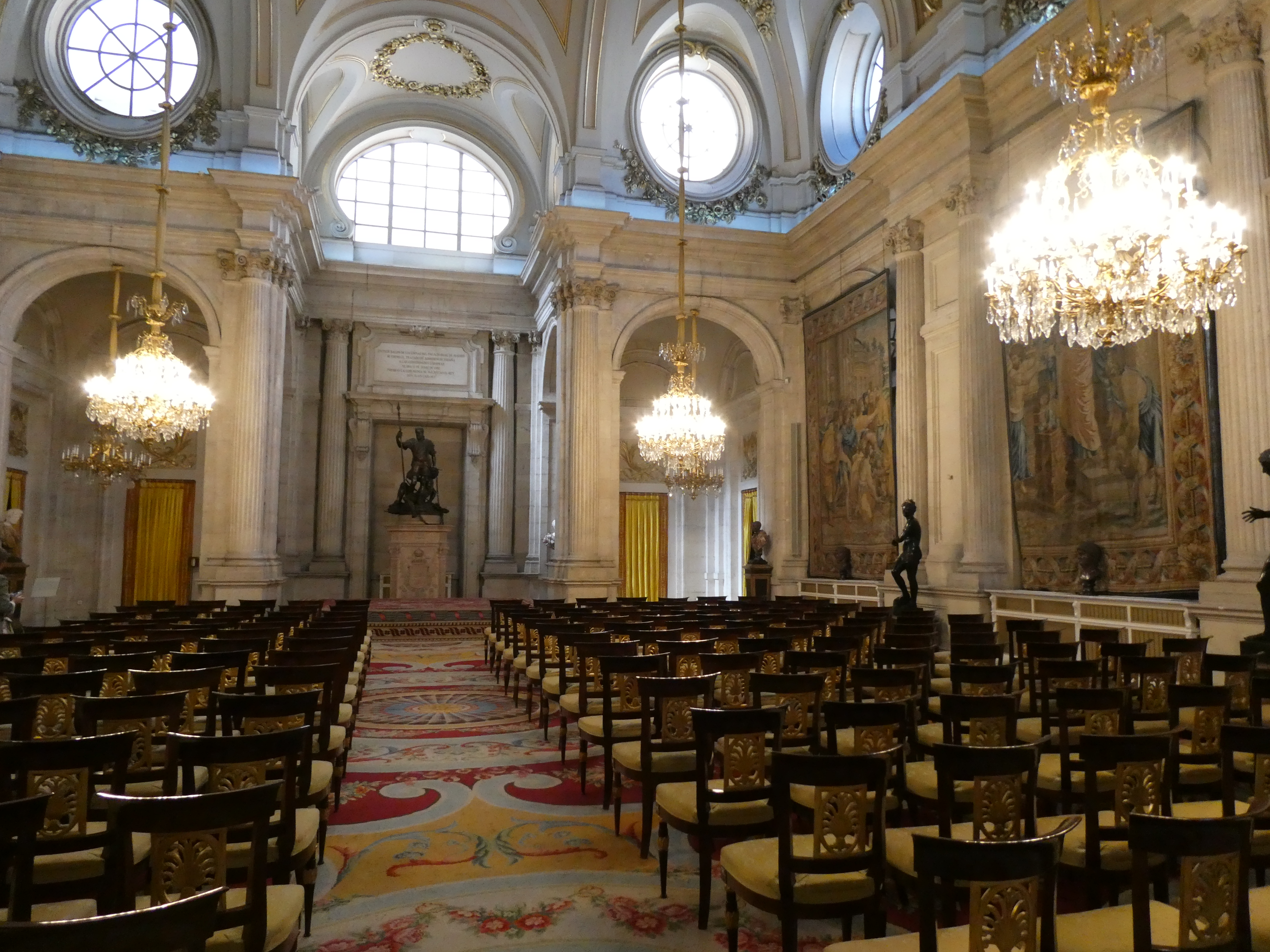
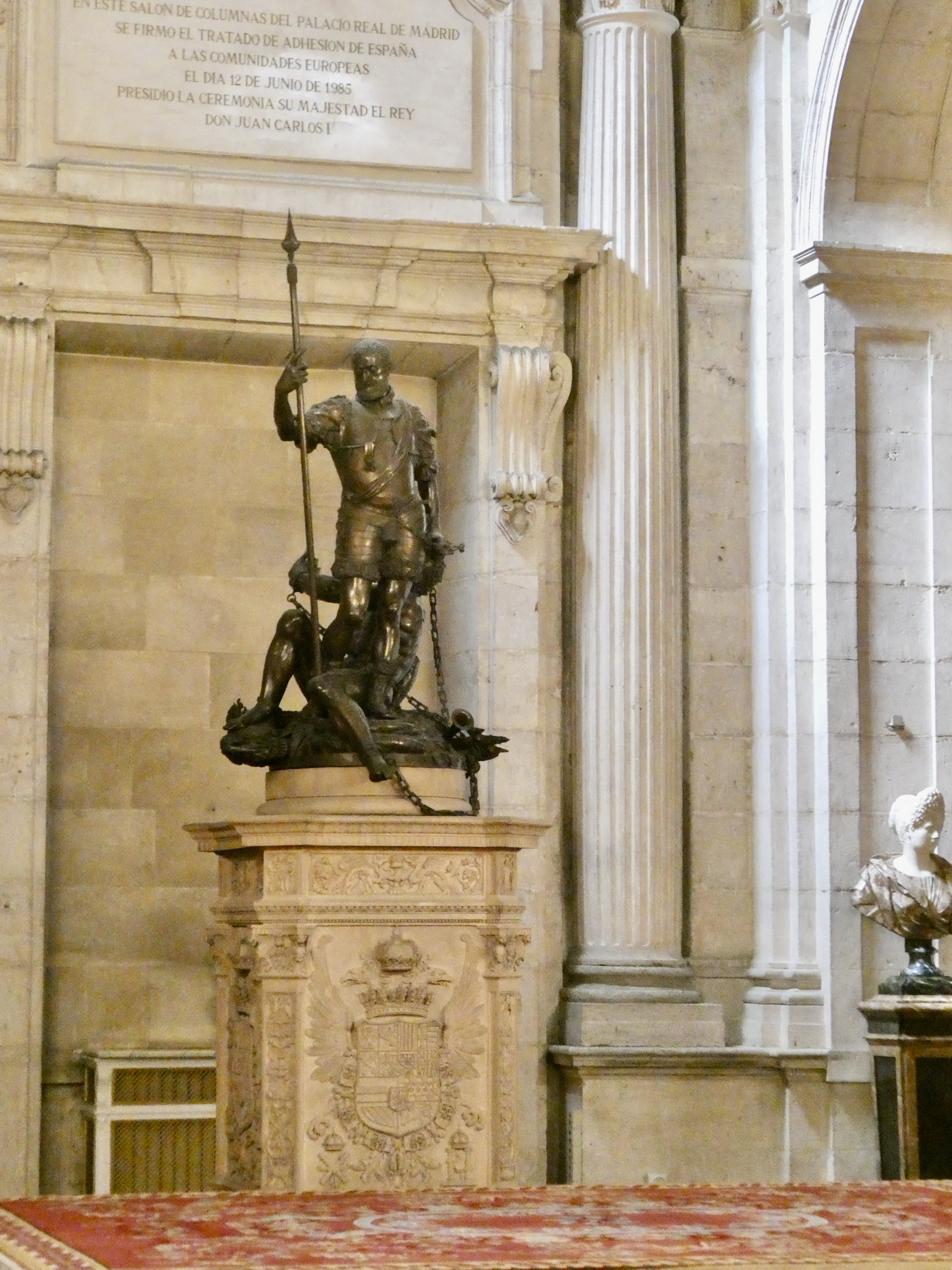
Next up was the Hall of Columns, which had at one time been used as a banquet hall. Today, the hall is used for small concerts (as in the Stradivarius concert held yesterday that preempted my tour). The hall was filled with tapestries and includes a copy of the sculpture Charles V Subduing Fury (the original is in the nearby Prado museum). And fun fact. Franco lay in state in this room after he died.

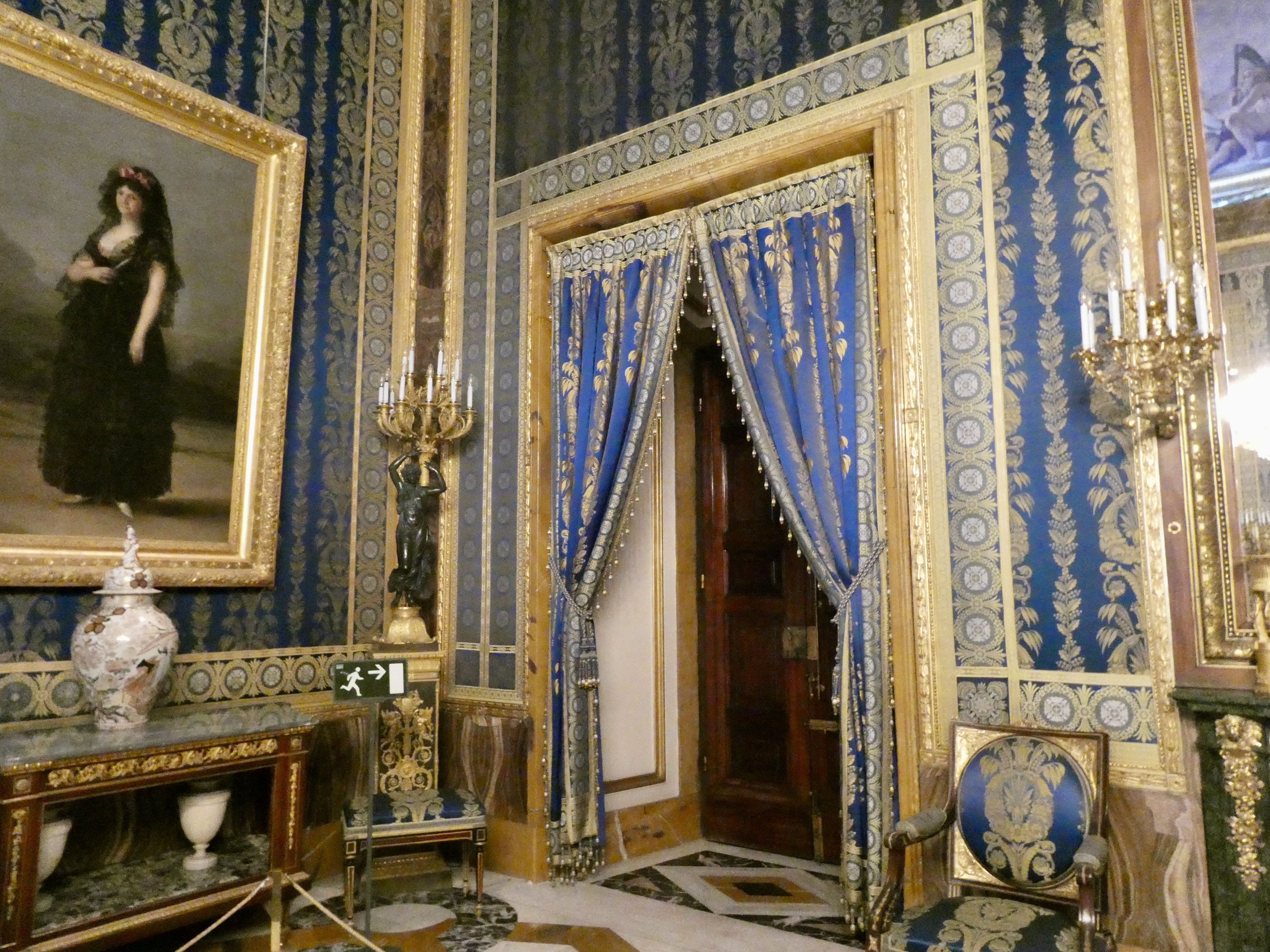
The next four rooms were the Apartments of Charles III and included the Anteroom and the Antechamber. The Anteroom was used by the King for luncheons and meeting guests while the Antechamber was the room where staff waited to assist the King and adjoined the magnificent Gasparini Room.
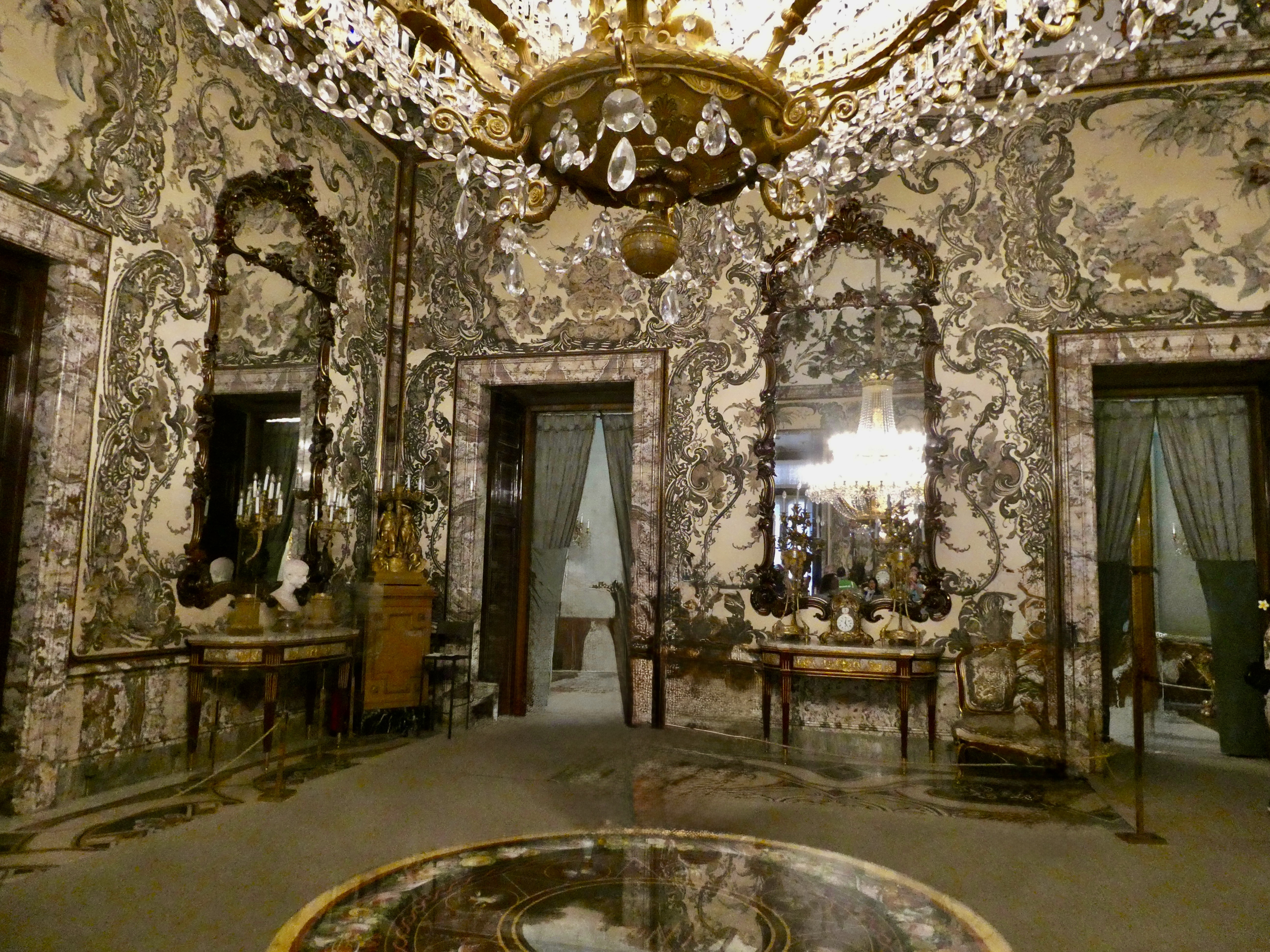
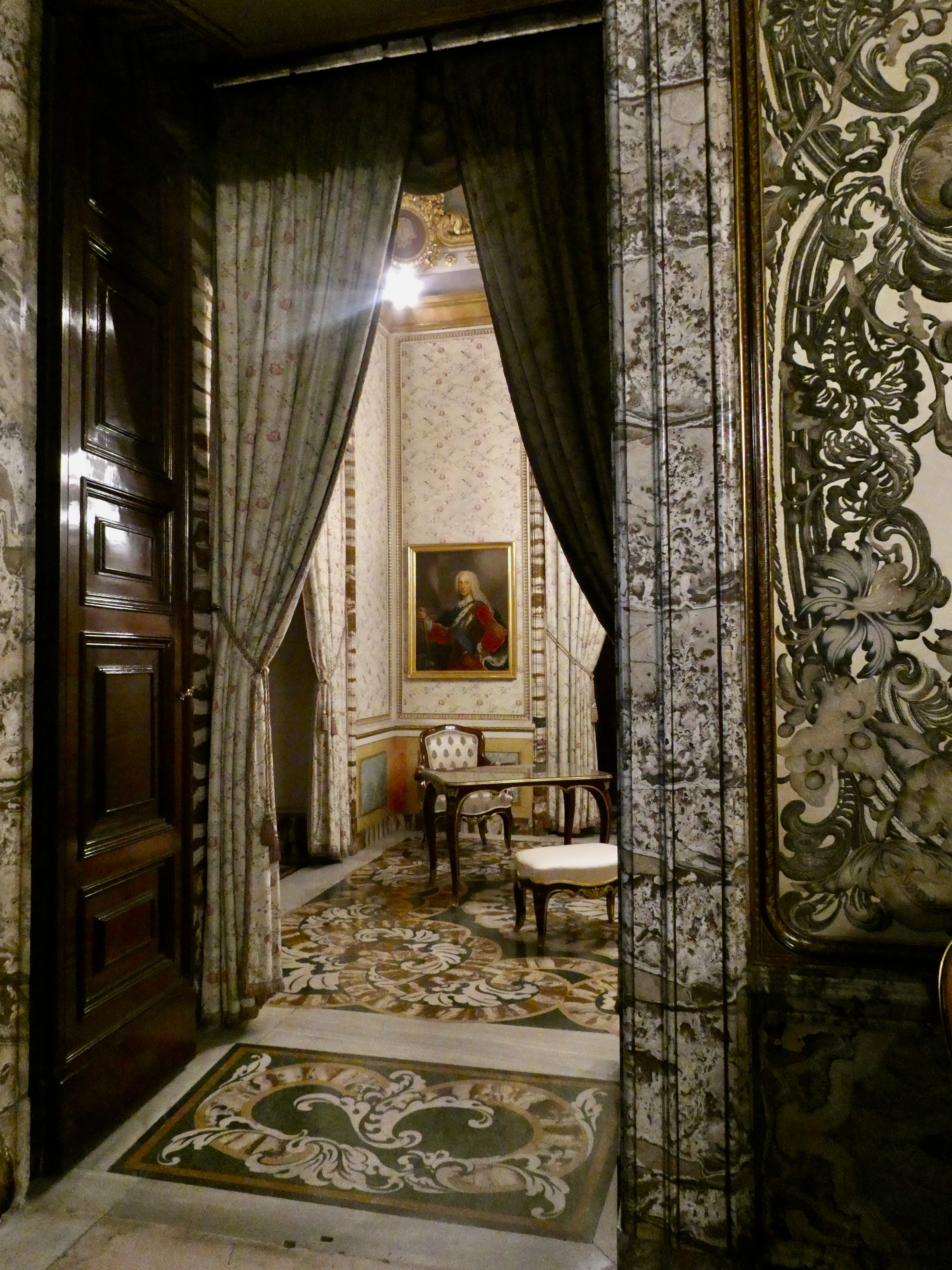
Now the Gasparini room was the King’s dressing room. The room was sumptuous with embroidered silver threaded tapestries covering the walls, magnificent ceilings and gorgeous hand carved wooden furniture. Even the fireplace matched the embroidered walls! This room oozed royalty.
And just off the Gasparini Room was the Charles III Fine Wood Room, a room where the King allegedly conducted royal businesss. Now this room was only recently opened to the public and Miguel suggested the reason the room was opened to the public was to show that royals actually work (although in Miguel’s opinion they do not …).

From here, we moved into the Charles III Grand Salon, which was the King’s bedroom as evidenced by the crown atop the huge chandelier. There was no bed in the room and is now decorated as a sitting room. There was a magnificent fresco on the ceiling showing religious scenes. And another fun fact. Charles III died in his bed in this room.
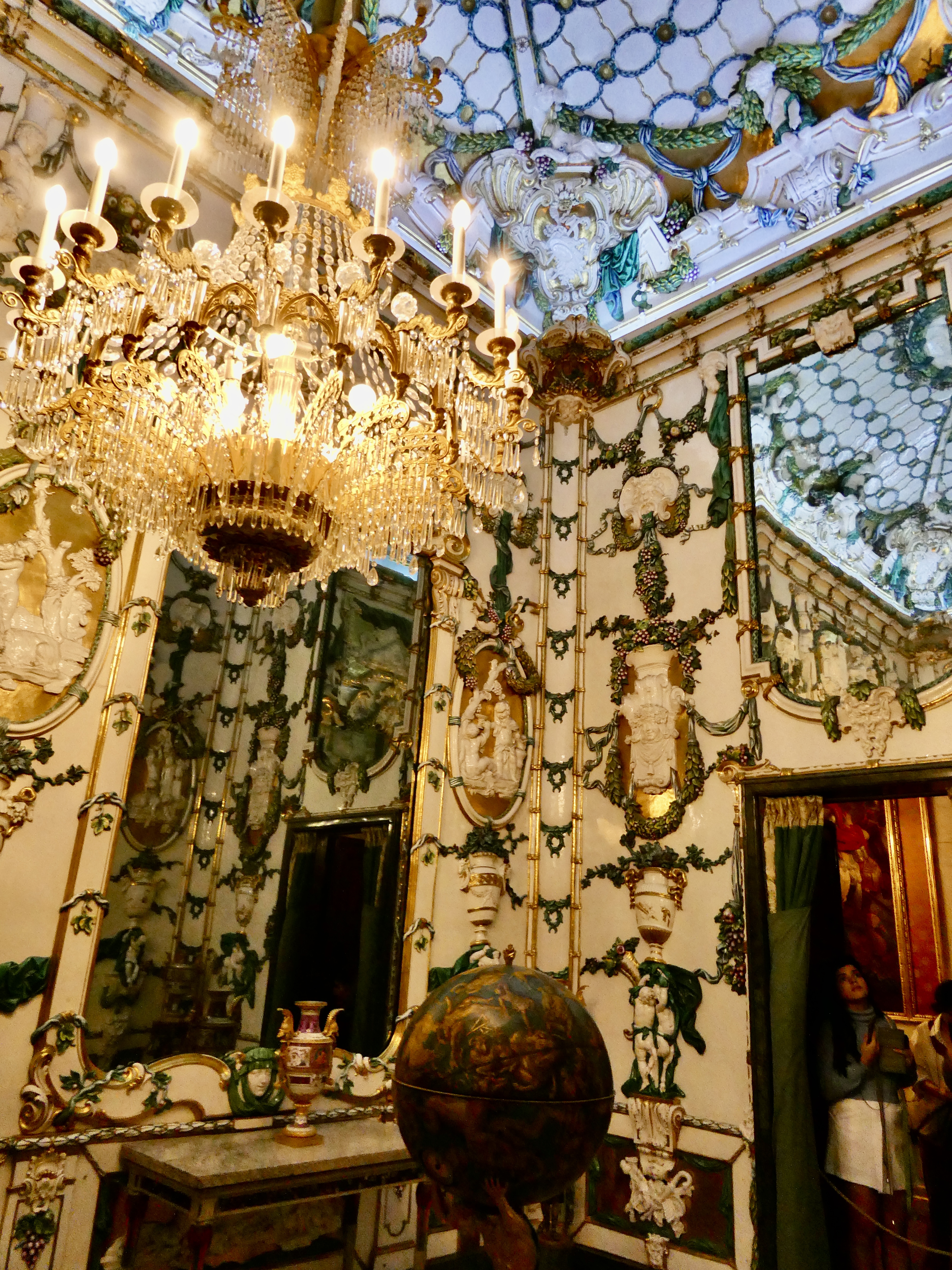
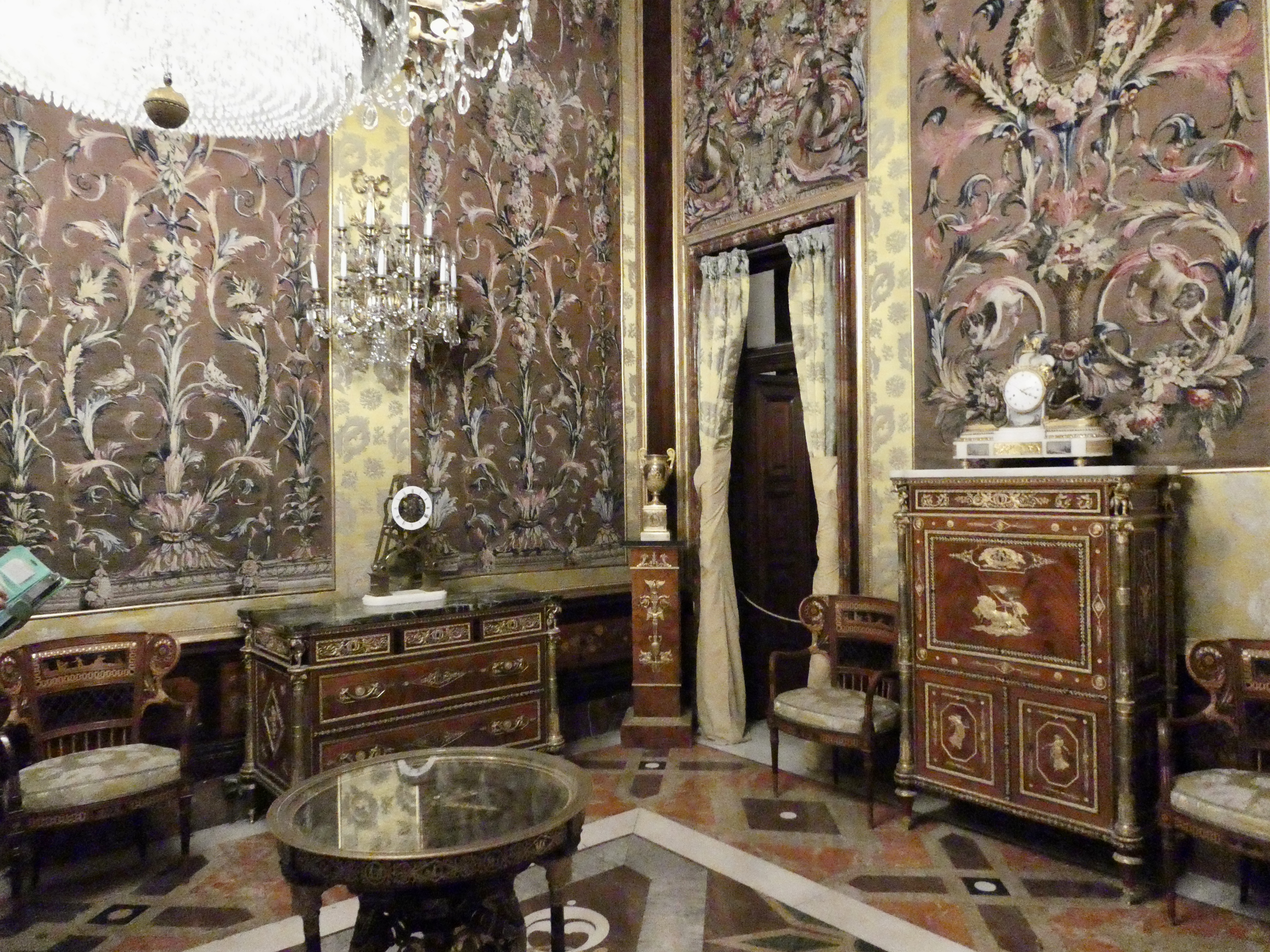
We then moved on to two small rooms, the Porcelain Room so named because of the green, white and gold porcelain vines, garlands and cherubs throughout the room, which carried over to the ceiling. And in the center of the room was a globe on the shoulders of Atlas. Men apparently smoked in this room while in the adjacent Clock Room aka Yellow Room was the room where the ladies socialized.
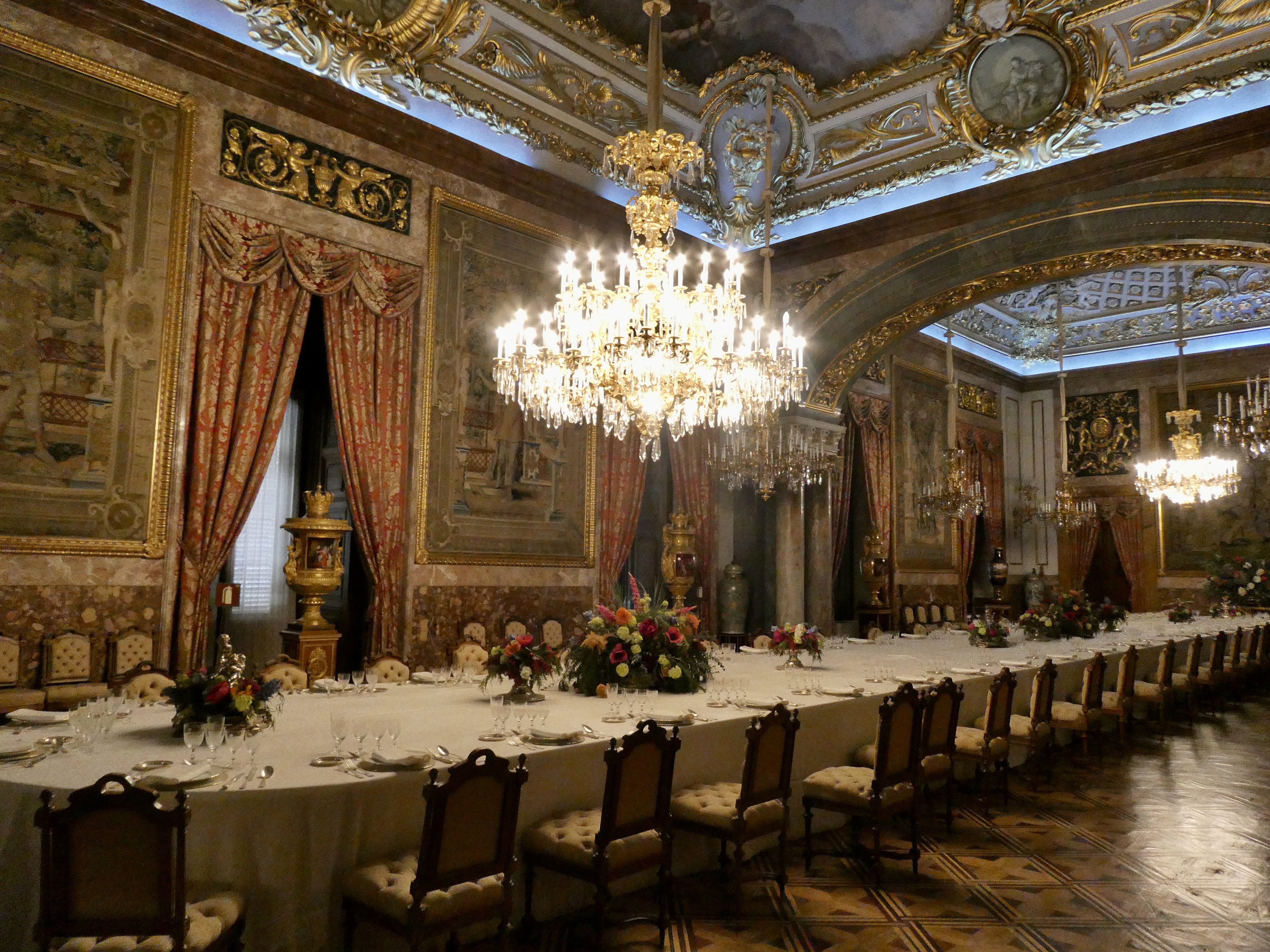
Now the next room was probably my favourite room, the Banqueting Hall, which is used to this day for state dinners. At one time, the room was part of the Queen’s apartments, but in 1879, the room was used to hold a banquet to celebrate the King’s wedding. The enormous table in the center of the room was set for a banquet and all around the room were gorgeous red and gold tapestries, flowers and chandeliers and the ceiling was painted with warm coloured frescos.
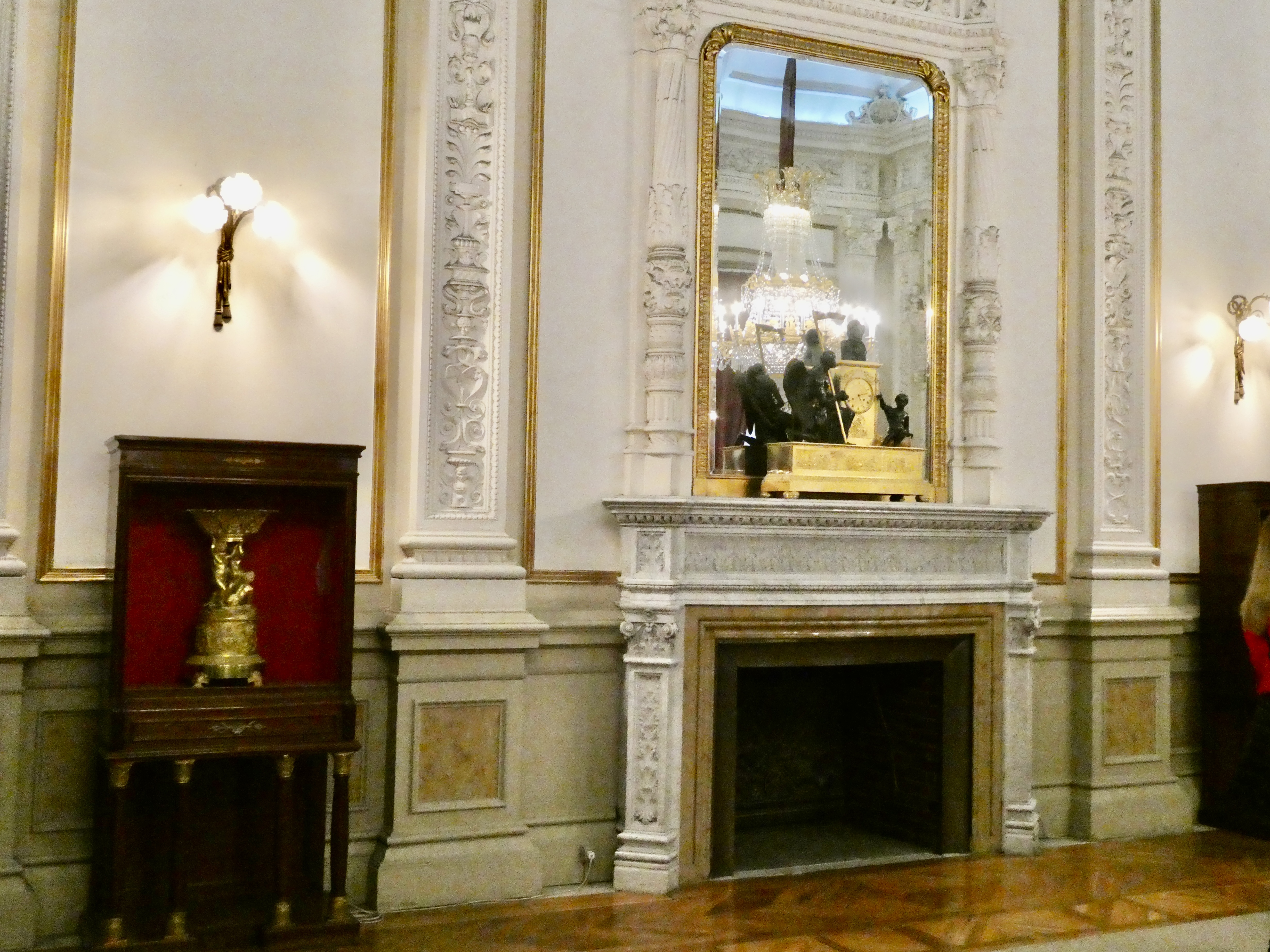
We then moved into Cinema Room aka Band Room where the Royal Family watched films and the Royal Guard Band of Musicians entertained. Quite frankly, this was a pretty bland room.
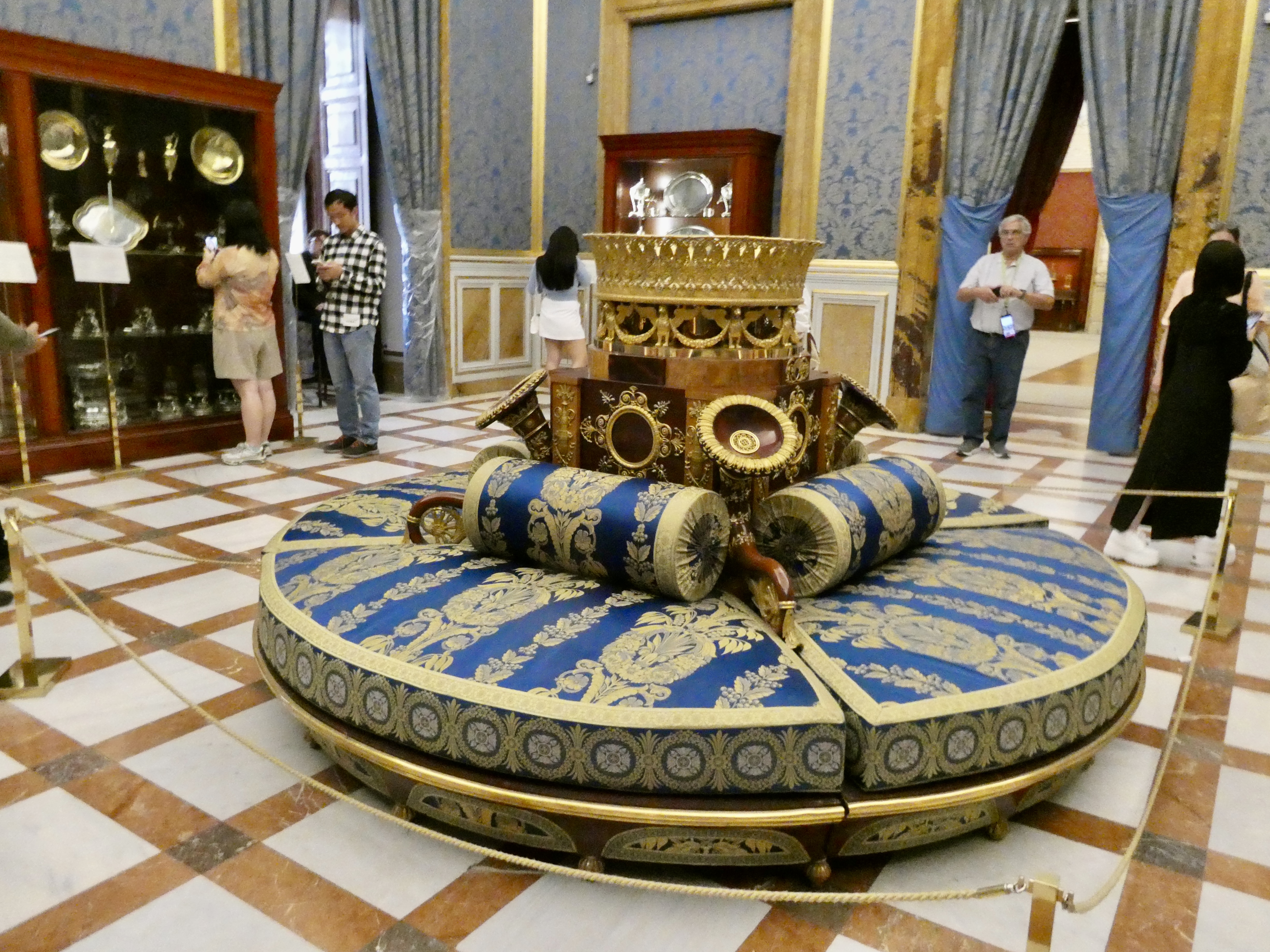
The next two rooms were dedicated to ornamental items. The first room, the Silver Room, contained all things silver. I was not really interested in this room, but I did like the ornamental round sofa in the middle of the room.
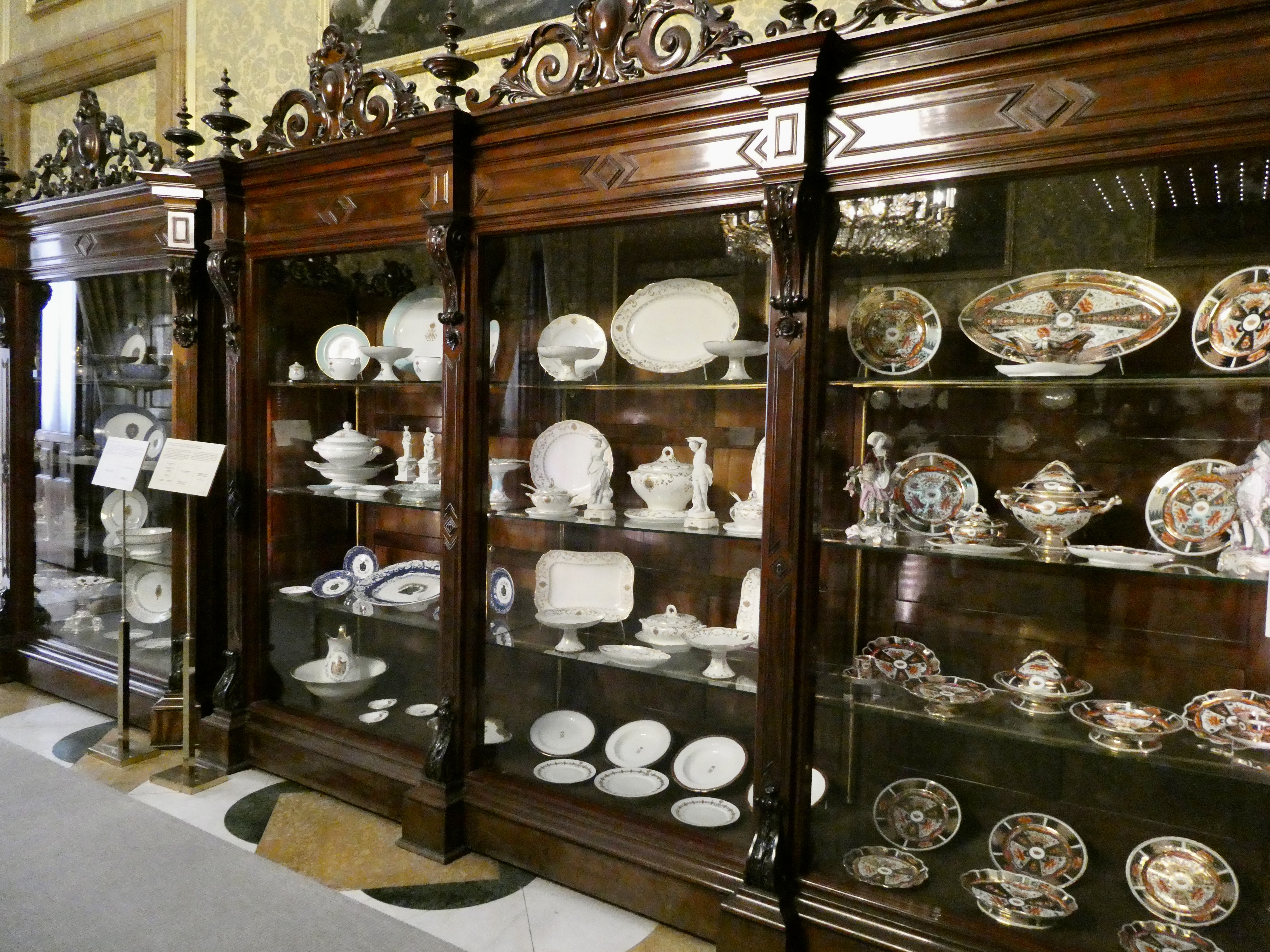
The second room was the China Room where various china dinner service sets were on display in the cabinetry. These service sets are used for state dinners.
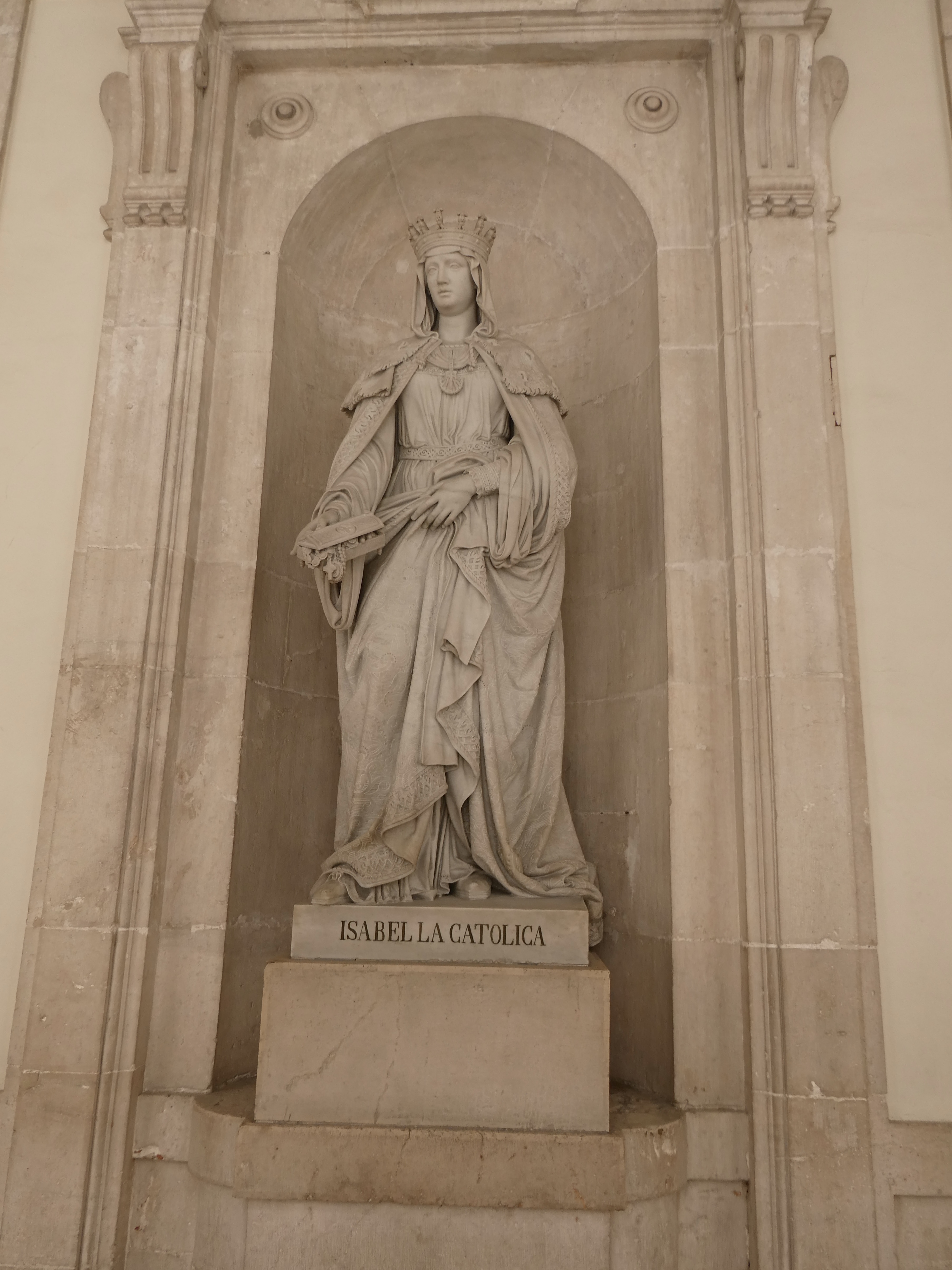
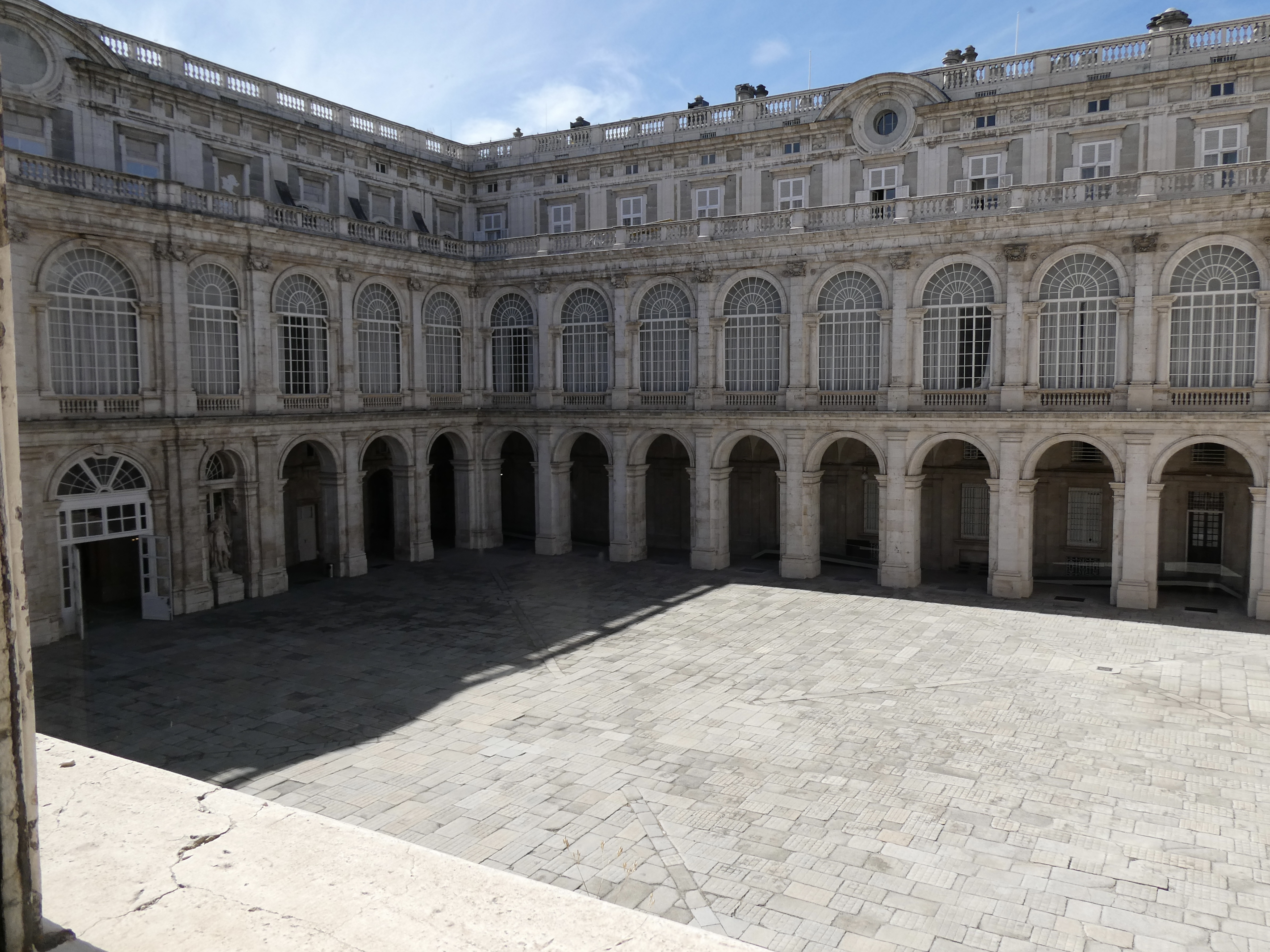
We then moved down a long hallway past a statute of Queen Isabella and a courtyard on the right which was the location for the wedding celebration of the marriage of the present King of Spain. The courtyard was pretty austere, but what was really sad was that it poured rain all day during the celebration.
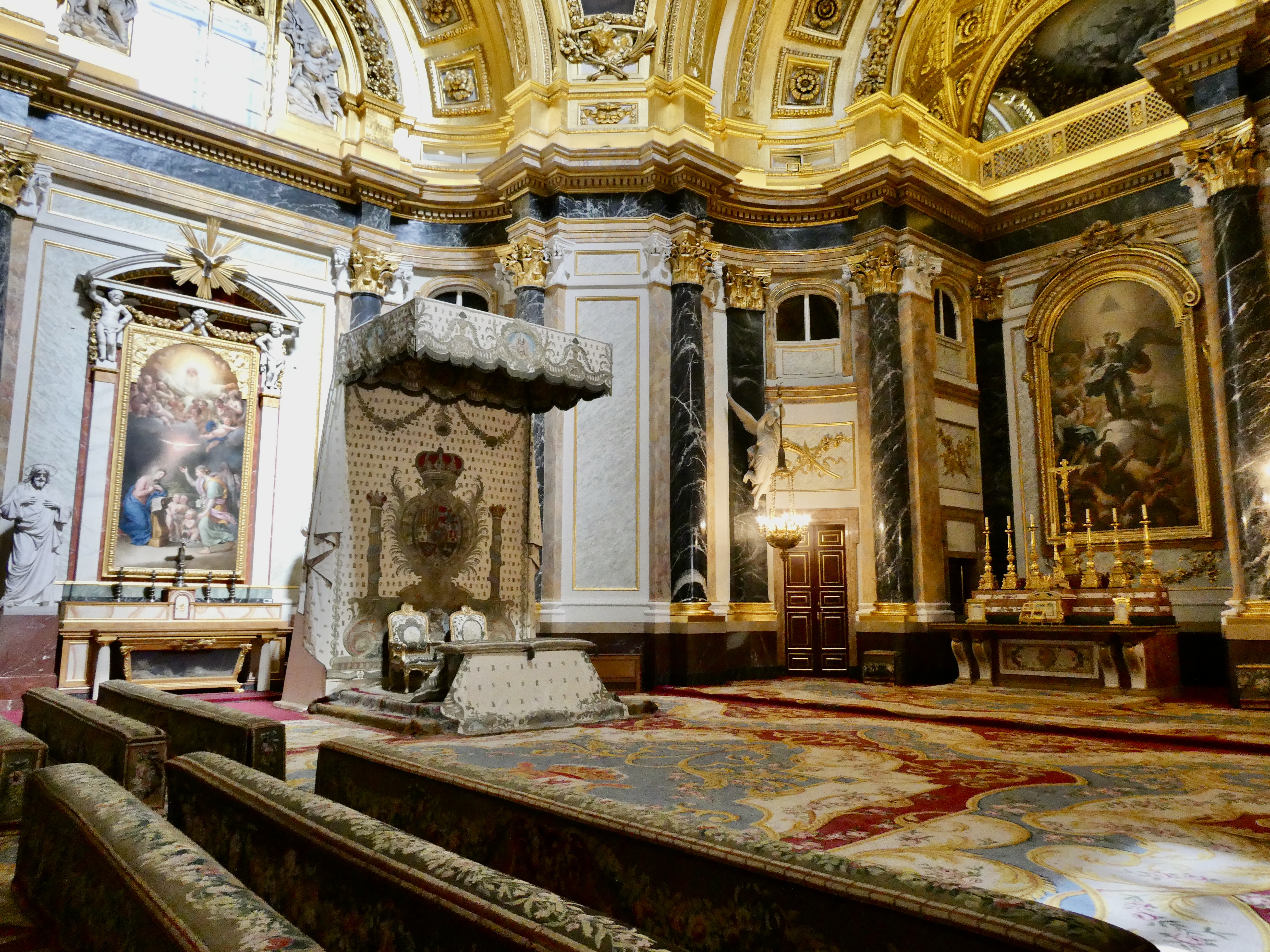
About halfway down the hall we turned into one of the most important rooms in the palace, the Royal Chapel. The Royal Chapel was completed in 1757. There were two thrones in the room for the King and Queen and the domed ceiling contained, what else, a fresco. When the palace was occupied by the Royal Family, religious services were held every day. Today, when a royal passes, the royal lies in state in the Chapel.
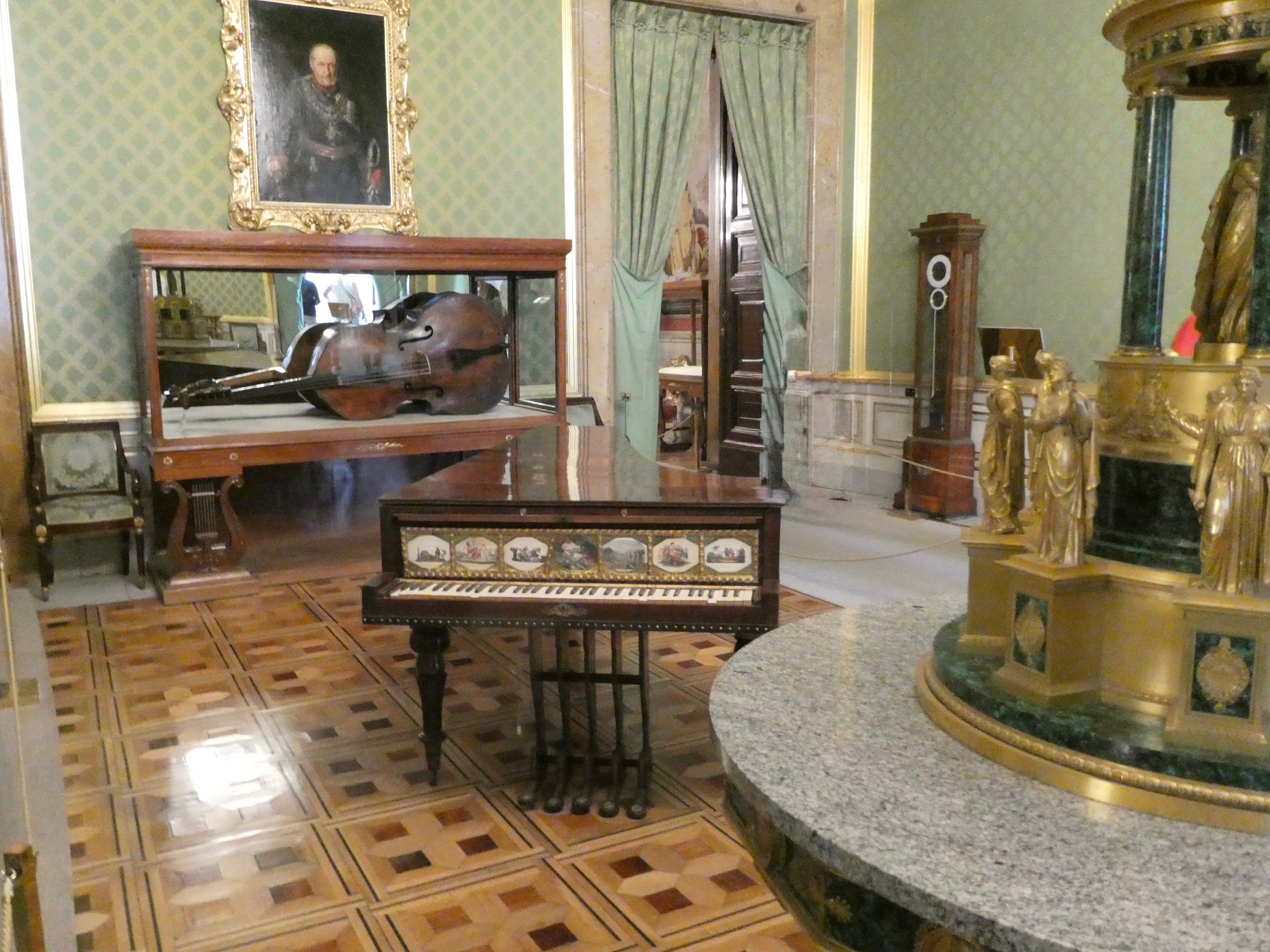

We then moved into a small room called the Musical Instrument Room which held a number of musical instruments, including a 1652 double base and a 19th century piano. And next door in the Stradivarius Room there are usually a number of Stradivarius violins on display, but they were being used for yesterday’s concert so the room was bare.

From here, we passed through the Antechamber of Queen Maria Cristina that was dominated by a number of tapestries.
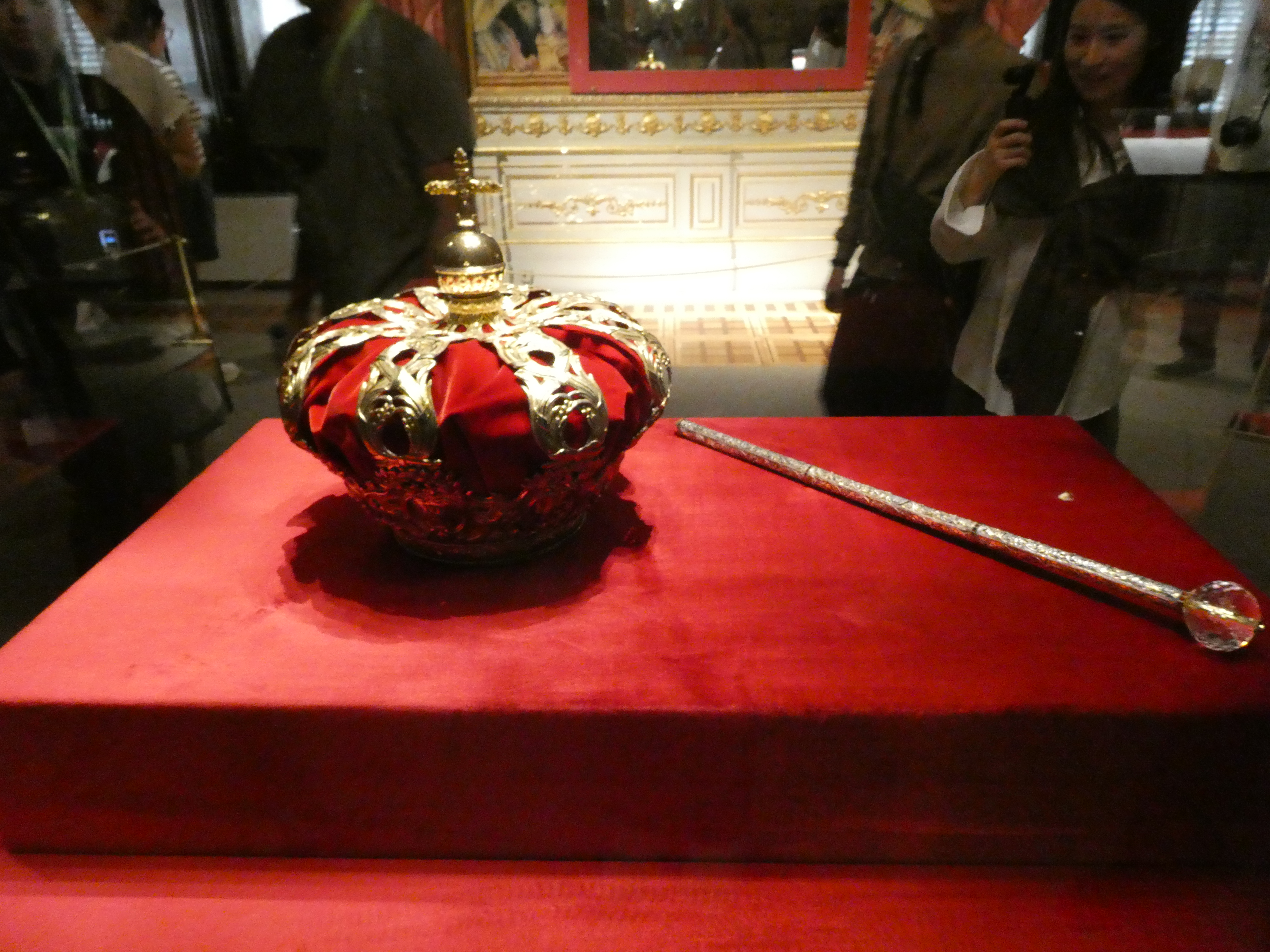
And next door to the antechamber was the Crown Room where the royal crown and scepter dating to the 17th century and the original throne of Charles III are located. Now interesting anecdote. The crown is not placed on the monarch’s head when he or she ascends to the throne. The only time the monarch wears the crown is when they lie in state after passing. Yikes.
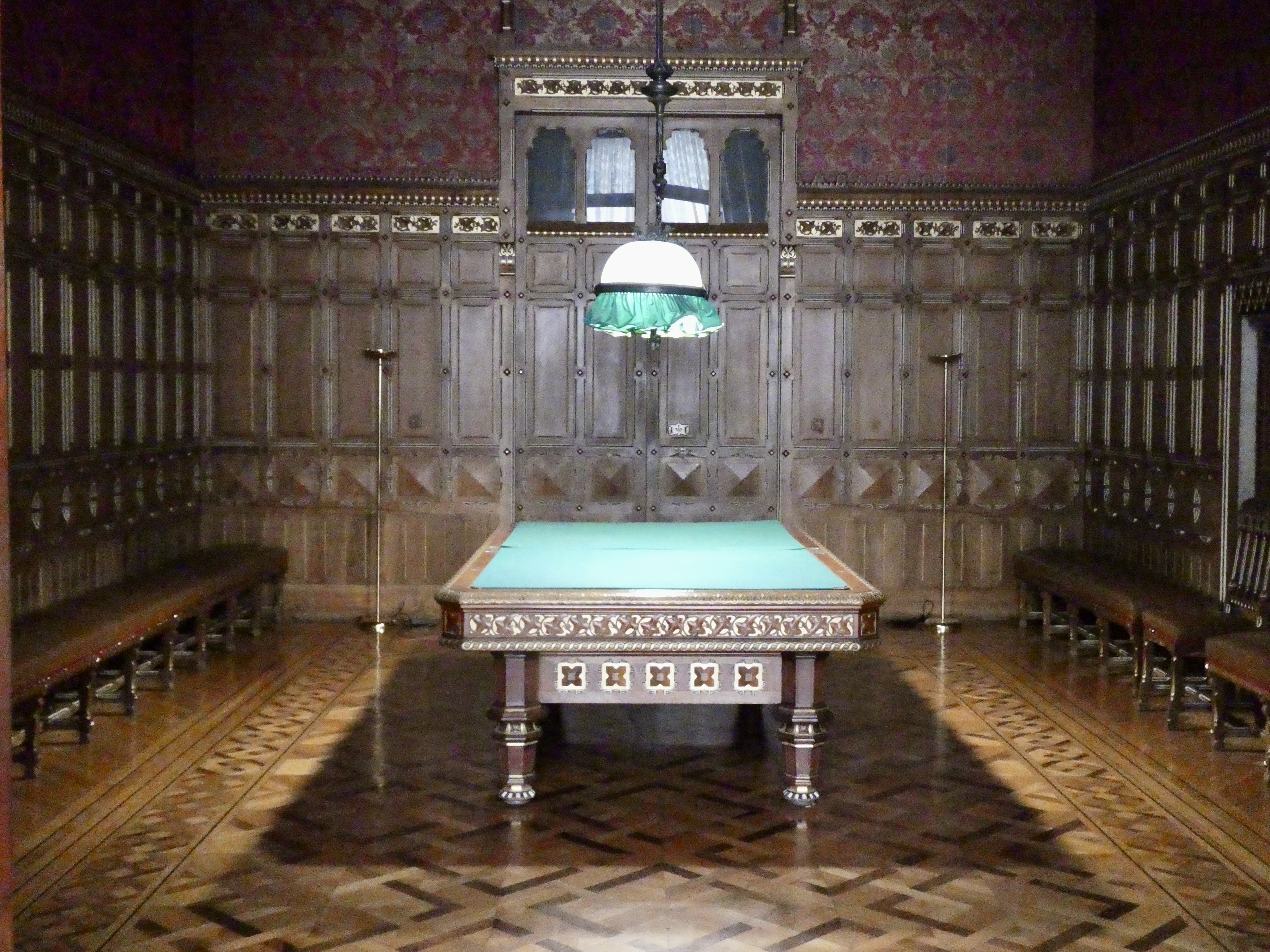
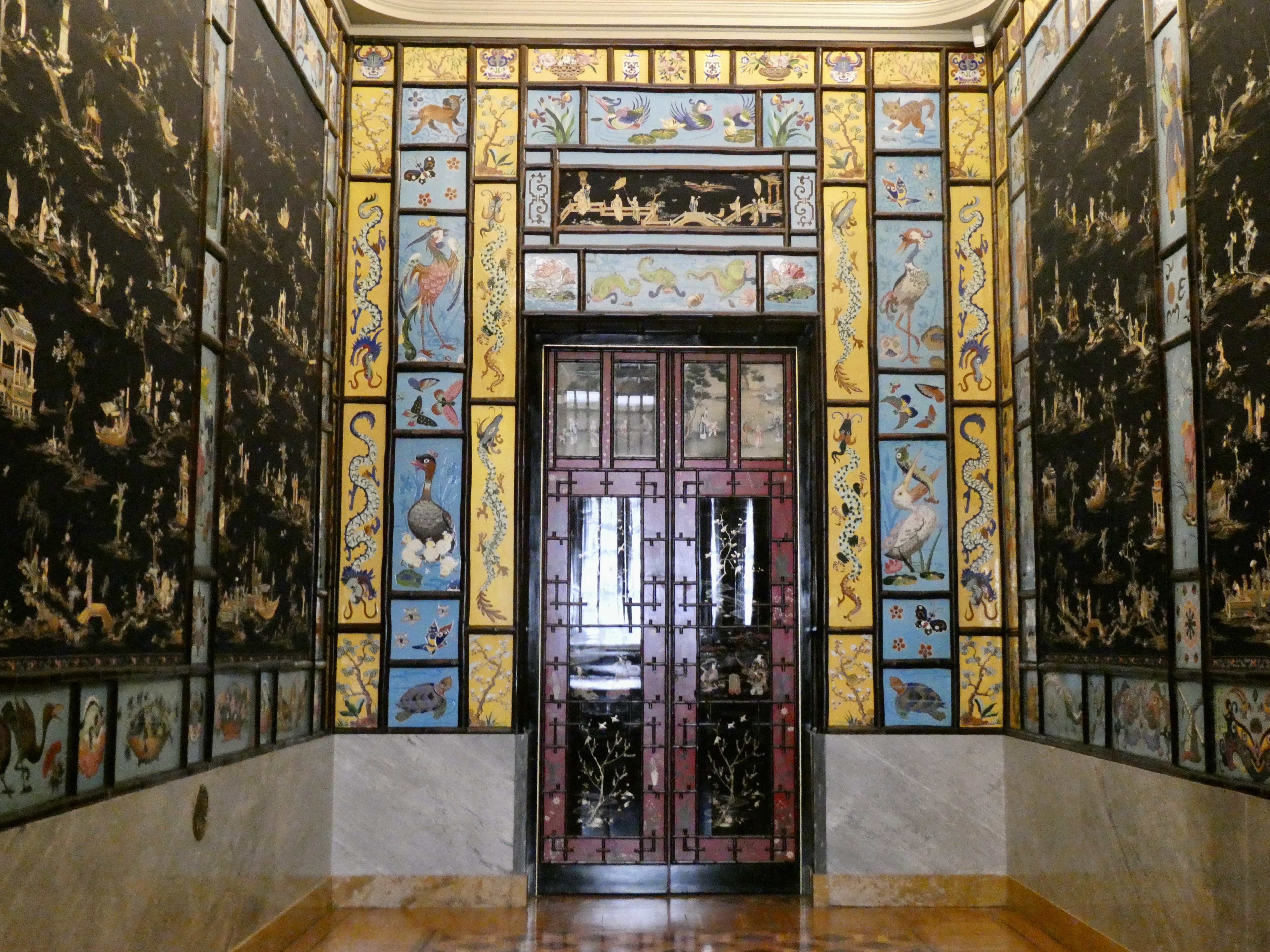
From here, we moved on to four small adjacent rooms down a long hallway. First up was the Billiard Room, which contained, what else, a Billiard Table. Next door was the Smoking Room of Alfonso XIII, which was covered in embroidered panels from China dating to the 19th century as well as ceramic plaques from France. Quite frankly, the room was too nice for smoking.
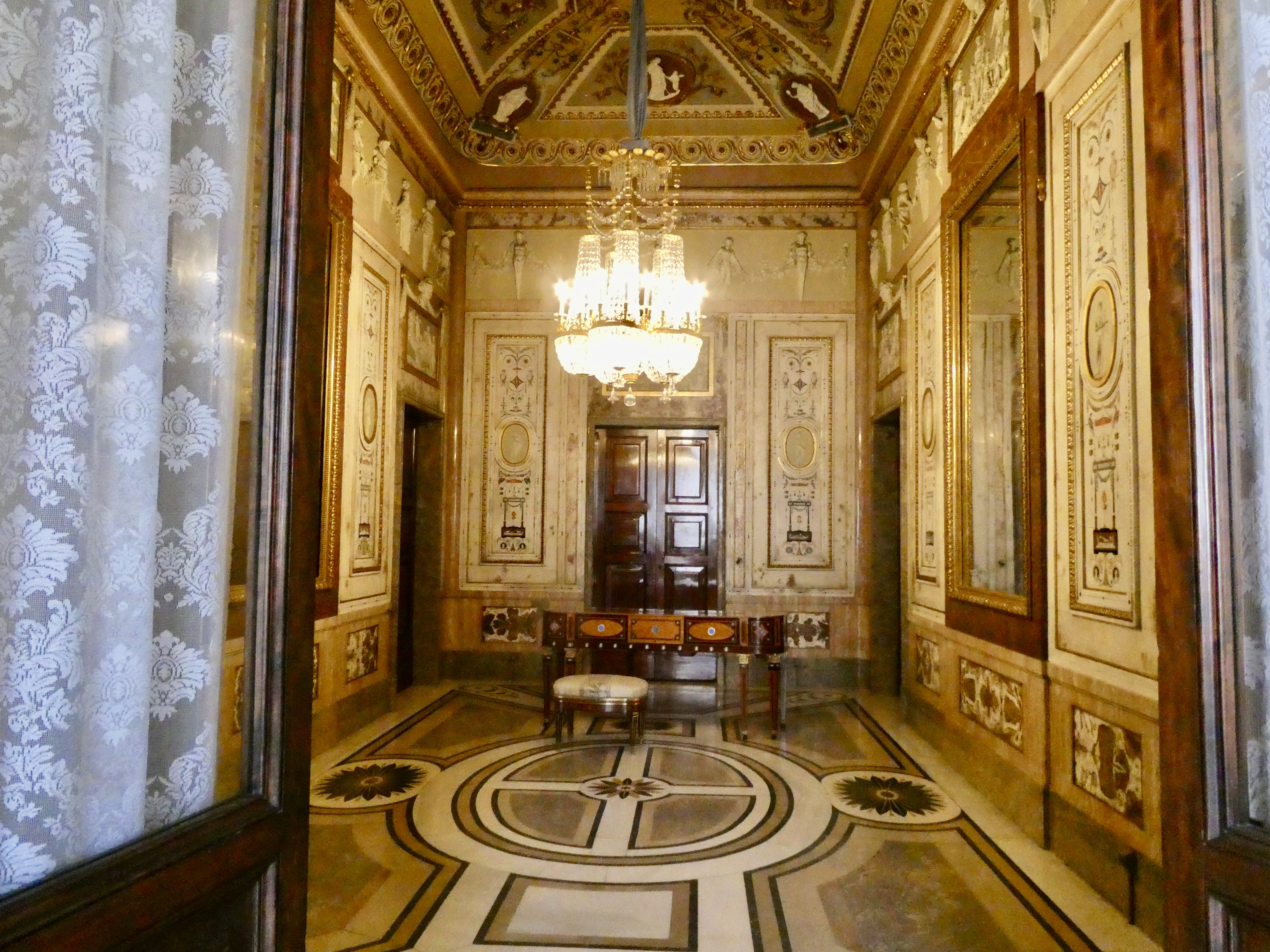
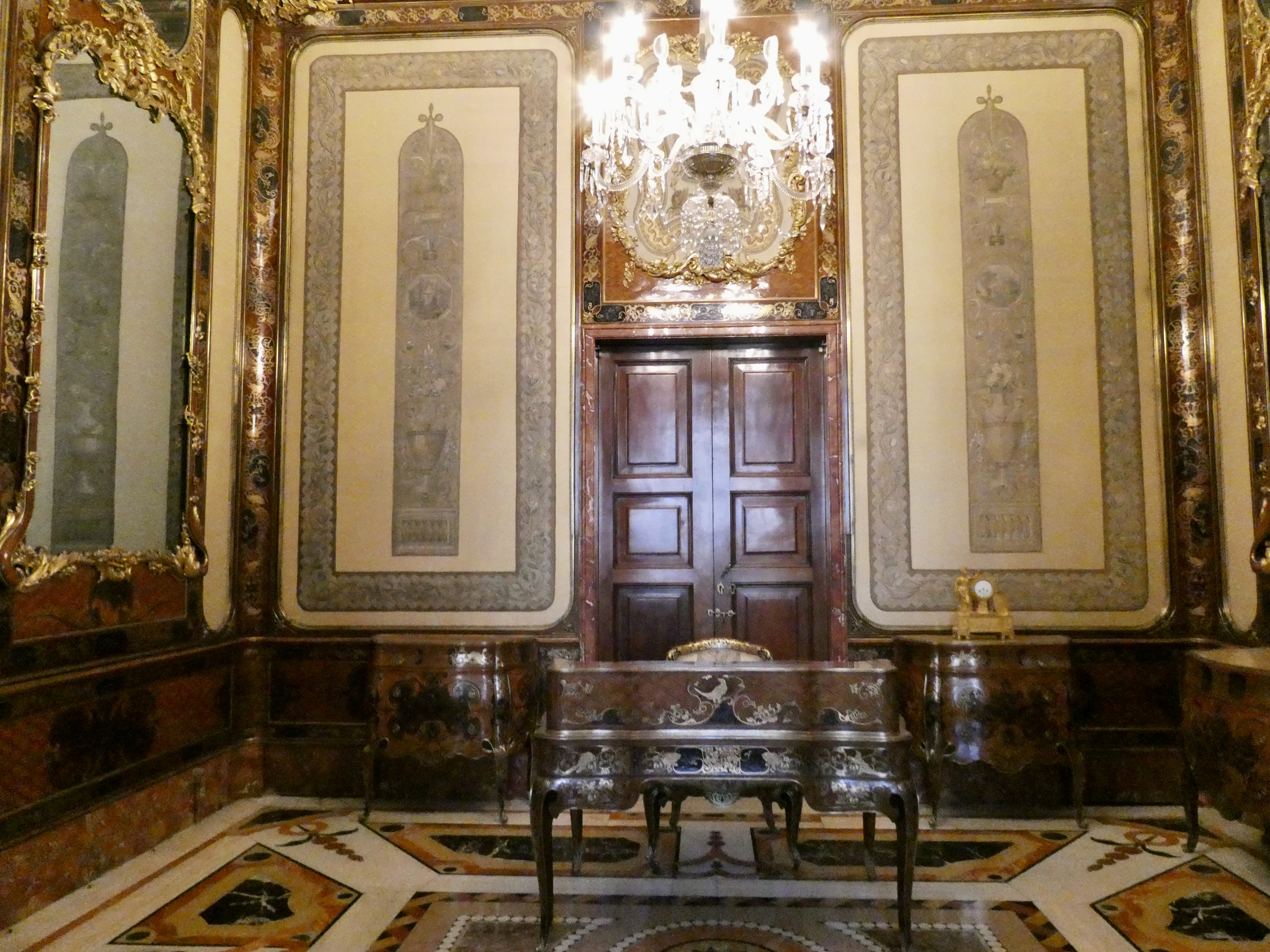
The third room was the Stucco Room, which contained motifs from Pompeii and Herculaneum dating to 1791. And the last room was the Fine Woods Room of Maria Luisa of Parma and included a magnificent wooden inlaid floor and desk in the center of the room that dates to mid 18th century.
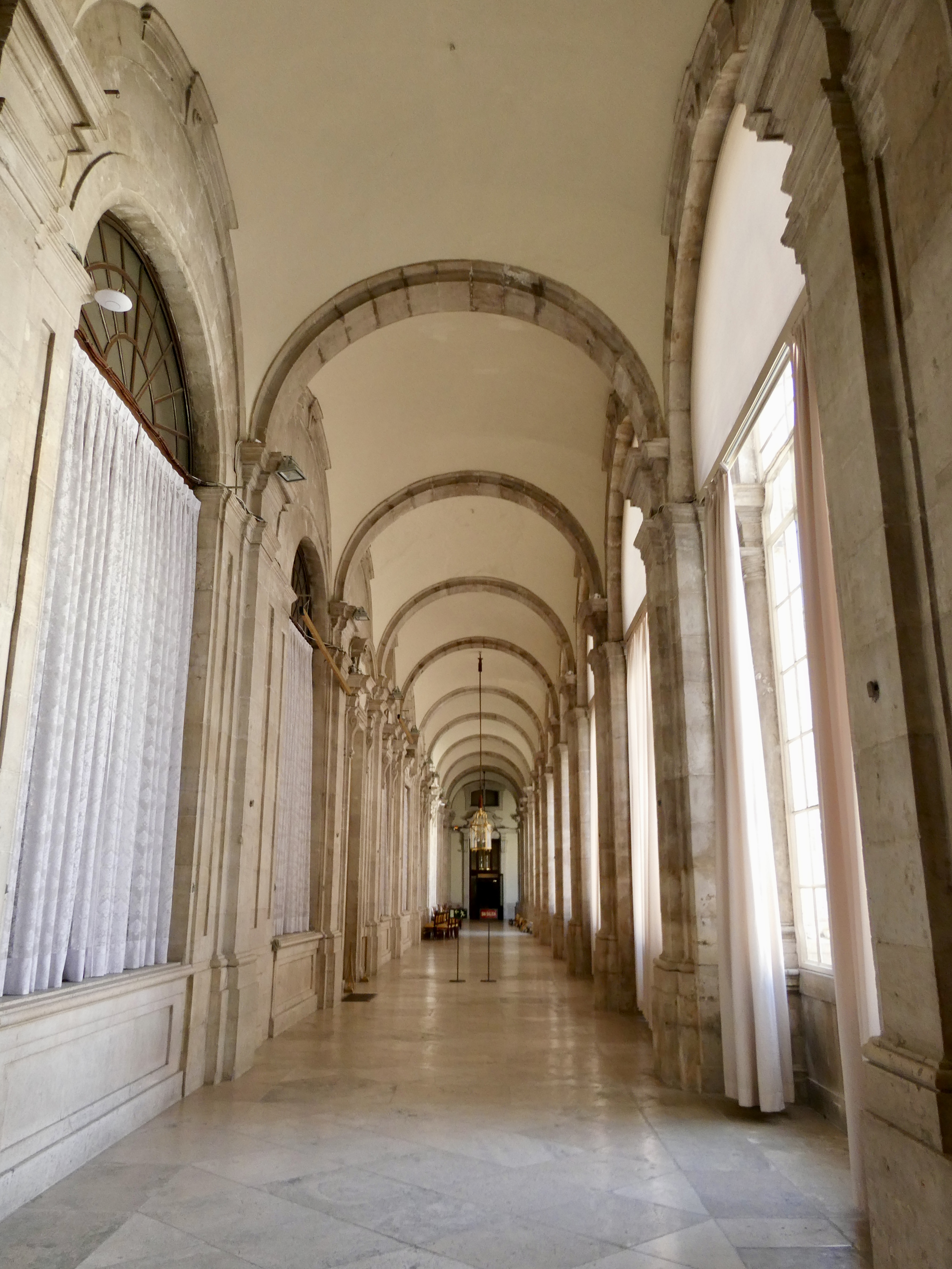
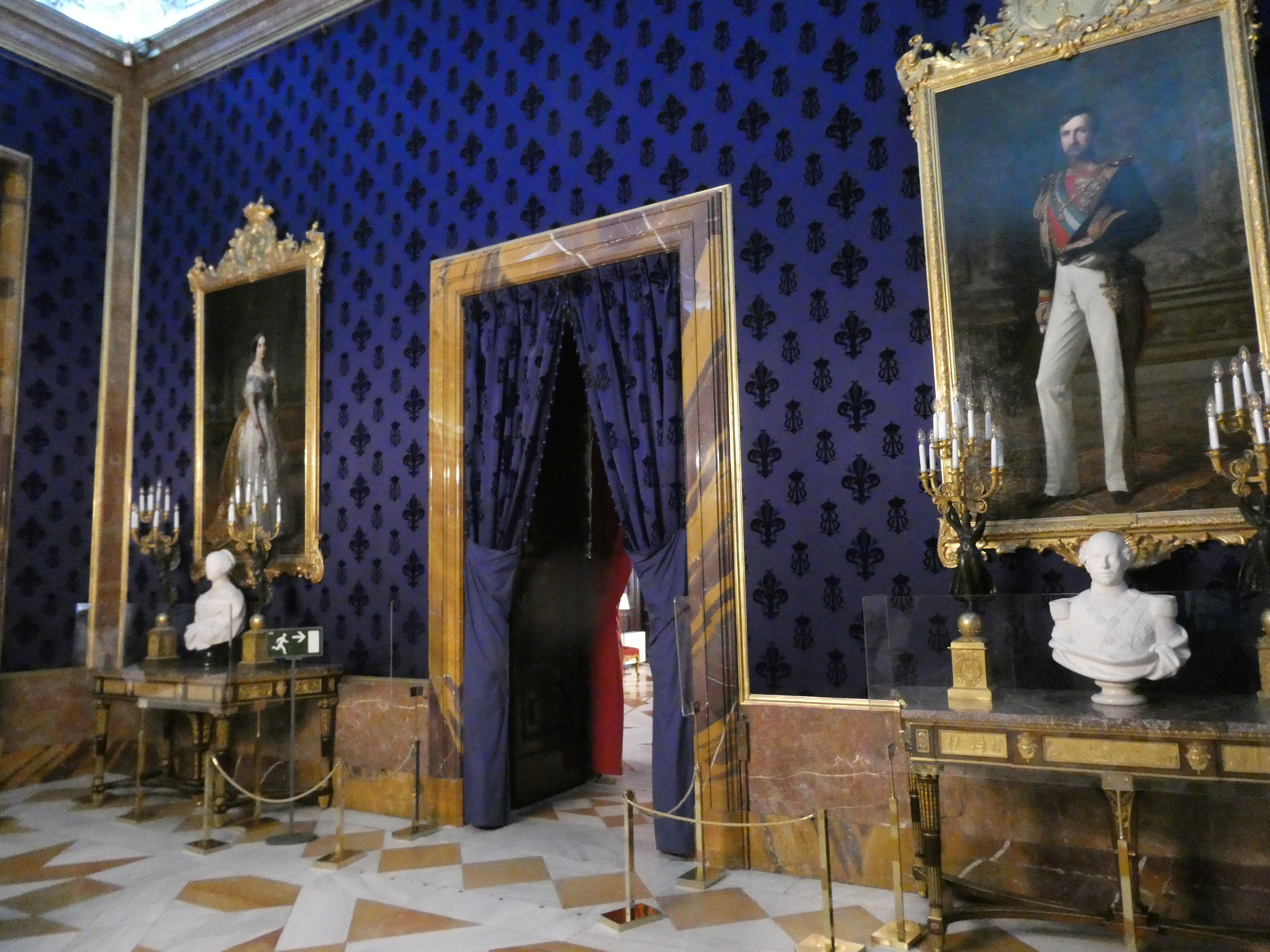
We then turned to the right off the hallway and crossed over the Camon (the enclosed balcony overlooking the Grand Staircase) and passed through the Official Antechamber, which was the room people waited in if they had been granted an audience with the King. The blue tapestry on the wall was surrounded by portraits of Kings as wells a ivory busts of past monarchs.

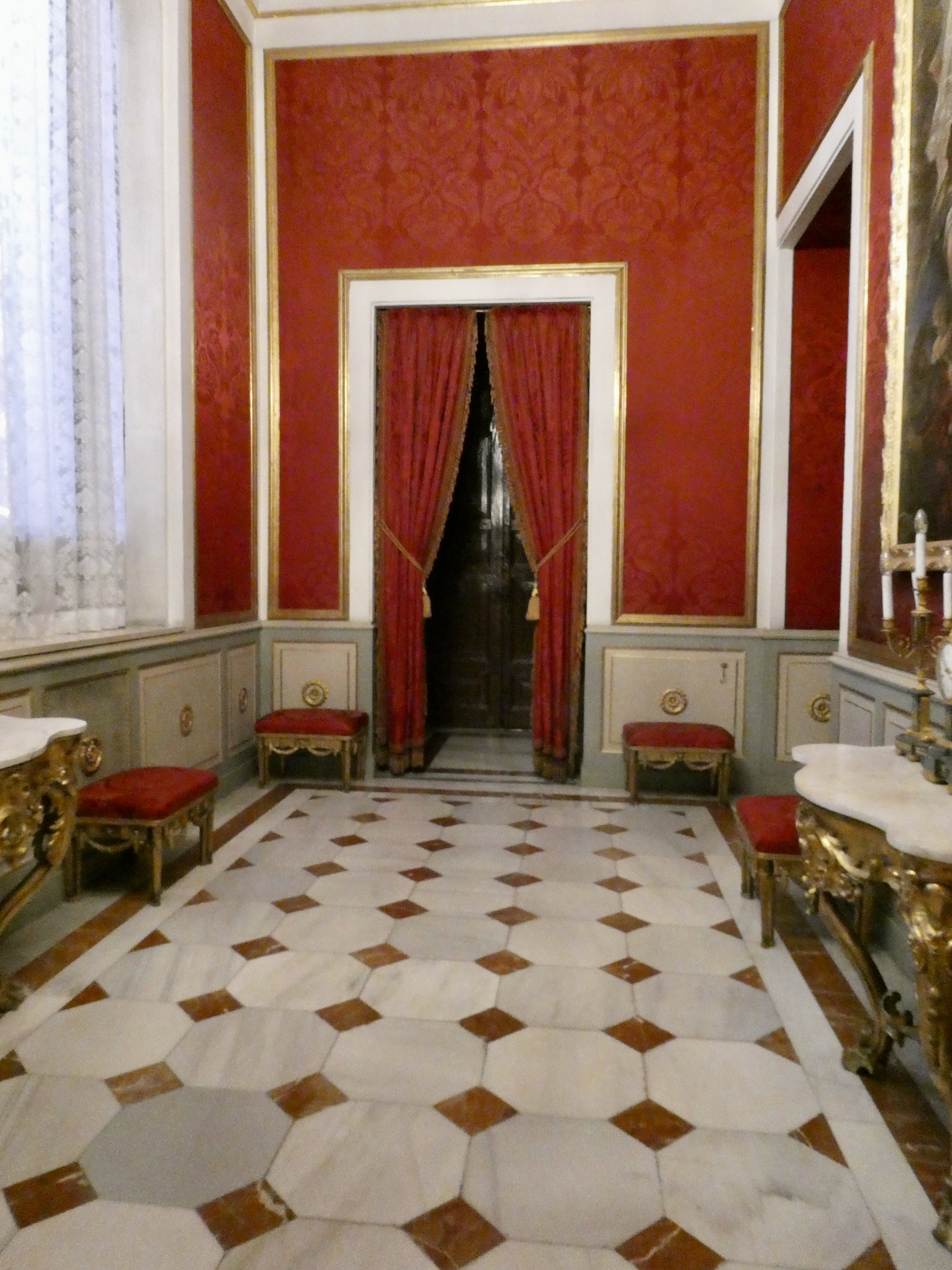
And from the Official Antechamber, we walked into the massive Throne Room. The room was decorated in red and gold with mirrors and chandeliers everywhere. The ceiling was covered by an enormous fresco that dates to 1762 and included Greek gods looking down from the sky. The two thrones that dominated the room were surrounded by bronze lions and fronted the royal crest on the wall above the two thrones. And above the thrones, which are never used, was a gilded canopy.
As we left the Throne Room, we passed through the small Hall of Grandees, which was a second waiting room, but this was for the privileged, wealthy residents of Spain to wait for an audience with the King. (No mixing with the hoi polloi here.)
And with that we walked back down the Grand Staircase to the end of our tour. Tomorrow, I am off for a four hour food tour around old Madrid. YUM!