Today I was doing a three hour walking tour of the old town in Madrid. The tour started in nearby Puerta del Sol at 10:45 a.m. There were a total of seven of us on the tour: three from England, three from Ireland and me. Our tour guide’s name was Tatiana and she was, to say the least, enthusiastic. I was exhausted just listening to her, but she did know her stuff.
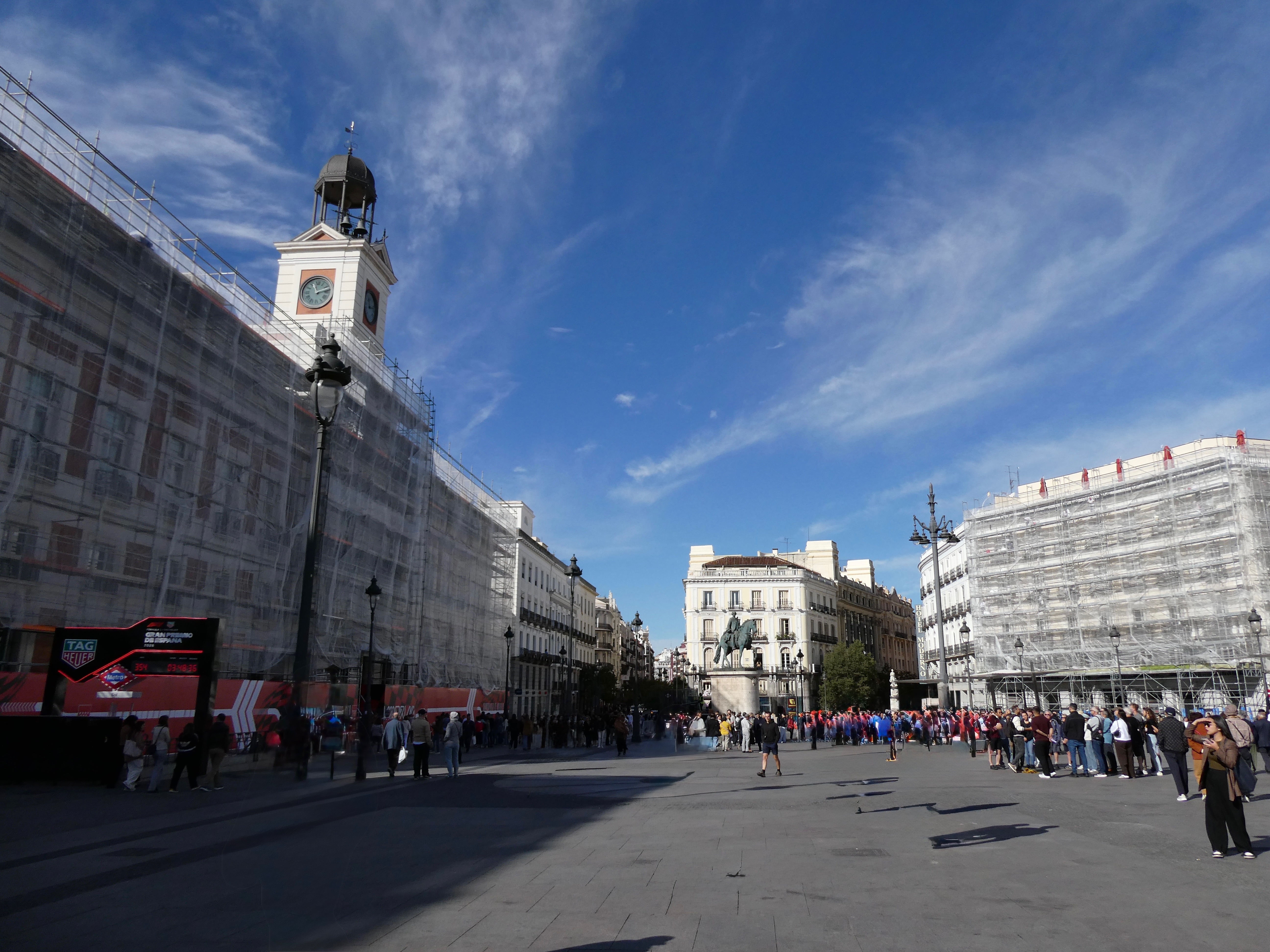
Anyway, our starting point, Puerta del Sol, actually means Sun Gate in Spanish and is the original name of the one of the gates in the city wall that surrounded Madrid back in the 15th century. The gate is long gone, but the name of the area in which the square is located has remained the same.
Now Madrid is full of squares, but the Puerta del Sol is perhaps the most famous for a couple reasons. First, the square is often full of locals who participate in the second most popular sport in Madrid … protesting. And as if on queue, a group began gathering nearby in support of Palestine.
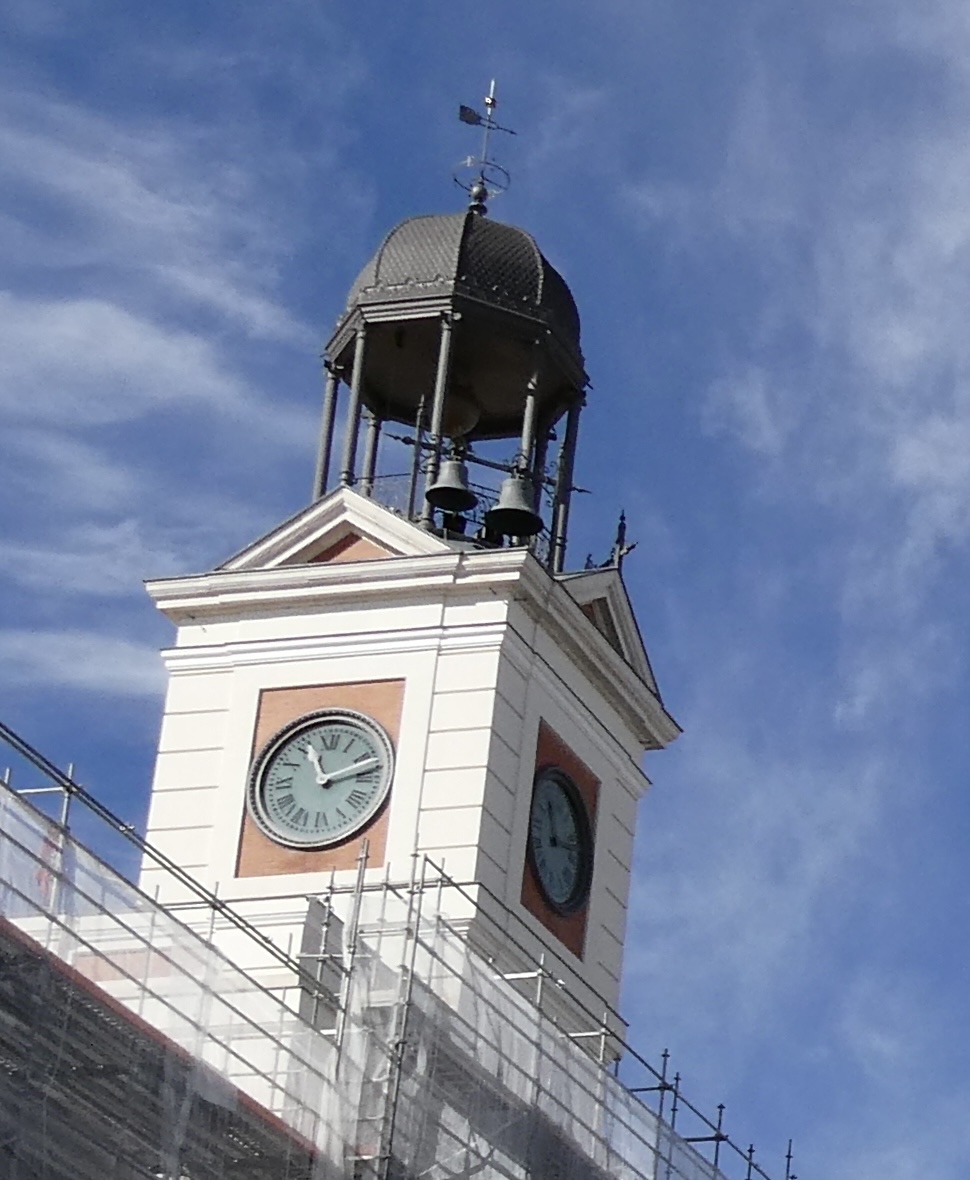
Second, the square is a famous gathering point for local New Year’s Eve celebrations, when the countdown to midnight takes place via the Casa de Correos (the clock tower) and locals begin the tradition of eating a grape after each gong of the clock at midnight.
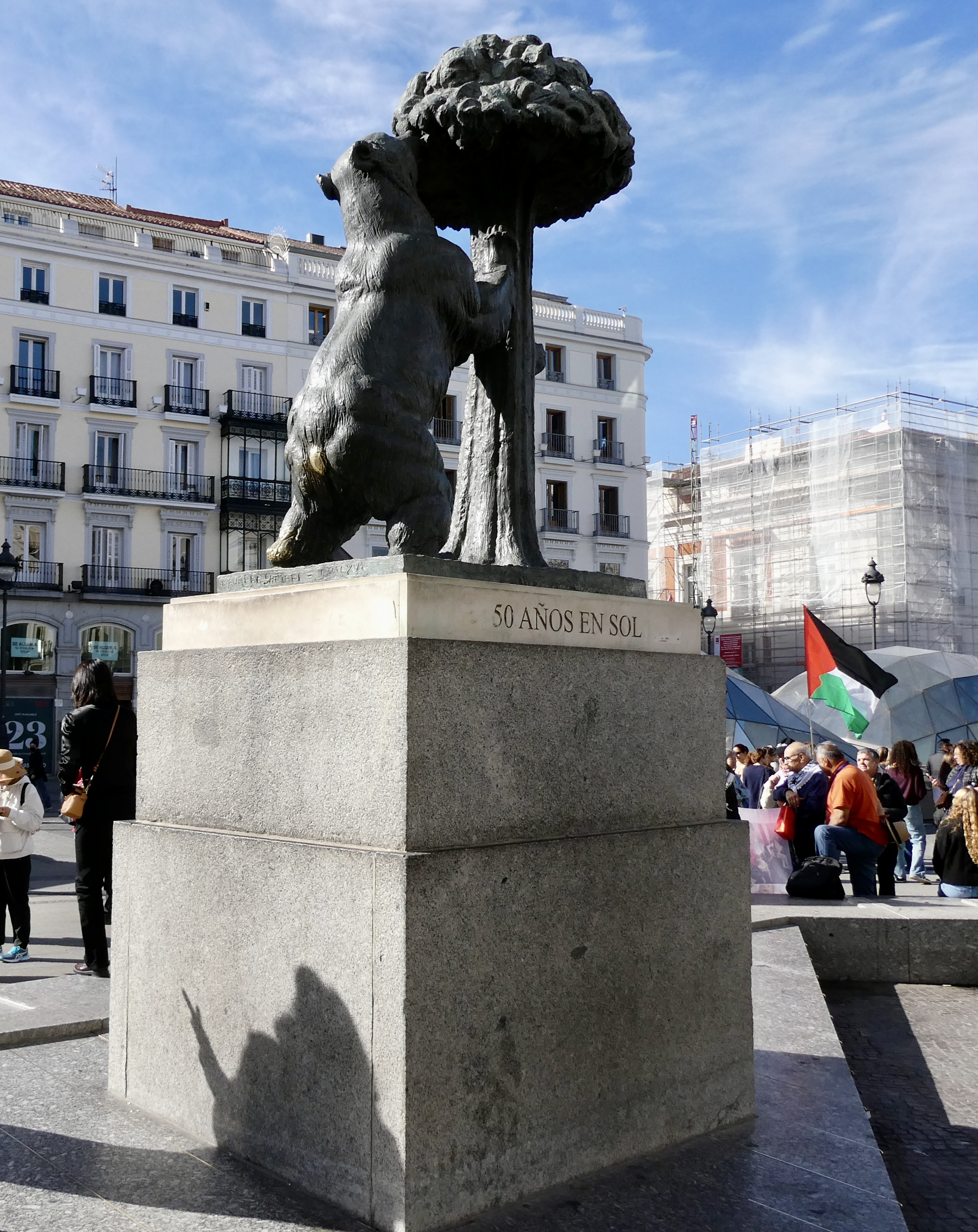
Anyway, we wandered around the square for a bit and eventually reached the statute of the Bear and the Strawberry Tree, a 20th century sculpture that represents the Coat of Arms of Madrid. Apparently if you touch the bottom of the bear you will have good luck so of course we all had to take a turn.
From here, we walked toward the building housing the clock tower, which at one time was the old Post Office, but later become the Ministry of Interior and State Security for Franco during his dictatorship. It was well known, that many horrors took place in this building.
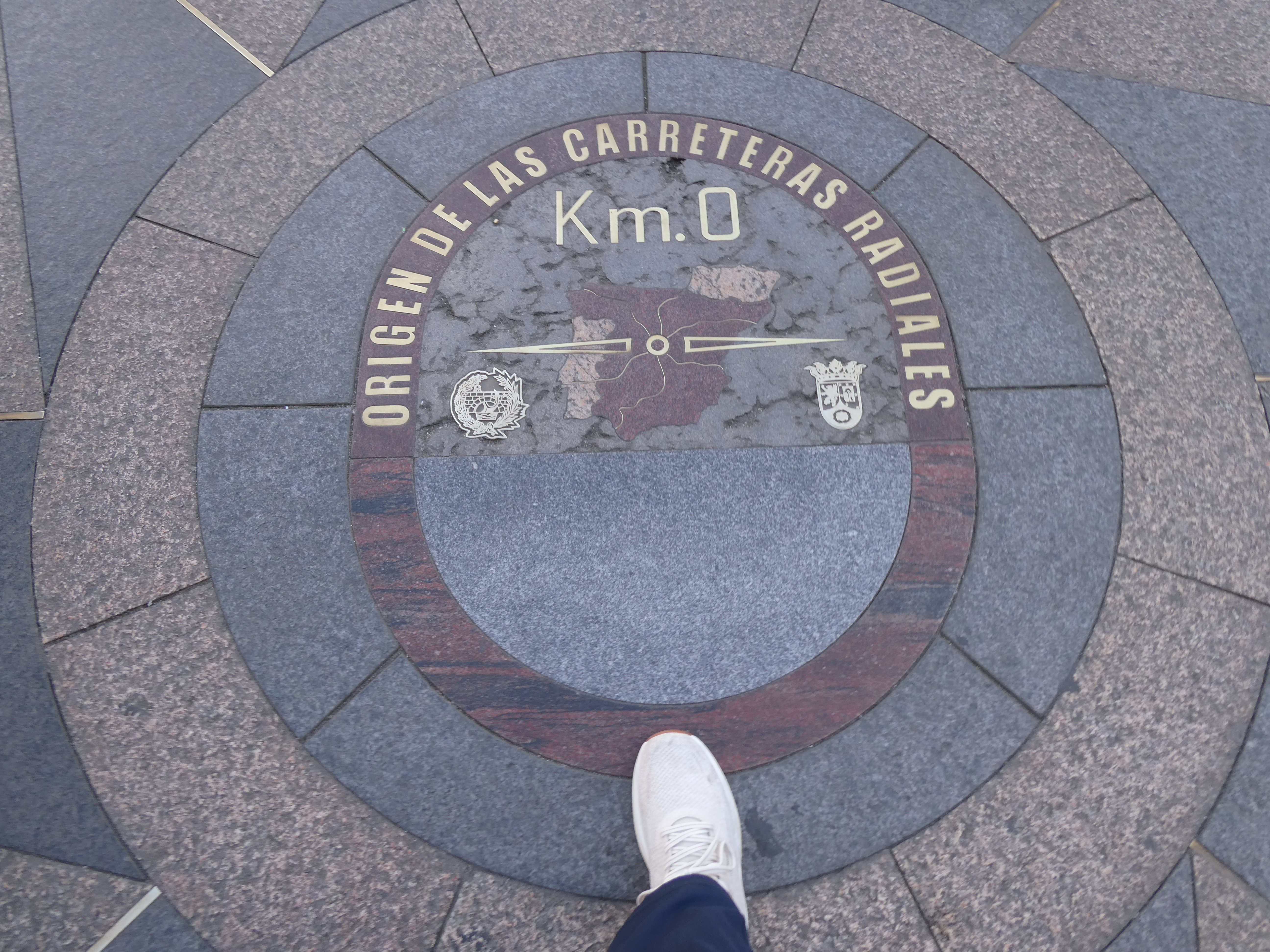
And just in front of this building is the symbolic “Kilometro Cero” plaque aka kilometer zero from which Spain’s six major radial network of freeways span out north, south, east and west throughout the country.
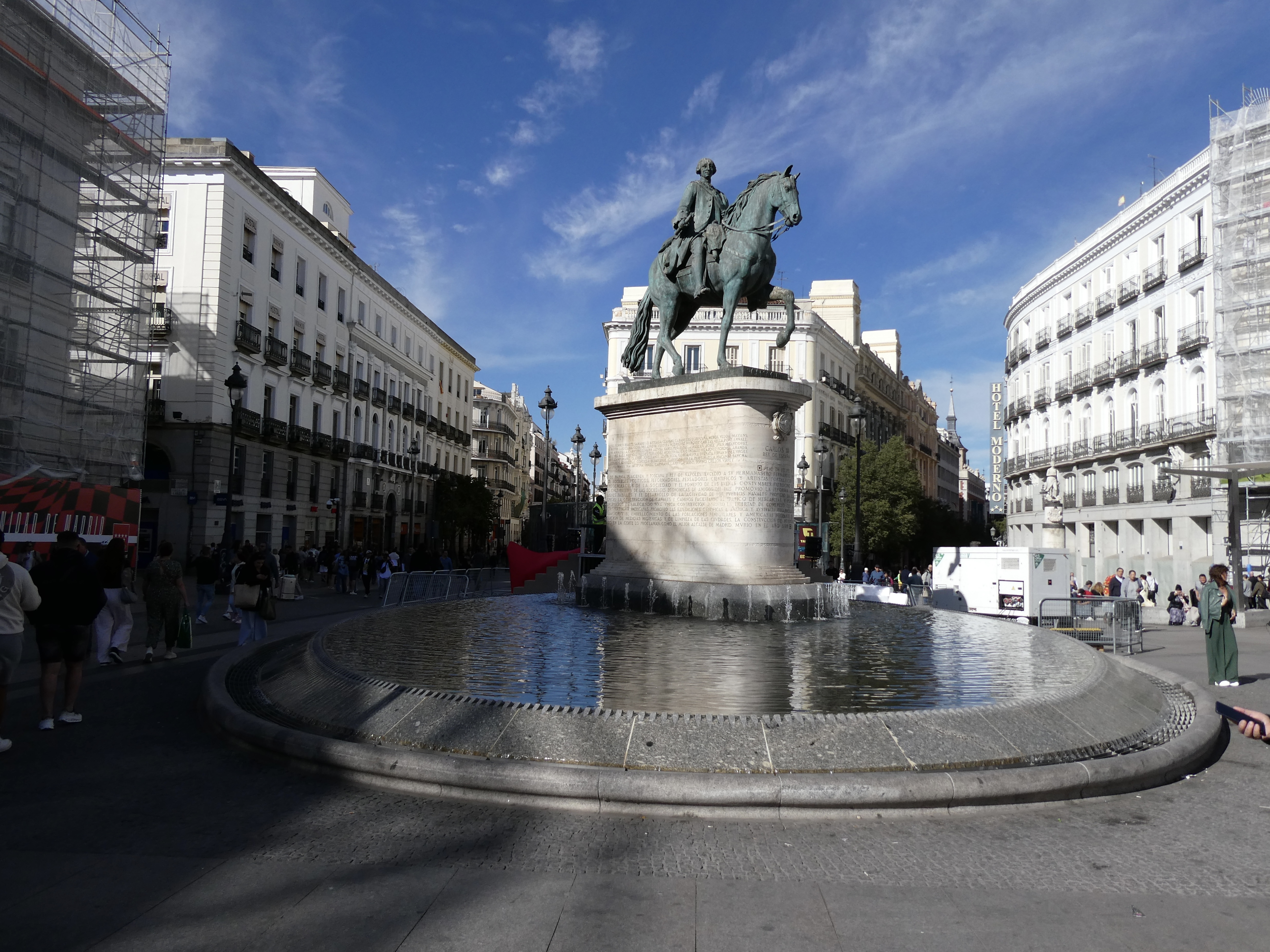
As we walked towards the end of the plaza, we passed a fountain with a statute of the late 18th century King Charles III of Spain who was well known for his infrastructure projects throughout the region.
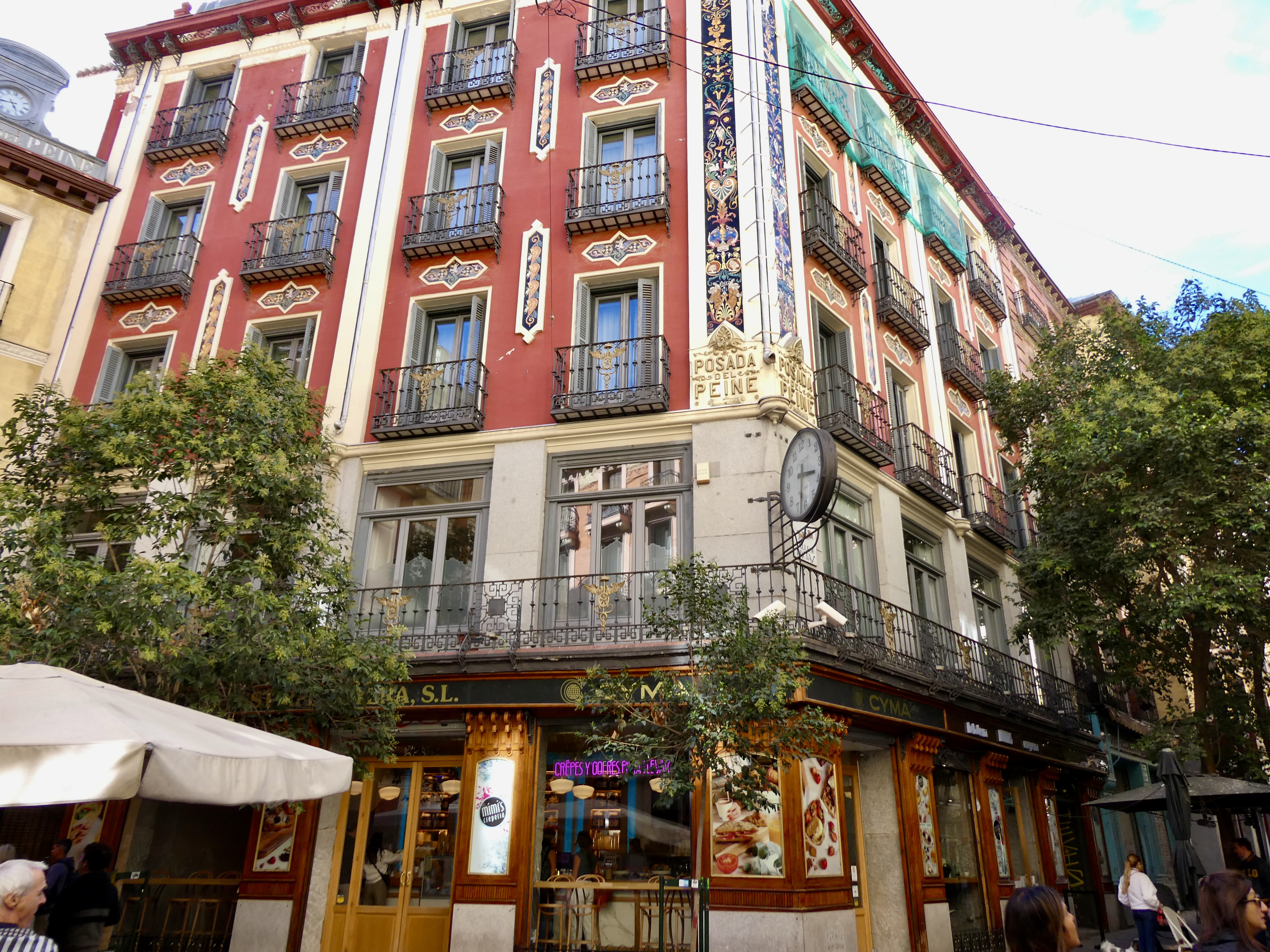
From here, we passed by some recommended pastry shops before turning down a narrow alley to reach the Posada del Peine, built in 1610 as a former cheap, cheap, cheap hotel (but now a 5 star luxury hotel). The old hotel housed the very poor, but apparently provided them with a hairbrush in addition to lodging (which was a HUGE luxury at the time; in fact the hairbrush was so cherished that while the lodgers were able to use a hairbrush, the hairbrush was tied down so it could not be removed from the room).
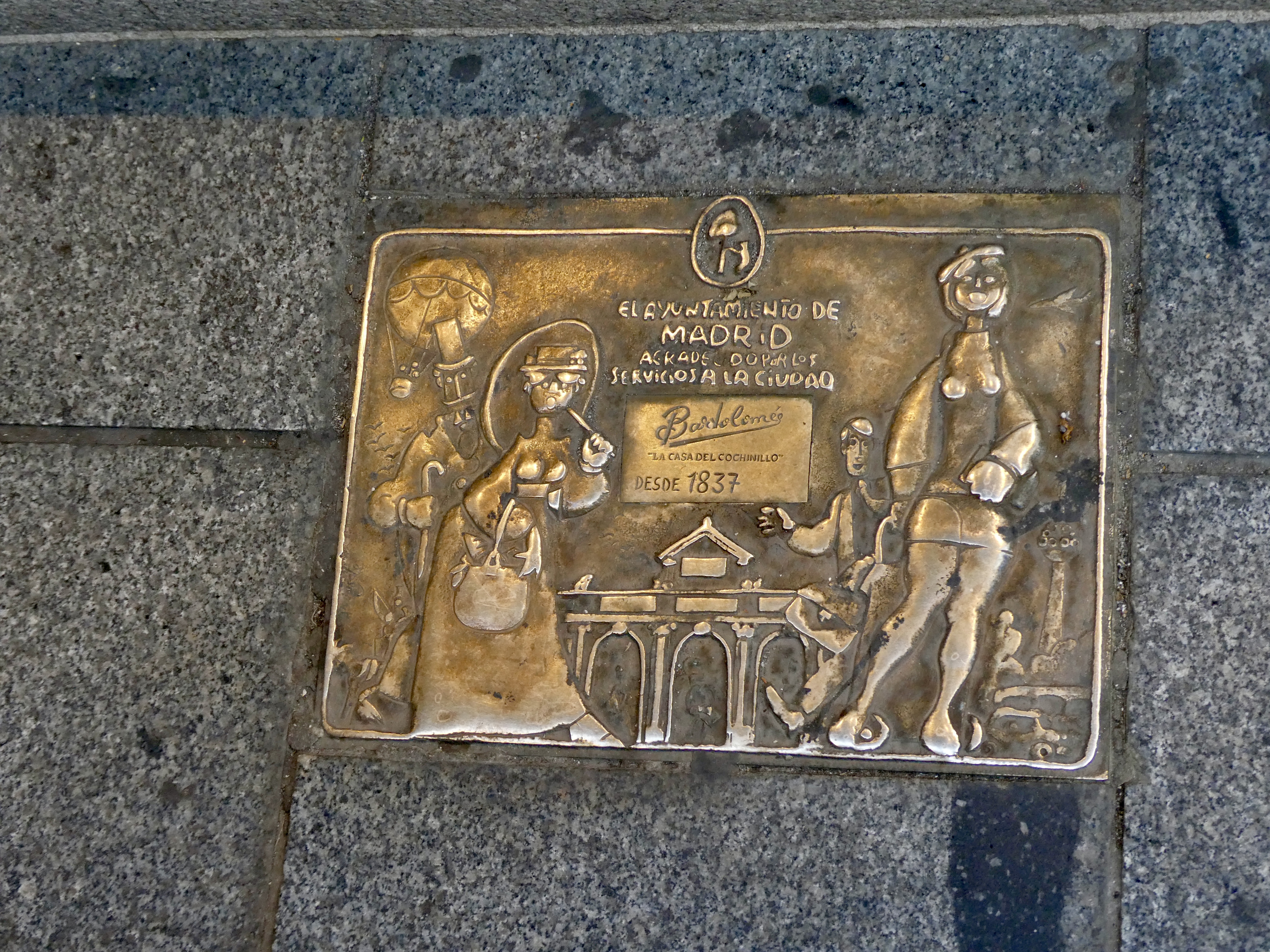
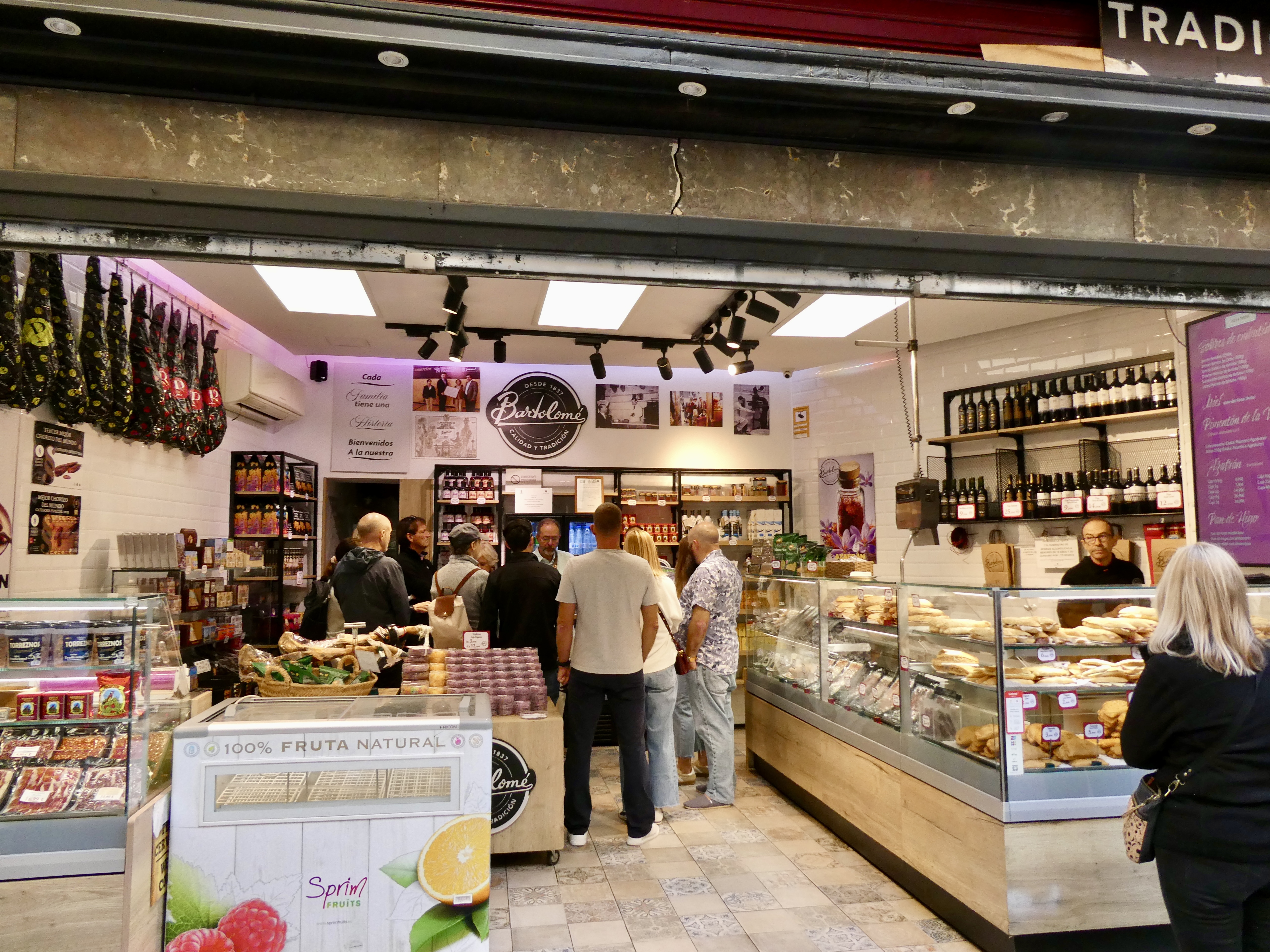
And across from the hotel was Bartolome Meats, a store that has been around since 1837 as signified by a plaque in the ground outside the store.
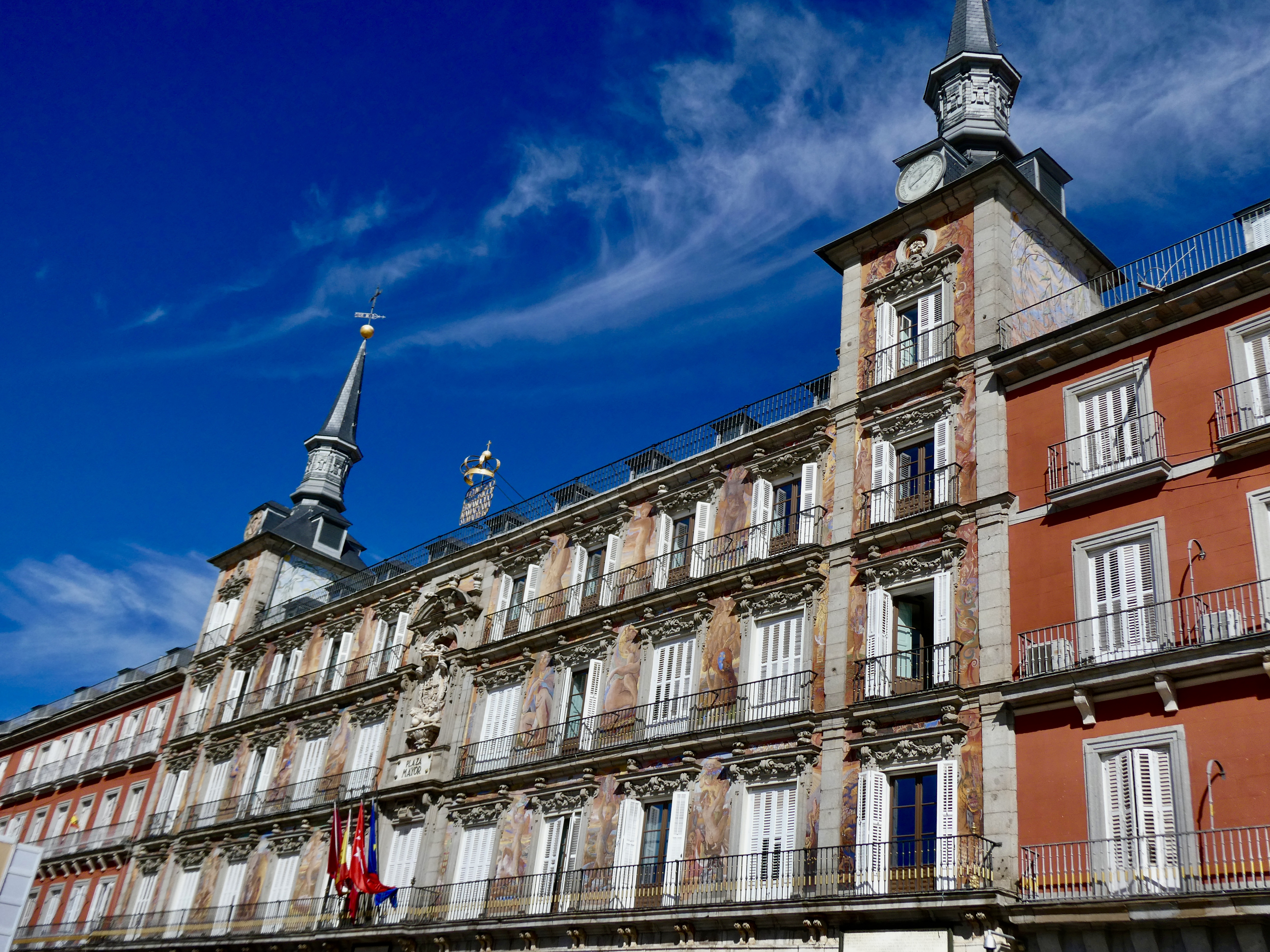
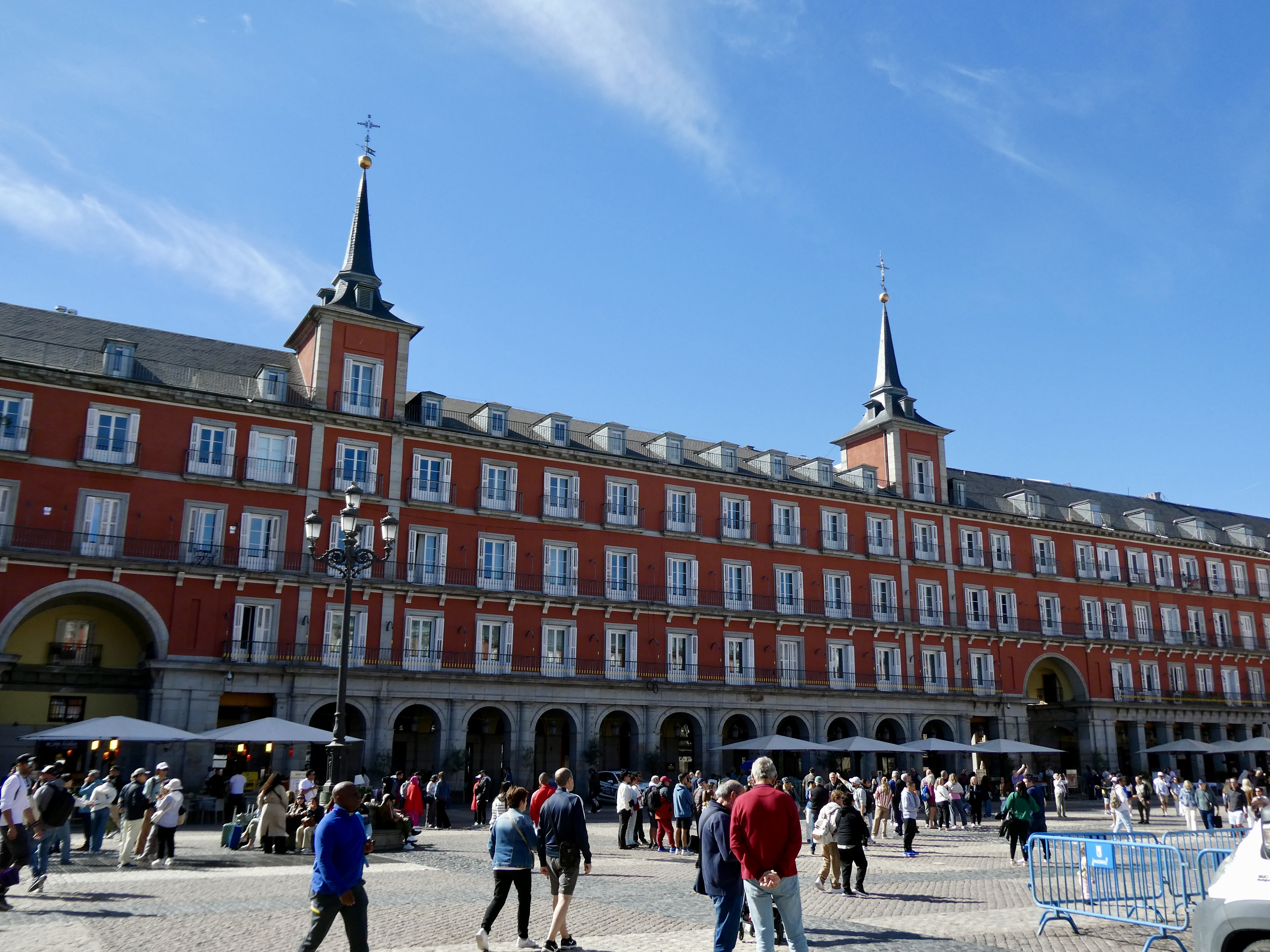
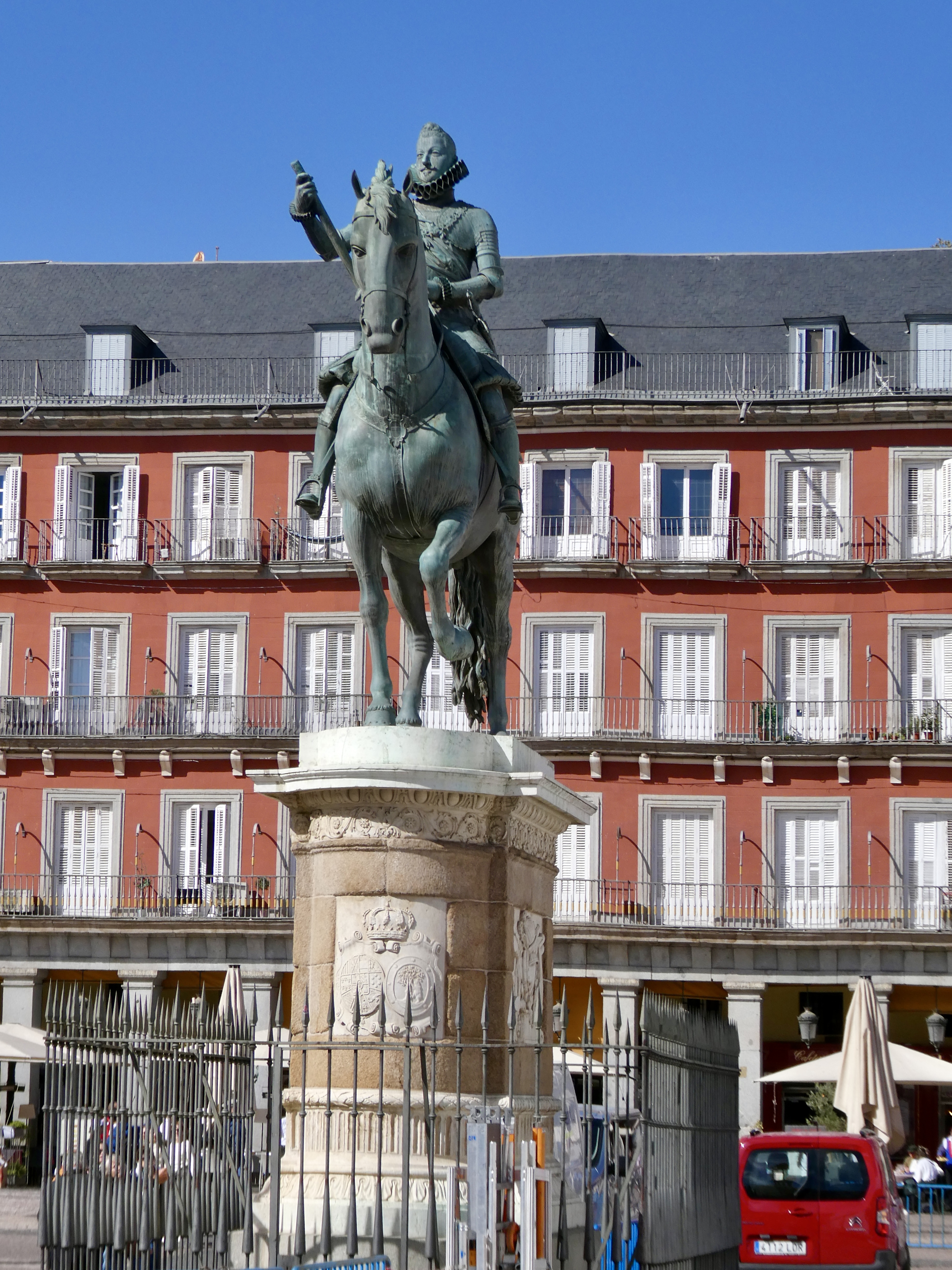
We then walked to the end of the block and around a corner to the Plaza Major, another famous square in Madrid. Now this square was much quieter and smaller than Puerta del Sol, but with perhaps more history. Plaza Major was the major market in Madrid dating to the 15th century and two of the main buildings, the Butchery and the Bakery are still referred to their traditional names denoting businesses that operated on the sites. Today, the Bakery is full of luxury apartments and the Butchery is a luxury hotel.
Now the square is also used for various events and as we were standing there, we watched tents being set up for for a stamp collection exhibit that is taking place this weekend. And in the middle of the square there was a statute of King Philip III, who oversaw the remodeling of the square in the early 17th century.
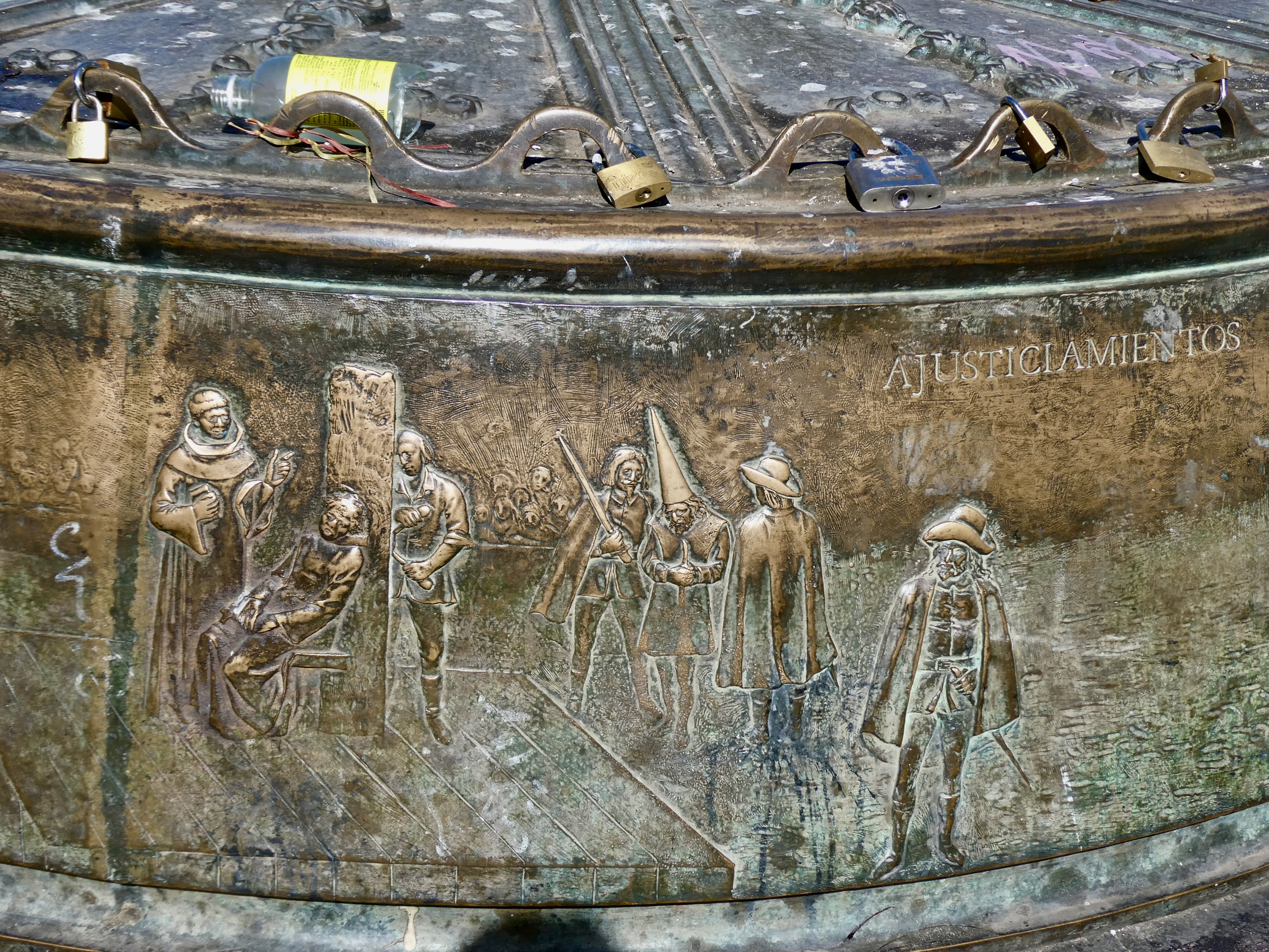
And of course, Tatiana had to tell us about the gruesome history of the square where many of Madrid’s executions took place, including execution by garroted, which has the executioner slowly breaking the neck bones of the condemned until he cannot breath. Ugh. (And of course, there is a bronze marker in the square “commemorating” the justice meted out here.)

We then walked out of the square and down to the end of the block where Tatiana showed us some good places to eat before stopping to point out the Palacio de Santa Cruz, a baroque style building combining Austrian and Spanish architecture, which was commissioned by Philips IV in 1629 to house both courts and jail facilities. Today, the building houses the Spanish Foreign Ministry.
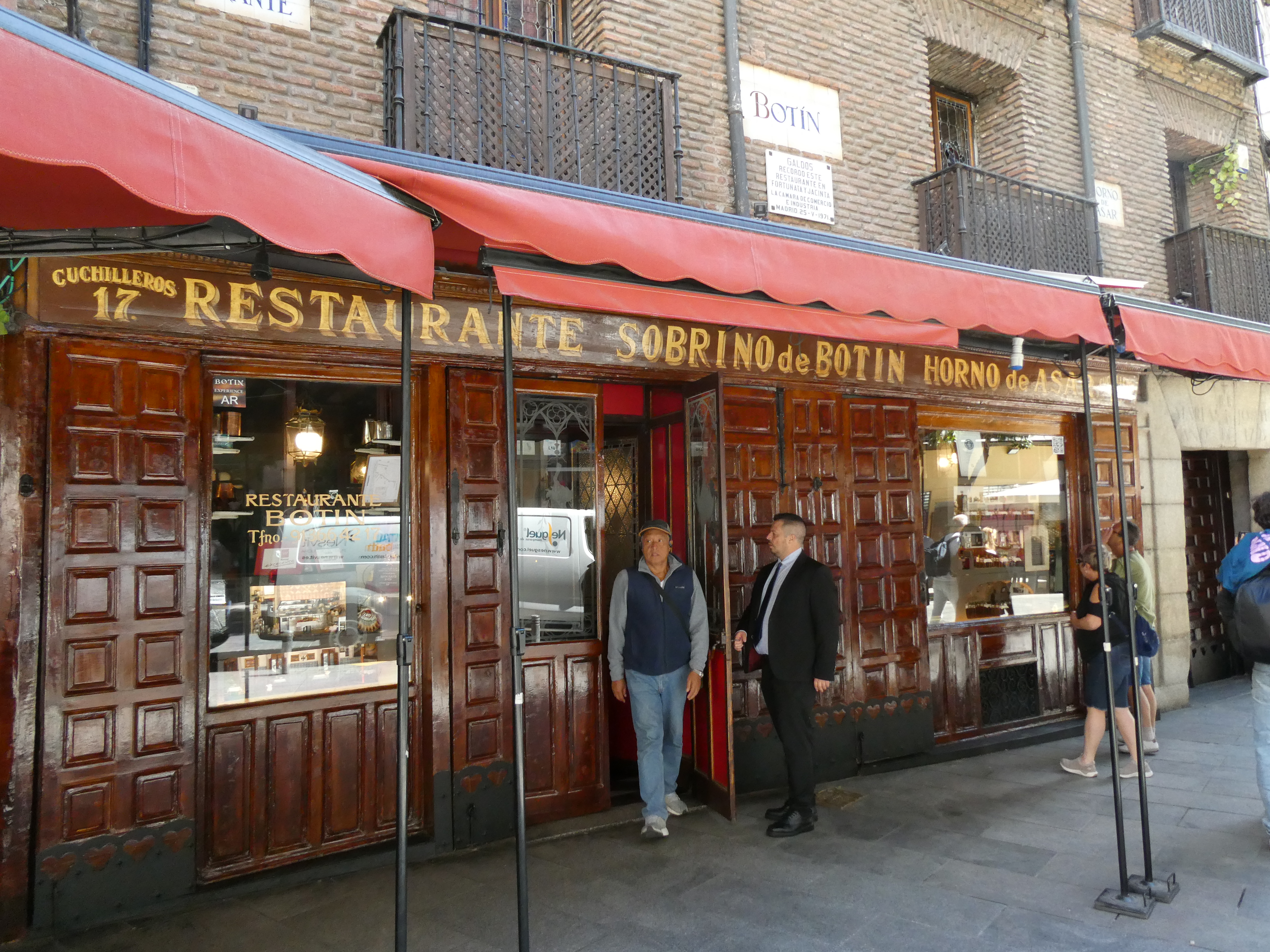
From here, we walked around the corner and entered La Latina or the Latin area, which is filled with restaurants, bars and tapas joints. In fact, we passed Restaurante Sobrino de Botin, made famous by Ernest Hemingway (it was his favourite hangout). But perhaps more impressive is the fact that the restaurant holds the title in the Guinness Book of World Records for the longest running restaurant dating to 1725 … yep it just celebrated its 300th anniversary!
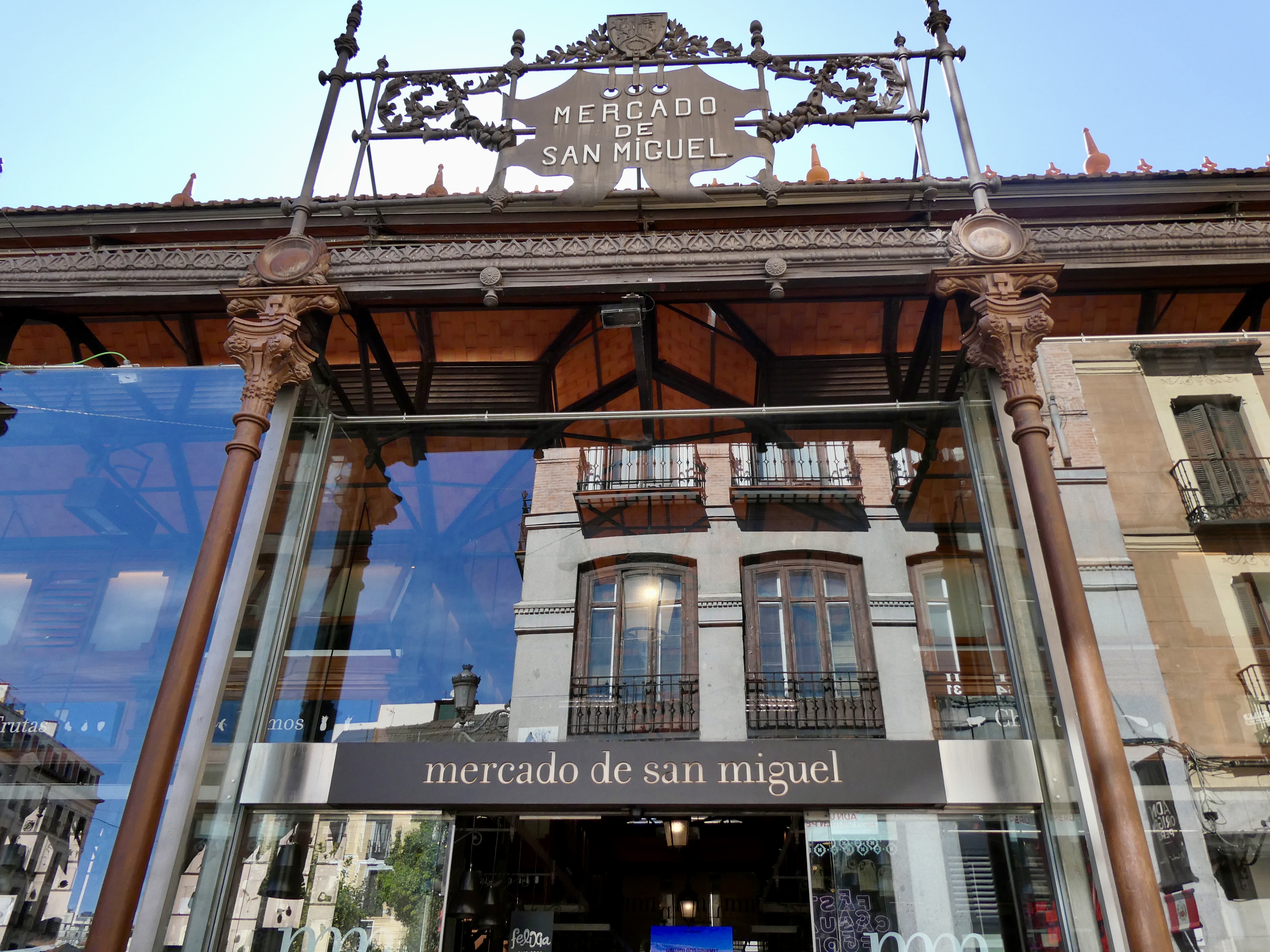
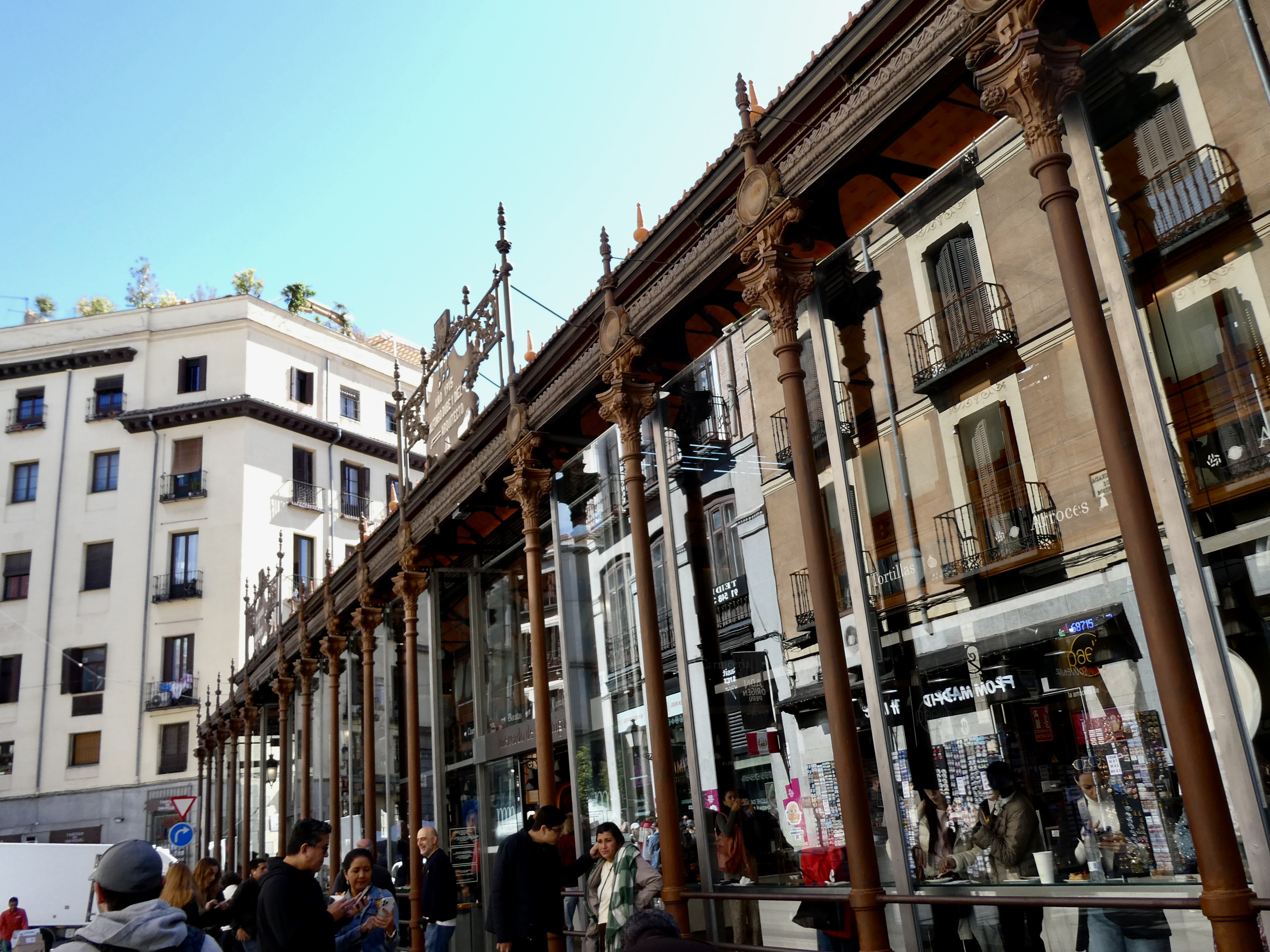
After checking out Restaurante Sobrino de Botin, we walked up the street past more restaurants before reaching the Mercado de San Miguel. Now Tatiana did not have a lot of good things to say about the market, calling it overpriced, not worth it and 100% touristy. As a result, we did not go inside. Not sure if I will make it back here. I have a food tour on Friday, and we are going to a local market, so maybe not necessary.

Anyway, from here we walked down a narrow lane and around a corner to without a doubt my favourite stop of the day, the 17th century Monastery of Corpus Christi las Carboneras, a female cloister of the Order of Saint Jerome at the Plaza del Conde de Miranda. The order was founded in 1607 and once a nun enters the cloister, she is forbidden to show her face or leave the building. Can you imagine entering a building when you are 20 and NEVER, EVER LEAVING? No radio. No TV. No internet. Just reflection, prayer and meditation. Oh and baking cookies.
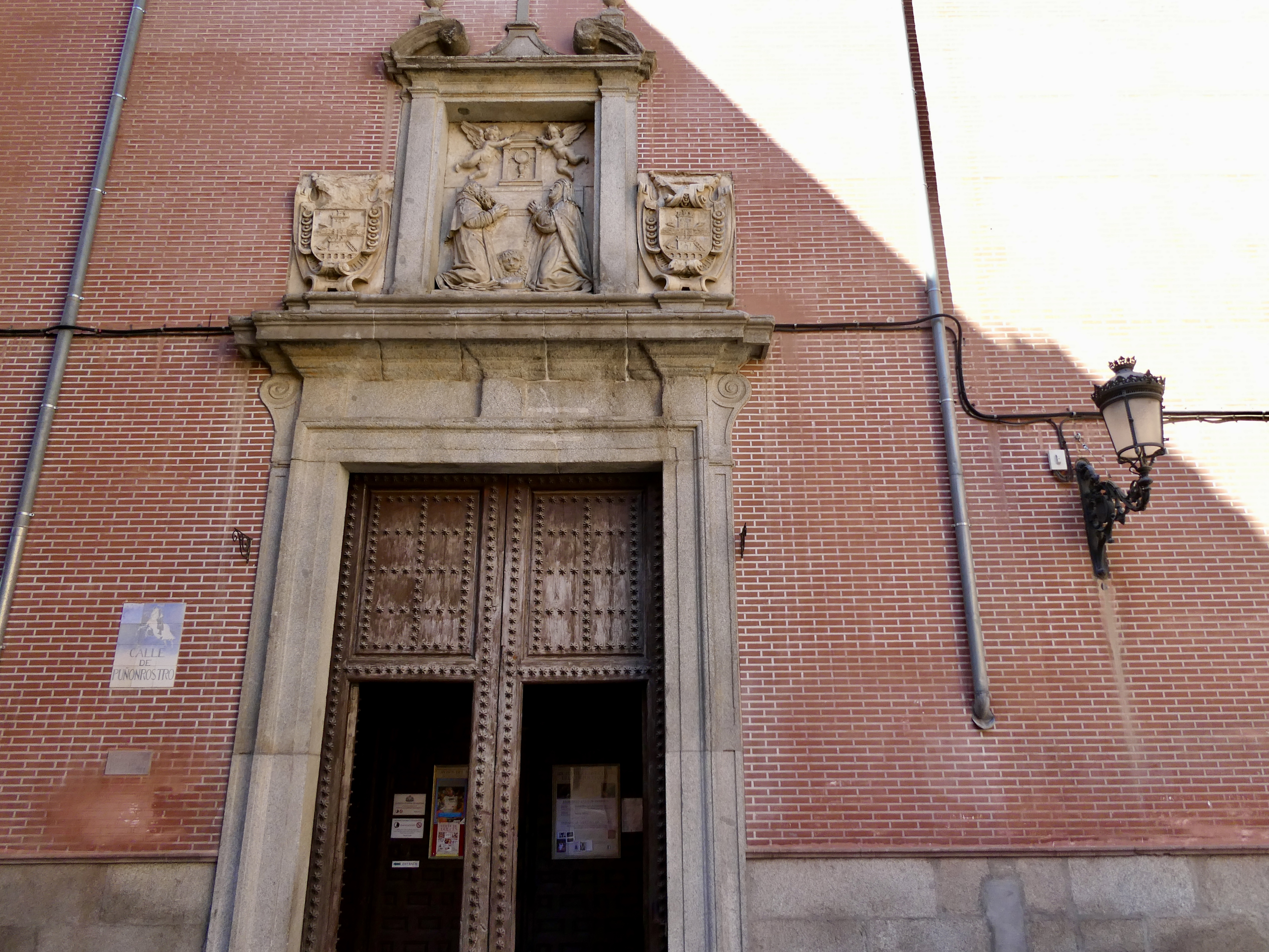
Yep, the eight remaining nuns in the cloister earn money by baking cookies and selling them to the public. There was a little side door on the building with a doorbell that you could ring and once the door is open, you walk down a narrow hallway. At the end of the hallway there is a stand that lists the cookies for sale that day. Once you have made your choice, you put your money on a lazy Susan of sorts, which is fitted into a door. Once you place your money on the lazy Susan, you rotate the tray, the money is retrieved by the unseen nun and cookies are returned to you on the tray in the opening of the doorway. Cool!
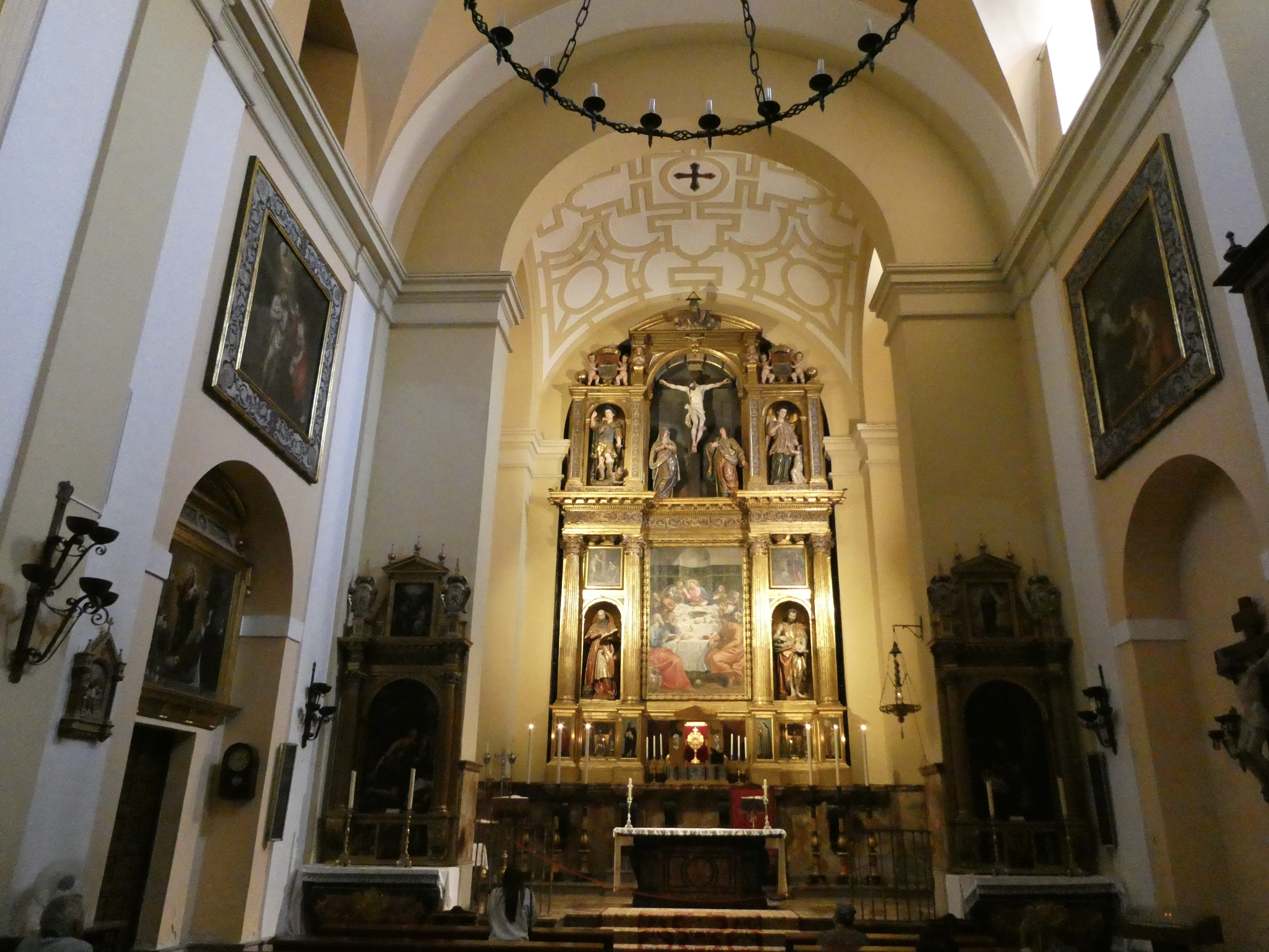
We ended up going inside the cloister to take a look at the inside of the church and we actually spotted a very elderly nun up above us. When we looked up, she immediately looked down and shuffled off into the corner. Once we realized she was in the church, we all decided it was time to leave.
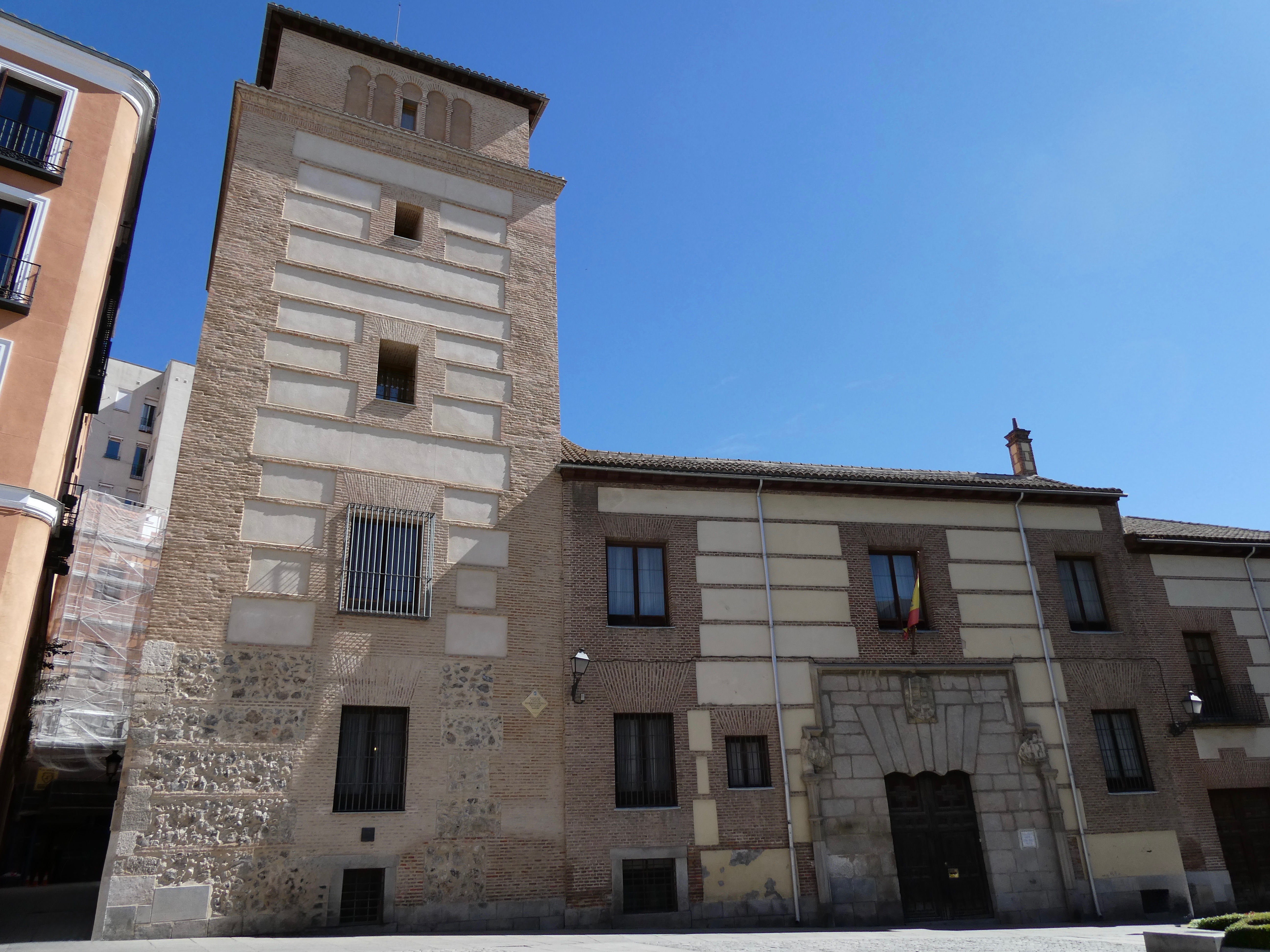
Anyway, after the stop at the cloister, we moved around the corner to Torre y Casa de los Lujanes, the oldest civil building in Madrid dating to 15th century. The building was and is a family home and the enormous tower is constructed in the Moorish design with arched windows and doorways. Pretty cool building.
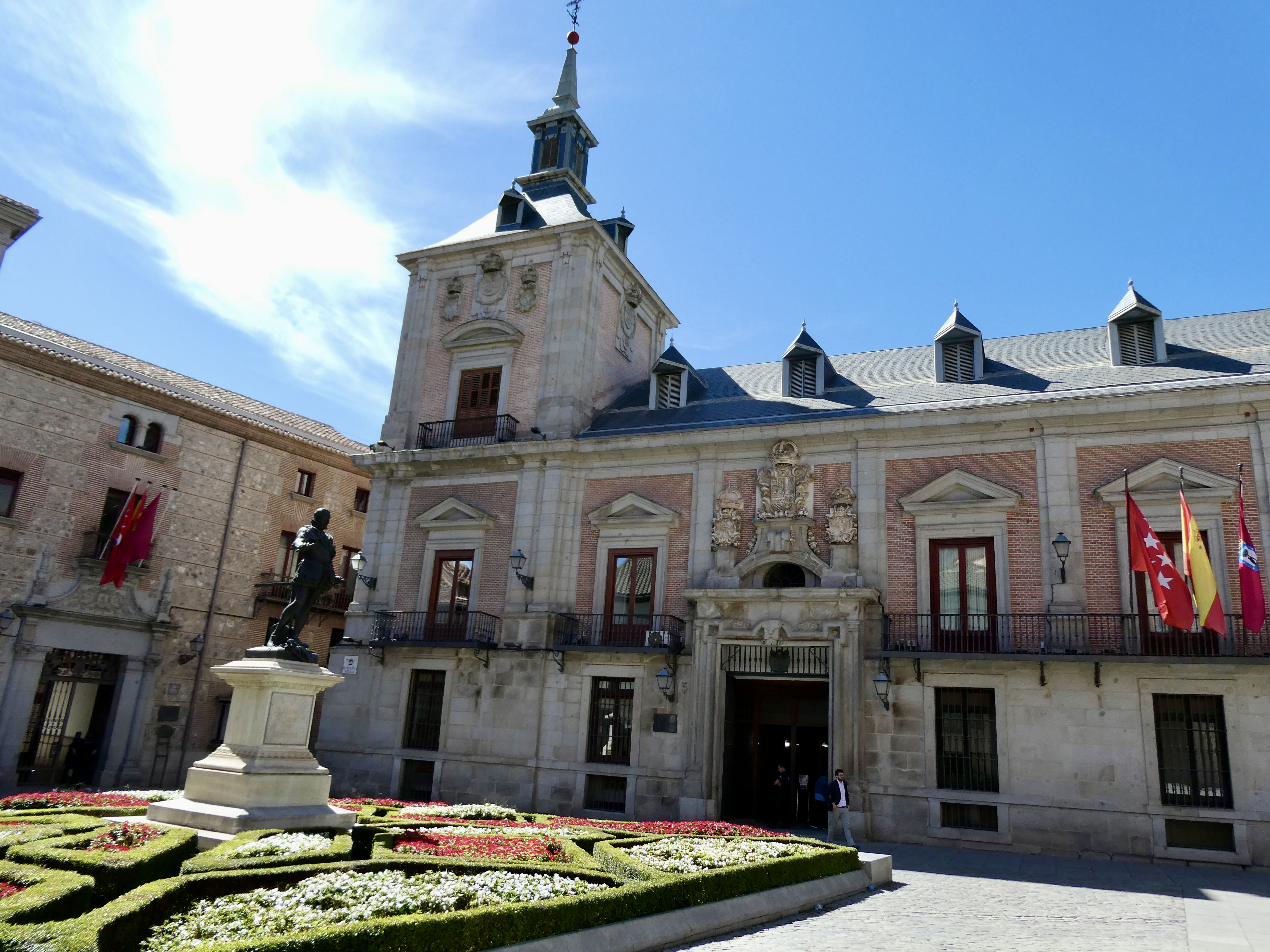
And across from Torre y Casa de los Lujanes was the Casa de la Villa, which served as Madrid’s city hall from the 17th century until 2007, when the offices were moved to their current location at the Cibeles Palace on Calle de Alcala, which I saw on Monday.
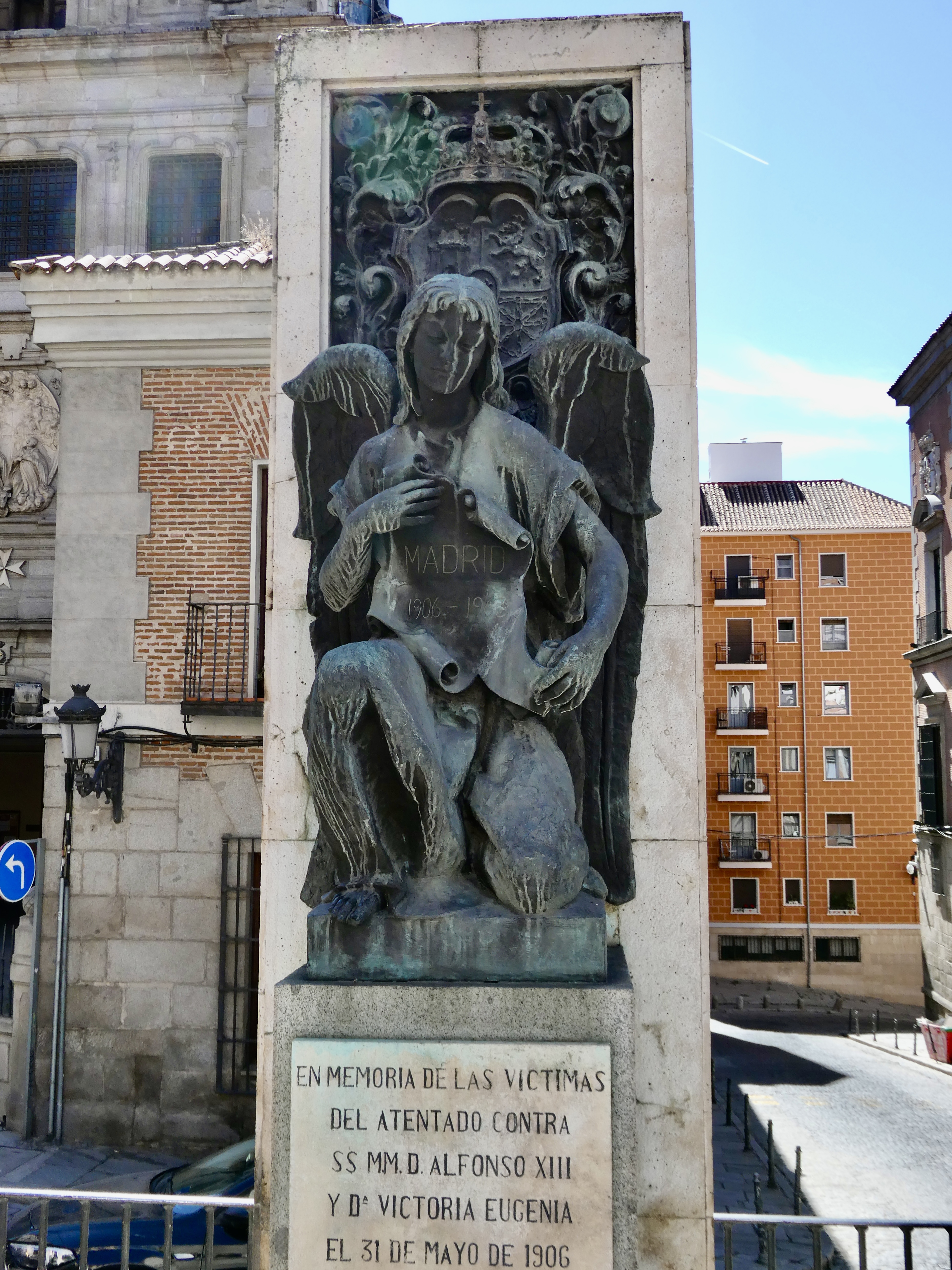
We then moved on to Calle Major, the main thoroughfare that leads down the hill to the Madrid Cathedral and up the hill to Puerta del Sol. We made a brief stop at a monument that is a memorial to the 20 people killed in 1906 when a bomb hidden in a bouquet of flowers was thrown from the top level of a building on Calle Major during the wedding procession of King Alfonso XIII and Victoria Eugenia (the daughter of Queen Victoria).
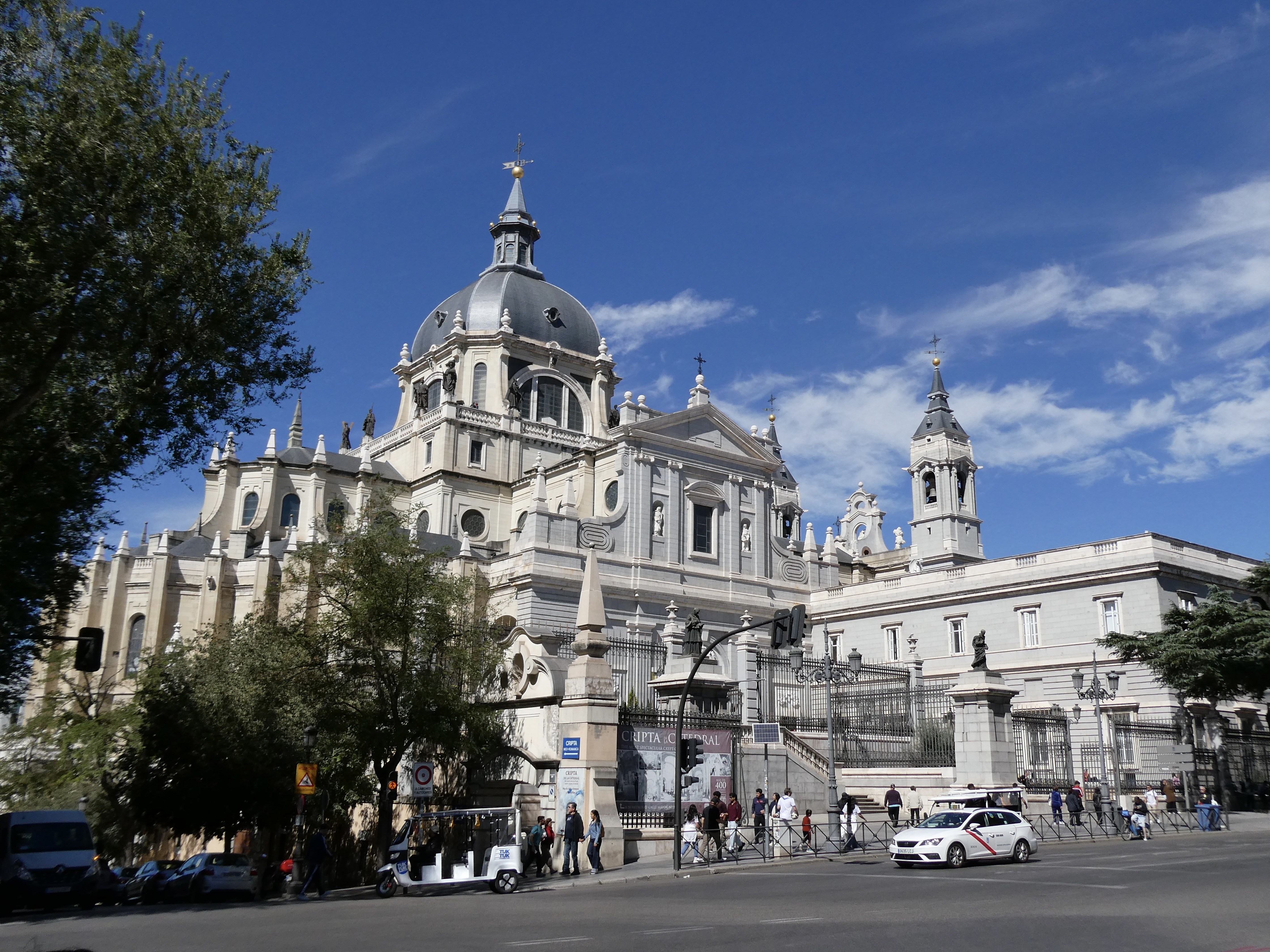
About a block later, we crossed the street and had a perfect view of the backside of the Madrid Cathedral (which took an astonishing 110 years to complete due to budget problems and design changes).
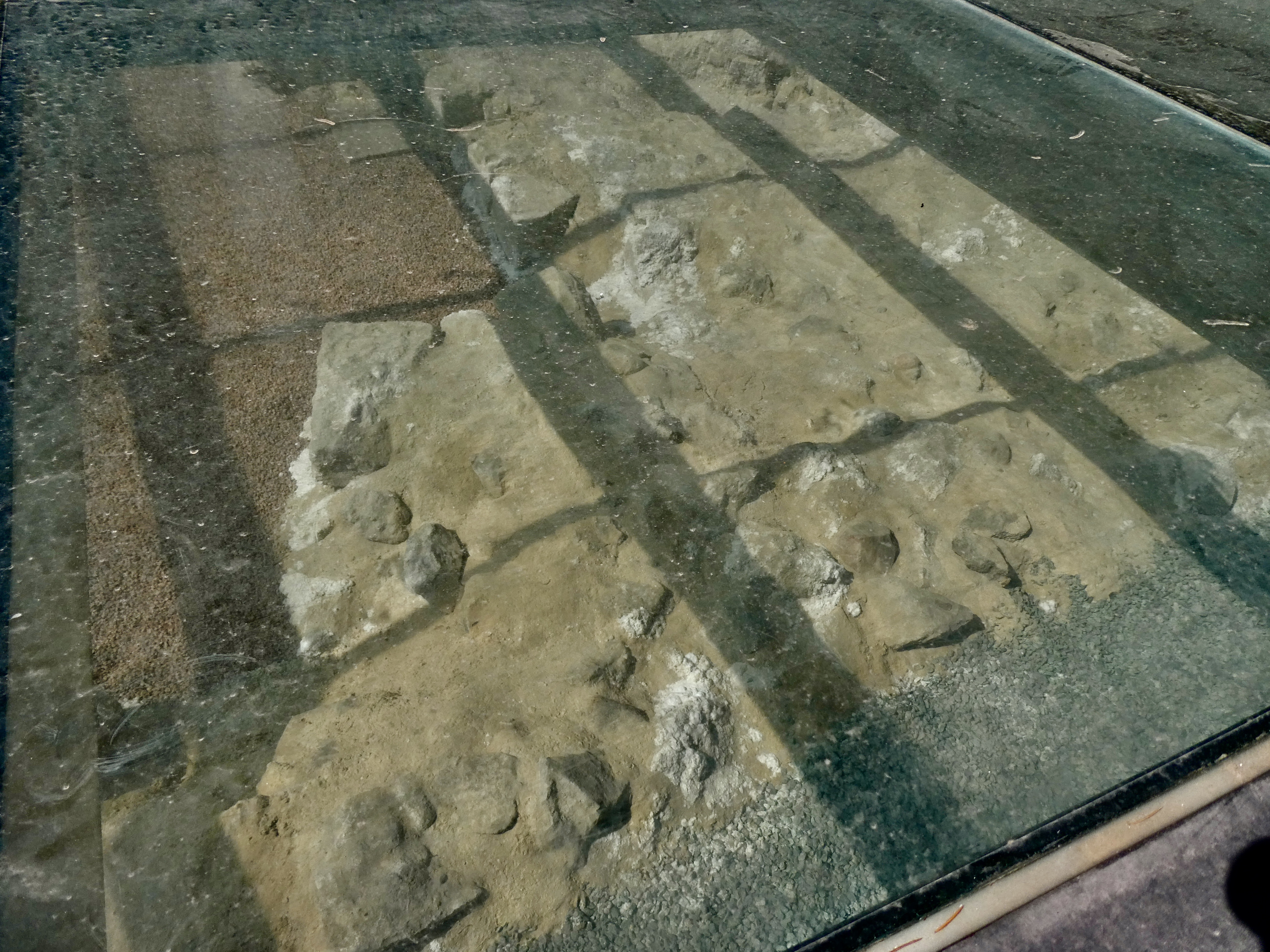
We then crossed down a narrow alley where we took in the ruins of Placa a la antigua Iglesia Santa María la Real de la Almudena, a church dating to at least 1202, although it is believed that the church was originally a mosque that was later converted to a church after the Muslims were forced out of Spain. Sadly, the church was taken down in the 19th century to expand the nearby Calle Major. The ruins are covered by glass (that desperately needed a cleaning), but I did manage to catch a descent look thanks to the sun shining on the glass.
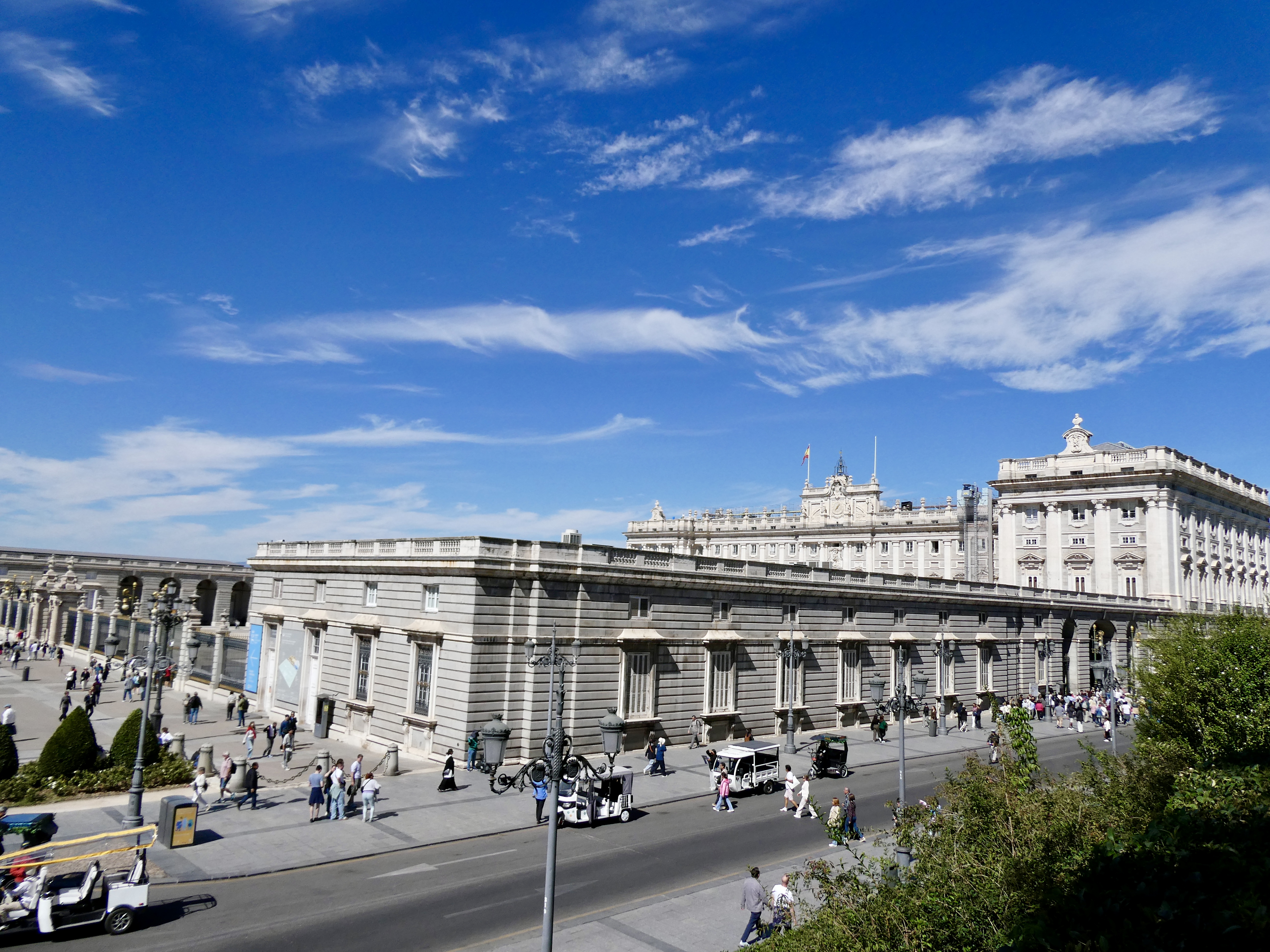

At this point, we walked towards the Plaza de Oriente taking in a pretty nice view of the Royal Palace before reaching the park and the statute of Philip IV of Spain on horseback. Now the statute has the horse up on its hind legs, but it originally kept falling over due to the weight of the statute. Galileo Galilei (yes that Galileo) was consulted about what to do and he suggested hollowing out the front of the statute so the weight would all be on the backside. Brilliant and of course, it worked.
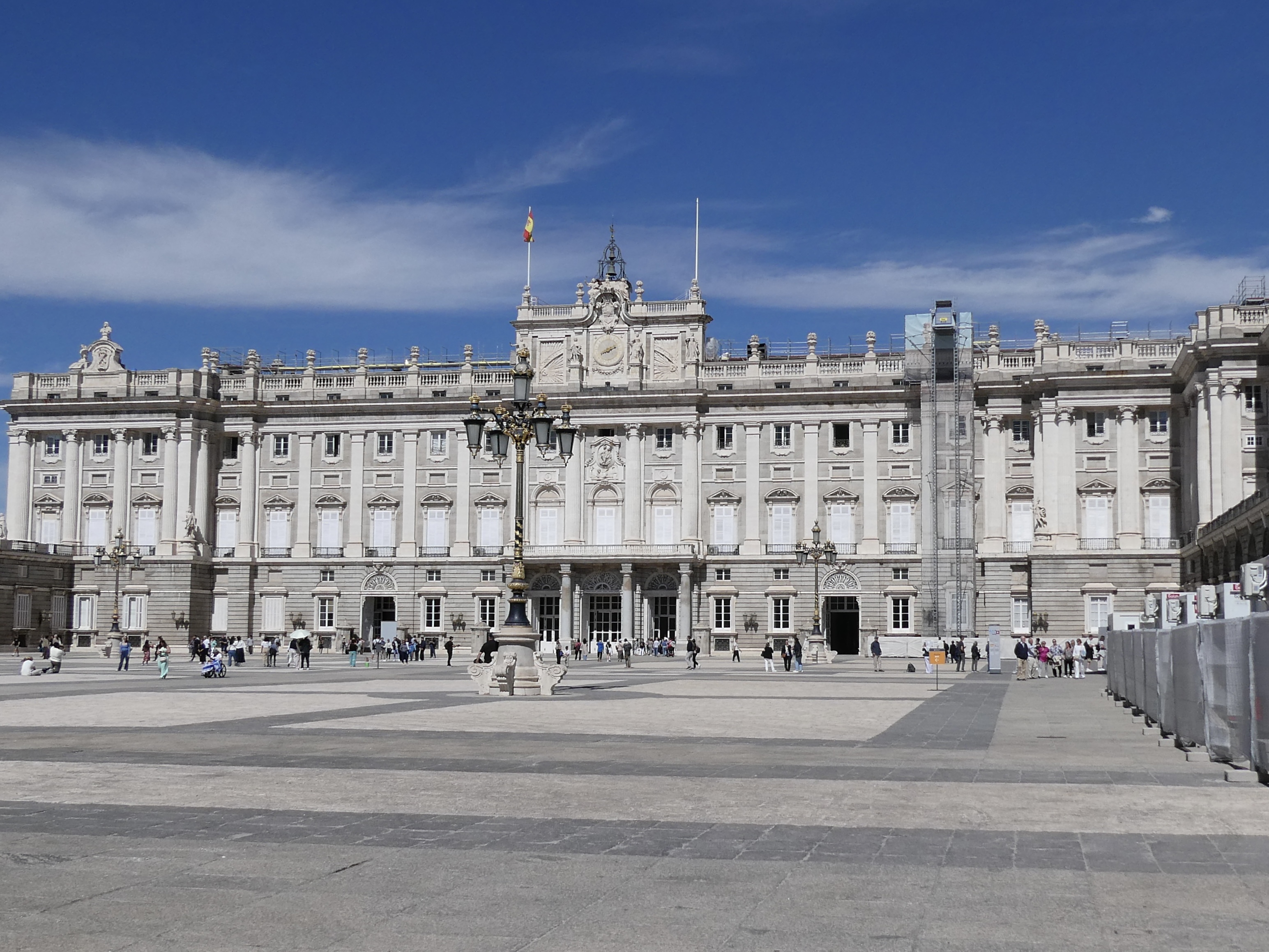
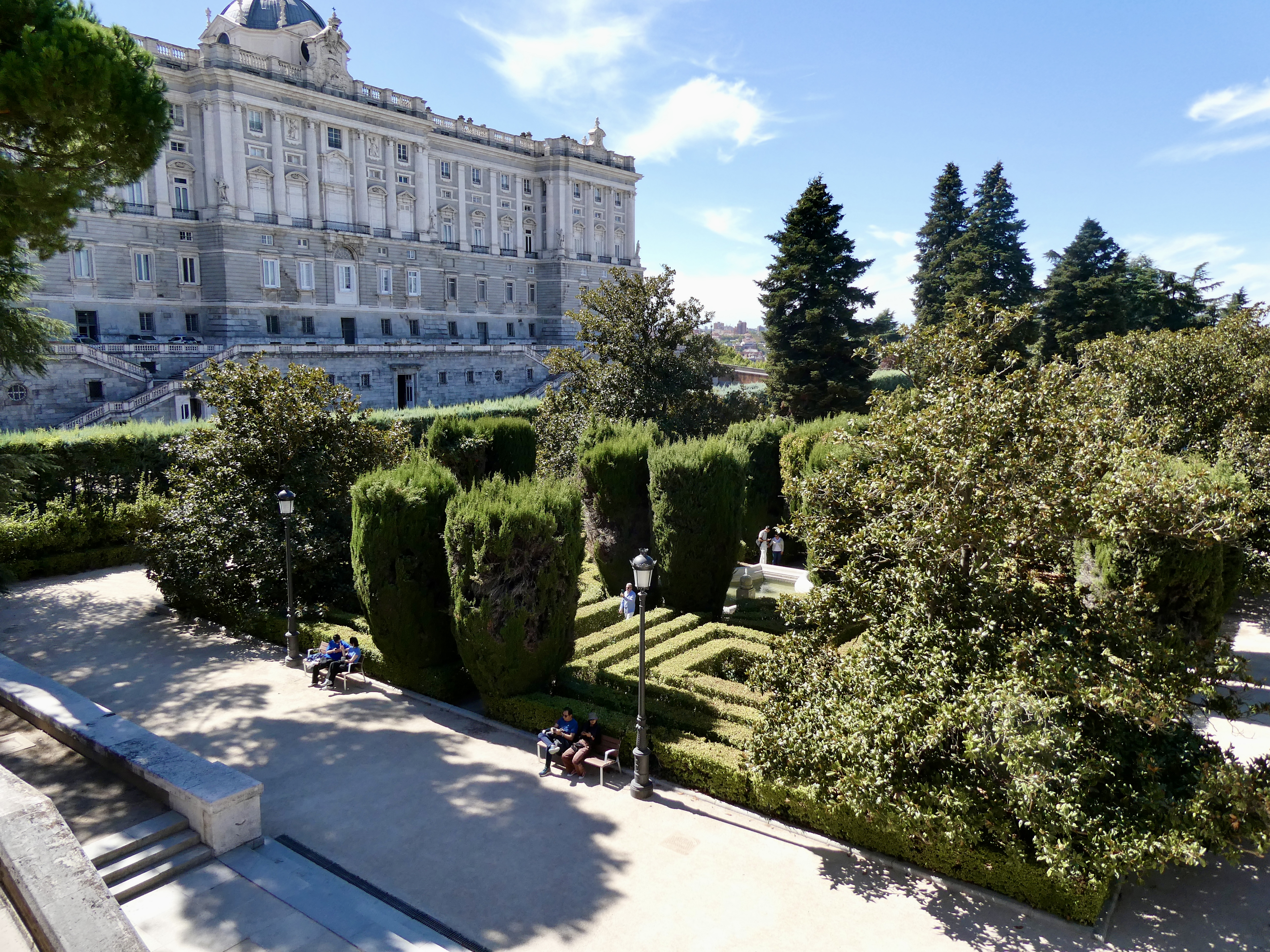
And with that, our tour came to an end. I decided to walk back to the palace and get a better look at the front of the palace, which is not visible from the road, as well as the Campo del Moro Park on the backside of the palace, before hiking back up the hill for some lunch and then a bit of a rest on my patio.
Tomorrow, I wassupposed to go to Salamanca, but my tour guide contacted me and she is ill so I ended up changing my tour of the Royal Palace (which had already been changed from today to Friday) to tomorrow afternoon. Not sure if I will do anything else. Maybe I’ll head for a walk through the Botanical Gardens. Choices!!!