So I was up super early this morning and on the train by 7:46 a.m. heading to Seville (or Sevilla as it is pronounced in Spain). Now for some reason, I thought the trip was going to take about an hour, but by 8:20, we were pulling into the station. I found a cab, dropped my luggage off at my fabulous hotel (more about that below) and started to walk to my meeting point in Plaza Nuevo for my small group walking tour of old town Sevilla.
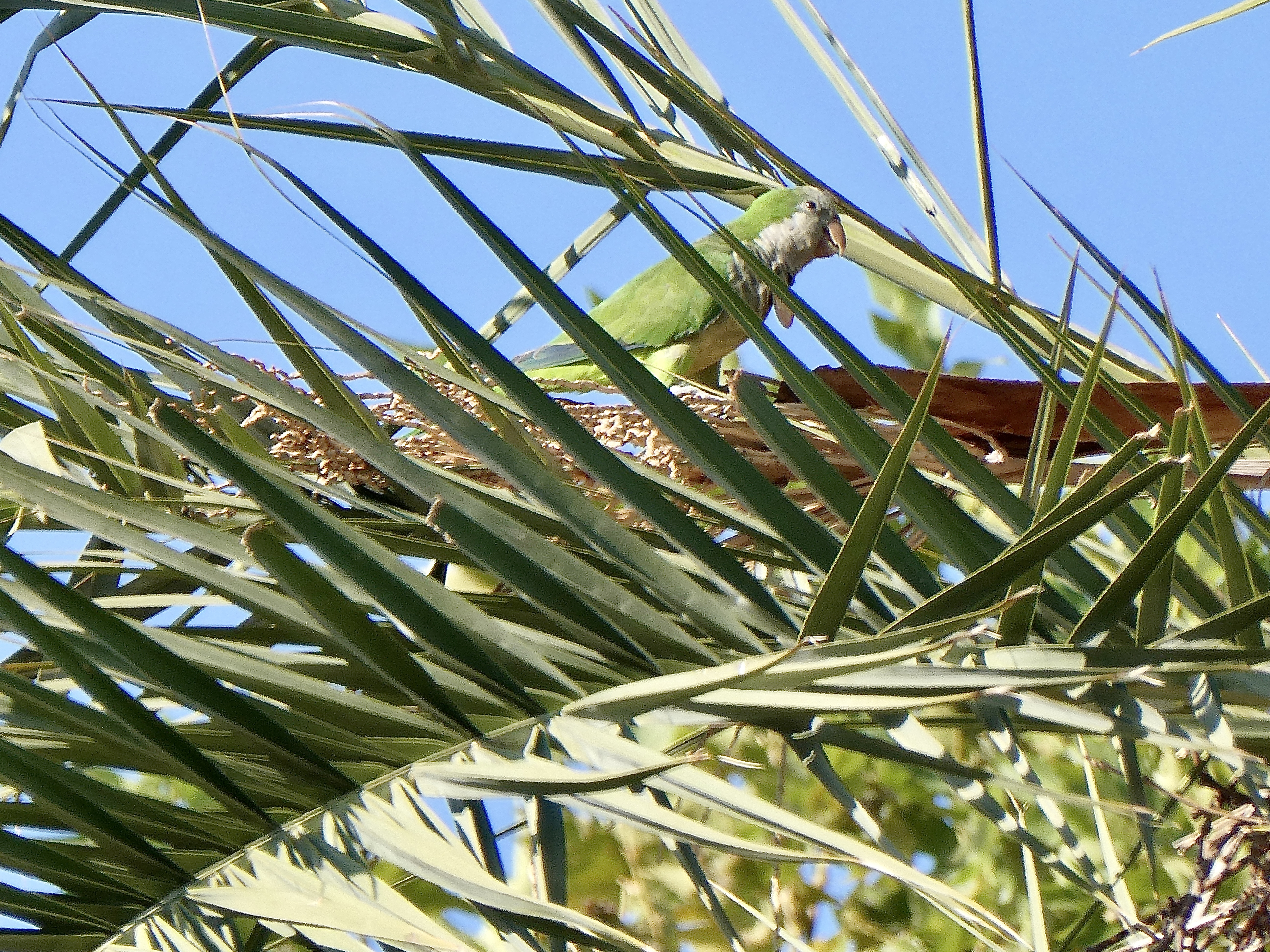
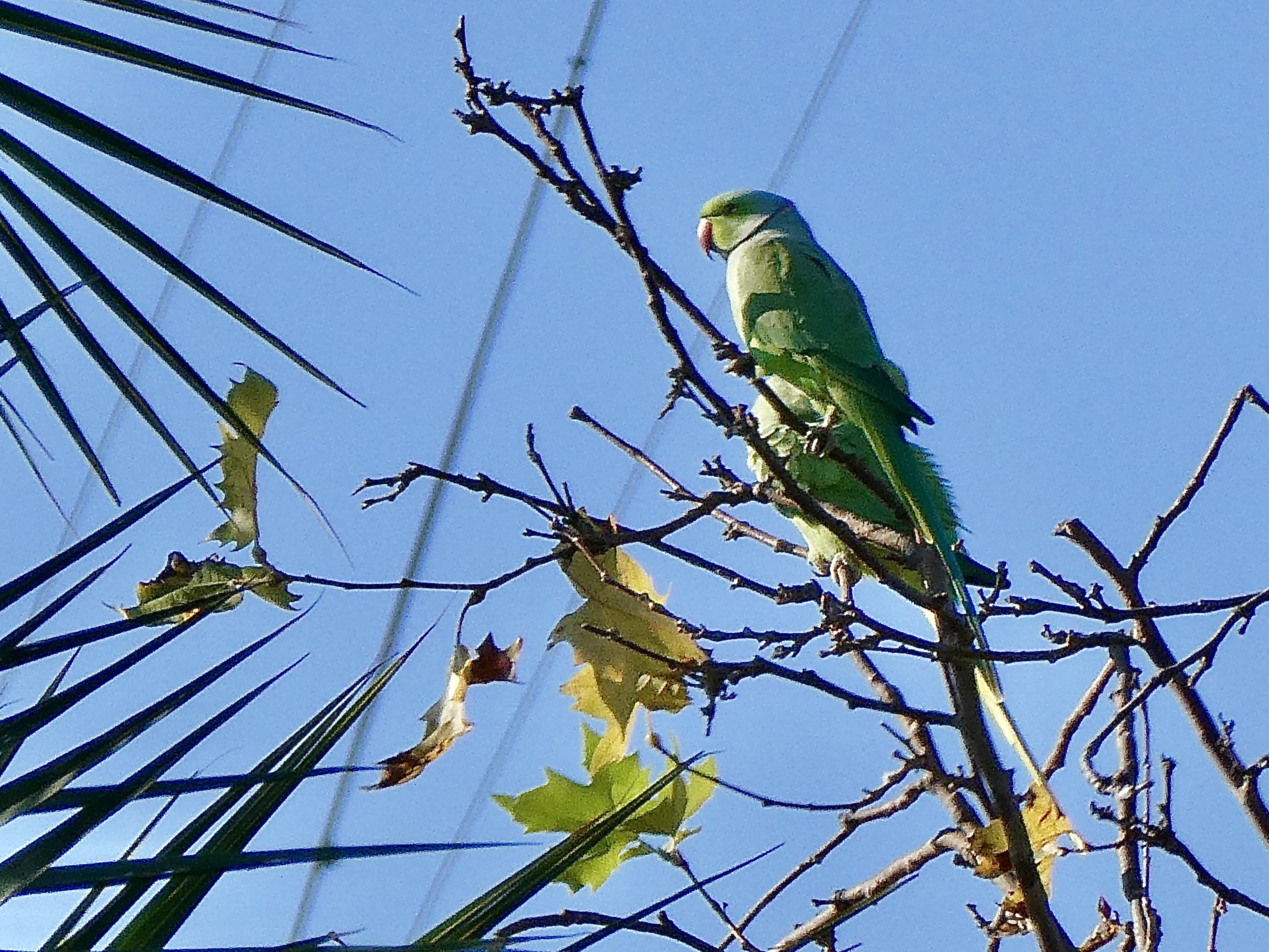
Along the way, I stopped for some breakfast before reaching Plaza Nueva, about a half mile from my hotel. Now when I arrived, there was this incredibly loud screeching going on, which I thought sounded an awful lot like parrots. I kept looking up and saw nothing, but once I sat down and sat for a bit, I soon spotted the culprits, monk parakeets aka Quaker parrots. Now I was a good half hour early for my tour, so I was thoroughly entertained by these noisy little buggers while I waited for my tour to start. Great fun to watch.
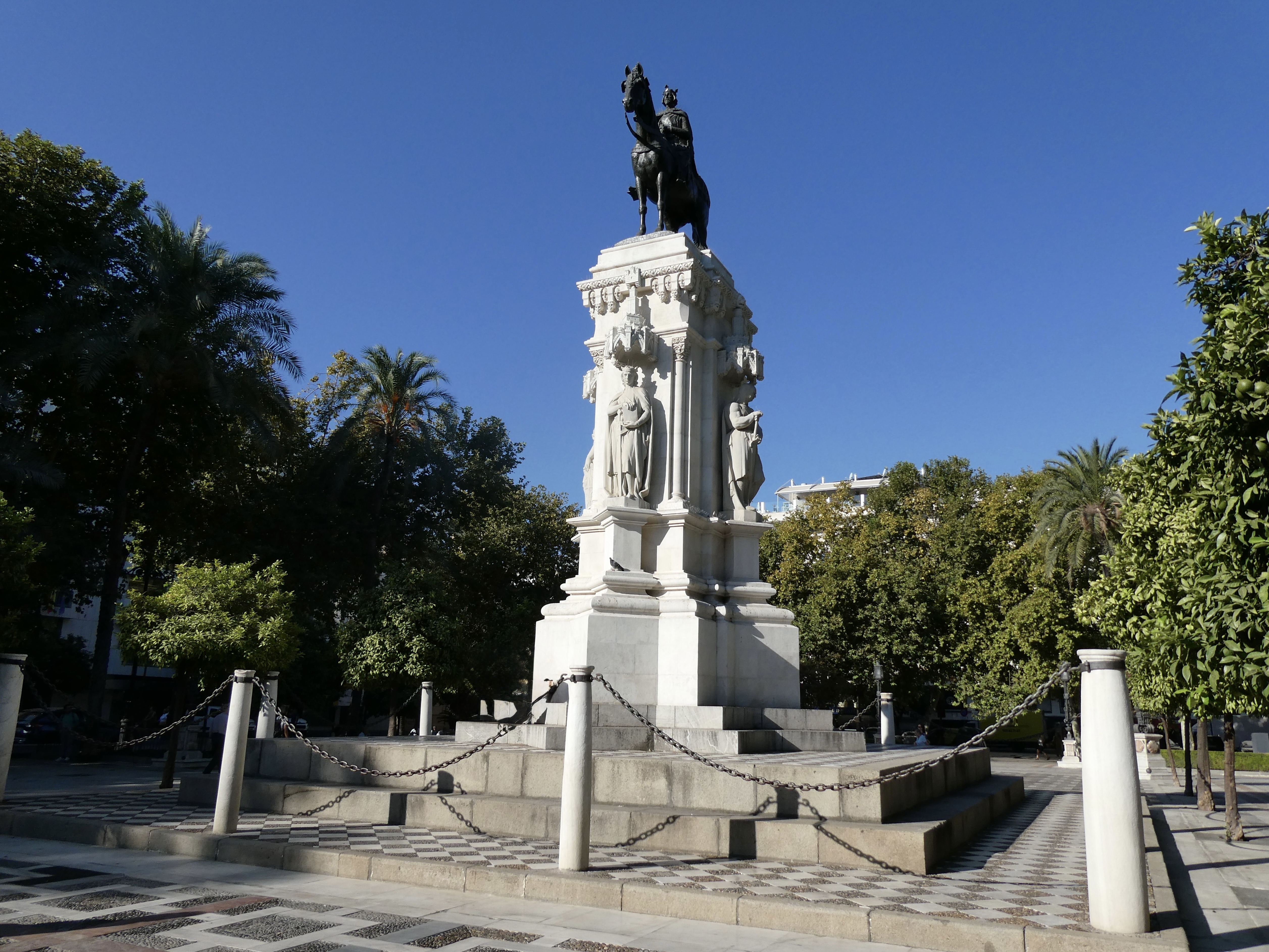
Anyway, just before 10:30 Marina arrived in front of the King Fernando III statute, took role call (there were four folks from England, two from NYC, two from San Francisco, a lady from LA and me). The group proved to be lovely.

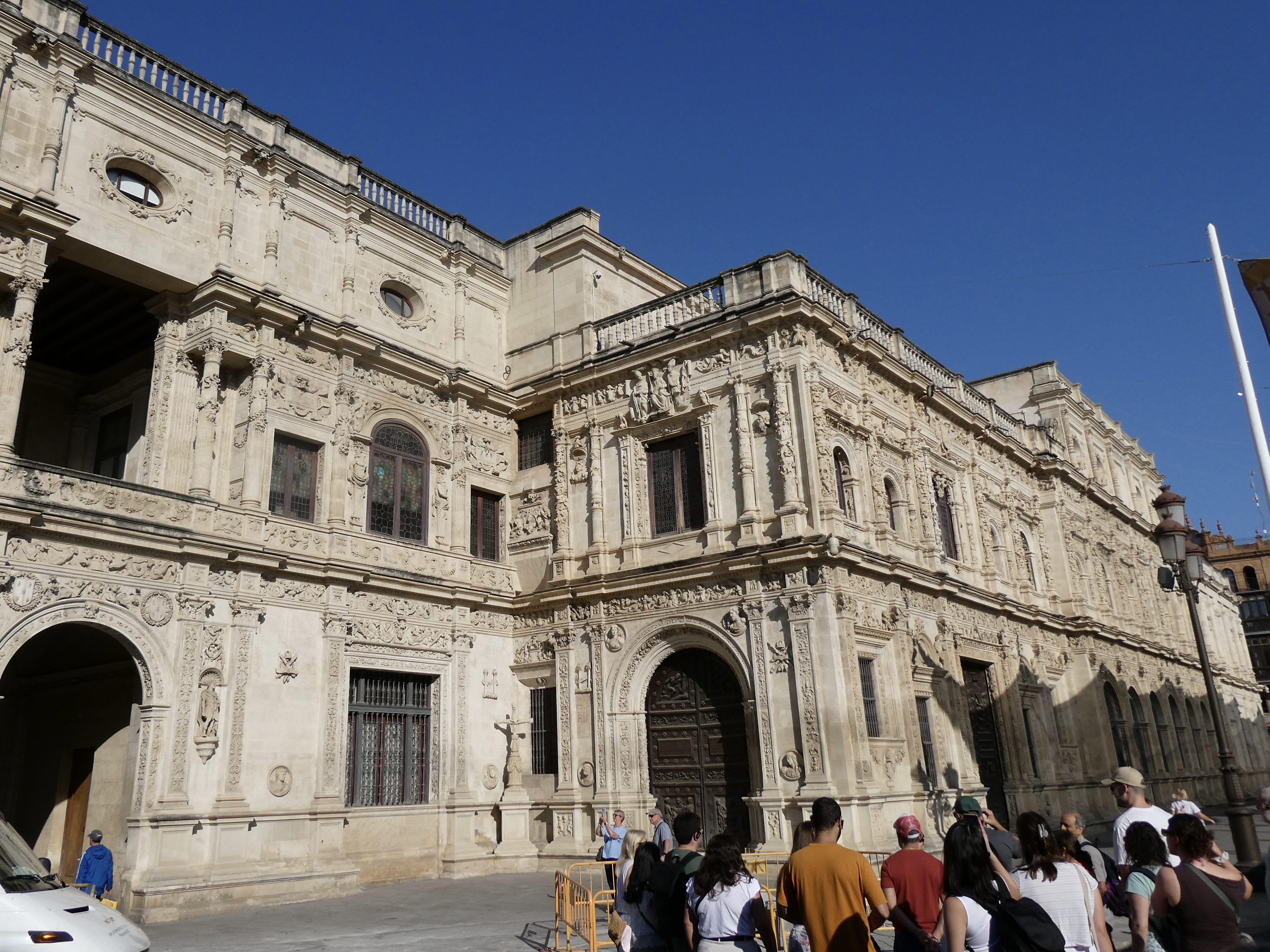
So we started off the tour at the end of the plaza with the City Hall Building. Nothing exciting about this building until … we walked to the other side of the building and whammo, suddenly we were faced with a 17th century building that was the former Convent of San Francisco and is now home to the city hall. So new side facing the plaza … boring and old side … wowza!

Now the building was covered in religious symbols, but curiously included statues of Hercules and Caesar on either side of the arch we crossed through to reach the old part of the building. In addition, I spotted very strange looking devil creatures in the middle of the building at the top. I never did find out what they were about.
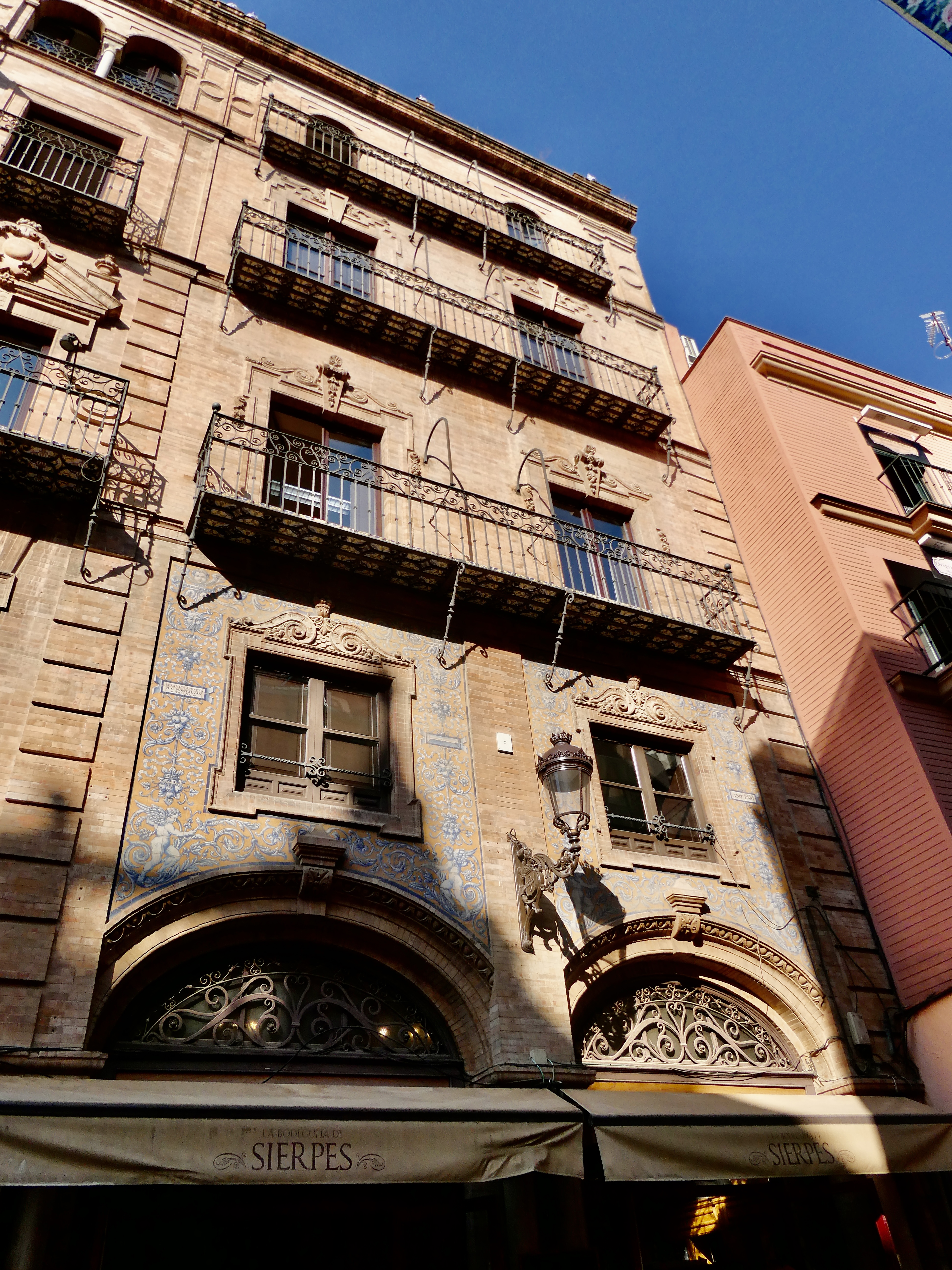
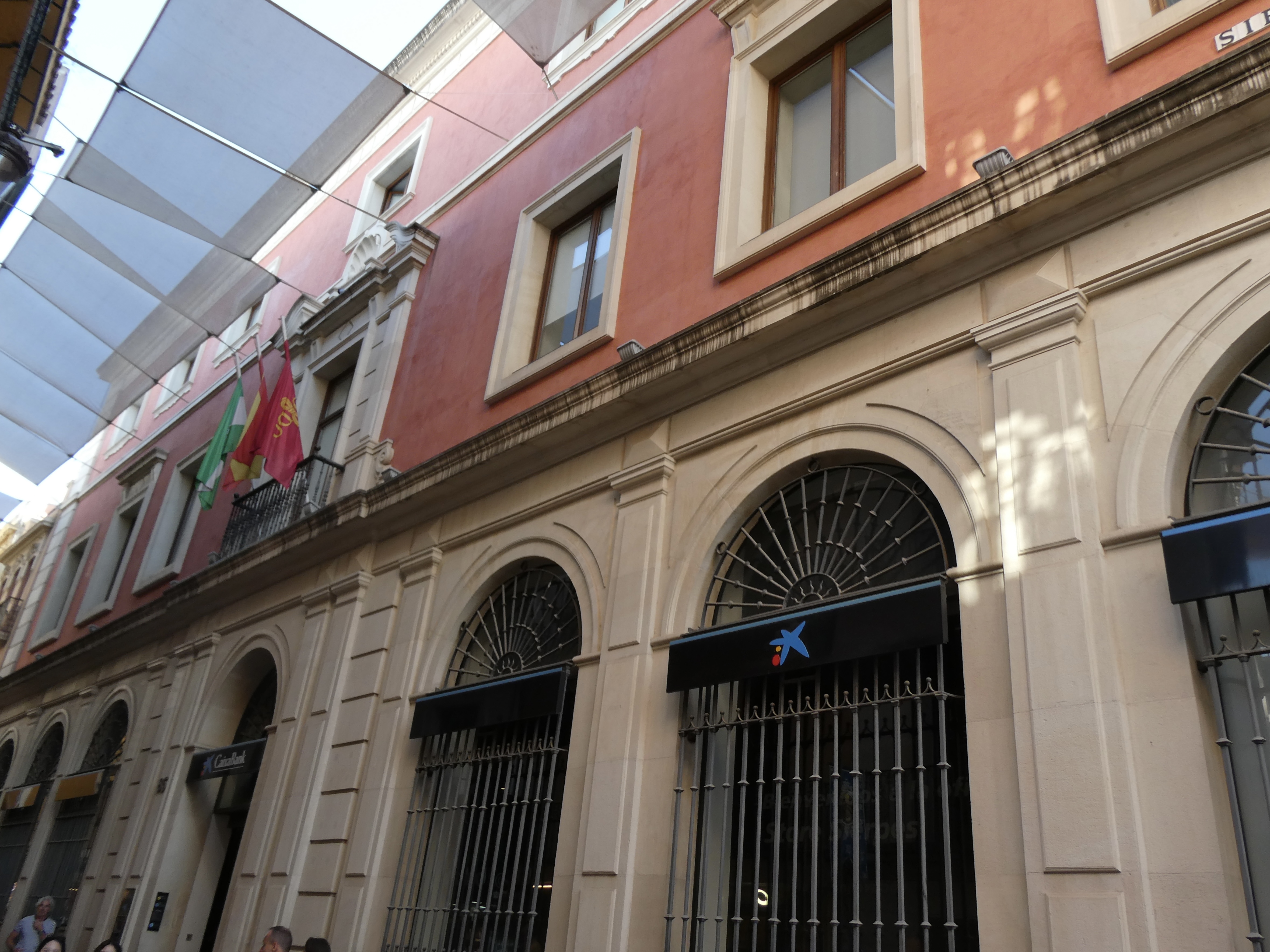
Anyway, we moved on from here down the street passing a 1920s art deco building that included renaissance and gothic designs before reaching the old 16th century courthouse. Now the courthouse has been refurbished, but I loved to imagine what went on in this building. Thinking back on history, most of the civil rights people had involved property and of course, the courts were used for criminal proceedings. It would be interesting to find out what else went on here.
And of course next to the courthouse was, what else, the jail also from the 16th century. And interesting factoid. There was a plaque on the side of the building (a really faded plaque) proclaiming that Miguel de Cervantes, the author of Don Quixote, was jailed there on tax charges for 5 years from 1597 -1602. Yikes!
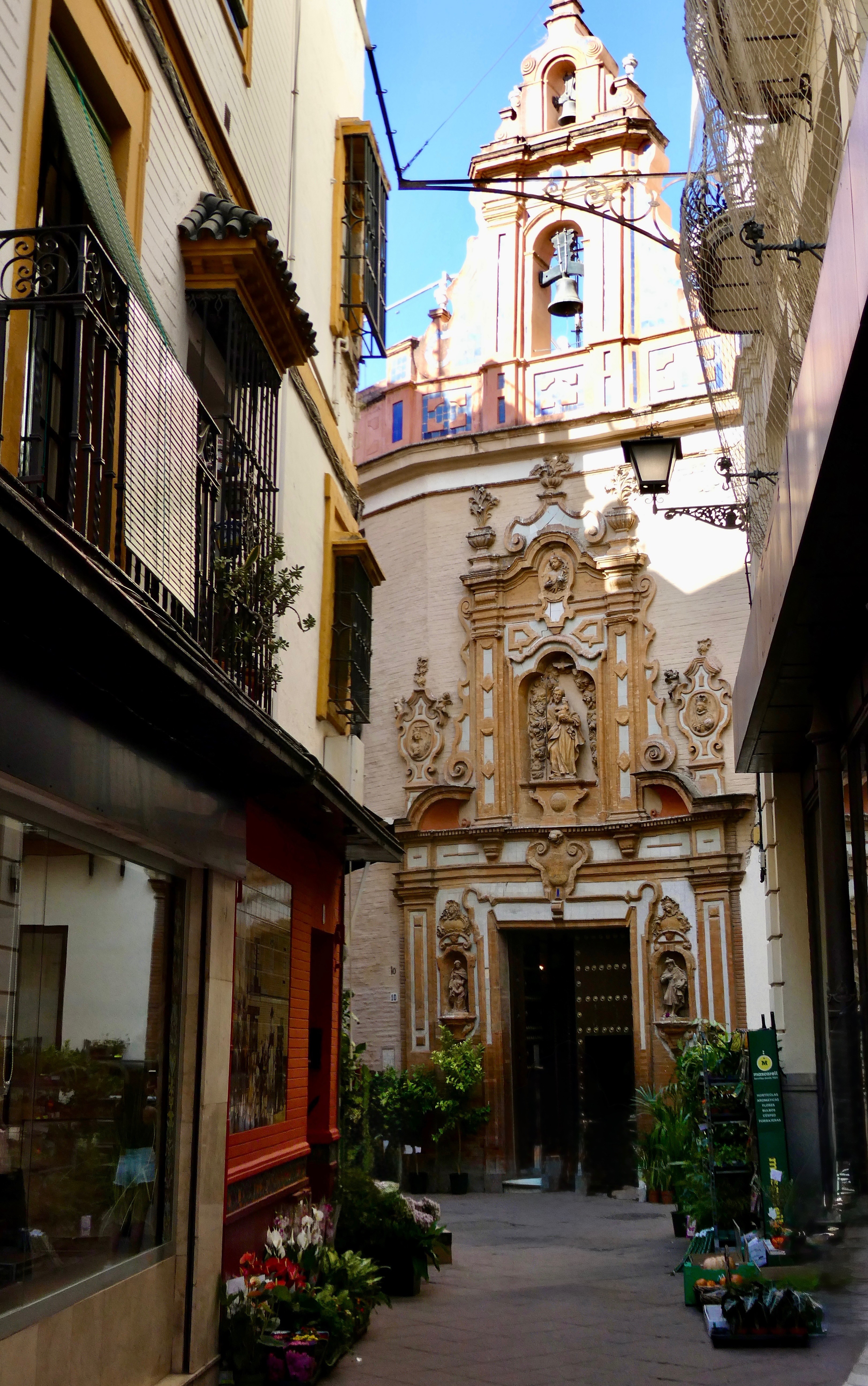
Now at this point we crossed onto Sierpes Street, the main shopping district of the old town dating to the 16th century. The name is derived from the word serpent because the street meanders and curves like a snake. Now down one of the side streets off Sierpes Street was as tiny, but incredibly gorgeous baroque style building that housed the St. Joseph Chapel dating to the late 17th and mid 18th century.
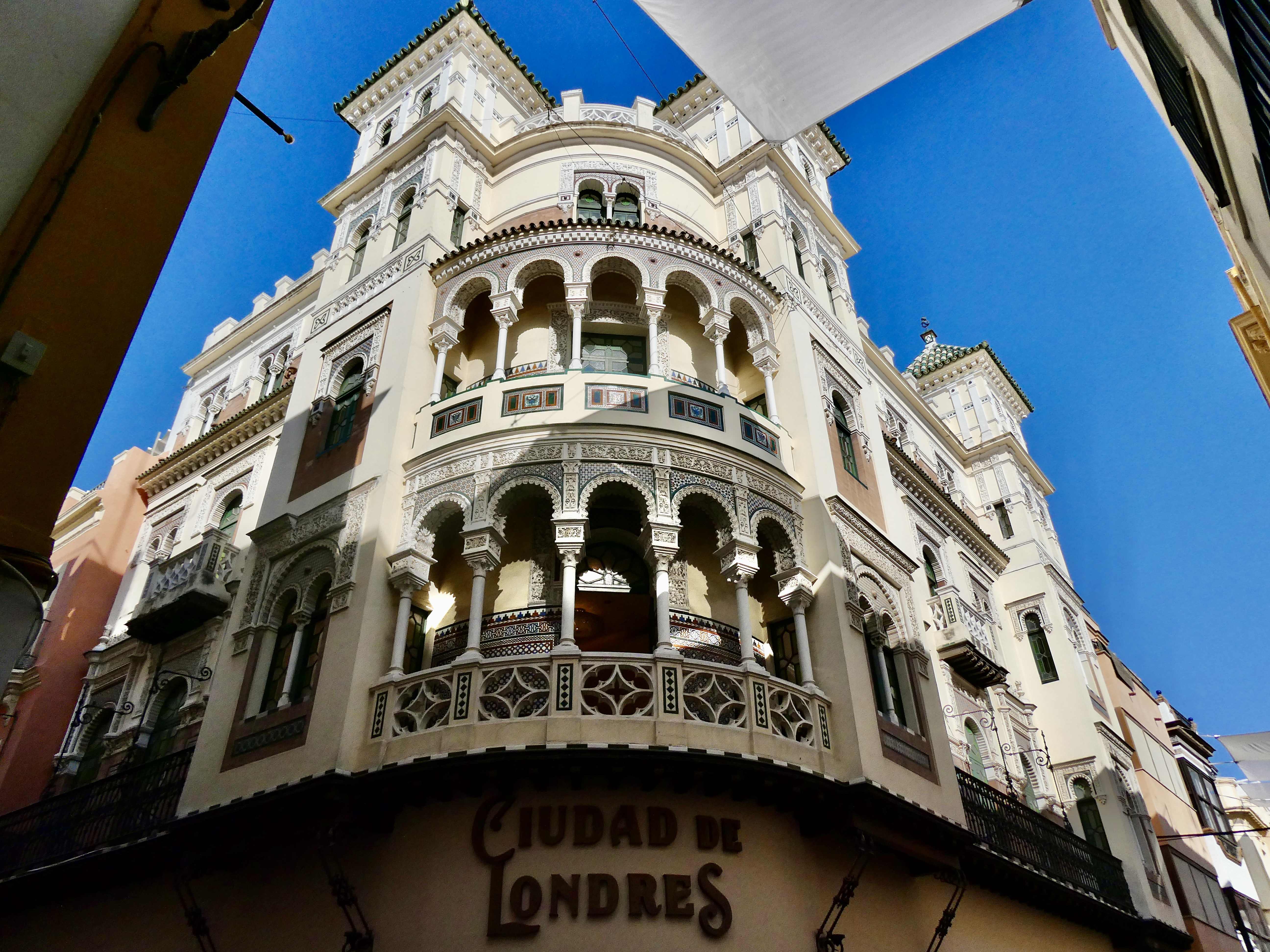
As we continued down the street, we hit the wedding shop district and the gorgeous and apparently very well known Pronovias wedding shop. Now although the building was only constructed in the early 20th century, the building incorporated Renaissance, Muslim and Gothic styles into the architecture and was really quite unique.
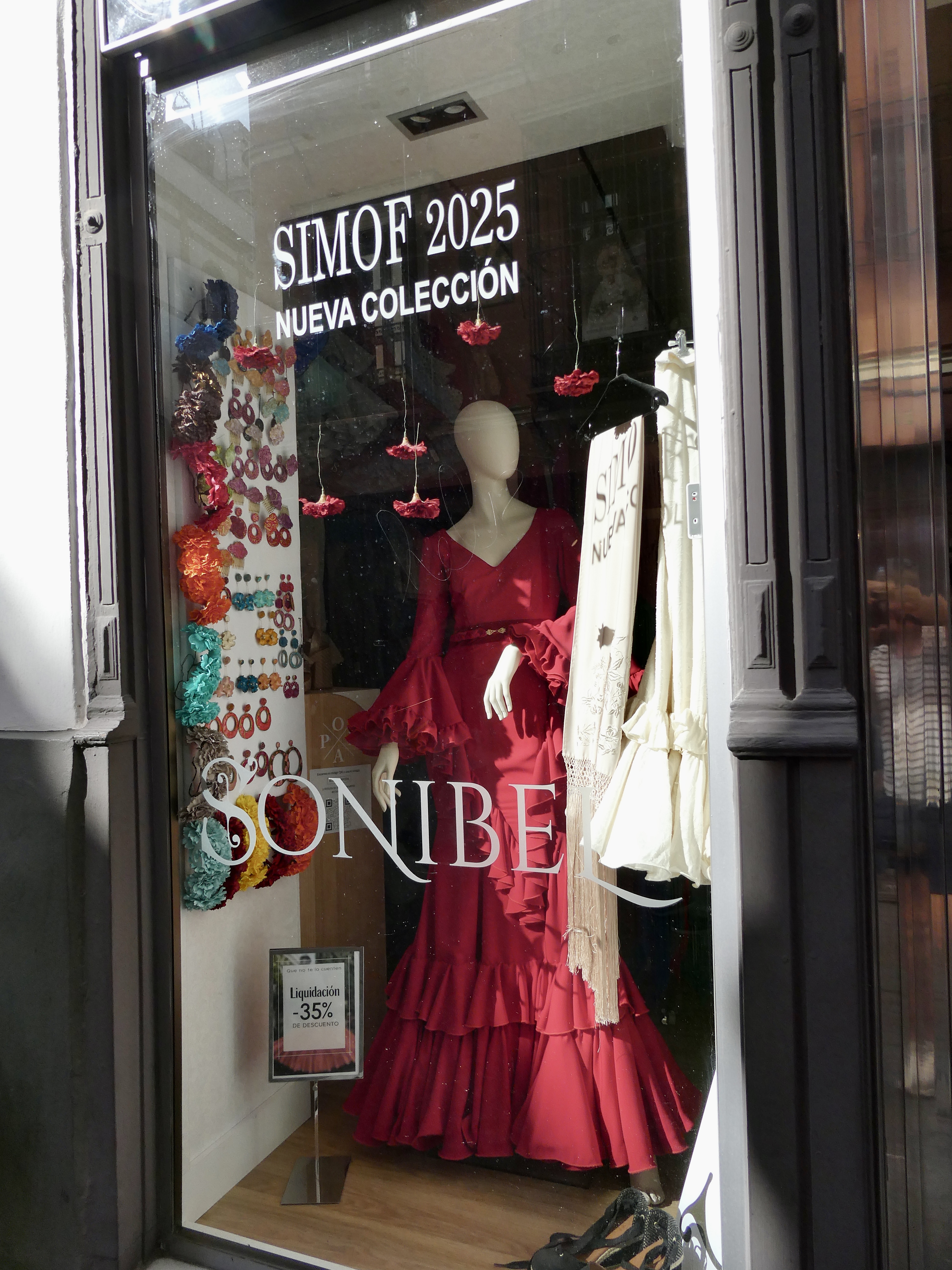
From here, we cut down Cuna street where flamenco dresses and clothing can be purchased for the festival week that is two weeks after Holy Week (Easter). Apparently, it is a big deal here and everyone dresses up for the week. Now the dresses are not cheap … in fact they can average upwards of 600-700 Euros. Yikes! And the men dress up as well in Flamenco outfits with the flat top hat, tight pants and bolero jacket. There are parties all over the streets, lots of parades and floats and of course, food!

Our next stop was a place I want to come back to on Saturday (I have most of the morning free). It was the Casa Palacio de la Condesa De Librija, a palace that dates to the 16th century and has a Roman mosaic floor among other mosaics, Roman and Moorish works of art as well as Roman columns and Moorish arches used in the construction of the building. It is a museum of sorts and clearly looked like it was worth a visit.
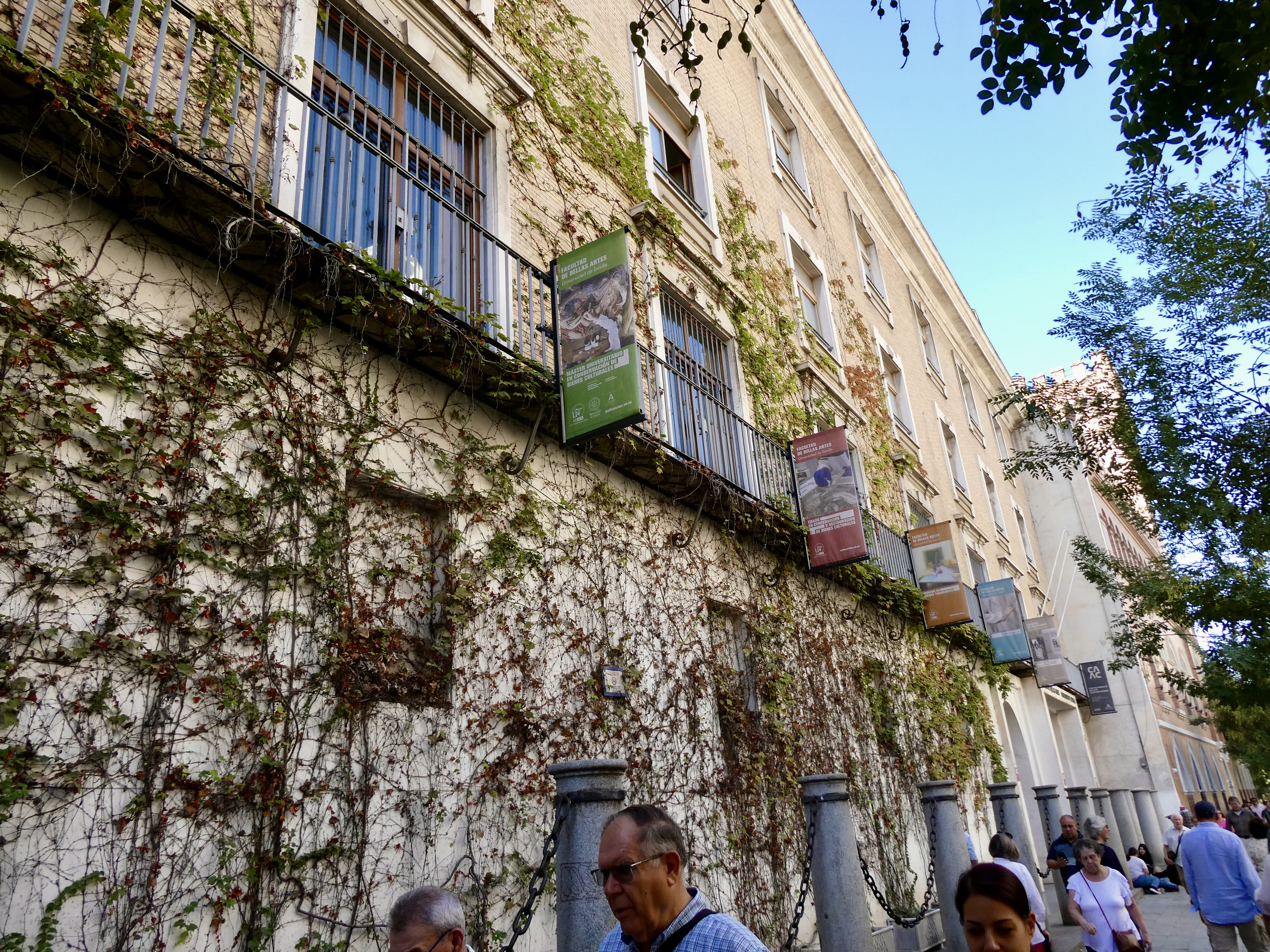
From here, we walked down the narrow street and around the corner past the Palacio del Marques de la Motilla, which looked old, but apparently had only been constructed in the early 20th century. And next door was the University of Sevilla, formerly an old tobacco factory built in the 18th century.
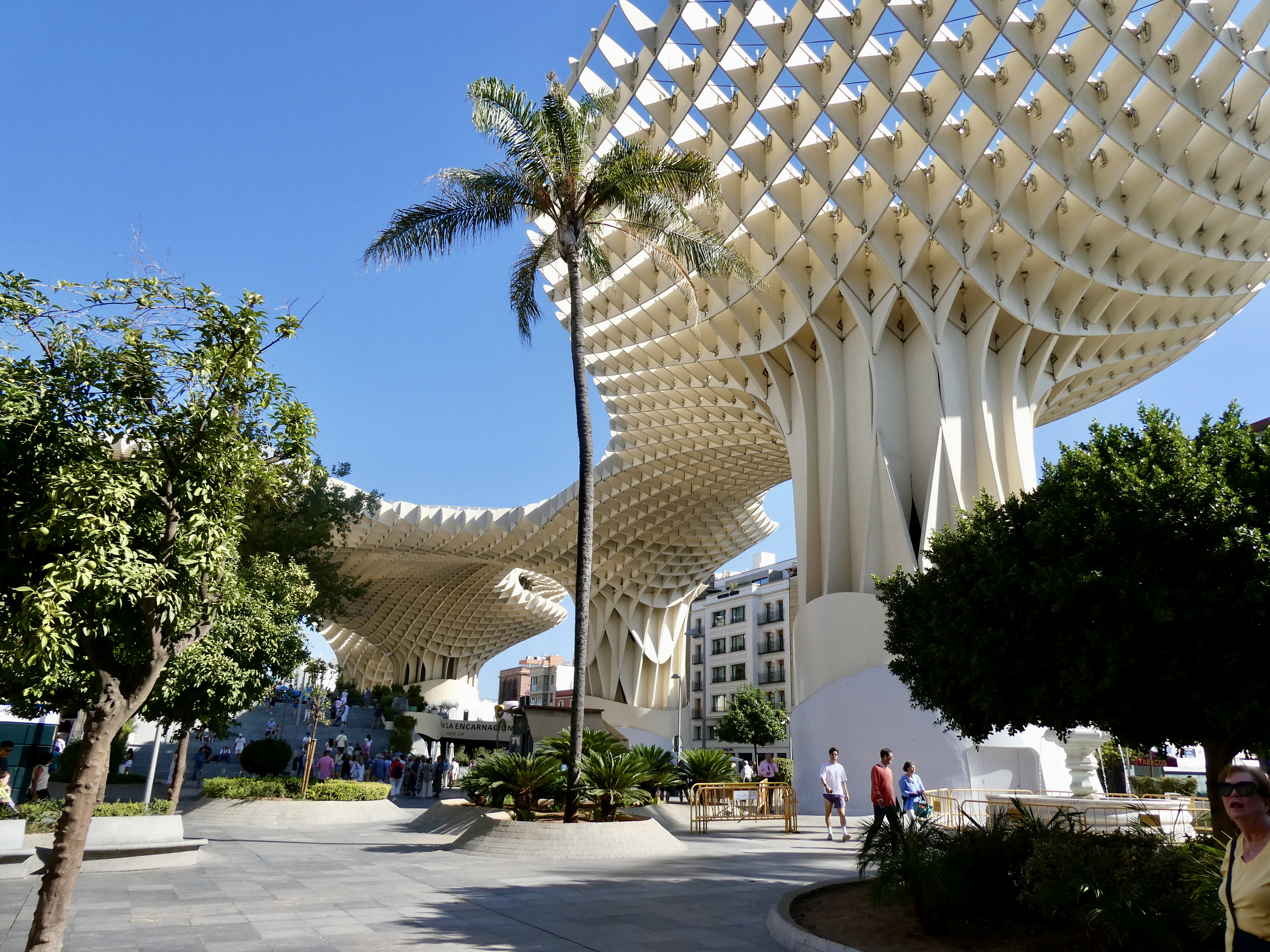
Now across the street from the University was a very strange looking art installation of sorts called the Metropol Parasol, which is made of wood and located in La Encarnacion Square. The installation was completed in 2011 and was massively over budget and the subject of neighborhood complaints because it now blocks the views of numerous condominiums in the area. The installation is actually nicknamed the Mushroom because it actually looks like a giant mushroom.
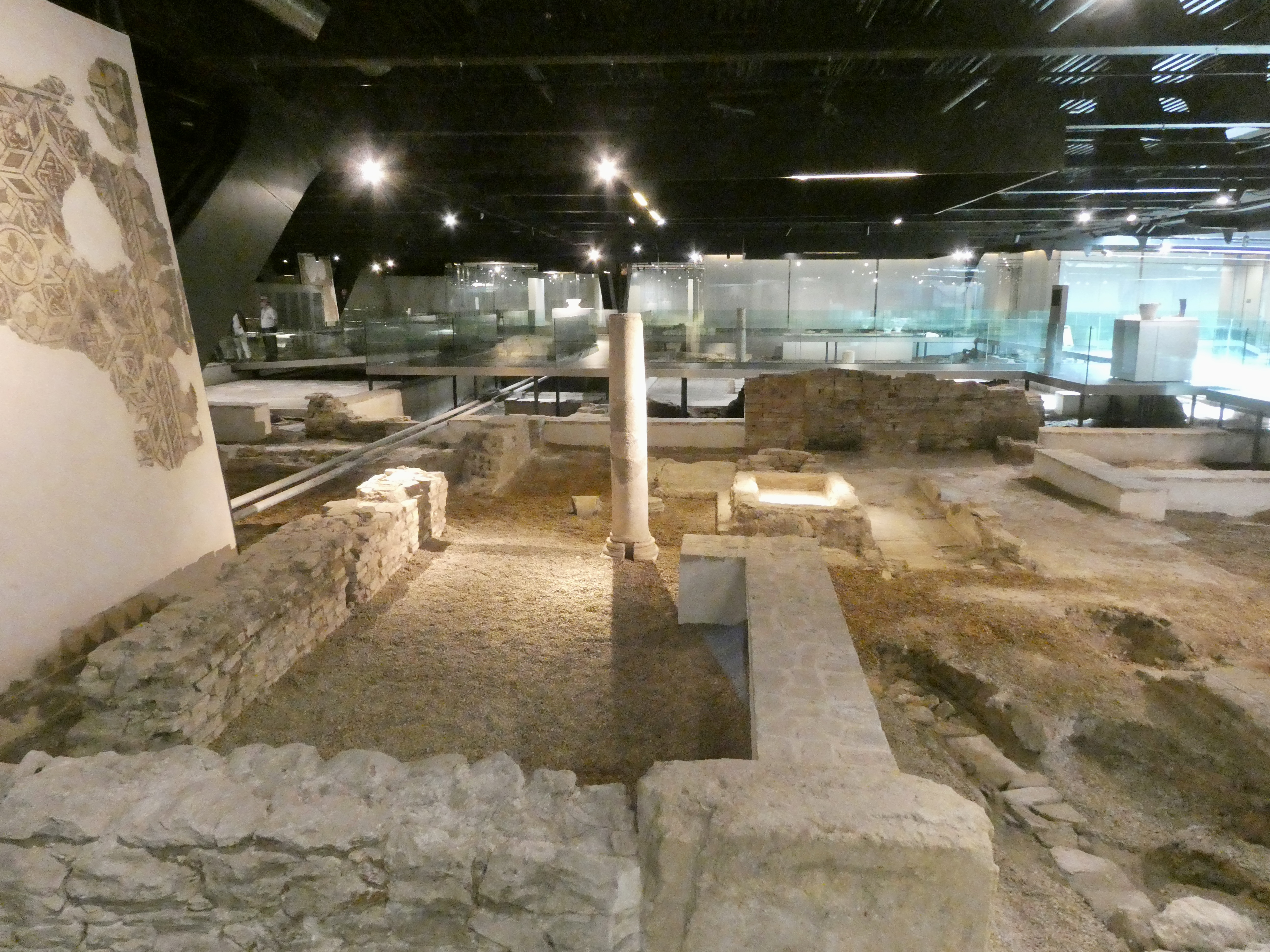
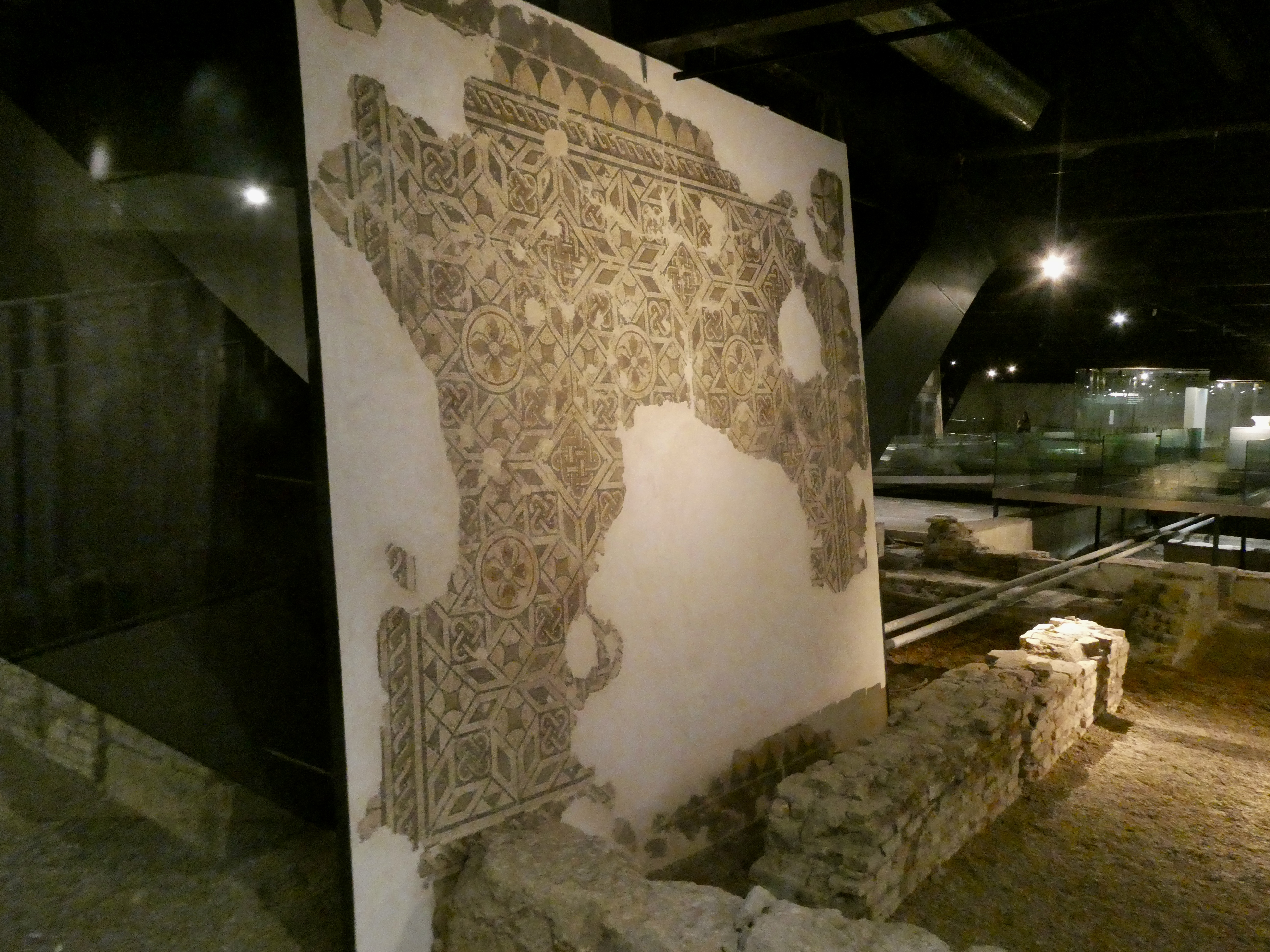
Anyway, the area is filled with a traditional market, restaurants, and a square where performances take place, but best of all the underground area beneath the Metropol Parasol is home to the Antequarium, which contains archeological remains dating from the Roman period through the Moorish period. The remains were uncovered when the area was being excavated for a car park. The Roman ruins include a fish salting plant and some homes, which date to the age of Tiberius (30 A.D.) up to the sixth century. The Moorish ruins include a house dating from the 12th and 13th centuries. I will be back here on Saturday as well.
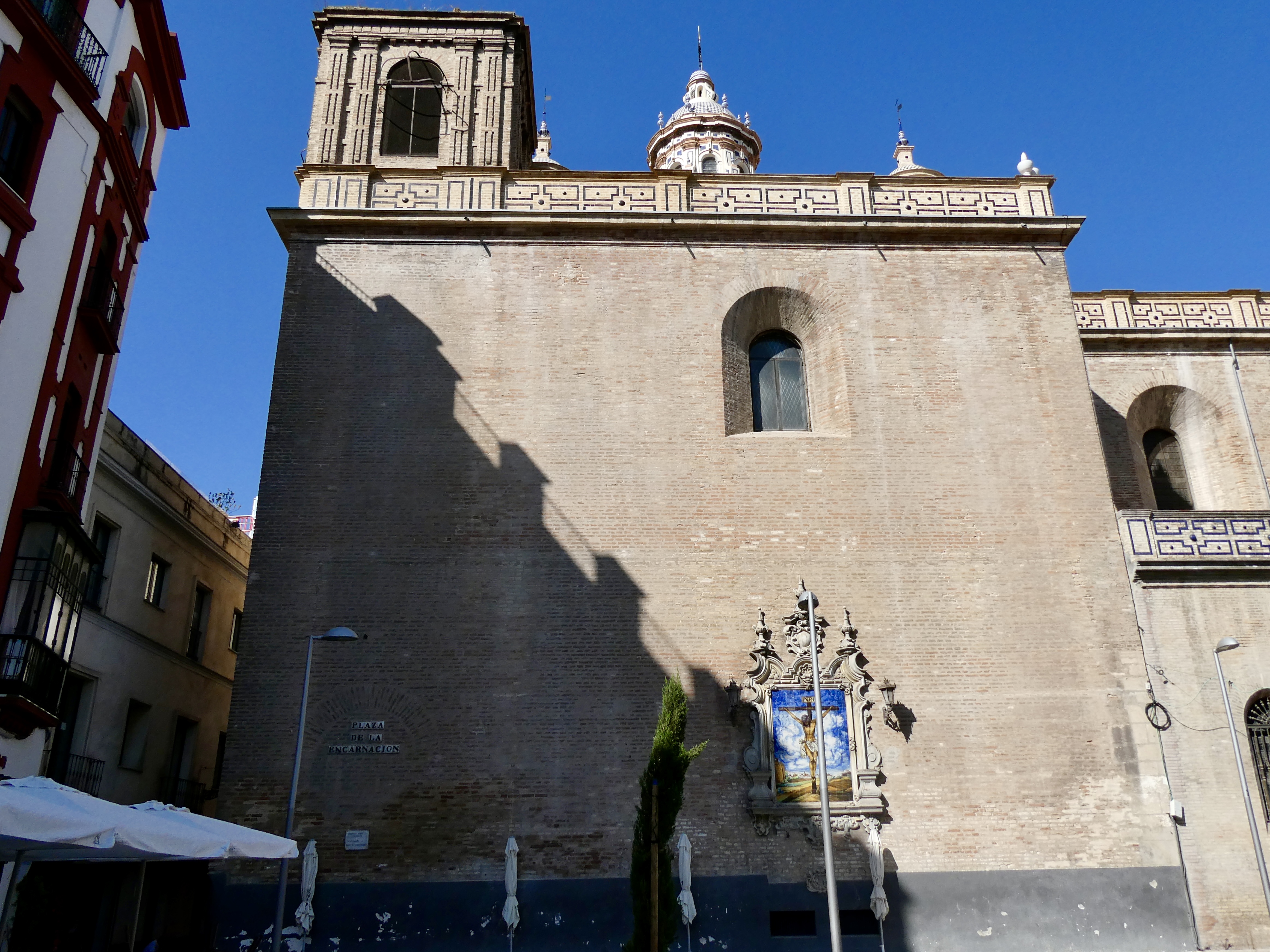
We then walked across the street to Plaza de la Encarnacion, which takes its name from the 16th century Convent of La Encarnacion that was on the site until 1811 when the site was demolished. However, there is a chapel that remains on the site to this day and has a lovely looking tower.
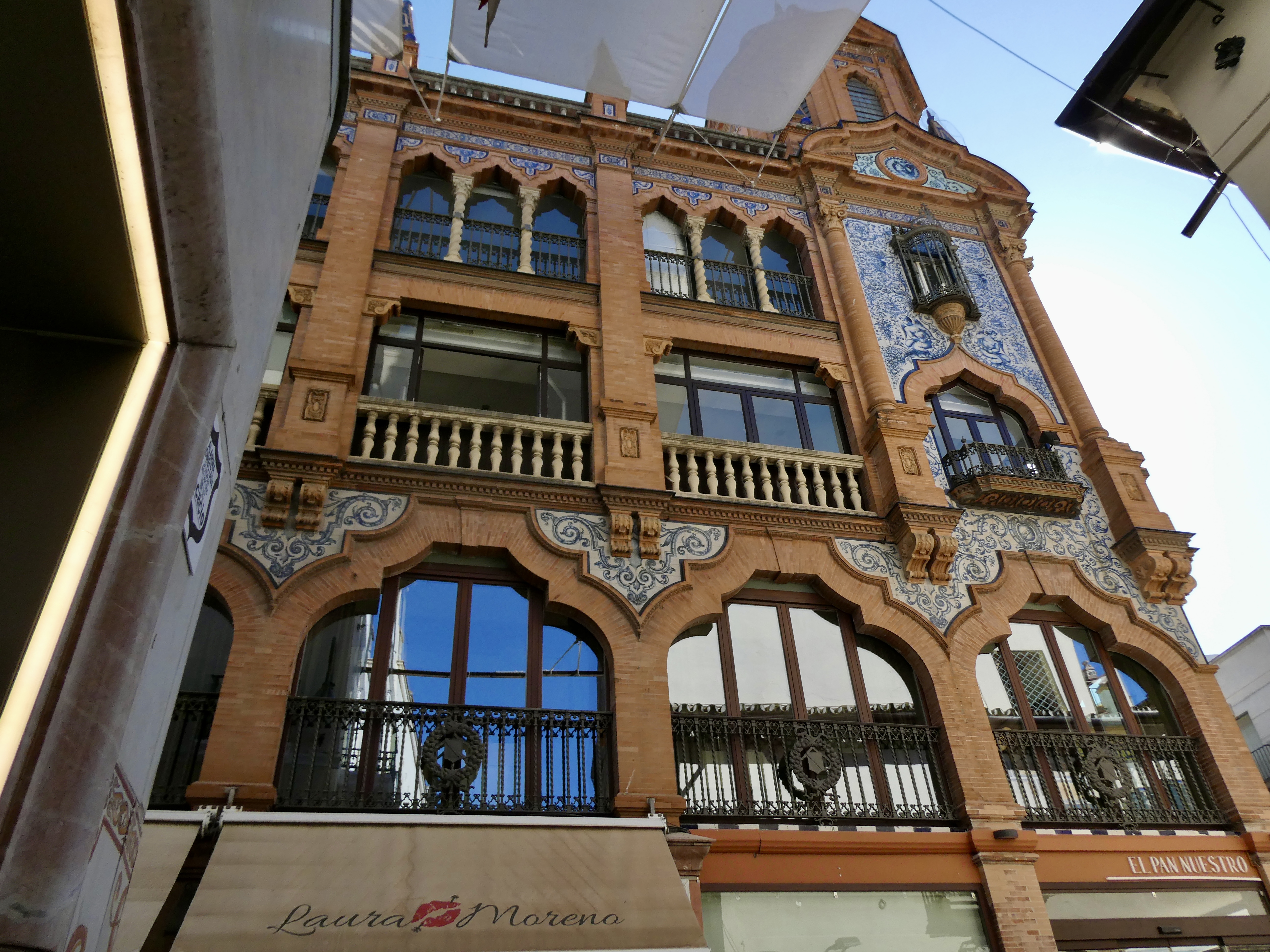
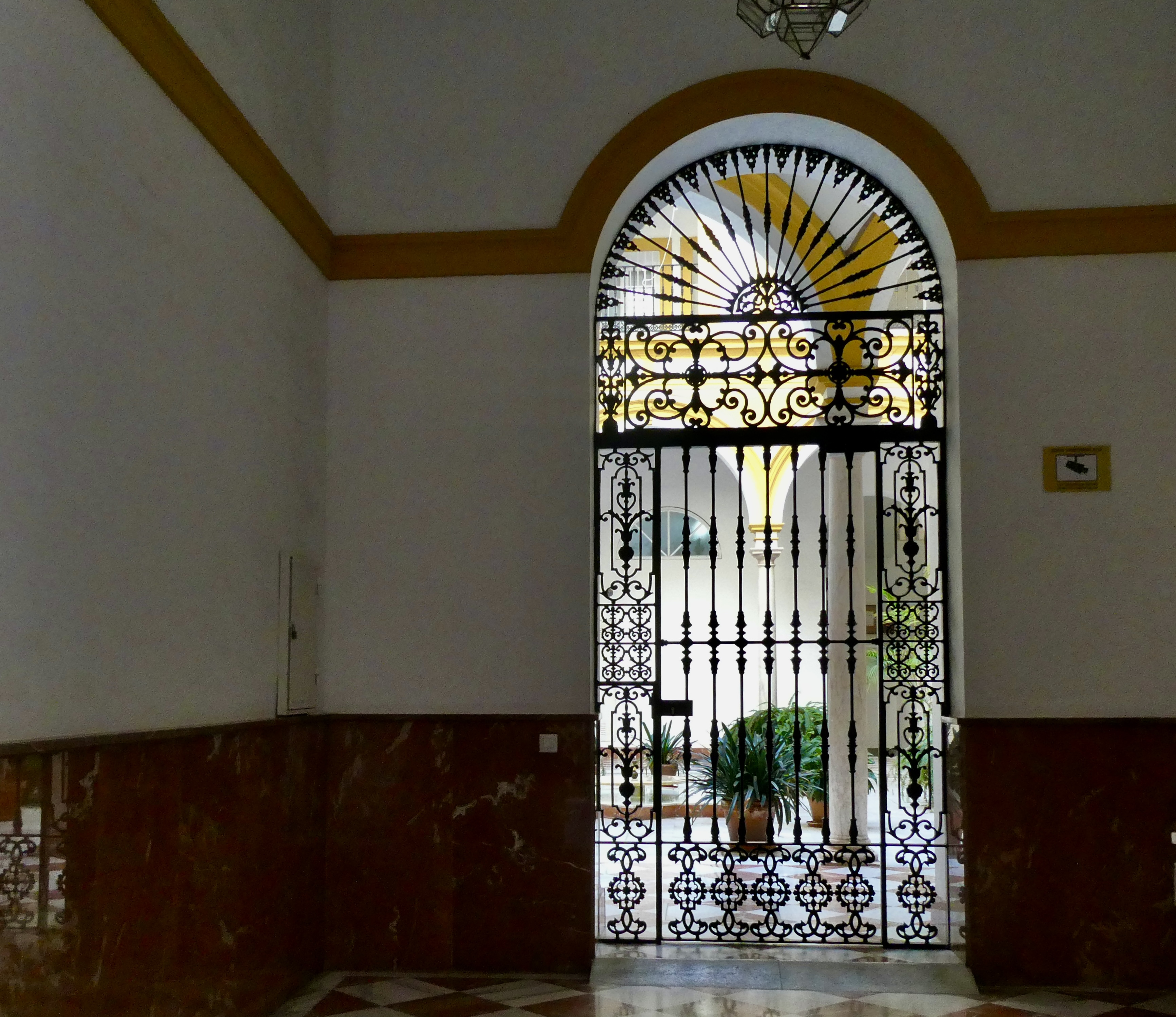
Our walk than took us down Cordoba Street past yet another 20th century art deco building. In addition, we passed a number of buildings with open doors that allowed us to peak in and have a look at the lovely courtyards in the middle of the buildings.
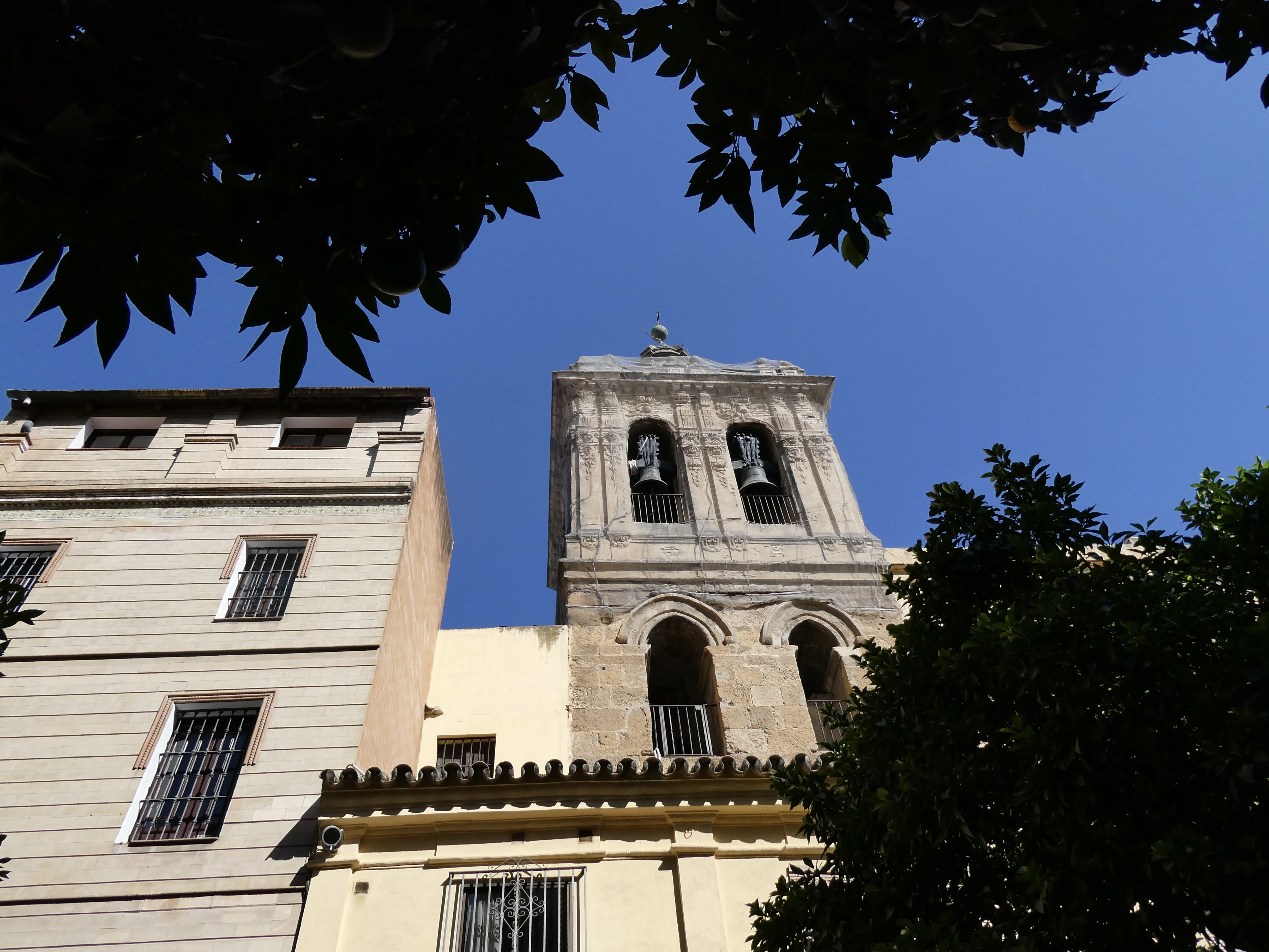
We then walked up a narrow alley to the backside of the Salvador Church. Now this church was pretty darn awesome because its construction combined Roman, Muslim and Christian building materials including original 1st century Roman columns, brick from the original Ibn Adabbas Mosque that was on the site from 839, a tower that used to be the Mosque’s minaret and Christian sculptures dating to the 17th century. The Salvador Church is the second largest church behind the Sevilla Cathedral.
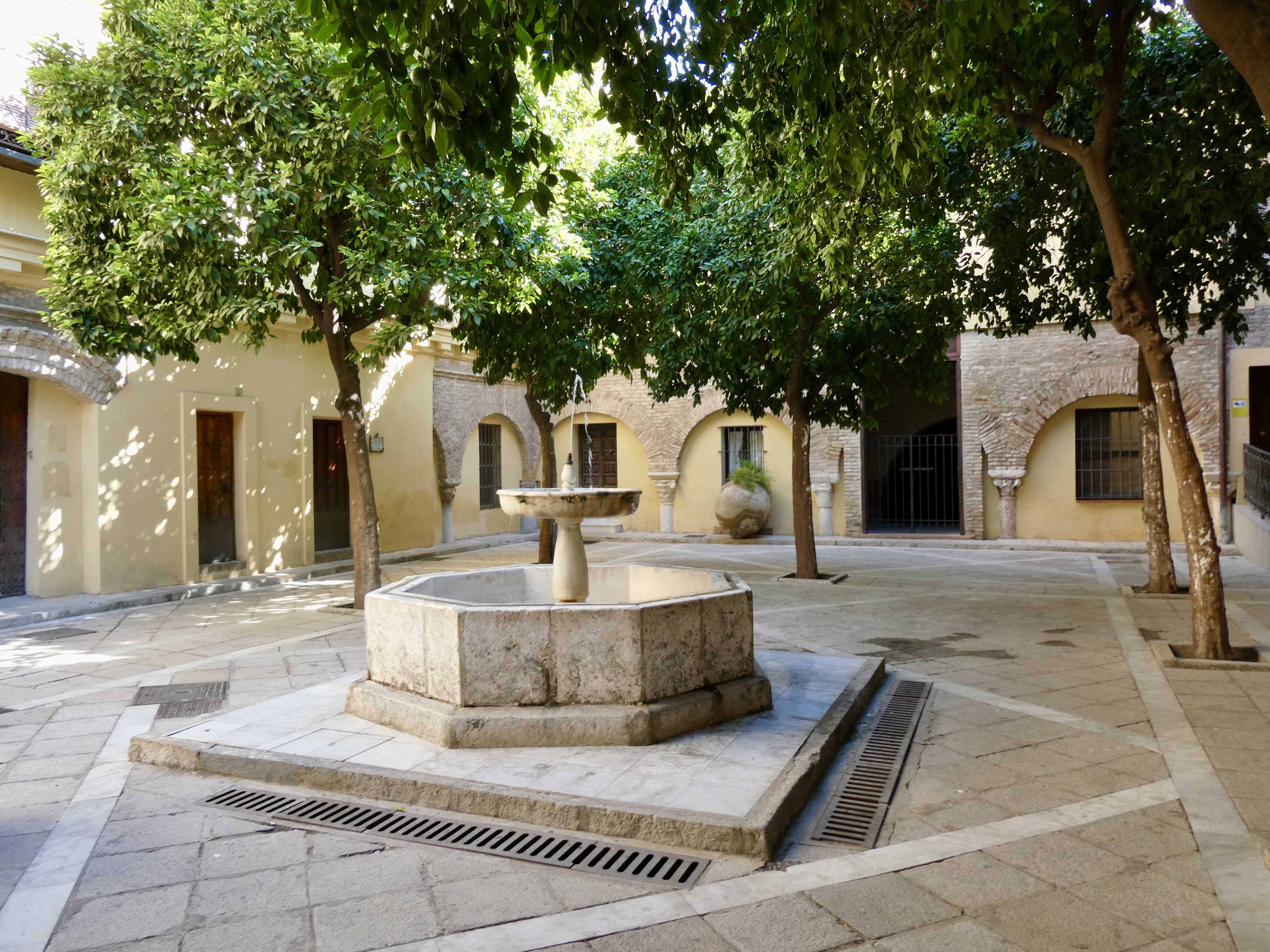
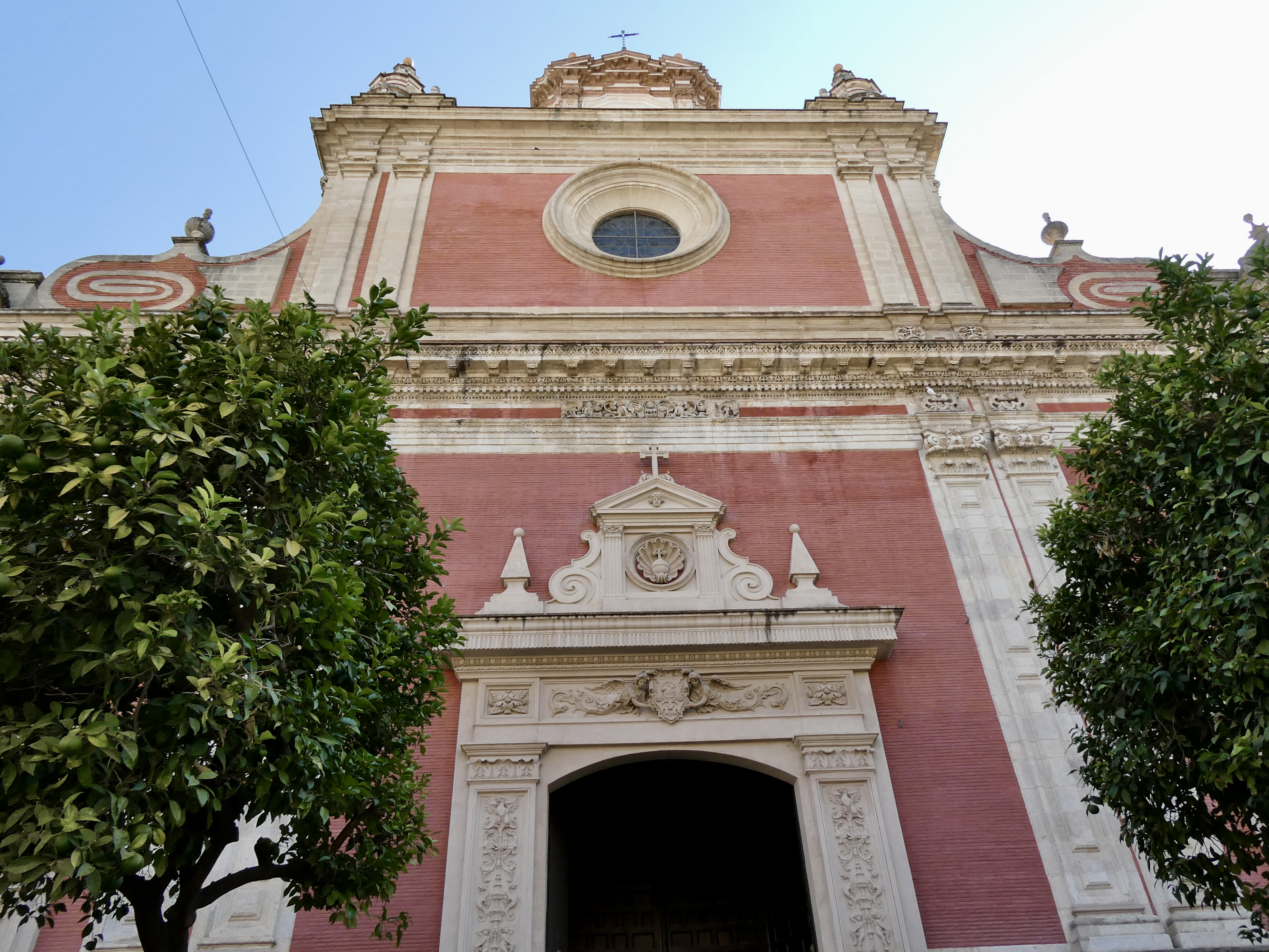
We ended up walking around the courtyard checking out the Roman columns and brick from the mosque as well as Christian statutes before walking back out the alley and around to the front side of the building. Now the front side was lovely, but nothing compared to the awesomeness of the backside of the building.
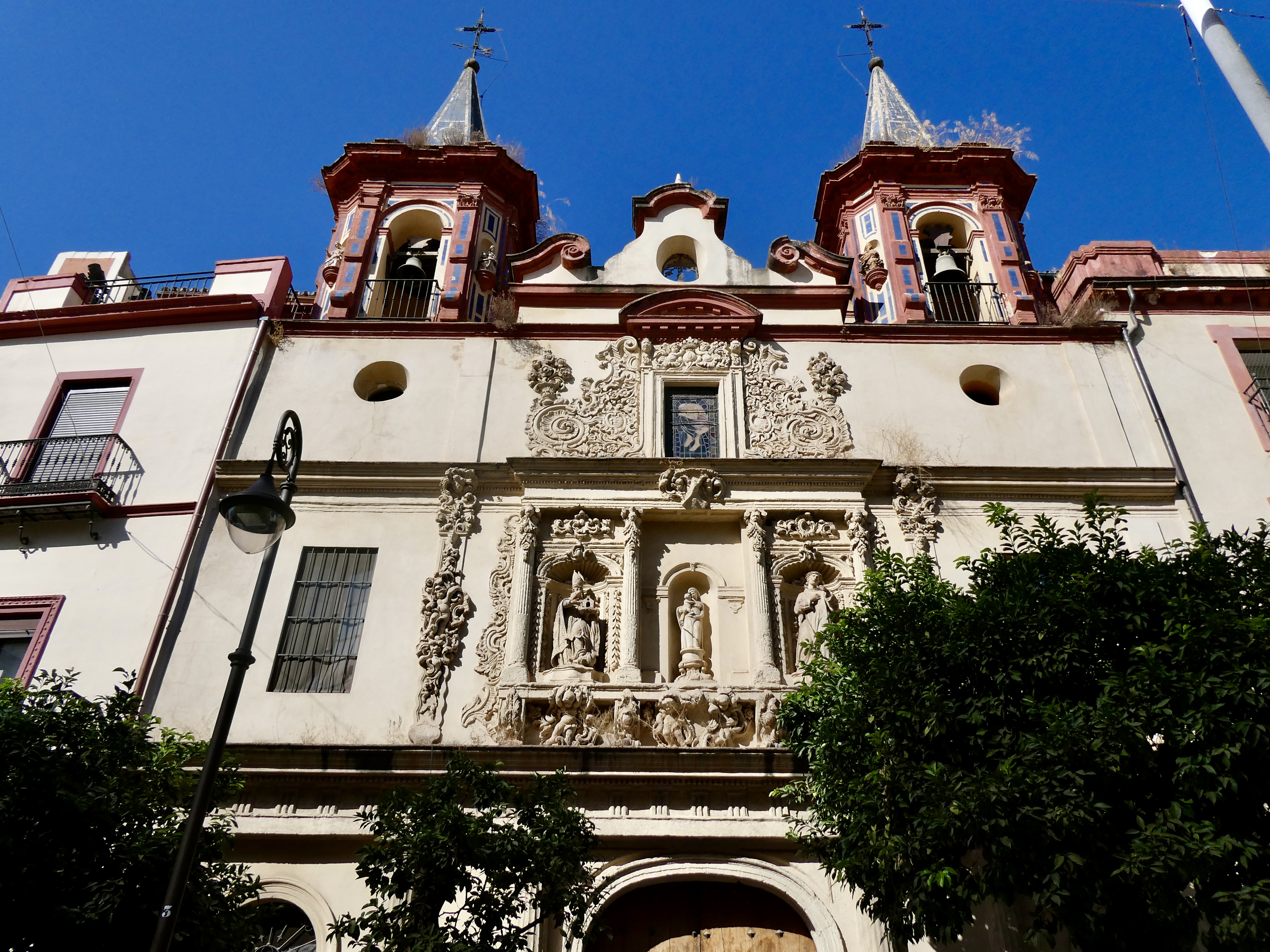
And across the street from the Salvador Church was a lovely two towered chapel (it actually looked like a castle) called the Mother of God Chapel. And if it seems like we were seeing a lot of churches its because there are a lot of churches in this area. In fact, there are apparently over 100 churches in old Sevilla. Yikes!
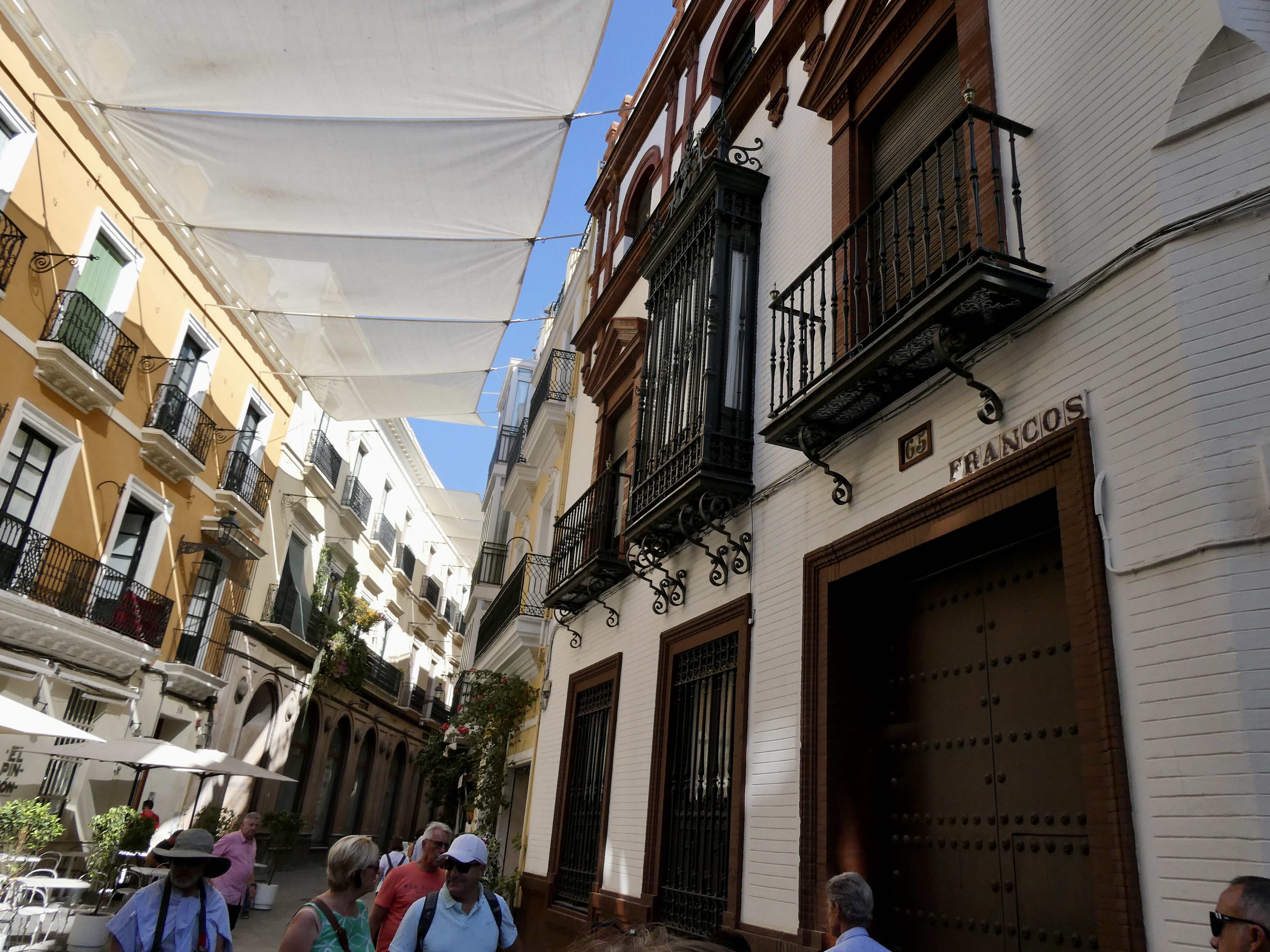

We continued on through more old streets with shops on the bottom of buildings and apartments above, many with beautifully decorated balconies. In fact, we even passed one balcony that was still decorated with palm fronds from Holy Week back in April. (I guess this is the equivalent of the neighbor that never takes their Christmas decorations down.)
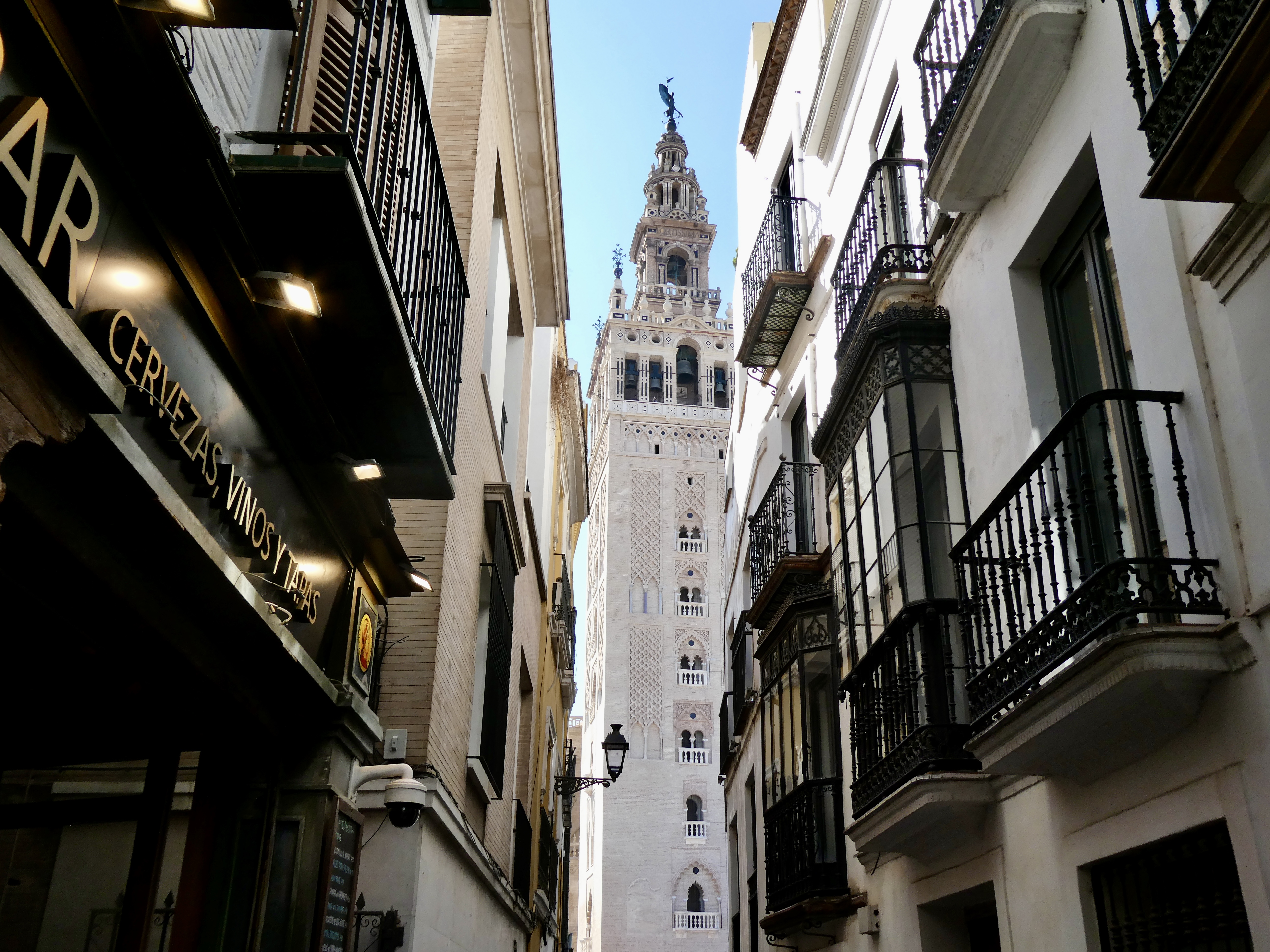
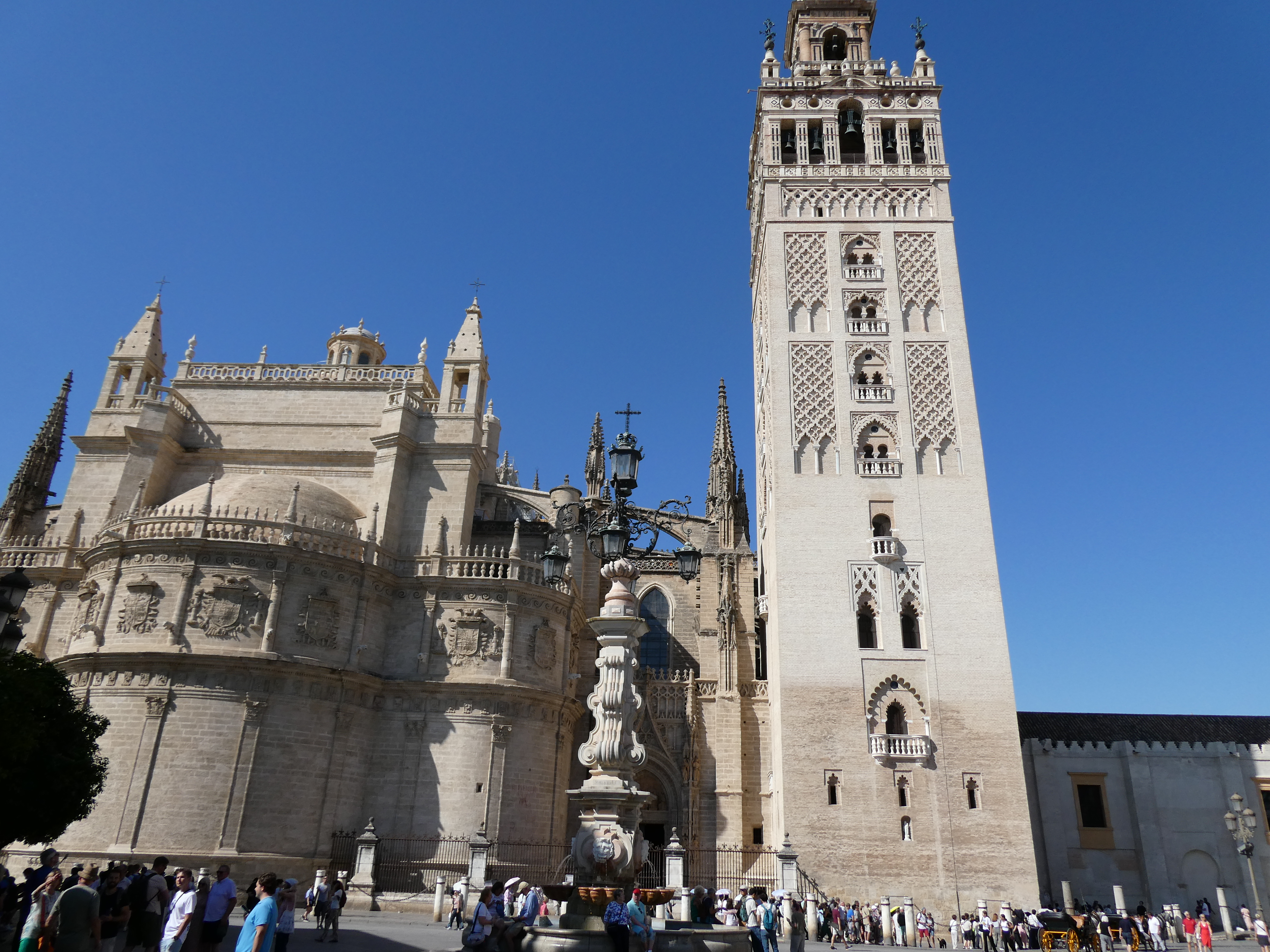
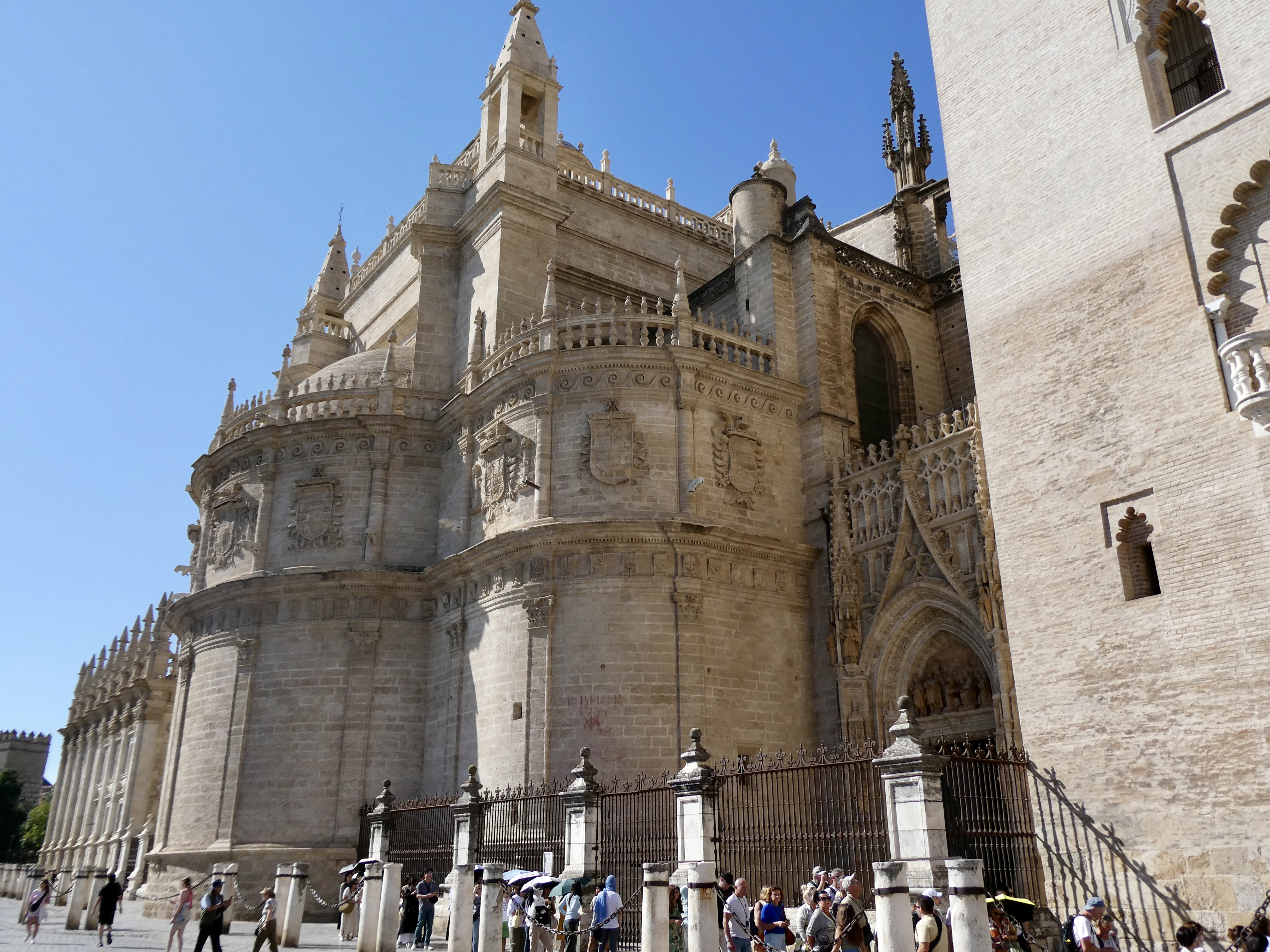
So at this point, our walk took us down an alley giving us our first view of La Giralda (the bell tower of the Sevilla Cathedral). Now the tower was originally built as a minaret for the Great Mosque of Seville in 1171. The base was made of stones repurposed from Roman buildings. The middle portion of the minaret was made from brick that was common in Moorish construction. The Christians took over the mosque as wells as the minaret in the 13th century repurposing the minaret as a bell tower. The towers was partially destroyed by an earthquake in the 14th century and over the years the tower was rebuilt. In the 16th century a Renaissance style belfry was added to the top of the tower.
We ended up walking around the tower and the Sevilla Cathedral, but did not go in. (I actually have a tour of the Cathedral, La Giralda and the nearby Alcazar on Saturday so I will see the inside of these local landmarks at that time.)
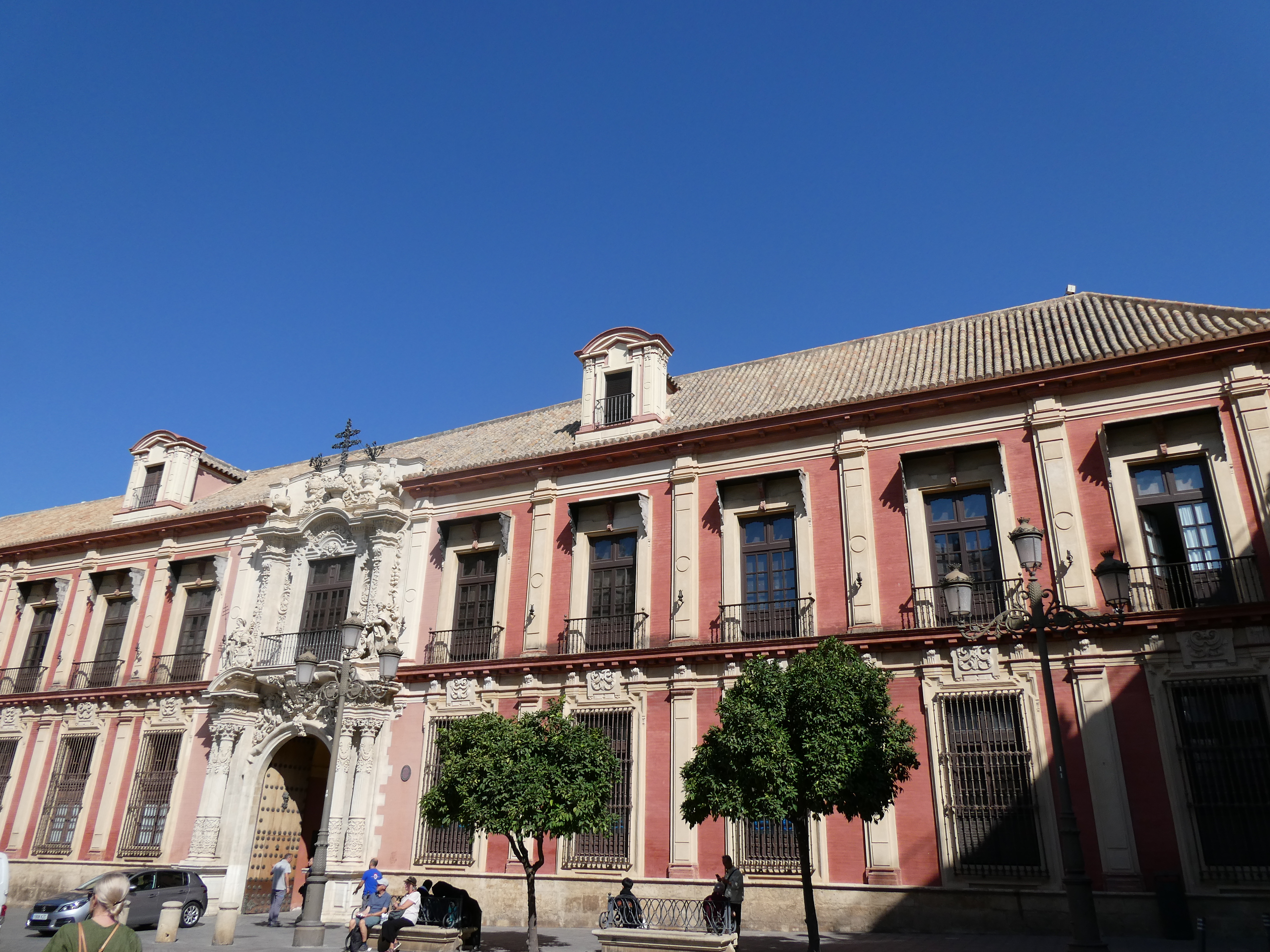
Anyway, walking away from La Giralda, we passed the Archbishops Palace, which dates to 1251, but was significantly renovated in the mid 16th century. Today the palace houses important religious archives and artworks. Unfortunately, the palace can only be visited by appointment.
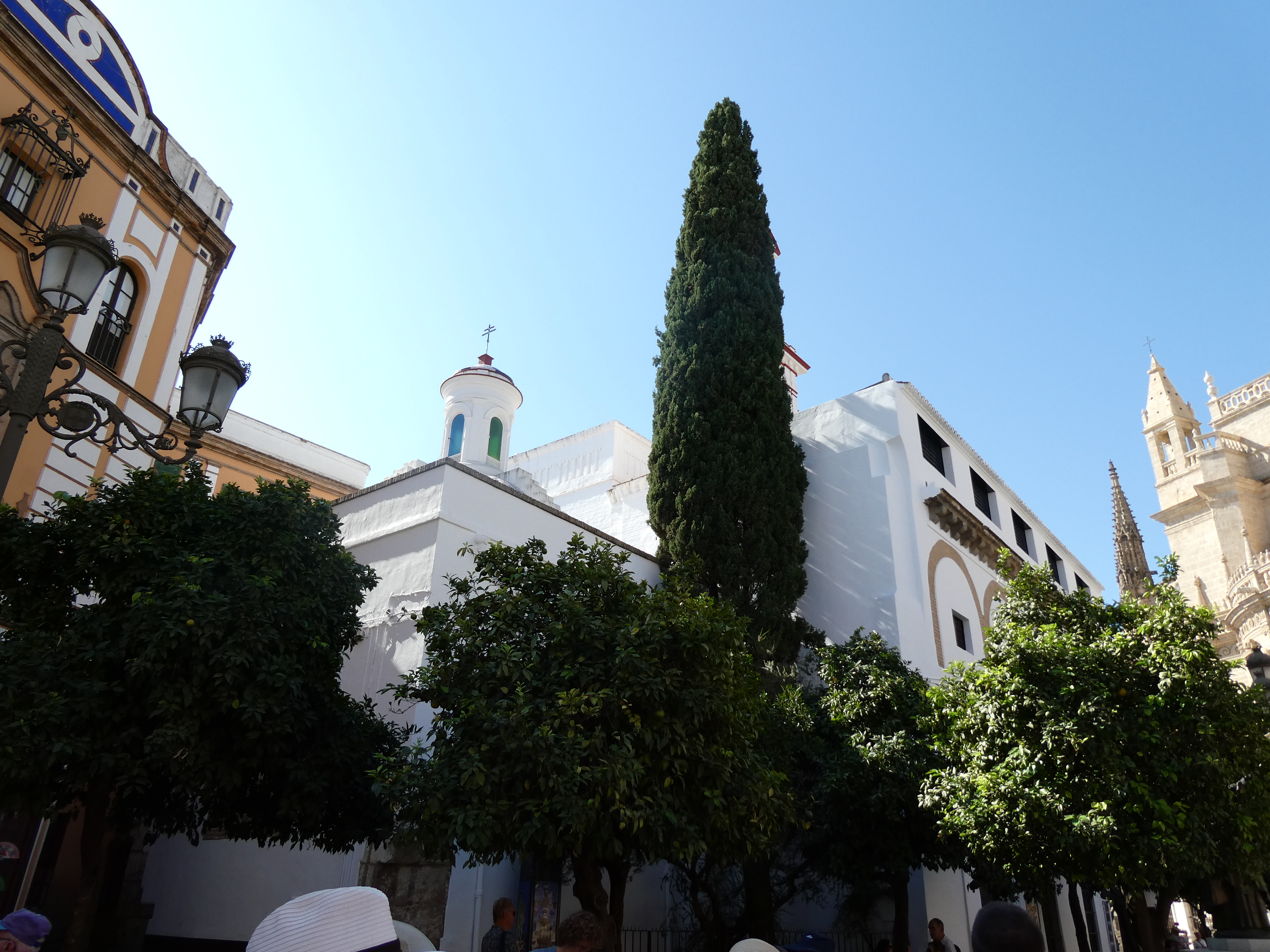
And across from the Archbishop’s Palace was the Convent of Santa Ines, which dates to 1374. Remarkably, this convent remains an active working convent. I have no idea how many nuns remain. I would also like to know if they make cookies for sale like the convent in Madrid.

At this point, we turned down yet another narrow alley and entered the Jewish Quarter aka Barrio de Santa Cruz, which was filled with narrow, winding streets, flower filled patios and lovely squares. At one time, the barrio was the largest Jewish community in Spain.
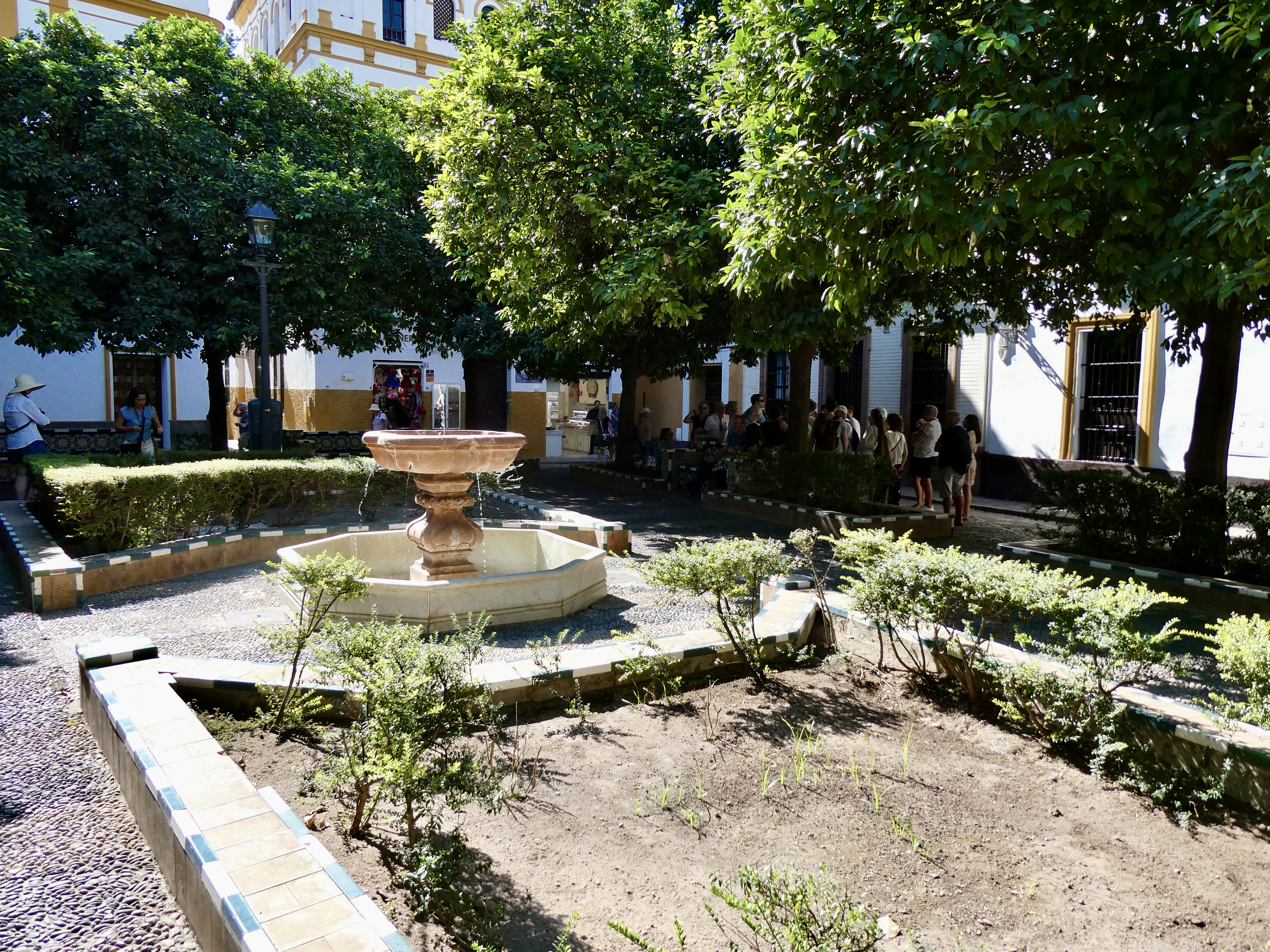
We eventually reached Plaza de Santa Cruz with its lovely orange trees and fountains. It was starting to really warm up so the break from the sunshine under the shade of the trees was entirely welcomed.
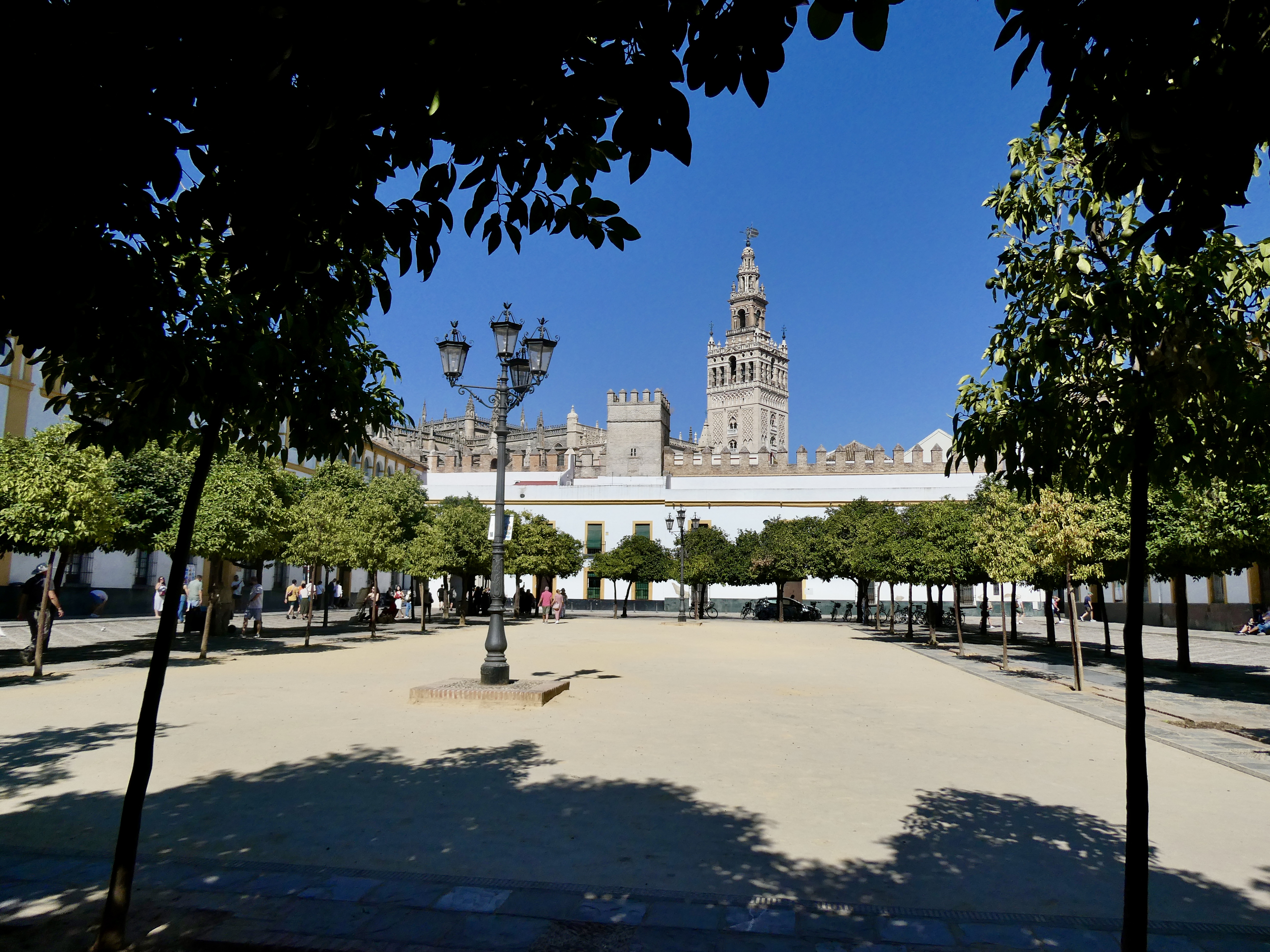
From here, we walked through a maze of streets past a number of candy shops before walking down a narrow covered portal to reach Patio de Banderas, a large plaza that is part of the Royal Alcazar of Seville, which dates to the 10th and 11th century and included the usual fortified walls, palace, government buildings, homes, shops and servants quarters.
The walls were particularly fabulous and I am looking forward to Saturday when I will be able to explore the Alcazar in detail.

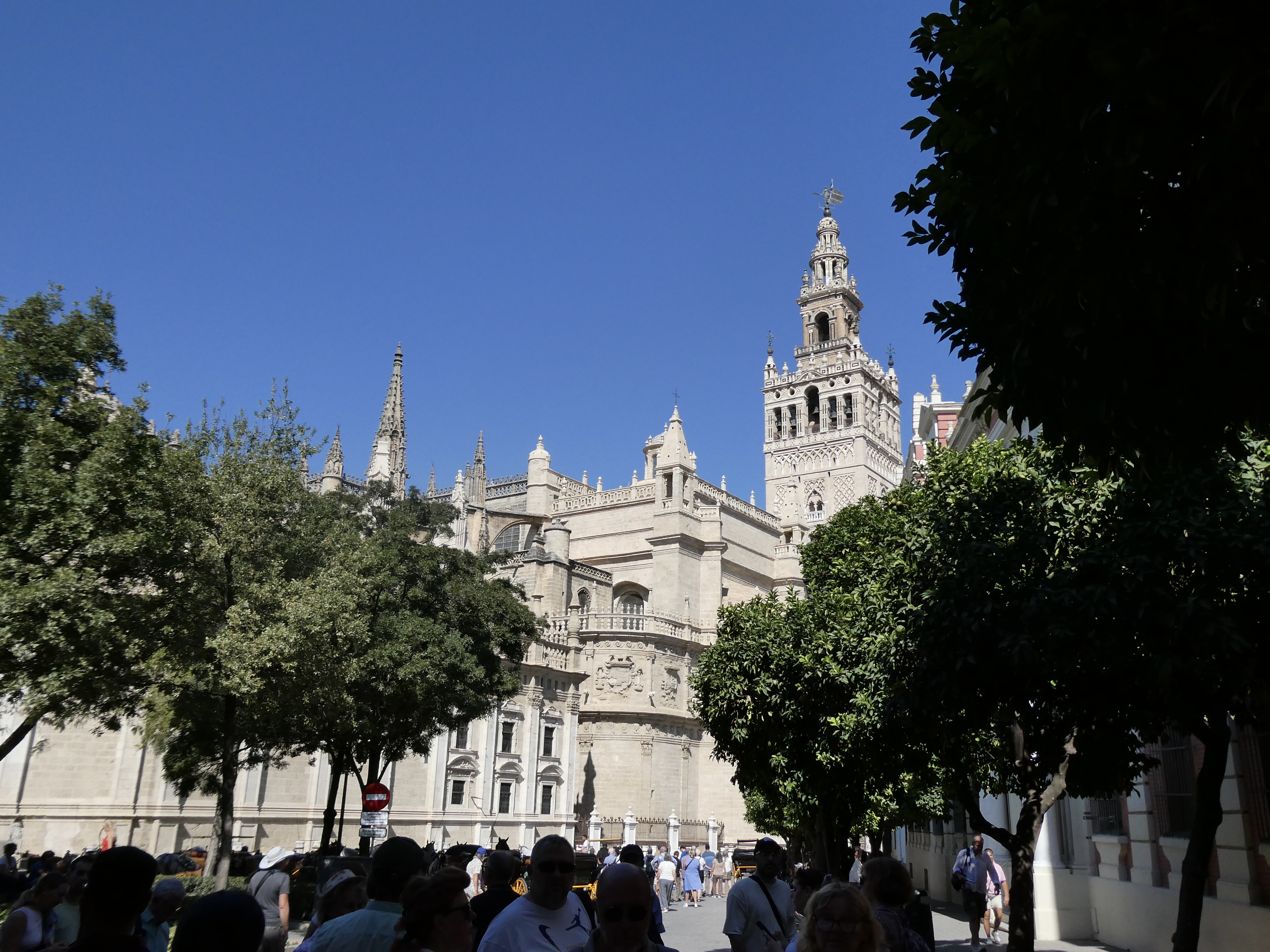
We then walked through another portal in the fortified walls leaving the Alcazar and entering the Plaza de Triunfo, which sits between the Sevilla Cathedral and the Alcazar. And it was here that we ended the tour. It had been a fabulous 2 ½ hours with Marina who proved to be a fabulous guide.
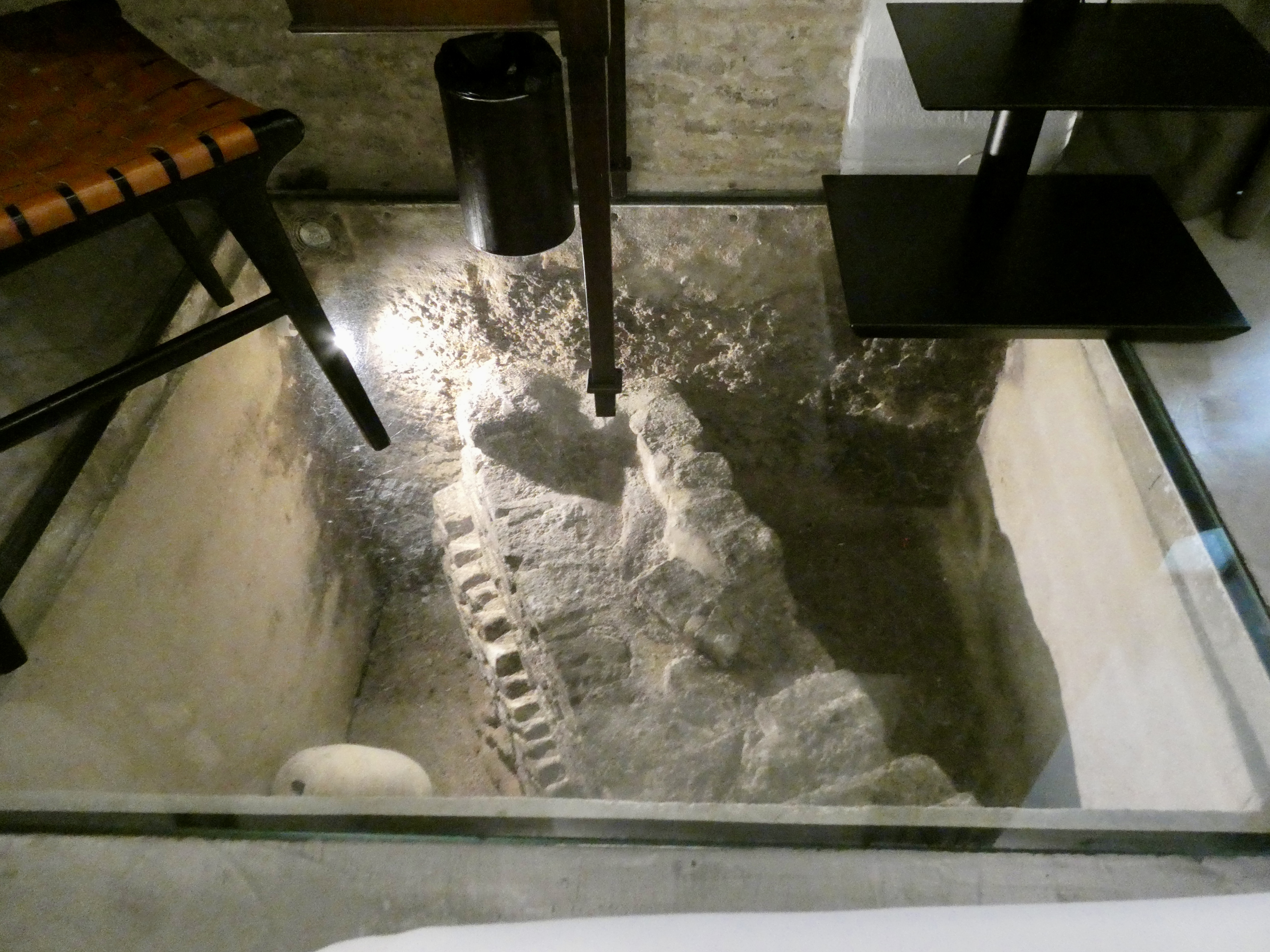
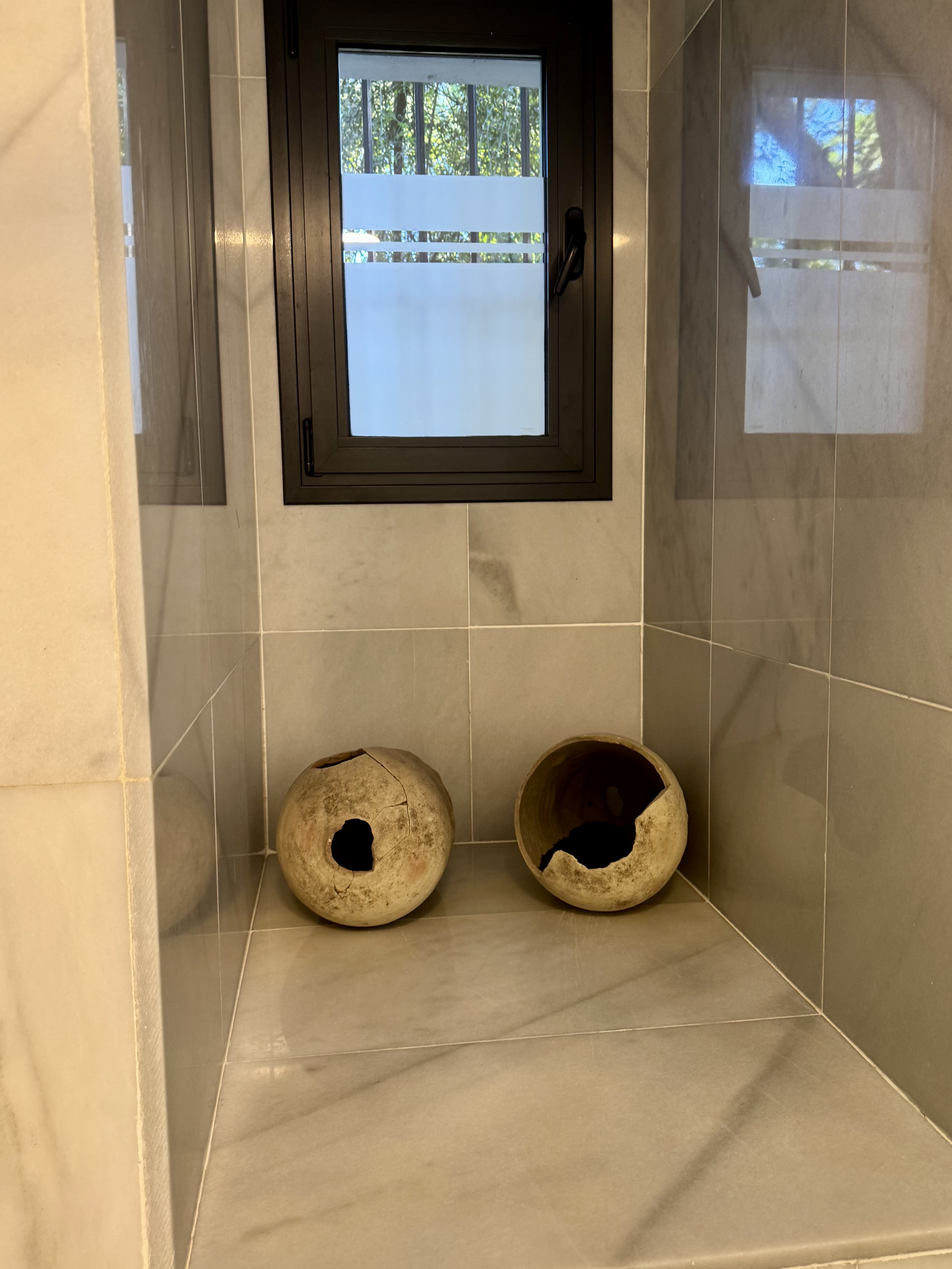
So from here, I stopped for some lunch (not even in the same league as yesterday) and then walked about ten minutes back to my hotel. And once I checked into my room, I received a huge surprise. Apparently my hotel was part of the Alcazar and when they were renovating the building, they uncovered some of the almohade walls of the Alcazar, a well as 17th century amphoras (pots). My room was apparently part of one of the bigger finds and instead of covering it all back up, they made the finds part of the room. So I have a huge glass panel on the floor that allows me to look at the old 10th and 11th century walls any time I want. And side note, for some reason they put a couple of the broken amphoras on a shelf in my shower. Little nervous about showering.
Anyway, that’s it for today. Tomorrow I am off on a bus trip to Gibraltar.
